
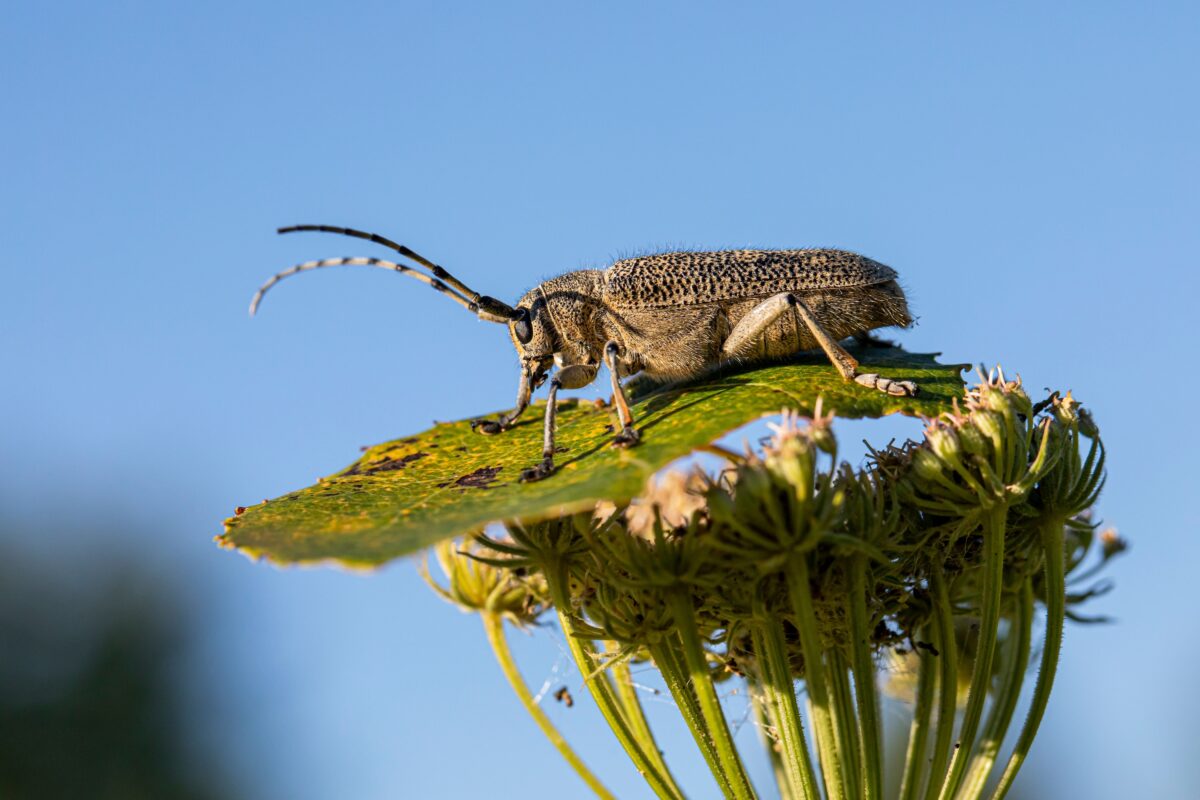
A tidy garden in November looks like a job well done. The beds are raked, the stems are cut back, and the leaf piles are bagged by the curb. Yet a surprising amount of life is still tucked into those same leaves, stems, and bark crevices, simply waiting for warmer weather.
Not every creature in there is a villain, and that’s worth saying up front. Still, a handful of familiar pests have worked out how to ride out the cold in these small shelters. Knowing who’s hiding where can change how and when you clean up.
1. Squash Bugs in Leaf Litter and Garden Debris
🔥 Would you like to save this?
We'll email this post to you, so you can come back to it later!
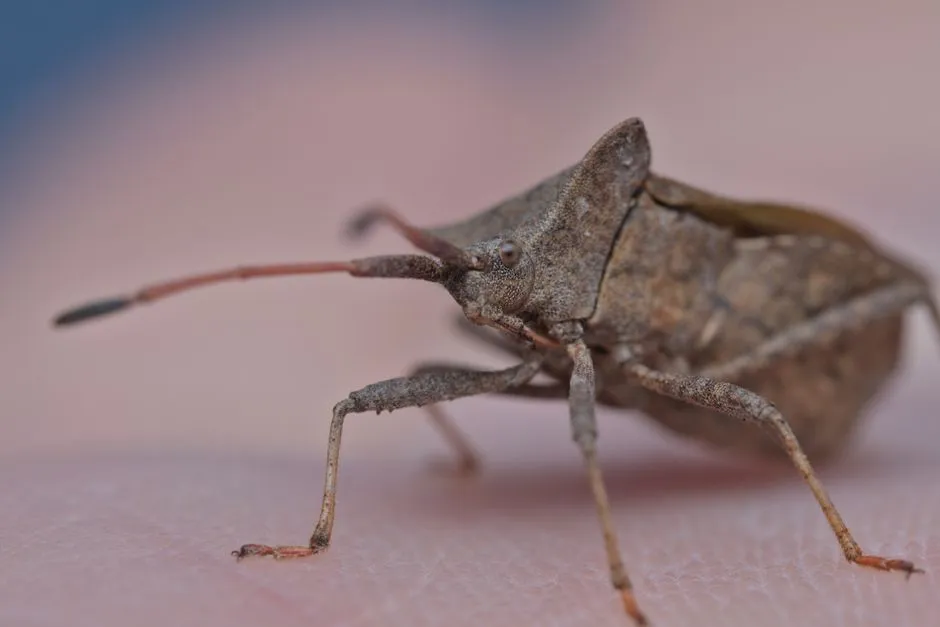
Adult squash bugs overwinter as adults, and they look for protection in plant debris, under boards, and in other sheltered spots near where squash and pumpkins grew. Leaves and old vines left in a vegetable patch make a convenient hotel. When spring arrives, they move back to young cucurbit plants and start feeding.
Cleaning up spent vines at the end of the season takes away a lot of their cover. Cleanup won’t remove every bug, since some find shelter in nearby structures. Still, it makes the patch less welcoming and easier to monitor in early summer.
2. Stink Bugs Hiding in Bark and Crevices
🔥 Would you like to save this?
We'll email this post to you, so you can come back to it later!
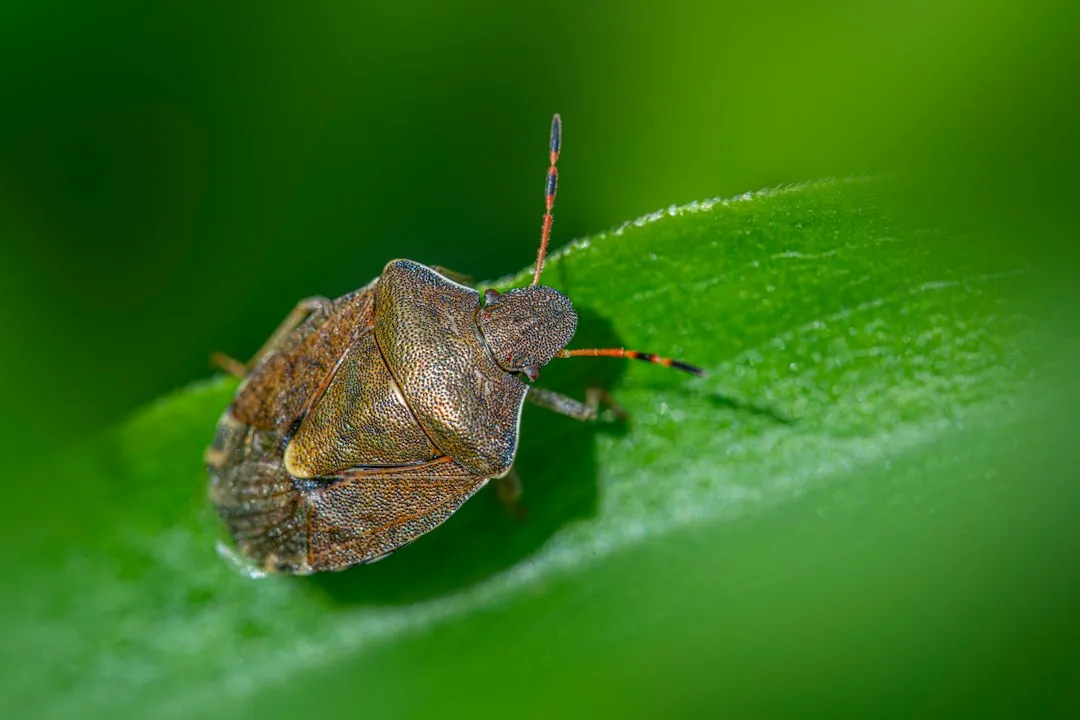
Brown marmorated stink bugs are best known for sneaking into houses in autumn, but plenty of them overwinter outdoors. They squeeze into cracks in tree bark, under loose siding, and into woodpiles or other tight gaps. Adults enter a dormant state until temperatures climb again.
In spring they head back to fruit trees, vegetables, and ornamentals, where their feeding can leave pitted, distorted fruit. Sealing gaps around the house helps indoors, while outside it’s mostly about reducing sheltered spots near the garden. Expect some to survive regardless, because bark is hard to do much about.
3. Codling Moth Larvae Under Bark Scales
🔥 Would you like to save this?
We'll email this post to you, so you can come back to it later!
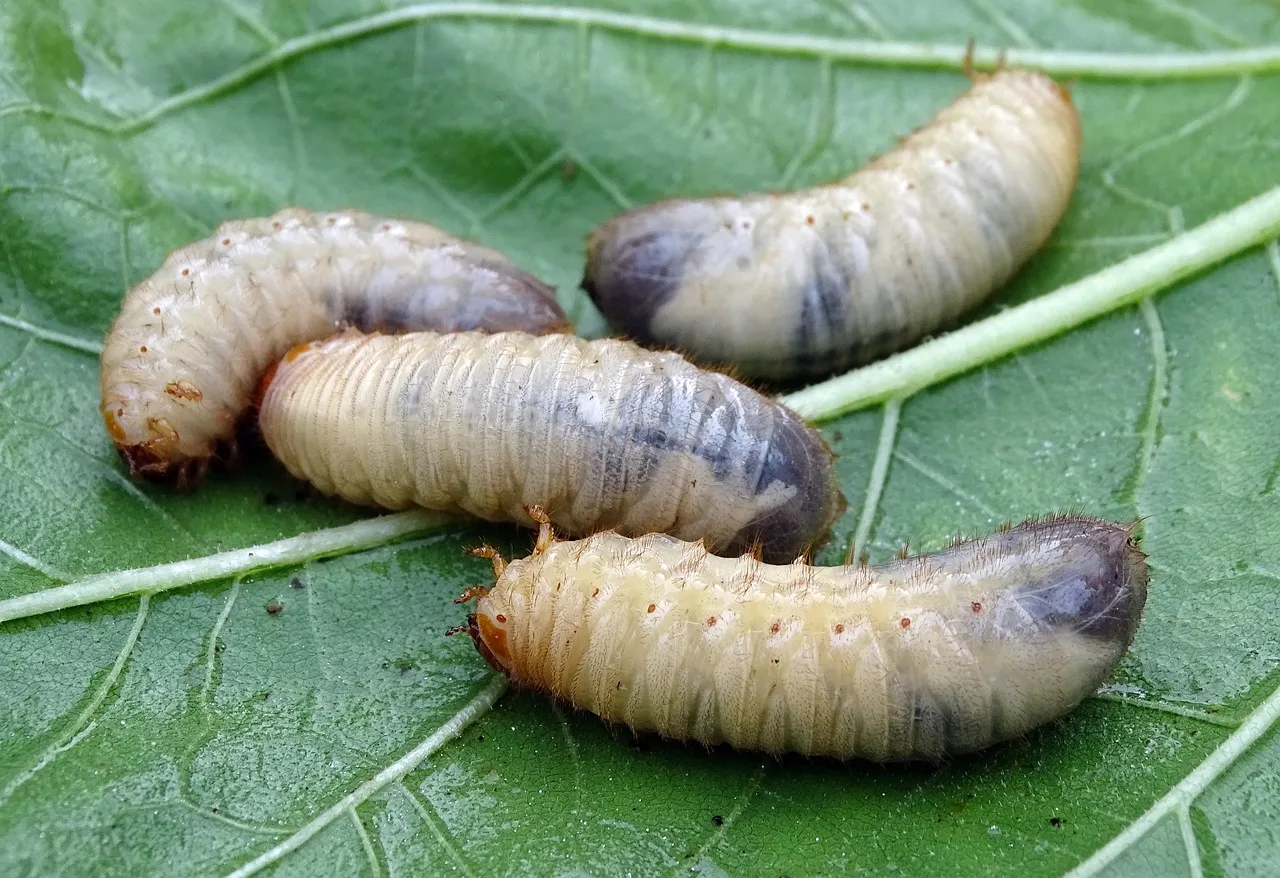
The codling moth is a classic apple and pear pest. Fully grown larvae spin silk cocoons in protected places, such as crevices in bark, and spend the winter there before pupating in spring. That’s why old, flaky bark on fruit trees can be a problem.
Scraping loose bark and removing fallen fruit in autumn can reduce the number of overwintering sites. Some gardeners also use corrugated cardboard bands as traps, then dispose of them. It’s a small chore, though one that pays off when you bite into an apple without a tunnel through it.
4. Aphid Eggs on Stems and Bark
🔥 Would you like to save this?
We'll email this post to you, so you can come back to it later!
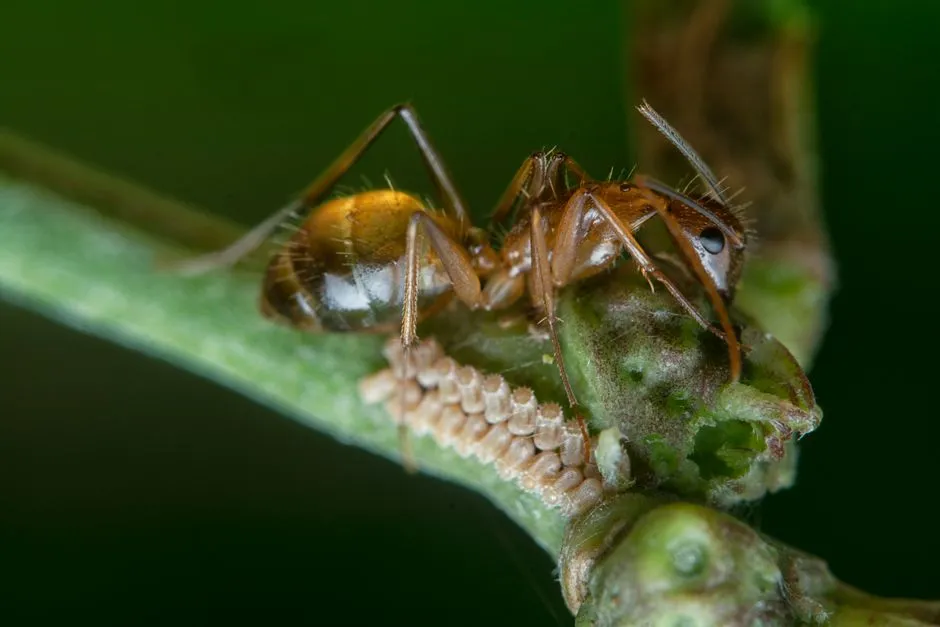
Many aphid species survive winter as tiny eggs laid on woody plants, often tucked near buds or in bark cracks. These eggs tolerate cold well, then hatch as buds swell in spring. The first generation is all female, and they can reproduce quickly once the weather warms.
Because the eggs are so small, most people never see them. Dormant season pruning of badly infested branches can help, and some gardeners use horticultural oils on dormant trees. Check local extension guidance first, since timing and product choice matter.
5. Spider Mites in Leaf Litter and Bark
🔥 Would you like to save this?
We'll email this post to you, so you can come back to it later!
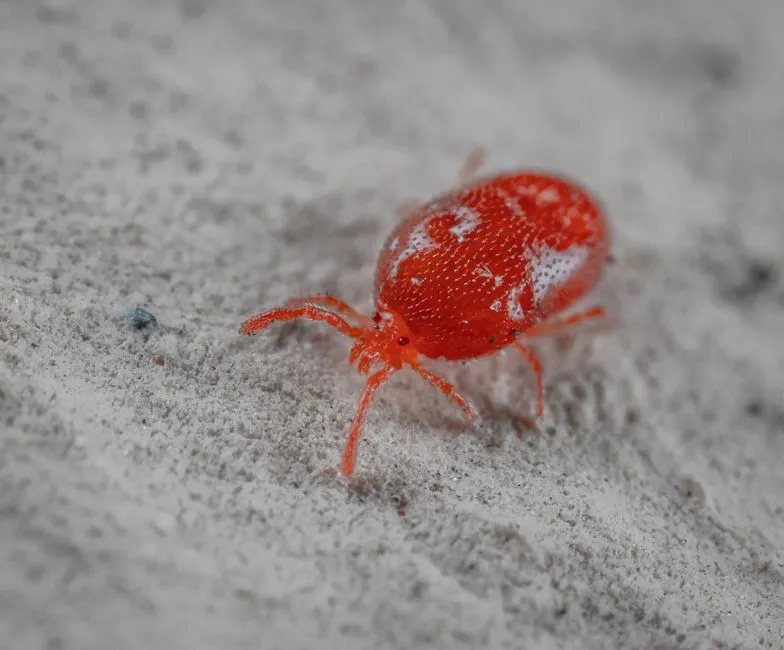
Twospotted spider mites overwinter as adult females, and they shelter in leaf litter, under bark, and in other protected spots. Their color often shifts to orange or reddish when they go dormant, which makes them a little easier to spot if you look closely. When it warms up, they move to nearby host plants and start feeding.
Weedy borders and piles of old leaves near the garden can give them a head start. Clearing those areas in late fall may reduce the early spring population. Hot, dry summers tend to make mite problems worse, so a lower starting point helps.
6. Japanese Beetle Grubs? Not Quite: Why the Soil Matters
🔥 Would you like to save this?
We'll email this post to you, so you can come back to it later!
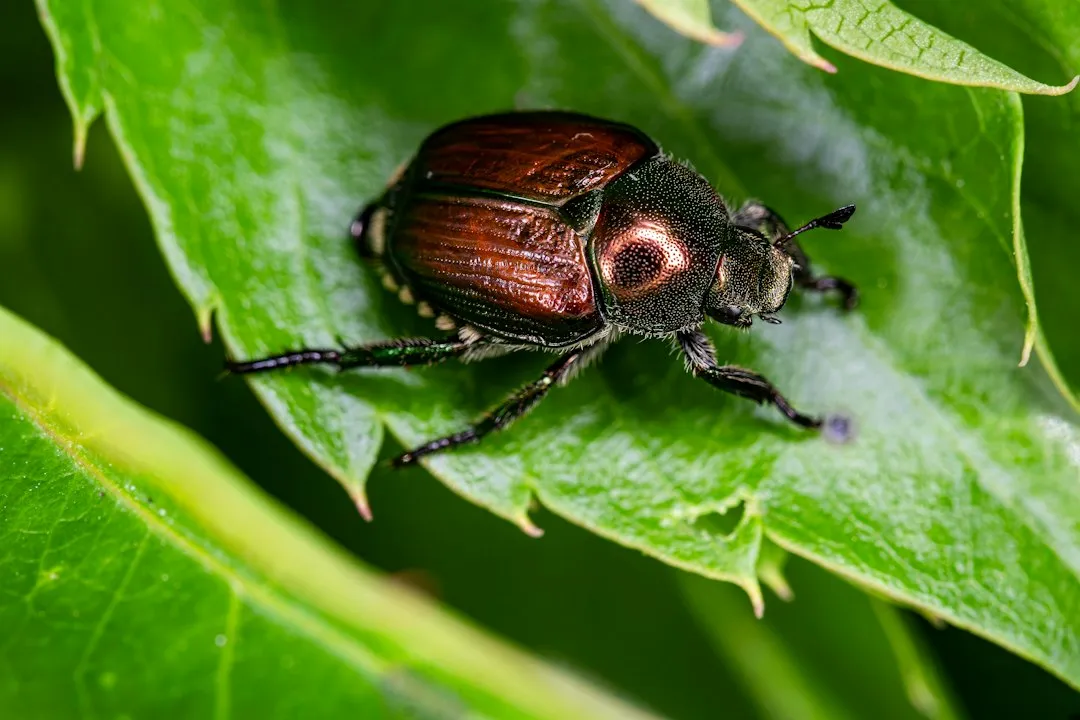
Japanese beetle larvae are worth mentioning mainly to clear up a mix-up. They overwinter as grubs deep in the soil, not in leaves or bark, so raking won’t touch them. Gardeners sometimes blame leaf piles for beetle outbreaks when the real source is turf and soil below.
That distinction matters because it saves effort. If beetles are your issue, lawn and soil management are the better focus than bagging leaves. It’s a good reminder that not every winter pest uses the same hiding place.
7. Earwigs in Hollow Stems and Debris
🔥 Would you like to save this?
We'll email this post to you, so you can come back to it later!
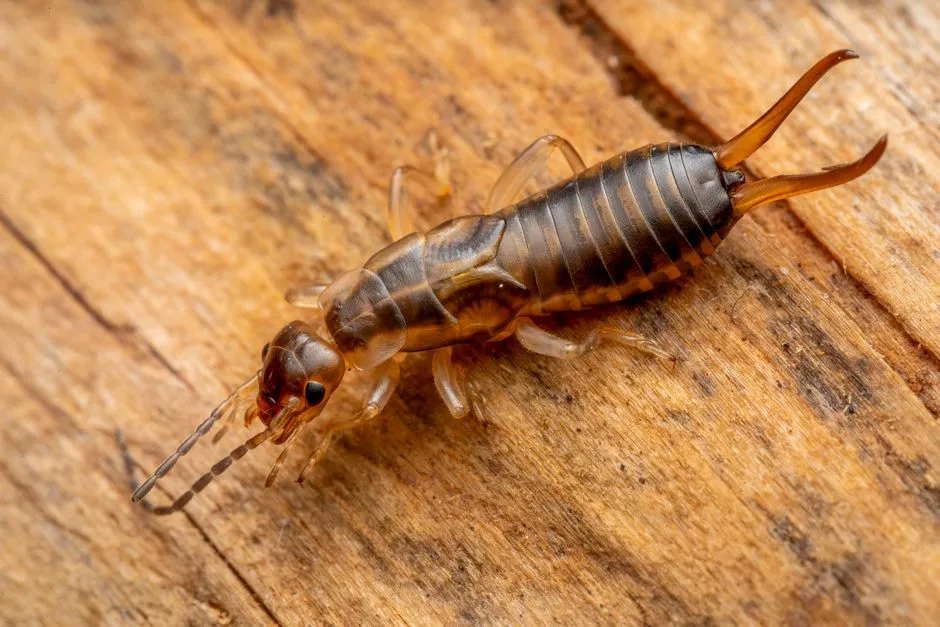
Earwigs like tight, dark, damp spaces, and they’ll use mulch, stones, leaf litter, and hollow plant stems for shelter. In cooler climates, adults and egg-laying females spend the colder months underground or in protected spots. They’re mixed characters, since they eat some pests as well as tender seedlings and petals.
If they’re damaging young plants in your yard, thinning heavy mulch and clearing debris near vulnerable beds can help. Rolled newspaper traps are a classic low tech option. Just don’t expect to wipe them out entirely.
8. Stem Borers and Other Larvae Inside Hollow Stems
🔥 Would you like to save this?
We'll email this post to you, so you can come back to it later!
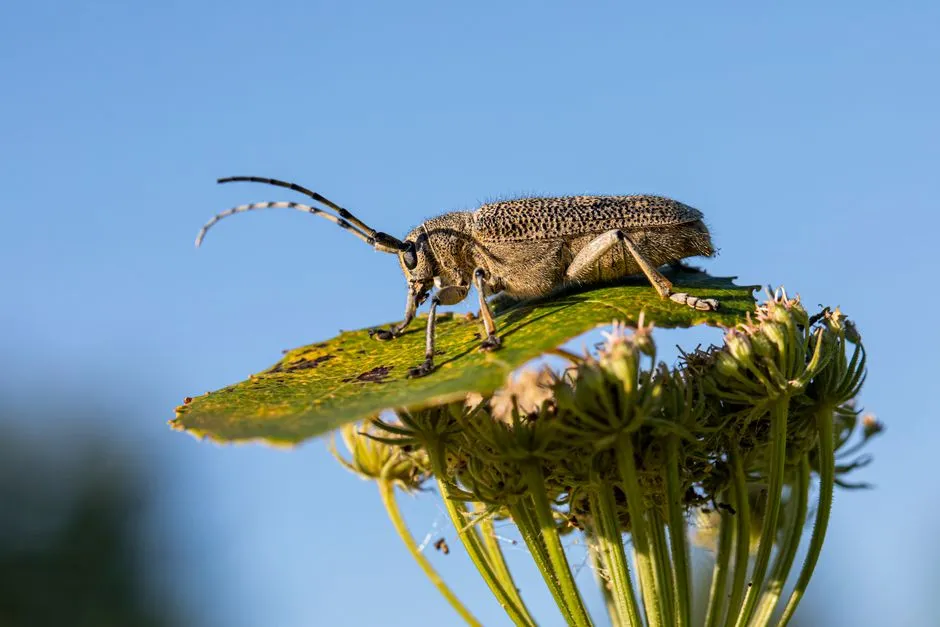
Some insects spend winter inside plant stems themselves. Raspberry cane borers and similar stem dwelling larvae are examples of pests that use canes as a protective tunnel until spring. Cutting and destroying infested canes before they emerge is a standard control method.
There’s a flip side, though. Many beneficial native bees nest in hollow stems, so leaving everything standing helps them. A reasonable compromise is to remove stems you know are infested and leave a few healthy ones in a corner.
Final Thoughts
🔥 Would you like to save this?
We'll email this post to you, so you can come back to it later!
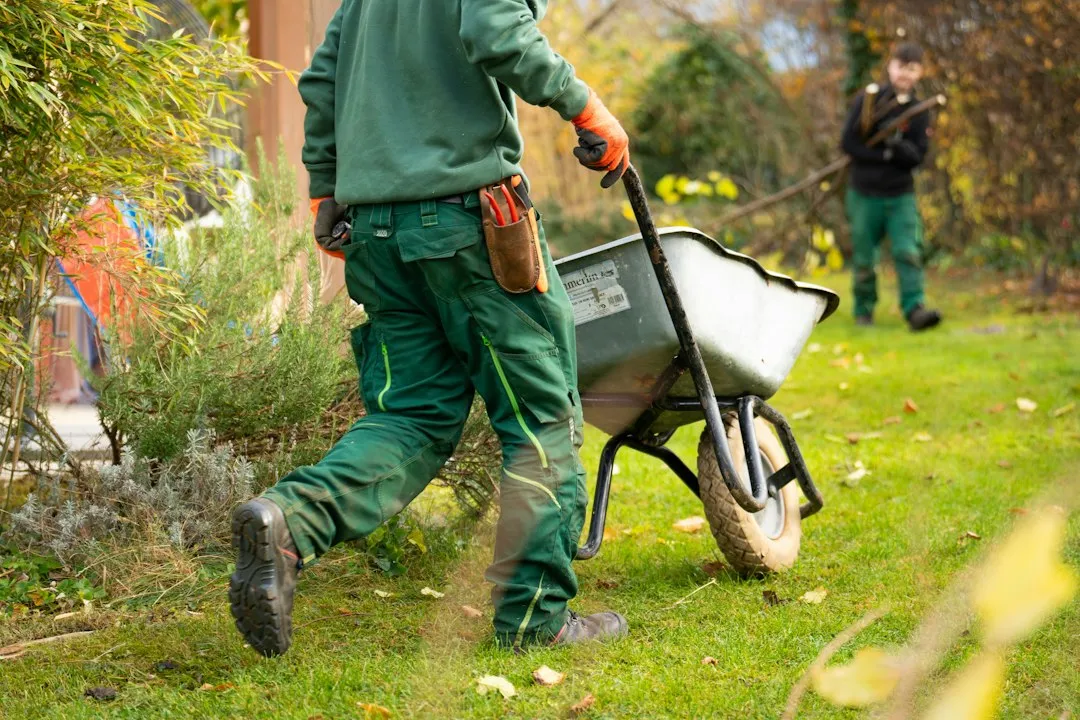
I’d argue the old advice to strip everything bare is overdone. A scorched earth cleanup kills off helpful insects along with the pests, and it still won’t reach every crack in every tree. Targeted work does more good: scrape flaky bark on fruit trees, clear spent squash vines, and cut out stems you know are infested.
Leave the rest a bit wild. A garden with some mess in it tends to support the predators that keep pests in check, and that’s a better bargain than a perfect looking bed in January.

- 7 Everyday Habits That Can Make Your Senior Dog Happier - November 5, 2026
- 10 Enigmatic Structures That Continue to Puzzle Scientists Today - November 5, 2026
- 10 Strange Ruins in the Americas That Challenge What We Know About Early History - November 5, 2026