
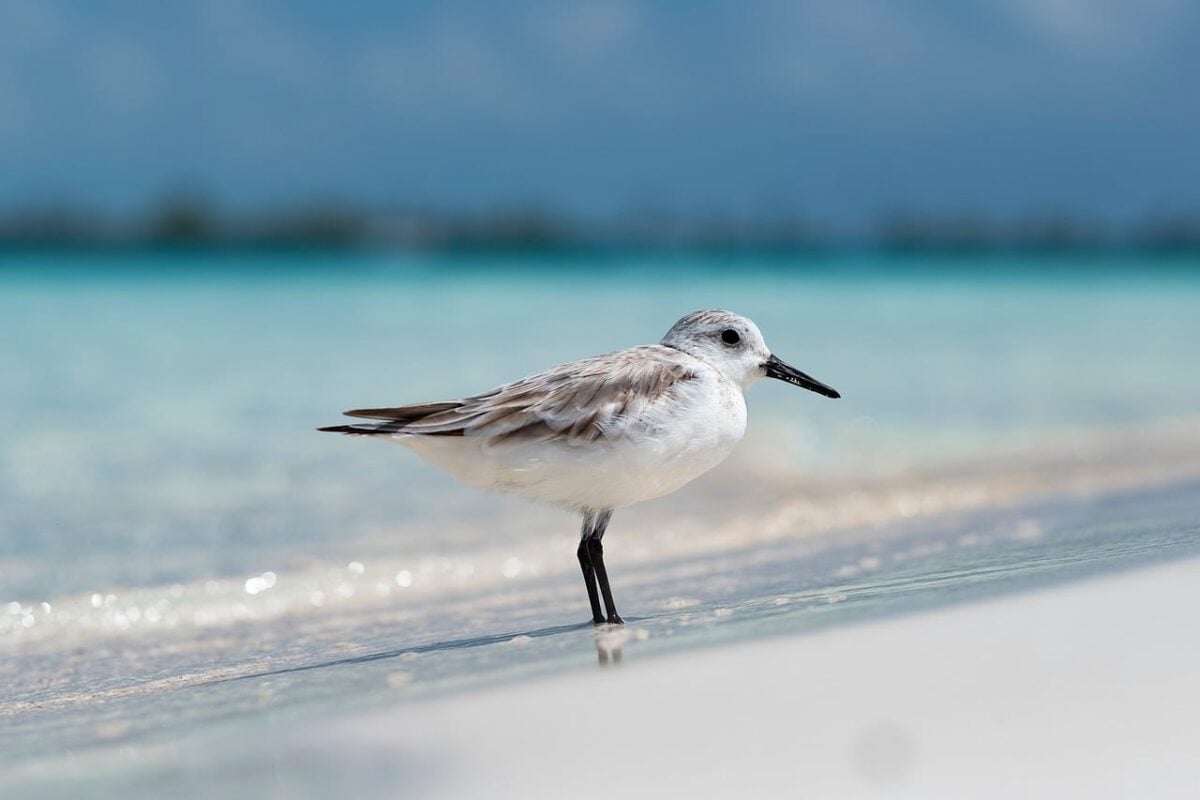
Islands once offered safe havens for birds that evolved without land predators. That changed when humans arrived and brought along animals that had no business there. The results have been devastating for native species that never learned to defend their nests or themselves.
These invaders prey on eggs, chicks, and adults while also reshaping habitats in ways that make survival even harder. The damage spans oceans from the Pacific to the Atlantic, and the stories reveal how quickly balance can tip when new threats appear without natural checks.
9. Black Rats Preying on Eggs Across Pacific Atolls
🔥 Would you like to save this?
We'll email this post to you, so you can come back to it later!
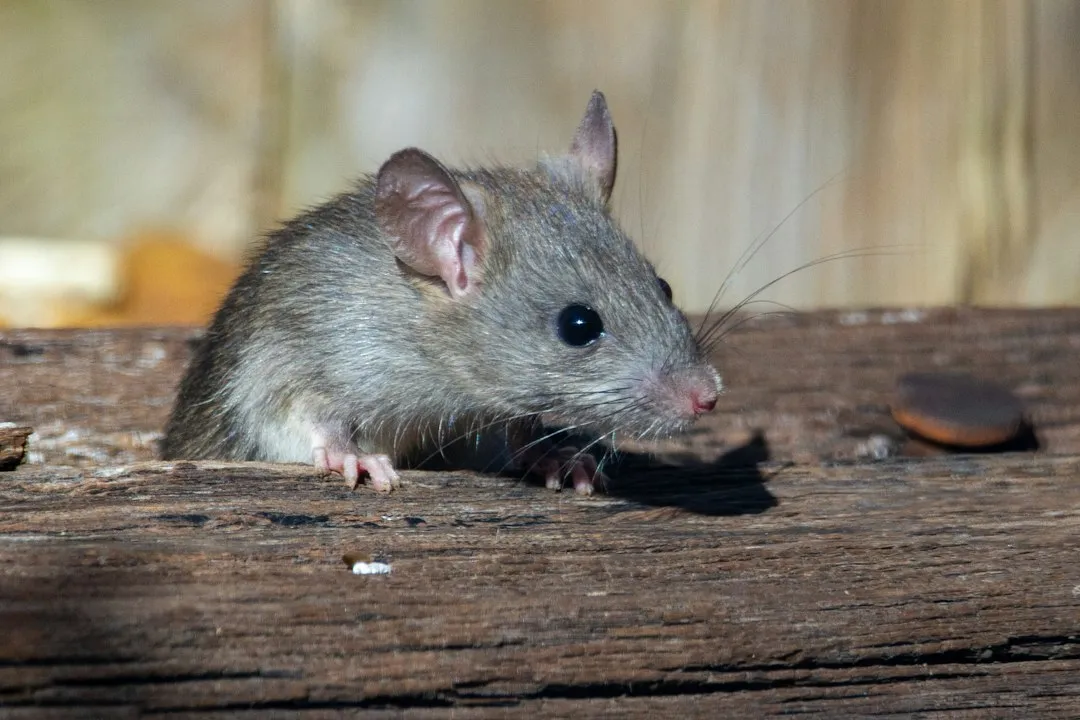
Black rats reached countless islands as stowaways on ships centuries ago. Once established, they climb into burrows and trees to raid nests of seabirds that have no defenses against such agile climbers. Their omnivorous diet lets them thrive on whatever is available, from seeds to young birds.
Studies show these rodents have contributed to the decline of many procellariiform species, including petrels and shearwaters. On islands where they persist, breeding success drops sharply because rats target vulnerable stages of the life cycle. Eradication efforts have sometimes led to rapid rebounds in bird numbers, confirming the direct link.
8. House Mice Scaling Up to Attack Albatross Chicks
🔥 Would you like to save this?
We'll email this post to you, so you can come back to it later!
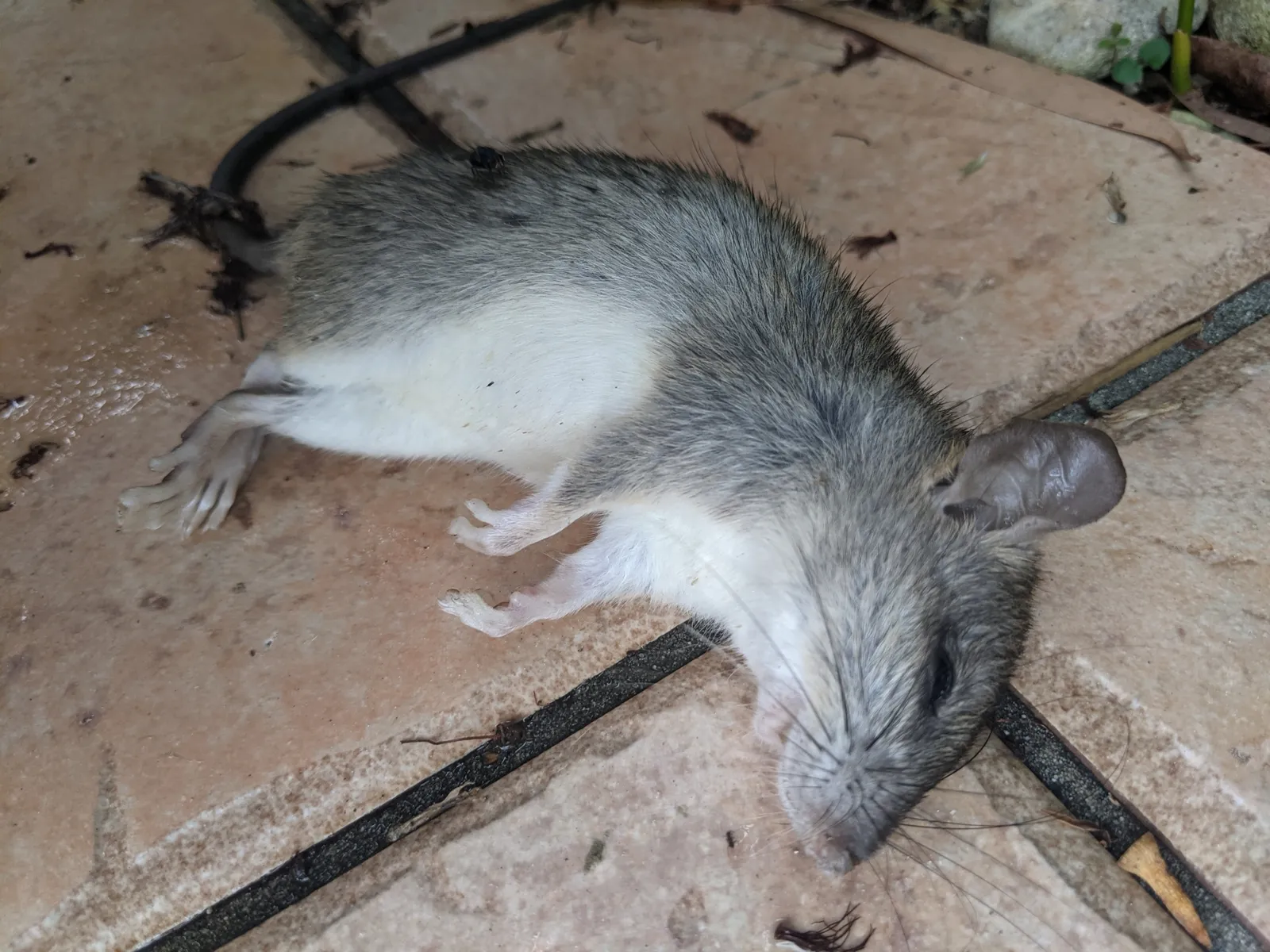
House mice arrived on remote islands like Gough in the South Atlantic through early shipping. Without predators, some populations grew larger than usual and developed a taste for seabird eggs and chicks. Groups of mice have been observed working together to overwhelm even sizable albatross young left unattended during winter months.
This behavior has placed heavy pressure on species such as the Tristan albatross, which breeds almost entirely on that single island. The mice also damage vegetation that provides cover for nesting. Their impact shows how even small mammals can become major threats when island ecosystems lack evolutionary experience with them.
7. Feral Cats Hunting Adults and Nestlings on Multiple Archipelagos
🔥 Would you like to save this?
We'll email this post to you, so you can come back to it later!
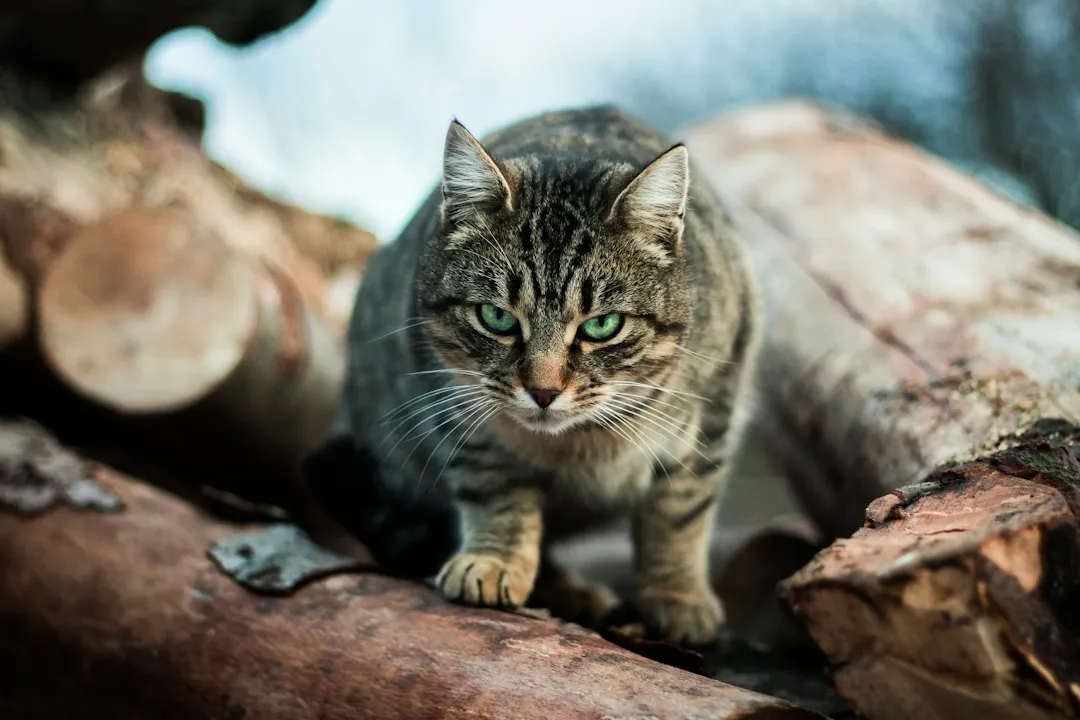
Feral cats descended from pets and farm animals introduced to control rodents or provide companionship. They quickly adapted to island life and became efficient hunters of birds that nest on the ground or in low vegetation. In places like Hawaii and various New Zealand offshore islands, they have killed adults as well as young, pushing some populations toward critical lows.
Control programs targeting cats have produced measurable gains for species such as southern dotterels on Stewart Island. Cats remain widespread because they survive in harsh conditions with little water. Their presence often compounds problems caused by other invaders through combined predation pressure.
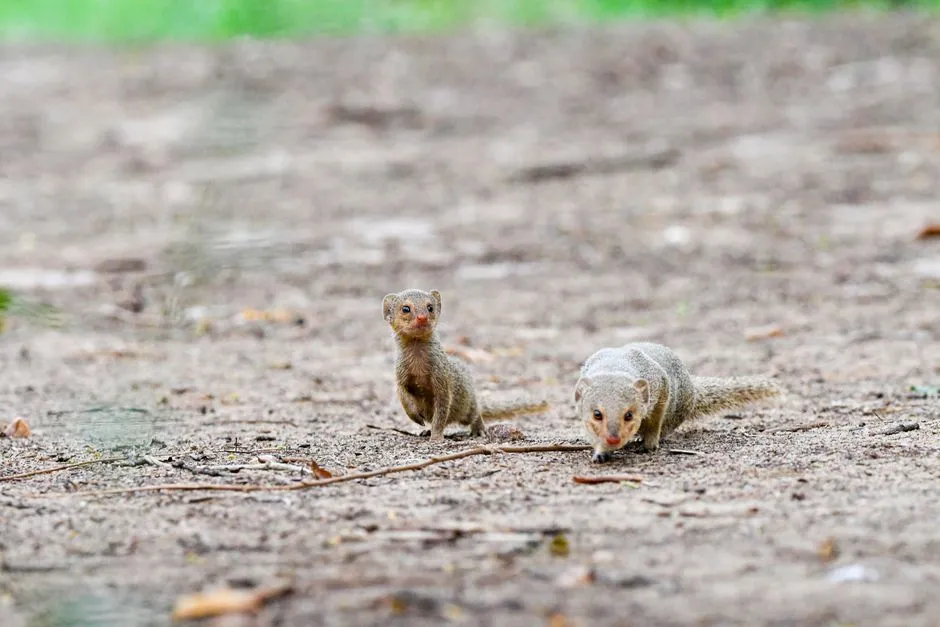
6. Small Indian Mongooses Devastating Ground Nesters in Hawaii and Beyond
🔥 Would you like to save this?
We'll email this post to you, so you can come back to it later!
Small Indian mongooses were brought to Hawaii and Caribbean islands in the late 1800s to manage rats and snakes. The plan failed because the predators operated on different schedules, leaving native wildlife exposed instead. These agile mammals now prey on eggs, chicks, and even adult birds that lack escape strategies honed against mammalian hunters.
In Hawaii they have contributed to declines among species like the nene goose and various petrels. Similar patterns appear on Japanese islands where introductions aimed at venomous snakes backfired. Recent eradication successes on some sites demonstrate that removal can allow native populations to stabilize over time.
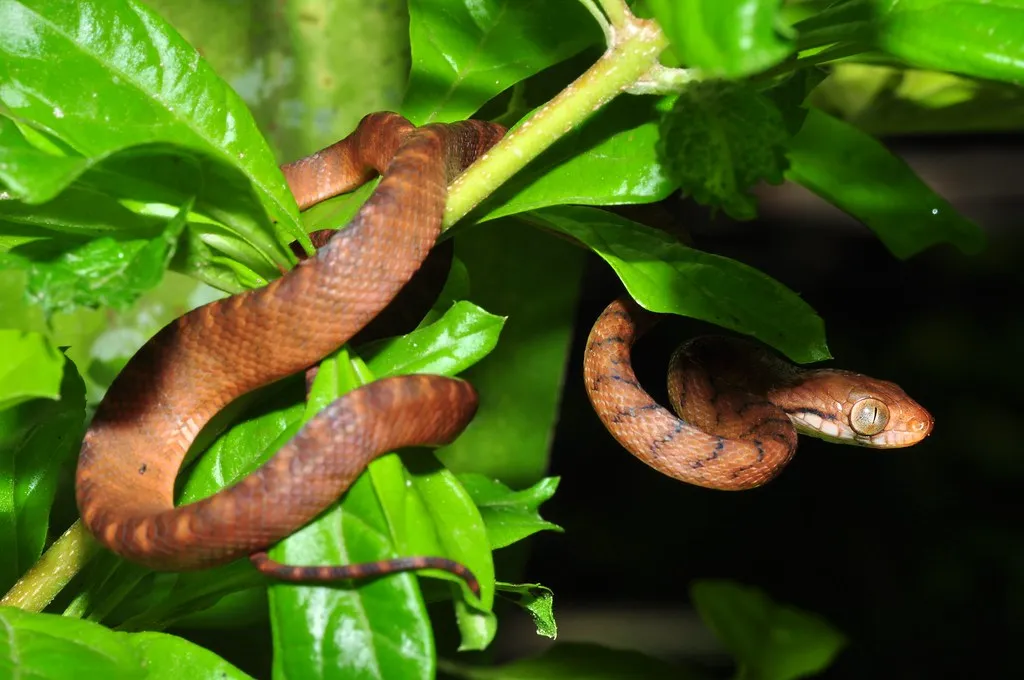
5. Brown Tree Snakes Wiping Out Forest Birds on Guam
🔥 Would you like to save this?
We'll email this post to you, so you can come back to it later!
Brown tree snakes reached Guam after World War II, likely in military cargo. With abundant prey and no natural enemies, their numbers exploded to densities exceeding thousands per square mile. The snakes climbed into nests and devoured eggs, chicks, and adults of nearly every native forest bird species.
Ten of Guam’s twelve original forest birds went extinct on the island, and the remaining two hover near disappearance. Power outages and attacks on pets added to the broader disruption. The case remains one of the clearest examples of how a single introduced predator can restructure an entire avian community.
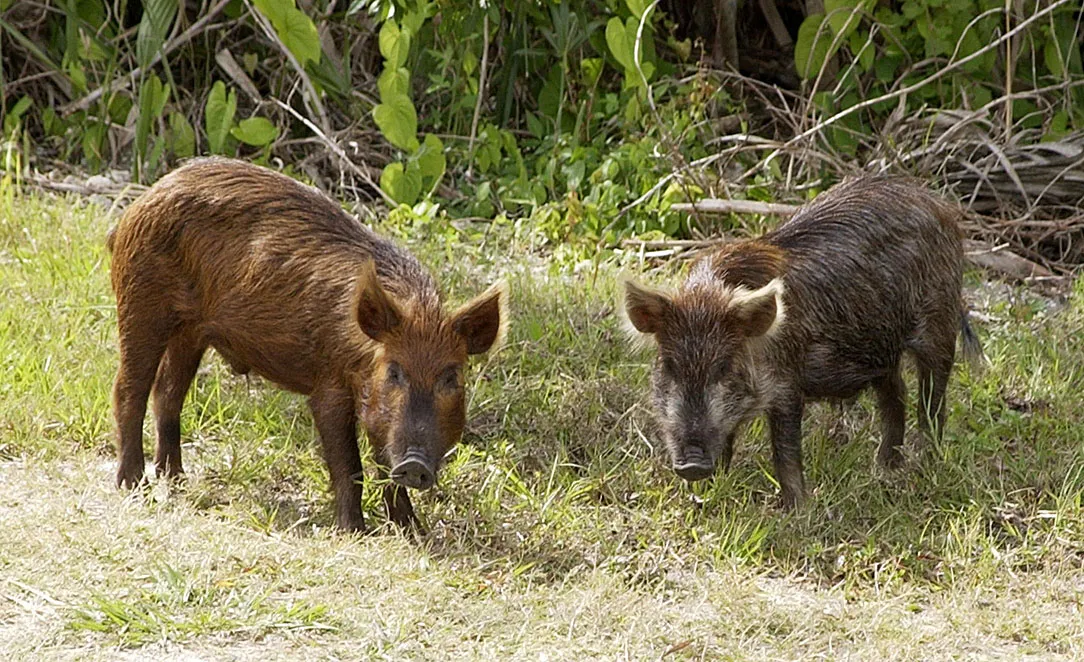
4. Feral Pigs Rooting Up Habitat and Consuming Nests in Hawaii
🔥 Would you like to save this?
We'll email this post to you, so you can come back to it later!
Feral pigs escaped from agricultural operations and spread through island forests. They disturb soil, destroy understory plants, and directly eat eggs or young birds in ground nests. In Hawaii these activities have compounded losses for seabirds already facing rats and cats.
Pigs also create wallows that alter hydrology and promote invasive plants that further degrade breeding sites. Their rooting behavior opens pathways for other predators to reach previously secure areas. Management through fencing and removal has helped some colonies recover nesting success in protected zones.
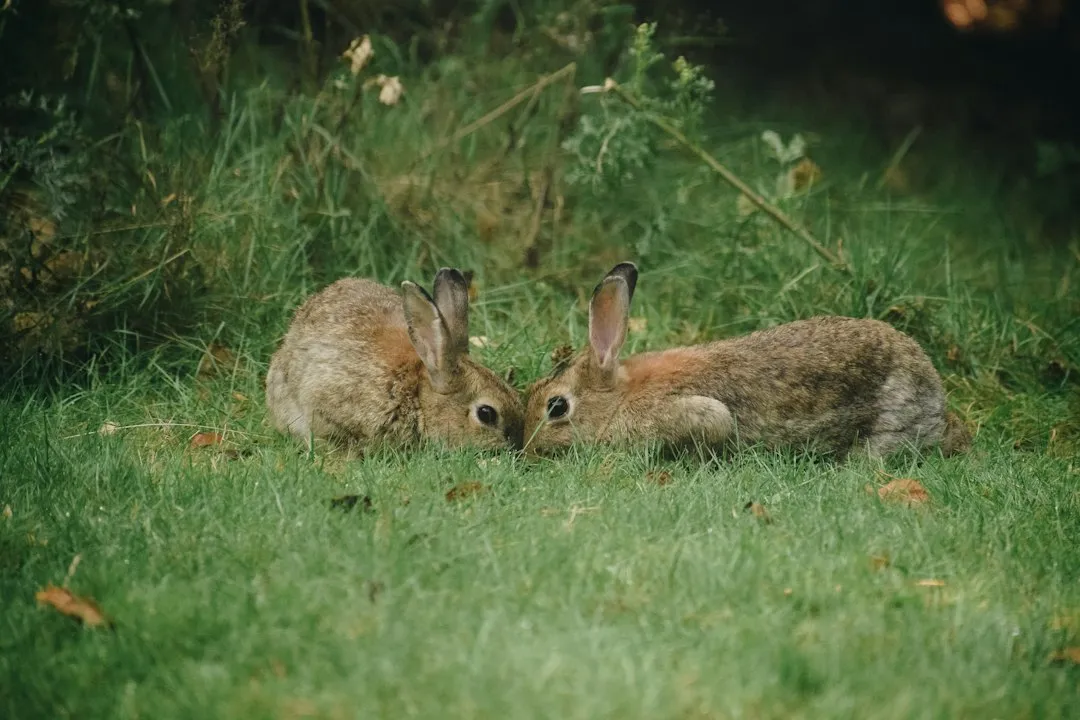
3. European Rabbits Overgrazing Vegetation on Subantarctic Islands
🔥 Would you like to save this?
We'll email this post to you, so you can come back to it later!
European rabbits were released on islands such as Macquarie for food or sport. Their grazing stripped protective cover from nesting slopes and triggered erosion that destroyed burrows used by petrels and penguins. One landslide linked to rabbit damage killed a significant number of king penguins in a single event.
Without plants to stabilize soil, entire colonies became exposed to weather and predators. Rabbit populations boomed in the absence of controls, accelerating habitat loss across multiple breeding seasons. Eradication campaigns have since allowed vegetation to rebound and supported renewed nesting activity.
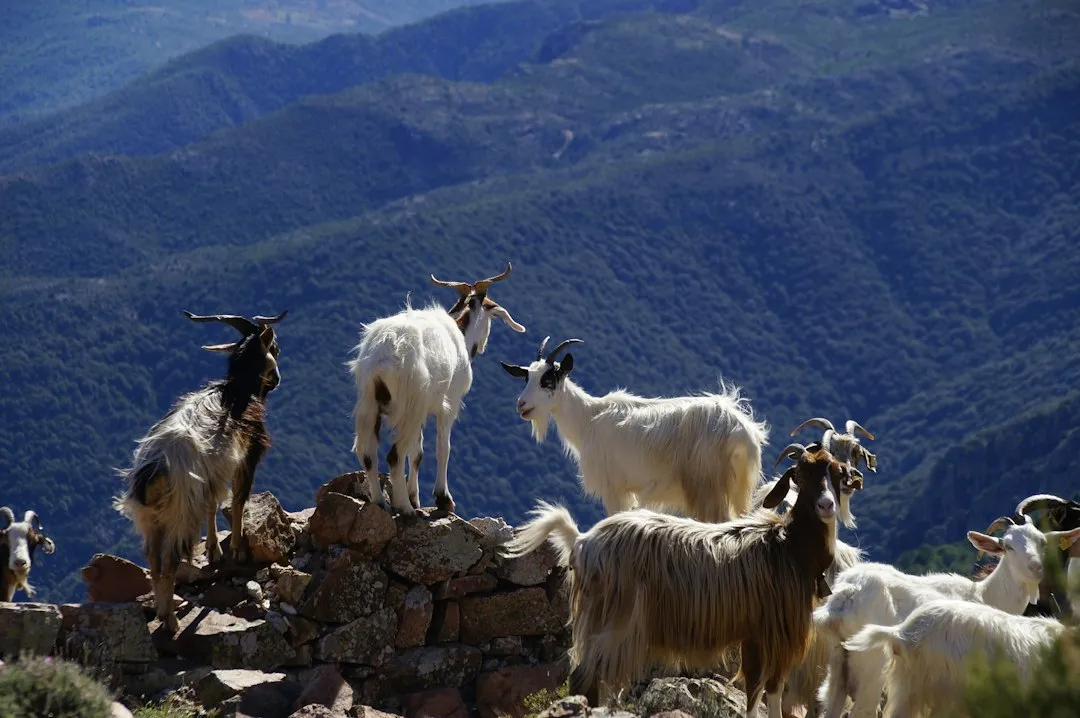
2. Goats Stripping Cover and Promoting Erosion on Tropical Islands
🔥 Would you like to save this?
We'll email this post to you, so you can come back to it later!
Goats arrived with early settlers and multiplied rapidly on islands with few large herbivores. They browse shrubs and trees that once sheltered ground-nesting birds, leaving nests visible to aerial and terrestrial predators. Soil compaction and erosion follow, reducing suitable nesting terrain over time.
Species dependent on dense undergrowth suffer most as the landscape opens up. On several Pacific and Caribbean islands, goat removal has allowed native plants to return and improve conditions for breeding seabirds and land birds alike. The changes highlight how herbivores indirectly threaten birds by reshaping the physical environment.
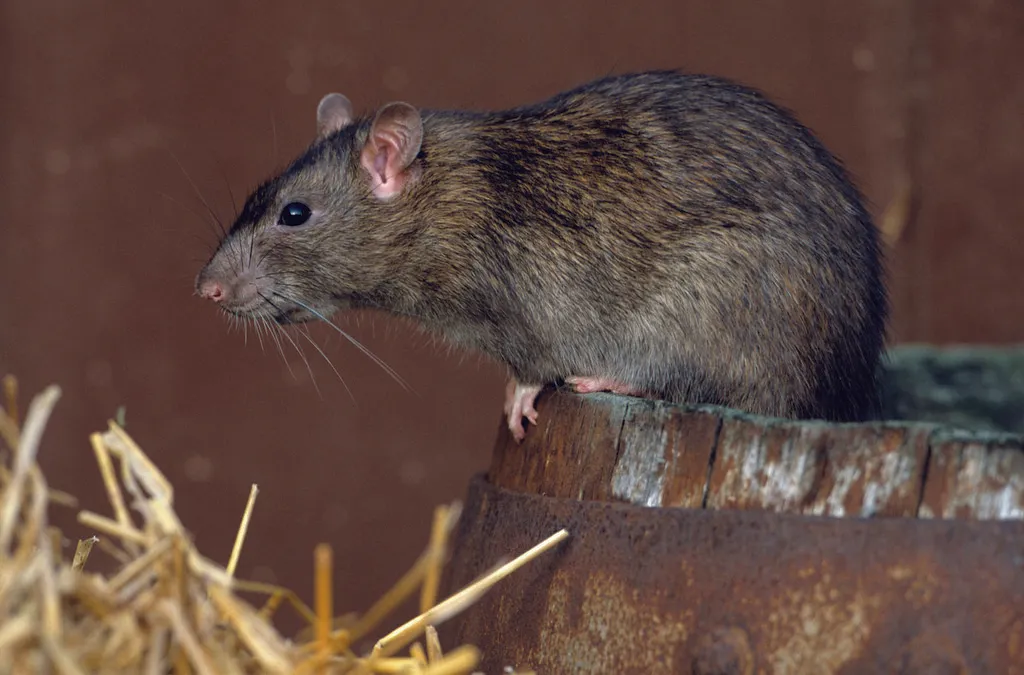
1. Norway Rats Joining Other Rodents in Widespread Nest Raids
🔥 Would you like to save this?
We'll email this post to you, so you can come back to it later!
Norway rats followed human voyages to islands worldwide and proved especially destructive in colder or wetter climates where black rats fare less well. They excavate burrows to reach eggs and chicks of seabirds and also consume adults when opportunities arise. Their larger size allows them to tackle bigger prey than some other rodents.
Combined with other invaders, they have driven local extinctions across archipelagos from the subantarctic to the tropics. Successful multi-species eradications show that coordinated removal can restore breeding numbers within years. These rats underscore how repeated introductions of similar predators amplify pressure on naive island avifauna.
Restoring What Was Lost
🔥 Would you like to save this?
We'll email this post to you, so you can come back to it later!
Island bird populations evolved in isolation and paid a steep price when new predators arrived. The pattern repeats across oceans because the underlying vulnerability remains the same. Yet documented recoveries after targeted removals prove that action can reverse some damage when sustained.
Continued investment in biosecurity and eradication offers the clearest route to protecting remaining strongholds. Without it, more species will follow the path already taken by those lost on Guam and elsewhere. The islands themselves hold the evidence that prevention and restoration work when given priority.

- The Remarkable Intelligence of Octopuses: Beyond What Scientists Imagined - November 5, 2026
- What Your Dog’s Tail Wags Are Really Trying to Tell You - November 5, 2026
- The Surprising Reason Some Animals Thrive in Extreme Environments - November 5, 2026