
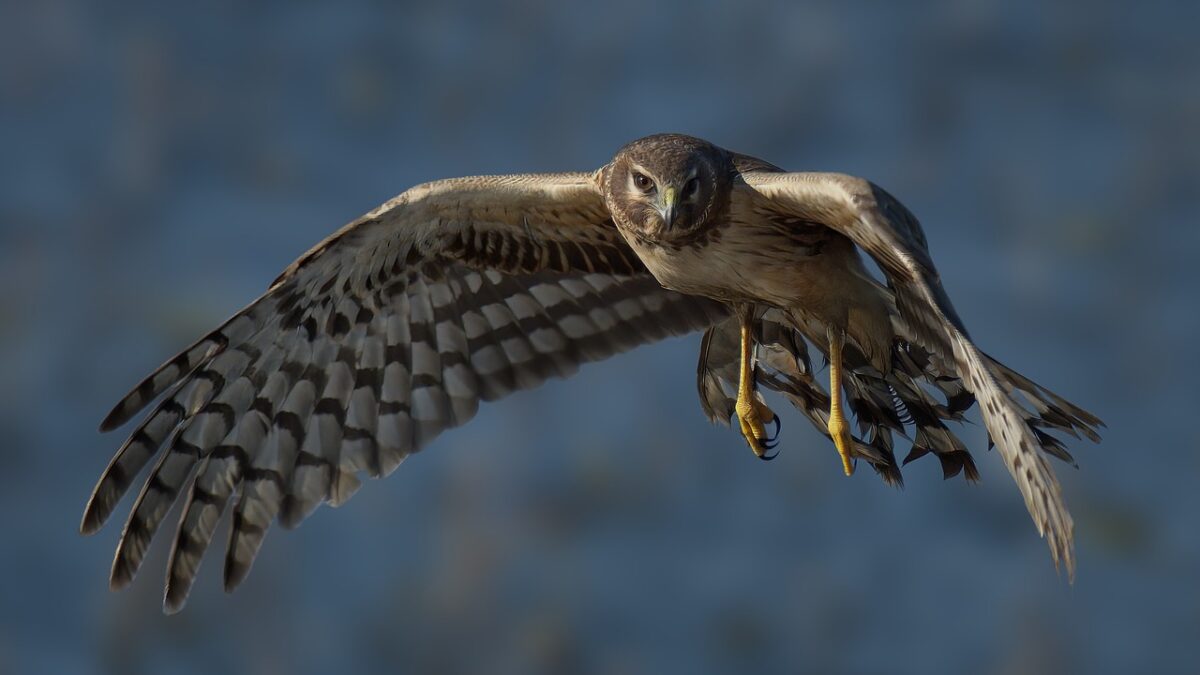
When you glance up at the sky and see a massive bird soaring effortlessly on thermal currents, it’s hard not to feel a rush of excitement. North America is home to some of the most spectacular raptors on the planet, and honestly, spotting one in the wild is something that stays with you. These hunters represent nature at its most efficient and powerful, equipped with talons that can crush bone and eyesight so sharp they can spot a rabbit from miles away.
Whether you’re hiking through mountains, driving along coastal highways, or simply looking out your backyard window, you might encounter one of these magnificent predators. From falcons that dive faster than race cars to owls that hunt in near silence, each species has evolved its own deadly tactics. Let’s dive into eight of the most awe-inspiring birds of prey you can actually see across the continent.
Bald Eagle: America’s Iconic Fish Hunter
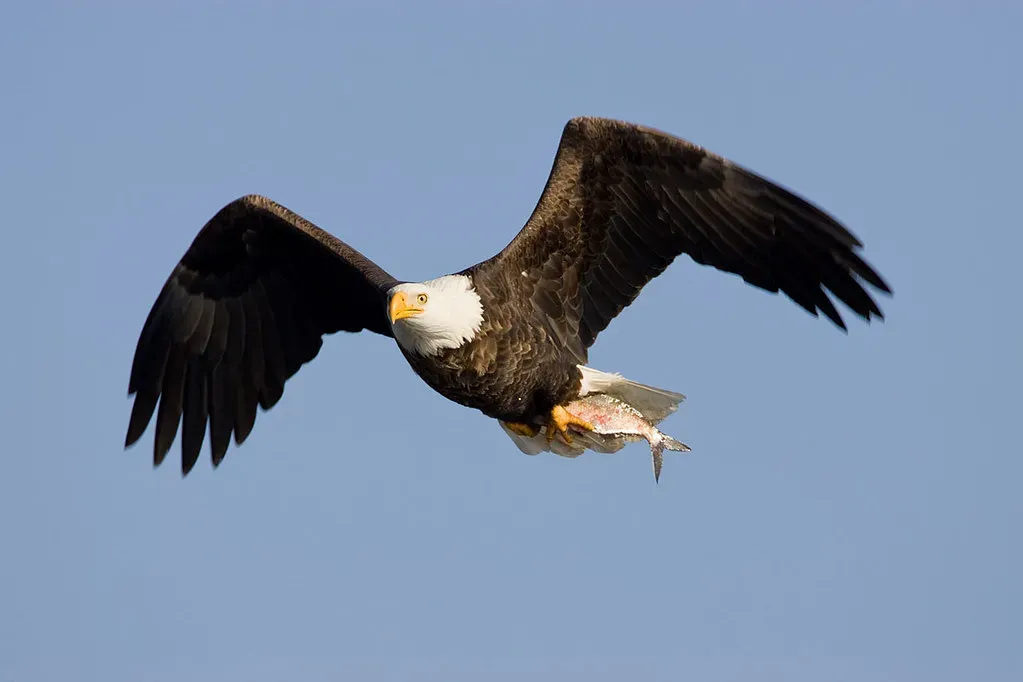
You can recognize a bald eagle by its striking white head and tail feathers contrasting against its dark brown body, with a wingspan reaching up to 7 feet and weight of up to 14 pounds. Despite the name, they aren’t actually bald. The term comes from an old English word meaning white, referring to those distinctive white feathers that give them their “bald” appearance.
These raptors are primarily fish-eaters, often snatching their prey from the water while in flight or even stealing from other birds. Did you know bald eagles can dive up to 100 miles per hour? You’ll commonly find them near large bodies of water like rivers, lakes, and coastlines, preferring forested areas near water sources. Bald eagles stick with one mate for their entire lives and build enormous nests usually found on the crown of massive trees near water bodies. When you spot one, look for that powerful yellow beak and the slow, soaring flight pattern with steady wing beats.
Peregrine Falcon: The Speed Demon of the Sky
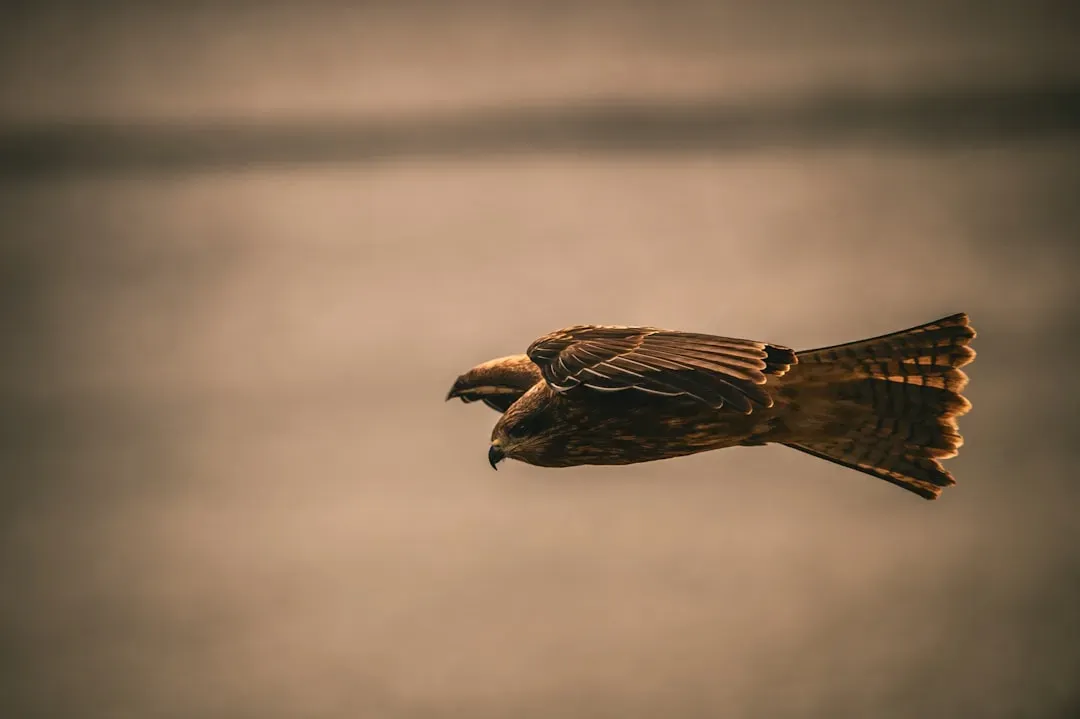
Let’s be real, nothing in the animal kingdom moves faster than a peregrine falcon in a hunting dive. These remarkable birds can exceed 240 miles per hour during their dives, making them the fastest animals in the world. Peregrine falcons have dark blue to blue-black bodies with white bellies, bright yellow eye sockets, beaks, and talons, with their white bellies showing brown, rust, or blue barring.
Known for their incredible hunting speed, they often reach speeds over 240 miles per hour during hunting dives, capturing their prey mid-air, mainly other birds. The peregrine falcon has a body length of 15 to 20 inches, a wingspan around 3.5 feet, and weighs between just over one pound to nearly three pounds. These adaptable falcons can be found in various habitats including mountains, cliffs, cities, and open grasslands. It’s hard to say for sure, but watching a peregrine stoop on a pigeon might be one of nature’s most breathtaking displays of pure predatory skill.
Red-Tailed Hawk: The Roadside Sentinel
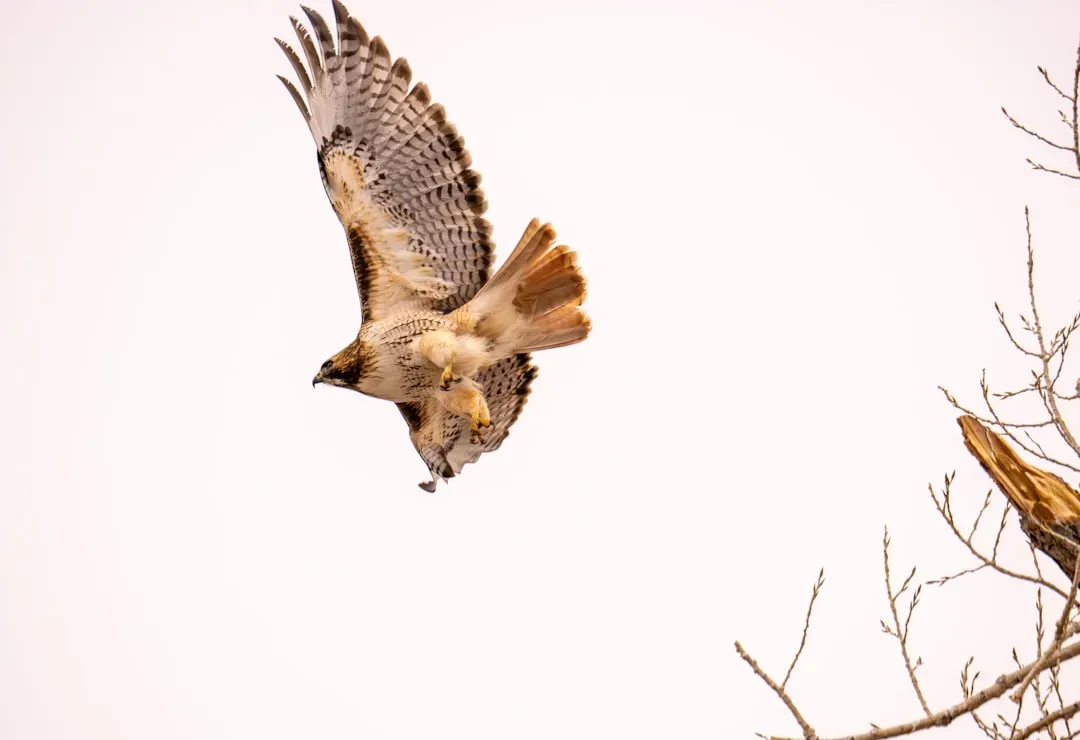
Red-tailed hawks sport a signature bright red tail that even first-time birders can identify in flight. You’ve probably seen one perched on a telephone pole or fence post along highways without even realizing it. The red-tailed hawk is a member of the buteo family of high-flying hawks, with lengths varying from 19 to 25 inches.
These hawks scan for prey activity from an elevated perch site, swooping down to seize their prey, or they watch while flying, either capturing a bird in flight or pursuing prey on the ground until they can pin them down in their talons. Red-tailed hawks are birds of open areas rather than woodland hunters. The red-tailed hawk is widespread in North America, partially due to historic settlement patterns which benefited it – the clearing of forests in the Northeast created hunting areas while preserving woodlots for nest sites, and the increase in trees throughout the Great Plains facilitated western range expansion, while highway construction with utility poles provided perfect perch-hunting habitat, and unlike some raptors, they’re seemingly unfazed by considerable human activity.
Golden Eagle: The Mountain Monarch
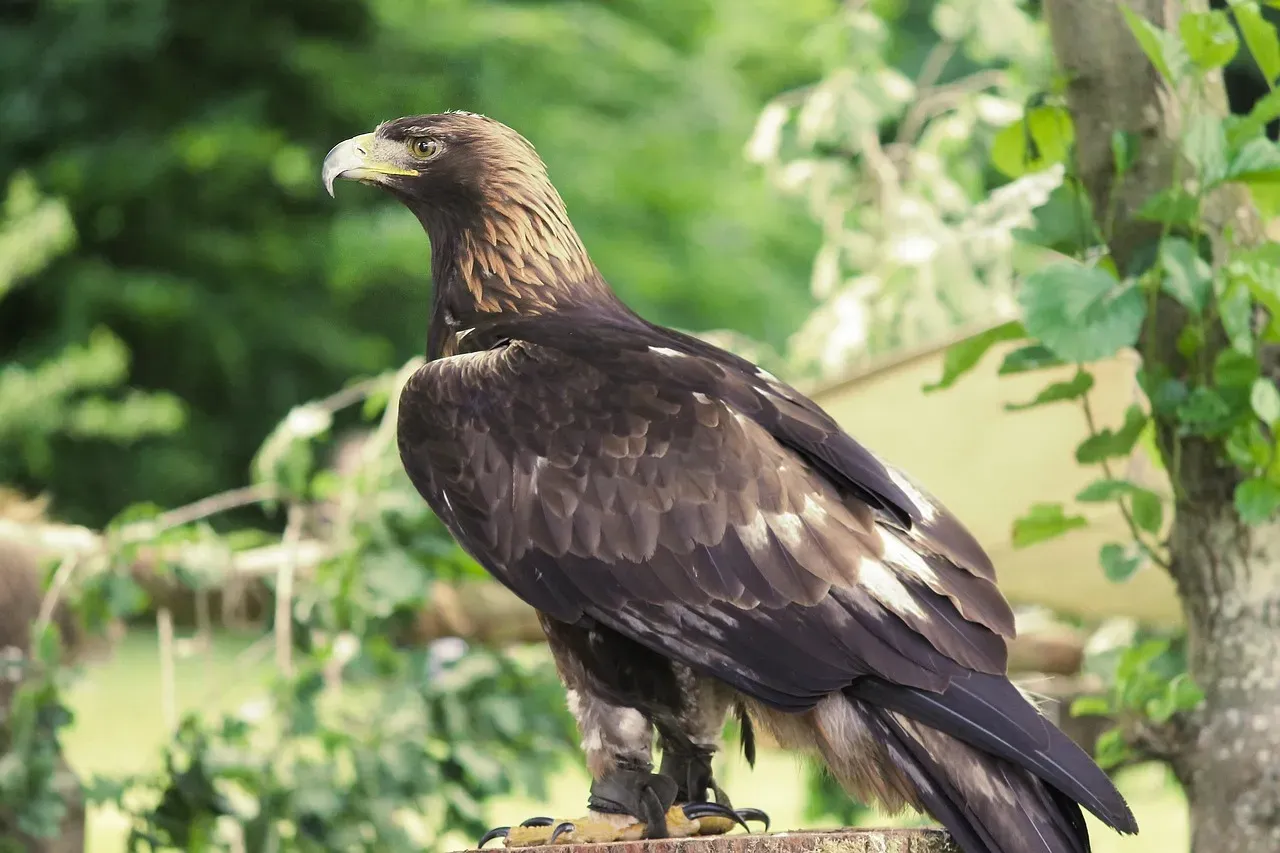
The golden eagle is a large bird of prey found in North America, Europe, and Asia, with a wingspan up to 7 feet, weighing up to 15 pounds, featuring dark brown feathers with golden highlights on the back of its head and neck, equipped with sharp talons and a powerful beak for hunting small mammals and birds. The golden eagle can dive and reach speeds of 200 miles per hour, though the peregrine falcon is faster, reaching a maximum dive speed of 240 miles per hour.
Here’s the thing – golden eagles aren’t just fast. They’re incredibly strategic hunters. Golden eagles are one of the few bird species observed using tools, having been seen dropping rocks onto prey from above to stun or kill them before swooping in to grab their meal. Sporting a beautiful golden hue, golden eagles are large birds of prey with wingspans of up to seven feet, found in areas like Alabama in mid-to-late November before migrating elsewhere, making their nests called aeries on top of large trees like bald eagles. The golden eagle, the rough-legged hawk, and the ferruginous hawk are the only American birds of prey that have feathers on their legs up to their toes.
Great Horned Owl: The Silent Night Stalker
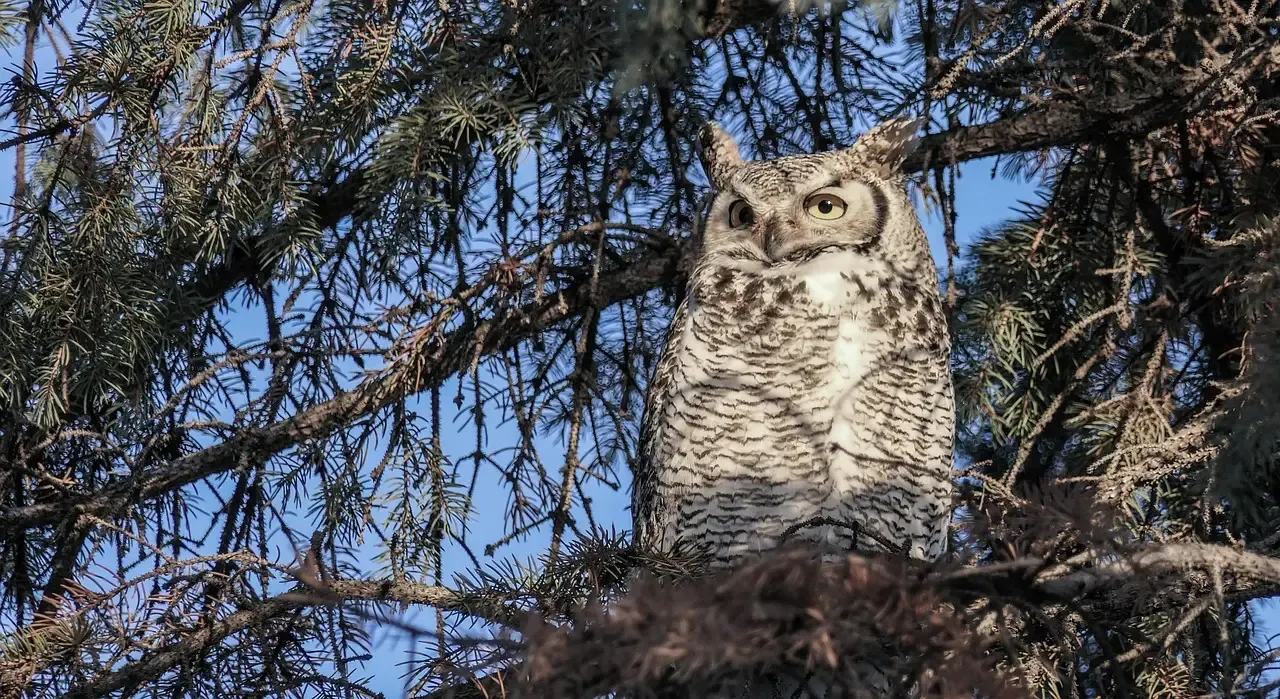
The great horned owl, also known as the tiger owl or hoot owl, is a large owl native to the Americas and is an extremely adaptable bird with a vast range, being the most widely distributed true owl in the Americas. It’s hard to find a bird that can adapt better than a great horned owl – these owls are large and look fierce, identified by their long tufts of feathers that resemble ears on their head.
Great horned owls have the most diverse diet of all North American raptors, with prey ranging in size from tiny rodents and scorpions to hares, skunks, geese, and raptors, eating mostly mammals and birds like rabbits, hares, mice, American coots, but also voles, moles, shrews, rats, gophers, chipmunks, squirrels, woodchucks, prairie dogs, bats, skunks, house cats, porcupines, ducks, owls, hawks, crows, ravens, doves, and starlings. Now is the time of year to listen for the distinctive hoo-hoo-HOO-hooo-hoo call of the great horned owl, probably the most widespread owl in North America found in a variety of wooded sites. Great-horned owls will eat other raptors and readily hunt red-tailed hawks, osprey, red-shouldered hawks, nestling bald eagles, other owls, and even on occasion other great-horned owls.
Osprey: The Master Fisherman

Think fish and you should think osprey. When you think of an osprey, you should think of fish because that’s what these birds eat roughly all the time, and because of their specialized diet, you’ll almost always find these birds of prey living, breeding, and raising their young around water in the United States. The osprey is a single species found worldwide that specializes in catching fish and builds large stick nests.
Listen for ospreys next time you’re around a large body of water – their alarm call is a series of short, high-pitched whistles that descend in pitch, with the noise compared to a teapot taken off a stove. What’s fascinating is how specialized they’ve become. Their entire body design revolves around one task: catching fish from the water. They have reversible outer toes, barbed pads on their feet, and closable nostrils to keep water out during dives. You’ll often spot their massive stick nests on channel markers, dead trees, or specially built platforms near coastal areas and large lakes throughout North America.
American Kestrel: The Tiny but Fierce Falcon
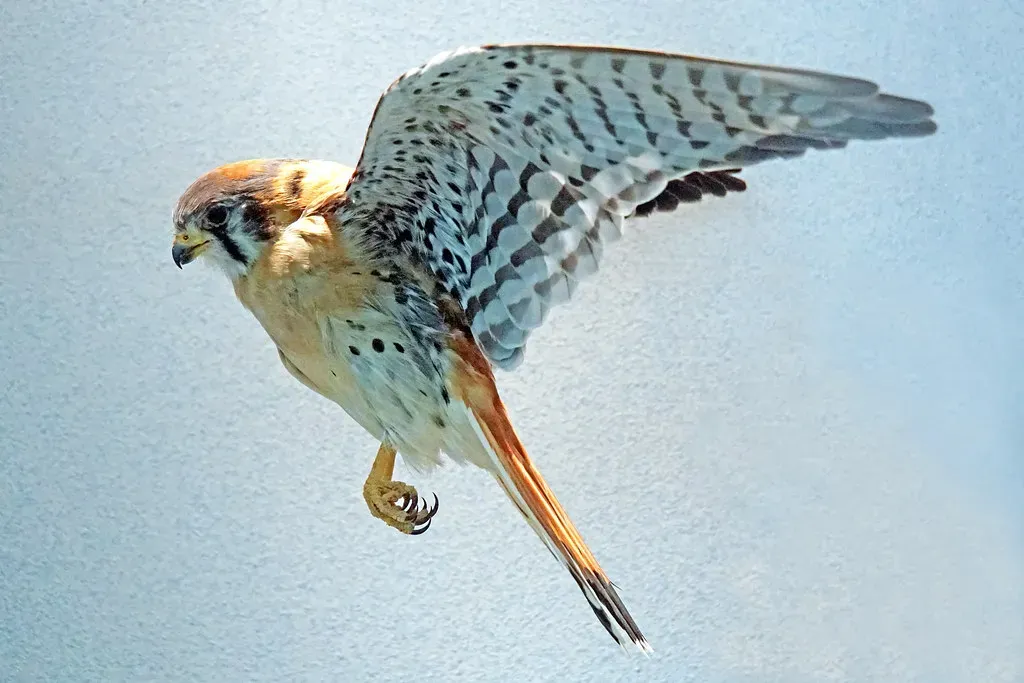
The American kestrel is the smallest raptor in the United States, roughly the size of an American robin, though you shouldn’t let the tiny stature fool you because these birds of prey are accomplished hunters. You may have heard of a kestrel’s alternate name, the sparrow hawk, given because they’ll take sparrows and other birds of that size right out of the air.
One of their favorite strategies to catch prey is to hover in the breeze from a relatively low height, looking for insects, invertebrates, small rodents, and birds. If you see a small, long-winged bird hovering over an open field, most of the time it will be an American kestrel, as this type of hunting pattern is used by only a few species of birds and is a trademark for a kestrel, which hovers by facing into the wind, flapping its wings and spreading its tail. Life can be tough when you’re the smallest falcon since they’re sometimes eaten as prey by larger raptors, as well as rat snakes and corn snakes. The American kestrel is the smallest species of falcon in North America, sports various colors, has spread widely across the nation, and is more commonly observed than other varieties due to its fondness for creating nests on agricultural lands and residential areas.
Northern Harrier: The Low-Flying Ghost
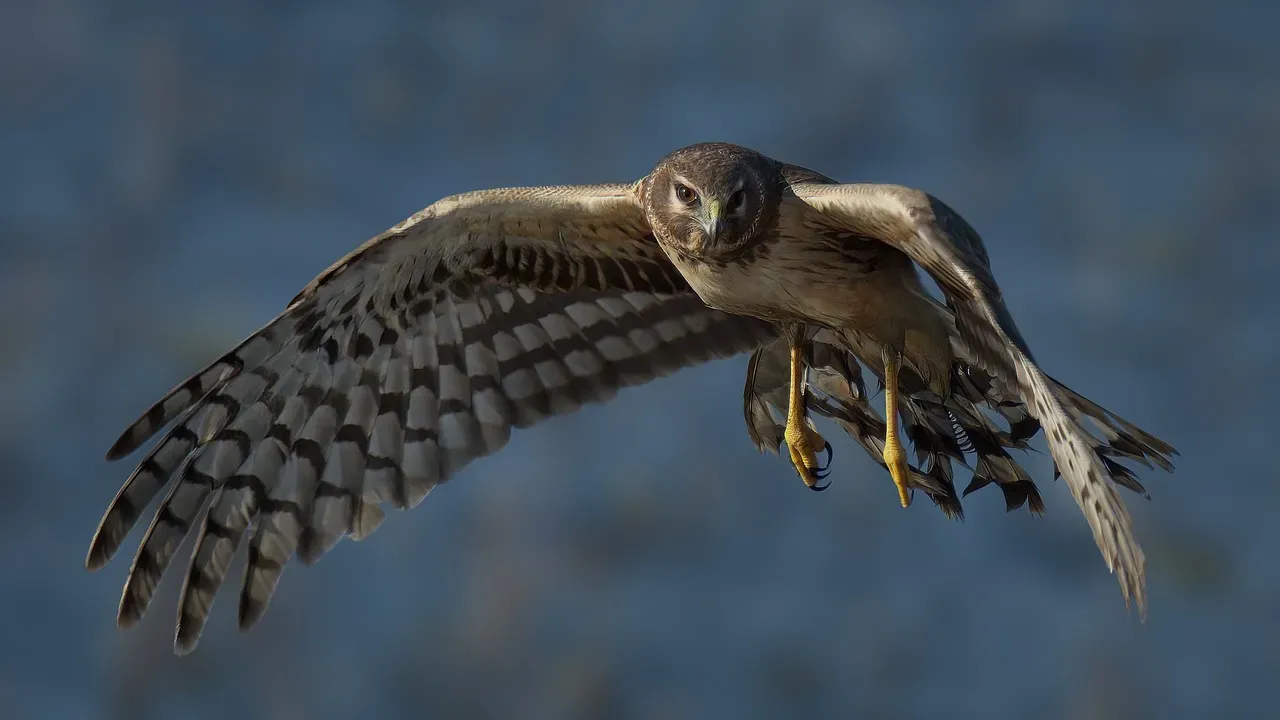
Harriers are large, slender hawk-like birds with long tails and long thin legs, using a combination of keen eyesight and hearing to hunt small vertebrates, gliding on their long broad wings and circling low over grasslands and marshes. The northern harrier hunts differently than almost any other raptor you’ll encounter. Instead of perching high or diving from altitude, it flies low and slow over fields and wetlands, tilting side to side as it searches for movement below.
The northern harrier is the bird of many names – it’s the marsh hawk which cruises low over marshes and fields, and it’s the hen harrier as called in Europe and Asia, presumably because it made off with a hen every now and then. Male and female harriers look strikingly different. Males are pale gray, almost ghostly in appearance, while females are brown with streaked undersides. Both have a distinctive white rump patch that’s visible when they fly. Watch for them quartering back and forth over open country, especially during dawn and dusk when their hunting is most active.
Conclusion: Witnessing Nature’s Aerial Predators
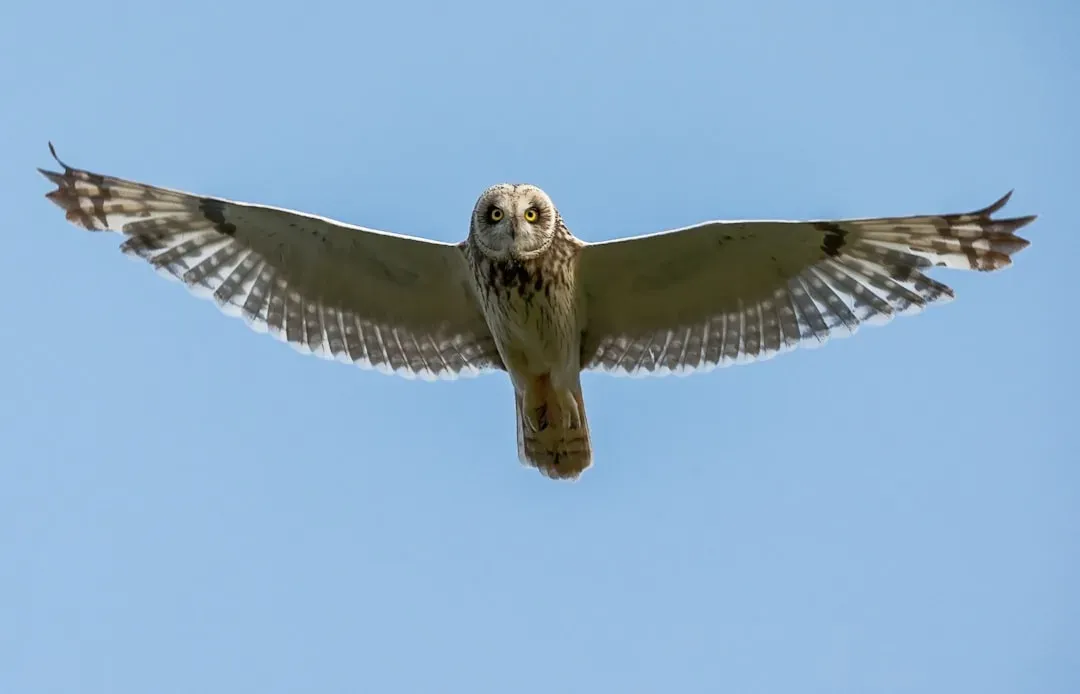
These eight incredible raptors represent just a fraction of the amazing birds of prey soaring across North America’s diverse landscapes. From the lightning-fast peregrine falcon to the adaptable great horned owl, each species has carved out its own ecological niche through millions of years of evolution. What makes these birds truly special isn’t just their hunting prowess or magnificent appearance – it’s that you can actually witness them in action if you know where to look and when to watch.
Next time you’re outdoors, take a moment to scan the skies, check those utility poles, or listen for distinctive calls at dusk. You might be surprised by what you discover. The best part? Many of these species have made remarkable recoveries from near extinction, proving that conservation efforts really do work. Have you spotted any of these magnificent hunters in your area? Keep your eyes on the sky – you never know when one of nature’s most impressive predators might make an appearance.

- 6 US States With the Most Salmon - July 12, 2026
- 14 Signs Your Dog Has Started Living in the Moment More Than You Do - July 12, 2026
- 8 Fascinating Facts About the Elusive Red Wolf, America’s Most Endangered Canine - July 12, 2026