
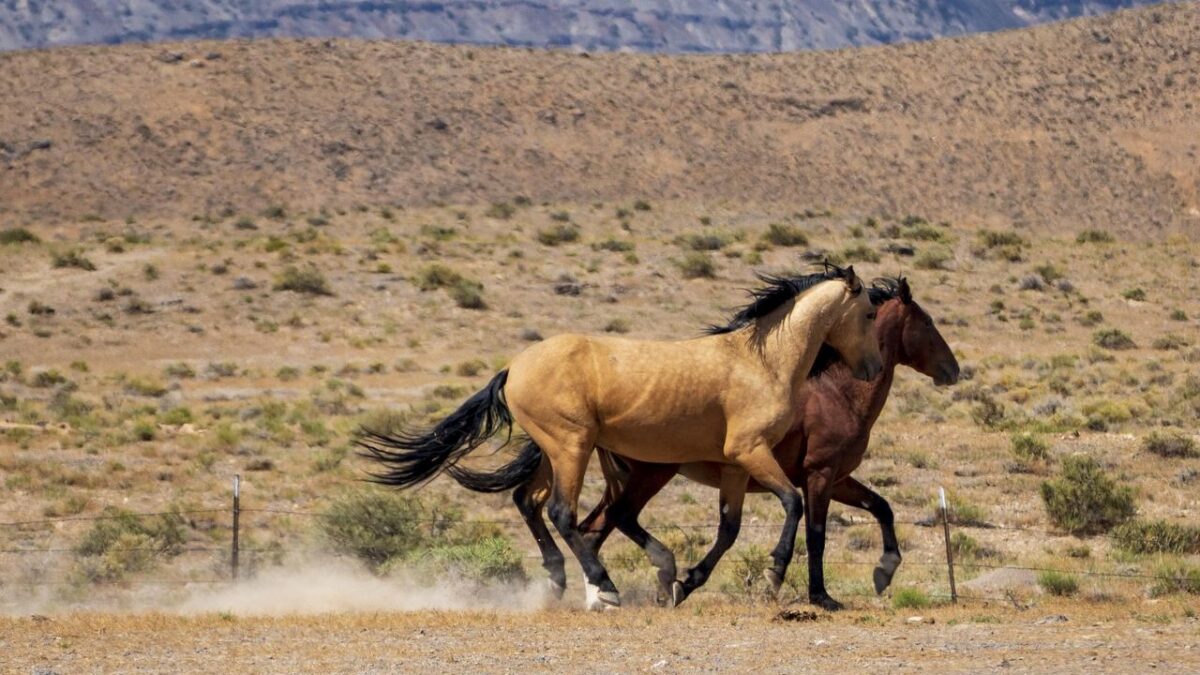
There’s something almost primal about watching a wild horse gallop across open land with no fence in sight, no saddle, no rider. Just raw, unharnessed power. It’s the kind of sight that stops you cold and reminds you how astonishing the natural world really is. Honestly, I think most people have no idea just how many places across the US still host these magnificent creatures roaming completely free.
The wild mustang, roaming the great expanse with a wind-swept mane, has long been a powerful symbol of the American West. Protected by Congress since the mid-twentieth century, after western ranchers began killing off the herds, wild horses of all breeds carry a majestic beauty that draws animal and nature lovers from everywhere. From windswept barrier islands on the Atlantic coast to rugged desert mountain ranges out West, the destinations on this list are nothing short of breathtaking. So let’s dive in.
Assateague Island, Maryland and Virginia
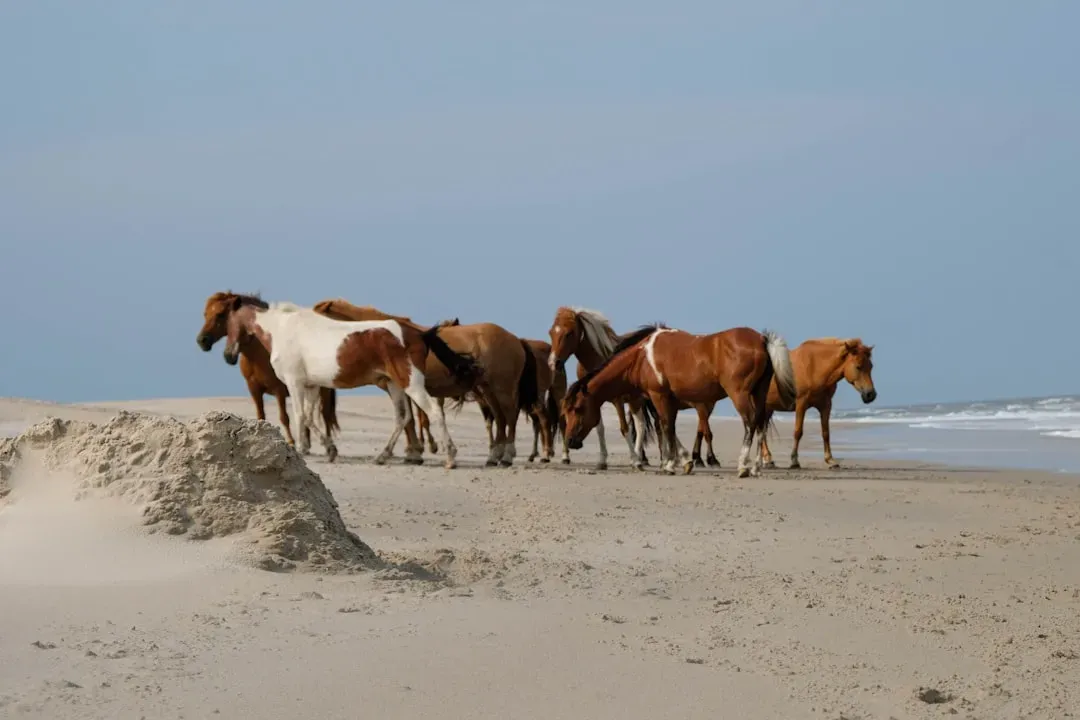
If you’ve never heard of Assateague Island, prepare to have your mind completely blown. This remote and windswept barrier island in Maryland and Virginia is beautiful in its own right, but the free-roaming ponies add an entirely other level of wonder. There are about 150 adult horses on the island, roaming in bands of two to twelve and spotted on beaches, trails, and forests. It’s the kind of place that feels like a fairy tale you stumbled into by accident.
Local folklore says the horses are survivors of a shipwreck off the Virginia coast, but the more likely explanation is that they descended from 17th-century horses kept on the island to avoid livestock taxes. Either way, the legend adds a romantic layer to an already unforgettable experience. The Maryland horses, which roam the Assateague Island National Seashore, are looked after by the National Park Service, while the Virginia horses, which graze at Chincoteague National Wildlife Refuge, are cared for by the Chincoteague Volunteer Fire Company.
Theodore Roosevelt National Park, North Dakota
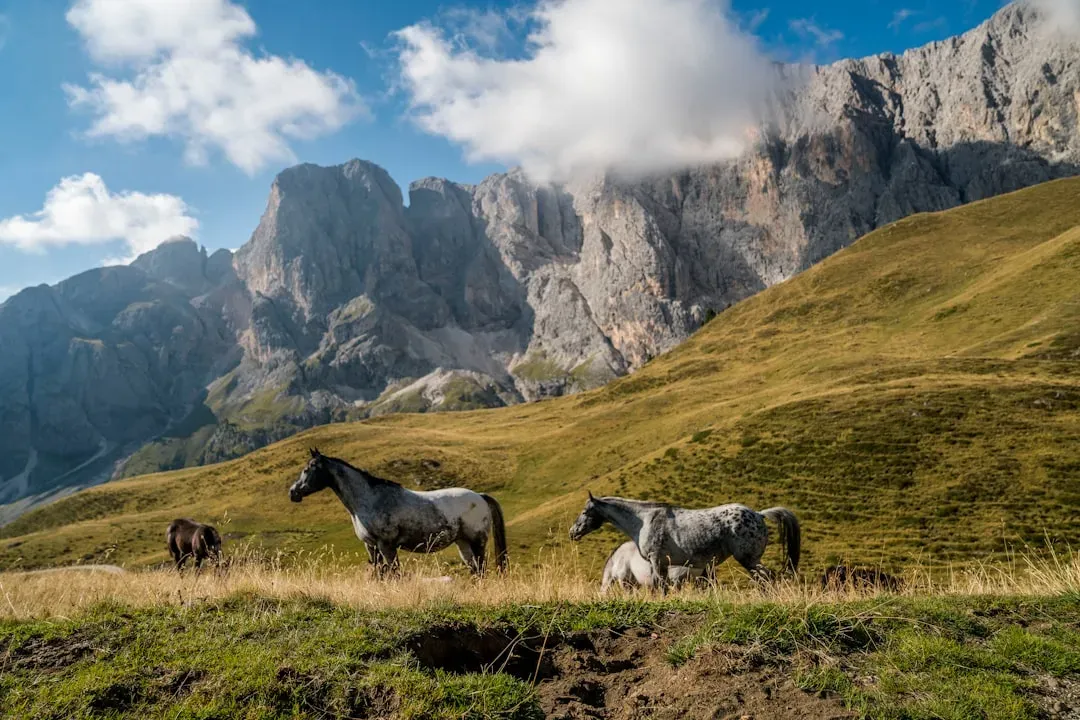
That symbolism of the American mustang is on full display at the 70,467-acre Theodore Roosevelt National Park, home to 100 to 200 free-roaming horses, which can be seen grazing and galloping across the Dakota badlands. Think about that for a second. Hundreds of wild horses thundering across the ancient badlands landscape. It’s practically cinematic.
The herd exists thanks to 19th-century ranchers who regularly turned horses out on the open range. Eventually, that open land was fenced and became the national park it is today. Most of the horses were removed in 1954, but several small bands eluded capture. After several failed attempts to round up the remaining horses, it was eventually decided that the free-roaming herd was an important part of the park’s legacy. Today they’re considered one of the park’s greatest natural treasures.
Virginia Range, Nevada
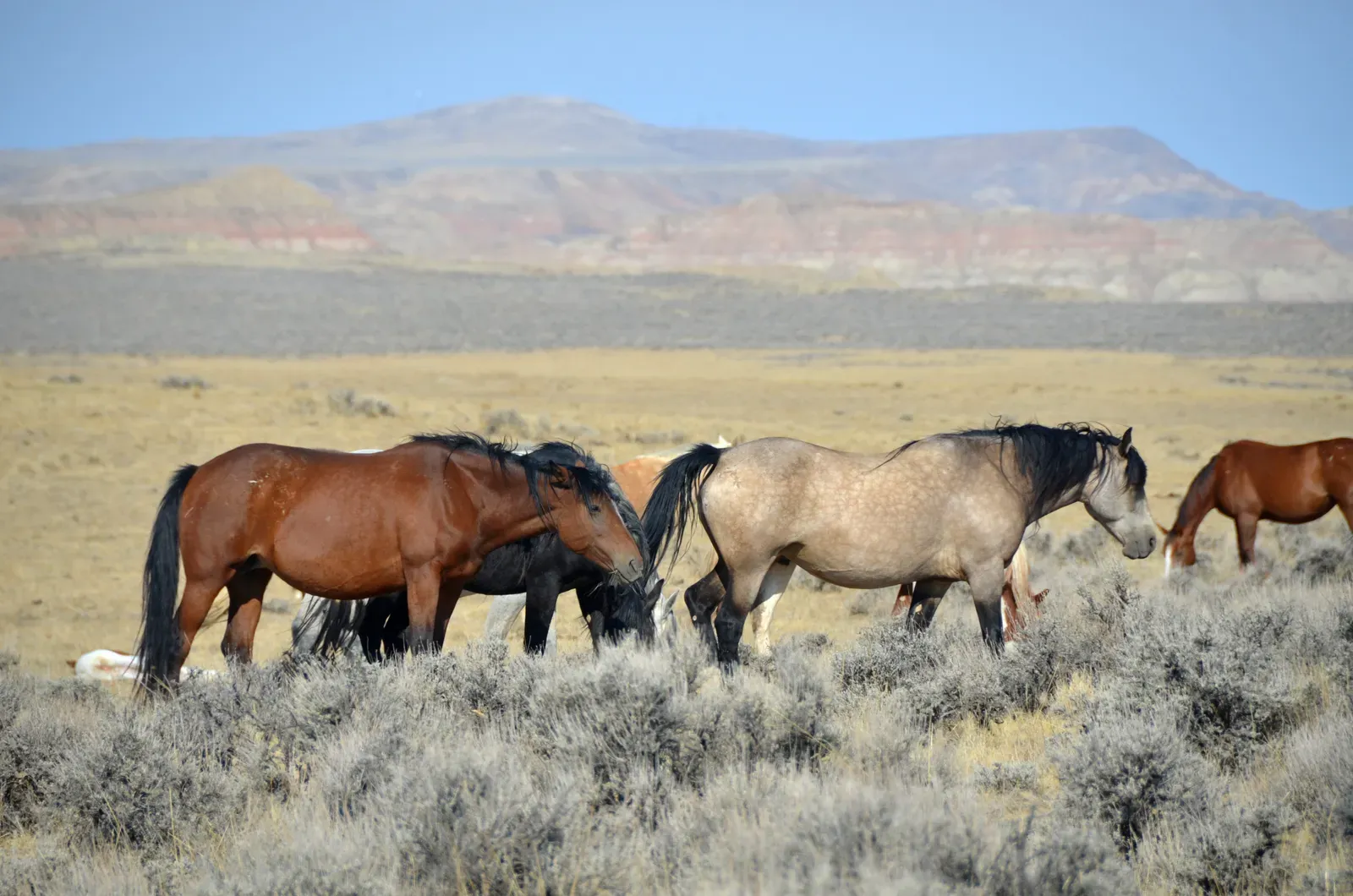
Here’s the thing about Nevada. More than half of all free-roaming mustangs in North America are found in Nevada, which even features the horses on its State Quarter. That tells you everything you need to know about just how deeply wild horses are woven into the identity of this state. It’s not just a wildlife fact, it’s practically a cultural identity.
Wild horses live in several areas of Nevada, but the Virginia Range is arguably the most beautiful. Located in western Nevada between Virginia City and Reno, the Virginia Range is home to roughly 2,000 wild horses. Wild horses still roam free in this scenic western habitat, and can sometimes be seen walking down the streets of the historic Virginia City, running in the hills of Storey County, and inhabiting the outskirts of Stagecoach, Nevada. Imagine turning a corner in a historic western town and seeing mustangs calmly strolling past. That’s the stuff travel stories are made of.
Pryor Mountain Wild Horse Range, Montana and Wyoming
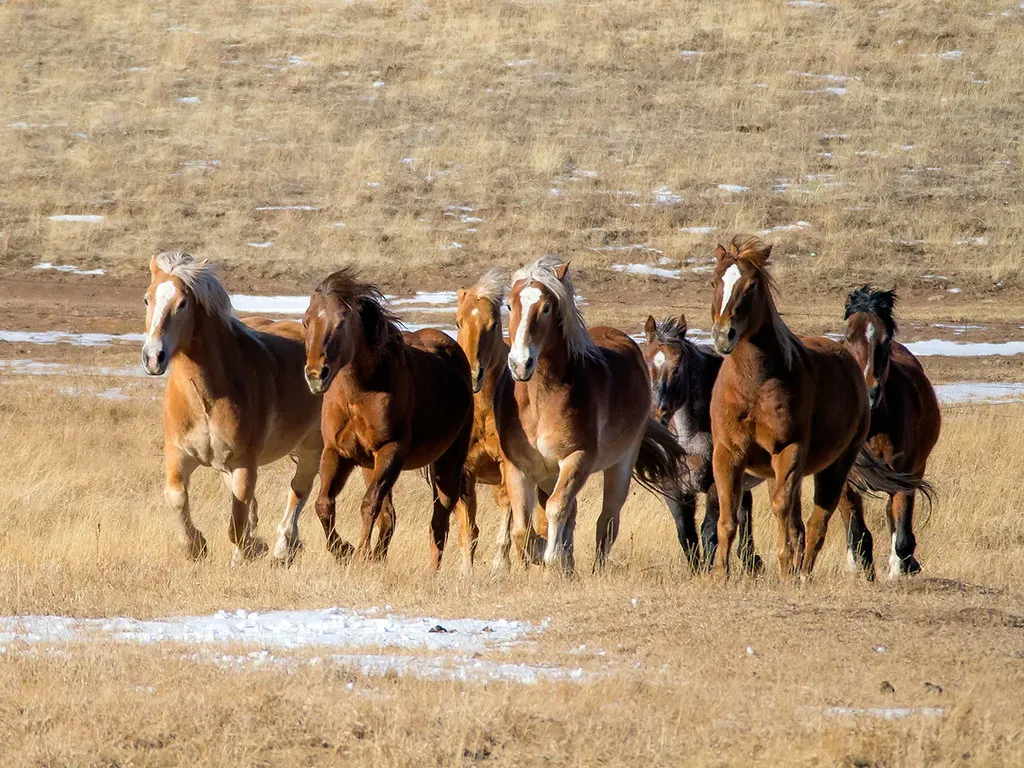
The Pryor Mountain Wild Horse Range consists of 38,000 acres straddling the Montana-Wyoming border. This is not just any patch of land thrown together to protect a herd. In 1968, US Secretary of the Interior Stewart Udall created the country’s first wild horse range here, originally spanning 31,000 acres. The range was later expanded, but the horses are truly free to roam, with no fences to keep them from wandering into adjacent national forest land.
Many of the horses display distinctive markings, including a long dorsal stripe along the back and zebra-like coloration on their legs, and are smaller than the average wild horse. The Pryor Mountain Wild Mustang Center believes the animals are descendants of colonial Spanish horses brought to the area by Native American tribes in the 17th and 18th centuries, with genetic studies confirming consistency with Spanish genetic traits. I think that ancient lineage is what makes seeing these horses feel almost spiritual. You’re not just watching animals. You’re watching living history.
Outer Banks, North Carolina
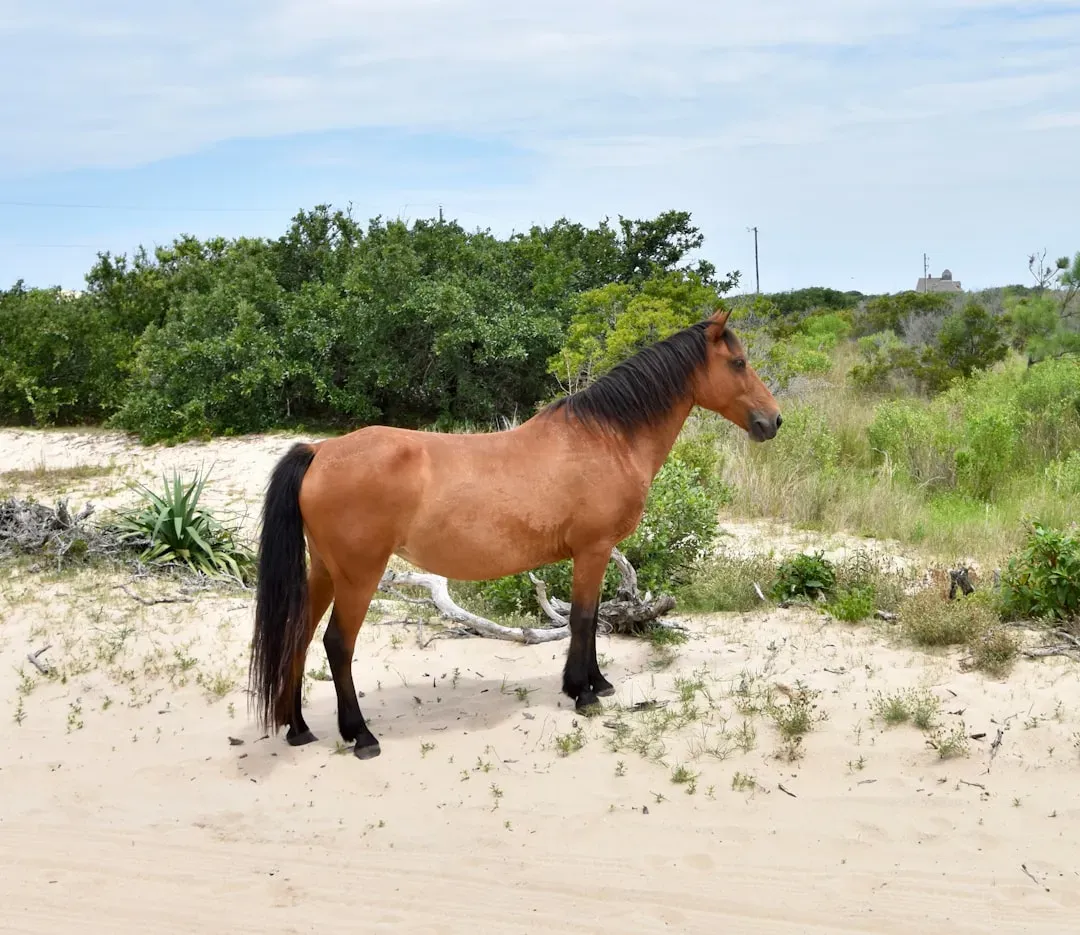
There was a time when the wild horses of North Carolina’s Outer Banks numbered in the thousands, but the recent increase in popularity of this beach resort region has made a dramatic impact. It’s a sobering reminder of how quickly human development can threaten wild spaces. Still, the horses remain, and they’re extraordinary.
Visitors can get behind the dunes with a self-guided walking tour or take a Wild Horse Adventure Tour to see the famous Colonial Spanish Mustang wild horse herd that roams Corolla and Carova beaches in the northern Outer Banks. Watching a horse gallop across an open beach with the Atlantic Ocean crashing behind it is a sight that simply doesn’t exist anywhere else quite like this. Today, some fear that the Corolla herd, which has only around 60 animals left, may not be around much longer, which makes visiting now feel both urgent and deeply meaningful.
Steens Mountain Wilderness, Oregon
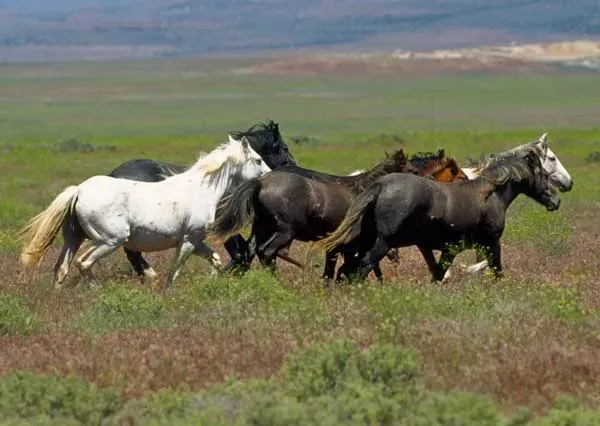
Most people don’t immediately think of Oregon when they picture wild horse country. That’s exactly why this one is so special. A wild herd grazes on thousands of acres of public land in the Steens Mountain Wilderness area. With over 400,000 acres of public land, it’s the perfect place for herds to find plenty of space. The Kiger Mustang, brought to the area centuries ago by Spanish conquistadors, calls this region home.
One of Oregon’s most rugged and remote locations is home to one of the country’s most magnificent wild horse herds, the Kiger mustangs. They’re known for their light brown bodies, dark tails, and semi zebra-striped legs. They’ve long been associated with the Wild West, and DreamWorks studio purchased a Kiger mustang colt to use as its model for the 2002 animated feature film “Spirit: Stallion of the Cimarron.” Let that sink in. The horse that inspired a beloved animated film lives here, wild and free, in the Oregon high desert.
Salt River, Arizona (Tonto National Forest)
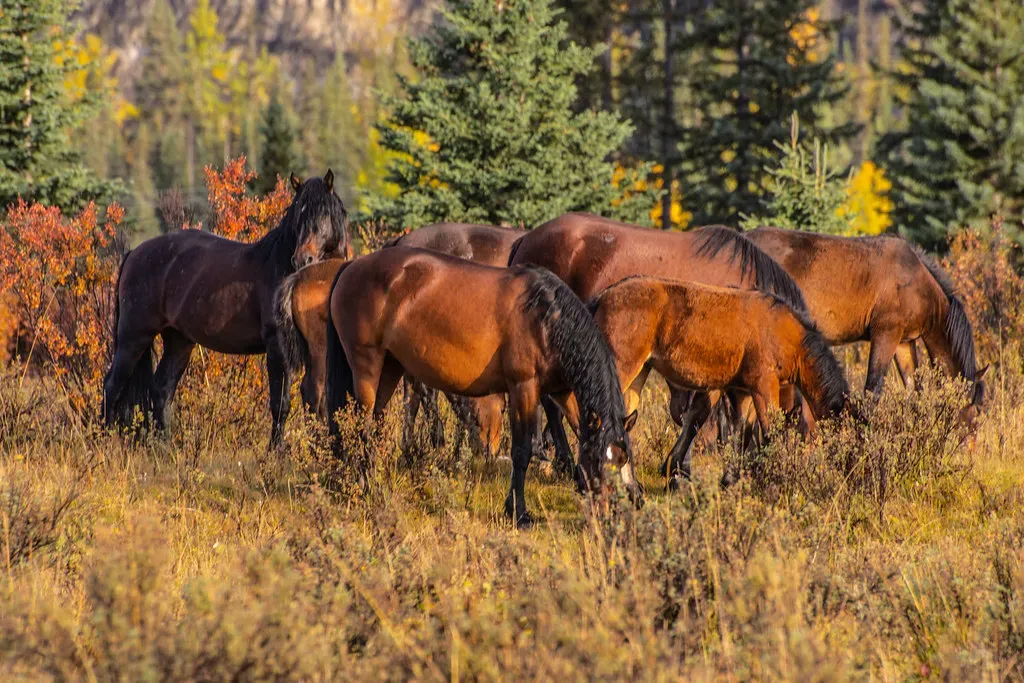
This one genuinely surprises most people. Wild horses in Arizona? Near Phoenix? Tonto National Forest in Phoenix, Arizona, is home to the famous Salt River horses. Though they were once almost removed, advocates rallied to preserve and protect them. The horses in Tonto National Forest often roam along the banks of the Salt River. It’s one of those places where the desert meets the water and you get something completely unlike anywhere else.
Many of the Salt River horses are descendants of Spanish Colonial or Iberian horses and have long been considered wild. The Salt River Wild Horse Management Group advocates for the roughly 300 Salt River mustangs when their presence in the National Forest abuts regulations. For a truly special experience, visitors can see the horses along the river by kayaking. Photographers often flock to the river for a chance to photograph the horses, and honestly, it’s not hard to understand why. A wild horse wading through a desert river surrounded by saguaro cacti is genuinely one of the most striking natural images in the entire American Southwest.
Onaqui Mountains, Utah
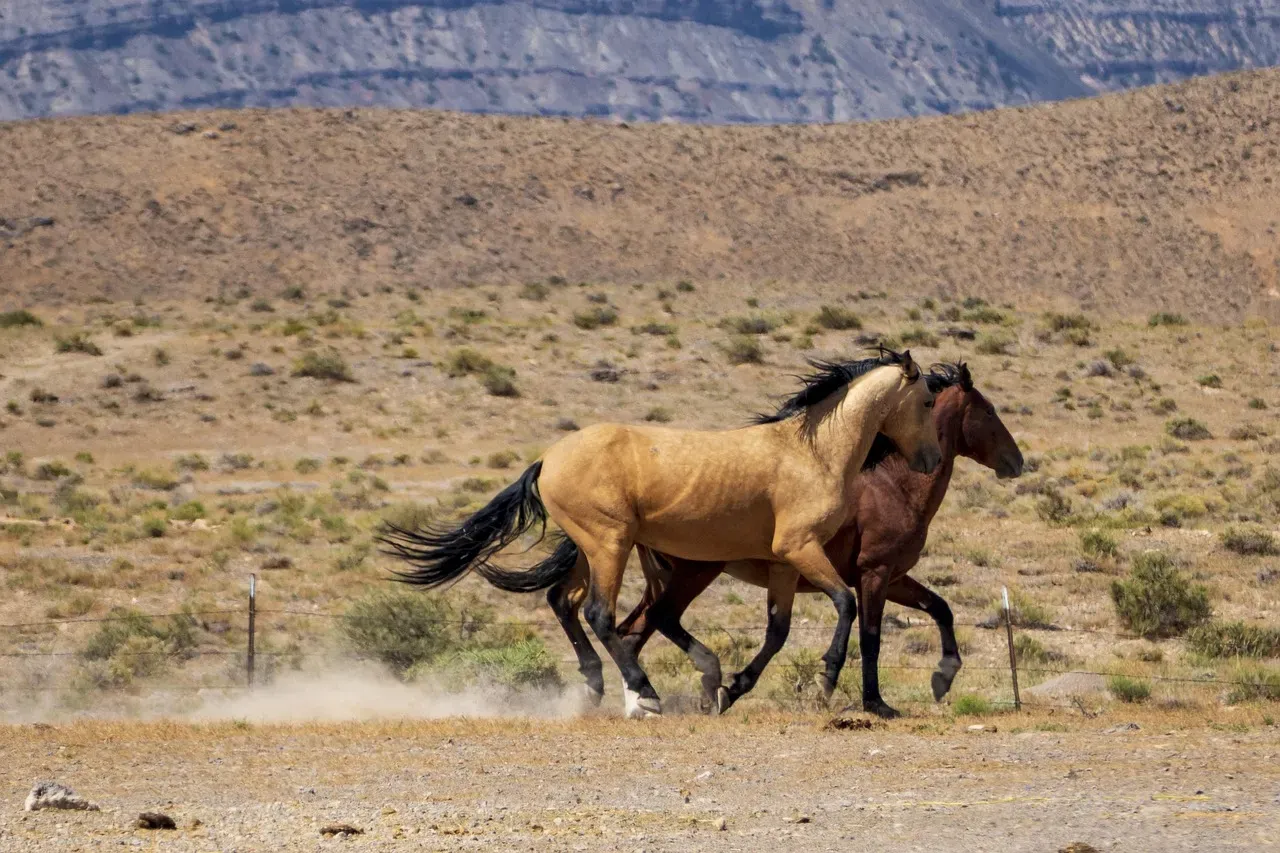
The west desert near Dugway, Utah, is home to the Onaqui herd of wild horses. The herd has approximately 450 horses and has become one of the most popular places to visit wild horses, a favorite especially among photographers. Let’s be real, a herd of 450 horses thundering across an open Utah desert is the kind of spectacle most people have only seen in movies. It’s shockingly accessible in real life.
Visitors almost always see wild horses when driving through the Onaqui Mountains Herd Management Area. They can often be spotted between Simpson Springs and the Old River Bed channel, along the historic Pony Express Road. Horses also commonly graze along Davis Mountain. The fact that this area sits along the legendary Pony Express route makes the whole visit feel like a journey through American history. You’re not just watching horses roam free, you’re standing on land where the wild spirit of this country has always lived.
A Final Thought Worth Carrying With You
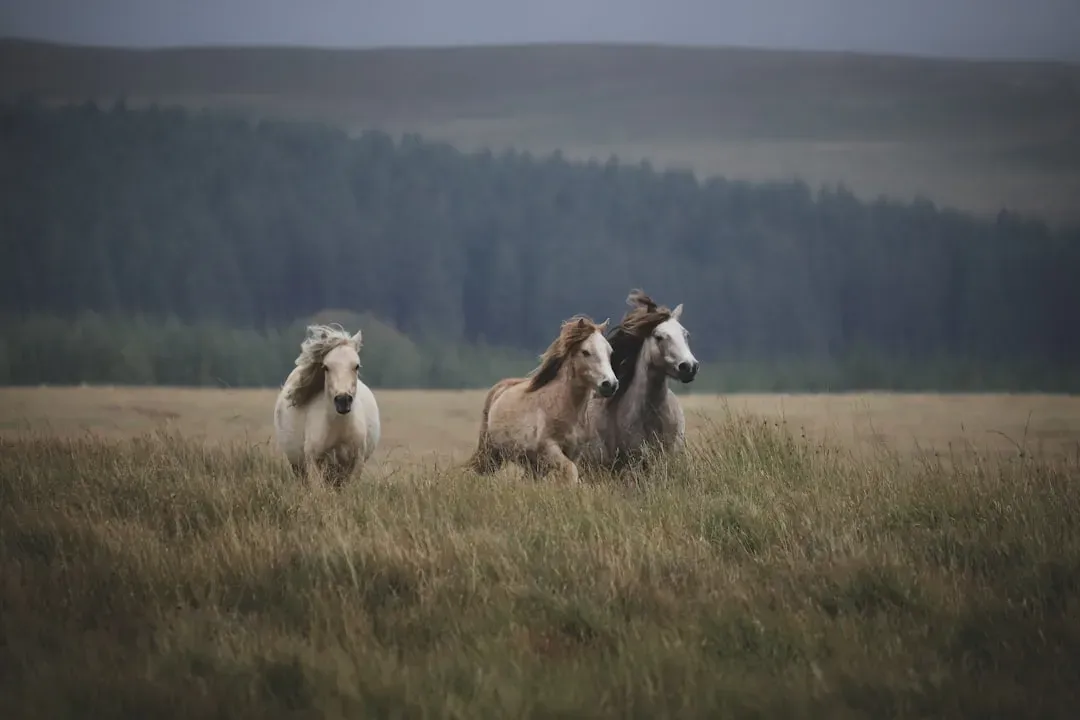
Wild horses have been part of this land’s story for centuries. In 1971, the United States Congress recognized that “wild free-roaming horses and burros are living symbols of the historic and pioneer spirit of the West.” That declaration still holds tremendous weight today. These animals are not just a spectacle for visitors. They are a living, breathing connection to the soul of America itself.
Each of these eight places offers something different, from oceanside barrier islands to high desert ranges, from volcanic Oregon wilderness to the dramatic badlands of North Dakota. The common thread is this: freedom. The freedom of a creature that answers to no one, in a landscape vast enough to hold it. If you’ve never witnessed wild horses roaming on their own terms, consider this your sign to go. What would you have guessed before reading this, that wild horses could be found this close to a major American city, or galloping along an Atlantic shoreline? Tell us in the comments.
