
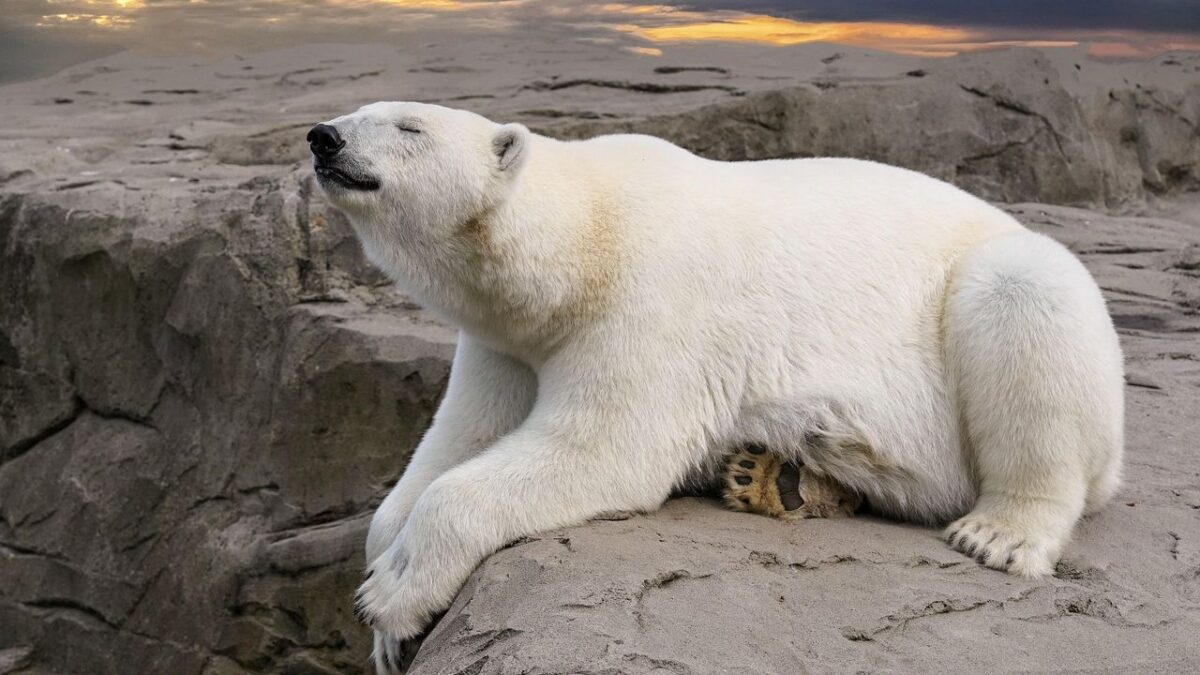
Imagine standing on a frozen tundra where the thermometer shatters at minus 70 degrees Fahrenheit. Winds whip across endless ice, yet Arctic foxes scamper about, emperor penguins huddle defiantly, and wood frogs lie dormant under snow. These creatures don’t just endure; they master the freeze.
Survival here demands ingenuity beyond our wildest dreams. From biochemical tricks to group strategies, nature’s solutions stun. Let’s dive into these 10 unique adaptations that keep wildlife thriving in the dead of winter.[1][2]
1. Thick Layers of Blubber
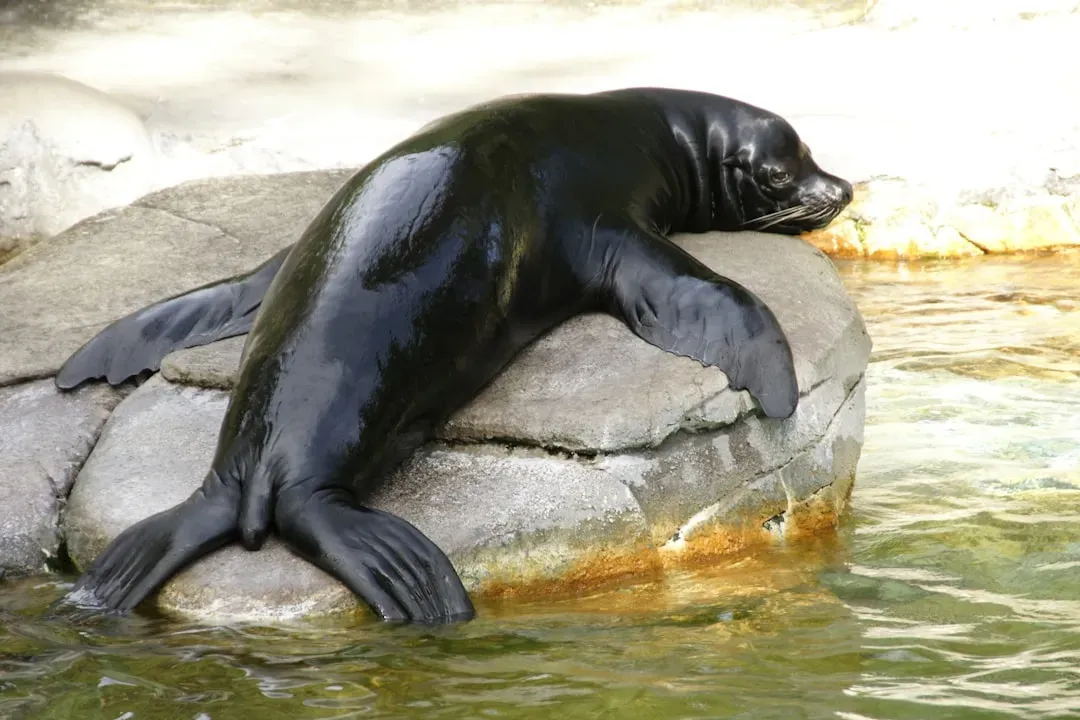
Marine mammals like seals and whales pack on blubber, a fatty armor that acts as both insulation and fuel depot. This thick subcutaneous fat traps body heat, preventing it from escaping into icy waters. Emperor penguins and elephant seals rely on it too, shrinking blood flow to outer layers during brutal Antarctic storms.[3]
Blubber doubles as an energy reserve. Males fast for months, living off these reserves while breeding. Here’s the kicker: it reduces heat loss by half in some species. Pretty clever for beasts that never feel a cozy fire.
2. Dense, Multi-Layered Fur
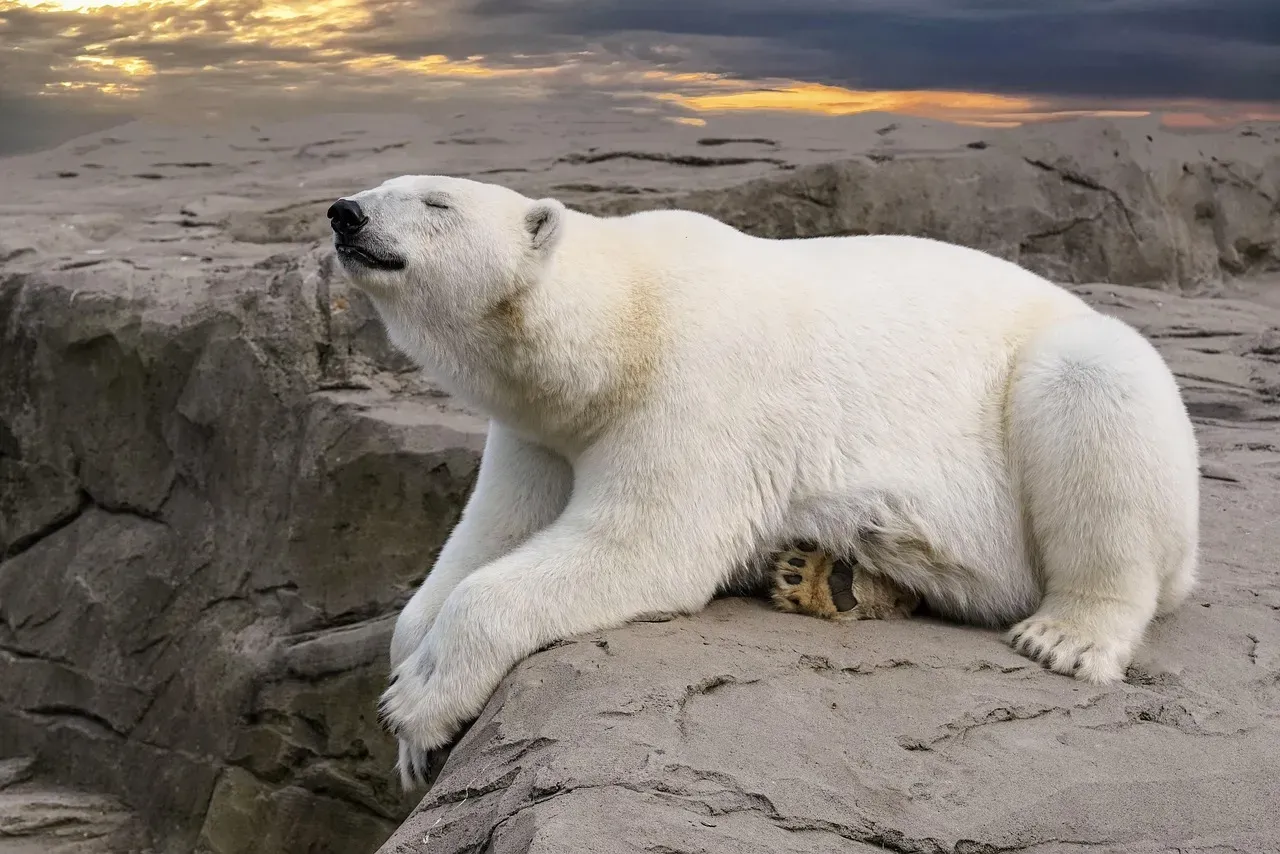
Arctic foxes and polar bears sport fur that’s more than fluffy – it’s a high-tech barrier. Multiple layers trap air, creating superior insulation against winds that bite at minus 50 degrees. Musk oxen grow shaggy guard hairs over fine undercoats, shrugging off blizzards like pros.[2]
Polar bear fur even repels water and ice thanks to natural oils. Snowshoe hares swap brown for white coats, blending in while staying toasty. I think it’s wild how evolution turns hair into a personal thermostat.
3. Countercurrent Heat Exchange
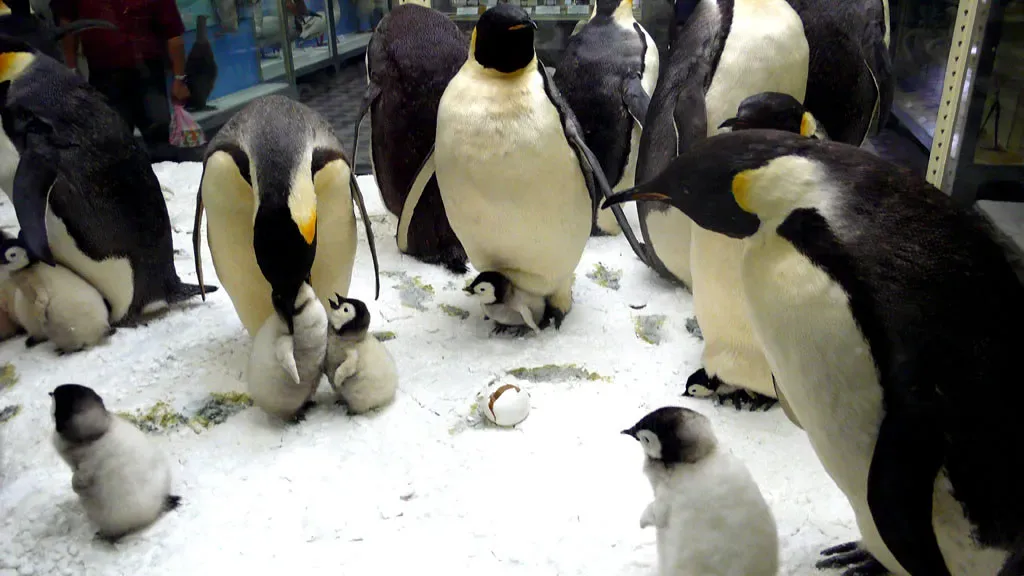
Penguins and foxes route warm arterial blood past cold venous blood in legs and flippers. Heat transfers directly, warming the core-bound blood before it chills the body. This rete mirabile system keeps extremities cool without freezing the vitals.[2]
Arctic foxes use it in paws too, avoiding frostbite on snow. Penguins stand on ice for hours, flippers barely thawing. Such efficiency feels like engineered genius from millions of years ago.
4. Antifreeze Proteins in Blood
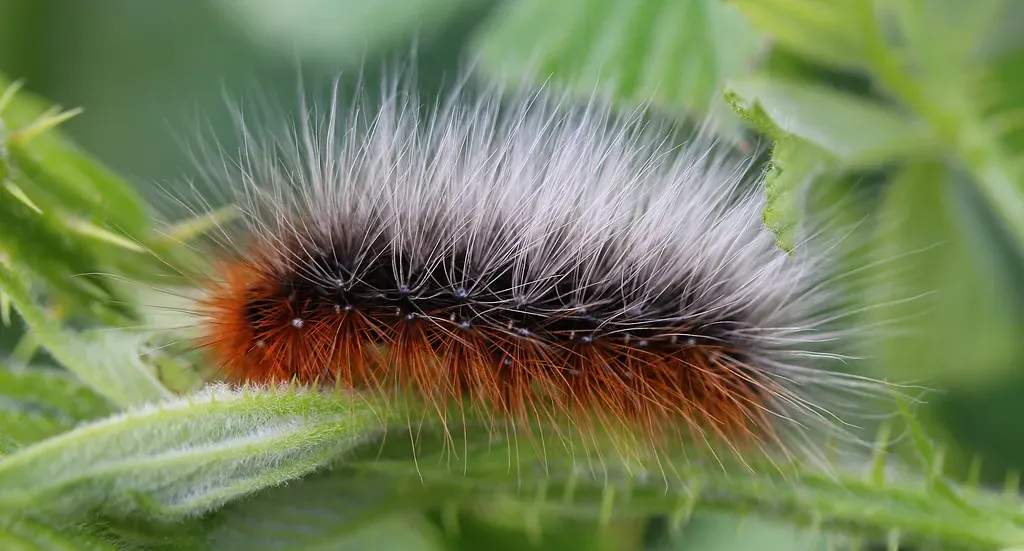
Some fish and insects produce proteins that bind to ice crystals, stopping them from growing deadly. Icefish circulate antifreeze glycoproteins, thriving in waters near freezing. Woolly bear caterpillars supercool their fluids this way.[2]
These molecules lower the freezing point without solidifying the whole body. Tardigrades endure it too. It’s like having built-in de-icers patrolling your veins.
5. Hibernation and Torpor
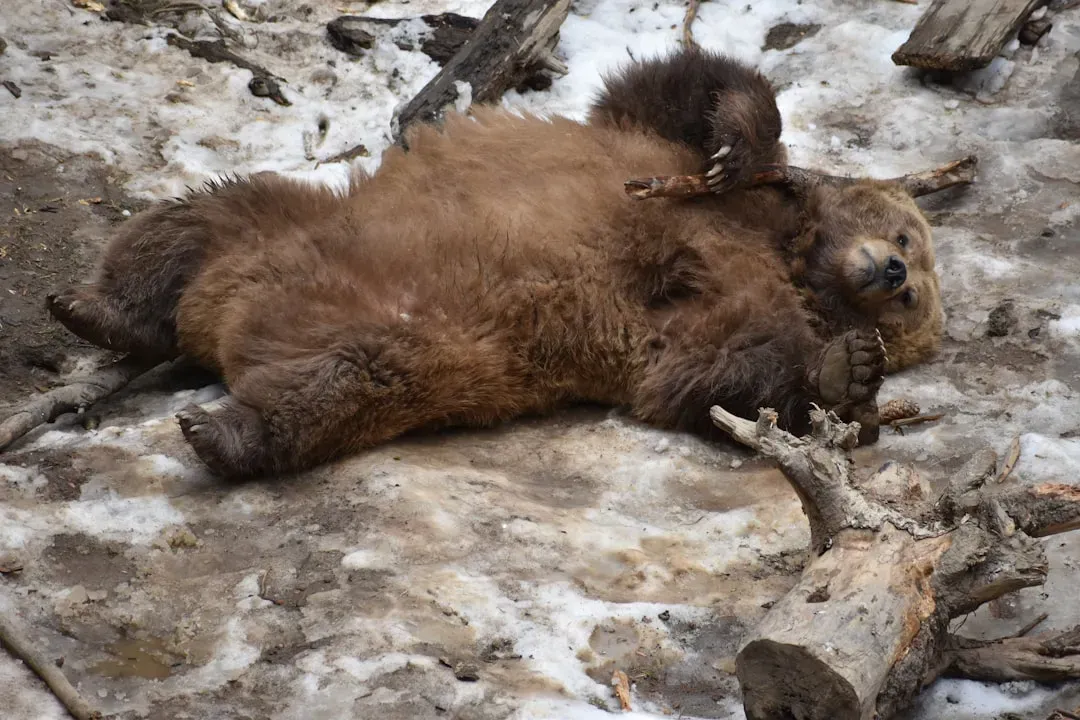
Bears and ground squirrels drop metabolism to a crawl, heart rates slowing to breaths every few minutes. Body temperature plummets, conserving fat stores through lean months. Dormice hibernate up to 11 months in chilly nests.[4][1]
Black bears recycle urea into muscle, emerging strong. Poorwills lower to 41 degrees Fahrenheit. Torpor offers daily dips for smaller critters. Nature’s ultimate power-save mode.
6. Huddling for Collective Warmth
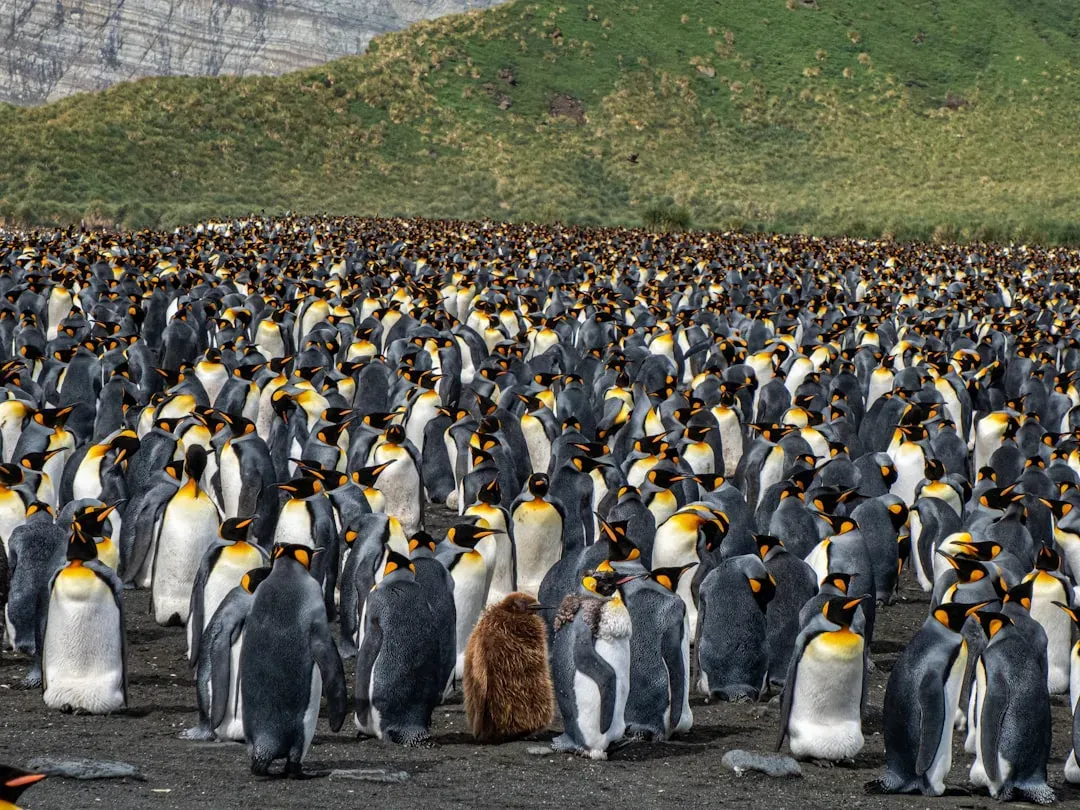
Emperor penguins form massive huddles, thousands strong, slashing wind exposure. The group generates heat, center temps soaring 20 degrees warmer than outside. They shuffle positions fair-like, everyone gets a turn inside.[3][2]
Penguin chicks huddle similarly. This cuts heat loss by half. Teamwork makes the freeze dream work, honestly.
7. Burrowing into Insulated Dens
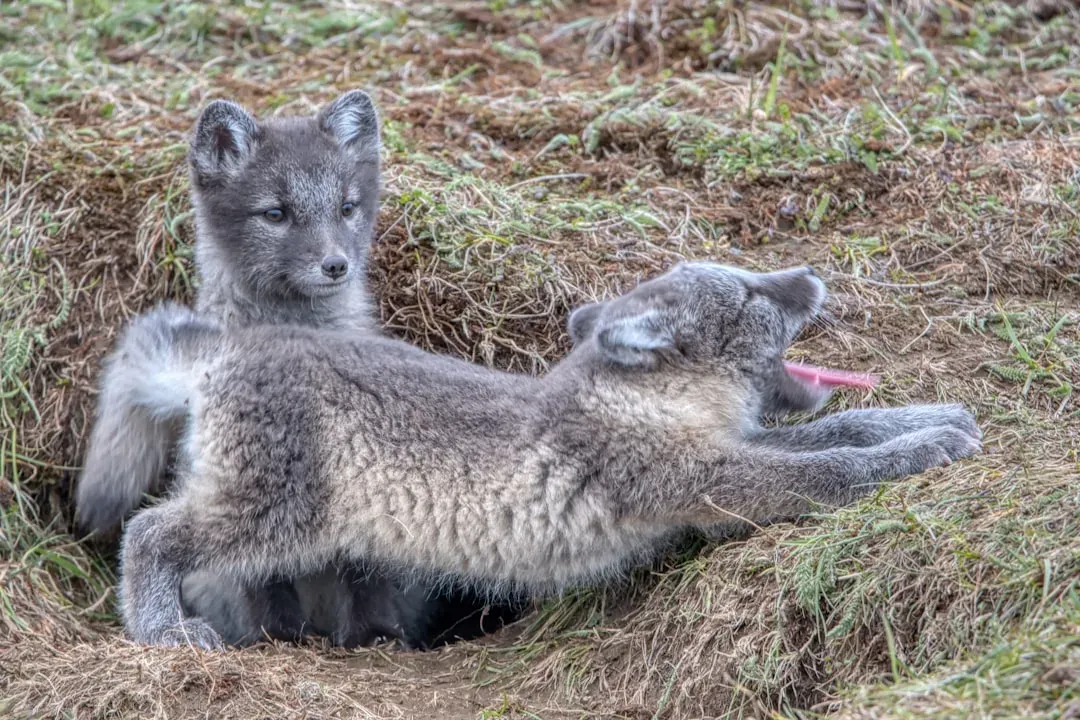
Moles, badgers, and foxes dig deep, using earth as a thermal blanket. Snow insulates entrances, stabilizing temps above freezing. Arctic foxes line dens with fur for extra coziness.[1]
Groundhogs hibernate here, safe from blizzards. Burrows trap body heat efficiently. Underground living: the original smart home.
8. Compact Bodies and Tiny Extremities
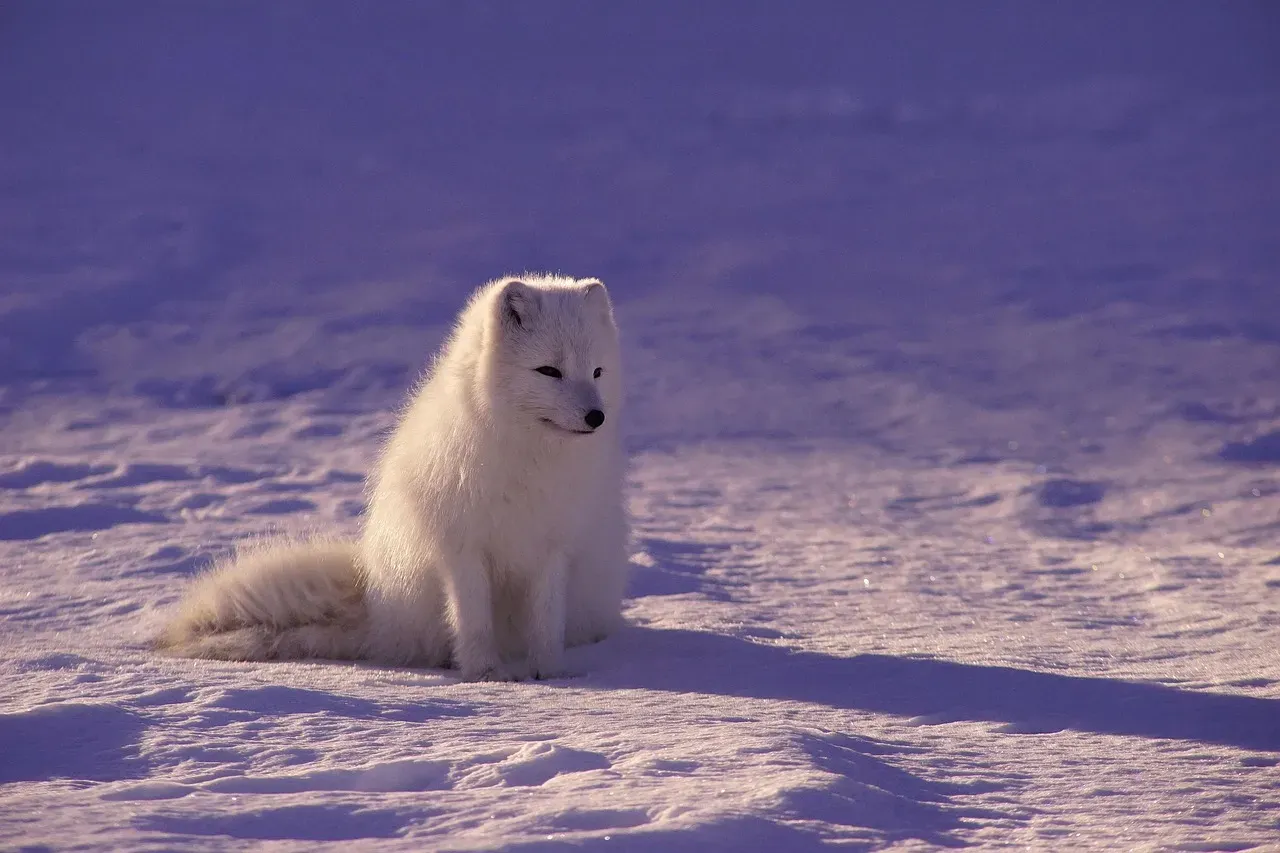
Animals in polar zones boast stocky builds, minimizing surface area for heat loss. Small ears, tails, and bills cut exposure – think pikas or emperor penguin flippers. Bergmann’s rule explains larger sizes in cold climes.[4]
Polar bears dwarf tropical kin for this reason. Less skin meets the chill. Evolution favors the chubby survivor.
9. Tolerating Actual Freezing
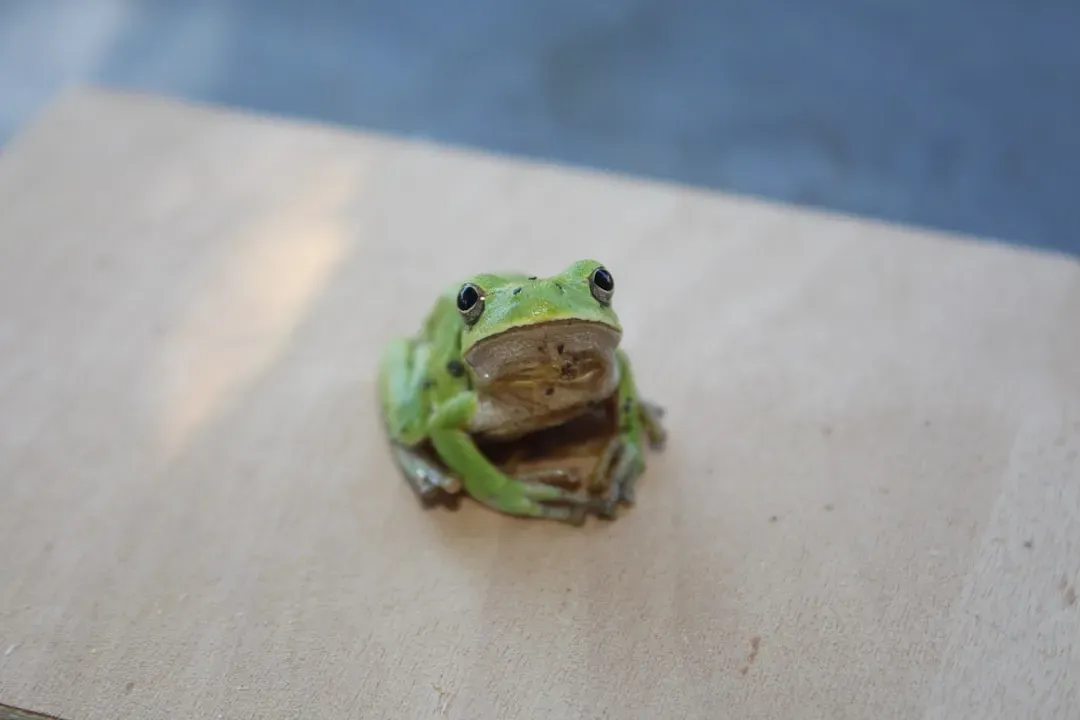
Wood frogs freeze solid, organs encased in ice for months. Liver-pumped glucose shields cells like antifreeze syrup. They thaw come spring, hopping away unscathed.[1][2]
Heart stops, breathing halts – yet revival is total. Only north-of-Arctic-Circle frogs pull this off. Freezing without dying? Peak resilience.
10. Frostbite-Proof Feet and Paws
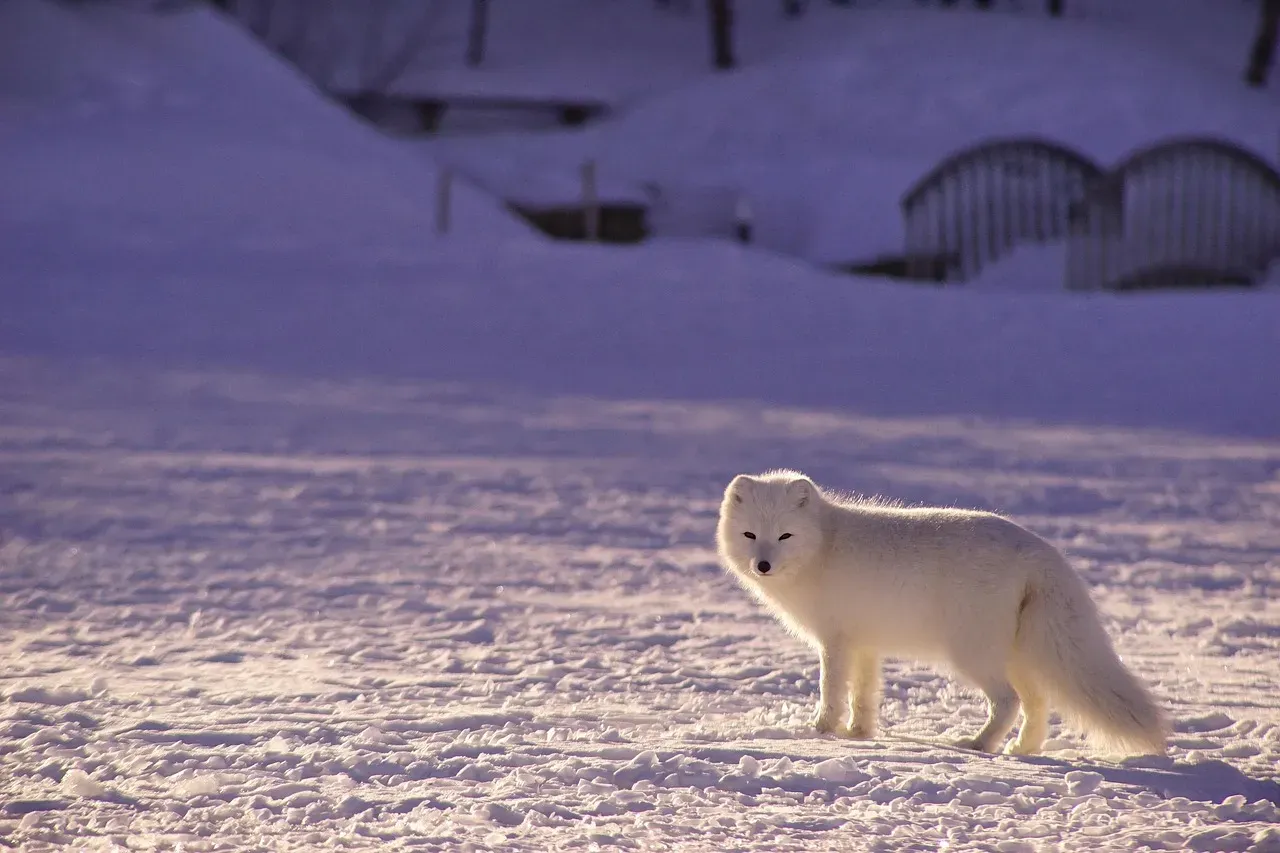
Arctic foxes pack paws with fats that stay soft at low temps, plus membranes blocking damage. Furry soles act like snowshoes and insulators. Reindeer noses warm air similarly.[1]
These tweaks let them trot on ice indefinitely. No numb toes for tundra pros. Feet built for forever winter.
These adaptations reveal nature’s raw brilliance, turning deadly cold into just another season. Animals don’t merely cope; they dominate extremes we’d flee. What blows your mind most about these survival hacks? Drop your thoughts in the comments.

- 14 Ways an Old Dog Holds On a Little Longer for the Person It Loves - July 21, 2026
- 15 Tender Things Old Dogs Do the Closer the End Quietly Comes - July 21, 2026
- 14 Ways a Rescue Cat Shows It Has Given You Its Fragile Heart - July 21, 2026