

Our planet is a vibrant tapestry of life endowed with a stunning variety of creatures that often remain elusive and rare. While many people might be familiar with the charismatic giant panda or the formidable snow leopard, there exist numerous rare animal species that are not widely known. These creatures exhibit unique adaptations and characteristics that make them invaluable to our global biodiversity. In this article, we introduce you to eight incredibly rare animals that you might not know exist.
Vaquita
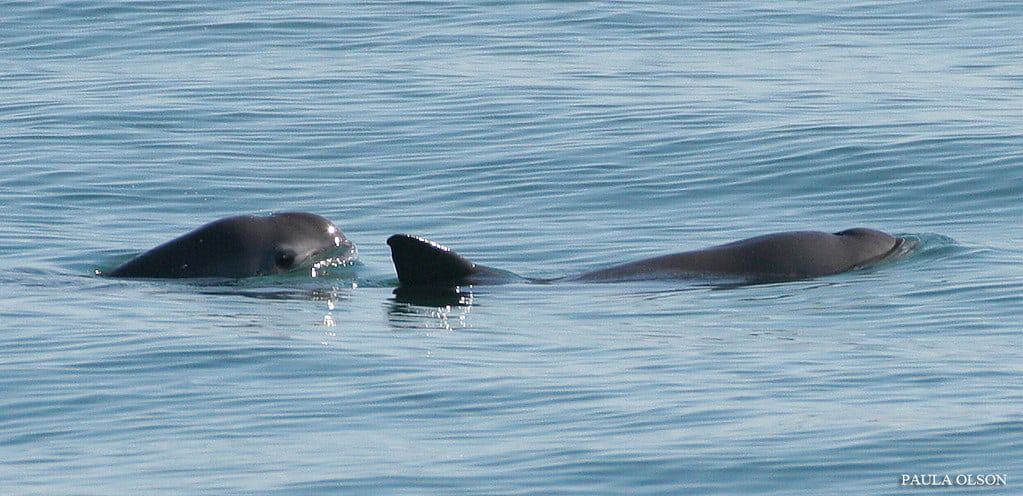
This small porpoise, known as the vaquita, is the most endangered marine mammal in the world. Native to the northern part of the Gulf of California, fewer than 10 individuals are believed to remain. The vaquita is characterized by its small size, with adults reaching just around 4 to 5 feet in length, and distinctive facial markings that resemble a smile. Unfortunately, illegal fishing practices, particularly the use of gillnets to catch another endangered species, the totoaba fish, have driven the vaquita towards extinction.
Saola
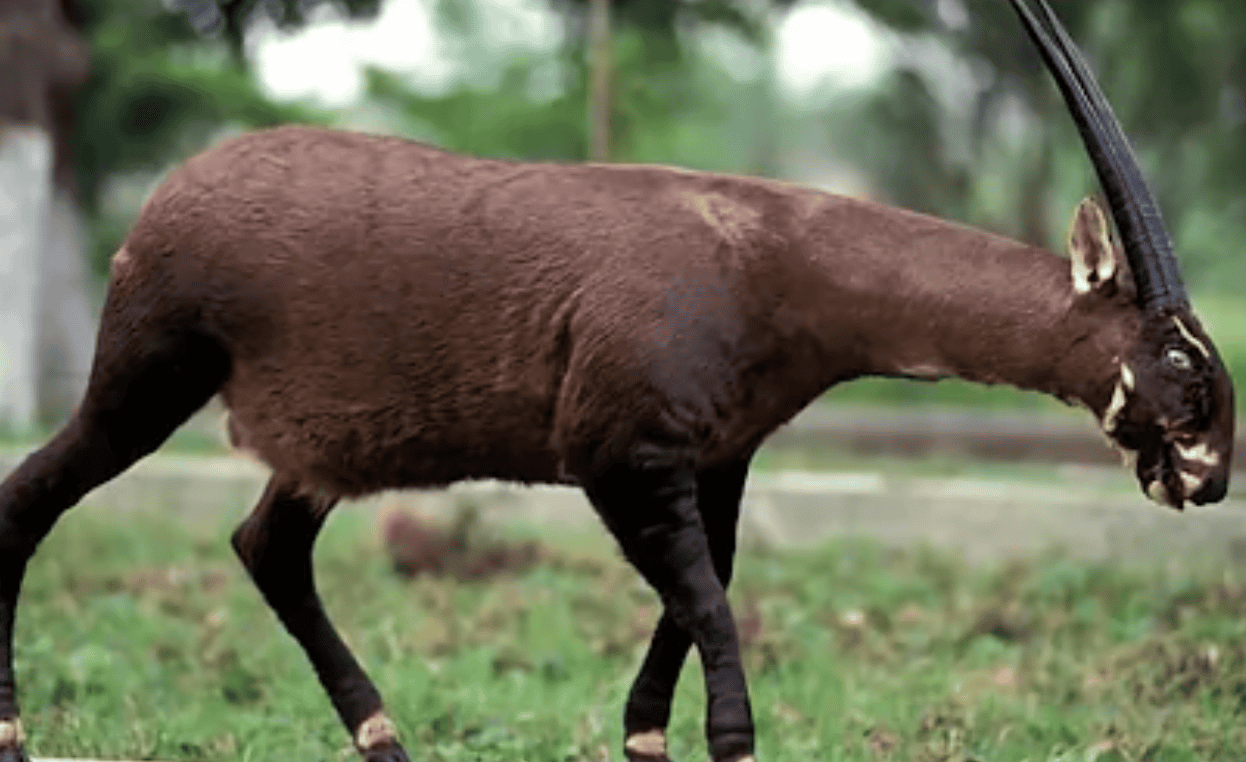
Often referred to as the “Asian unicorn,” the saola was first discovered in 1992 in the Annamite Range of Vietnam and Laos. This elusive herbivore is known for its striking parallel horn structure, which can grow up to 20 inches long. Despite its bovine appearance, the saola remains incredibly rare, with estimates suggesting fewer than 100 individuals in the wild. Habitat loss and hunting are the primary threats to this enigmatic creature’s survival.
Philippine Eagle

The mighty Philippine eagle, also known as the “monkey-eating eagle,” is the national bird of the Philippines and is considered one of the largest and most powerful eagles in the world. This majestic raptor is critically endangered, largely due to deforestation and habitat destruction. With fewer than 400 pairs left in the wild, the Philippine eagle’s future hinges on aggressive conservation efforts and habitat preservation.
Axolotl
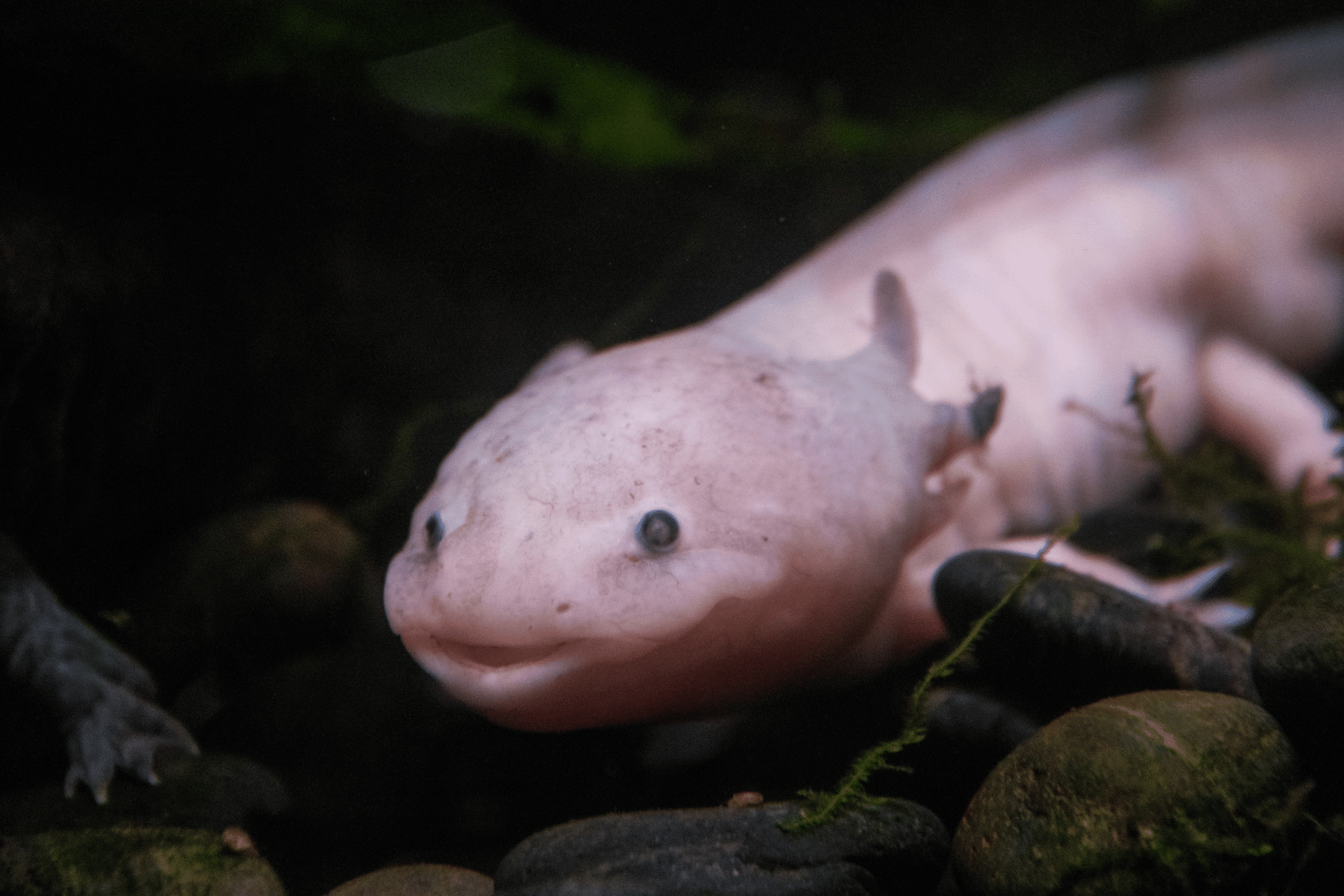
The axolotl, often dubbed the “walking fish,” is a unique aquatic salamander native to the ancient lake complex of Xochimilco near Mexico City. Its ability to regenerate lost body parts has made it the subject of intense scientific research. Despite these remarkable characteristics, the species is teetering on the brink of extinction due to urbanization, water pollution, and the introduction of invasive species into its habitat.
Javan Rhino
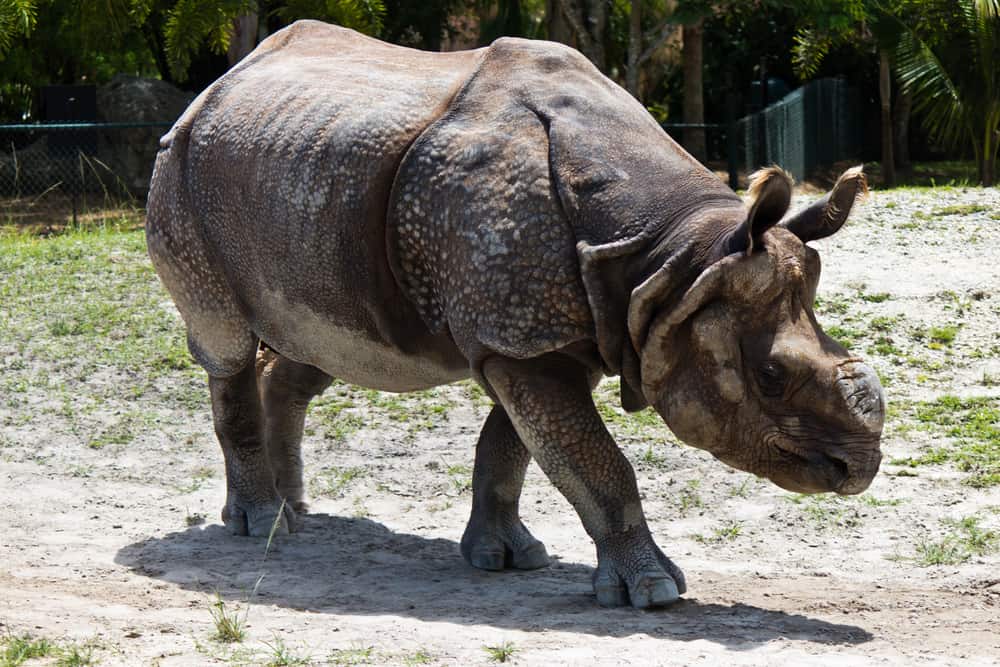
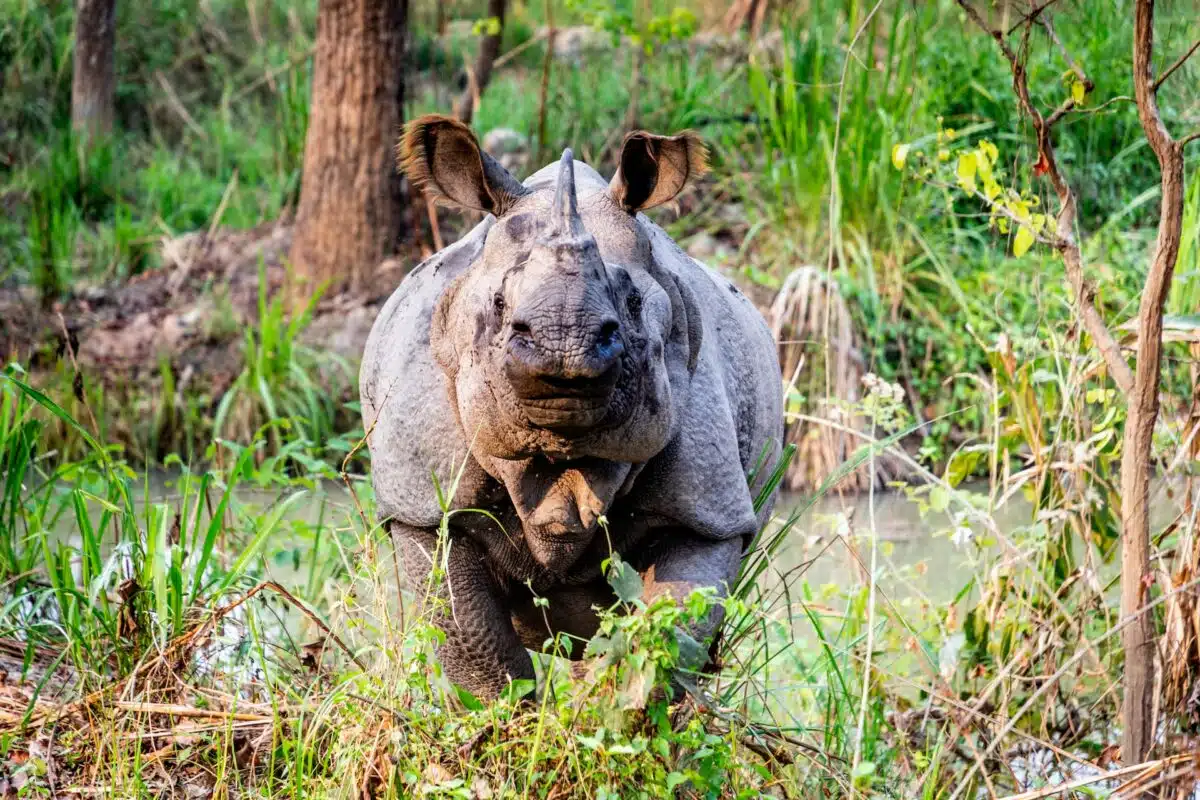
The Javan rhino is one of the most threatened of the five rhinoceros species, primarily found in the dense tropical forests of Ujung Kulon National Park in Java, Indonesia. Once widespread across Southeast Asia, this incredible animal’s population now hovers around just 75 individuals. Poaching for their horns and loss of habitat poses significant risks to their survival. Conservationists are working fervently to protect the remaining population and their natural habitat.
Attenborough’s Long-beaked Echidna
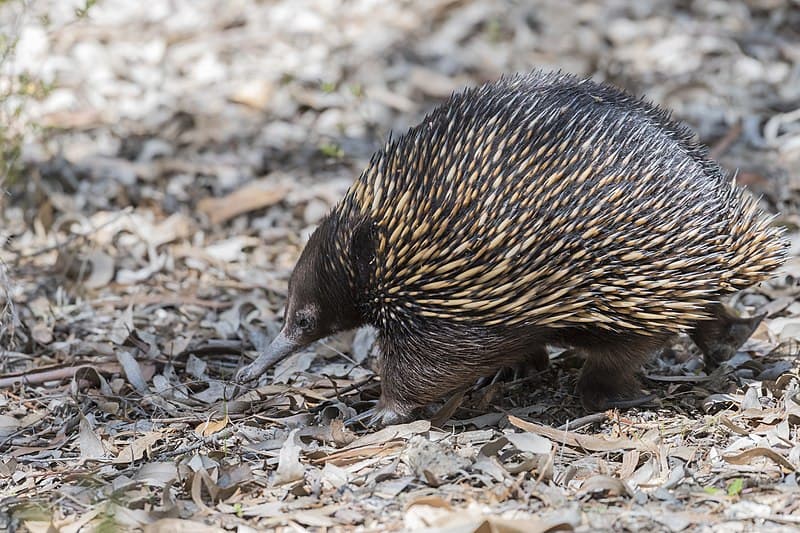
Named in honour of the renowned naturalist Sir David Attenborough, this rare species of echidna is endemic to the Cyclops Mountains of Papua, Indonesia. The long-beaked echidna has a distinctive snout and uses its elongated tongue to consume worms and insect larvae. Little is known about this secretive species, but its elusive nature and fragmented habitat contribute to its rarity and vulnerability.
Tarsier

Tarsiers are small primates found in Southeast Asia. They are known for their enormous eyes, which facilitate their nocturnal lifestyle. These creatures are adept jumpers, capable of leaping several times their body length, allowing them to move swiftly through forest canopies. Habitat loss, along with the illegal pet trade, threatens the survival of tarsiers, making them one of the world’s rarest and most intriguing primate species.
Amur Leopard
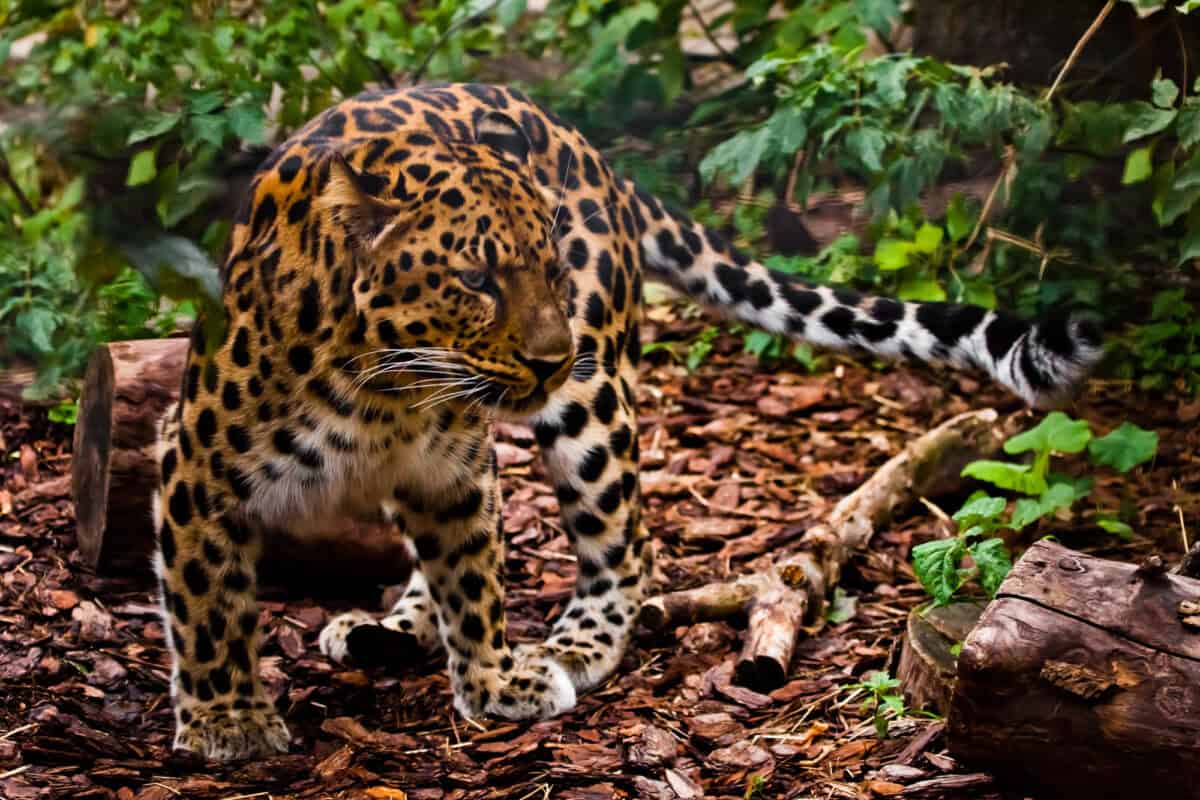
The Amur leopard, native to the temperate forests of the Russian Far East and northeastern China, is considered the rarest big cat on Earth. With fewer than 100 individuals remaining, it faces the dual threats of poaching and habitat destruction. Conservation efforts, including anti-poaching patrols and habitat corridor restoration, aim to secure the leopard’s future in the wild.
Conclusion

The existence of these eight incredibly rare animals enhances the vast biodiversity of our planet. Each species plays a crucial role in its ecosystem, contributing to the intricate web of life. Preserving these animals is essential for maintaining ecological balance and ensuring that future generations can learn about and appreciate the remarkable diversity of life on Earth. Awareness and dedicated conservation efforts are key to giving these rare species a fighting chance for survival.

As a little kid, I fell in love with nature, wildlife, and animals. Living in the USA, South Africa, Italy, China and Germany gave me the opportunity to discover the world's Wildlife. My favorite animals are Mountain Gorillas, Siberian Tigers, and Great White Sharks.
I'm a certified PADI Open Water Diver, went to Everest Base Camp and Trekked Gorillas in Uganda. I hold a Master of Science in Economics and Finance.
Please send any feedback to feedback@animalsaroundtheglobe.com
- 10 Most Unique Reptiles You will See in the US - July 21, 2026
- 3 Dangerous Invasive Species the USA Must Eradicate - July 21, 2026
- 10 Things That Calm Cats And 4 That Make Them Nervous - July 21, 2026