

The natural world is filled with wonders beyond human perception. Among these marvels is the impressive visual ability of certain animals, enabling them to see things that our human eyes simply cannot. From ultraviolet to infrared and even polarized light, these creatures experience a visual world that’s vastly richer than our own. Join us as we delve into the fascinating realm of animal vision, exploring ten incredible species whose sight capabilities are truly extraordinary.
10. Mantis Shrimp Masters of Color Vision

Mantis shrimps are renowned for possessing one of the most complex visual systems in the animal kingdom. With up to 16 different types of photoreceptor cells (compared to just three in humans), these crustaceans can detect a wide spectrum of colors, including ultraviolet and polarized light. This unique ability helps them in hunting and navigating the colorful underwater world they inhabit, providing a sensory experience that humans can only imagine.
9. Bees Seeing the Unseen

Bees have vision that extends into the ultraviolet spectrum, allowing them to see patterns on flowers that are invisible to the human eye. These patterns guide bees to nectar, enhancing their ability to pollinate plants. This adaptation is crucial for the survival of both bees and flowering plants, showcasing an intricate and mutualistic relationship in nature.
8. Birds of Prey Seeing in Ultra Detail

Bald eagles and other birds of prey possess eyesight that far surpasses human capabilities. Equipped with a high density of photoreceptor cells, these birds can see fine details from great distances. Eagles, for instance, can spot a rabbit moving over a mile away. Their keen vision is essential for hunting and navigating their expansive aerial territory.
7. Cats Night Vision Experts

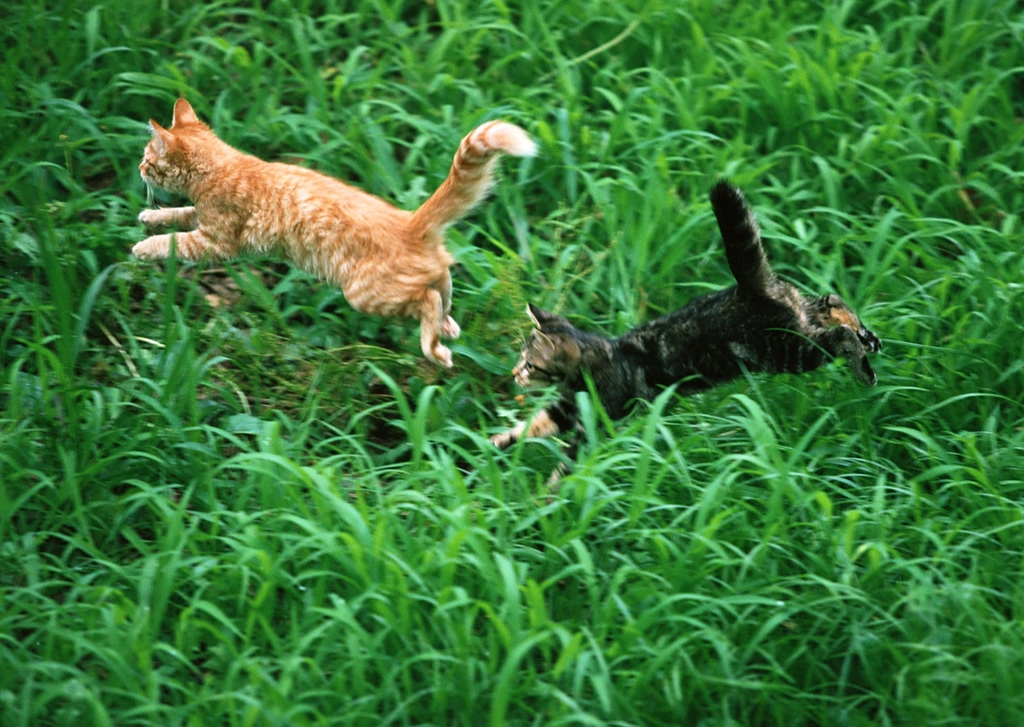
Cats have adapted to seeing in low light conditions. Their eyes contain a reflective layer called the tapetum lucidum, which enhances their night vision. This adaptation allows cats to be effective nocturnal hunters, stealthily stalking their prey in near darkness. While not entirely outside human capabilities, their ability to see and detect movement in minimal light is far superior.
6. Pit Vipers Infrared Sensors

Pit vipers, including rattlesnakes, have specialized pit organs that detect infrared radiation, essentially allowing them to ‘see’ heat. This adaptation enables them to hunt warm-blooded prey even in complete darkness. The ability to sense infrared light adds an extra dimension to their predatory skills, making them formidable hunters in their ecological niche.
5. Goldfish Beyond Human Vision
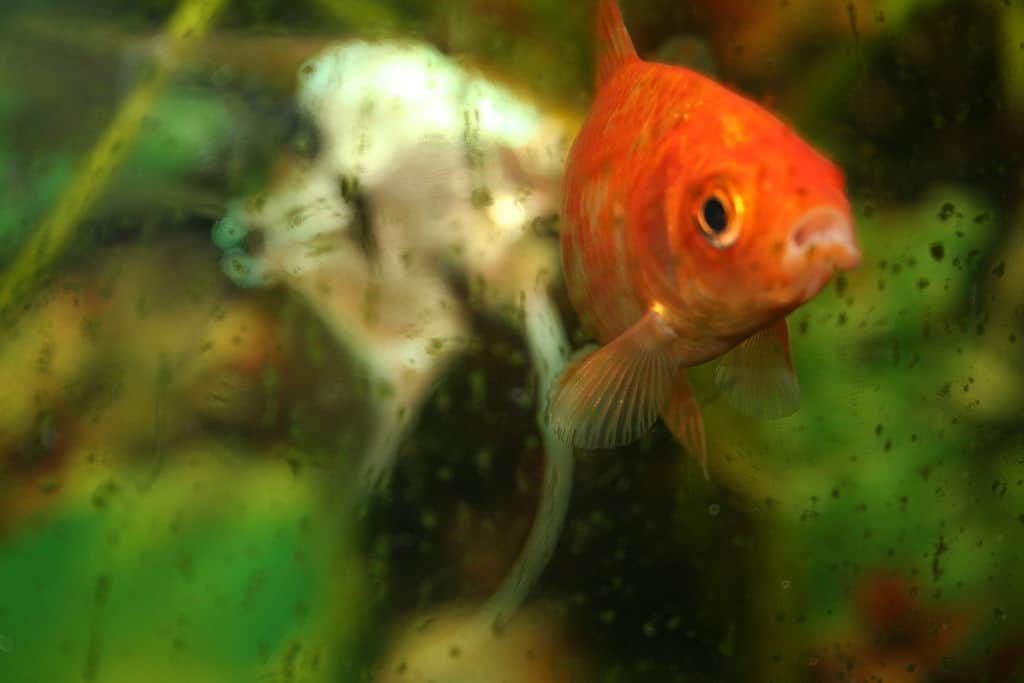
Goldfish have the remarkable ability to see both infrared and ultraviolet light, granting them a wider visual spectrum than humans. This advanced vision helps them detect prey and predators in various light conditions underwater, an environment where light and colors can quickly change, requiring rapid visual adaptations.
4. Reindeer Winter Survivors

In the Arctic, where lighting conditions change drastically with the seasons, reindeer have developed the ability to see ultraviolet light. This adaptation helps them detect food, predators, and even the camouflaged fur of their hiding predators against the snowy backdrop. It is a crucial survival mechanism in their extreme and challenging habitat.
3. Pigeons The Human Geolocators
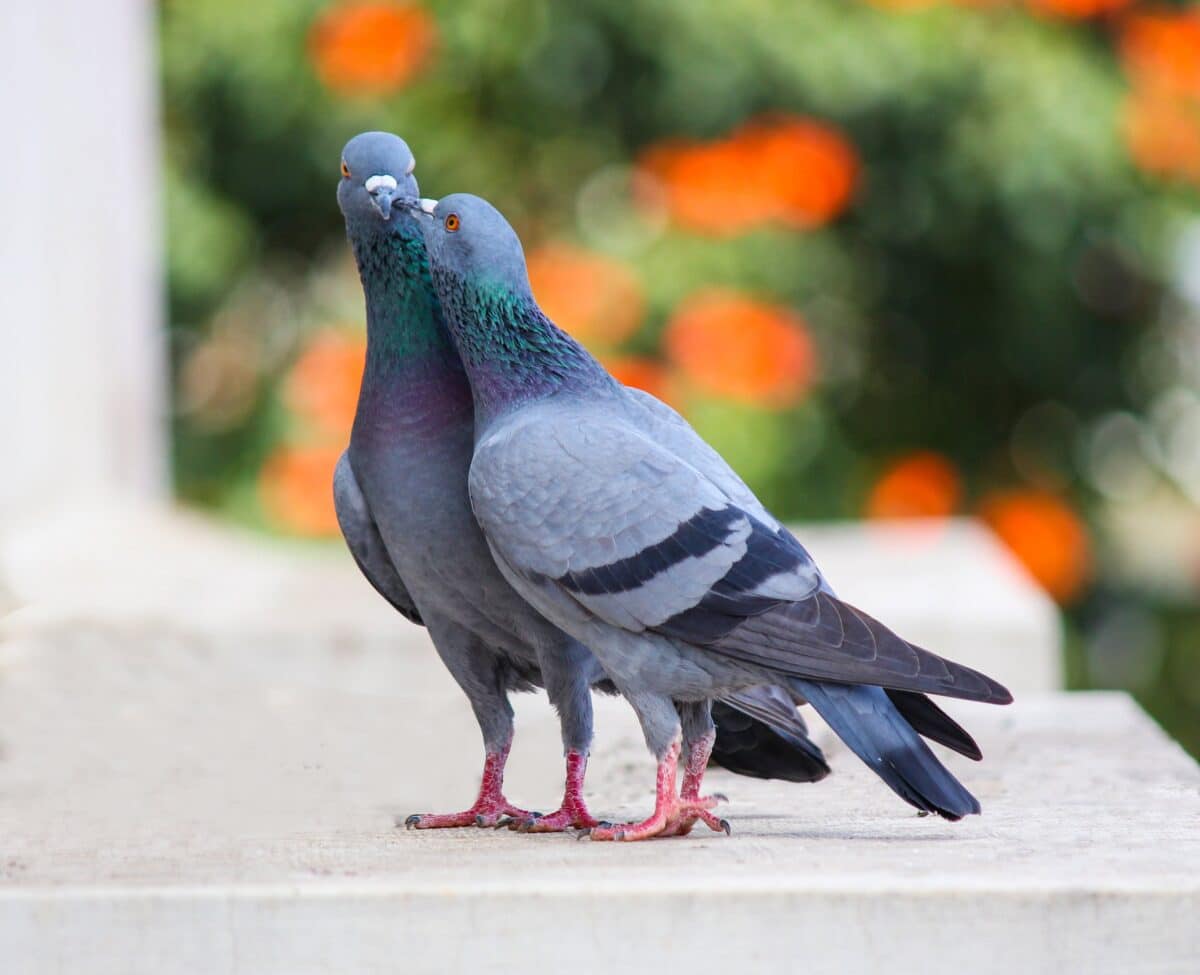
Pigeons possess the ability to detect polarized light, which enhances their navigation abilities over long distances. This capability assists them in identifying solar position even on cloudy days, contributing to their legendary homing instincts. Their remarkable navigation skills highlight an innate connection with the Earth’s magnetic fields and light patterns.
2. Cuttlefish Camouflage Masters

Cuttlefish are masters of their environment, capable of changing their skin color to blend seamlessly with their surroundings. While they might not see color in the way humans do, they detect polarized light, which helps them in perceiving different contrasts and shapes, aiding in communication and hunting in their underwater realm.
1. Frogs Vision Revolutionized

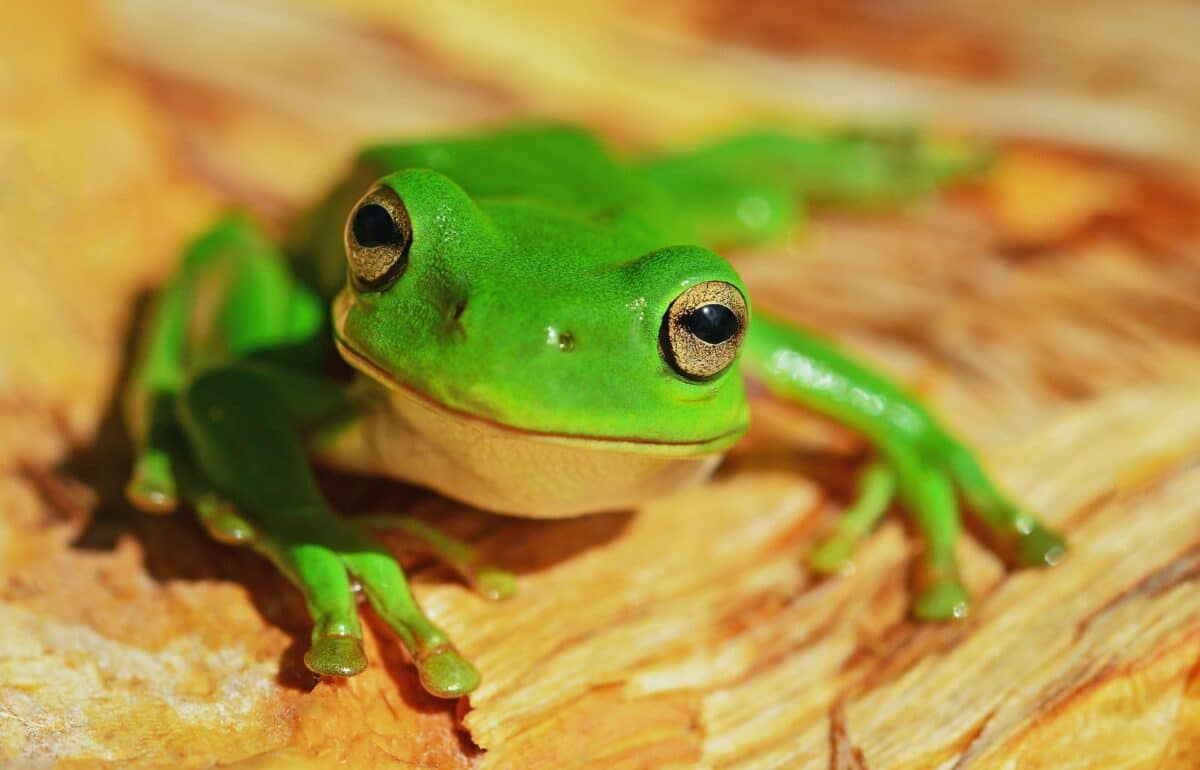
Many frog species can detect ultraviolet light, a useful trait for spotting mate suitability and avoiding predators. This visual trait is particularly critical during the mating season and helps ensure the continuation and protection of their species. Their ultraviolet sensitivity opens up worlds we can only imagine, aiding them in survival in diverse environmental conditions.
Conclusion:
The diverse and unique visual abilities of these ten animals remind us of the rich tapestry of life and the incredible adaptations that arise through evolution. While humans primarily rely on their limited vision, these creatures show us that there’s much more to see in our world than meets the eye. By understanding the vision capabilities of these animals, we gain a broader appreciation of nature’s creativity and complexity. From detecting ultraviolet patterns on flowers to sensing the heat of their prey, these animals live in a world of sight that surpasses human experience, inviting us to explore, conserve, and cherish the wonders of nature.

As a little kid, I fell in love with nature, wildlife, and animals. Living in the USA, South Africa, Italy, China and Germany gave me the opportunity to discover the world's Wildlife. My favorite animals are Mountain Gorillas, Siberian Tigers, and Great White Sharks.
I'm a certified PADI Open Water Diver, went to Everest Base Camp and Trekked Gorillas in Uganda. I hold a Master of Science in Economics and Finance.
Please send any feedback to feedback@animalsaroundtheglobe.com
- 10 Most Unique Reptiles You will See in the US - July 21, 2026
- 3 Dangerous Invasive Species the USA Must Eradicate - July 21, 2026
- 10 Things That Calm Cats And 4 That Make Them Nervous - July 21, 2026