

Across the vast landscapes of North America, Indigenous communities have created some of humanity’s most profound artistic expressions. These art forms stretch far beyond simple decoration, carrying deep spiritual meanings, tribal histories, and connections to the natural world that surrounds each community.
Think of these artistic traditions as visual languages that have spoken across generations for thousands of years. Each piece tells a story, preserves wisdom, or serves as a bridge between the physical and spiritual realms. Let’s discover what makes these art forms so remarkable and meaningful.
Pottery – Vessels of Life and Sacred Symbolism
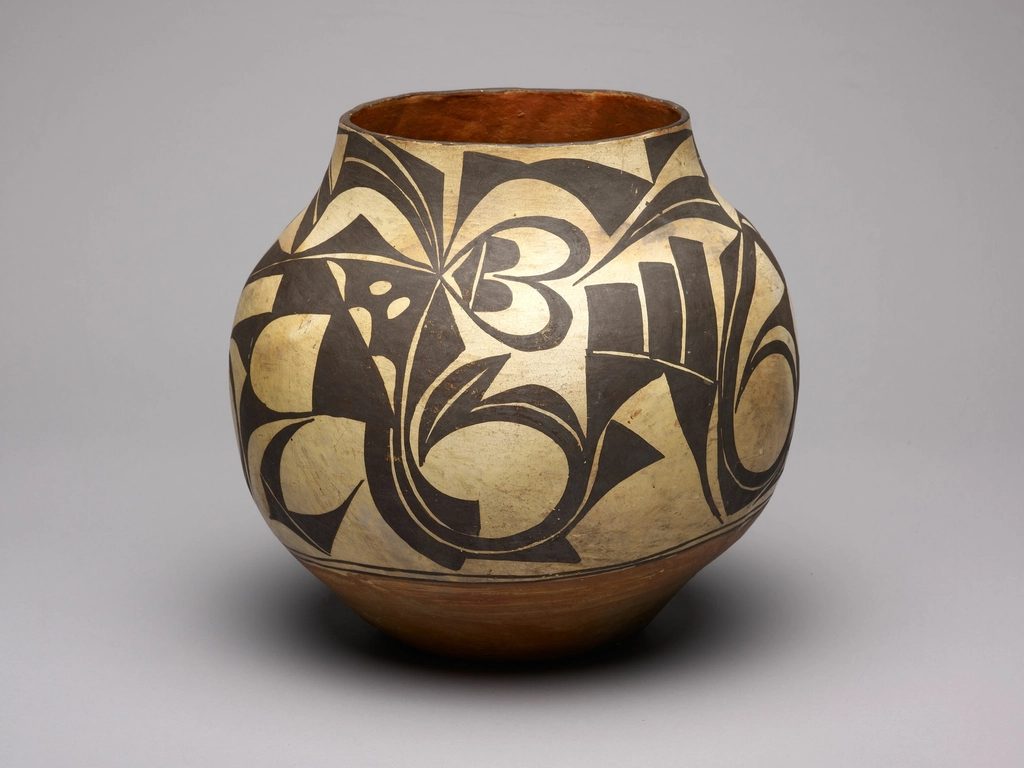
Pottery played a central role in Native American daily life, spiritual practices, and economic systems. Vessels served practical purposes for food storage and cooking, while also holding symbolic meanings. The circular shape of pottery vessels reflects the concept of circularity, reflecting the universe’s wholeness and the cyclical nature of life, making each piece a microcosm of creation itself.
Native American pottery designs often carry deep cultural meanings and spiritual significance. Design elements reflect a complex interplay of aesthetic traditions, cultural beliefs, and environmental influences. Geometric patterns predominate in many pottery traditions, including zigzags, spirals, and stepped designs. Naturalistic motifs often represent animals, plants, or celestial bodies significant to the culture. I think what’s most fascinating is how tiny pottery seed pots from the southwestern pueblos symbolize the earth, with a minute hole representing the maternal opening through which the first people emerged in the process of creation.
Beadwork – Stories Threaded in Color
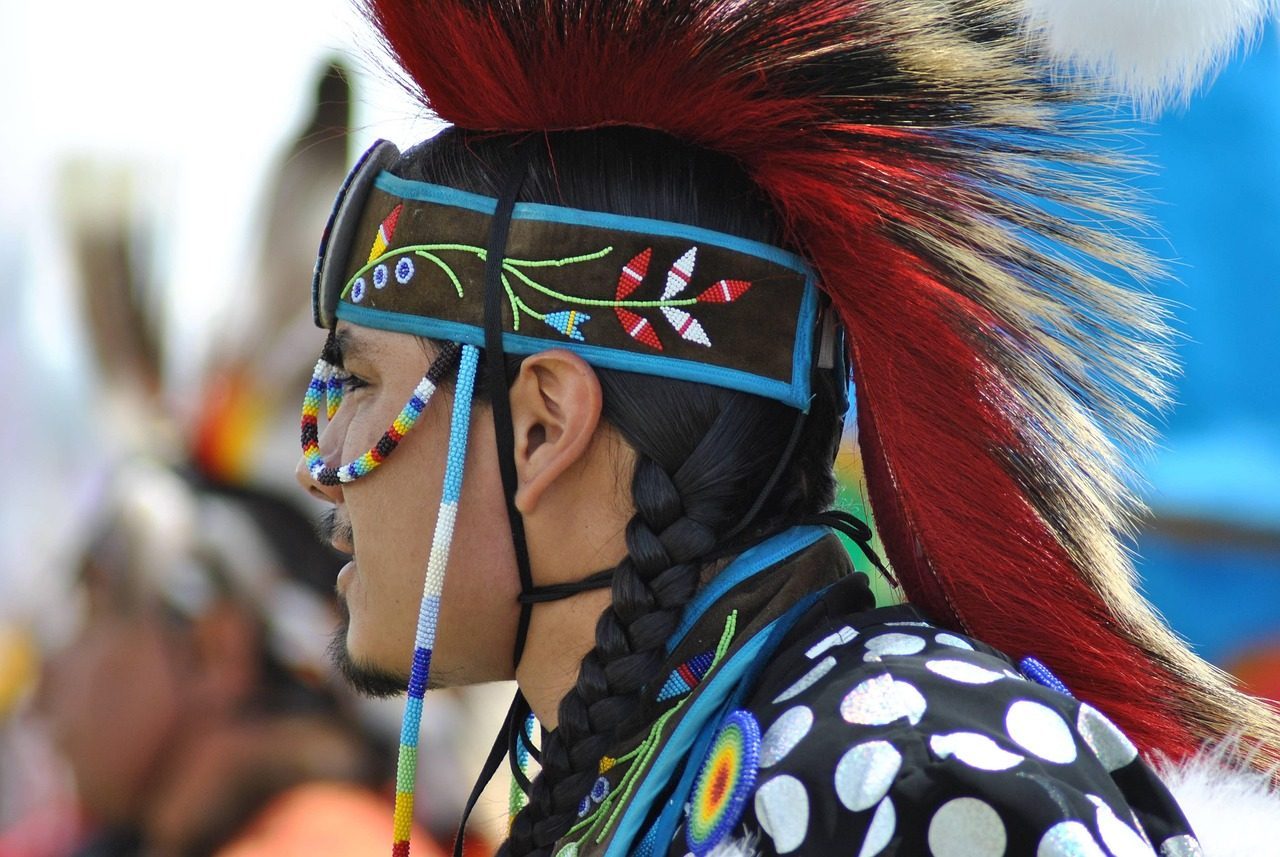
Native American beads and beadwork represent a rich artistic tradition that predates European contact. Traditionally, beads were crafted from natural materials such as shell, stone, bone, and seeds, and were used to create various decorative items including necklaces, clothing ornaments, and ceremonial objects. The transformation came when European glass beads were introduced through early trade contact, beginning in the 16th and 17th centuries, Native American beadwork evolved, incorporating new colors and styles, such as the large “pony bead” and later the smaller “seed bead,” which allowed for more intricate designs.
The geometric motifs of the Plains have names that refer to the natural world, such as eye, buffalo, wolves, eagle, turtle, butterfly, centipede, person, and buffalo track. Native American beaded patterns became a symbol of wealth, were used in marriage ceremonies, trade agreements, and treaties. Some beadwork patterns involve ritualistic use and were often used in spiritual dances and celebrations. Each color carries specific meaning: red beads often signify vitality and courage. White beads are linked to purity and peace.
Textiles and Weaving – Threads of Tradition
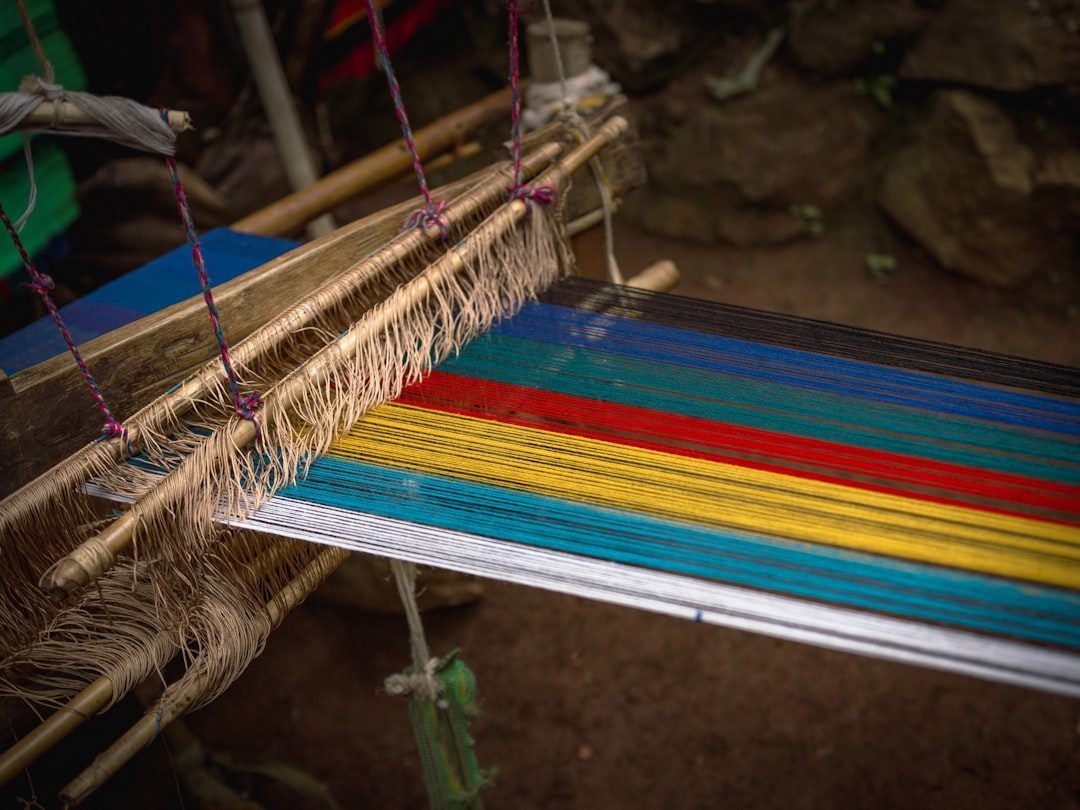
Textile arts among Indigenous peoples represent some of the most sophisticated weaving techniques developed anywhere in the world. Basket weaving is one of the ancient and most-widespread art forms in the Americas. From coiled sea lyme grass baskets in Nunavut to bark baskets in Tierra del Fuego, Native artists weave baskets from a wide range of materials. Typically baskets are made of vegetable fibers, but Tohono O’odham are known for their horsehair baskets and Inupiaq artists weave baskets from baleen, filtering plates of certain whales.
The symbolic meanings woven into textiles often reflect seasonal cycles, astronomical observations, and spiritual beliefs. The designs on the strips were symbolic, generally holding a sacred significance. What amazes me is how weavers could encode entire cosmological systems into their work, creating textiles that served as both practical objects and spiritual maps.
Sand Paintings – Ephemeral Art for Healing

Sand painting represents one of the most ephemeral yet powerful art forms in Indigenous culture. In sand paintings, vibrant colors are used to tell stories or invoke healing powers. These intricate designs, created with colored sand, cornmeal, and other natural materials, serve as temporary altars for healing ceremonies and spiritual rituals.
The temporary nature of sand paintings teaches profound lessons about impermanence and the cyclical nature of life. After ceremonies conclude, the sands are collected and returned to the earth, symbolizing the completion of spiritual work and the continuous cycle of creation and dissolution. Think of it as art that exists purely for its spiritual function, then returns to nature once its purpose is fulfilled.
Pictographs and Petroglyphs – Ancient Messages on Stone
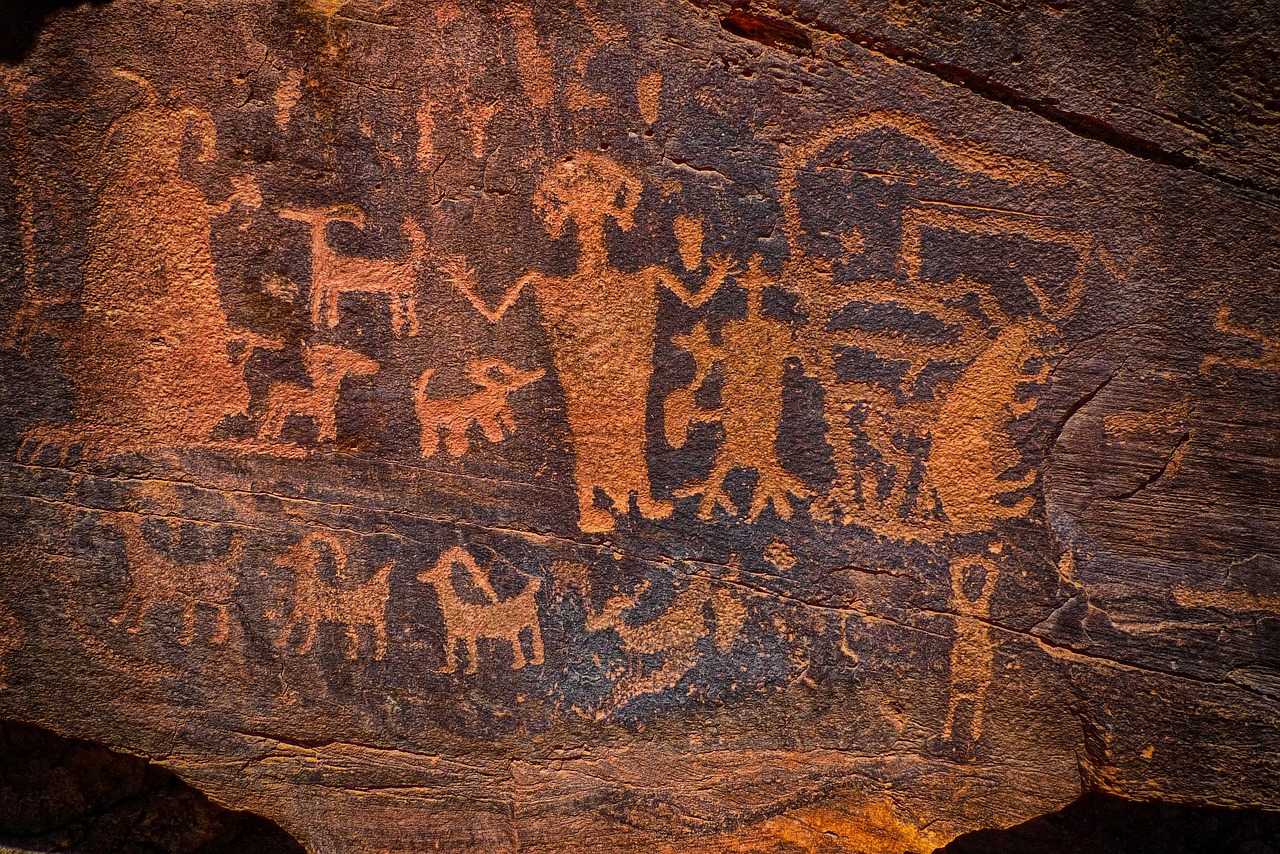
Historic pictorial symbols for a word or a phrase have been found dating before 3000 BC. These symbols, called pictographs, are created by painting on rock surfaces with natural pigments. These natural pigments included iron oxides in hematite or limonite, white or yellow clays, soft rock, charcoal, and copper minerals. These natural pigments were mixed to produce a palette of yellow, white, red, green, black, and blue.
Another similar form of communication, called petroglyphs, was carved, pecked, or abraded into stone surfaces. This carving could produce a visible indentation in the rock or cut deeply enough to reveal unweathered material of a different color below. Petroglyphs are powerful cultural symbols that reflect the complex societies and religions of the surrounding tribes. Native Americans created these images in order to record the history of tribal events, but also included ceremonial images and even maps of hunting areas.
Quillwork – The Art Before Beads
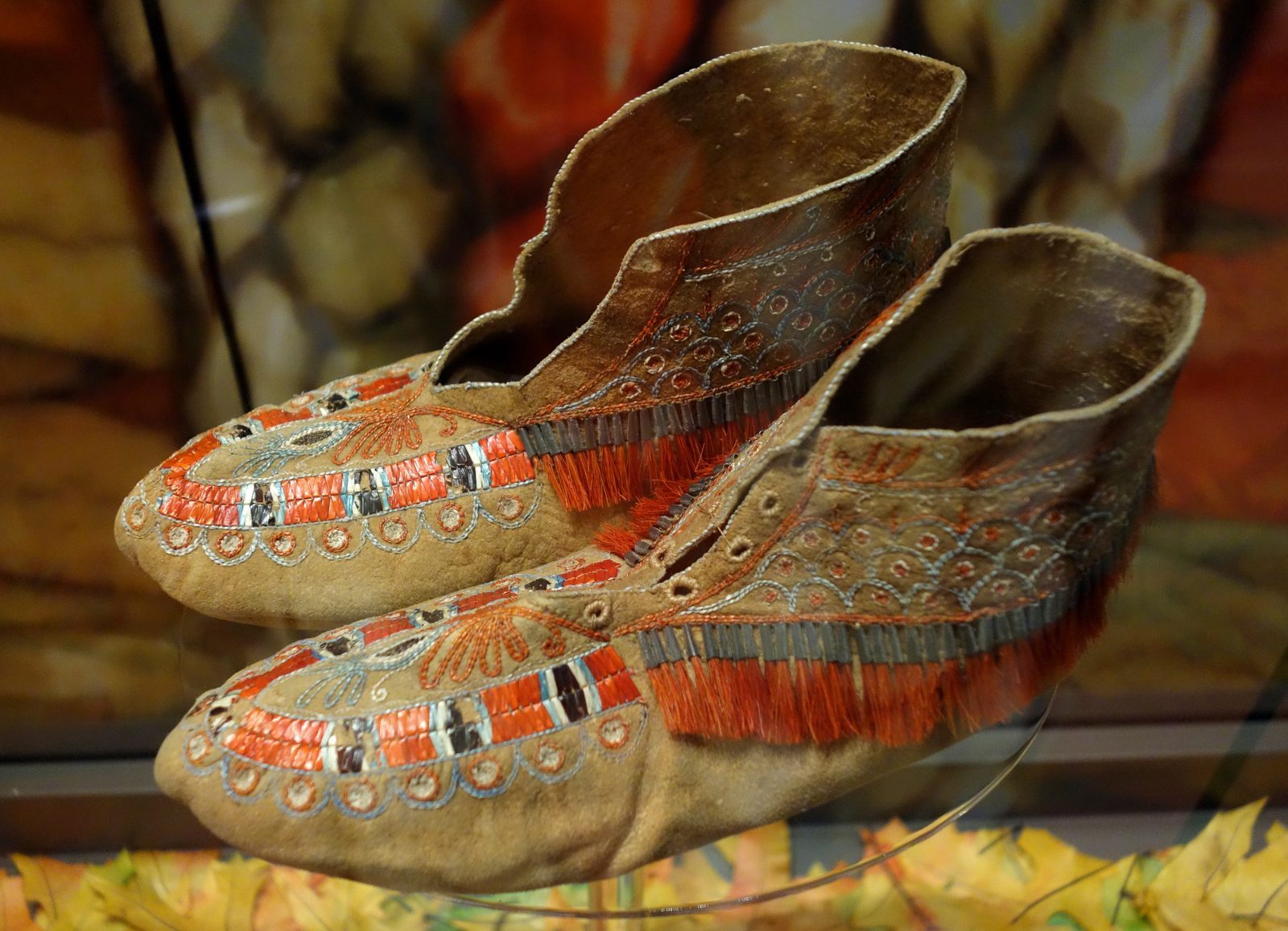
Before European contact, porcupine quills were painstakingly dyed and flattened, then sewn onto hides to create stunning geometric and pictorial designs. With the arrival of glass trade beads, a new art form blossomed, reaching astonishing levels of complexity. Quillwork required incredible skill and patience, with artisans carefully sorting, dyeing, and flattening each individual quill before incorporating it into designs.
The geometric patterns in quillwork often represented clan affiliations, spiritual visions, or natural phenomena like lightning, mountains, and star formations. This ancient art form demonstrates the ingenuity of Indigenous artists who transformed simple porcupine quills into elaborate decorative elements that could compete with the finest embroidery traditions anywhere in the world.
Totem Poles – Monumental Family Histories
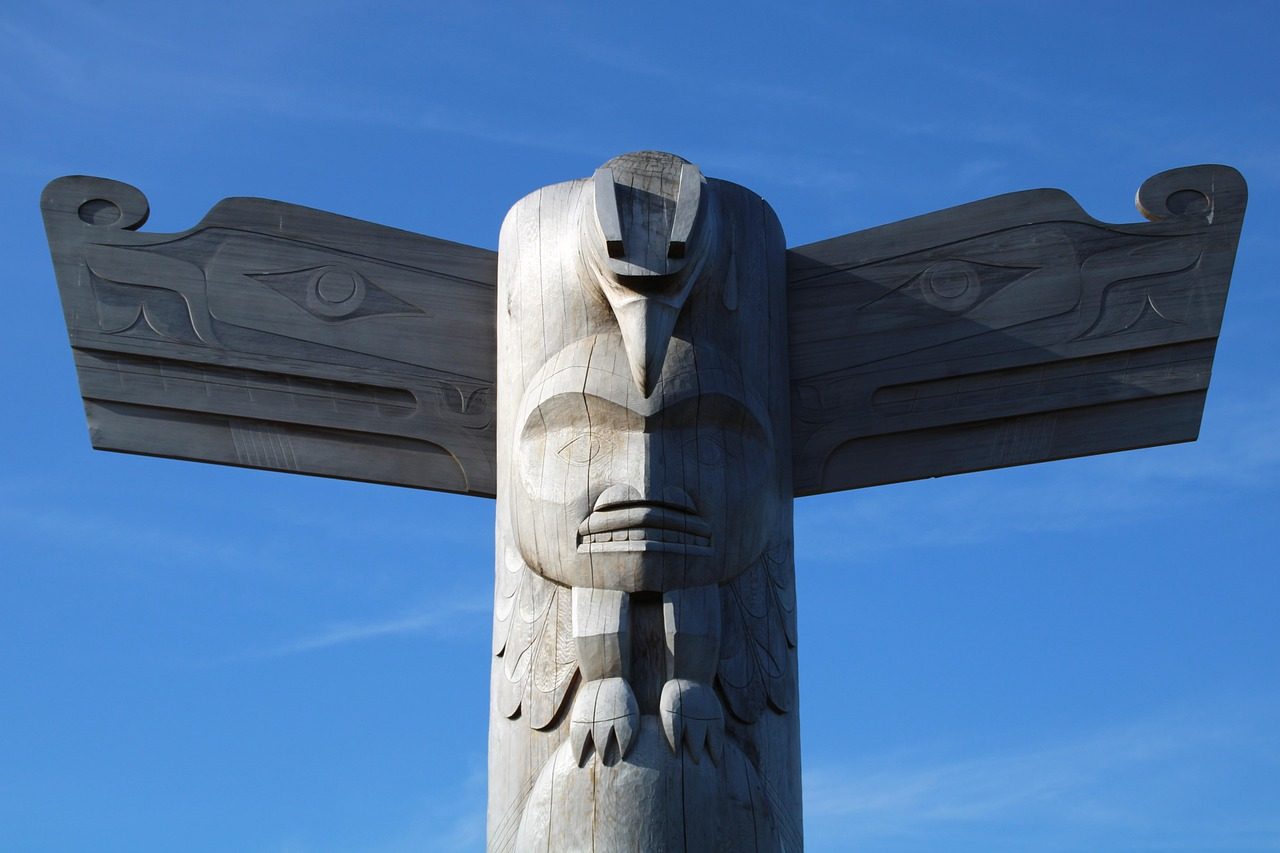
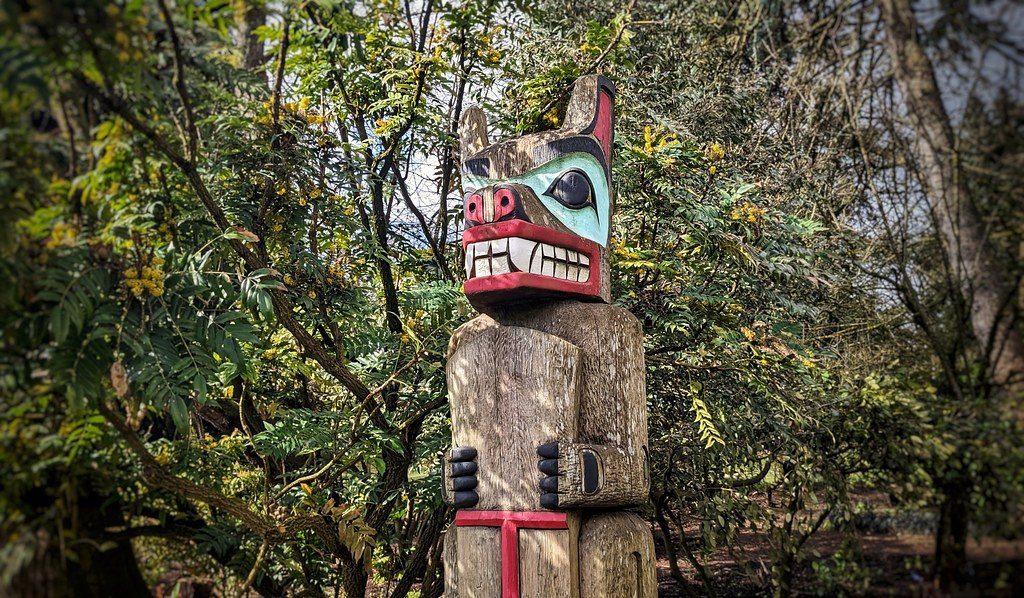
Totem poles, a crucial component of Native American art, are particularly prominent in the indigenous cultures of the Pacific Northwest, such as the Haida, Tlingit, and Tsimshian. These monumental sculptures, usually carved from the Western Red Cedar abundant in the area, are not religious objects as commonly believed. Instead, they function as crucial depictions of family lineage and cultural heritage, narrating familial legends, clan lineages, or significant events through symbolic animal and human forms, each embodying different attributes, traits, or powers.
The detailed and colorful designs demonstrate the significant artistic skill and profound cultural understanding of the Native American artists. Far from being objects of worship, totem poles are respected symbols of ancestry and cultural beliefs. Each figure on a totem pole represents specific ancestors, supernatural beings, or important family events, creating a three-dimensional family tree that can be read like a historical document.
Ledger Art – Adapting Tradition to New Materials
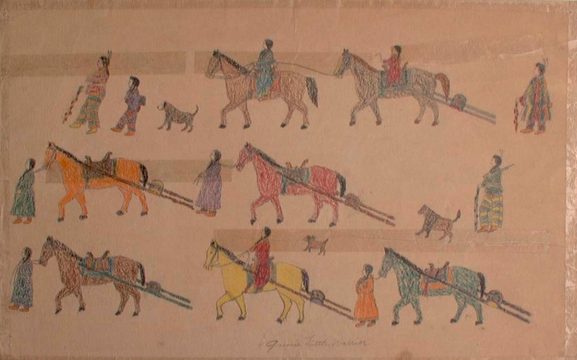
Originating in the mid-19th century Plains region, Ledger Art is a significant genre in Native American art history. It was primarily crafted by Native American men held as prisoners of war, using ledger books and lined paper introduced by European settlers, hence the term ‘Ledger Art’. This art form was an extension of the pictographic art traditions of their ancestors who used buffalo hides to depict daily life scenes, record events, and tell stories.
Ledger Art often illustrated warfare scenes, hunting, religious ceremonies, and occasional interactions with white settlers. Serving both as a historical record and a form of expression, this style of art marked a time of significant cultural transition and challenges for Native Americans. What strikes me most powerfully about ledger art is how it represents resilience and adaptation. Artists transformed the materials of oppression into vehicles for preserving and sharing their cultural stories.
Conclusion
Indigenous American art forms represent far more than aesthetic achievements. They embody thousands of years of accumulated wisdom, spiritual understanding, and deep connections to the natural world. Thoroughly intertwined with tribal life, philosophy and spirituality, Indigenous art embodies a complex narrative of identity and resilience.
These art forms continue to thrive today, with contemporary Indigenous artists building upon ancient traditions while incorporating modern materials and themes. They remind us that art can serve as medicine, historical record, spiritual practice, and cultural preservation all at once. What do you think about how these art forms challenge our modern understanding of the purpose and power of artistic expression?
