
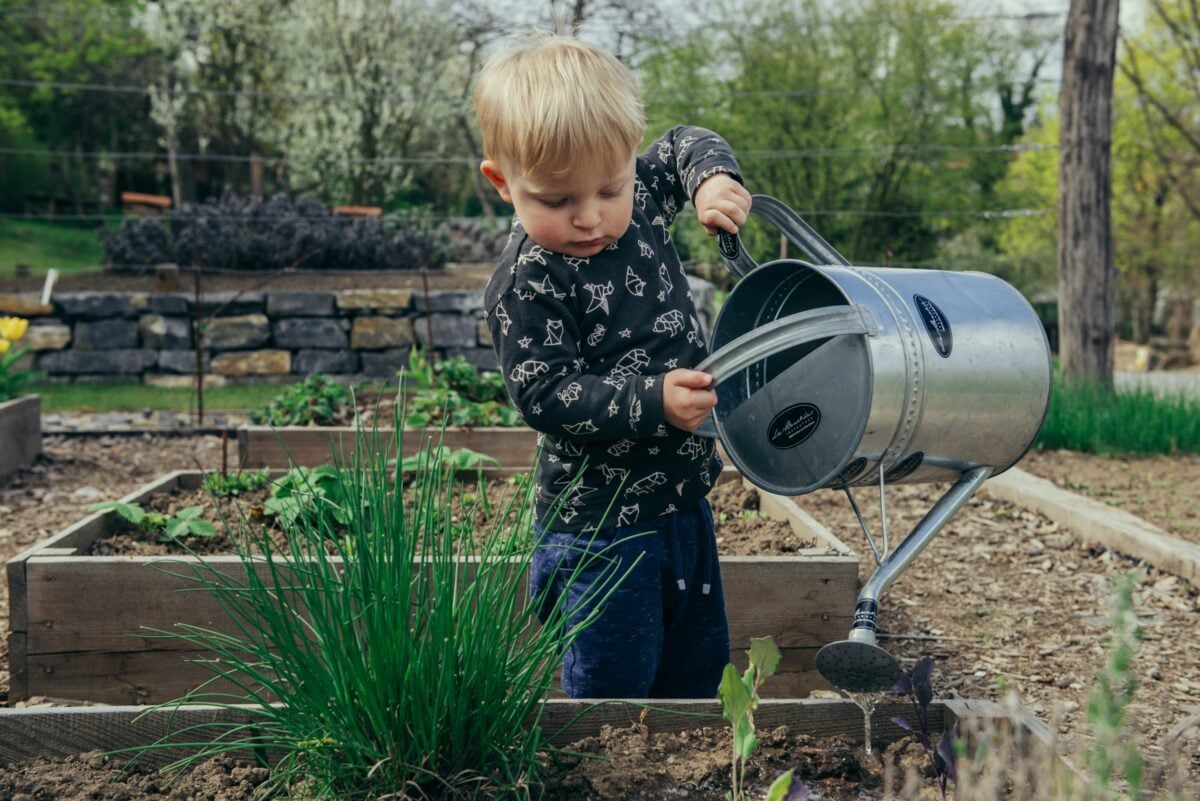
Nobody hands you a badge for this one. There’s no moment where a park ranger taps you on the shoulder and says “congratulations, you’re one of us now.” And yet somewhere between the bird feeder you refilled without thinking and the weed you stopped yourself from pulling because “wait, is that native?” – something shifted. You didn’t sign up to become a naturalist. It just happened, quietly, in your own yard.
The strange part is how many people are living this exact transformation without realizing it. If you’ve ever caught yourself narrating a squirrel’s bad decisions out loud, or felt genuinely offended when someone mowed down a patch of clover, stick around. These 14 signs get more specific – and more telling – the further you go.
14 – Your Backyard Notebook Is Basically a Field Journal Now
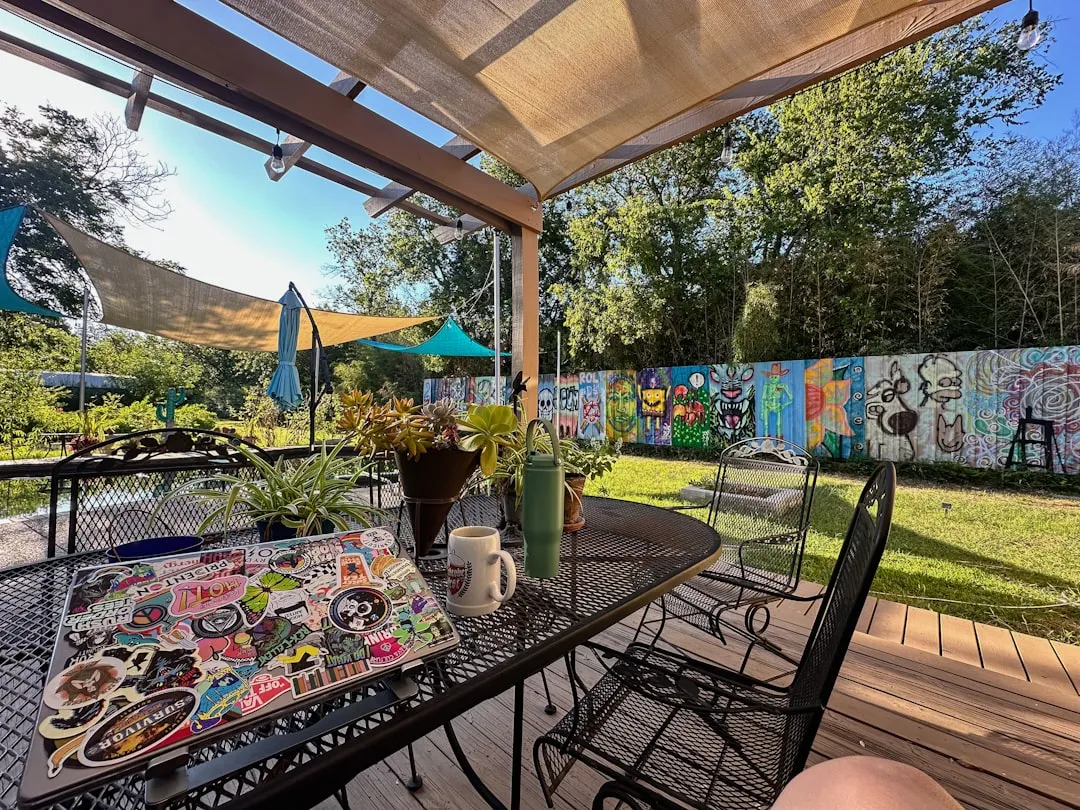
Maybe it started as a grocery list notepad. Now it has dates, weather notes, and a line about the cardinal that’s been showing up every morning at 7 a.m. sharp. You didn’t plan to start tracking anything – you just wanted to remember when the tulips came up last year, and one entry turned into a habit.
That instinct to write it down is older and more scientific than it feels. Charles Darwin filled notebook after notebook with exactly this kind of small, patient observation, and it’s the same muscle every working naturalist uses today. You’re not just jotting notes. You’re building a private record of a place that only you are paying this much attention to.
13 – Your Yard Has Quietly Become a Wildlife Sanctuary
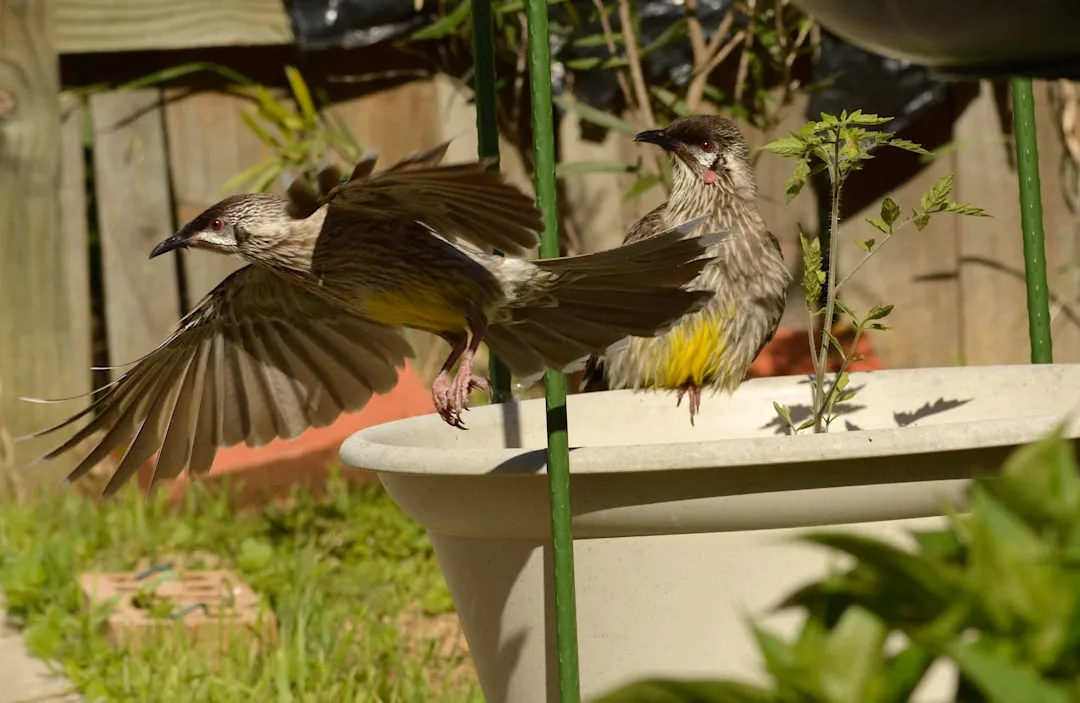
The birdhouse went up because it looked cute at the hardware store. Then came the native flowers, because someone mentioned pollinators. Then the little pond, and suddenly your backyard has more visitors than your front porch does.
What you’ve actually built, whether you meant to or not, is habitat – the exact kind of space the National Wildlife Federation certifies for supporting biodiversity. You didn’t restore a wetland or plant a forest. You just gave a handful of species somewhere safe to land, and that’s the entire job of a naturalist in miniature.
Fast Facts
- Certification requires four basics: food, water, cover, and places to raise young, plus sustainable gardening practices.
- The program suggests a minimum of 70% native plants for a truly balanced habitat.
- Since launching in 1973, the National Wildlife Federation has certified well over 250,000 habitats nationwide.
- A modest application fee helps fund habitat restoration work in your state.
12 – You’ve Started Feeding Data to Actual Scientists
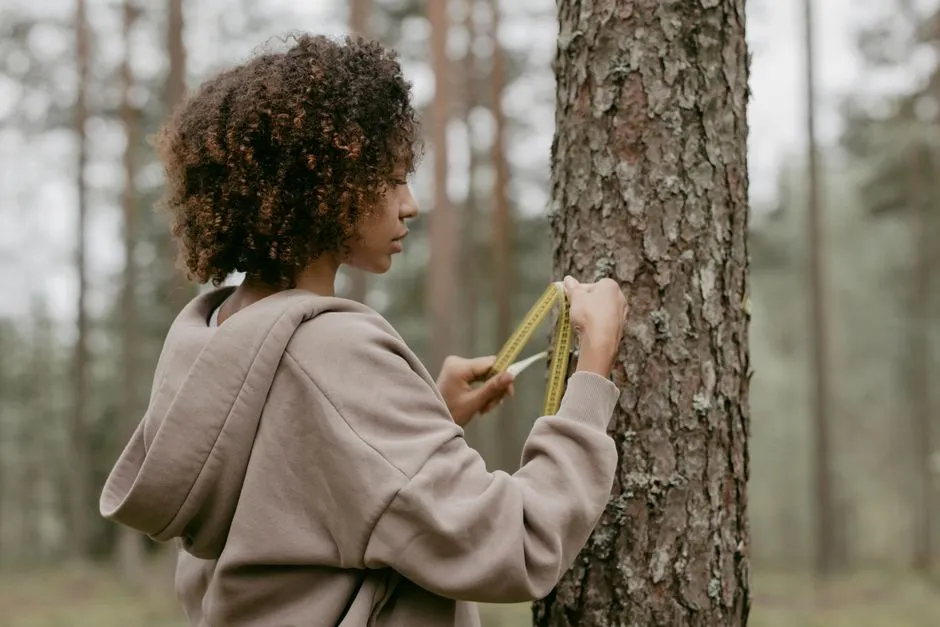
At some point you downloaded an app to identify a weird bug, and now you’re logging sightings without thinking twice. That butterfly count you did last weekend? It didn’t just satisfy your curiosity – it went somewhere.
Platforms like iNaturalist quietly turn backyard curiosity into usable research, feeding real scientists real information about where species are showing up and when. You thought you were killing time in the yard. You were actually part of a dataset that helps track how ecosystems are shifting in real time.
11 – You Can Name That Weed (And You Know If It’s a Problem)
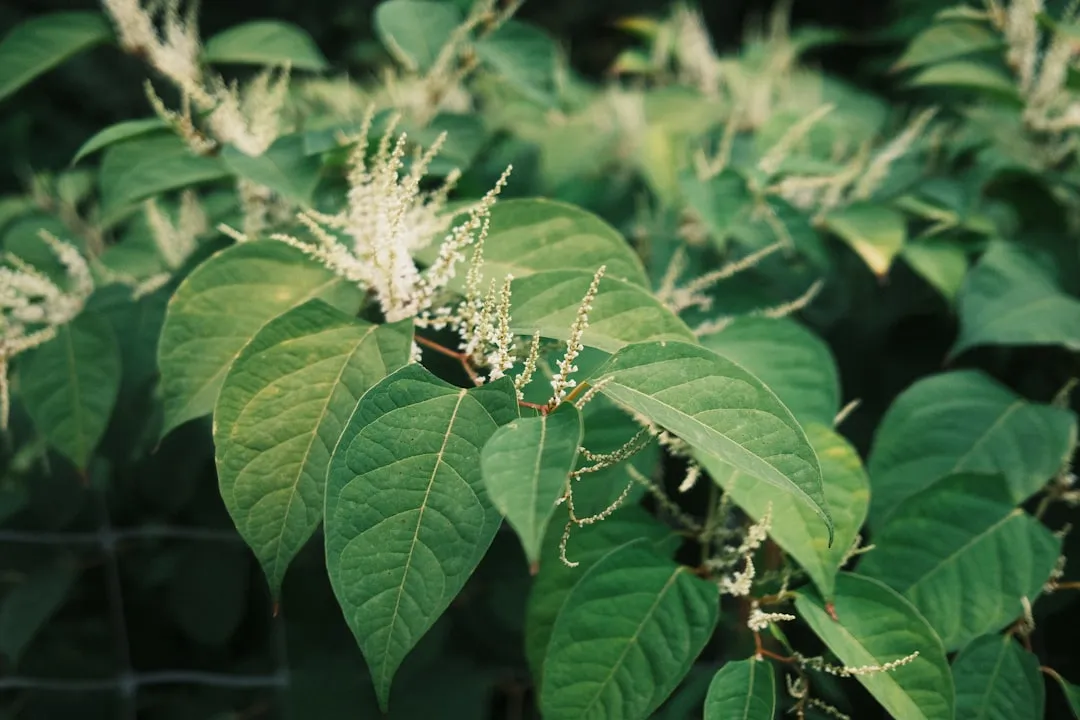
There was a time you’d have called it “just a plant.” Now you know it’s Japanese knotweed, and you know it’s trouble, and you have opinions about it. That shift – from ignoring what grows around you to actually knowing its name and its reputation – is not a small thing.
Recognizing native species from invasive ones is one of the clearest markers of naturalist thinking there is. It means you’re no longer just looking at green – you’re reading the landscape, understanding which plants belong and which ones are quietly taking over.
10 – You’ve Caught Yourself Narrating Squirrel Drama Like a Documentary
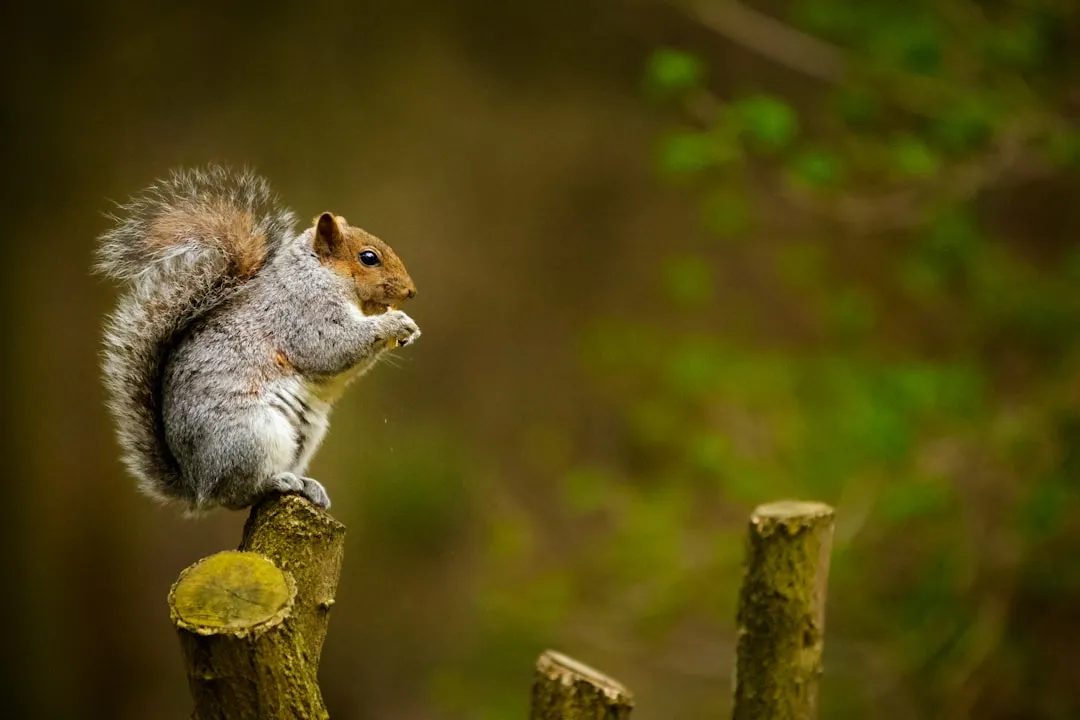
It starts innocently. You glance out the window, and suddenly you’re fifteen minutes deep into watching two squirrels fight over the same branch like it’s a soap opera. You have favorites now. You have theories about who’s related to whom.
This isn’t silliness – it’s ecology in its rawest form. Watching how animals interact, compete, and establish territory in your own yard is the same behavioral observation that underpins entire fields of wildlife study. The only difference is your research subjects live in the oak tree instead of a national park.
9 – Your Yard Is Basically an Unofficial Science Lab
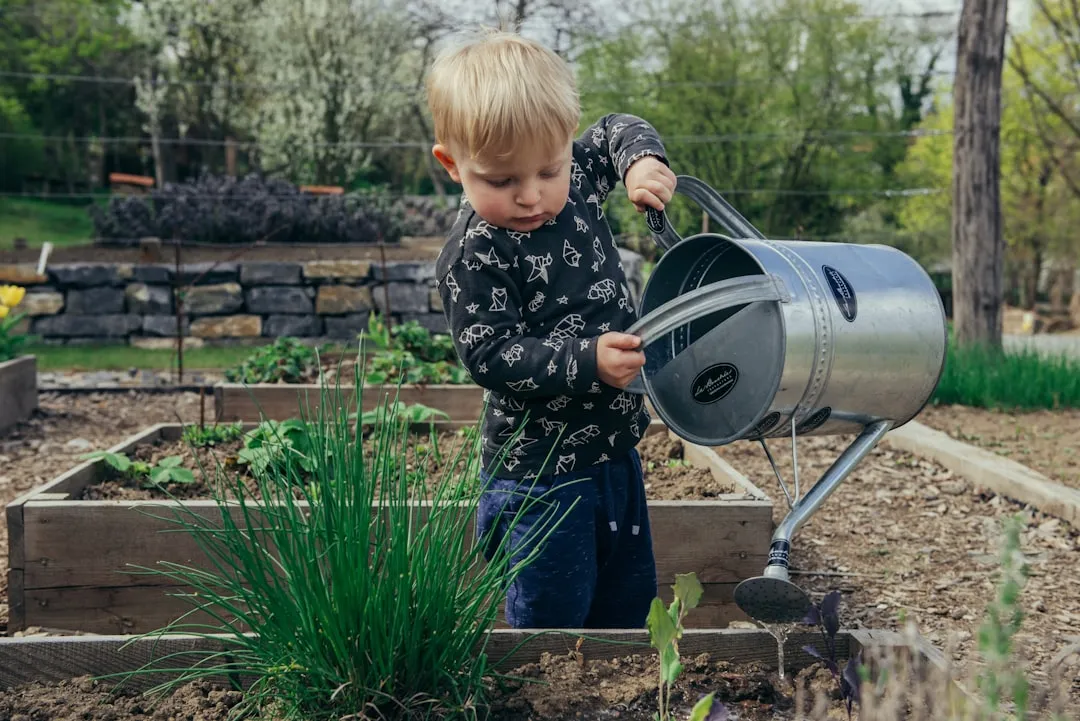
Somewhere along the way you started testing things. Does compost actually make the tomatoes bigger? Will marigolds really keep the aphids off the roses? You didn’t call it an experiment, but that’s exactly what it was.
Trial, observation, adjustment, repeat – that’s the scientific method, just wearing gardening gloves instead of a lab coat. Every naturalist worth their reputation started exactly here: curious about a small question, and stubborn enough to test it themselves instead of just Googling the answer.
8 – You Can’t Stop Telling People About That Bird
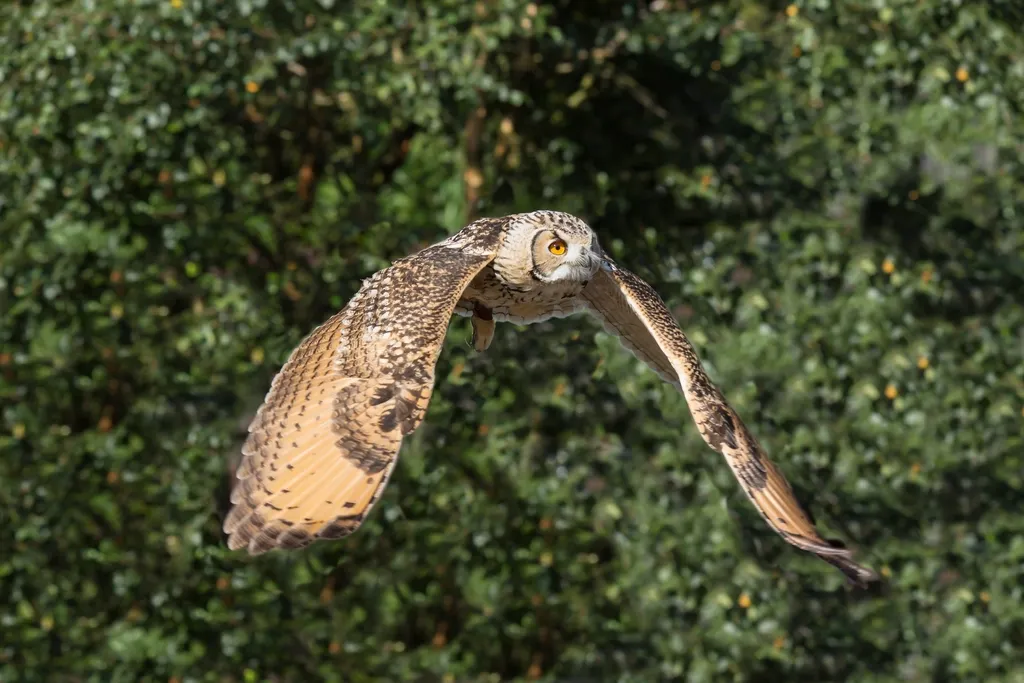
Someone made the mistake of asking “how’s your garden?” and twenty minutes later they know more about hawk migration than they ever wanted to. You didn’t mean to turn into that person. It just spills out now.
That urge to share what you’ve noticed – the owl, the rare moth, the weird fungus by the fence – is exactly how naturalist knowledge has always spread. Long before field guides and apps, people learned about nature because someone excited couldn’t help but tell them.
7 – Your Phone Is Full of Backyard Photography You Didn’t Plan to Take
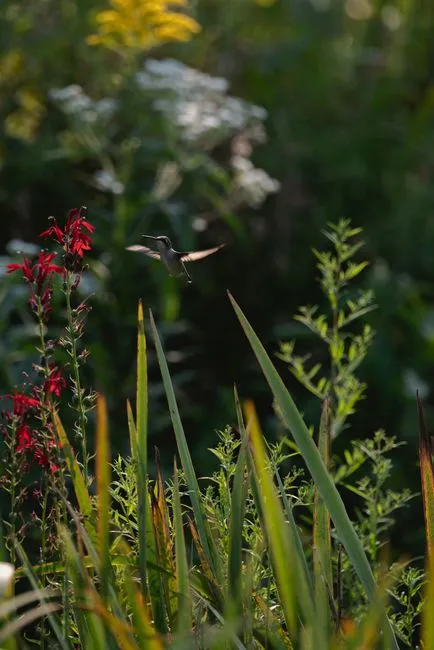
Somewhere between three hundred photos of your dog and your kid’s school play, there’s now a folder quietly filling up with close-ups of frost on leaves, a spider web at just the right angle, or a sunset behind the fence line. You didn’t decide to become a photographer. The moment just demanded to be captured.
This instinct to document beauty instead of just walking past it is exactly what naturalists have always done, whether with sketchbooks or smartphones. You’re not cluttering your camera roll. You’re building a visual record of a place most people never slow down enough to actually see.
6 – You Notice the Exact Week Things Change
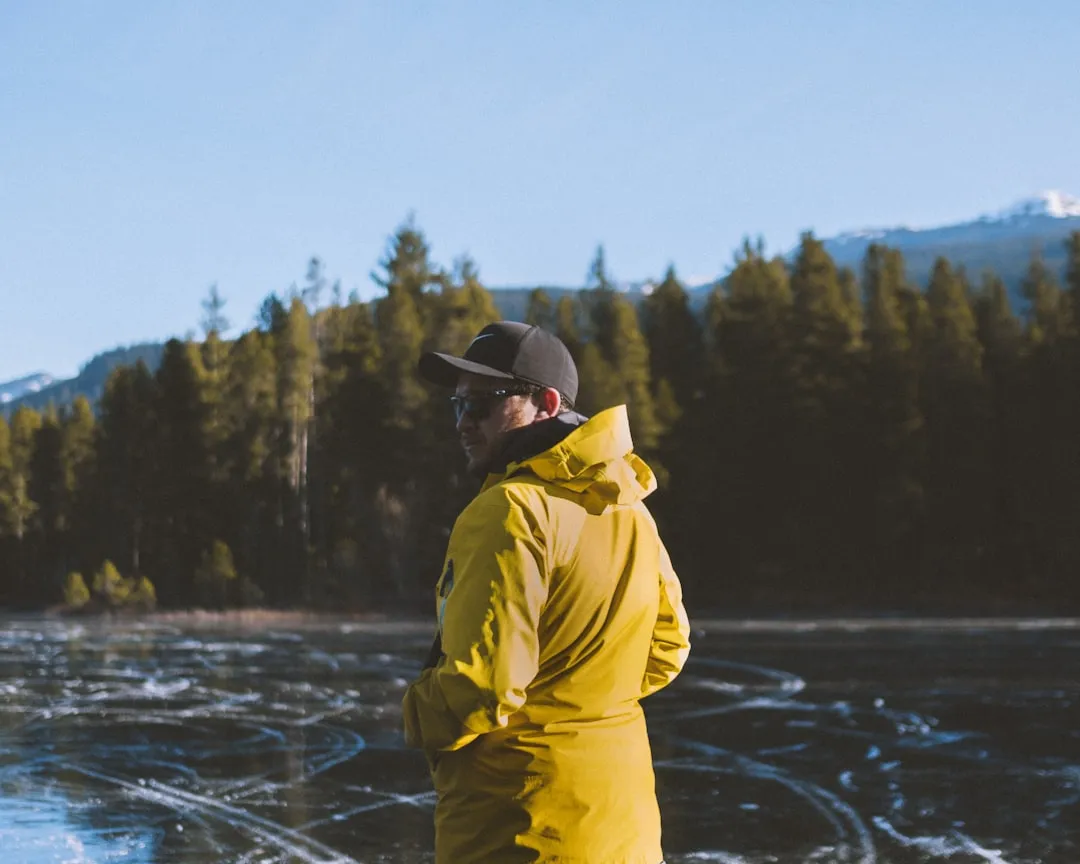
You know almost to the day when the maple starts turning, when the first robin shows back up, when the fireflies start their nightly show. Not because you looked it up – because you’ve watched it happen, year after year, right outside your window.
There’s an actual word for this kind of tracking: phenology, the study of nature’s recurring seasonal rhythms. It’s one of the oldest tools naturalists use to understand how a changing climate is quietly reshuffling the timing of the natural world, and you’ve been doing it without a name for it.
Worth Knowing
- Phenology comes from the Greek words for “to show” and “to study” – literally, the science of appearance.
- Naturalist Henry David Thoreau kept a daily journal at Walden Pond tracking flowering dates for nearly 500 plant species.
- The USA National Phenology Network was established to track how climate is shifting the timing of seasonal events nationwide.
- Washington D.C.’s cherry blossoms have been trending toward earlier bloom times, throwing off decades-old festival schedules.
5 – You Left That Dead Log There On Purpose
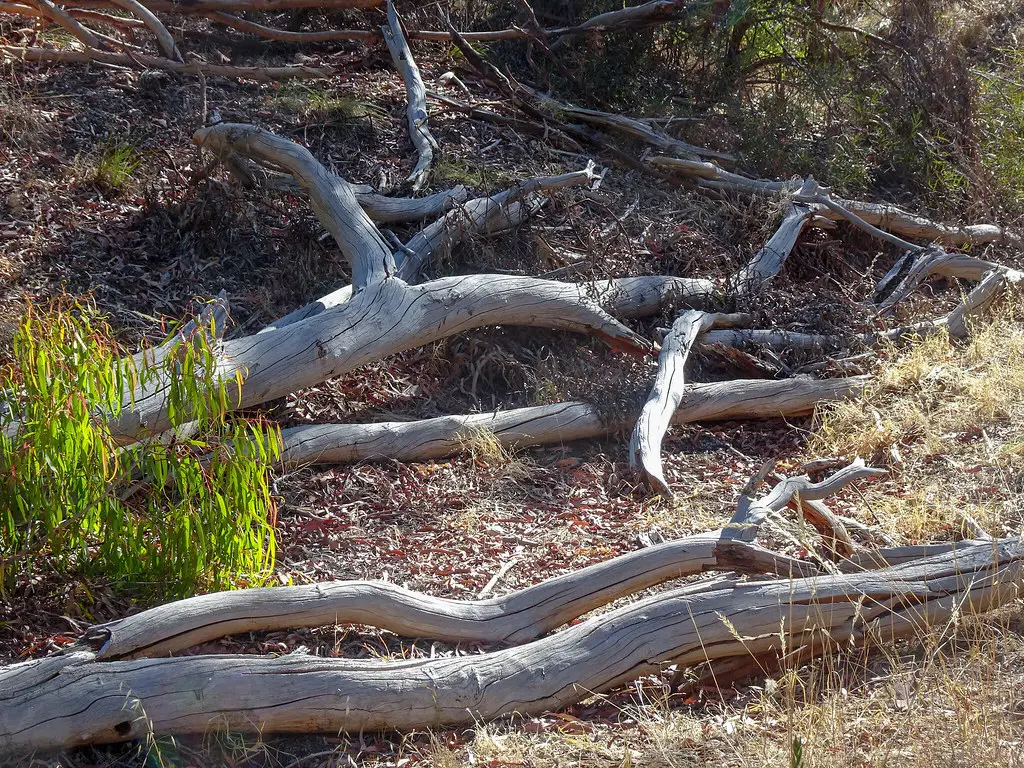
Someone in your life has definitely asked why you haven’t cleared out that pile of branches or hauled off the rotting log by the fence. And you had an actual answer, because you know exactly what’s living in there now.
Brush piles and dead wood aren’t neglect – they’re shelter. They give beetles, toads, and overwintering insects a place to survive when everything else has been cleared and tidied to death. Leaving the mess is, ironically, one of the most deliberately naturalist choices you can make.
4 – You’ve Sworn Off the Pesticide Aisle
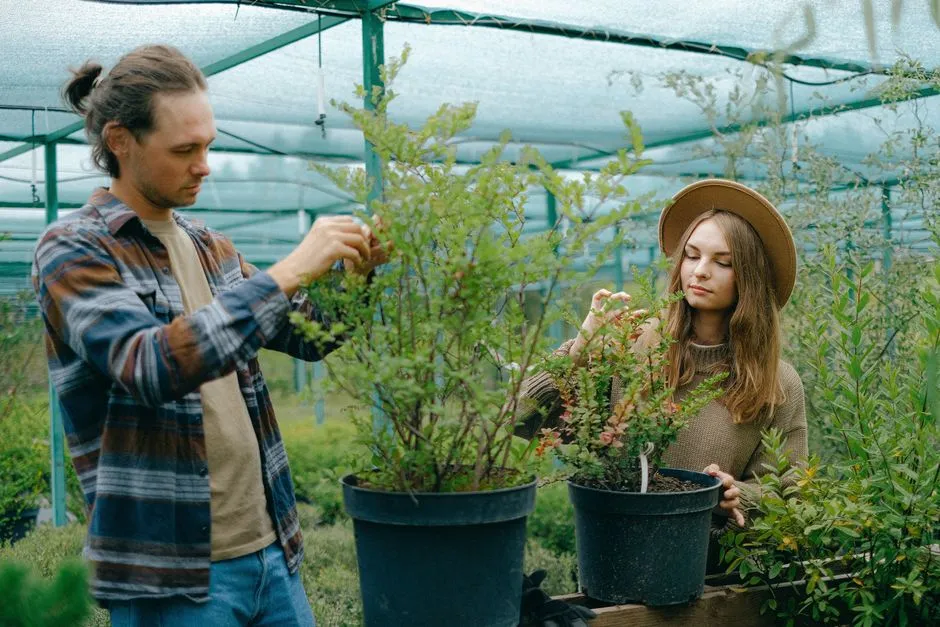
You used to grab whatever spray promised to kill everything fastest. Now you walk right past that aisle, because you’ve seen what it does to the bees, the soil, the whole quiet balance you’ve come to actually care about.
Choosing compost over chemicals and patience over quick fixes isn’t just a gardening preference anymore – it’s a values shift. It means you’ve started thinking about your yard as a living system instead of a problem to be sprayed into submission.
3 – You Count Things Now, Just Because
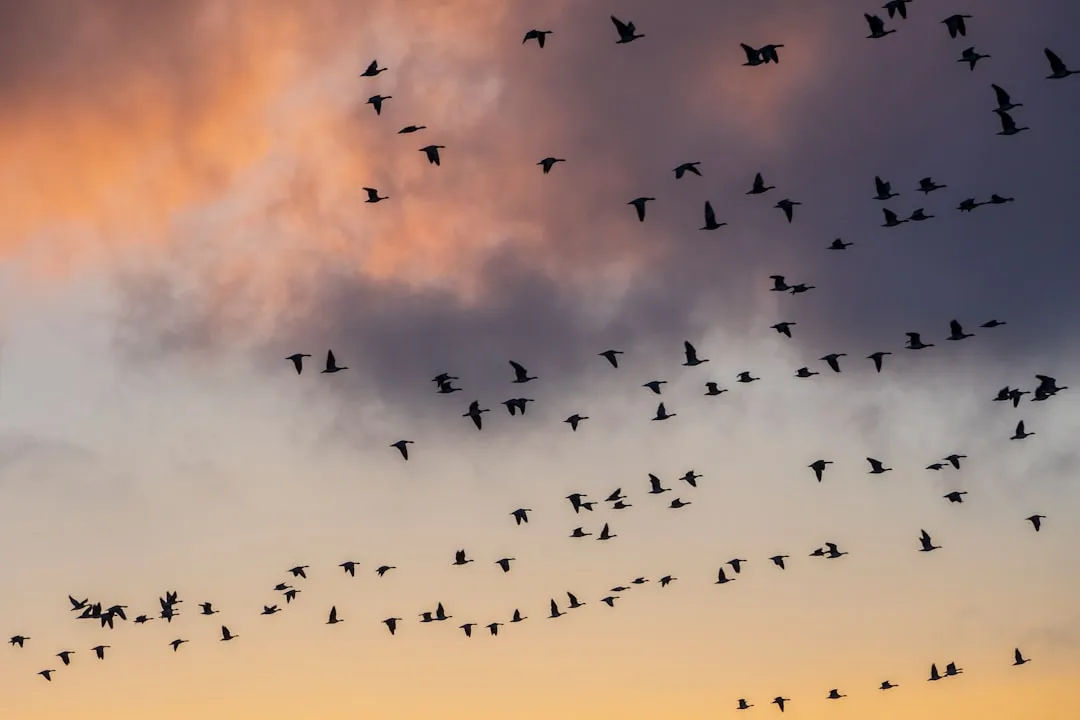
Not for a project, not for an app – you just find yourself counting how many species of birds visited this week, or how many different bugs showed up on the milkweed. Nobody’s grading you. You just want to know.
In every walk with nature one receives far more than he seeks.
John Muir
That quiet, unpaid habit of counting and comparing is exactly how naturalists have always measured the health of a place – not with fancy equipment, but with attention. Your backyard tally is a real ecological record, even if the only person who ever reads it is you.
2 – You’ve Become the Neighborhood’s Go-To Nature Guide
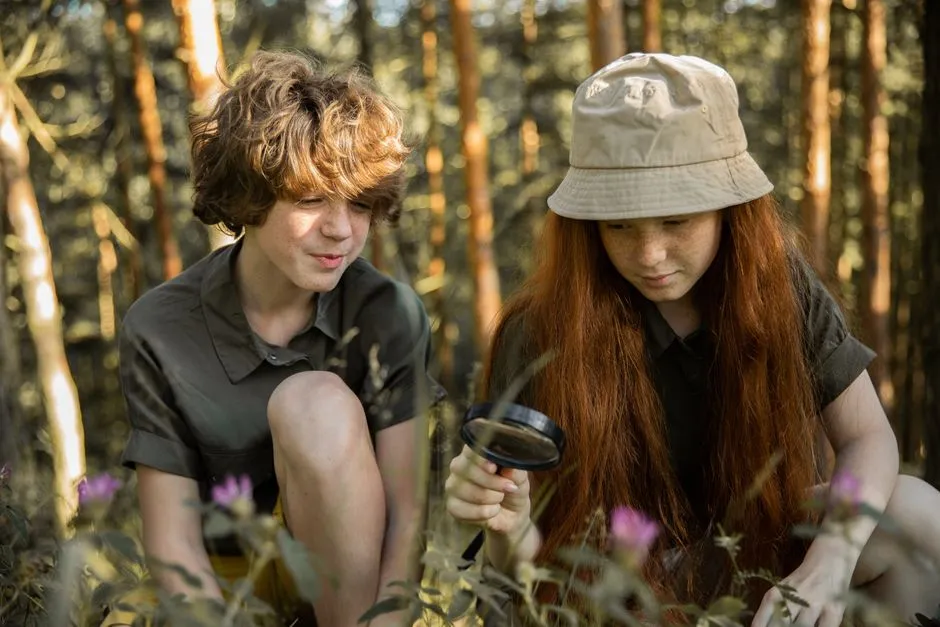
Kids from down the street show up at your fence asking what kind of caterpillar that is. Your neighbor texts you a blurry photo of a snake and waits for your verdict. Somehow, without applying for the job, you became the person people ask.
Teaching others what you’ve learned – even in five-minute driveway conversations – is the exact role naturalists have always played in their communities. You’re not just answering questions. You’re quietly passing along a way of paying attention that most people never learned in the first place.
Why It Stands Out
- The National Wildlife Federation’s Community Wildlife Habitat program partners with hundreds of towns and cities nationwide to spread exactly this kind of neighbor-to-neighbor knowledge.
- Community certification actually requires education and outreach points, meaning teaching neighbors is baked into the official process.
- Simple habits like native plant swaps and porch conversations do the same job as formal workshops – just smaller and friendlier.
- Every backyard expert who shares freely is quietly multiplying the number of people paying attention to their own yards.
1 – You Feel Something When Your Yard Changes
It’s not just information anymore. When a storm takes down the old maple, or the pond dries up one summer, or that one stubborn bird doesn’t come back – it actually gets to you. That’s not something you can fake or force.
This is the real tell, more than any journal or app or fact you can recite. An intrinsic bond with the patch of earth outside your door – its losses, its comebacks, its small daily beauty – is the actual essence of what it means to be a naturalist. Everything else on this list is just evidence. This is the feeling underneath it.
The Bottom Line
Here’s the part nobody tells you: you didn’t need a degree, a national park, or a single expensive piece of gear to become a naturalist. You needed a backyard and enough curiosity to actually look at it. If half these signs sound like your life, the transformation already happened – you just hadn’t named it yet. And honestly, that’s the best kind of expertise there is: the kind you never noticed yourself earning.
