
Think about the last time you felt really uncomfortable because of the weather. Maybe it was sweating through a summer afternoon or shivering during a cold snap. Now imagine living in those conditions all day, every day, with no thermostat to adjust or heated house to escape to. Animals across the planet do exactly that, and they’ve developed some truly mind blowing strategies to not just survive but actually thrive in the world’s most brutal environments.
From scorching deserts where temperatures soar above 120 degrees to Arctic tundras where the mercury plummets to dangerous lows, wildlife has essentially become walking, flying, swimming masterclasses in adaptation. Here’s the thing though: these survival tricks aren’t just about toughing it out. We’re talking about millions of years of evolution creating biological marvels that would make even our best engineers jealous. So let’s dive in and explore how these incredible creatures manage to call Earth’s most extreme places home.
The Metabolic Water Factory: How Desert Rodents Drink Without Drinking
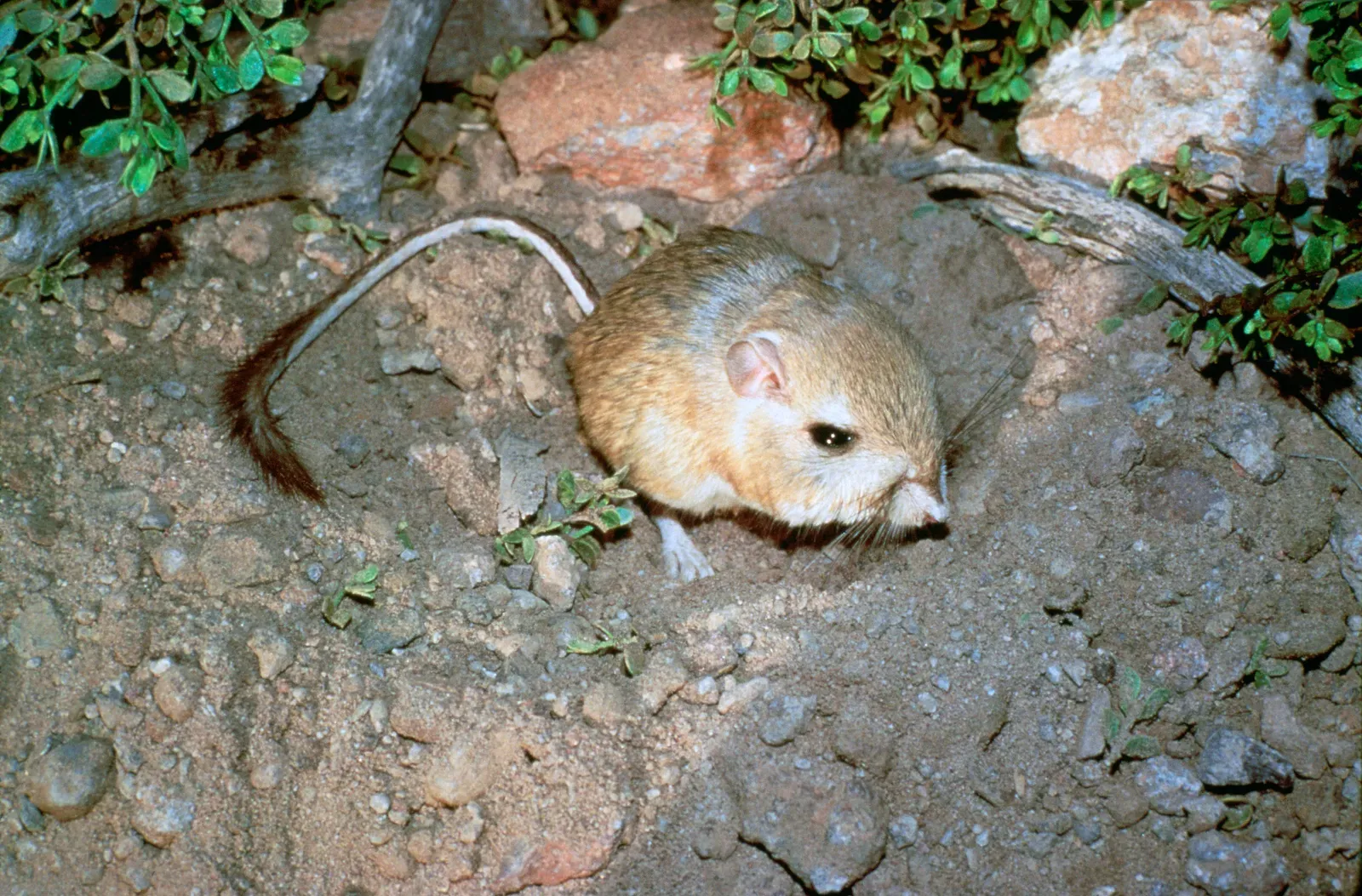
Kangaroo rats manufacture their water metabolically from the digestion of dry seeds, which is honestly one of the wildest adaptations you’ll ever hear about. These little rodents in the American Southwest have basically turned their bodies into water production plants. They never need to drink a single drop of water throughout their entire lives.
But wait, it gets even better. Kangaroo rats have specialized kidneys with extra microscopic tubules to extract most of the water from their urine and return it to the blood stream. Their kidneys are so efficient that they produce urine far more concentrated than ours could ever manage. Much of the moisture that would be exhaled in breathing is recaptured in the nasal cavities by specialized organs, meaning they’re recycling water with every breath.
These ingenious rodents live in underground dens which they seal off to block out midday heat and to recycle the moisture from their own breathing. When you live somewhere that might not see rain for months or even years, you don’t just find water. You become your own water source.
Arctic Antifreeze: Fish That Should Be Frozen Solid But Aren’t
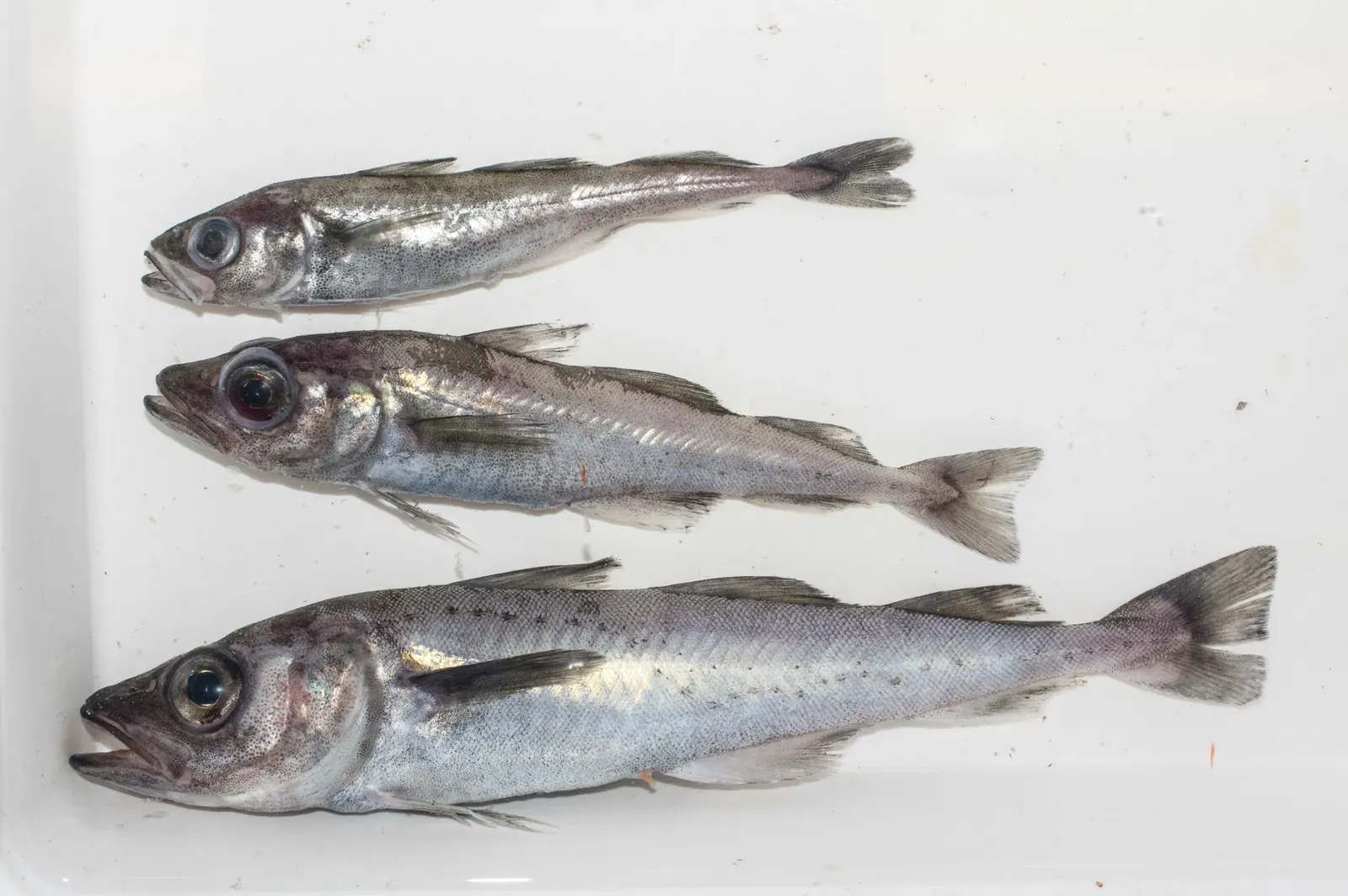
Let’s be real, if you or I jumped into Arctic waters that hover just above freezing, we’d be in serious trouble within minutes. Arctic cod have adapted to the extreme cold and can survive in water temperatures close to freezing by having antifreeze proteins that prevent ice crystals from forming in their blood. Imagine having your own internal antifreeze coursing through your veins.
This isn’t science fiction. These fish produce special glycoproteins that literally lower the freezing point of their bodily fluids. Ice crystals trying to form in their blood get blocked by these molecules, keeping their systems running smoothly even when the surrounding water should theoretically turn them into fish popsicles. Arctic cod are incredibly important to the Arctic marine food web, as these small fish sustain seals and seabirds which in turn sustain larger animals.
Without this remarkable adaptation, entire Arctic ecosystems would collapse. The fact that such tiny creatures hold such massive importance shows just how interconnected these extreme environments really are.
The Incredible Color Swap: Animals That Change Their Wardrobe With the Seasons
Snowshoe hares and ermine switch from brown to white and back again to match the landscape, an adaptation that has kept them alive and allowed them to escape predators for millennia. It’s like having a high tech camouflage suit that updates automatically. Pretty clever, right?
Here’s where things get complicated though. The color change is triggered by the sun, not the weather, which means as winters shorten, their coats aren’t catching up. Picture a white rabbit hopping around on brown dirt with no snow in sight. They become little light colored beacons in this brown world, which is basically the opposite of what you want when predators are hunting.
European tawny owls are also changing as a species, as brown owls are surviving and reproducing at higher rates in areas that were once dominated by gray morphs due to less snow from climate change. The owls aren’t consciously choosing different colors. Evolution is happening in real time as environmental conditions shift, selecting for birds that blend better with the new reality. Nature’s adapting, but honestly, it’s racing against a clock that’s ticking faster than evolution typically moves.
Living Underground: The Ultimate Temperature Control System
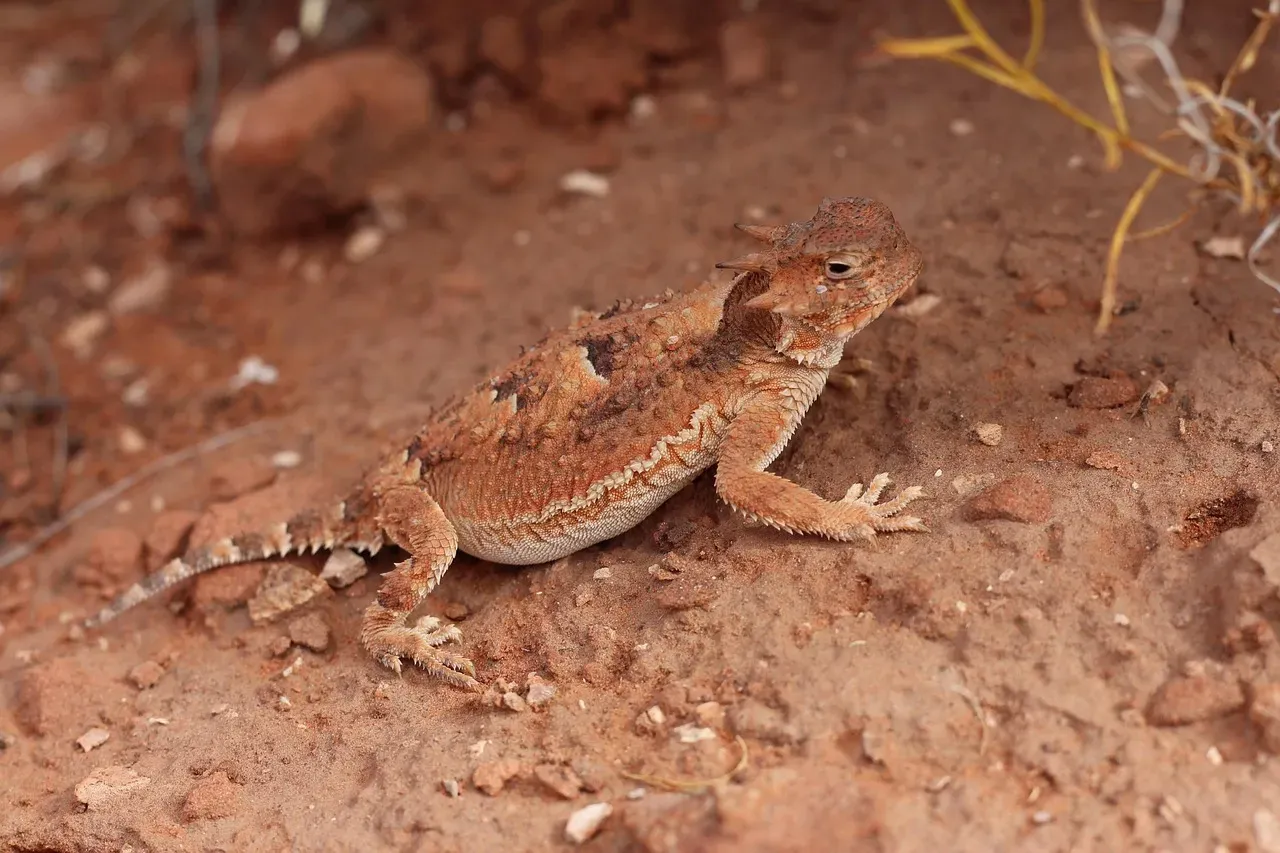
Desert dwellers have figured something out that humans learned much later: underground spaces stay remarkably stable in temperature. The Sonoran Desert toad, desert spadefoot, and northern casque headed treefrog survive in the desert because of their abilities to excavate burrows as much as three feet deep where they spend nine or ten months at a time. That’s most of the year spent underground, emerging only when conditions become tolerable.
Spadefoots have hardened areas called spades on their hind feet with which to dig, and they secrete a semipermeable membrane that thickens their skins to prevent water loss in the burrows. Basically, they wrap themselves in their own protective cocoon. Meanwhile, some species take it further by forming a cellophane like barrier by shedding outer skin layers.
Desert spadefoots evolved an accelerated development rate from egg to toadlet in less than two weeks, and in southeastern California they emerge during the first storm, travel to ponds, call and breed, and gorge on swarming termites, often in a single night. Talk about efficiency. These amphibians have compressed their entire breeding cycle into the briefest window of opportunity when desert rains create temporary pools.
Blubber, Fur and Feathers: Nature’s Insulation Masterpieces
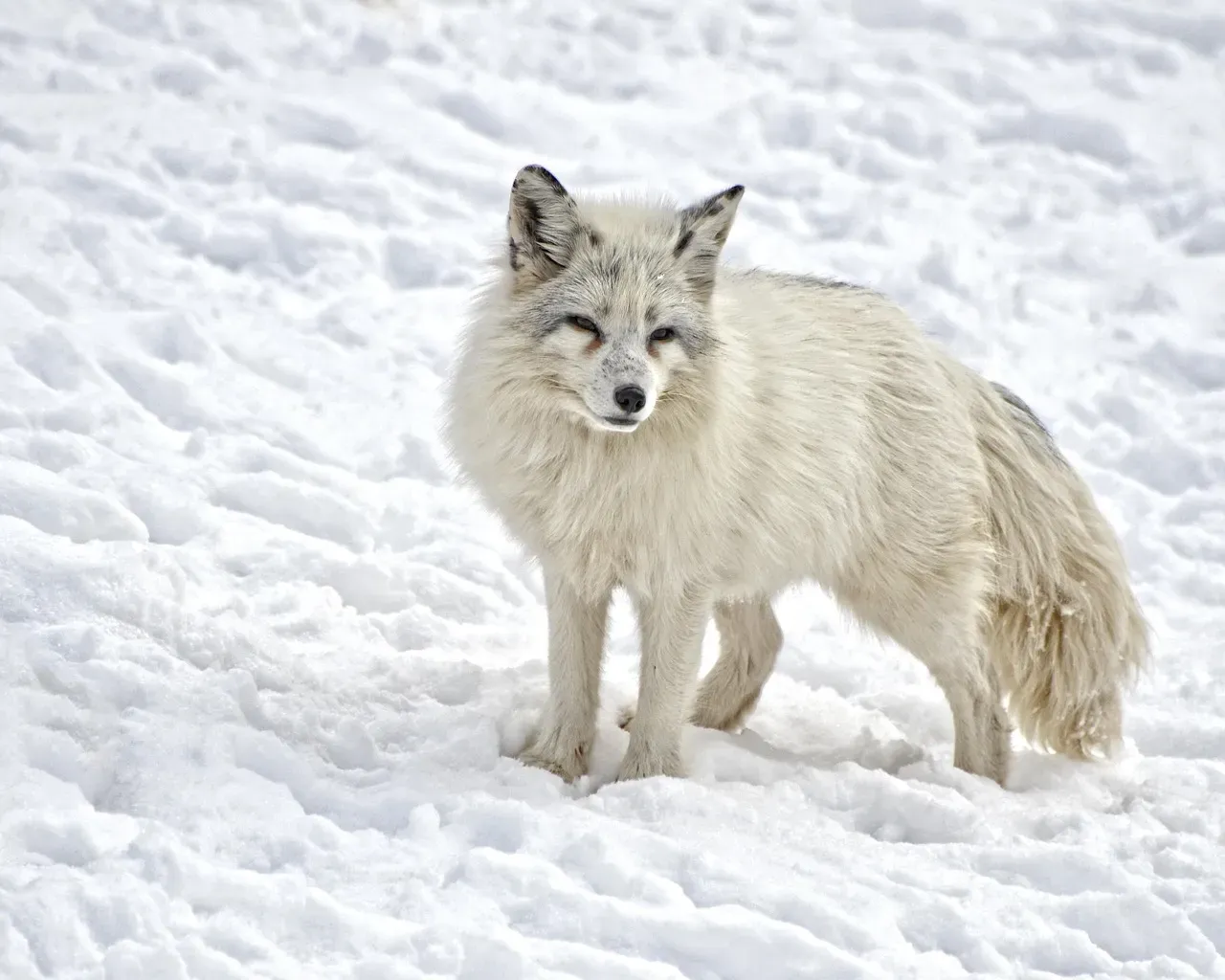
Arctic fox fur provides the warmest insulation of any mammal, and their multilayered coat is so well insulated that they don’t shiver until temperatures reach around -70°C. Seventy below. Let that sink in for a moment. Most animals would have frozen to death long before reaching those temperatures.
The muskox, a supremely adapted Arctic specialist, has an insulating coat of coarse outer guard hairs and inner coat of fine qiviut that is so good it seems oblivious to cold and wind, with outer fleece hanging nearly to the ground so even its legs are protected. It’s like wearing a full length down parka that you never take off.
Emperor penguins boast up to 100 feathers per square inch, the highest density of any bird. Each feather overlaps with others to create an almost impenetrable barrier against Antarctic winds. The fur of caribou is shorter, but each hair has an air filled chamber that traps heat. Every single hair acts like a tiny thermos. These animals have essentially evolved their own high performance outdoor gear.
Behavioral Brilliance: Timing, Huddling and Heat Exchange Tricks
Not all adaptations are physical. Sometimes it’s about what you do and when you do it. American pikas are now only peeking out of their burrows during dawn, dusk, or night when temperatures are moderate, and they’re nestling down deeper than ever before where subsurface temperatures can be nearly 10 degrees Celsius cooler during the hottest times of the day. They’ve essentially become nocturnal by necessity.
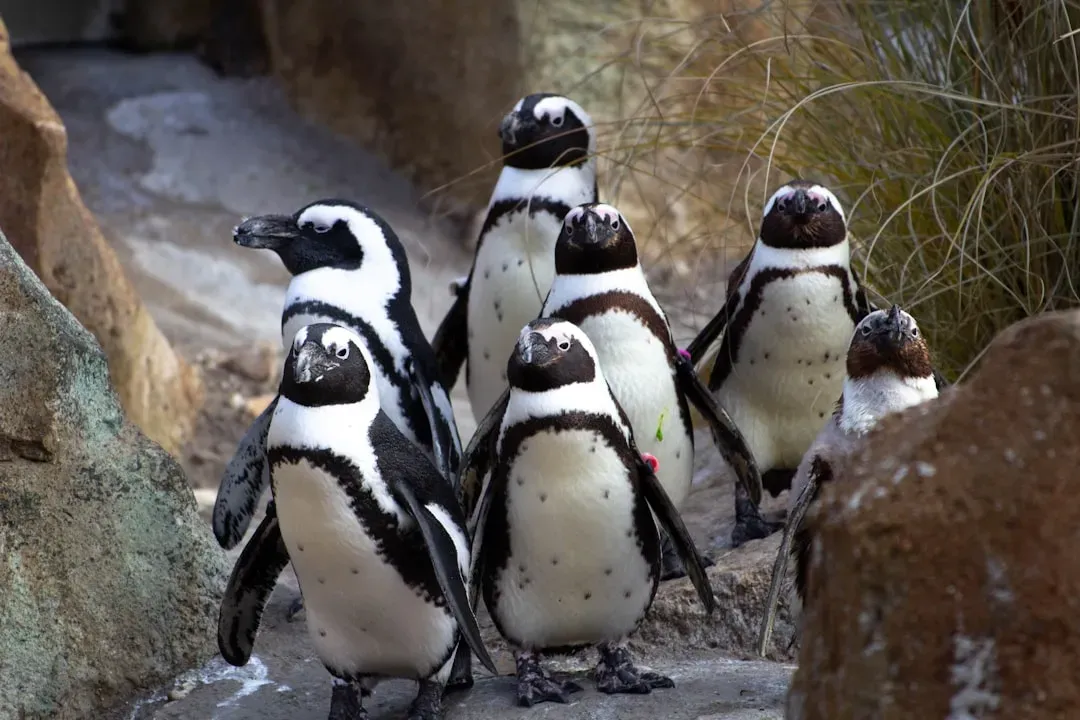
Emperor penguins form large huddles in extreme Antarctic cold and wind with groups consisting of hundreds of individuals, taking turns occupying the warmer centre of the huddle where ambient temperatures can reach 37.5°C, helping conserve energy and incubate eggs during winter. The cooperation required for this behavior is staggering. Every penguin gets a turn in the cozy center, and every penguin takes a shift on the brutal outer edge.
Caribou have legs with veins and arteries that run side by side, so that the heat of arterial blood coming from the body warms the cooler venous blood returning from the lower legs. This counter current heat exchange prevents them from losing precious warmth through their extremities. It’s hard to say for sure, but this might be one of the most elegant solutions evolution has ever produced.
Extreme Tolerance: When Your Body Just Handles What Shouldn’t Be Possible
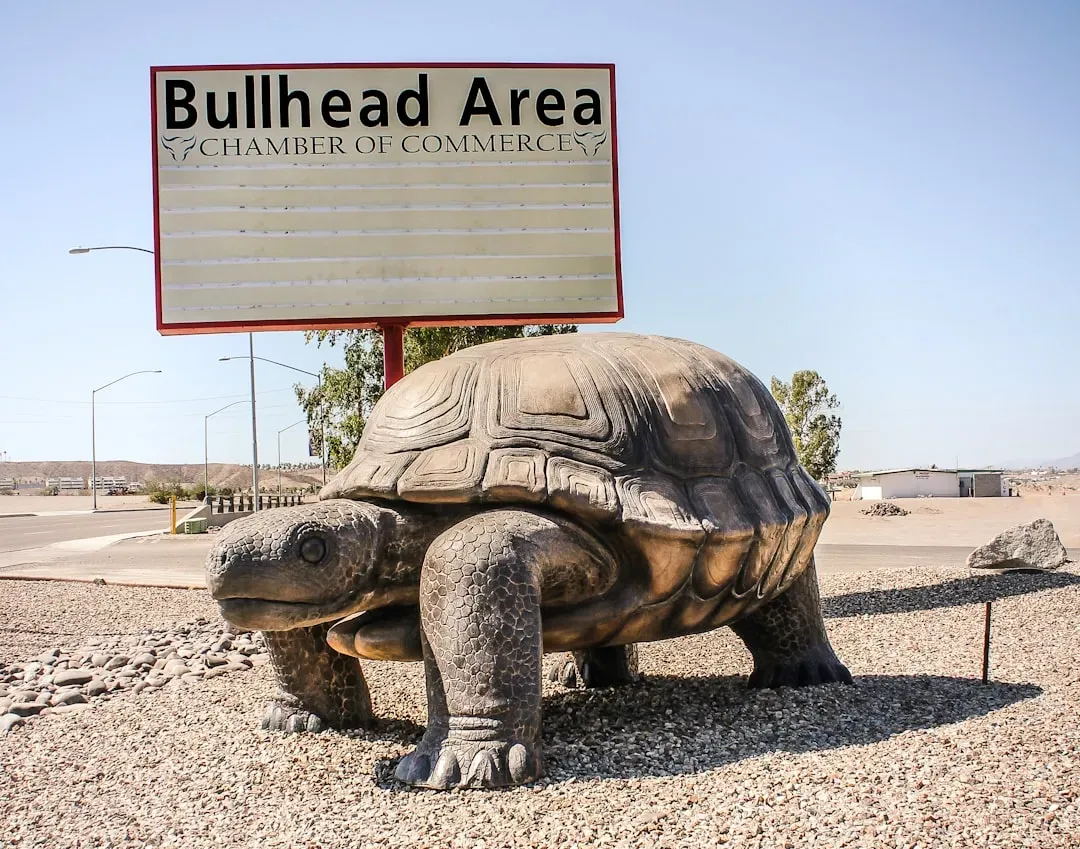
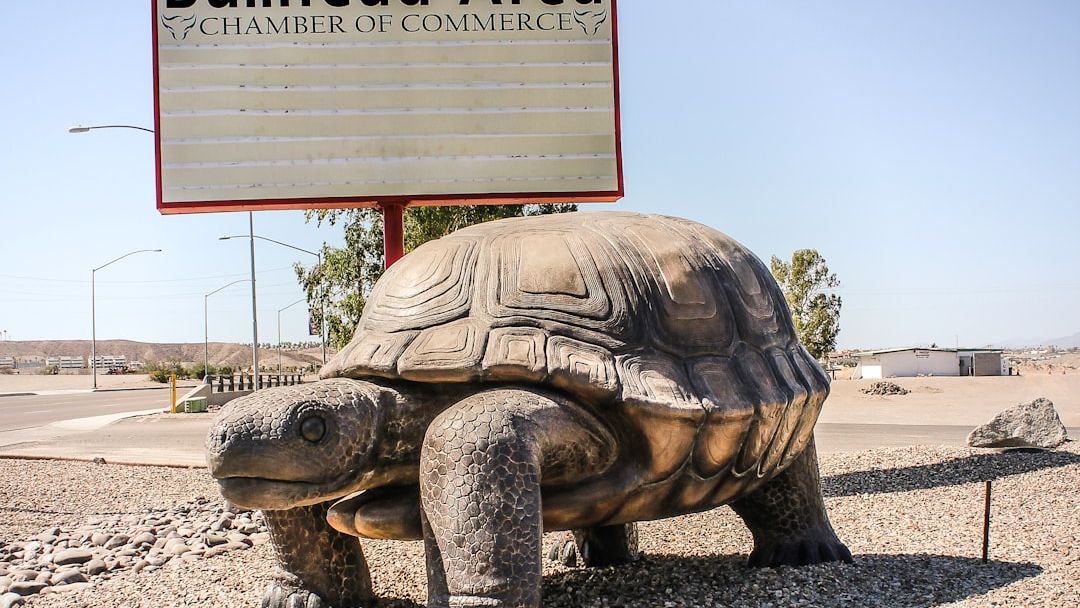
Desert reptiles spend long periods of inactivity in burrows during hibernation in winter and estivation in summer with greatly reduced metabolic processes, living on water and nutrients stored in their bodies while wastes accumulate to potentially toxic levels, and desert tortoises have a large urinary bladder that can store over 40 percent of the tortoises body weight in water, urea, uric acid and nitrogenous wastes for months until they are able to drink. Imagine carrying nearly half your body weight in stored waste and water. It sounds impossible, yet these tortoises do it routinely.
Caribou have the singular ability to produce lichenase, an enzyme that helps break lichens down, and because lichens are protein poor, this lessens a caribou’s need for liquid water during frozen months. Lichens are notoriously difficult to digest, yet caribou have evolved the specific enzyme needed to unlock nutrients from this abundant Arctic food source. They’ve turned what most animals consider inedible into a winter survival strategy.
Some arctic hibernators can maintain body temperatures below 0°C, achieving freeze avoidance. Your body literally below freezing, but still alive. These animals are living proof that the boundaries of what’s biologically possible are far wider than we typically imagine.
The Adaptation Paradox: When Survival Strategies Become Vulnerabilities
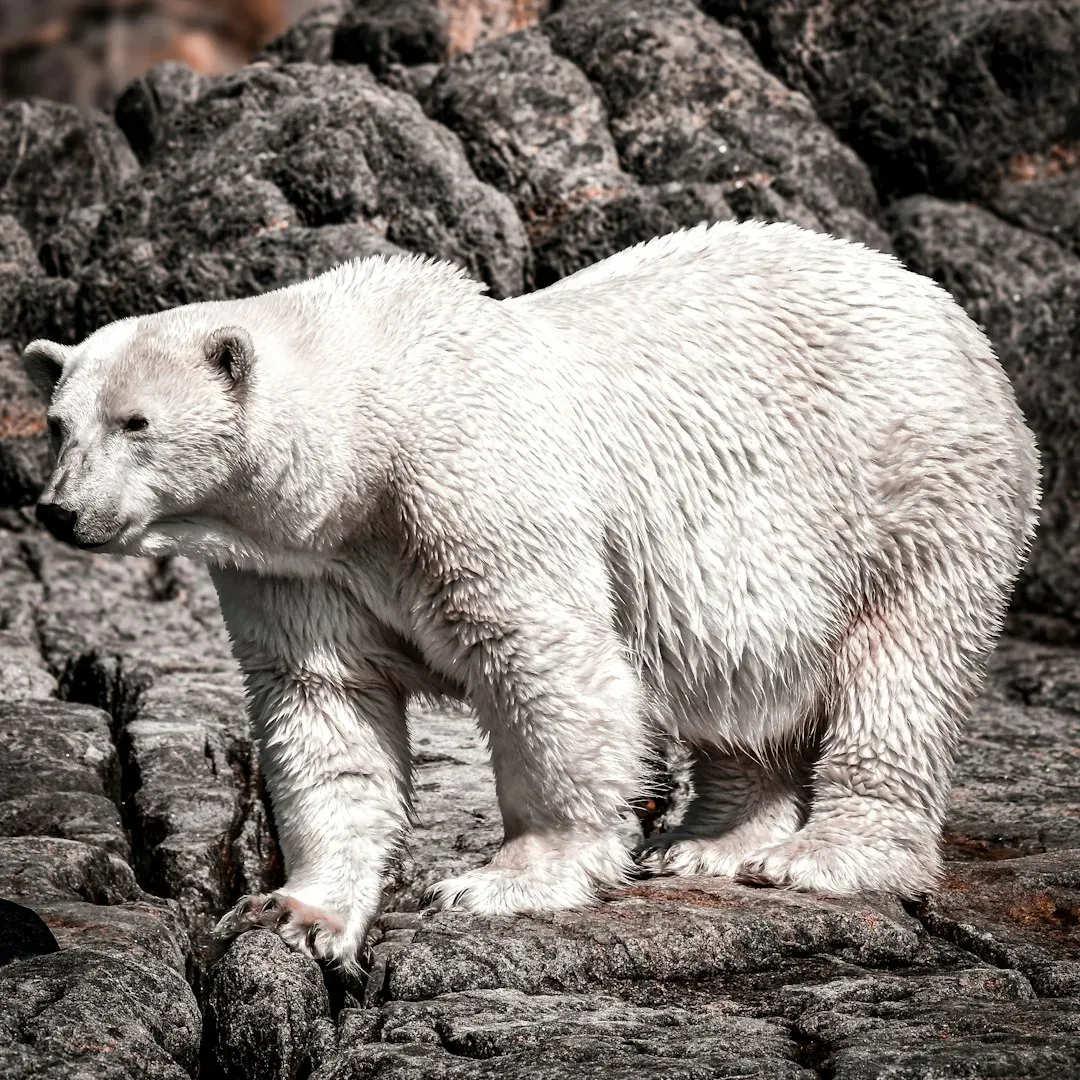
Rising temperatures and erratic weather are forcing animals to adapt in startling ways with consequences for people and ecosystems alike. The adaptations that have allowed animals to master extreme climates are now becoming double edged swords. Climate change, with shorter winters, thinner snowpack and more extreme temperatures, could be threatening those carefully honed systems.
Climate change is disrupting natural food cycles, with poor yields of wild acorns and beech nuts leaving bears desperate and foraging near homes. Animals perfectly adapted to specific environmental cues suddenly find those signals unreliable or absent entirely. Cool seasons grow shorter and fall later in the year, and the climate cues that wild dogs have always relied on are now failing them, with pups still ending up being born in dangerous heat because parents can no longer predict when to rear them.
The very adaptations that make polar animals so successful also make them vulnerable, as animals cold adaptation evolved over millennia in stable icy environments but climate change is altering those conditions faster than evolution can respond. We’re watching evolution’s greatest hits becoming obsolete in real time. These animals aren’t failing. The rules of their world are being rewritten faster than they can adapt.
Conclusion
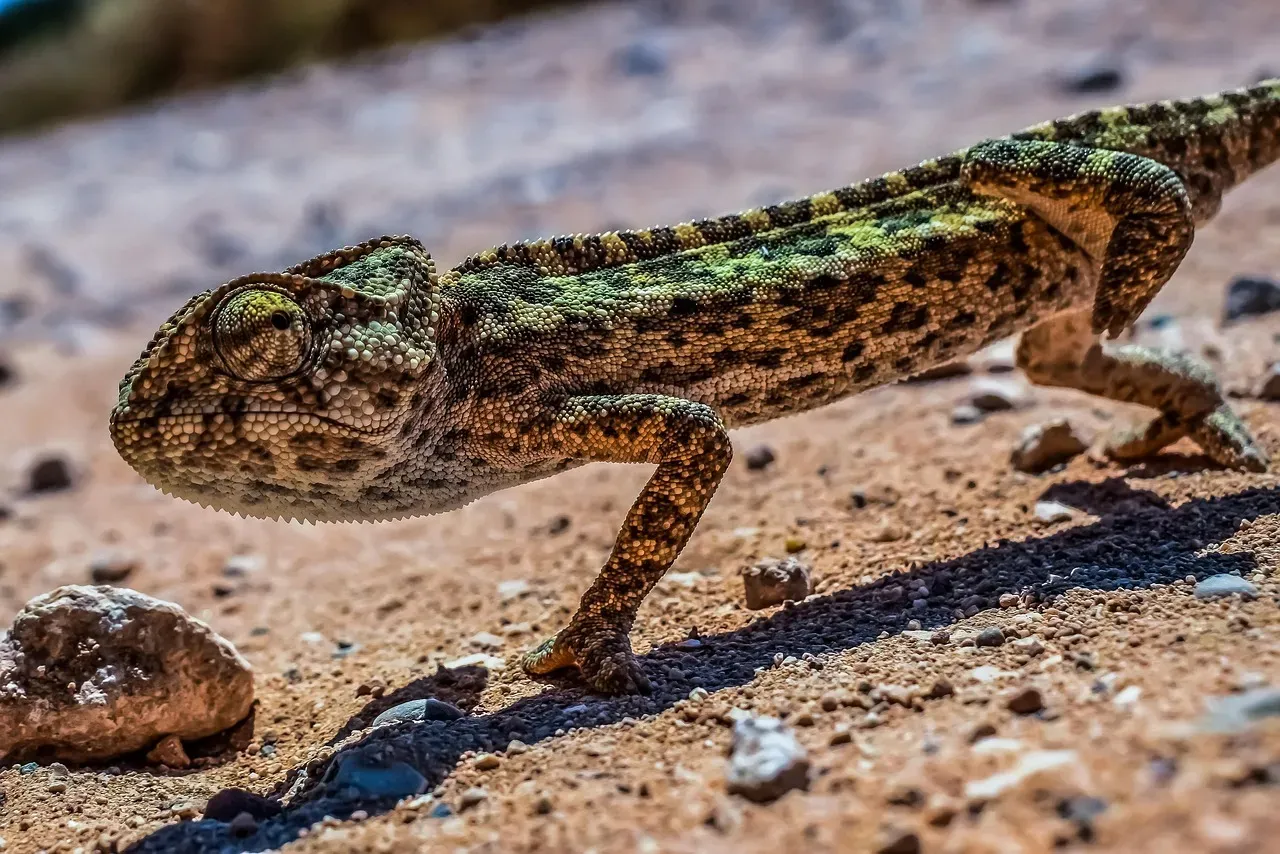
The ingenuity of animal adaptations to extreme climates is nothing short of extraordinary. From kangaroo rats that never drink water to Arctic fish with antifreeze in their veins, from color changing hares to huddles of penguins weathering Antarctic storms, evolution has crafted solutions to problems that would baffle our best engineers. These adaptations took millions of years to perfect, representing countless generations of trial, error and survival of the fittest.
Yet as we’ve seen, many of these remarkable survival strategies are now under threat. The same climate extremes that shaped these adaptations are changing faster than evolution typically operates, leaving many species struggling to keep pace. The animals that have mastered Earth’s harshest environments are teaching us an uncomfortable lesson: adaptation has limits, and those limits are being tested like never before.
What’s your take on how we should protect these incredible survivors? The animals have done their part by evolving to fit their worlds. Perhaps it’s time we did ours by preserving the environments they depend on. What do you think?
