

Think of the most unexpected wildlife comeback you could imagine. Maybe wolves in Yellowstone, or bison on the Great Plains. Now imagine something even more unlikely: jaguars slipping back into the American Southwest after nearly vanishing for a century. It’s happening right now, and the story unfolding in Arizona’s rugged mountains is nothing short of extraordinary.
These aren’t just random wanderers. These are survivors pushing the boundaries of what we thought was possible. The reasons they’re returning might surprise you, and honestly, they reveal as much about the landscape’s resilience as they do about the tenacity of one of nature’s most magnificent predators.
The Desert Mountain Comeback Nobody Expected
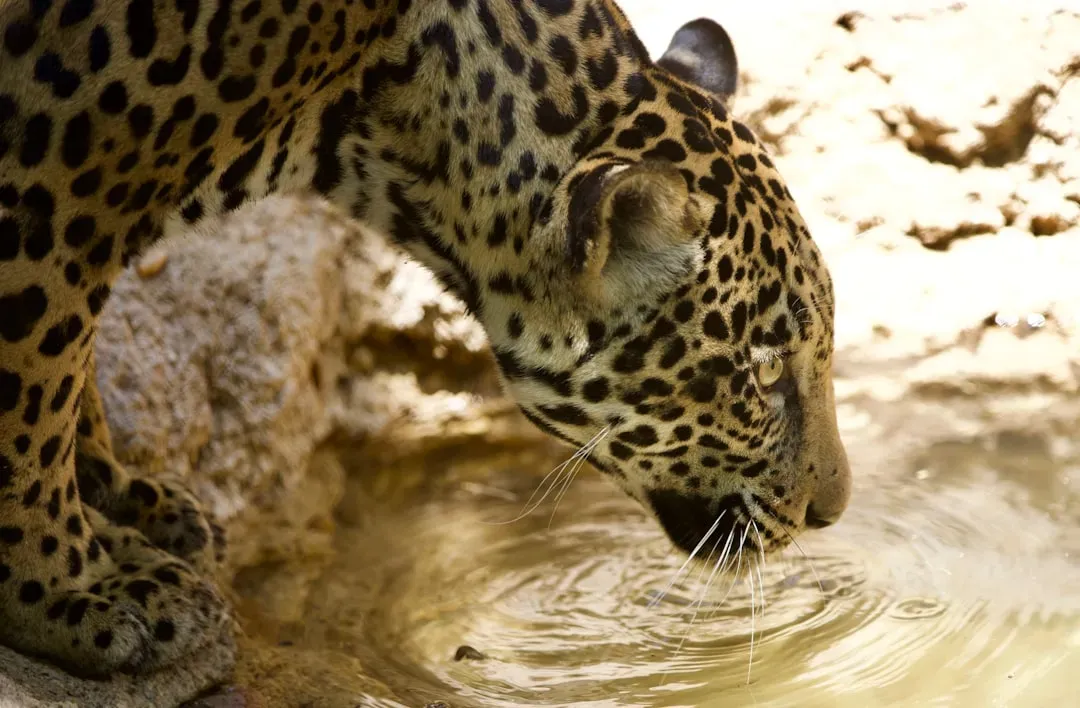
The University of Arizona Wild Cat Research and Conservation Center says it’s the fifth big cat over the last 15 years to be spotted in the area after crossing the U.S.-Mexico border. That might not sound like a lot, though when you consider that jaguars were essentially wiped out from the United States by the mid-twentieth century, every single sighting is monumental. The jaguar, Cinco, is the fifth known big cat in the area since 2011.
What makes this even more remarkable is where these jaguars are showing up. We’re talking about remote camera traps in southern Arizona, places where the desert meets the mountains in what biologists call Sky Islands. The animal was captured by the camera as it visited a watering hole in November, its distinctive spots setting it apart from previous sightings. Each jaguar carries a unique pattern of rosettes, like fingerprints, allowing researchers to confirm they’re looking at a new individual.
The cats are returning to terrain that would test the limits of any predator. These cats endure conditions most jaguars never face, from snow in high-elevation mountains to the extreme heat of Arizona’s desert canyons. Yet here they are, proving that adaptation runs deeper than we realized.
It’s hard to say for sure, but the persistence of these sightings suggests something profound is happening. The landscape hasn’t given up on jaguars, and jaguars haven’t given up on the landscape.
What The Jaguars Are Actually Finding Here
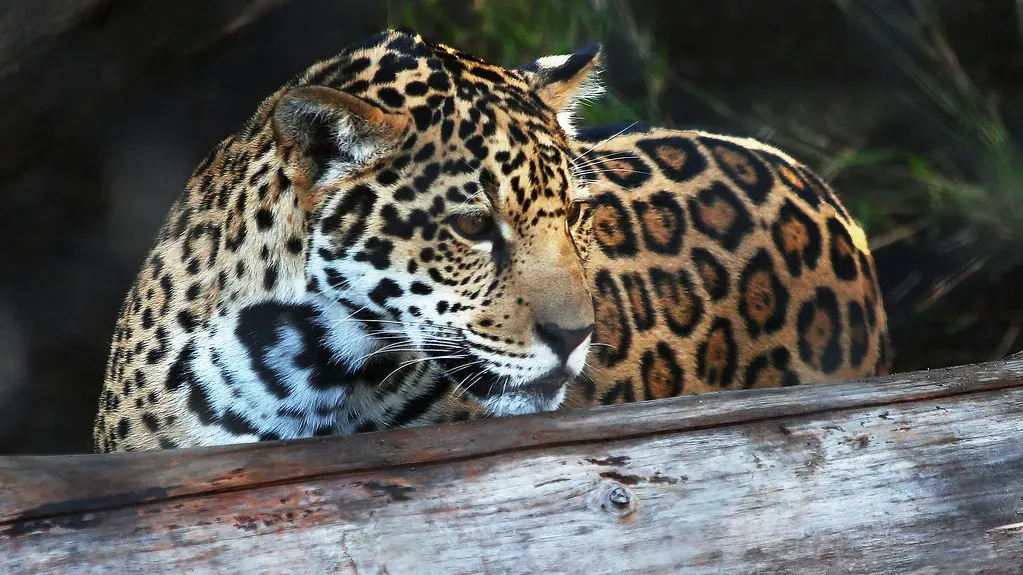
So why are jaguars bothering to venture this far north in the first place? The answer is simpler than you might think. It signifies this edge population of jaguars continues to come here because they’re finding what they need. The menu can include everything from skunks and javelina to small deer.
Food, water, cover. Those are the non-negotiables for any predator. Arizona’s Sky Islands deliver on all three counts. Arizona’s Sky Islands – a necklace of isolated mountain ranges rising from desert – create a stairway of habitats from cactus flats to fir forest. That vertical variety packs prey, shade, and water into tight spaces.
Water might be the most critical factor right now. Recent detection data supports findings that a jaguar appears every few years, with movement often tied to the availability of water. In a region wrestling with drought and climate pressures, the presence of reliable water sources can mean the difference between a jaguar sticking around or moving on. In the case of Jaguar #5, she said it was remarkable that the cat kept returning to the area over a 10-day period.
The fact that these animals are repeat visitors, not just passing through, tells us the habitat is functioning. As an indicator species, the continued presence of big cats in the region suggests a healthy landscape. Jaguars sit at the top of the food chain, so if they’re thriving, the entire ecosystem beneath them is doing its job. Let’s be real: these mountains are working harder than anyone gave them credit for.
The Migration Corridors That Keep The Dream Alive
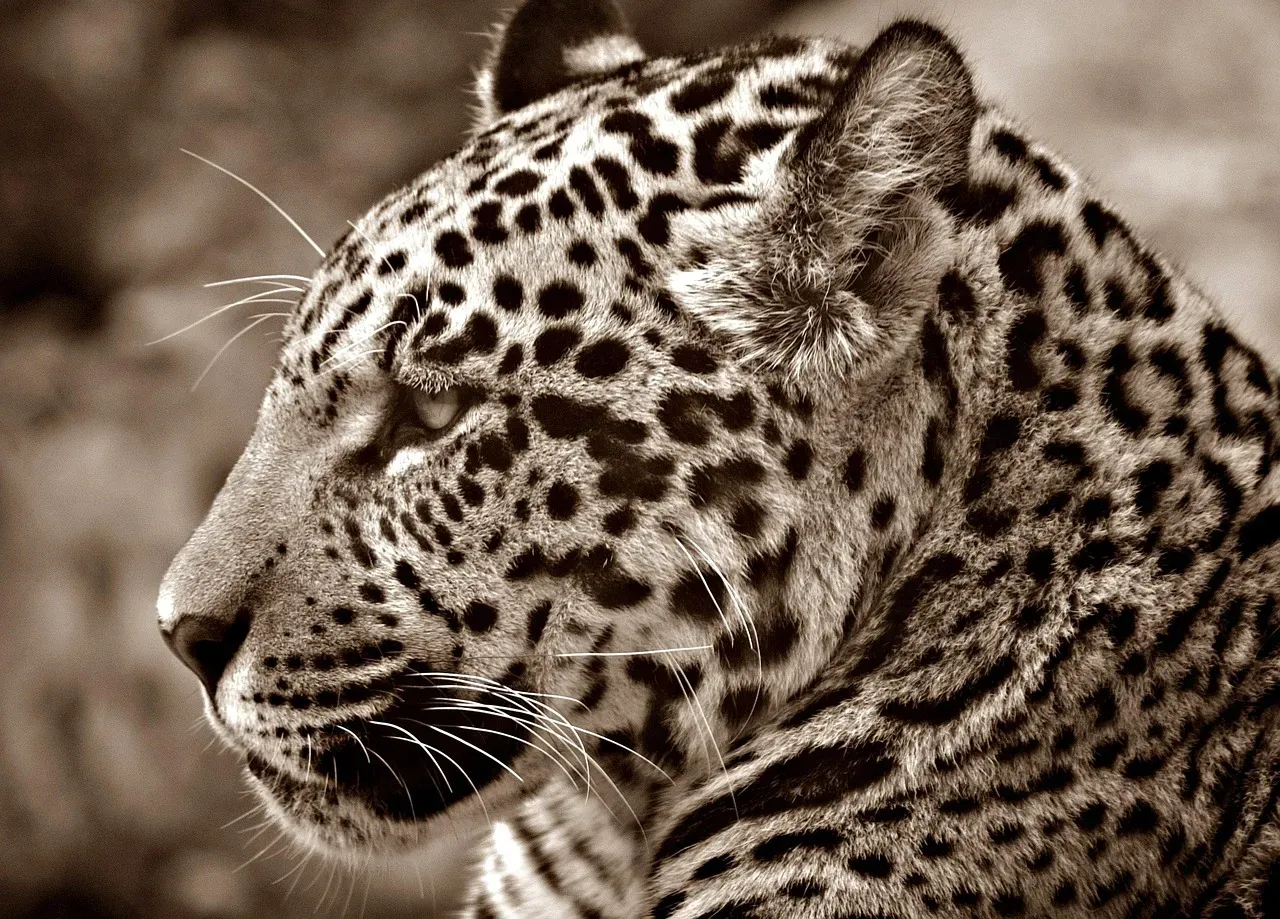
None of these jaguars materialized out of thin air. More than 99% of the jaguar’s range is found in Central and South America, and the few male jaguars that have been spotted in the U.S. are believed to have dispersed from core populations in Mexico. The jaguars showing up in Arizona are young males venturing north from breeding populations in Sonora, Mexico, searching for territory of their own.
This is where connectivity becomes everything. The San Rafael Valley and nearby ranges serve as the last broad, relatively open bridge to breeding populations in Sonora, Mexico. These corridors are biological highways, allowing genes, individuals, and entire lineages to flow between populations. Without them, jaguars on either side of the border risk becoming isolated, genetically bottlenecked, and ultimately doomed.
These detections are a powerful reminder that jaguars are still moving through corridors that connect the borderlands. Trail cameras have documented the same individuals appearing at multiple sites, proving that these cats are navigating complex terrain across vast distances. The landscape still functions as a bridge, even if it’s fraying at the edges.
There’s a catch, of course. Climate change and border barriers can threaten migratory corridors. The construction of border walls and infrastructure doesn’t just block human movement; it severs wildlife pathways that took millennia to establish. Still, jaguars keep finding gaps, keep pushing through. It’s both inspiring and heartbreaking.
Why Conservation Efforts Are Finally Bearing Fruit
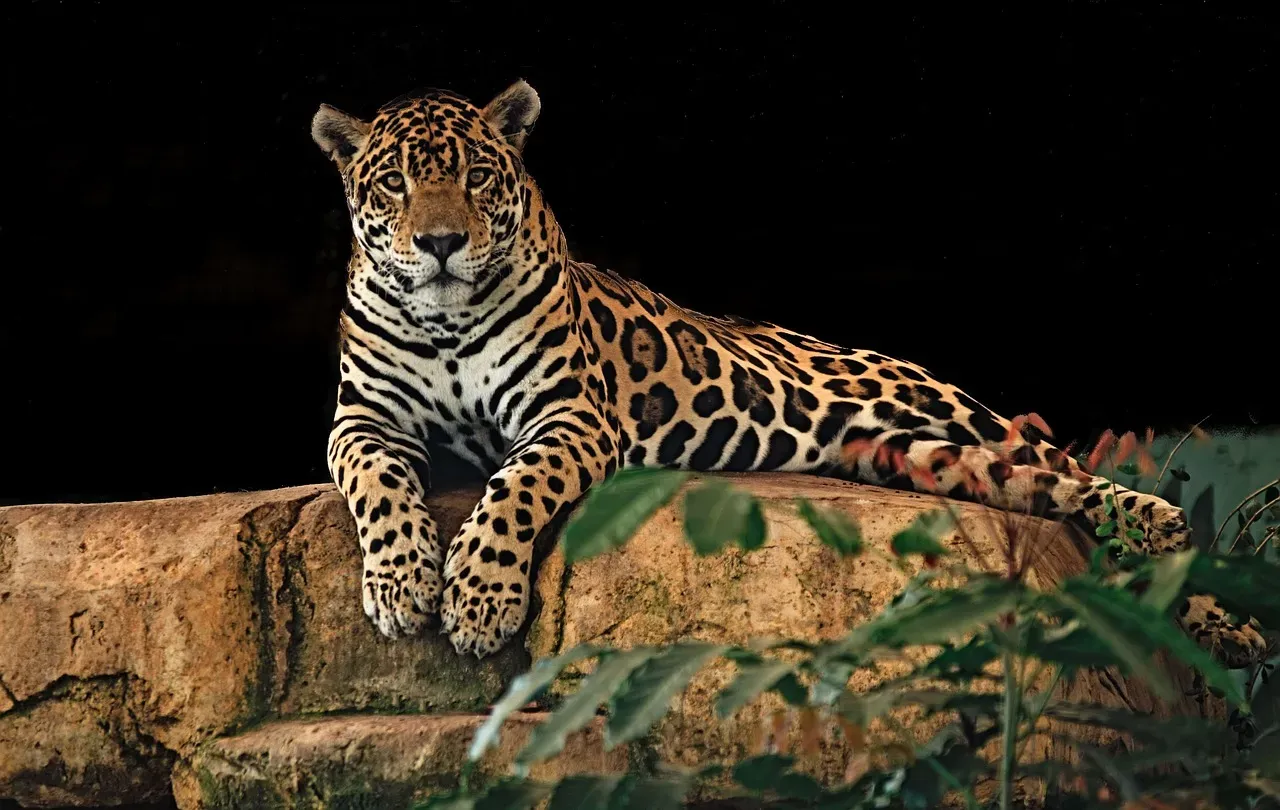
Jaguars didn’t just decide to come back on their own. Decades of conservation work in Mexico have been quietly paying off. Mexican officials recently announced that since 2010, the number of jaguars in that country had increased 30 percent. From around four thousand individuals to more than five thousand, Mexico’s jaguar population is expanding, creating demographic pressure that pushes young males northward.
Protected areas like the Bavispe Wildlife Protection Area and Northern Jaguar Reserve in Sonora provide safe havens where jaguars can breed and raise cubs without persecution. Just south of the border in Sonora today, jaguars, ocelots, mountain lions, and bobcats roam the mountain forests and grasslands. Wild cats thrive here because of the reserves’ remoteness from urban life and due to the rich variety of habitats.
On the U.S. side, researchers have spent more than fifteen years monitoring jaguar movements through camera trap networks. Since August 2025, seven new jaguar detections have been confirmed in southern Arizona. It’s a rewarding moment for University of Arizona conservation scientists who have spent the last 15 years continuously tracking these elusive apex predators. That’s not luck; it’s systematic, patient science.
Even habitat designations have played a role. The remaining critical habitat acreage is approximately 640,124 acres in Pima, Santa Cruz, and Cochise counties. Though the designated area was reduced following legal challenges, roughly one thousand square miles of Arizona remains officially recognized as jaguar habitat. Federal protections, even imperfect ones, send a signal that these animals have a right to be here.
The Bigger Picture And What Comes Next
Here’s the thing: all the jaguars documented in Arizona so far have been males. Officials have said that jaguar breeding in the U.S. has not been documented in more than 100 years. Without females, there’s no breeding population, no cubs, no future. These are explorers, not colonizers, at least not yet.
Some scientists believe it’s time to stop waiting and start reintroducing jaguars actively. In Iberá, where jaguars had been absent for 70 years, they have recovered a population from zero to 35 individuals in just four years. That’s the track record of Rewilding Argentina, whose model is inspiring conservationists in the southwestern United States to think bigger. A crowd of about 150 people gathered on a windy late-April evening to hear Di Martino’s tale of how he led a team in northern Argentina to buy land, create the country’s largest natural reserve.
The potential habitat in Arizona and New Mexico is staggering. A team of scientists has identified a wide swath of habitat in Arizona and New Mexico – 20 million acres, or about 32,000 square miles – that could eventually support more than 150 jaguars. That’s an area the size of South Carolina. The space is there; the question is whether we have the political will and the patience to make it happen.
Challenges remain, obviously. Border infrastructure, drought, climate change, and lingering prejudice against large carnivores all threaten the jaguar’s return. Yet the fact that these animals keep showing up, keep trying, suggests that nature is meeting us halfway. That this species is recovering. We want people to know that and that we still do have a chance to get it right and keep these corridors open.
Watching jaguars reclaim Arizona’s wilderness feels like witnessing something ancient and new at the same time. These are animals that belonged here long before we drew lines on maps or debated what belongs where. Their return isn’t just about conservation; it’s about remembering what the Southwest once was and imagining what it could be again. So what do you think? Is this the beginning of a real comeback, or just a fleeting glimpse of what we’ve lost?

- 6 Common Plants That Are Essential for Backyard Wildlife - July 28, 2026
- The Silent Promise Your Dog Makes Every Time They Follow You From Room to Room - July 28, 2026
- 10 Disadvantages of Wind Power in The US - July 28, 2026