

When the sky turns dark and the wind begins to howl, most people turn to old wisdom passed down through generations about tornado safety. Unfortunately, many of these time-honored beliefs are not just wrong but potentially deadly. While tornado science has advanced dramatically in recent decades, dangerous myths continue to circulate, putting lives at risk when seconds matter most.
These misconceptions aren’t just harmless folklore. They represent the difference between life and death when strikes your community. From the belief that certain locations are tornado-proof to misguided ideas about where to take shelter, these myths have contributed to unnecessary casualties for far too long. Let’s examine the most persistent tornado myths and replace them with life-saving facts.
Green Skies Mean is Coming

Many people believe that dark green or blue-green clouds are a sure sign that is about to form. This widespread myth has been around for decades, but it’s simply not accurate. These clouds are typically only an indication of a strong thunderstorm, not necessarily . “Tall and towering thunderstorm clouds cause light to be reflected in such a way that the cloud can appear green,” AccuWeather Senior Storm Warning Meteorologist Phil Warren said. “Since tornadoes are usually associated with strong thunderstorms, I imagine that is how some people could think that green clouds were indicative of ,” Warren said.
Tornadoes are still able to form when green clouds are present, but these clouds shouldn’t be used as an indicator for tornadoes. Instead, experts recommend heeding all severe storm and tornado-related warnings. The greenish color actually results from how light scatters through large hailstones and heavy rain droplets in severe storms. While such storms can produce tornadoes, the color alone isn’t a reliable warning sign.
Opening Windows Equalizes Pressure and Prevents Damage
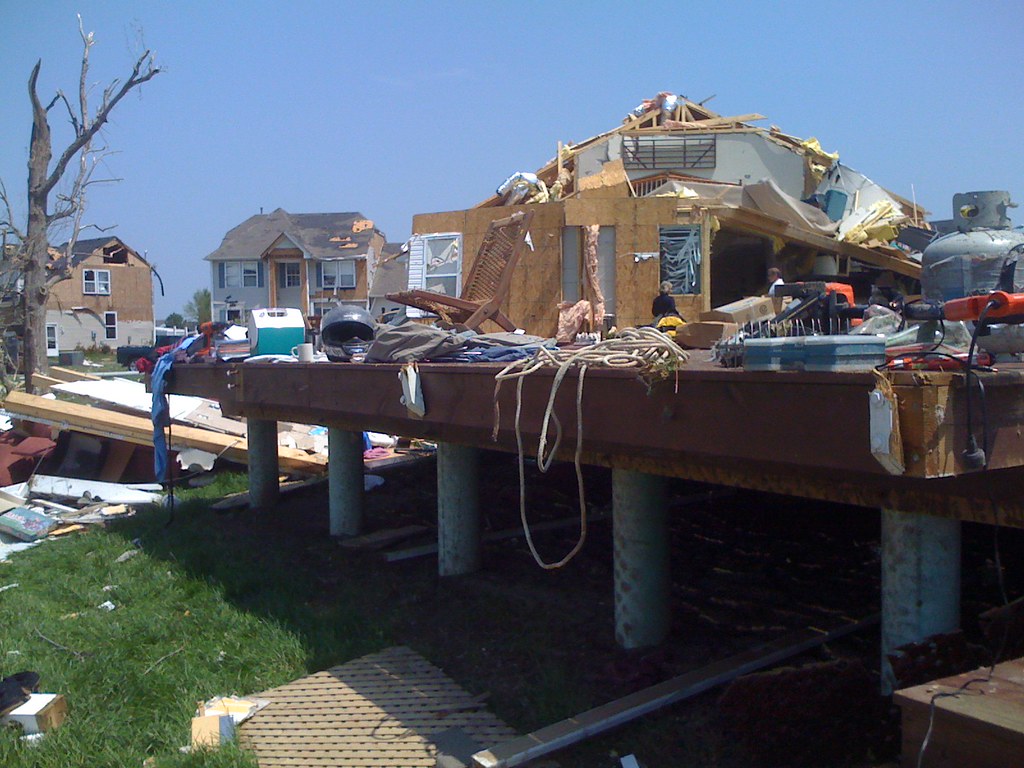
Perhaps the most persistent tornado myth is that opening windows will equalize air pressure and prevent your home from exploding. This dangerous misconception has led countless people to waste precious seconds during tornado warnings. Greg Carbin, warning coordination meteorologist of NOAA Storm Prediction Center, said that doing anything except taking cover during warning is a waste of precious time. “It’s not about the pressure in your house; it’s the winds that will ultimately be the cause of further destruction. The winds are going to bring debris from miles around, and if you open the windows, that will bring it right into your living room,” Carbin said.
The pressure drop inside isn’t nearly as dramatic as once believed – typically only 10% below normal atmospheric pressure. According to the National Weather Service’s 2024 tornado safety guidelines, opening windows actually wastes precious seconds that should be spent seeking shelter. The real damage comes from flying debris and powerful winds, not pressure differences. Instead of fumbling with window latches, get to your safe room immediately.
Overpasses Provide Safe Shelter
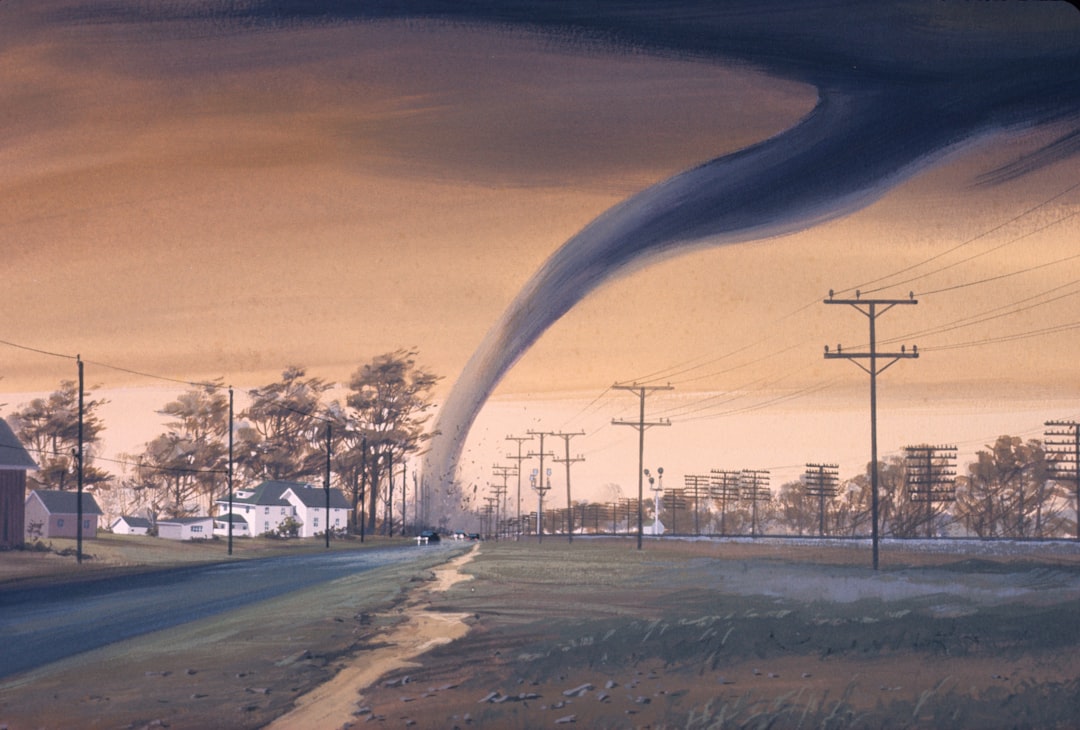
Highway overpasses might seem like sturdy shelters, but they’re actually death traps during tornadoes. This myth has proven deadly time and again, yet it persists in popular culture and conversations. Experts warn that an overpass is not a safe shelter if is approaching. “Winds will actually funnel under the bridge and accelerate, which can cause the car to be pulled out,” Warren said. Debris is another concern as the tornado can slam cars and other objects underneath bridges.
We’ll use a river as an example. Imagine yourself walking down the banks of a large river it’s smooth and gently flowing. As you’re walking alongside the river it begins to narrow and the water is forced through the narrow section. The speed of the water increases greatly. Wind moving through an overpass does the exact same thing. Since the wind is being constricted into tighter space it increases in velocity. Rather than seeking shelter under overpasses, lie flat in the lowest area you can find, covering your head.
The Southwest Corner is the Safest Basement Location

For generations, families have been told to head to the southwest corner of their basement during tornadoes. This myth stems from outdated meteorological theories from the late 1800s. Some believe the southwest corner of your basement is the safest spot, but this is a myth. The safest place to take shelter during is an interior room or bathtub on the lowest floor of your home or building, as far as possible from exterior walls and windows.
According to the SPC, this myth arose from the mistaken belief that most tornadoes come from the southwest and that any debris they generate would fall into the northeast corner of a basement. But tornadoes can arrive from any direction, and their winds are spinning in a vortex and can be blowing from any direction. If you take shelter in a basement, the best place to be is away from any windows, under a sturdy workbench or mattress, and away from any shelves or other things that might fall on you. Focus on finding the most reinforced area rather than a specific corner.
Tornadoes Never Strike Big Cities
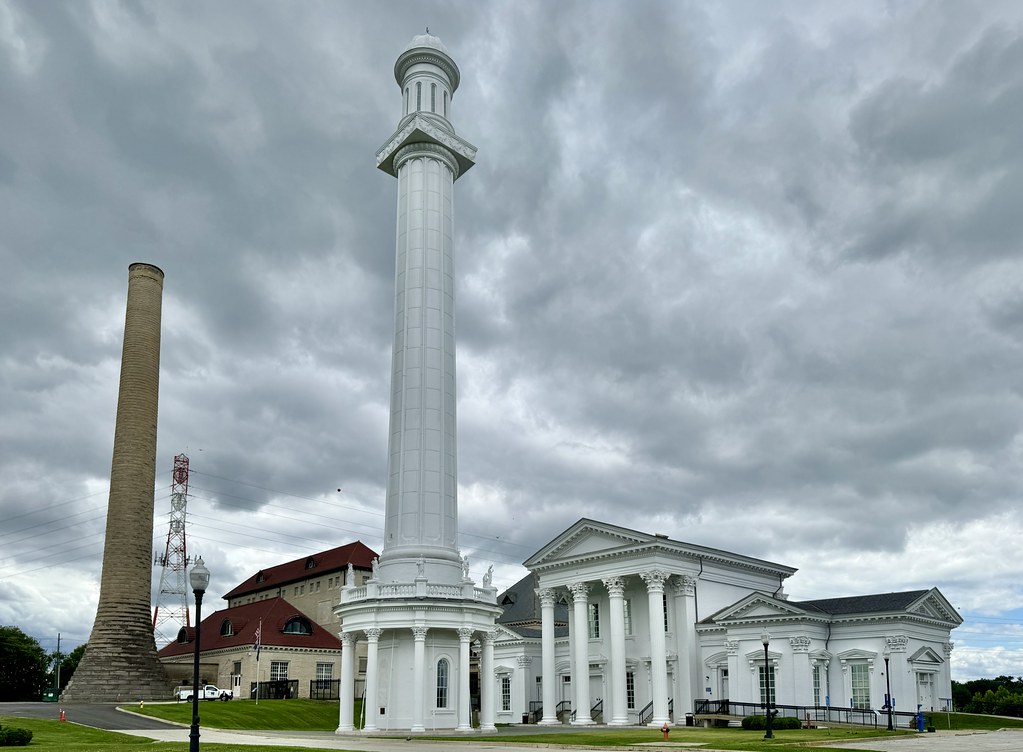
Many urban residents believe they’re safe from tornadoes because these storms supposedly avoid large cities. This dangerous myth has been shattered repeatedly by major urban tornado strikes. While Tornado Alley (Texas, Oklahoma, Kansas, and Nebraska) is known for frequent tornadoes, these storms can and do occur in all 50 states. Be prepared no matter where you live. Cities like Nashville, Atlanta, and Dallas have all experienced severe tornado damage.
Cities like St. Louis, Dallas, Fort Worth, Waco, Oklahoma City, Miami, Salt Lake City, and much more have been impacted by tornadoes and several of them strong to violent tornadoes. One of the most famous tornadoes to strike a downtown area was on March 28, 2000, when a powerful F2 tornado struck downtown Fort Worth, TX. The tornado had winds up to 157 mph and did $450 million dollars in damage. Urban areas don’t provide magical protection against nature’s fury.
Mobile Homes Attract Tornadoes
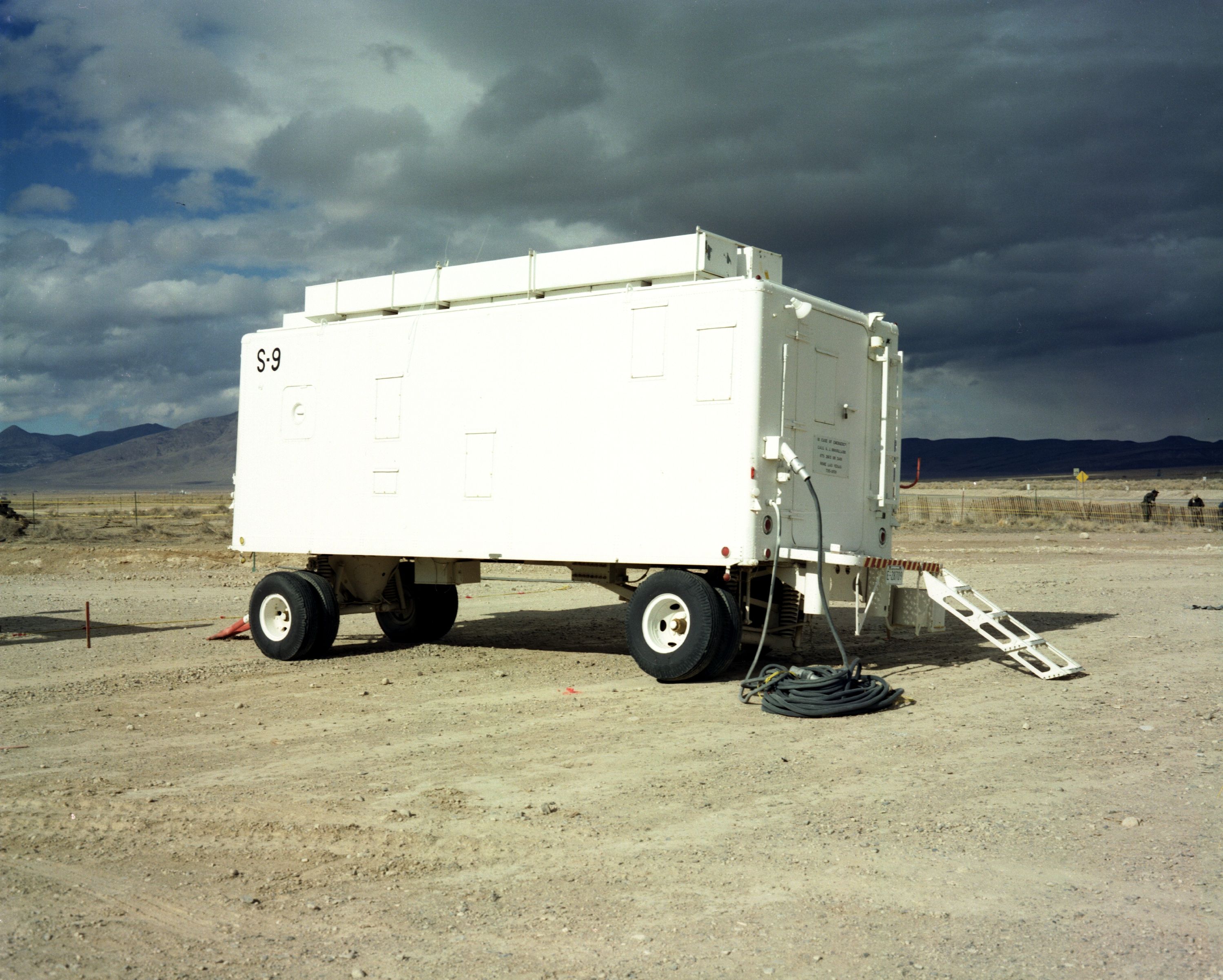
The belief that mobile homes somehow attract tornadoes is completely false, though these structures are disproportionately vulnerable. According to FEMA’s 2024 tornado casualty statistics, mobile homes represent about 6% of all housing but account for nearly 40% of tornado deaths. This isn’t because tornadoes seek them out – it’s because mobile homes are inherently less structurally sound and often lack adequate storm shelters. The myth likely originated from the fact that many mobile home parks are located in tornado-prone areas with few trees or hills to provide natural barriers. Additionally, mobile homes are typically not anchored as securely as traditional foundations, making them more susceptible to wind damage.
When you are in a mobile home, you are 15 to 20 times more likely to be killed in comparison to when you are in a permanent home. EF-1 tornadoes and high end severe thunderstorm winds can completely destroy mobile and manufactured homes. Regardless of how well built a mobile or manufactured home is built, anchor system failures are the primary cause of the majority of fatalities. If you live in a mobile home, have an evacuation plan to a sturdier structure.
You Can Always See Coming
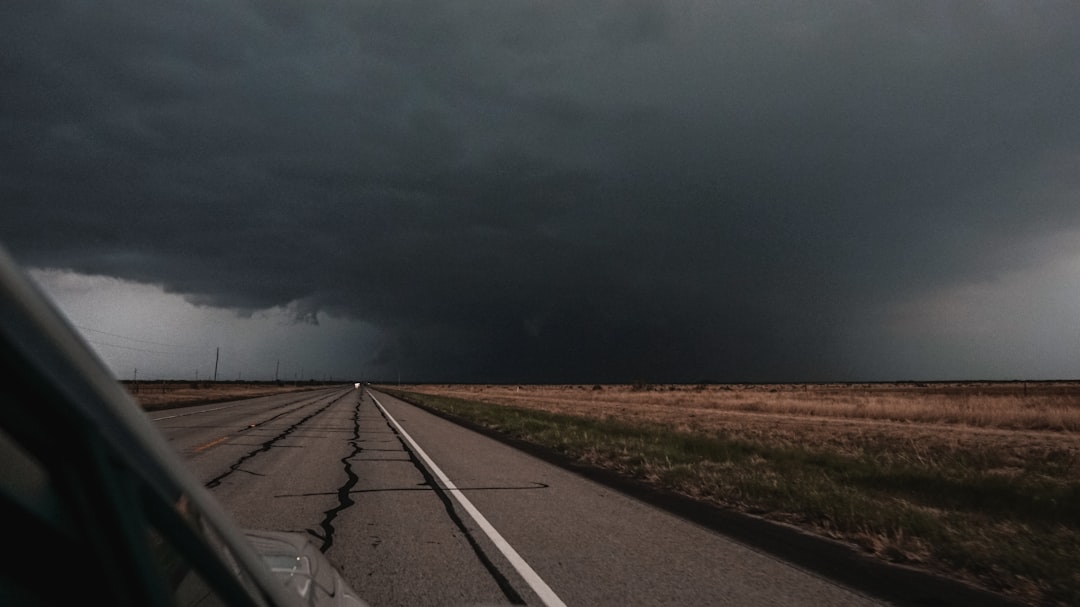
The assumption that tornadoes are always visible can prove fatal. Many people think they’ll have plenty of warning because they’ll see the classic funnel cloud. Don’t assume that as long as there are no visible funnel clouds that you are safe. They can be hidden in heavy rains during the day or by the dark of night. Rain-wrapped tornadoes are particularly dangerous because they’re completely obscured by precipitation.
Onlookers may feel safe from a distance, often assuming that the actual funnel of is itself the tornado. In reality, the circular winds racing as much as 60 mph surrounding the funnel and extending well beyond its perceived breadth contain the most destructive power. Also, debris trapped and tossed along with the tornado pose greater risks of injury or death and can land great distances from the ‘center’ of the tornado. Never rely on visual confirmation alone.
You Can Outrun in Your Car
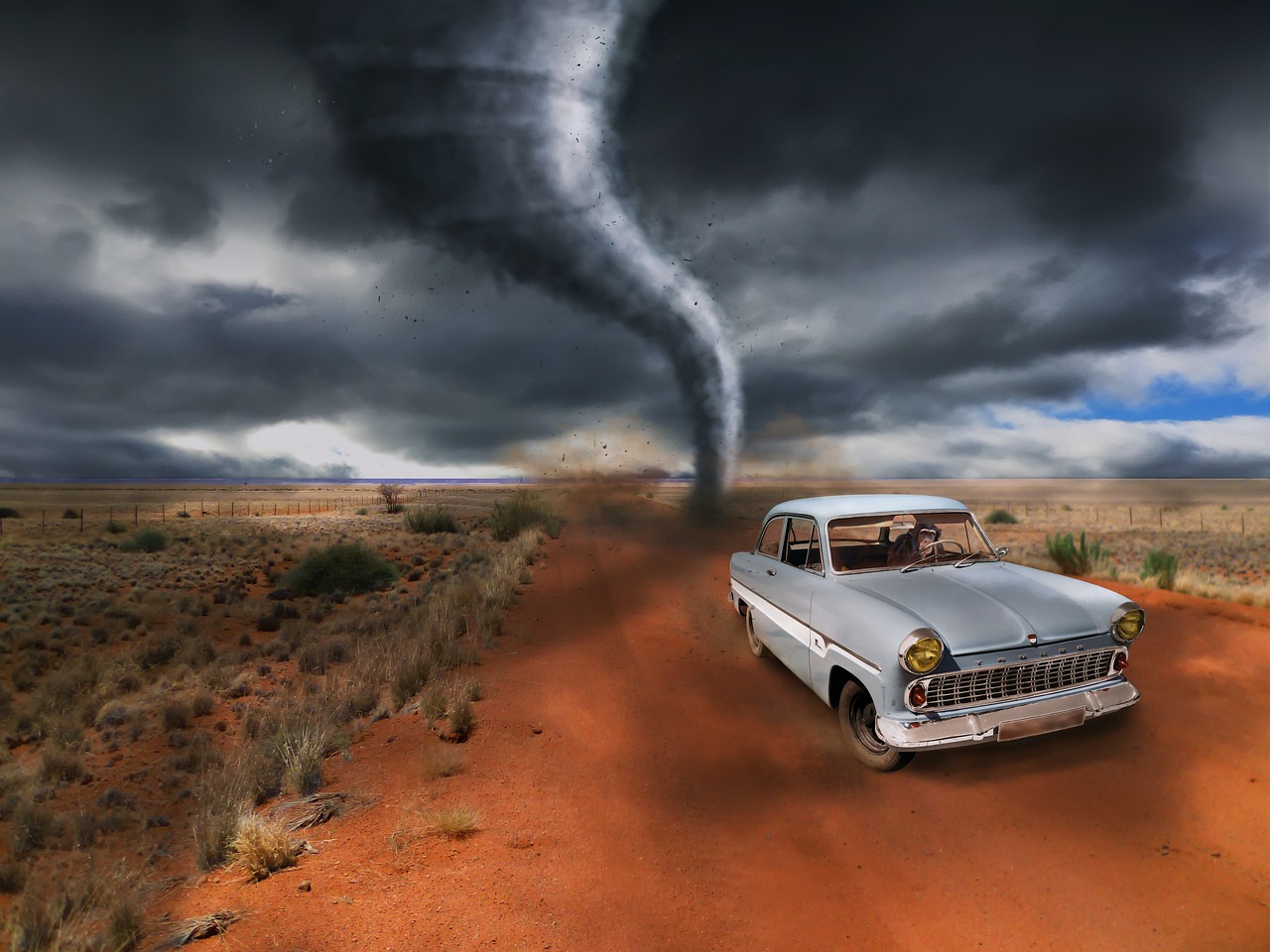
Perhaps no myth is more dangerous than the belief that you can escape by driving away from it. Vehicles are extremely risky in . According to the Storm Prediction Center’s 2024 data, attempting to flee by car significantly increases your fatality risk compared to proper sheltering. Tornadoes can move at speeds exceeding 70 mph and change direction unpredictably, while most escape routes during severe weather involve congested roads with limited visibility. The infamous May 31, 2013 El Reno tornado caught several experienced storm chasers in vehicles, resulting in fatalities despite their expertise and high-performance vehicles.
The least desirable place to be during is in a motor vehicle. Cars, buses, and trucks are easily tossed by tornado winds. DO NOT TRY TO OUTRUN IN YOUR CAR. If you see , stop your vehicle and get out. If caught in your car with no time to reach proper shelter, abandon the vehicle and lie flat in the lowest area available, such as a ditch.
Conclusion
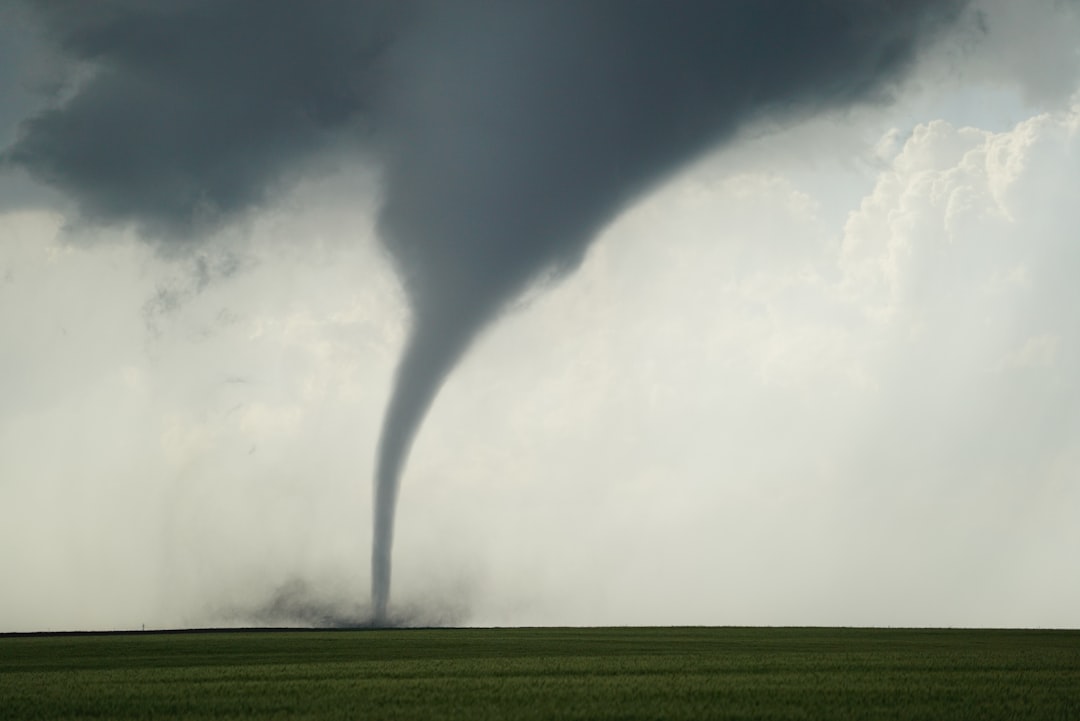
These eight tornado myths have persisted for generations, but believing them could cost you your life. Modern meteorology has given us the tools to understand what really works during tornado emergencies. The key to survival isn’t following old wives’ tales but relying on current scientific knowledge and having a solid emergency plan.
Remember that tornado safety boils down to a few critical principles: seek the lowest, most interior space possible, protect your head and neck, and stay away from windows and potential projectiles. Don’t waste time with pressure equalization tricks or searching for magic corners. When warnings are issued, every second counts.
What surprised you most about these dangerous myths? Share your thoughts and help spread accurate tornado safety information in your community.

- 8 Ways Glaciers Carved New York's Finger Lakes - August 10, 2026
- 8 Ways Bobcats Move Through Suburbs Without Being Seen - August 9, 2026
- 7 Reasons Black Bears Return to the Same Food Source - August 9, 2026