

Nature has a funny way of showing us just how interconnected everything really is. Sometimes it takes the removal or return of just one species to reveal how fragile yet resilient ecosystems can be. We often focus on the giant redwoods or the polar bears when we talk about conservation, yet there are creatures right here in North America whose influence ripples through entire landscapes in ways most people never imagine.
These aren’t always the biggest or flashiest animals. Some are aquatic mammals no bigger than a large dog. Others are insects or rodents that reshape the land beneath our feet. What they share is an outsized influence on their surroundings, earning them the title of keystone species. Pull one of these from the ecosystem, and the whole structure can come tumbling down like dominoes.
The Beaver: Original Landscape Architect
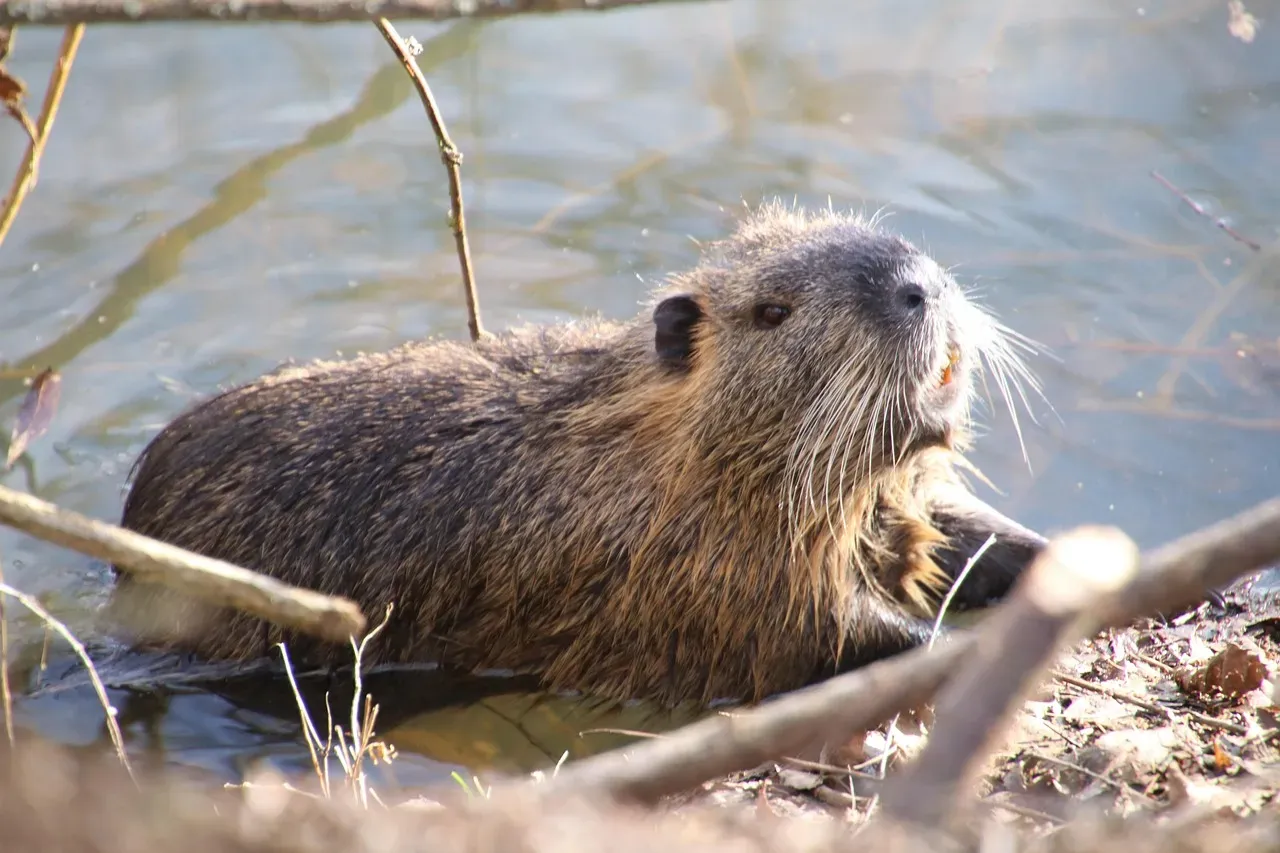
There is perhaps no clearer example of a keystone engineer than the beaver. These industrious rodents don’t just live in their environment – they fundamentally redesign it to suit their needs. When a beaver family settles along a stream, they cut down trees and construct elaborate dams that can span dozens of feet.
Their population was once robust, with estimates of 100-200 million individuals throughout much of North America. Think about that for a second. That’s roughly half the current human population of the United States, all busily rearranging waterways across the continent. An estimated 250 million beaver ponds once interrupted North America’s waterways, turning free-flowing creeks into fertile wetlands that supported creatures from salmon to moose.
River ecosystems rely on beavers to take down old or dead trees along riverbanks to use for their dams. This allows new, healthier trees to grow in abundance. The dams divert water in rivers, creating wetlands that allow a variety of animals and plants to thrive. It’s honestly remarkable how one species can create habitat for hundreds of others without even trying.
Despite beavers’ critical role, they were hunted to near extinction for food, pelts and medicine in the early 20th century. Thanks to government officials, scientists and conservationists, the species is making a comeback, with estimates of 10-15 million beavers in North America today. Their dams do more than just store water. Dams are penetrable structures that slow water flow, resulting in less erosion and flooding than undammed, fast flowing water. Dams physically store water on land where it soaks into the soil and initiates plant growth, able to turn bone-dry areas into bountiful wetlands.
Recent studies have also found that areas with beaver activity burn much less severely during wildfires – suffering only one-third the damage compared to similar areas without beavers. In the western United States, where landscapes are subject to drought and wildfires, fires often burn everything except areas surrounding beaver complexes. Who would’ve guessed that a flat-tailed rodent could be one of our best allies against increasingly destructive wildfires? Just as forests suck carbon from the atmosphere and sequester it in wood, so beavers trap carbon in the form of organic sediment that settles to the bottom of their ponds. Before the beaver population was decimated in Rocky Mountain National Park, their complexes stored 2.7 million megagrams of carbon – the equivalent of what’s trapped in 37,000 acres of forest.
Beavers also filter water pollution in ways we’re only beginning to appreciate. Wetlands surrounding beaver dams act like kidneys by removing pollutants from water, effectively cleaning it. As dams decrease water flow, nutrient-rich sediment usually swept away by the current instead sinks and collects on the bottom. This abundance of minerals filters and breaks down harmful materials like pesticides and leaves areas downstream of dams healthier and less polluted than upstream. Nature’s own wastewater treatment plant, basically.
The Gray Wolf: Yellowstone’s Missing Piece
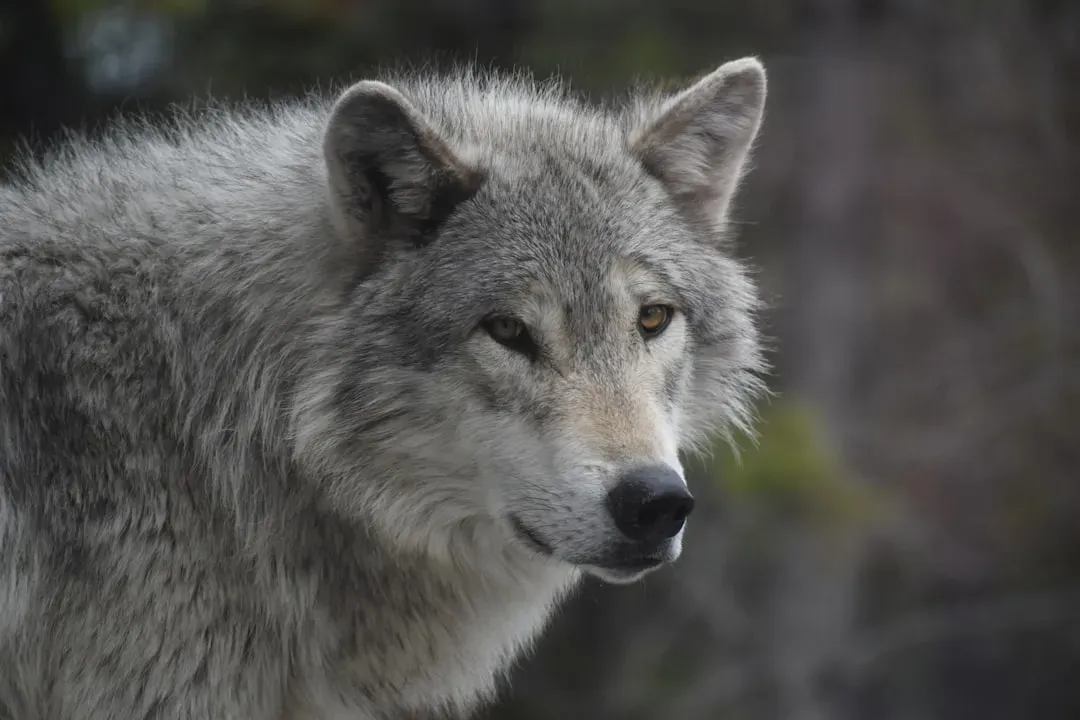
The story of wolves in Yellowstone is probably the most famous example of a trophic cascade in North America. The elimination of the gray wolf from the Greater Yellowstone Ecosystem had profound impacts on the trophic pyramid. Without predation, herbivores began to over-graze many woody browse species, affecting the area’s plant populations. Wolves were killed off by the mid-1920s, and for seven decades the ecosystem struggled without them.
What happened next is textbook ecology. Elk herds competed for food resources, and plants such as grasses, sedges, and reeds did not have time or space to grow. Overgrazing influenced the populations of other species, such as fish, beaver, and songbirds. Even the physical landscape changed. The physical geography of the Greater Yellowstone Ecosystem was also impacted by the loss of wolves and subsequent elk overgrazing. Stream banks eroded as wetland plants failed to anchor valuable soil and sediments. Lake and river temperatures increased as trees and shrubs failed to provide shaded areas.
Starting in the 1990s, the U.S. government began reintroducing wolves to the Greater Yellowstone Ecosystem. The results have been noteworthy. Elk populations have shrunk, willow heights have increased, and beaver and songbird populations have recovered. The changes didn’t happen overnight, though. Research, which utilized previously published data from 25 riparian (streamside) sites and collected over a 20 year period, from 2001 to 2020, revealed a remarkable 1,500% increase in willow crown volume along riparian zones in northern Yellowstone National Park, driven by the effects on elk due to a restored large carnivore guild following the reintroduction of wolves in 1995–96, and other factors.
Here’s where it gets fascinating. Wolves have this beneficial Trophic Cascade effect for one simple reason: They make elk run. It’s not just about killing elk – it’s about keeping them moving. Entire herds like to go to riversides and eat everything they can find in one place (grasses, bushes, saplings, even small trees) before moving onto another and doing the same thing. After decades without wolf predation, elk had denuded Yellowstone’s landscape and killed many of the smaller trees that line riverbanks. When wolves were reintroduced, the elk herds could no longer sit in one place and eat everything nearby. They were forced to keep moving in response to wolf predation.
When the grey wolf was reintroduced into the Greater Yellowstone Ecosystem in 1995, there was only one beaver colony in the park, said Doug Smith, a wildlife biologist in charge of the Yellowstone Wolf Project. Today, the park is home to nine beaver colonies, with the promise of more to come, as the reintroduction of wolves continues to astonish biologists with a ripple of direct and indirect consequences throughout the ecosystem. The wolves brought back the beavers without even touching them.
Wolves perform one other essential ecosystem service: They keep coyote populations in check. As with the rest of the country, coyote populations were nearly out of control in Yellowstone before the wolves returned. Now, the coyotes have been out-competed and essentially reduced by nearly 80% in areas occupied by wolves. This means more food for raptors and other predators. The strength of the Yellowstone trophic cascade observed in this study surpasses 82% of strengths presented in a synthesis of global trophic cascade studies, underscoring the strength of Yellowstone’s willow recovery process. It’s hard not to be impressed by these numbers.
The Sea Otter: Guardian of Kelp Forests
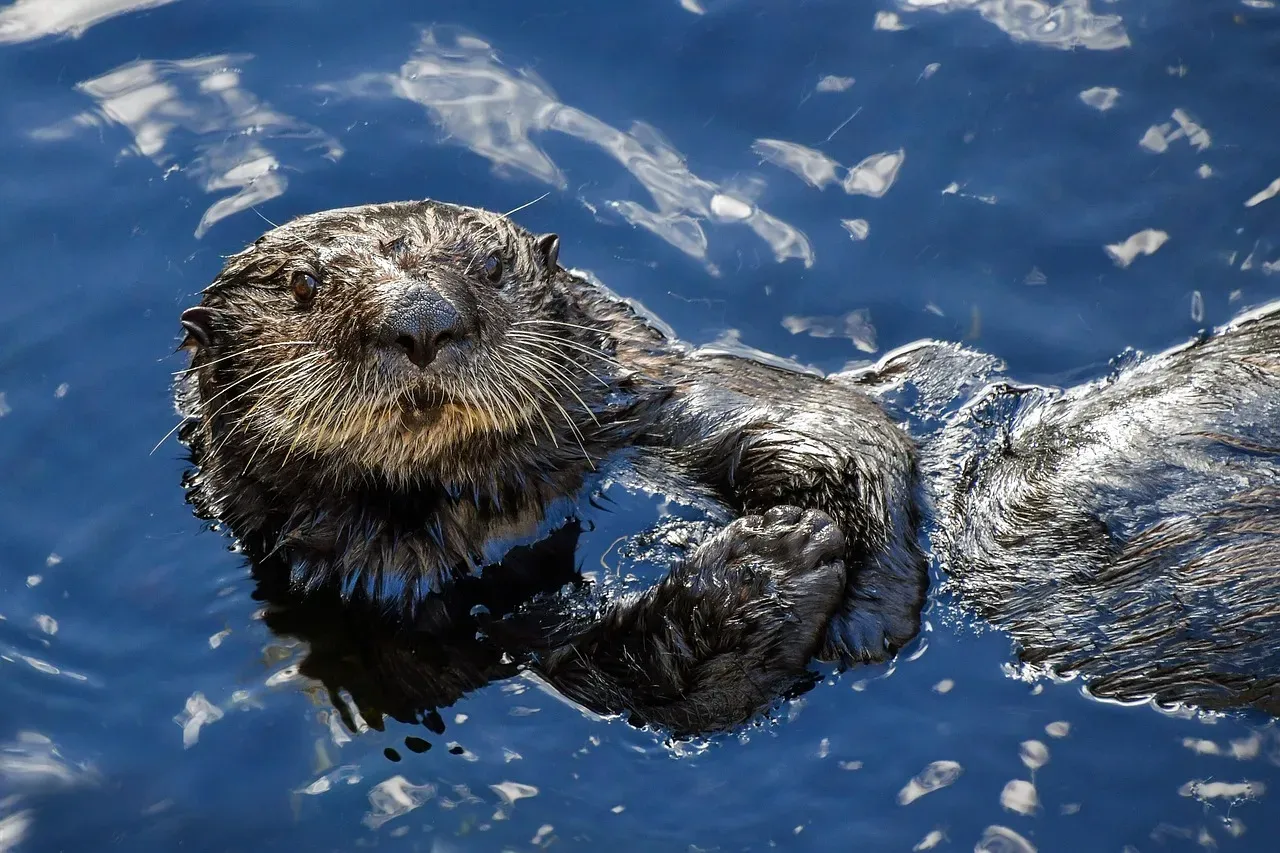
If beavers are the landscape architects of rivers, sea otters are the gardeners of the Pacific coast. Sea otters protect kelp forests from damage by sea urchins. When the sea otters of the North American west coast were hunted commercially for their fur, their numbers fell to such low levels – fewer than 1000 in the north Pacific ocean – that they were unable to control the sea urchin population. The urchins, in turn, grazed the holdfasts of kelp so heavily that the kelp forests largely disappeared, along with all the species that depended on them.
Let’s be real for a moment – sea urchins are eating machines. Purple sea urchins are voracious grazers that sweep across the ocean floor to feed on standing kelp. When sea otters munch on these small, spiky animals, they keep urchin populations low enough for kelp forests to flourish. Without otters around to control them, urchins can completely devastate underwater forests, turning them into barren seafloor wastelands.
Kelp forests harbor a greater variety and higher diversity of animals and plants than almost any other ocean community. These underwater forests are essential nurseries for fish, shelter for seals and sea lions, and feeding grounds for countless invertebrates. When sea otters were reintroduced along the coastlines of islands in Southern California and British Columbia, researchers saw kelp forests return to areas that were destroyed by sea urchins. But how slow or fast they grew back depended on the location – and until now, scientists didn’t understand why. New CU Boulder research found sea otters, an important keystone species, play a vital role in kelp forest recovery, but their level of influence depends on what other species they interact with in salty Pacific Ocean waters.
What’s interesting is the carbon connection. Studies have shown a kelp forest without sea otters can capture 4.4 megatons of carbon dioxide, whereas a kelp forest with otter protection can capture nearly twice as much at 8.7 megatons. That’s a massive difference. Healthy kelp forests store up to 20 times more carbon per acre than forests on land. Sea urchins are one of the sea otter’s favorite foods, which is good news for kelp forests because sea urchins eat a lot of kelp.
The otters themselves are adorable little eating machines. Sea otters have a high metabolism they need to fuel by eating a lot – as much as 25% to 30% of their body weight every day. Lactating mothers need to eat twice that amount. Can you imagine eating a quarter of your body weight daily? That would be like a 150-pound person consuming nearly 40 pounds of food every single day.
Historically, sea otters lived all along the coasts of the North Pacific Ocean from northern Japan to Russia, Alaska, Canada, Washington, Oregon, California, and Baja California in Mexico. Starting in the early 1700s, their beautiful, thick fur became a luxury commodity in the fur trade industry and nearly led to their extinction. Before the fur trade their populations were estimated at up to 300,000 individuals across their range. Traders hunted so many sea otters that by the early 1900s there were only about 13 remnant populations of 2,000 sea otters left in the world scattered throughout their historical range. The fur trade nearly wiped them out completely, and coastal ecosystems paid the price.
The American Bison: Grassland Engineer
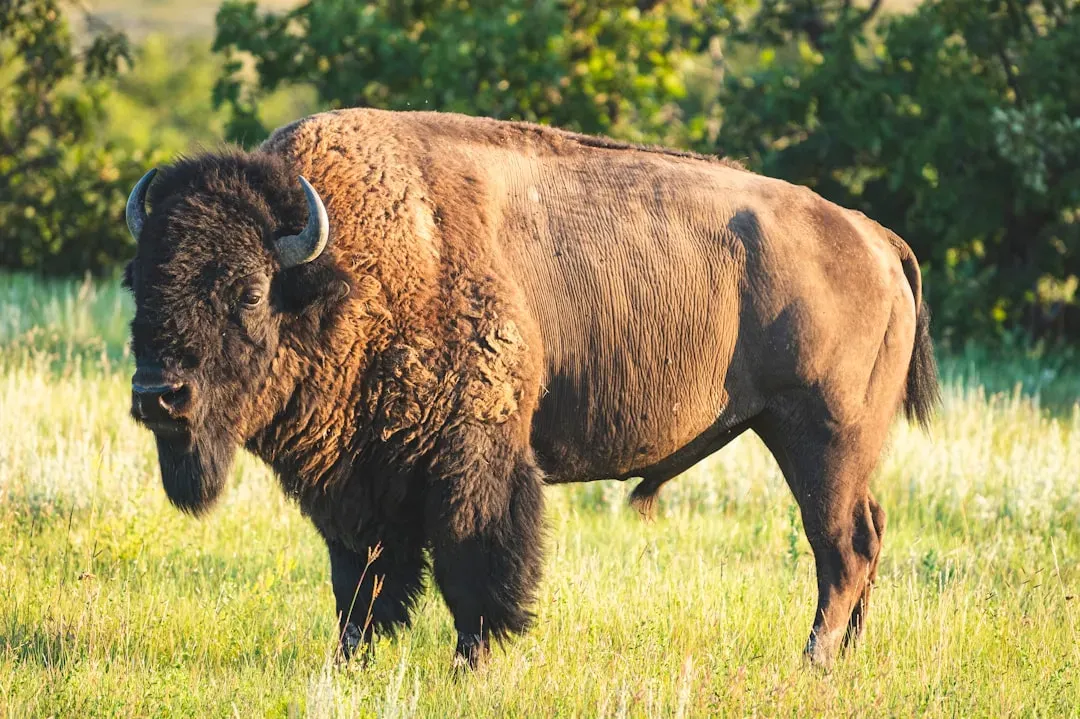
The American bison – a centerpiece of the Department’s seal and designated as the U.S. National Mammal since 2016 – is inextricably intertwined with grassland ecology and American culture. The species once numbered 60 million in North America, with the population anchored in what is now the central United States. Sixty million. Let that sink in for a moment. These massive animals once moved across the Great Plains in herds that stretched to the horizon.
Bison are a keystone species. This means that bison shape the ecosystem to such a degree that if their presence is lost it would change drastically and have negative impacts on many other species that depended on them and their habits. Their grazing behavior is what makes them special. By grazing and wallowing, bison break the soil’s surface to allow rainfall to be absorbed into the grassland roots. As bison graze, their vigorous munching spurs the growth of new, nutritious plant shoots, sending roots deeper into the soil, which promotes carbon sequestration.
The way bison move is crucial. Moving across the prairie, bison supply nutrients to the soil through their dung and urine (which are rich in nitrogen, a vital component for plant growth) and disperse seeds that continue to populate the ecosystem. Bison are enthusiastic grazers, and their movements across the grasslands have been referred to as a “green wave,” because it stimulates incredible plant growth across the landscape. They’re basically mobile fertilizer factories that also happen to be seed dispersal units.
Bison poop, it turns out, is an entire ecosystem of its own. According to the National Park Service (which has a great overview of the connections between bison poop and healthy prairies), “bison pies are elixirs of nutrients for the prairie, spreading seeds, fertilizing the soil, and attracting insects” like dung beetles and flies. Honestly, who knew that poop could be so important?
Bison graze the grasses at different heights, providing nesting grounds for birds. They also roll around and pack down the soil in depressions in the ground known as wallows. Their wallows fill with rainwater and offer breeding pools for amphibians and sources of drinking water for wildlife across the landscape. These wallows become miniature wetlands scattered across the prairie, creating habitat where none existed before.
The collapse of bison populations was catastrophic for prairie ecosystems. Centuries ago, bison populations measured in the tens of millions, with a range that spanned across the Great Plains and beyond. Large-scale hunting in the 19th century drove the species near to extinction, and today there are only about 500,000 bison in North America. Of those 500,000, the vast majority are raised as livestock, while a small fraction are managed in conservation herds to protect the species. The grasslands lost their most important engineer, and the ripple effects are still being felt today.
The Prairie Dog: Underground City Builder
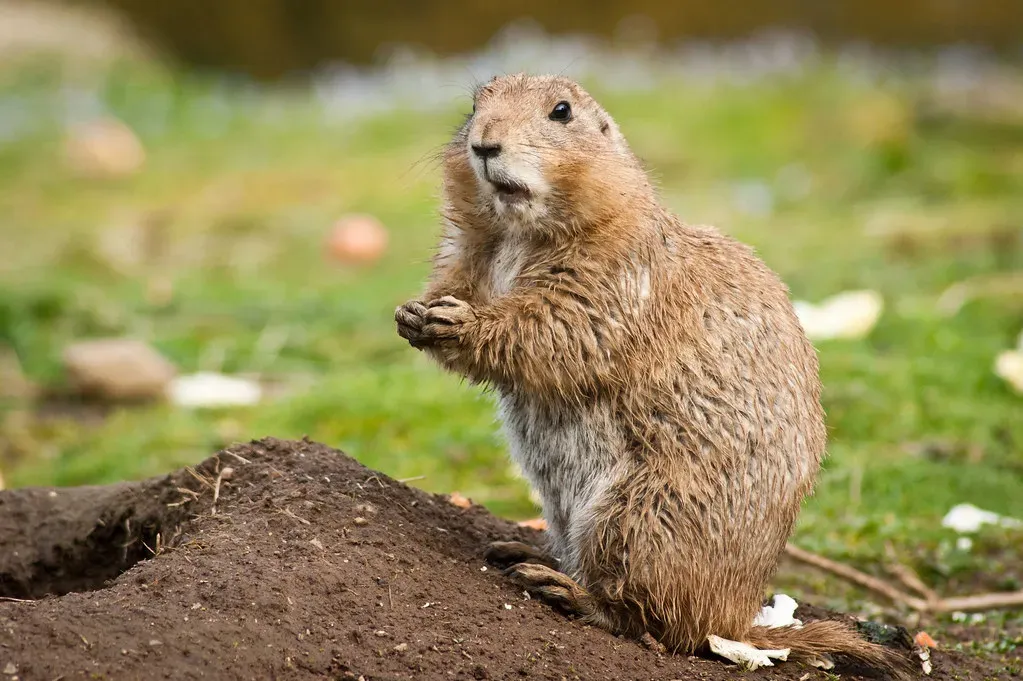
In North America, the prairie dog is an ecosystem engineer. These social rodents create vast underground networks that can stretch for miles, creating what are essentially prairie cities beneath our feet. Their burrows provide shelter not just for themselves but for dozens of other species that rely on these ready-made homes.
The North American grasslands are home to prairie dogs. The keystone species is more than prey for nearby predators that include hawks, bobcats, foxes, coyotes, badgers, and golden eagles. Their holes and tunnels help aerate the soil allowing seeds to easily germinate. Prairie dog holes also provide shelter for other burrowing animals. It’s a classic case of one species creating opportunities for many others.
The relationship between prairie dogs and bison is particularly interesting. Prairie dogs prefer to nest in areas that bison heavily graze. Short grasses provide ideal areas to dig burrows and serve as a source of food. So bison create the perfect conditions for prairie dogs, which then modify the landscape further through their burrowing activities. It’s ecosystem engineering stacked on top of ecosystem engineering.
What makes prairie dog colonies so valuable is the way they transform soil structure. When they dig their extensive tunnel systems, they essentially till the prairie, bringing nutrients from deeper layers to the surface and allowing air and water to penetrate further into the ground. This creates better growing conditions for prairie plants, which in turn support more insects, which feed more birds and small mammals.
Prairie dogs also serve as a critical food source for many predators. Black-footed ferrets, one of North America’s most endangered mammals, depend almost entirely on prairie dogs for food and use abandoned prairie dog burrows for shelter. When prairie dog populations decline, ferret populations crash right along with them.
Unfortunately, prairie dogs have been systematically poisoned and shot as agricultural pests for over a century. Their colonies once covered millions of acres across the Great Plains, but they now occupy less than two percent of their historic range. The loss of prairie dog towns has cascading effects throughout grassland ecosystems, affecting everything from soil health to predator populations.
The Salmon: Nutrient Superhighway
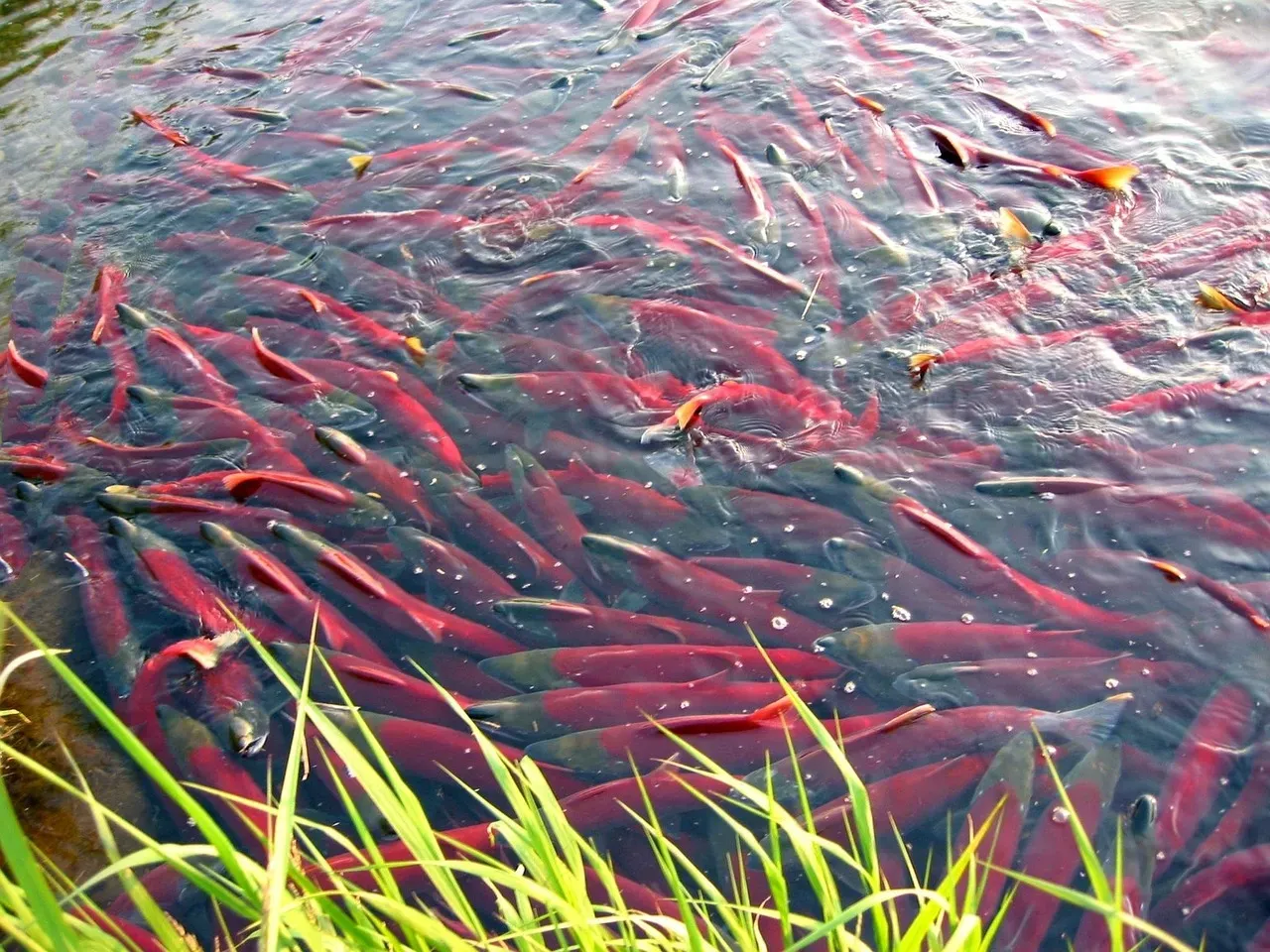
Pacific salmon might spend most of their adult lives in the ocean, but their most important ecological role happens when they return to freshwater streams to spawn. These fish are essentially nutrient delivery trucks, hauling marine-derived nutrients from the ocean deep into inland forests and streams.
When salmon die after spawning, their bodies break down and release nitrogen, phosphorus, and other nutrients that are relatively scarce in freshwater ecosystems. These nutrients fuel explosive growth in aquatic insects, which feed juvenile salmon and resident fish. The insects also emerge from the water as adults, carrying those marine nutrients onto land where they become food for spiders, birds, and other terrestrial animals.
Bears are probably the most famous salmon consumers, and they play a crucial role in distributing salmon nutrients throughout the forest. When bears catch salmon, they often drag them away from the stream to eat, leaving partially consumed carcasses scattered through the woods. This behavior fertilizes the forest floor and has been shown to boost the growth of trees near salmon streams significantly.
The trees growing along salmon streams grow faster and larger than trees along streams without salmon runs. This isn’t just good for the trees – it creates better shade cover over streams, which keeps water temperatures cooler for salmon and other cold-water species. The fallen leaves from these nutrient-enriched trees also provide food for aquatic insects, completing a remarkable cycle.
Scientists have tracked marine-derived nitrogen from salmon in everything from forest mushrooms to songbirds to black bears. The presence or absence of healthy salmon runs literally determines the productivity and biodiversity of entire watersheds. When salmon populations collapse, the effects ripple through both aquatic and terrestrial ecosystems in ways that can persist for decades.
Historically, salmon runs numbered in the tens of millions across the Pacific Northwest. Dams, habitat destruction, and overfishing have reduced many runs to a fraction of their former size. Restoring these populations isn’t just about saving fish – it’s about restoring the ecological processes that shaped these landscapes for thousands of years.
The Alligator: Wetland Gardener
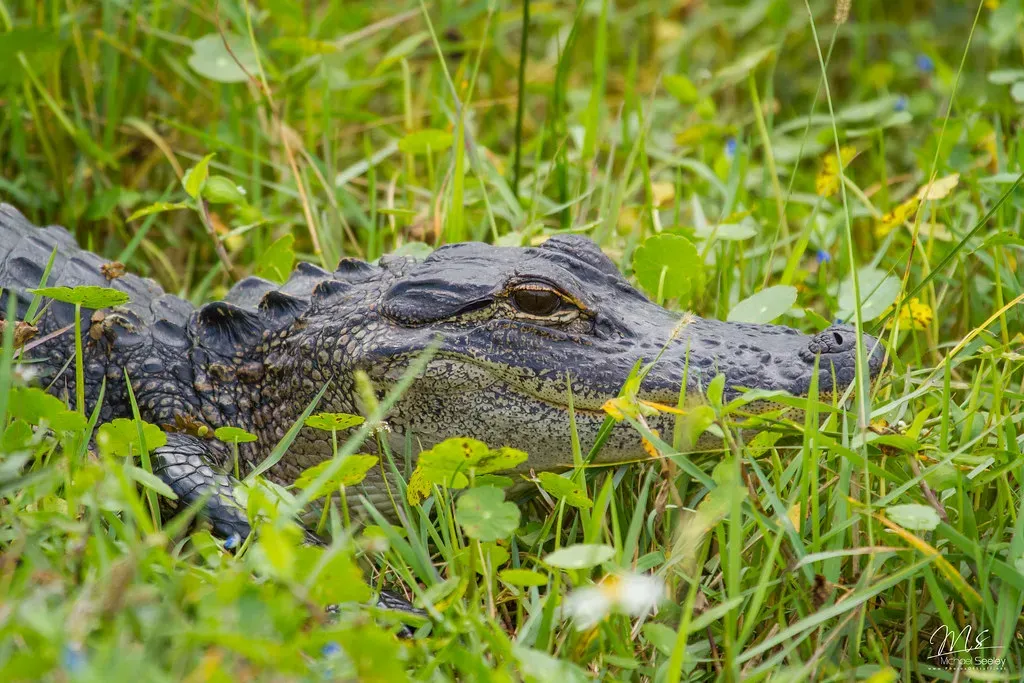
American alligators are found in swamps and other subtropical marshy ecosystems. Considered an apex predator at full-size, adult alligators have no natural predators and keep other animal populations from overwhelming freshwater ecosystems. These prehistoric-looking reptiles are far more important to their ecosystems than most people realize.
During dry seasons, alligators excavate deep holes in wetlands by removing mud and vegetation. These gator holes fill with water and become crucial refuges for fish, turtles, snails, and other aquatic life when surrounding wetlands dry up. Without these permanent water sources, many species simply couldn’t survive the dry season. Wading birds like herons and egrets concentrate around gator holes during droughts, feeding on the fish trapped there.
Alligator nests are also ecosystem engineers in their own right. Female alligators build large mound nests from vegetation, which decomposes and generates heat to incubate the eggs. After the eggs hatch, these abandoned nests become small islands that provide dry ground for plants and small animals in otherwise flooded wetlands.
The presence of alligators also influences the behavior of their prey species in ways that benefit the overall ecosystem. Prey animals avoid areas where alligators are common, which prevents overgrazing of aquatic vegetation in those zones. This creates a patchy mosaic of habitats with different vegetation structure, supporting higher overall biodiversity.
Alligators were hunted nearly to extinction for their valuable hides in the mid-20th century. Their dramatic recovery following protection under the Endangered Species Act is one of conservation’s great success stories. As alligator populations rebounded, so did the health and diversity of the wetlands they inhabit. The comeback of the alligator demonstrates how quickly ecosystems can respond when keystone species are protected.
The Saguaro Cactus: Desert High-Rise
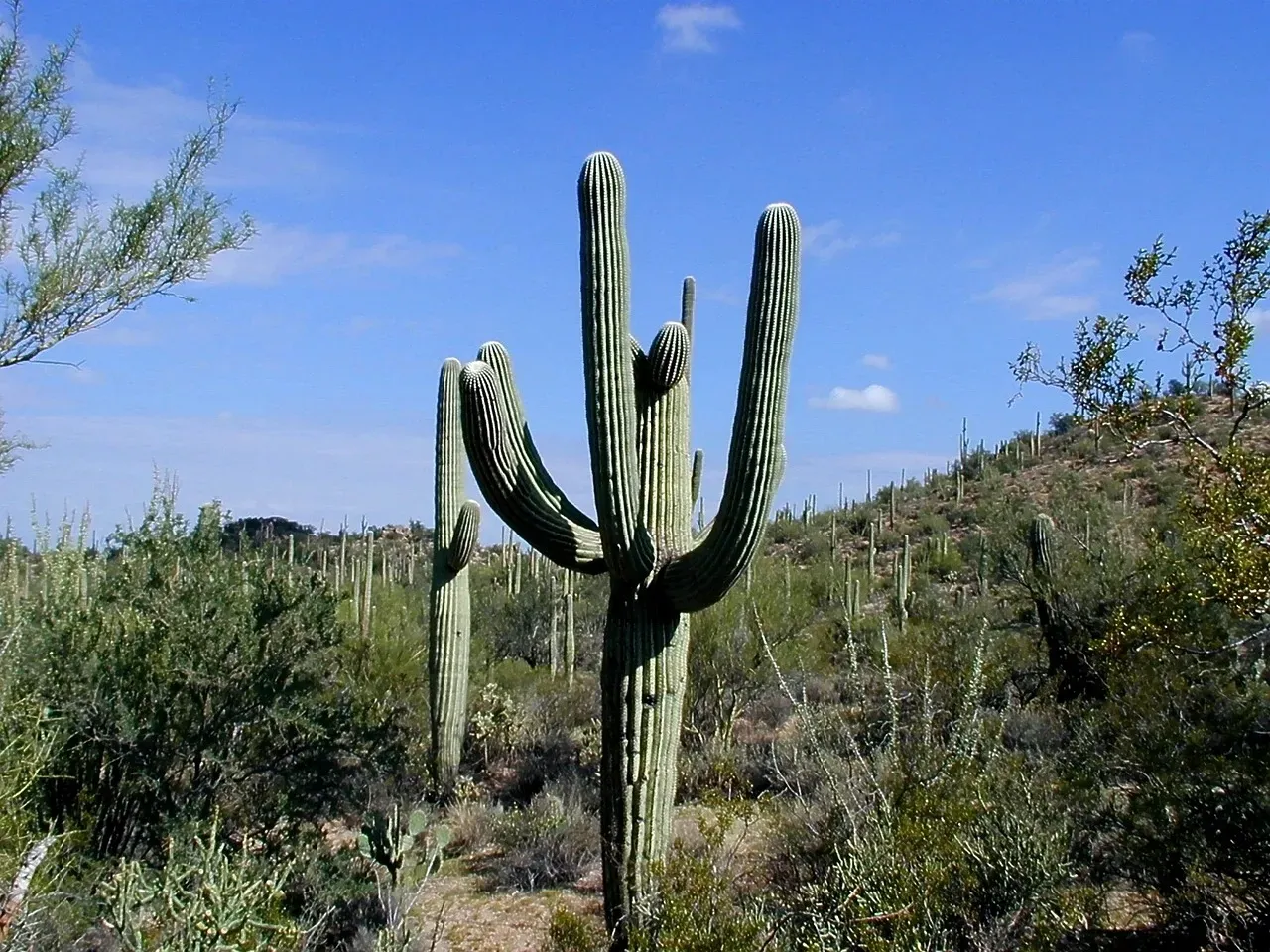
Recognizable by their “arms”, the saguaro cactus is the cornerstone of their habit. Birds build nests inside the plant’s pulpy flesh or with sticks piled in the crooks of its arms. The fruit, flowers, and flesh of the cactus are a food, water, and nectar source for bats, birds, insects, reptiles, and mammals in a climate where food and water sources may be scarce. These iconic giants can live for 200 years and grow to be 40 feet tall, creating crucial habitat in the harsh Sonoran Desert.
The relationship between saguaros and desert wildlife is intricate. Woodpeckers excavate nest cavities in the cactus flesh, and when they abandon these holes, they’re quickly occupied by elf owls, purple martins, flycatchers, and other cavity-nesting birds. Some saguaros can host multiple families of birds simultaneously in different cavities, essentially becoming apartment buildings for desert wildlife.
Saguaro flowers bloom at night and are primarily pollinated by lesser long-nosed bats, which migrate from Mexico to time their arrival with the saguaro blooming season. The bats feed on nectar and pollen, inadvertently transferring pollen between plants. During the day, white-winged doves and various bee species also visit the flowers. This pollination service is critical because saguaros grown from seed can take 10 years just to reach an inch in height, and don’t produce their first flowers until they’re 35 to 40 years old.
The bright red fruits that follow flowering are another crucial resource. They split open to reveal thousands of tiny black seeds embedded in sweet red pulp. Birds, bats, and mammals feast on this bounty, dispersing seeds across the desert. Indigenous peoples also traditionally harvested saguaro fruit, and the ripening of the fruit marked the beginning of the new year in the O’odham calendar.
When saguaros die, their dried wooden ribs have been used for centuries in construction and tool-making. Even in death, the cactus provides – the fallen trunk creates shelter for small mammals and reptiles, and the decomposing plant matter adds rare organic material to the desert soil. The saguaro’s 200-year lifespan means individual cacti can support multiple generations of desert wildlife, making them foundational to the entire Sonoran ecosystem.
Conclusion: The Delicate Balance
These eight species represent just a fraction of the keystone species that quietly hold North American ecosystems together. What’s striking is how different they are from each other – a rodent, a wolf, a marine mammal, a massive grazer, an underground engineer, a fish, a reptile, and a cactus. Yet they all share the ability to shape their environments in ways that allow hundreds of other species to thrive.
The removal of any keystone species sends shockwaves through an ecosystem. Elk populations explode without wolves. Kelp forests vanish without sea otters. Prairies lose their structure without bison. The good news is that restoration is possible. When wolves returned to Yellowstone or sea otters repopulated sections of the Pacific coast, ecosystems responded with remarkable resilience.
Understanding keystone species teaches us humility. We tend to think of nature as background scenery for human activity, but these species reveal how everything is interconnected in ways we’re only beginning to comprehend. A beaver dam affects not just fish and ducks, but forest health, fire resistance, and carbon storage. A wolf doesn’t just hunt elk – it changes rivers.
The challenge now is protecting and restoring these species while they still have habitats to occupy. Climate change, habitat loss, and human-wildlife conflict continue to threaten keystone species across the continent. Yet their stories also inspire hope. These species have proven they can bounce back when given the chance, and when they do, entire ecosystems heal along with them.
Did you expect bison poop to be so crucial to prairie health? Or that a sea otter’s appetite could determine whether an entire underwater forest survives? What do you think about these ecosystem engineers? Share your thoughts in the comments.

- 10 Unexplained Phenomena From Around the World That Still Baffle Researchers - July 25, 2026
- Which Raptor Are You According to Your Zodiac Sign - July 25, 2026
- The Most Enormous Badger Ever Found in America - July 25, 2026