
8. Mute Swans
🔥 Would you like to save this?
We'll email this post to you, so you can come back to it later!
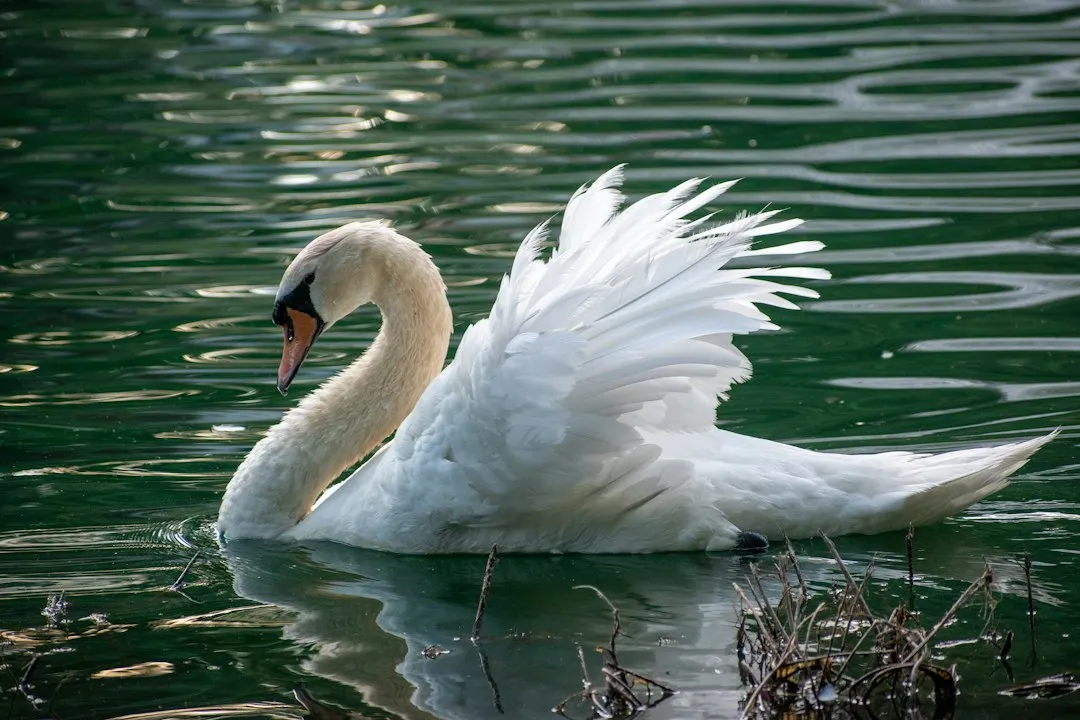
Mute swans arrived in North America from Europe and Asia in the late nineteenth century, often as ornamental additions to estates and parks. Over time escaped or released birds established wild populations along the Atlantic coast and in parts of the Great Lakes region. These large waterfowl consume substantial amounts of submerged aquatic vegetation each day, pulling up plants by the roots rather than nibbling selectively.
Their feeding habits reduce the availability of food and cover for native waterfowl and fish. Dense swan territories also crowd out smaller species during breeding season. In areas with high swan numbers, certain plant beds have thinned noticeably, altering the structure of shallow wetlands that once supported richer communities.
7. Grass Carp
🔥 Would you like to save this?
We'll email this post to you, so you can come back to it later!
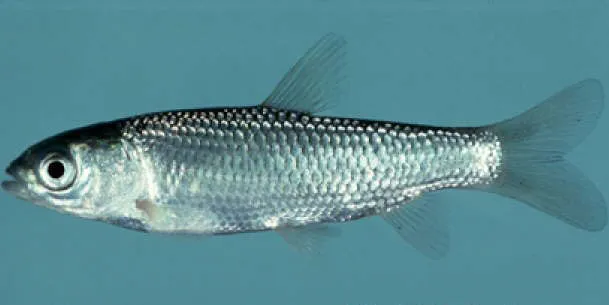
Grass carp were imported from Asia in the 1960s and 1970s to help manage aquatic weeds in ponds and reservoirs. Triploid sterile versions were later promoted to limit reproduction, yet fertile fish still appear in some waterways through illegal stockings or escapes. These large herbivores graze heavily on a wide range of submerged plants, sometimes clearing beds faster than native species can recover.
While they reduce nuisance vegetation in managed settings, their presence in natural wetlands can eliminate important habitat structure. Reduced plant cover affects water clarity, invertebrate populations, and the spawning success of certain fish. Ongoing monitoring tracks their spread through connected river systems where control proves difficult once established.
6. Red Swamp Crayfish
🔥 Would you like to save this?
We'll email this post to you, so you can come back to it later!
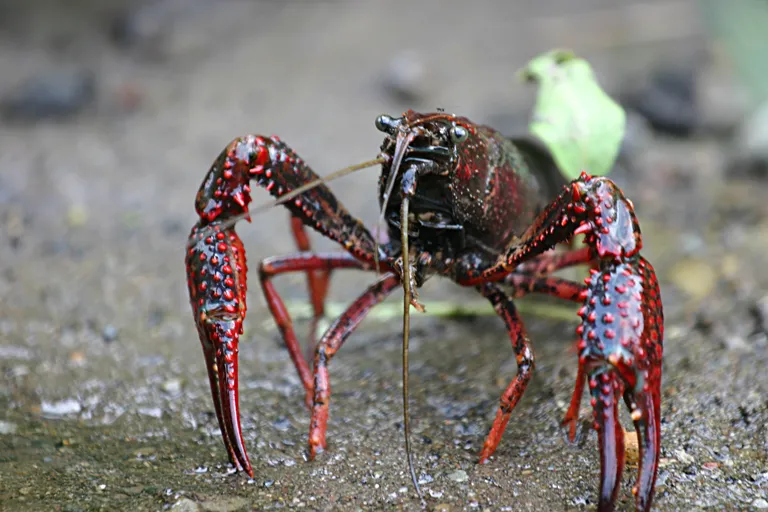
Red swamp crayfish originated in the southern United States but have spread far beyond their native range through aquaculture and the pet trade. In new wetland environments they burrow extensively into banks and bottoms while consuming both living plants and detritus. Their activity stirs sediments and can accelerate erosion along shorelines.
These crayfish compete with native crayfish species and alter plant communities by targeting tender shoots and roots. In some invaded marshes their populations reach high densities that reshape the physical environment. Their tolerance for varied conditions allows them to persist in disturbed or nutrient enriched waters where other species struggle.
5. Golden Apple Snails
🔥 Would you like to save this?
We'll email this post to you, so you can come back to it later!
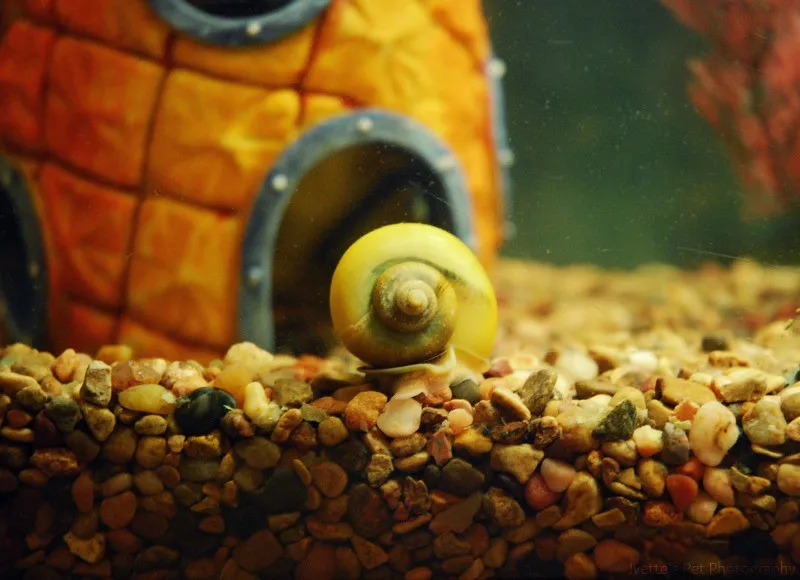
Golden apple snails were introduced from South America through the aquarium and food trades. In wetland settings they feed voraciously on aquatic vegetation, including young rice shoots and native marsh plants. Their rasping mouthparts allow them to consume large quantities of foliage and stems in short periods.
High snail densities can strip vegetation from shallow areas, leaving exposed mud that invites further erosion or colonization by less desirable species. Their presence also affects water quality through increased nutrient cycling from waste and decaying plant matter. Management efforts focus on preventing further spread into sensitive habitats.
4. Feral Horses
🔥 Would you like to save this?
We'll email this post to you, so you can come back to it later!
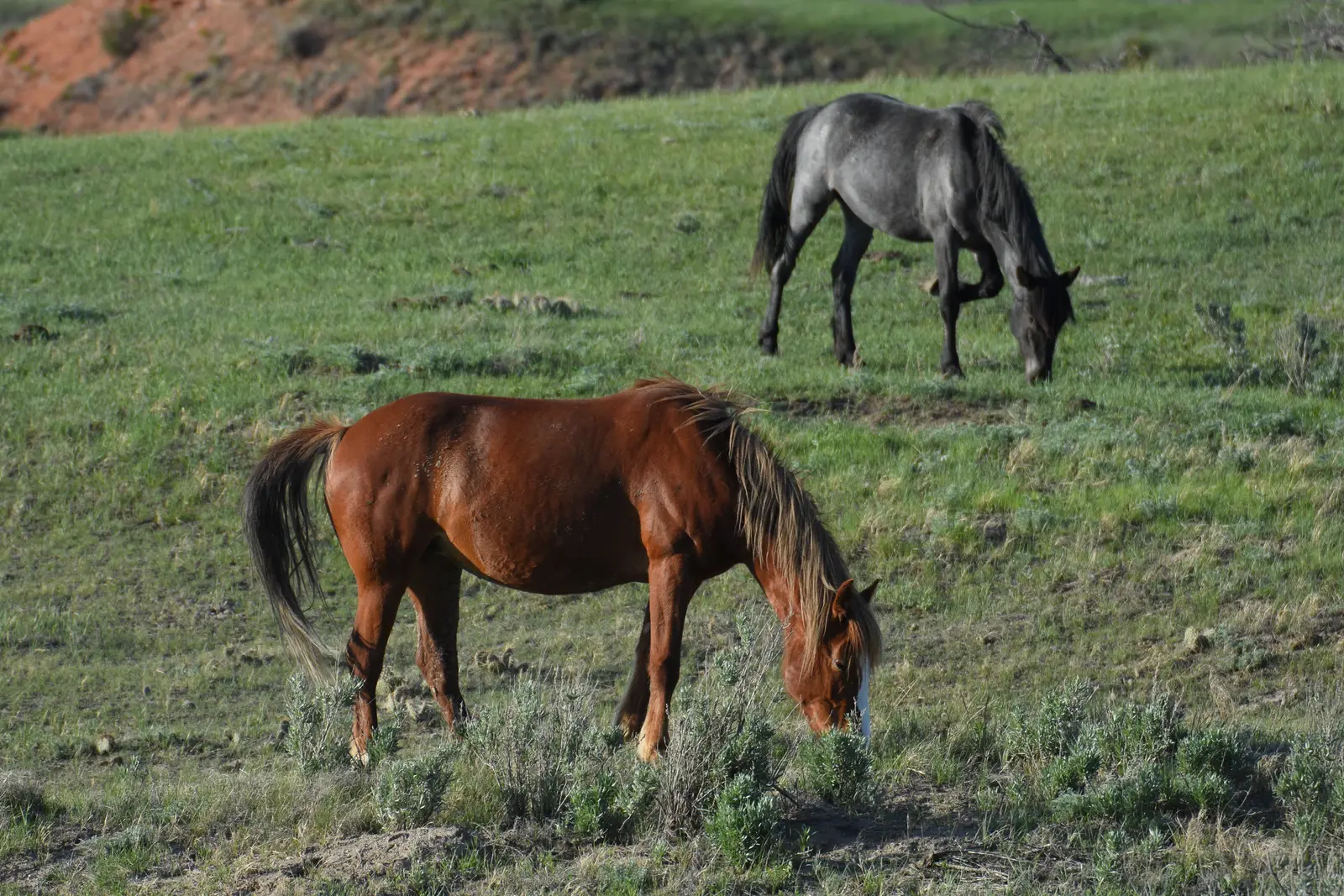
Feral horses descend from domestic stock that escaped or were released on public lands, including coastal barrier islands and western wetlands. Their grazing removes native grasses and forbs while trampling sensitive soils around water edges. In marshy areas their hooves compact sediments and create paths that channel water differently.
Over time these pressures reduce plant cover and alter the mix of species that can survive repeated disturbance. Coastal populations in particular affect dune and wetland transitions that buffer against storms. Population management remains contentious yet necessary in places where numbers exceed the land’s capacity to recover.
3. Axis Deer
🔥 Would you like to save this?
We'll email this post to you, so you can come back to it later!
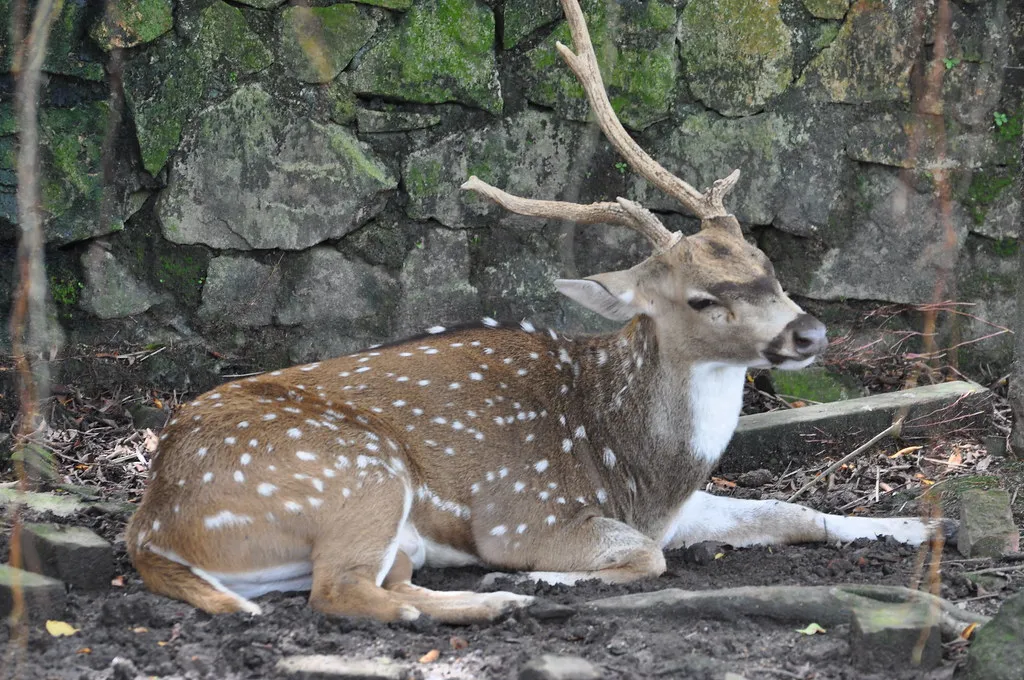
Axis deer from South Asia were introduced to parts of Texas and other regions for hunting. These adaptable grazers browse a broad range of vegetation, including wetland edges and riparian zones. Their selective feeding favors certain palatable plants while leaving others, shifting community composition over successive seasons.
In wetland margins their numbers can suppress seedling establishment of native trees and shrubs. Combined with rooting behavior in some populations, they disturb soils and create openings for invasive plants. Their year round breeding potential supports steady population growth in suitable habitats.
2. Feral Swine
🔥 Would you like to save this?
We'll email this post to you, so you can come back to it later!
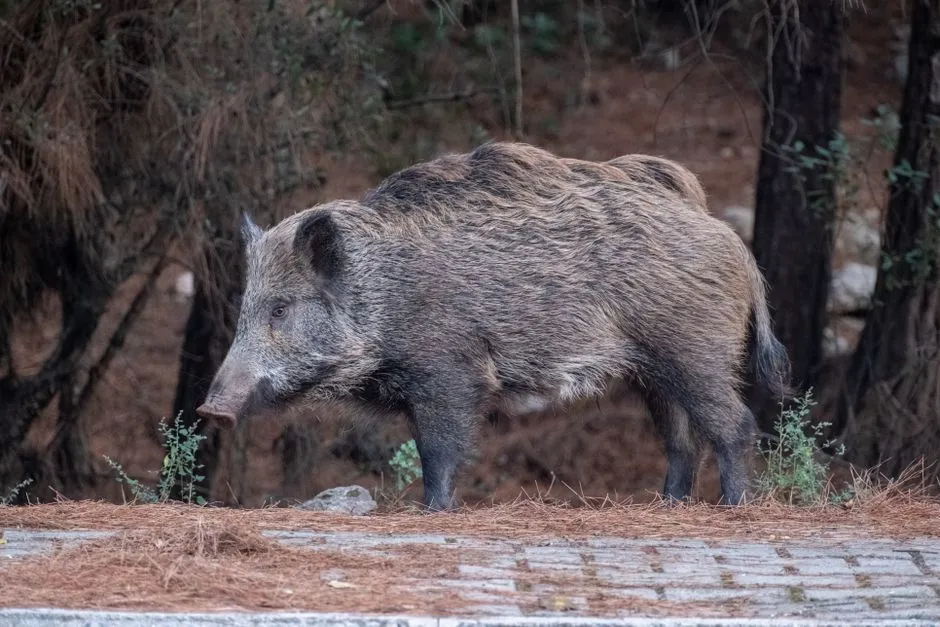
Feral swine combine escaped domestic pigs with Eurasian wild boar genetics and now occupy dozens of states. These omnivores root aggressively through wetland soils in search of tubers, roots, and invertebrates. Their foraging upends vegetation mats and creates wallows that hold water and alter local hydrology.
The disturbance favors weedy species and reduces the cover of native marsh plants that stabilize banks. In addition to direct consumption, their trampling slows recovery of damaged areas. Control programs in several states have shown that sustained removal can allow vegetation to rebound, though reinvasion remains a constant challenge.
1. Nutria
🔥 Would you like to save this?
We'll email this post to you, so you can come back to it later!
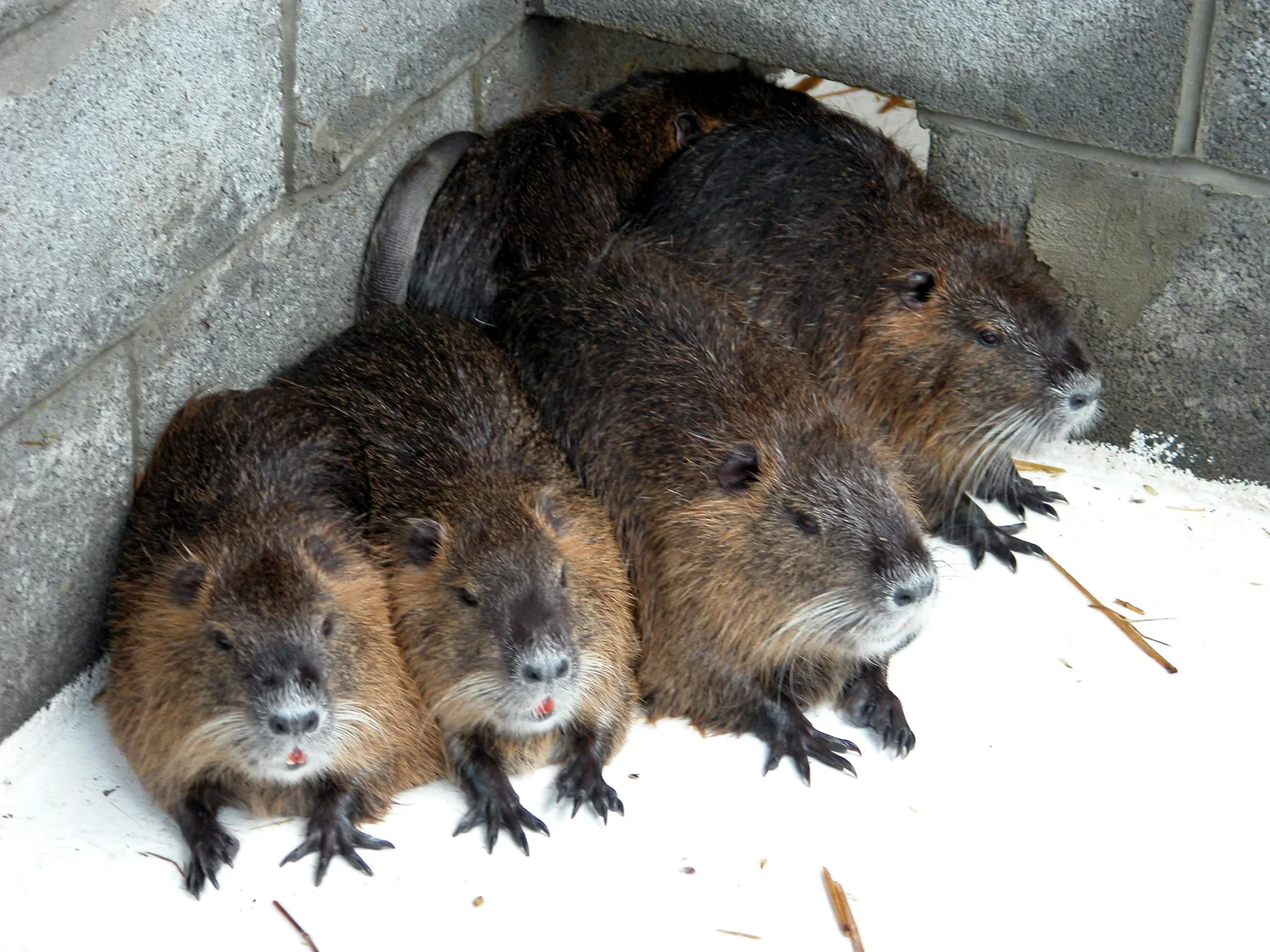
Nutria reached the United States from South America in the nineteenth century for the fur industry. When markets collapsed many animals were released or escaped into southern and coastal wetlands. These large rodents consume up to a quarter of their body weight daily in vegetation, targeting roots and rhizomes that hold marsh soils together.
The result is often bare patches known as eat outs where entire plant communities disappear and erosion accelerates. Nutria have contributed to significant marsh loss in Louisiana and the Chesapeake Bay region. Eradication efforts in targeted refuges have allowed some recovery, demonstrating that removal can restore balance when pursued consistently.
Looking Ahead
🔥 Would you like to save this?
We'll email this post to you, so you can come back to it later!
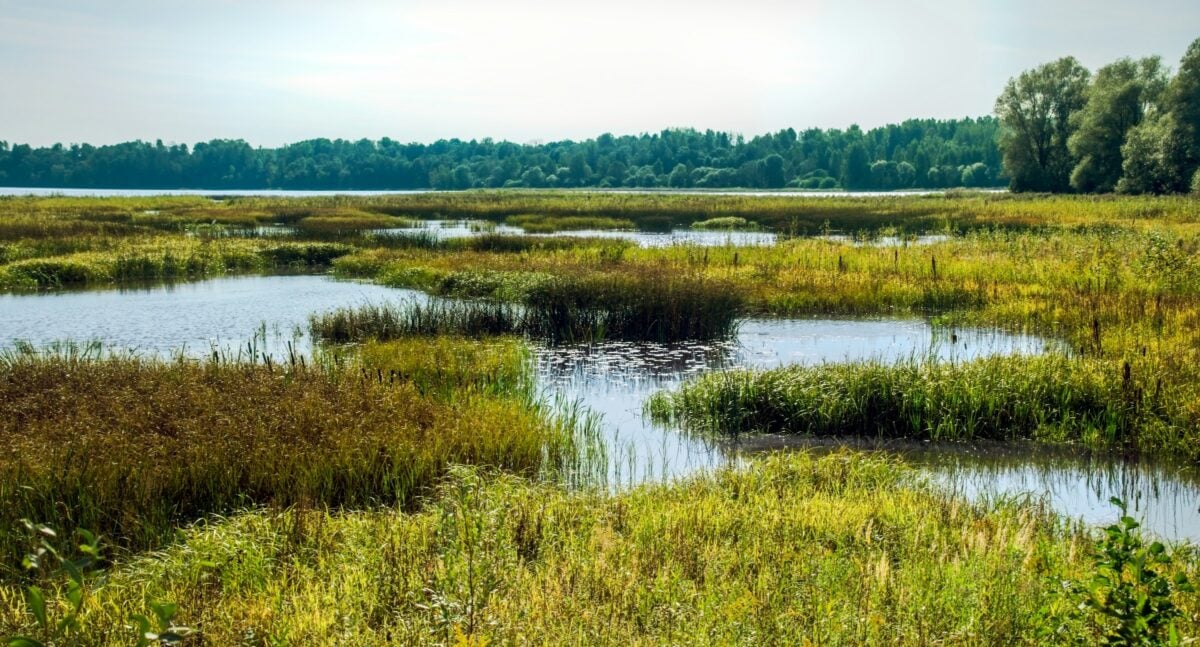
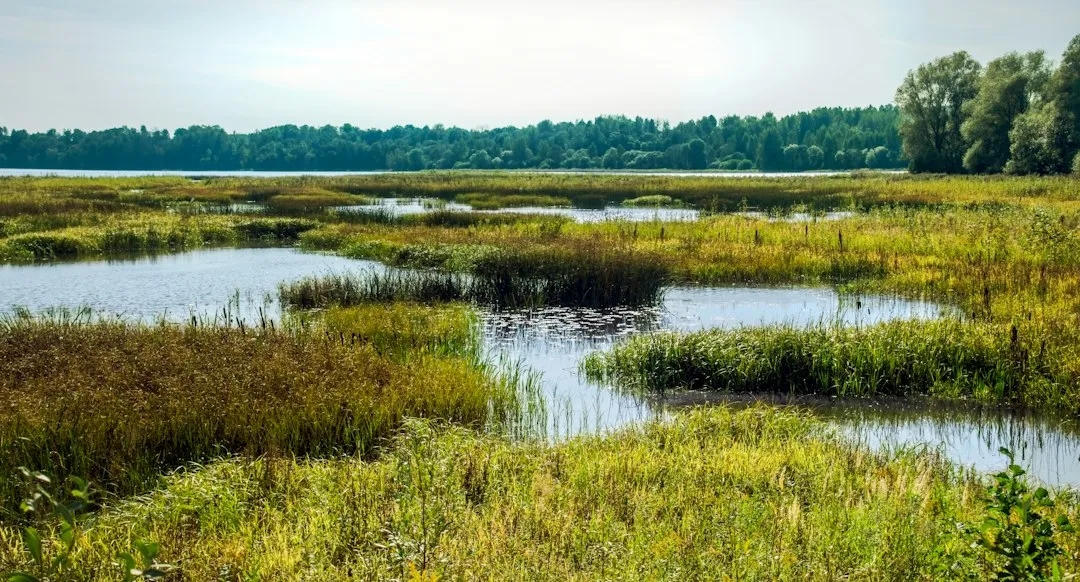
These eight species illustrate how introductions intended for narrow purposes can produce broad, lasting consequences for wetlands that millions of native organisms depend upon. Their feeding and movement patterns compound other stresses such as nutrient pollution and sea level rise. Effective responses require coordinated detection, sustained control, and public awareness of how everyday releases or escapes contribute to the problem.
Restoration succeeds most reliably when it pairs removal with habitat work that favors native plants and animals. The wetlands that remain intact still offer resilience against floods and support biodiversity that benefits everyone. Continued attention to these invaders can help preserve that value for future generations rather than allowing further quiet losses beneath the surface.

- 7 Everyday Habits That Can Make Your Senior Dog Happier - November 5, 2026
- 10 Enigmatic Structures That Continue to Puzzle Scientists Today - November 5, 2026
- 10 Strange Ruins in the Americas That Challenge What We Know About Early History - November 5, 2026