
Your dog can’t sigh out a complaint or slam a door. Yet most owners have had that moment when they glance across the room and feel a small pang, because something about the way their dog is lying there just looks off.
Dogs communicate through posture, eyes, ears, energy and routine, and the signals tend to be quiet. Researchers can’t read a dog’s mind, and “sad” is a human word we lend to a mix of stress, low mood and unmet needs. Still, the behaviors below are well recognized by vets and trainers as signs that something in your dog’s world isn’t working.
Their Eyes Avoid Yours
🔥 Would you like to save this?
We'll email this post to you, so you can come back to it later!
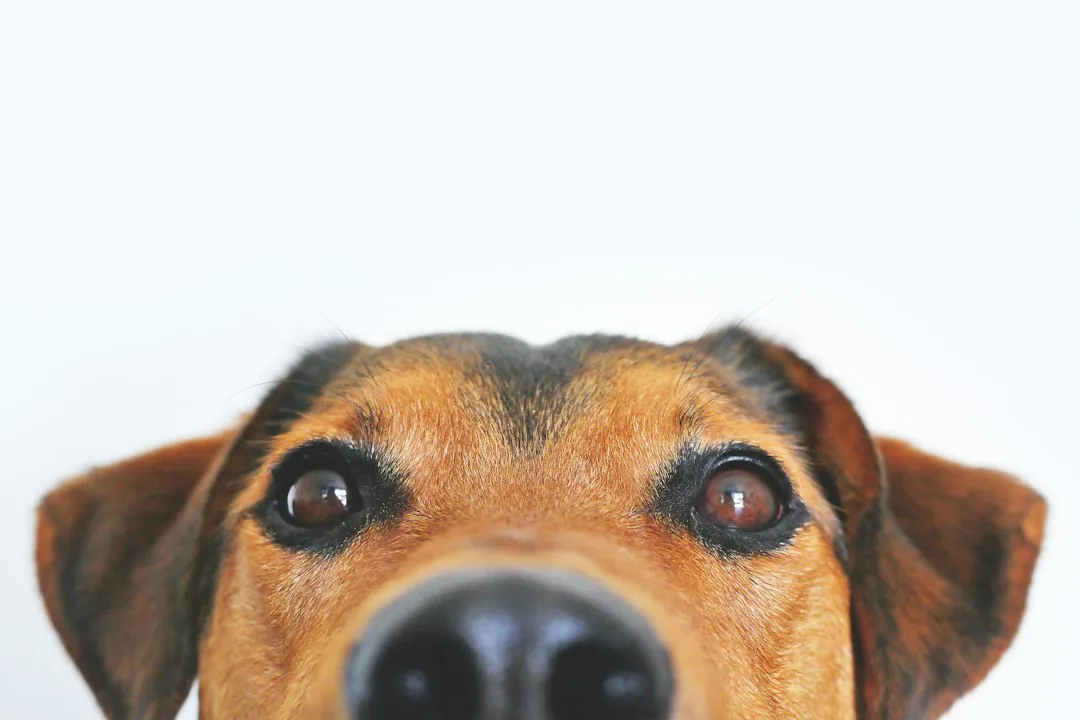
A dog who normally watches your every move may start looking away, or glance at you and quickly drop their gaze. Averted eyes are often a way dogs defuse tension or show unease. If your tone has been sharp lately, or the house has felt tense, you might see more of it.
Pay attention to the whites of the eyes too. A “whale eye,” where the head turns away but the eyes stay on you, usually signals discomfort. One odd moment means little, but a pattern is worth noticing.
The Tail Hangs Low and Barely Moves
🔥 Would you like to save this?
We'll email this post to you, so you can come back to it later!
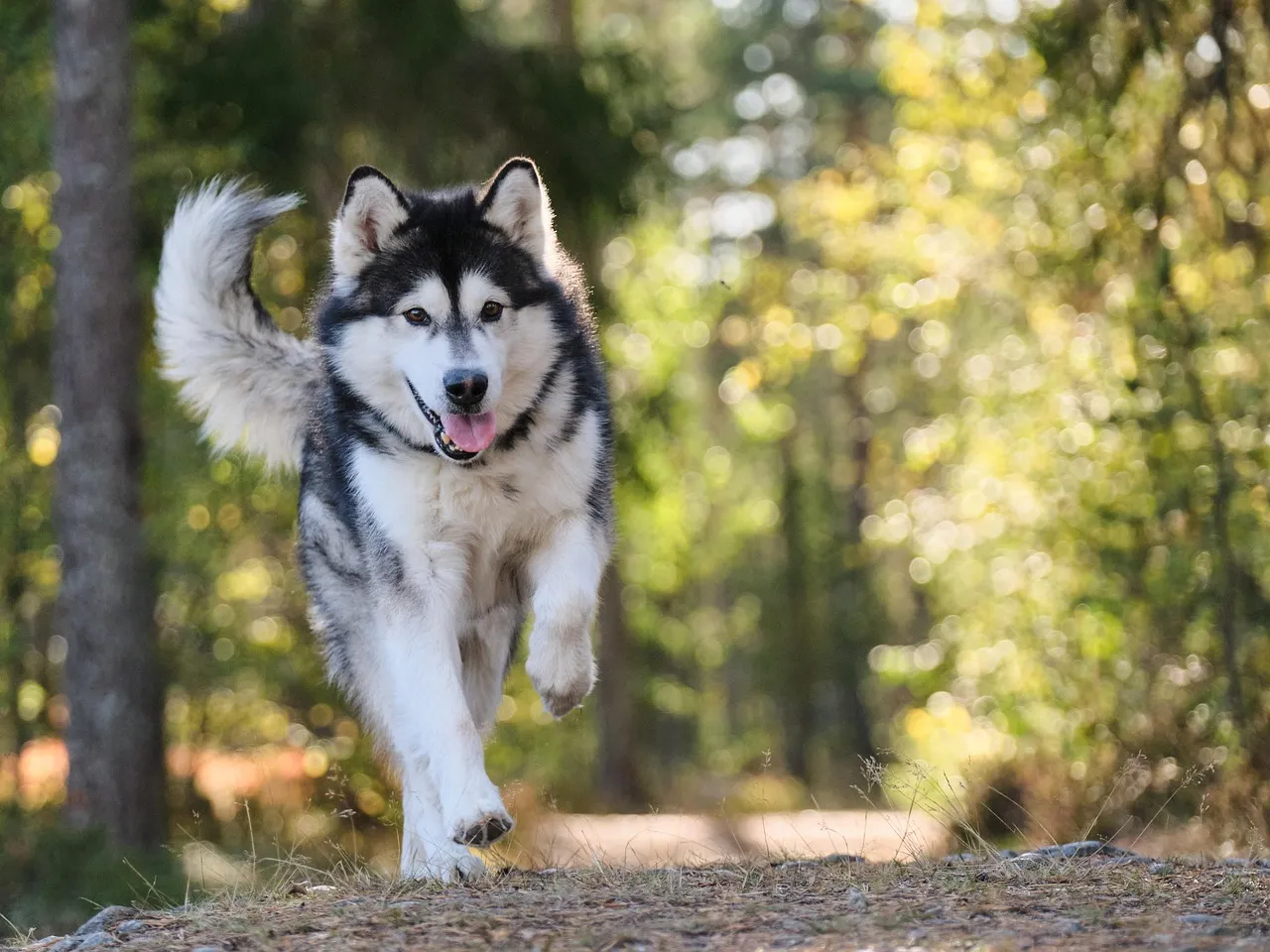
Tail position is one of a dog’s most readable signals. A tail held low, tucked, or still can point to worry, insecurity or low mood. A dog who used to wag when you walked in and now offers only a tiny flick is telling you something.
Context matters, since breeds carry their tails differently. Greyhounds sit low naturally, while huskies curl theirs up high. Compare your dog to their own normal, not to a textbook.
Ears Stay Flat or Pulled Back
🔥 Would you like to save this?
We'll email this post to you, so you can come back to it later!
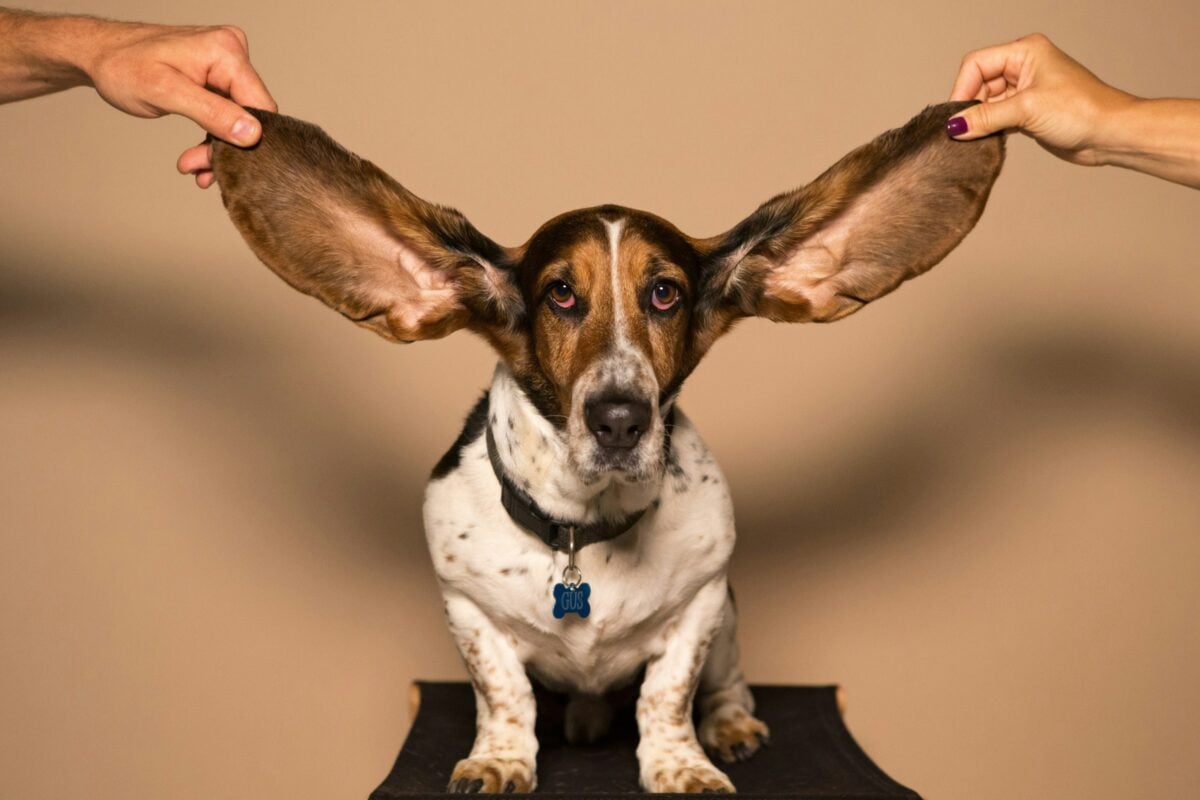
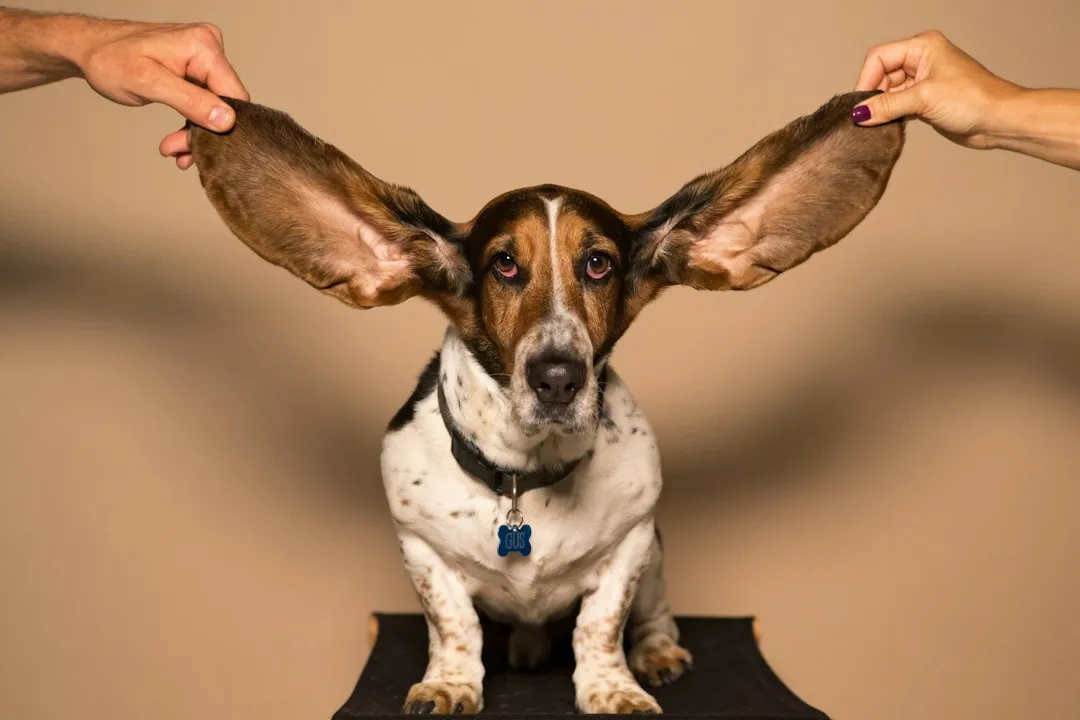
Ears move constantly when a dog is relaxed and curious. When they sit pinned back or flattened against the head, your dog is often anxious or unhappy. It’s a small detail, but it can show up well before anything dramatic does.
Floppy-eared breeds make this harder to read, so watch the base of the ear and the muscles around it. Combined with a lowered head, flat ears tend to say your dog feels uneasy about what’s happening around them.
They Lose Interest in Food and Treats
🔥 Would you like to save this?
We'll email this post to you, so you can come back to it later!
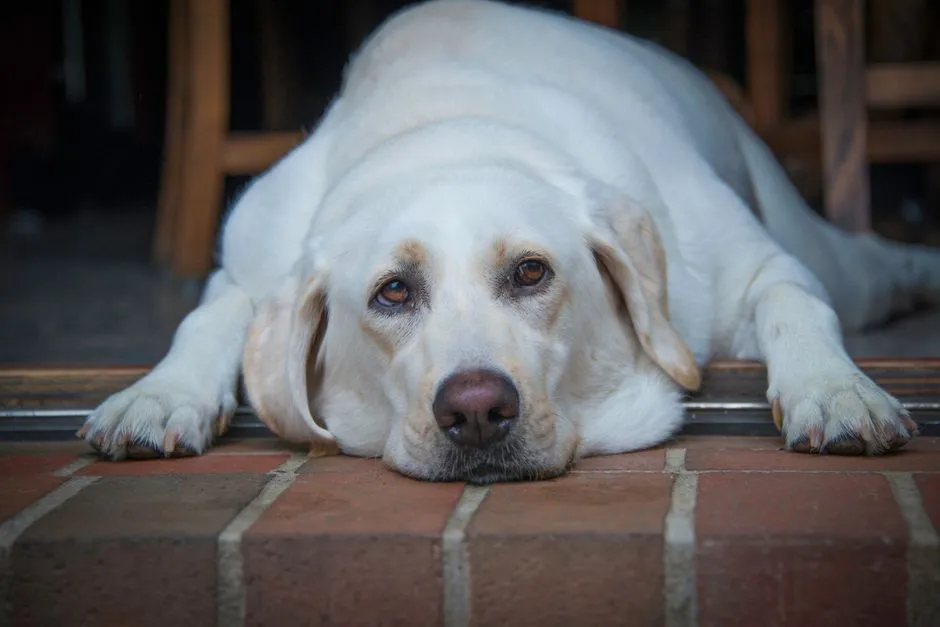
A dog who skips meals or ignores a favorite treat is communicating, even if quietly. Appetite changes can come from stress, a shift in routine, or grief after a loss in the household. They can also come from illness, so a vet visit is the safe first step if it lasts more than a day or so.
Emotional causes are real, though. Dogs often eat less after a move, a new schedule, or when an owner who used to be home all day suddenly isn’t. Sorting medical from emotional is exactly what your vet can help with.
Play Stops Being Fun
🔥 Would you like to save this?
We'll email this post to you, so you can come back to it later!
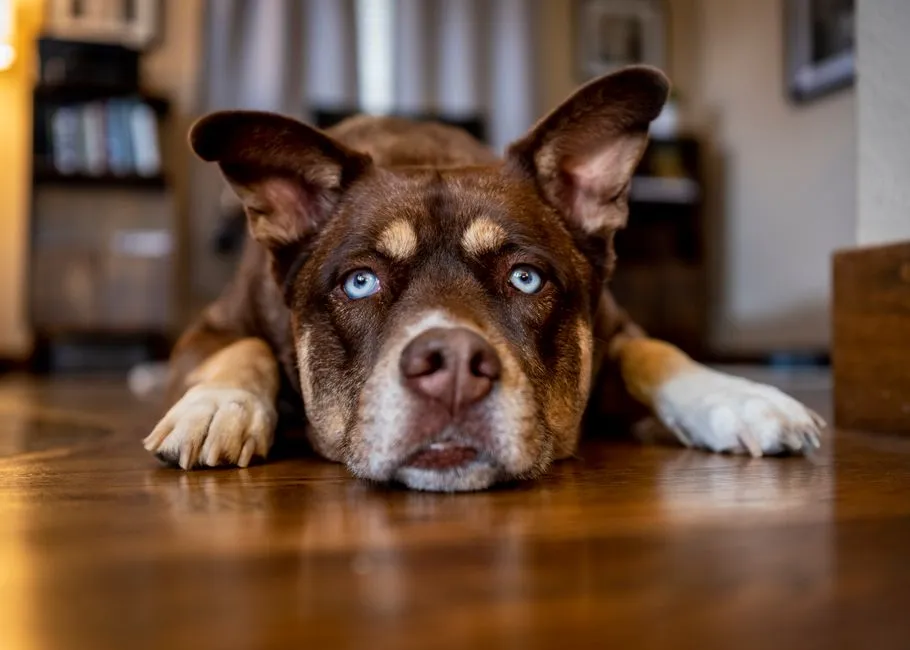
If the ball sits untouched and the tug rope gathers dust, take note. Loss of interest in activities they once loved is a commonly cited sign of low mood in dogs. It’s similar to how people withdraw from hobbies when they feel flat.
Try offering something different before assuming the worst. Sometimes a dog is simply bored, and a new puzzle toy or a different walking route brings the spark back. If nothing works for a couple of weeks, it’s time to ask a professional.
Sleeping More, or Sleeping Apart
🔥 Would you like to save this?
We'll email this post to you, so you can come back to it later!
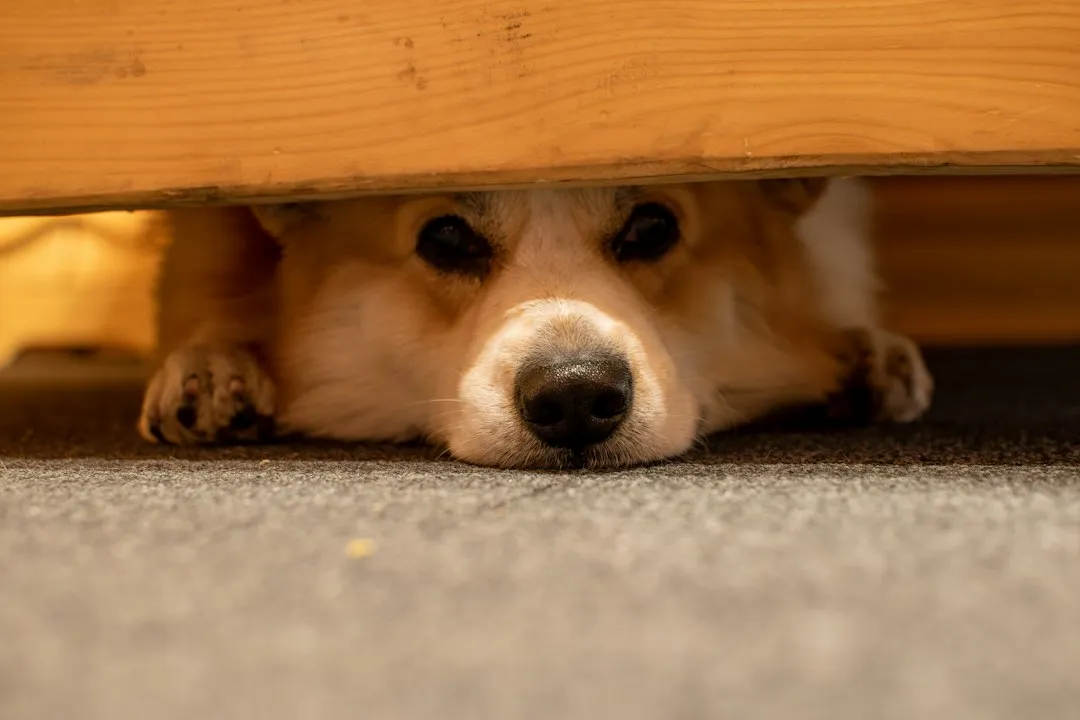
Dogs sleep a lot anyway, so changes can be subtle. Still, a dog who suddenly naps far more than usual, or retreats to a different room instead of curling up near you, may be pulling away. Withdrawal is a classic sign that something feels wrong.
Notice where they choose to rest. A dog hiding under a bed or behind furniture is often seeking safety. Pain can cause the same behavior, which is another reason to rule out health problems first.
Sighing, Whining and Heavy Exhales
🔥 Would you like to save this?
We'll email this post to you, so you can come back to it later!
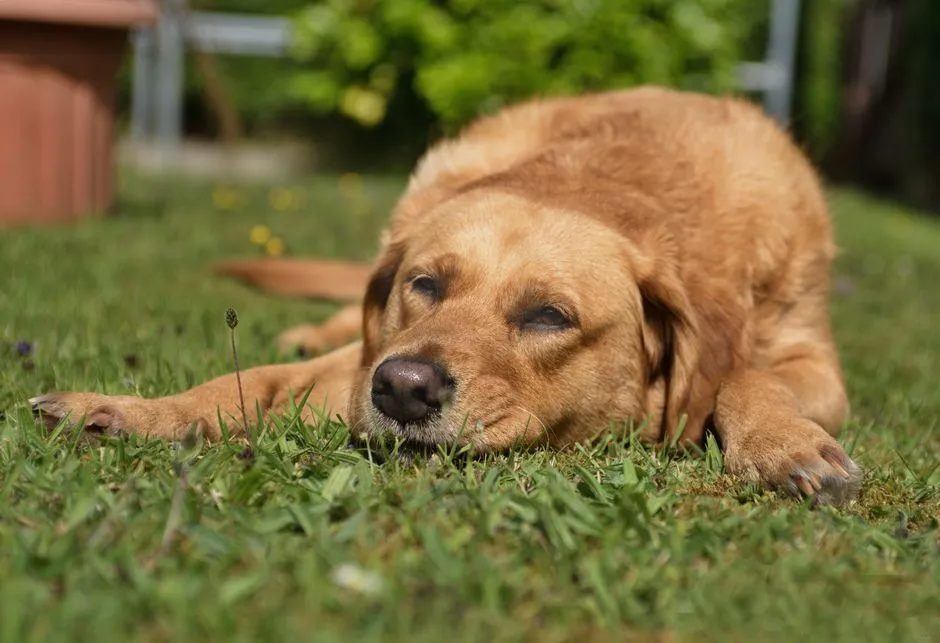
That long, deep sigh as your dog drops onto the floor isn’t always contentment. Sometimes it signals relaxation, but paired with drooping eyes and a flat posture, it can read as resignation. Soft whimpers or quiet whining when you’re leaving or ignoring them can express distress, too.
Listen to the situation around the sound. A sigh after a satisfying walk means something very different from one after being left alone all day. Your own judgment about the moment counts for a lot here.
Clinginess or Sudden Distance
🔥 Would you like to save this?
We'll email this post to you, so you can come back to it later!
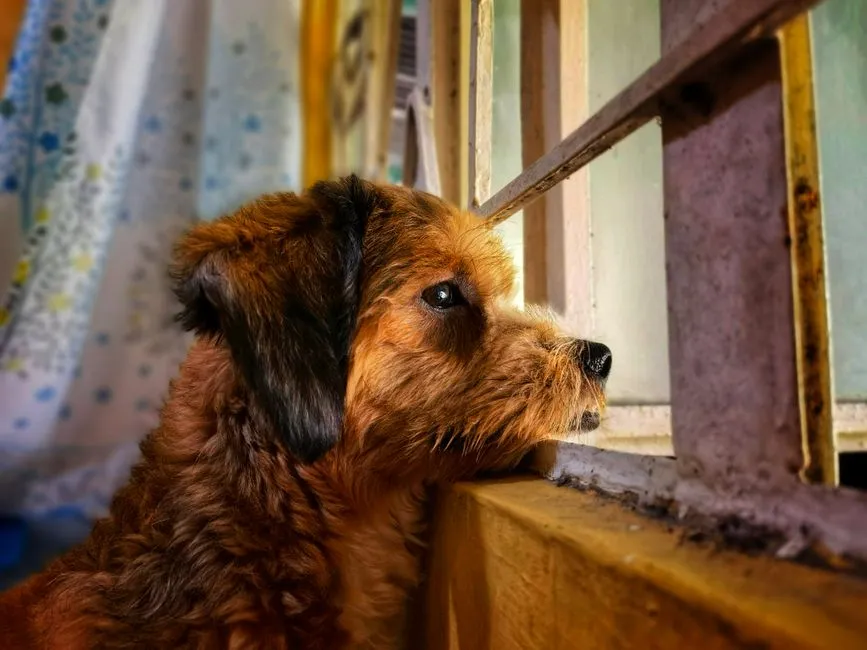
Sad or stressed dogs often go to one of two extremes. Some shadow you everywhere and can’t settle when you leave the room, which can be a sign of separation anxiety. Others seem to go flat and stop seeking your attention at all.
Both shifts are worth noticing, because they break a dog’s usual pattern. If your dog’s personality seems to have changed, don’t wave it off as a phase. Dogs adjust to us, and sometimes they’re asking us to adjust back.
What I Think You Should Do About It
🔥 Would you like to save this?
We'll email this post to you, so you can come back to it later!
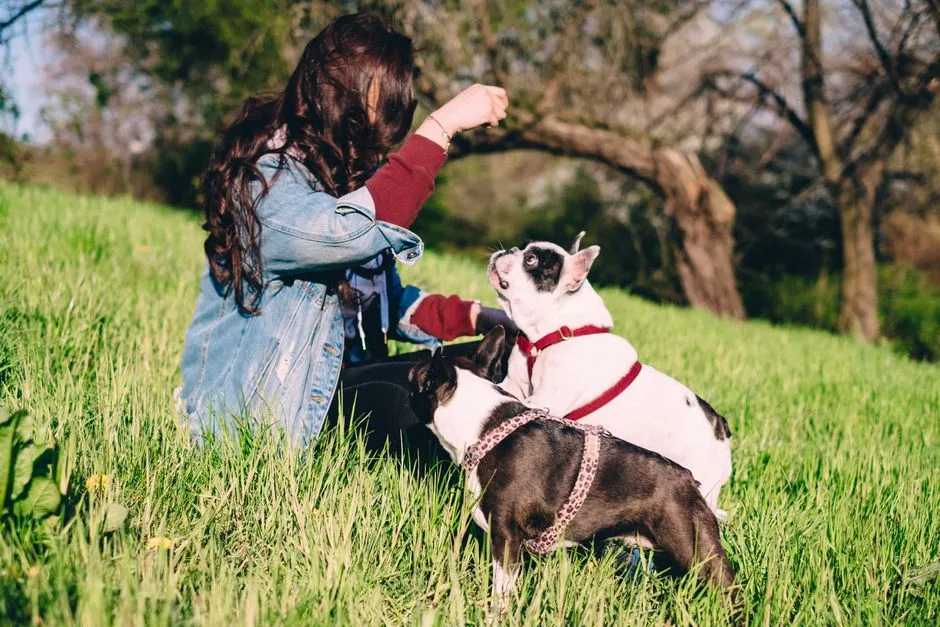
My view is simple: don’t wait for a dramatic sign. Dogs are far better at reading us than we are at reading them, and the quiet cues are usually the honest ones. Treat a pattern of them as a prompt to check in, not a reason for guilt.
Start with a vet visit to rule out pain or illness, then look at what’s changed. More walks, more attention, a steadier routine and a calmer tone at home go a long way. Your dog isn’t keeping score, but they are paying attention, and a little effort on your side is usually met with that wagging tail again.

- What Your Dog’s Tail Wags Are Really Trying to Tell You - November 5, 2026
- The Surprising Reason Some Animals Thrive in Extreme Environments - November 5, 2026
- 13 Things a Wildlife Refuge Will Arrange Free for Visitors Over 65 - November 5, 2026