8 Plants Rabbits Usually Leave Alone in American Gardens-feature image/Pixabay
Rabbits, with their insatiable appetites, can turn a flourishing garden into a buffet overnight. However, certain plants possess natural defenses that make them less appealing to these furry foragers. By incorporating these species into your American garden, you can enjoy vibrant blooms and lush foliage without the constant worry of rabbit damage.
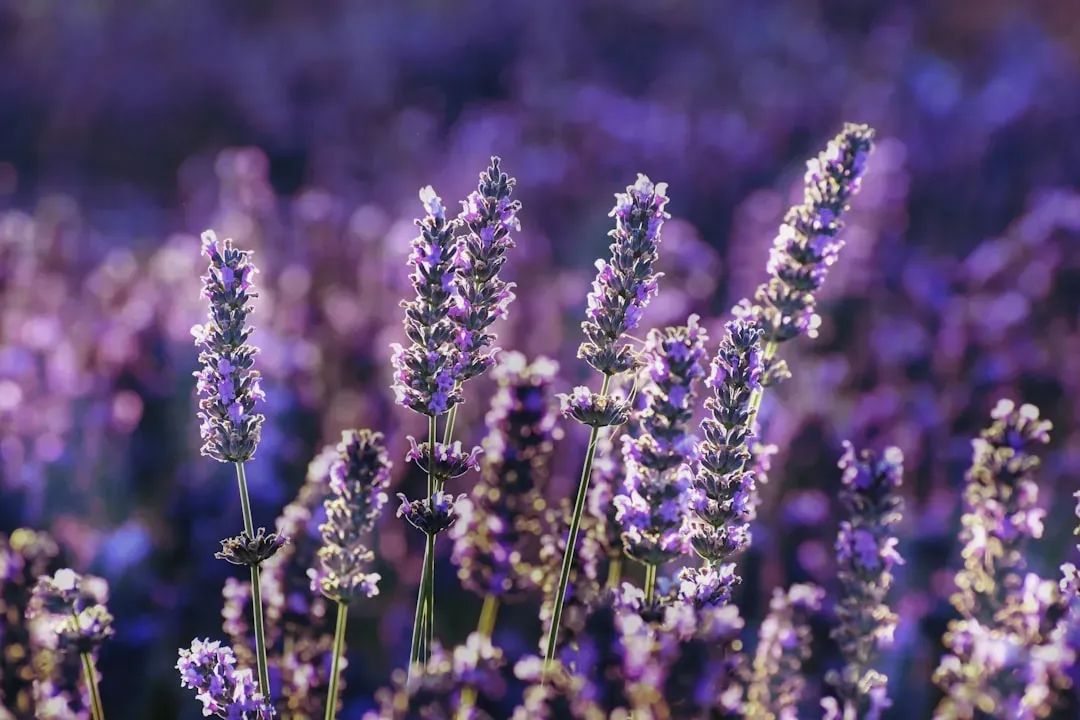
Lavender (Lavandula spp.)
Lavender (Lavandula spp.) (Image Credits: Unsplash)
Lavender’s strong, aromatic fragrance is delightful to humans but repels rabbits. This hardy perennial thrives in full sun and well-drained soil, producing spikes of purple flowers that attract pollinators while deterring pests. Its drought tolerance makes it an excellent choice for low-maintenance gardens.
Beyond its pest-repelling qualities, lavender offers versatility in the garden. It can be used in borders, as a ground cover, or even in containers. Additionally, its harvested flowers can be dried for use in sachets or culinary applications, adding both beauty and functionality to your landscape.
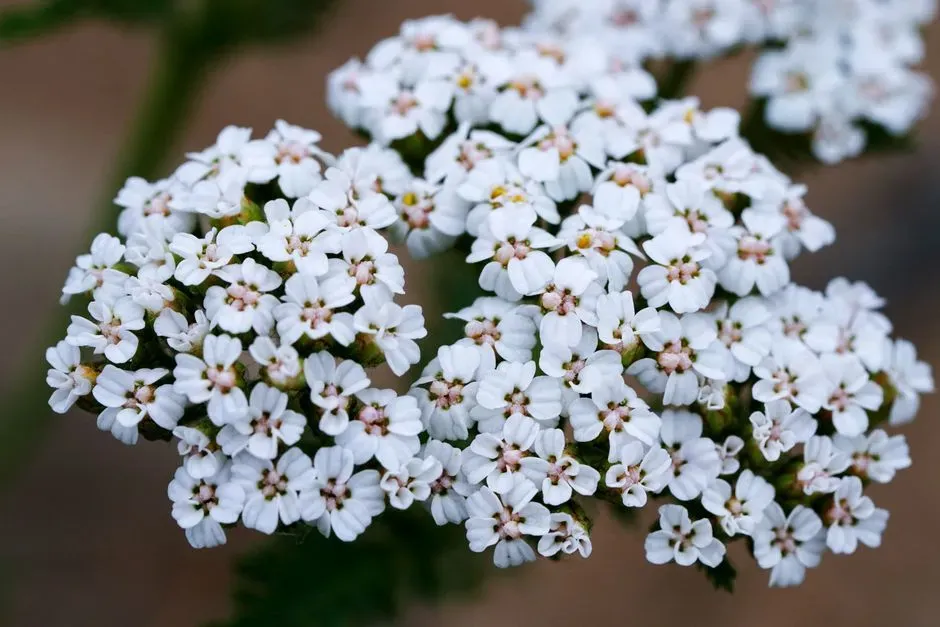
Yarrow (Achillea millefolium)
Yarrow (Achillea millefolium) (Image Credits: Pexels)
Yarrow’s feathery foliage and clusters of tiny flowers add texture and color to gardens. Its slightly bitter taste and toxic compounds make it unpalatable to rabbits. This perennial is drought-tolerant and thrives in full sun, making it suitable for various garden settings.
In addition to its rabbit-resistant properties, yarrow is known for attracting beneficial insects like butterflies and bees. Its long blooming period ensures continuous color throughout the summer months, enhancing the visual appeal of your garden.
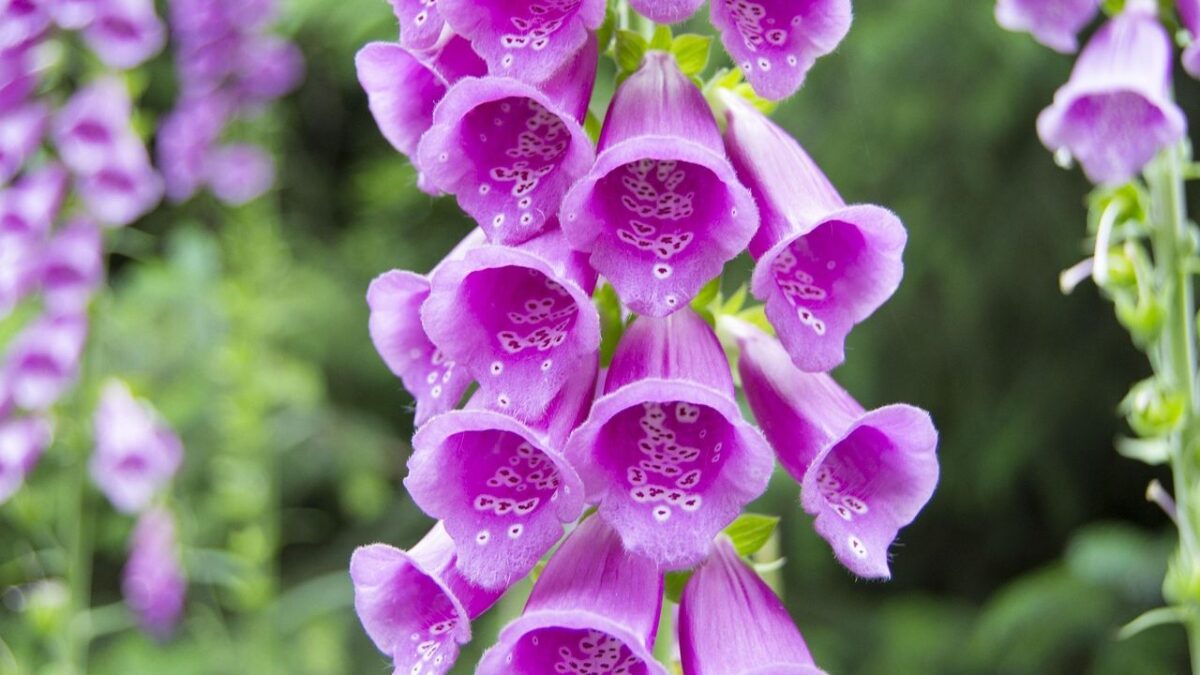
Foxglove (Digitalis purpurea)
Foxglove (Digitalis purpurea) (Image Credits: Pixabay)
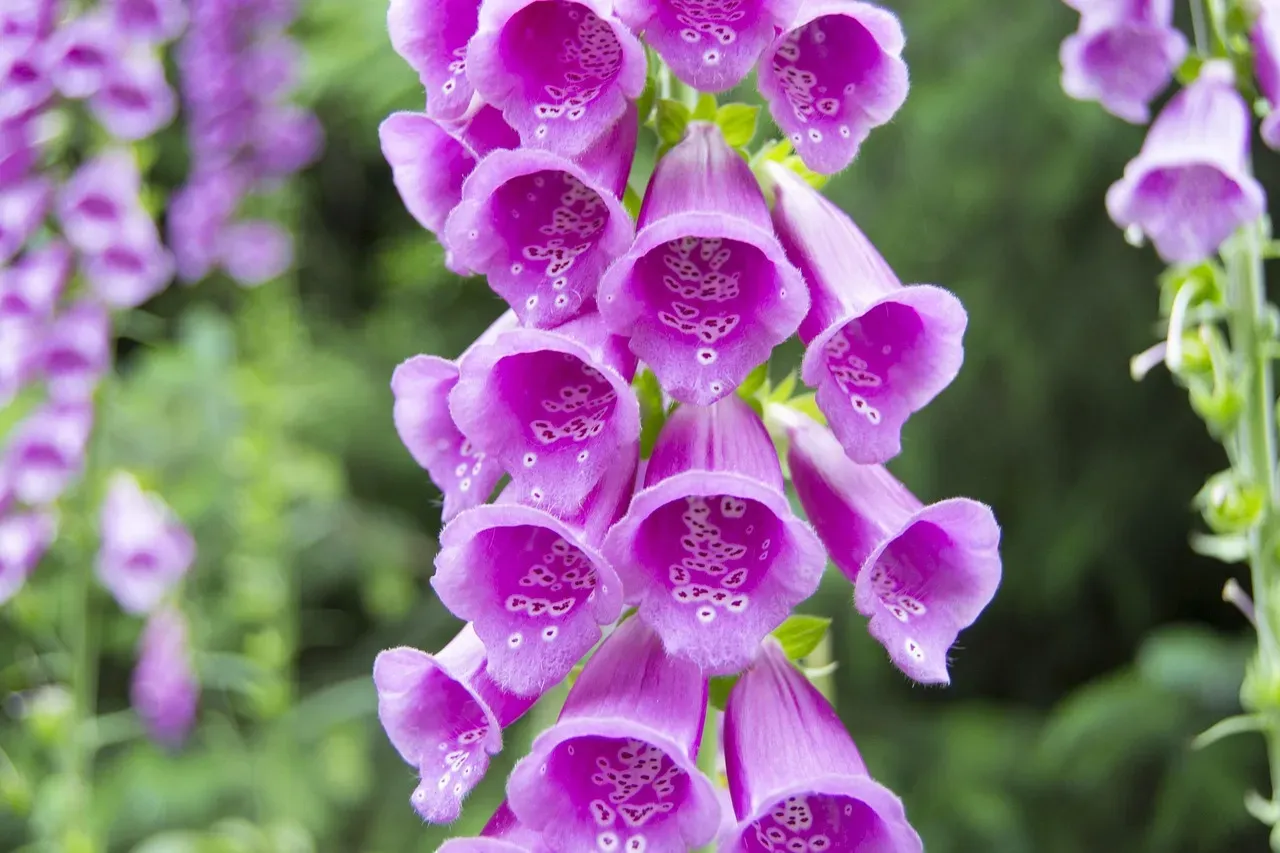
Foxglove’s tall spikes of bell-shaped flowers are visually striking, but all parts of the plant are toxic, deterring rabbits from nibbling. This biennial prefers partial shade and moist, well-drained soil, adding vertical interest to garden beds.
While foxglove’s toxicity makes it rabbit-resistant, gardeners should exercise caution, especially around children and pets. Its dramatic blooms make it a favorite in cottage-style gardens, where it can be paired with other shade-loving plants for a lush display.
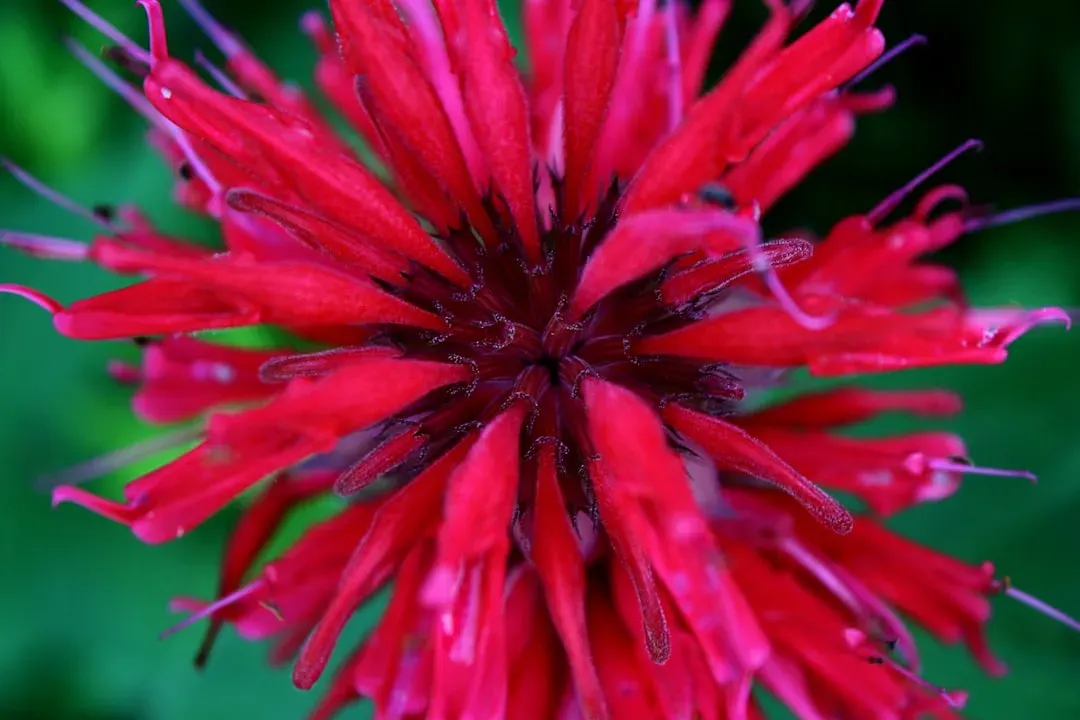
Bee Balm (Monarda didyma)
Bee Balm (Monarda didyma) (Image Credits: Unsplash)
Bee balm’s minty aroma and vibrant red, pink, or purple flowers are unappealing to rabbits. This perennial thrives in sunny locations with moist soil and is known for attracting hummingbirds and pollinators. Its strong scent acts as a natural deterrent to many garden pests.
Beyond its pest-repelling qualities, bee balm has a long blooming season, providing color from mid-summer to early fall. Its ability to spread makes it useful for filling in garden spaces, though occasional thinning may be necessary to prevent overcrowding.
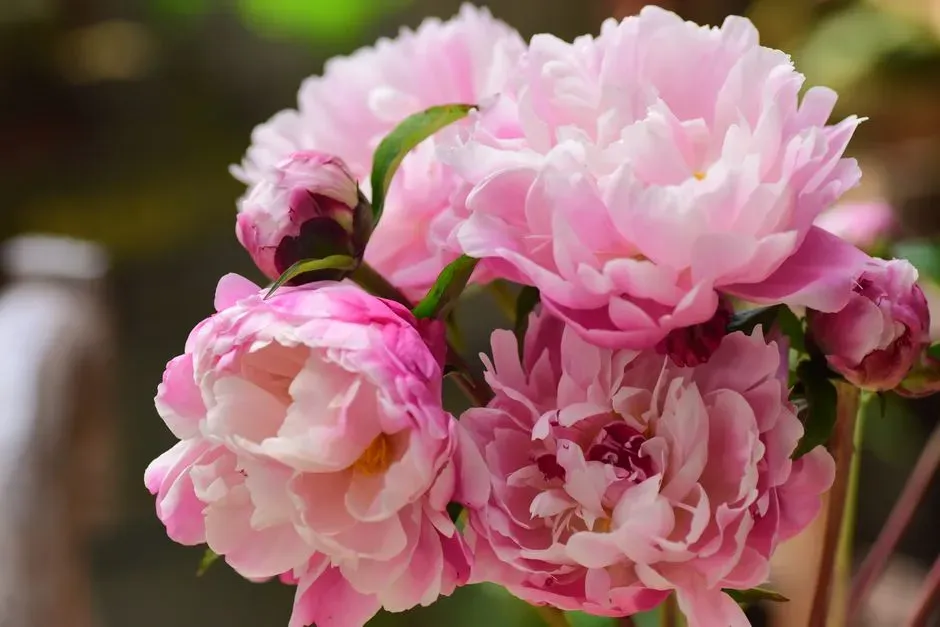
Peony (Paeonia spp.)
Peony (Paeonia spp.) (Image Credits: Pexels)
Peonies are cherished for their large, fragrant blooms and glossy foliage. Their thick, leathery leaves are generally unappealing to rabbits, making them a safe choice for gardens. These perennials prefer full sun to partial shade and well-drained soil.
In addition to their rabbit-resistant nature, peonies are long-lived plants that can thrive for decades with minimal care. Their blooms make excellent cut flowers, bringing their beauty indoors during the spring and early summer months.
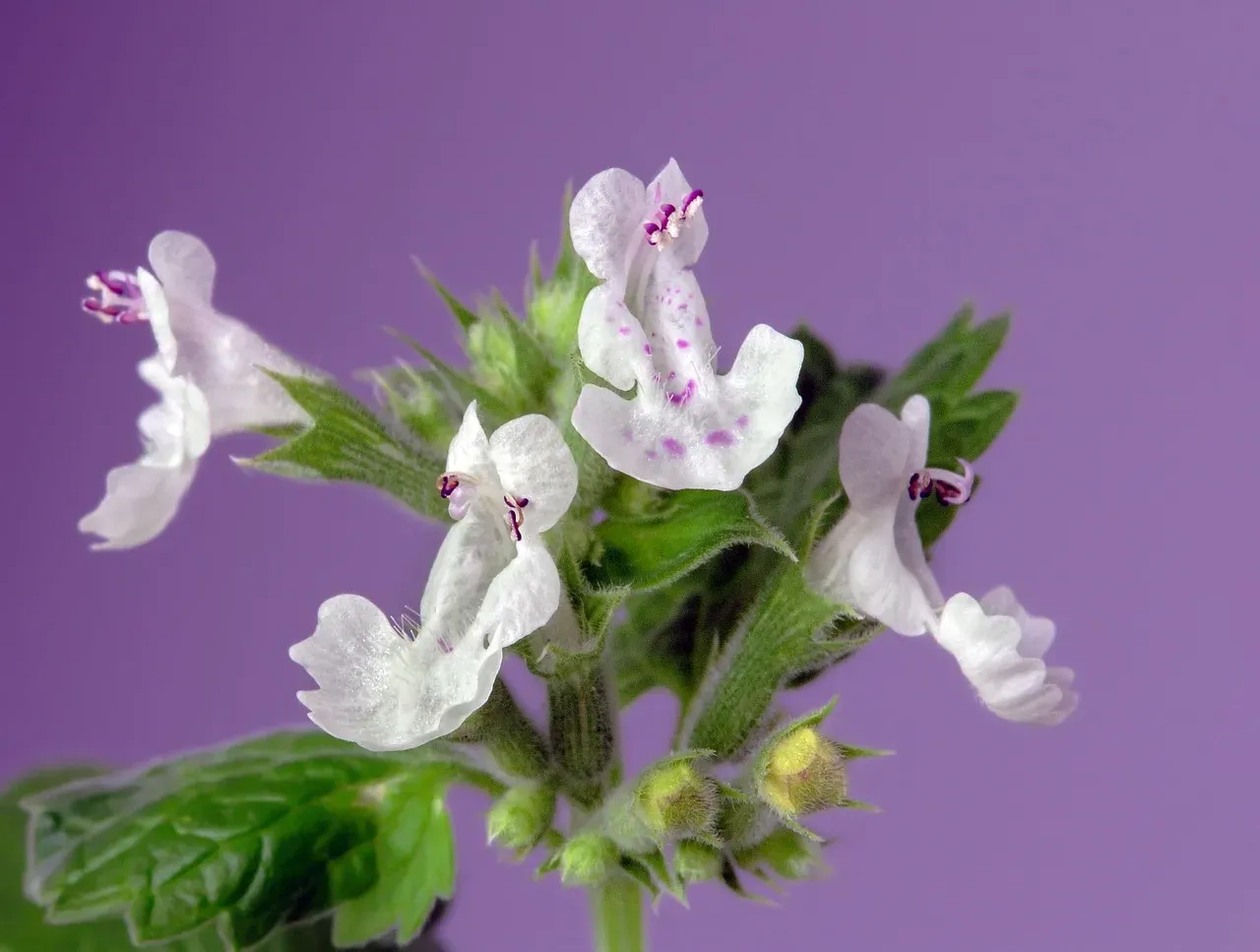
Catmint (Nepeta spp.)
Catmint (Nepeta spp.) (Image Credits: Pixabay)
Catmint’s aromatic foliage and lavender-blue flowers are disliked by rabbits. This hardy perennial is drought-tolerant and thrives in full sun, making it an excellent choice for borders and ground covers. Its long blooming period adds extended color to the garden.
Beyond deterring rabbits, catmint is known for attracting pollinators like bees and butterflies. Its low-growing habit makes it suitable for edging pathways or filling in gaps between taller plants, adding a soft, flowing element to garden designs.
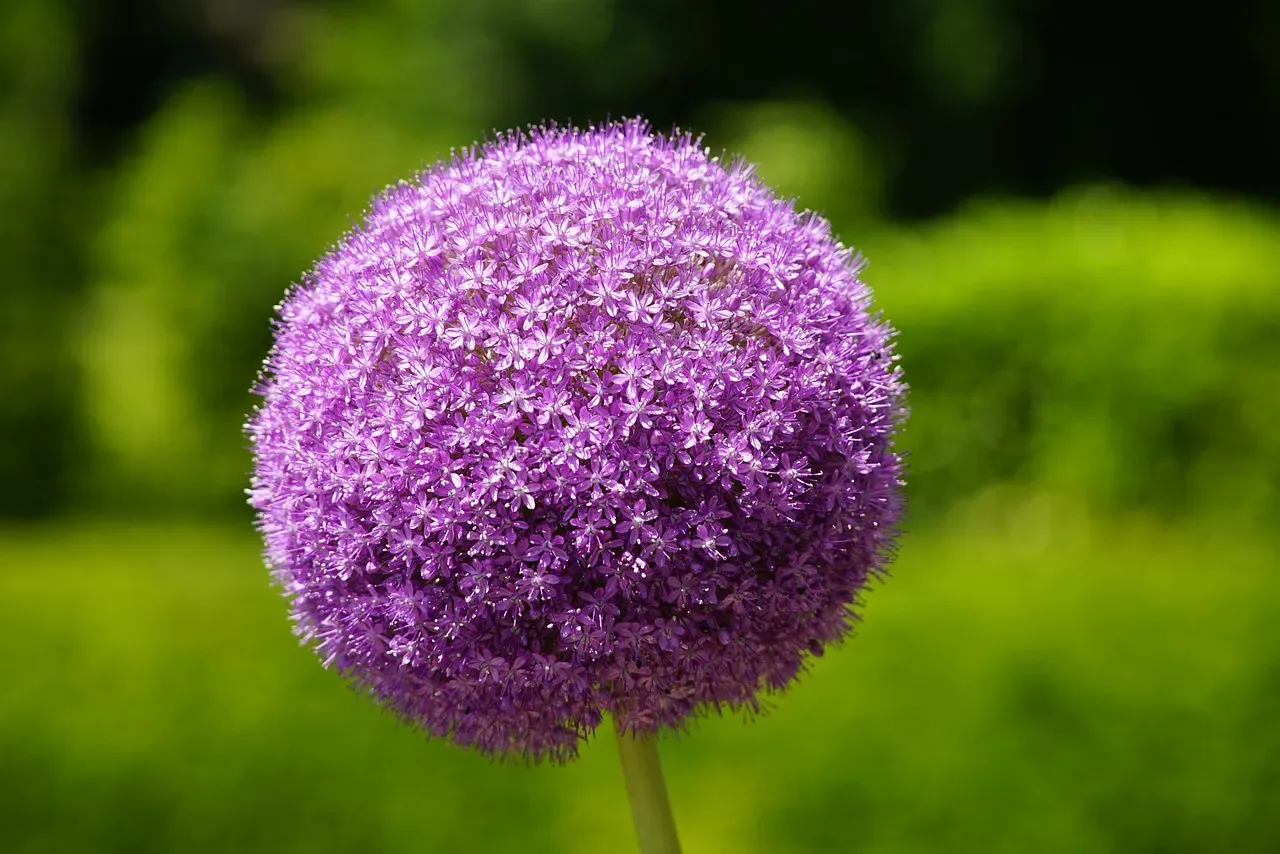
Allium (Allium spp.)
Allium (Allium spp.) (Image Credits: Pixabay)
Alliums, including ornamental onions, have a strong scent and taste that rabbits find unappealing. These plants produce striking globe-shaped flowers on tall stems, adding architectural interest to gardens. They thrive in full sun and well-drained soil.
In addition to their pest-resistant properties, alliums are low-maintenance and can naturalize over time, creating impressive drifts of color. Their late spring to early summer blooms bridge the gap between spring bulbs and summer perennials, ensuring continuous garden interest.
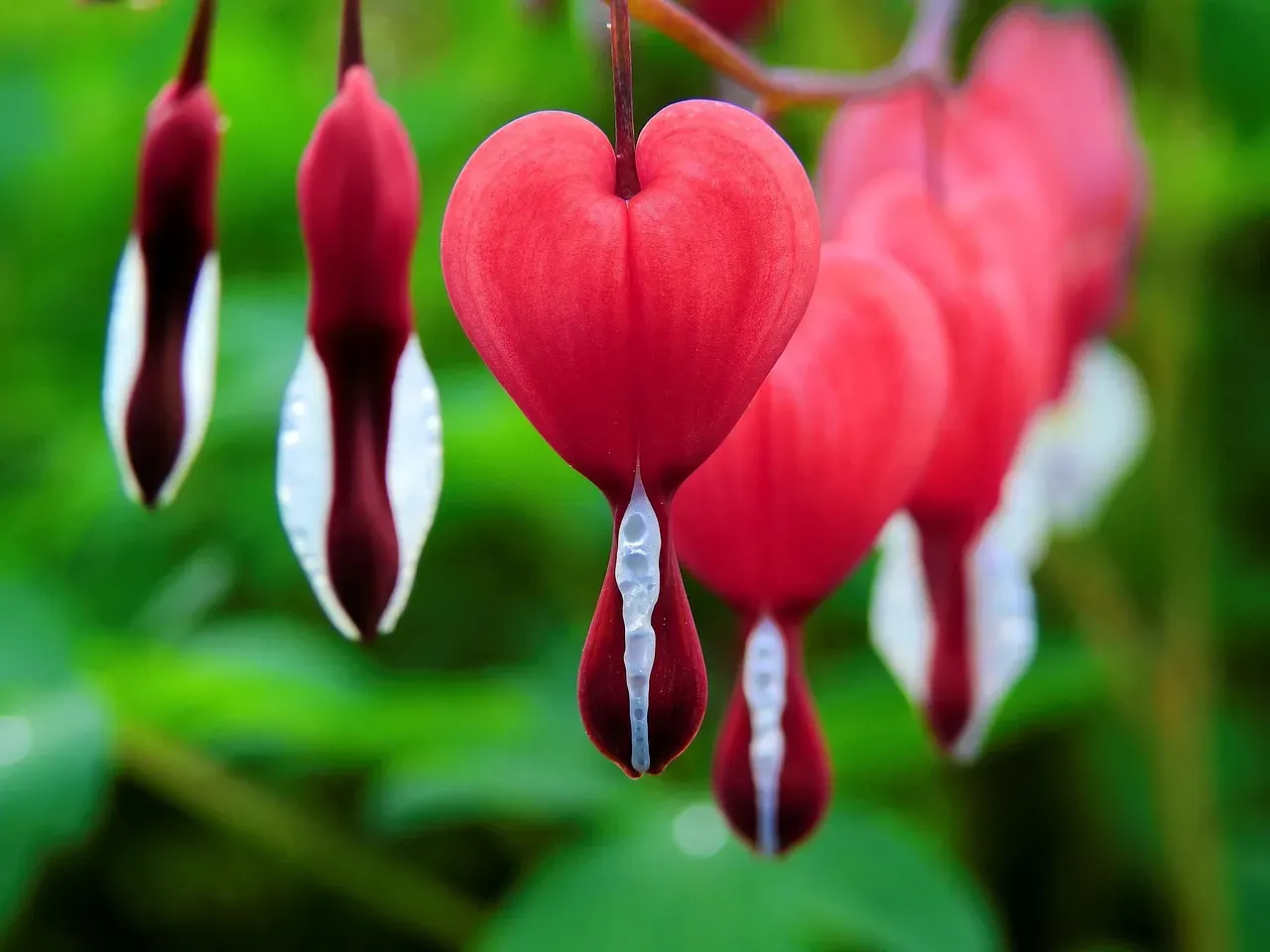
Bleeding Heart (Dicentra spectabilis)
Bleeding Heart (Dicentra spectabilis) (Image Credits: Pixabay)
Bleeding heart’s unique heart-shaped flowers and fern-like foliage are generally avoided by rabbits due to their toxic properties. This perennial prefers shady, moist environments, making it ideal for woodland gardens or shaded borders.
Beyond its rabbit-resistant qualities, bleeding heart adds a touch of whimsy to the garden with its pendulous blooms. Its early spring flowering period provides color when many other plants are just beginning to emerge, making it a valuable addition to shaded landscapes.
Incorporating these rabbit-resistant plants into your garden not only adds beauty and diversity but also reduces the likelihood of damage from these common pests. By selecting species that rabbits naturally avoid, you can create a harmonious and resilient landscape that thrives throughout the seasons.
Did you find this helpful? Share it with a friend who’d love it too!
Gargi is an MA in History and a B.Ed graduate from India, with a deep passion for animals and wildlife awareness. As an article writer and editor at Animals Around The Globe, she combines her love for storytelling with her dedication to educating readers about animals, conservation, and responsible pet care. A devoted dog lover, Gargi enjoys creating engaging and informative content that inspires compassion and awareness toward the natural world.