
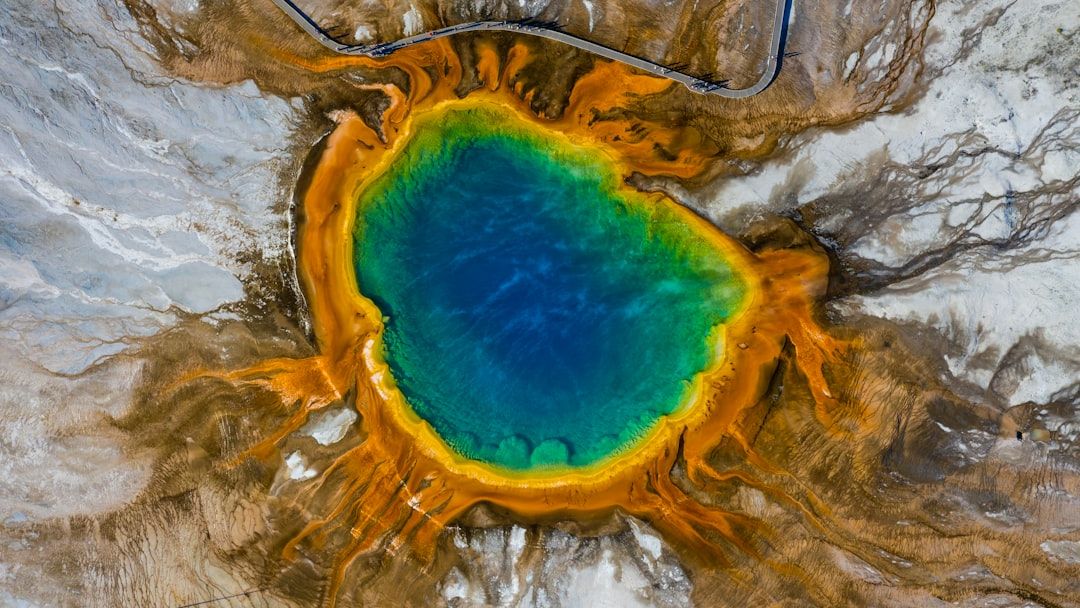
Worried about unexpected vet bills?
Pet insurance can cover thousands in unexpected vet costs. Get a free quote from Lemonade in under 2 minutes.
Get My Free Quote →Sponsored · Opens Lemonade.com
There’s something both fascinating and terrifying about what’s happening beneath Yellowstone National Park. While millions of tourists flock to the park each year to marvel at geysers and hot springs, few truly grasp what they’re standing on top of. This isn’t just any volcano. It’s one of Earth’s most powerful supervolcanoes, quietly simmering with enough energy to reshape the continent.
Scientists have spent decades studying the massive caldera system that lies under Wyoming, Idaho, and Montana. What they’ve discovered isn’t exactly comforting. Let’s dive into the disturbing realities of this geological giant.
It’s Already Erupted Three Times With Catastrophic Results
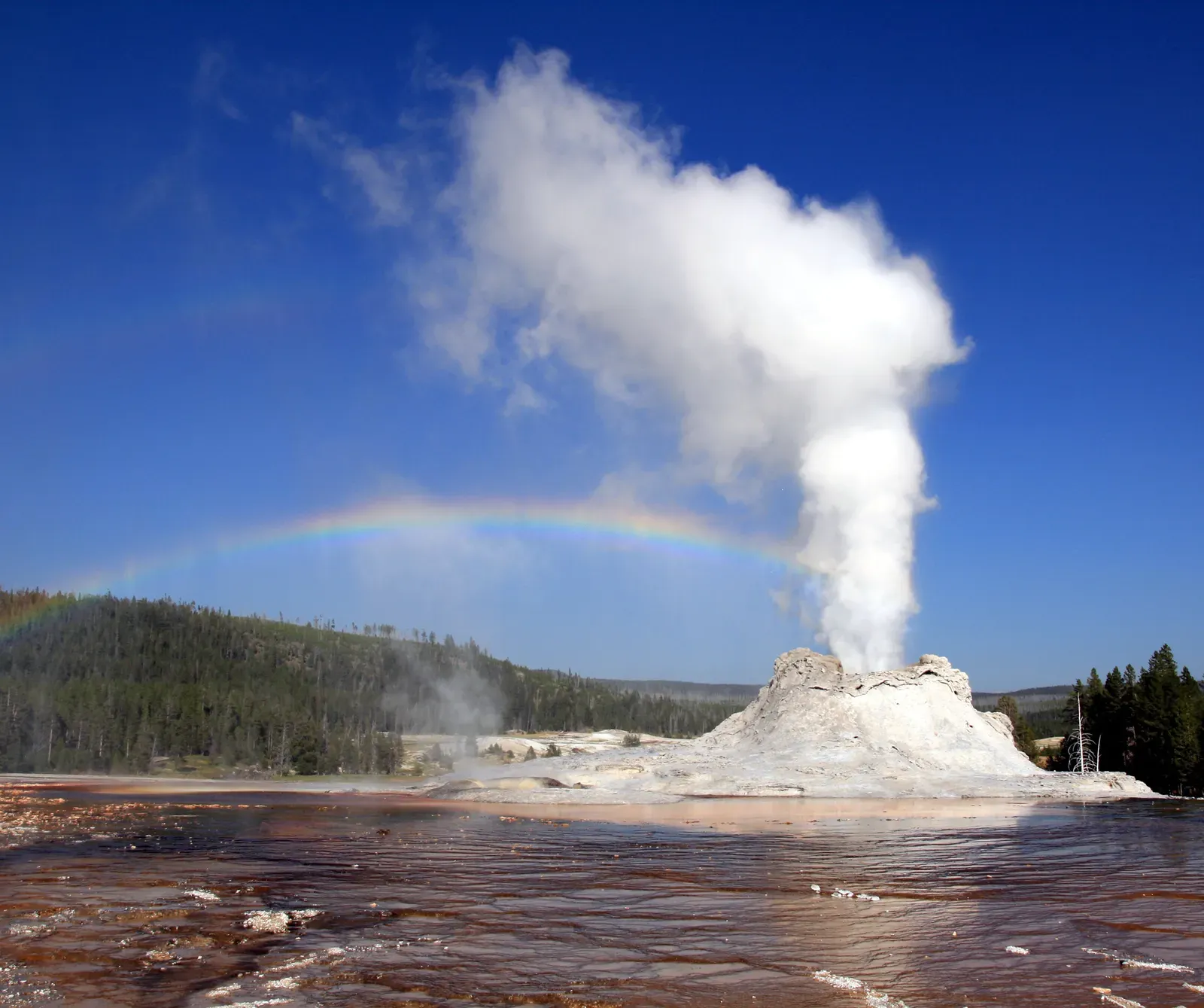
Yellowstone’s volcanic history spans over two million years with three major eruption cycles, each involving massive ignimbrite eruptions and continental-scale ash-fall. The first eruption occurred roughly 2,100,000 years ago, and the second took place about 800,000 years later. The most recent supereruption, about 630,000 years ago, produced the Lava Creek Tuff and created the present Yellowstone Caldera.
Each of these catastrophic events fundamentally altered North America’s landscape. Previous eruptions spewed enormous amounts of volcanic ash, gas, magma and other volcanic debris that covered most of the continental U.S. The sheer scale of destruction is hard to comprehend. A third of the continent was likely plunged into complete darkness during the last major eruption.
The Magma Chamber Underneath Is Absolutely Enormous
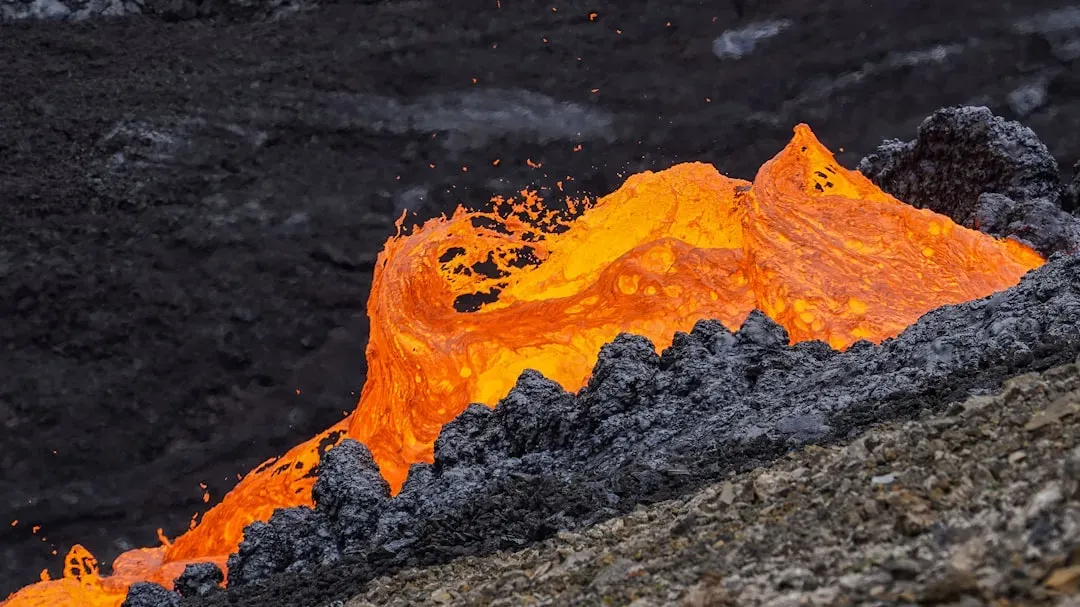
What lurks beneath Yellowstone defies imagination. University of Utah seismologists discovered a reservoir of hot, partly molten rock 12 to 28 miles beneath the supervolcano, and it is 4.4 times larger than the shallower magma chamber. The shallower chamber stretches from 5 km to about 17 km beneath the surface and is about 90 km long and about 40 km wide.
To put this in perspective, the hot rock in the newly discovered, deeper magma reservoir would fill the 1,000-cubic-mile Grand Canyon 11.2 times. This chamber is estimated to contain around 4,000 km³ of partially molten material, making it one of the largest of its kind globally. We’re talking about an underground ocean of molten and semi-molten rock that could fundamentally change life on Earth if it decided to wake up.
Recent Ground Deformation Is Raising Eyebrows
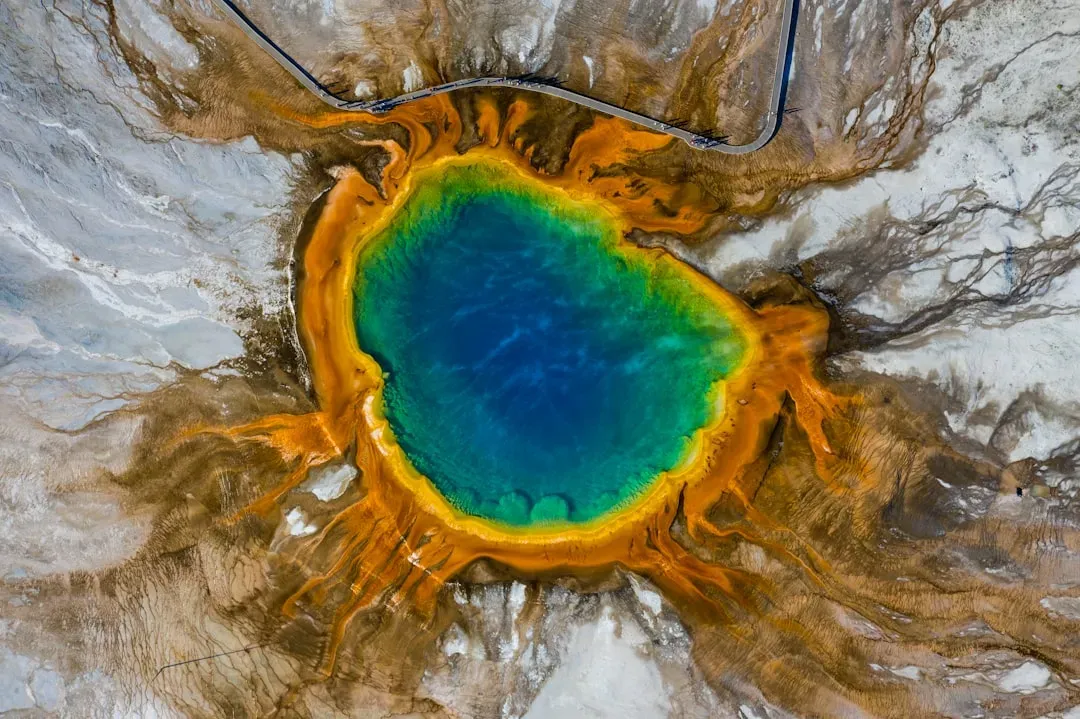
Scientists are monitoring a city of Chicago-sized swath of rising ground at the northern volcanic rim of the Yellowstone Caldera, and the area has risen an inch since July. This bulge near Gibbon Falls has captured attention across the scientific community. Continuous GPS stations indicate continued uplift centered on the north caldera rim to the south of Norris Geyser Basin, although the rate may have slowed over the past few months.
Here’s the thing. Ground uplift isn’t unusual in Yellowstone, with similar episodes of surface movement occurring between 1996 and 2000, again in 2004 and 2020. The most likely explanation is that it is the accumulation and extraction of magma at a depth of nine miles. While scientists emphasize there’s no immediate threat, the fact remains that something massive is moving beneath the surface.
The Ash Fallout Would Blanket Half of North America
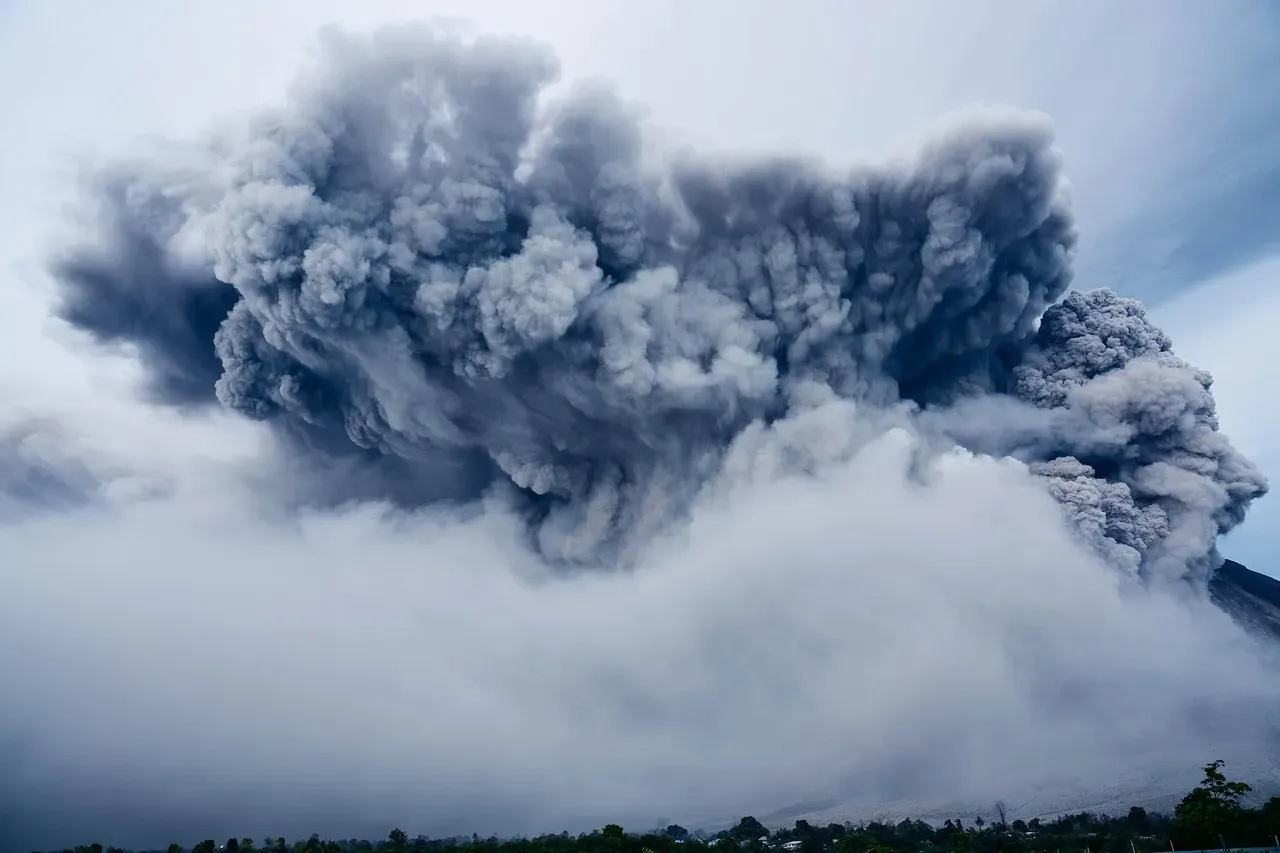
If Yellowstone were to experience another supereruption, the devastation would reach far beyond the immediate vicinity. During the three caldera-forming eruptions that occurred between 2.1 million and 640,000 years ago, tiny particles of volcanic ash covered much of the western half of North America, with ash likely a third of a meter deep several hundred kilometers from Yellowstone.
The eruption would entail more than dangerous lava flows and could be expected to kill as many as 90,000 people immediately and spread a 10-foot layer of molten ash as far as 1,000 miles from the park. Wind carried sulfur aerosol and the lightest ash particles around the planet and likely caused a notable decrease in temperatures around the globe. Imagine entire states buried under volcanic debris, agriculture decimated, and the climate altered for years.
Earthquake Swarms Are Constant Reminders of Activity Below
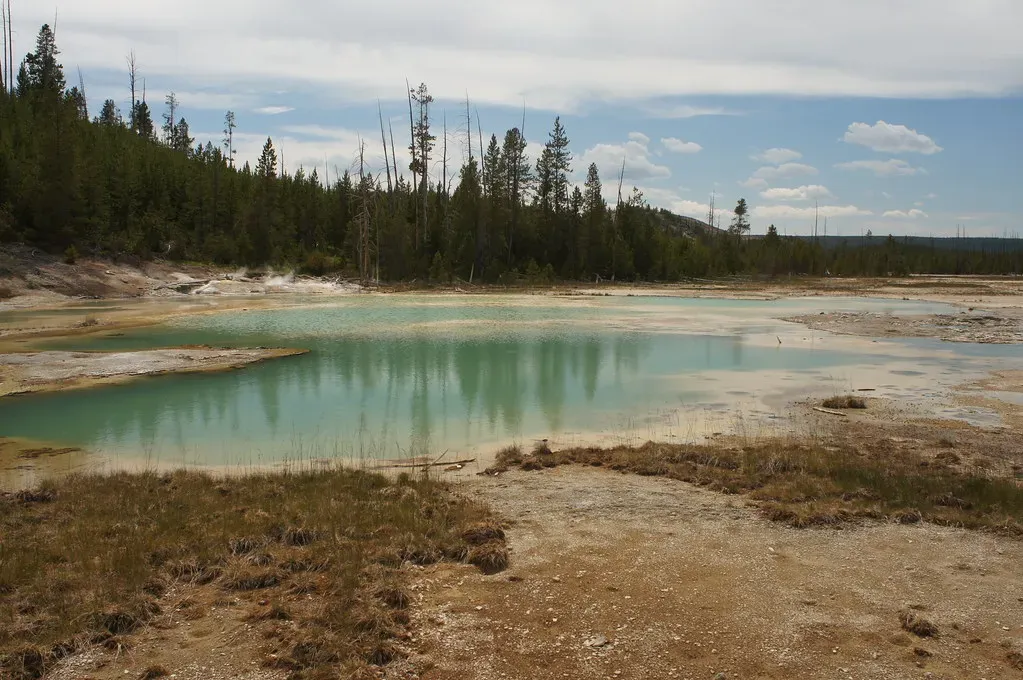
During January 2026, the University of Utah Seismograph Stations located 100 earthquakes in the Yellowstone National Park region. January seismicity in Yellowstone was marked by two swarms, including one with 10 earthquakes that took place approximately 16 miles west-northwest of Lake during January 4–9, and another with 13 earthquakes that occurred approximately 12 miles northeast of Old Faithful on January 26.
Let’s be real. Most of these earthquakes are small and pose no immediate danger. There were 1,119 earthquakes in Yellowstone in 2025, which is on the very low end of normal, with the average range being 1500 to 2500 earthquakes every year. Still, each tremor is a reminder that beneath the picturesque landscape, immense geological forces are constantly at work.
Scientists Estimate Rapid Eruption Triggers Are Possible
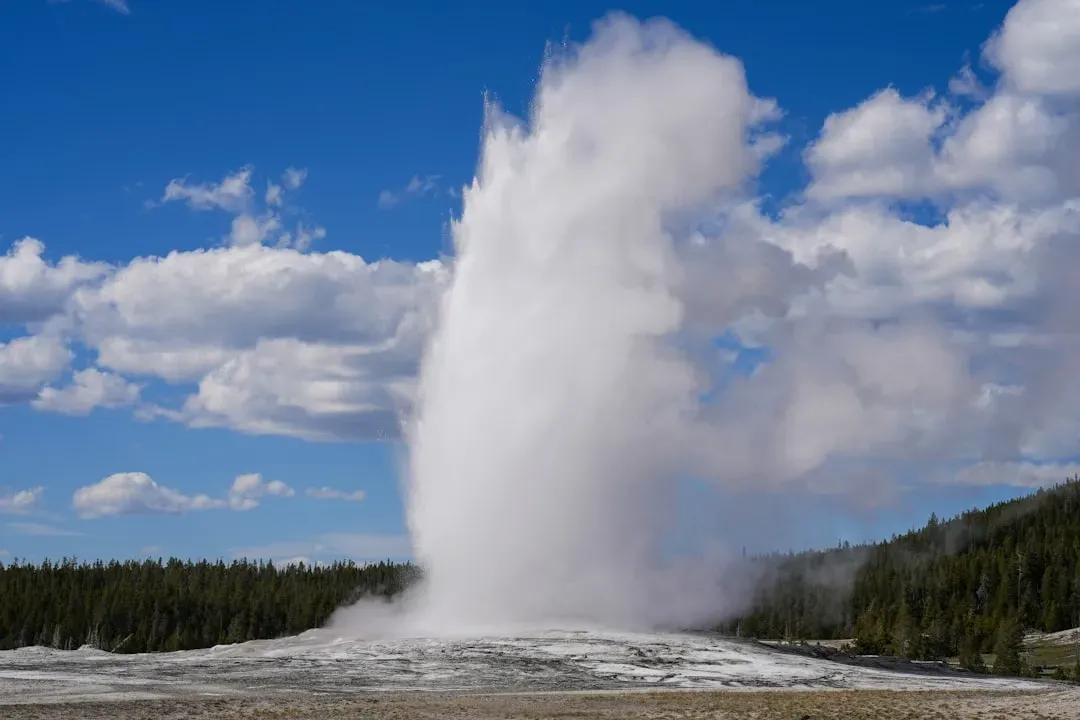
Research from Arizona State University indicated that prior to Yellowstone’s last supereruption, magma surged into the magma chamber in two large influxes, and an analysis of crystals showed the magma chamber underwent a rapid increase in temperature and change in composition, indicating Yellowstone’s magma reservoir can reach eruptive capacity and trigger a super-eruption within just decades.
This discovery fundamentally changed how volcanologists view the threat timeline. Previous models suggested centuries of warning signs before a major eruption. Now we know the transition from dormancy to catastrophic eruption could potentially happen within a human lifetime. Most scientists think that the buildup preceding a catastrophic eruption would be detectable for weeks and perhaps months to years, but honestly, decades is still terrifyingly short on a geological timescale.
The Global Climate Impact Would Be Devastating
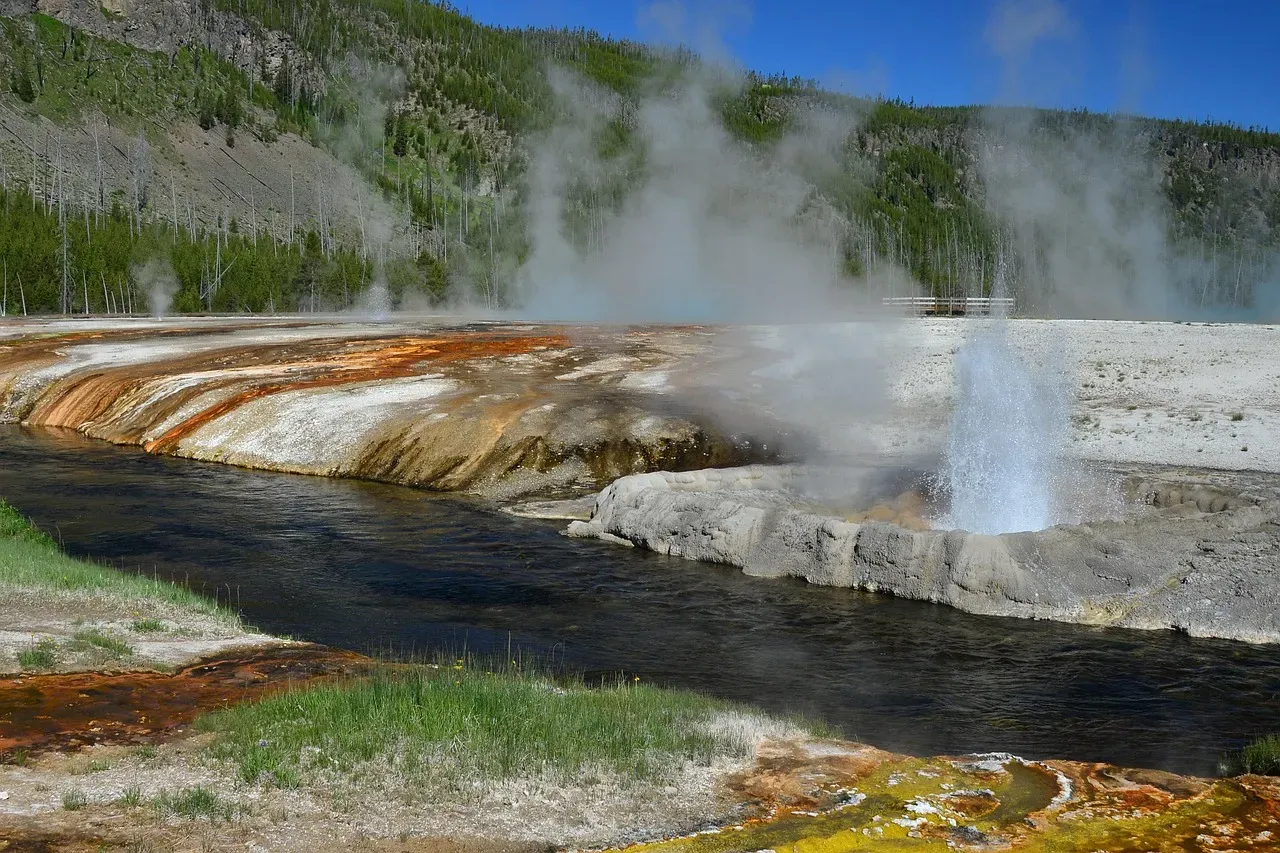
If another large, caldera-forming eruption were to occur at Yellowstone, its effects would be worldwide, with regional effects such as falling ash and short-term changes to global climate lasting years to decades. Ash will rain down, and the skies will become blanketed in the haze of toxic soot and chemical aerosols, with sulfur-laced particles blocking the Sun and triggering a tragic cooling event that will jolt the entire planet into a cold coma lasting several years.
Think about what that means for modern civilization. Agriculture would collapse. Economies would crumble. The interconnected global supply chain would shatter under the strain of a volcanic winter. Those parts of the surrounding states of Montana, Idaho, and Wyoming closest to Yellowstone would be affected by pyroclastic flows, while other places in the United States would be impacted by falling ash. It’s hard to say for sure, but the societal disruption would be unprecedented in modern times.
Hydrothermal Explosions Are More Likely Than You Think
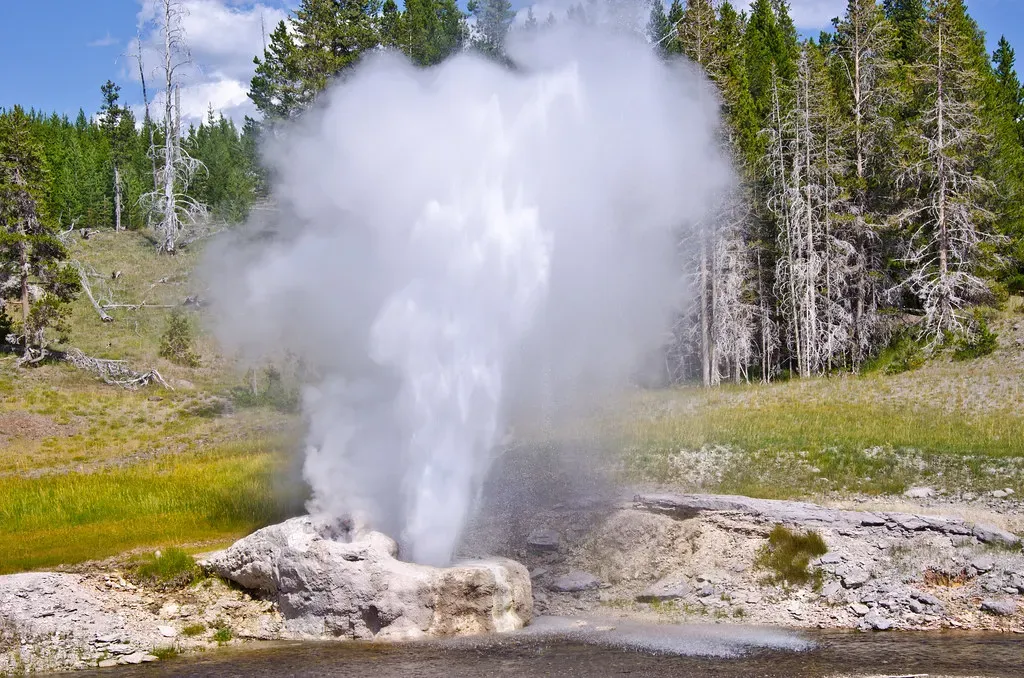
Volcanic eruptions are not the only geologic hazards in Yellowstone, with damaging earthquakes and hydrothermal explosions being far more likely on human timescales. Hydrothermal explosions are one of the geological hazards most likely to impact people in Yellowstone National Park, and infrasound and seismic sensors identified an explosion in Norris Geyser Basin on 15 April 2024 – the first instrumentally detected hydrothermal explosion in the Yellowstone region.
These explosions happen when superheated water suddenly flashes to steam underground, creating violent eruptions of rock, water, and debris. They’re unpredictable and can occur without warning. While they don’t threaten the entire planet like a supereruption would, they pose genuine danger to park visitors and infrastructure. The fact that we only recently began detecting them with instruments suggests we may be missing crucial warning signs.
Conclusion: Living With an Uncertain Giant
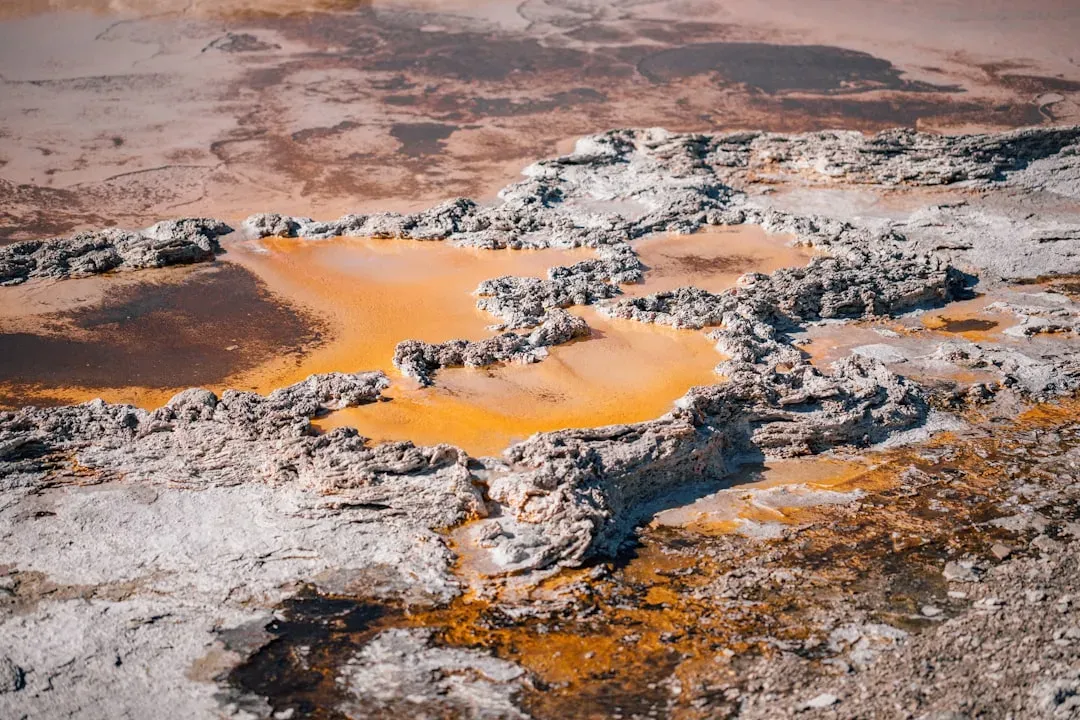
The Yellowstone Caldera represents one of nature’s most powerful and unpredictable forces. While scientists are not convinced another catastrophic eruption will ever happen, noting the rhyolite magma chamber beneath Yellowstone is only 5-15% molten, the possibility can’t be entirely dismissed. Fortunately, the chances of this sort of eruption at Yellowstone are exceedingly small in the next few thousands of years.
The continuous monitoring by the Yellowstone Volcano Observatory provides some reassurance. Scientists now have unprecedented ability to track ground deformation, seismic activity, and geochemical changes. Yet the geological timescale operates on rhythms completely foreign to human experience. What do you think about living in the shadow of such an immense natural threat? Tell us in the comments.
Worried about unexpected vet bills?
Pet insurance can cover thousands in unexpected vet costs. Get a free quote from Lemonade in under 2 minutes.
Get My Free Quote →Sponsored · Opens Lemonade.com
