
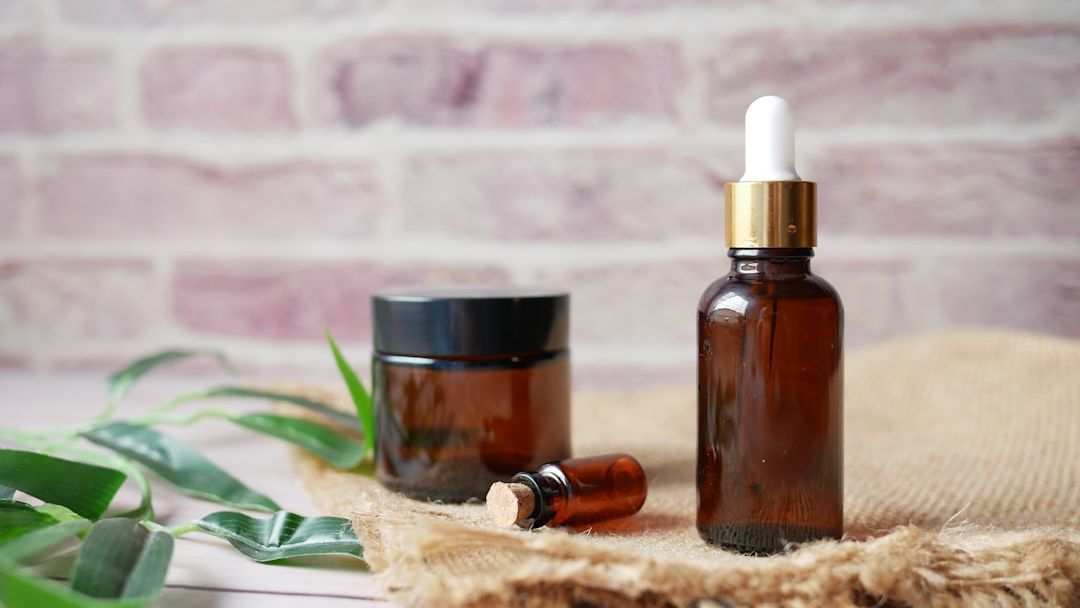
There is something almost universally maddening about a fly that just won’t leave. It circles your food, lands on your arm, buzzes past your ear in the middle of a quiet afternoon. Most people reach straight for a chemical spray, never once realizing that the answer might already be sitting on their kitchen windowsill or in their spice rack.
Flies rely on antennae packed with specialized olfactory receptors capable of detecting odors from remarkable distances, and strong-smelling natural substances work by overwhelming this entire sensory system. The good news? You can use that weakness against them. Here are eight genuinely cannot stand, and how to put each one to work in your home.
1. Peppermint: The Most Powerful Natural Fly Deterrent
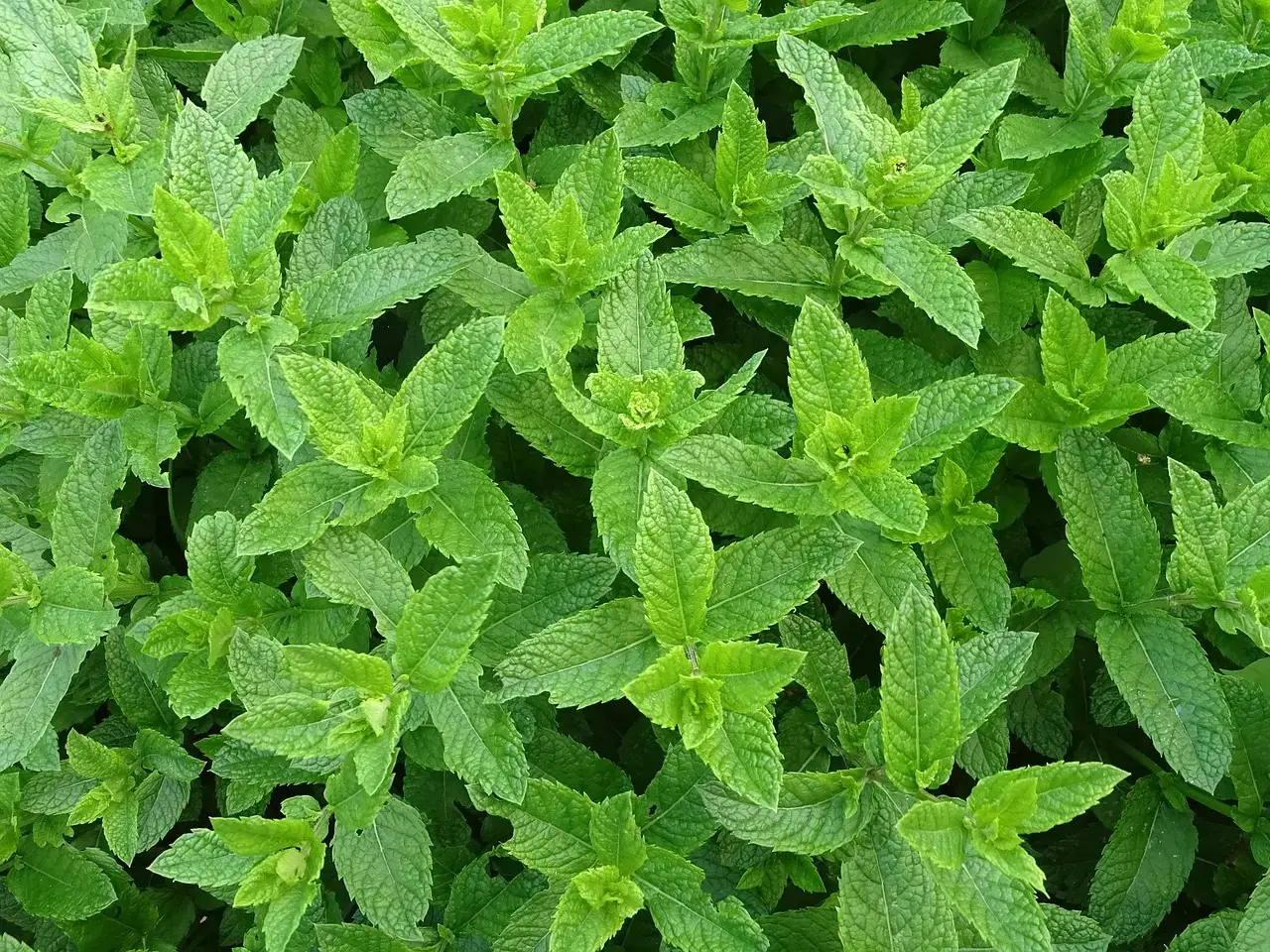
Here’s the thing about peppermint: it might be your favorite flavor of chewing gum, but for flies, it’s basically a nightmare in a bottle. Peppermint oil is considered the best scent to keep flies away, primarily because its high menthol content creates an intense aroma that flies find completely overwhelming and repulsive.
Peppermint works against house flies, fruit flies, and stable flies, providing roughly two to four hours of protection per application. That’s pretty impressive for something you can pick up at any grocery store. Place mint pots on countertops or near windows to naturally repel flies, diffuse peppermint oil for a stronger scent, or plant mint along garden edges and in outdoor planters to keep flies away from dining areas.
2. Lavender: The Scent That Soothes You but Horrifies Flies

Lavender has this wonderful dual personality. To us, it’s calming, spa-like, the kind of smell that makes you breathe deeply and relax. Flies, on the other hand, lavender because strong scents like it actively interfere with their ability to locate food sources, which is exactly why lavender is so widely used as a natural fly repellent.
Even dry lavender petals produce a scent that repels flies, which means you don’t need to go all out with expensive essential oils to get results. You can plant lavender in your garden, hang dried bunches of lavender around the house, diffuse lavender essential oil indoors near fly-prone areas, or plant lavender bushes around your patio to create a natural outdoor barrier. Honestly, this is one of those rare solutions that makes your home smell better while solving a pest problem at the same time.
3. Eucalyptus: The Fresh-Smelling Force Field

Eucalyptus has that clean, almost medicinal quality that most people genuinely enjoy. Flies are not among those people. Eucalyptus oil is a powerful essential oil that flies strongly dislike, and its scent actively masks the odors that attract them in the first place, making it ideal to use in a diffuser or as a spray around doorways and windows.
You can hang dried eucalyptus branches in bathrooms or diffuse eucalyptus oil to freshen rooms and repel flies indoors, plant eucalyptus trees near patios or garden beds outdoors, or mix eucalyptus oil with water in a spray bottle and use it around drains to deter drain flies effectively. Think of eucalyptus as a force field that smells like a luxury spa.
4. Basil: Your Kitchen’s Secret Weapon
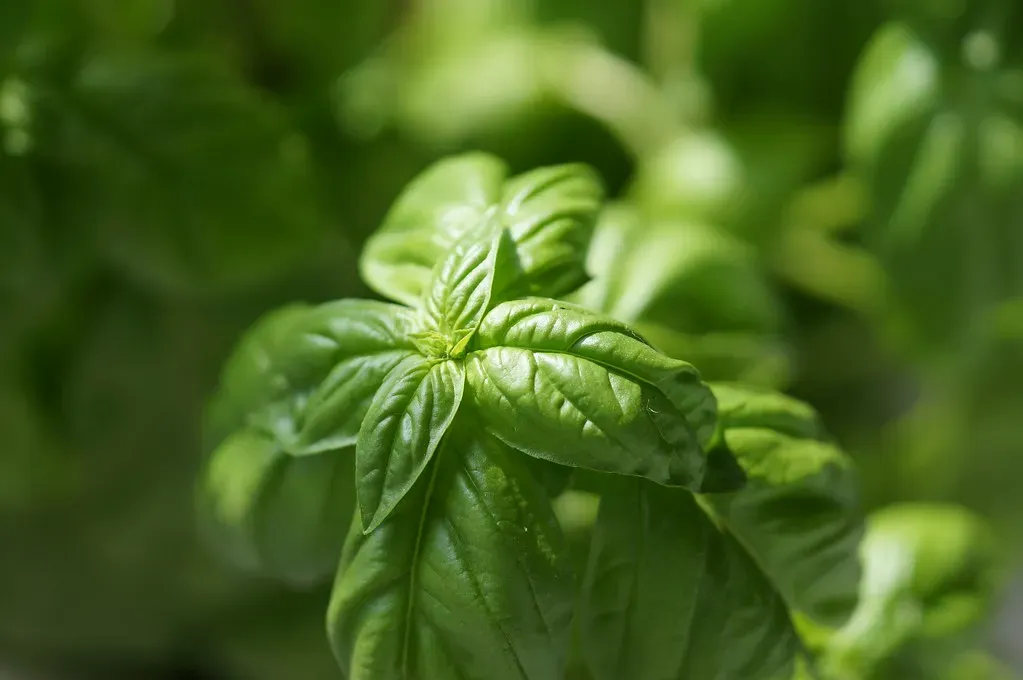
Let’s be real, most people grow basil purely because it tastes incredible in pasta and on pizza. But there’s a second, rather satisfying benefit hiding in those glossy green leaves. Both the basil plant and basil essential oil have been known to repel flies naturally and effectively. Basil oil carries a sweet, herbal scent that repels flies and is particularly effective when used in the kitchen, where flies tend to congregate most.
Sweet basil is one of the best herbs to use because it has so many culinary applications, and in addition to planting it in your garden, you can grow it in small containers placed right on your windowsill. It’s rare that pest control can double as a cooking ingredient, but here we are. Scientific research found that basil, alongside lavender, lemongrass, and peppermint, repelled more flies than a carrier oil alone for periods of up to four hours after application.
5. Citronella: The Classic Outdoor Guardian
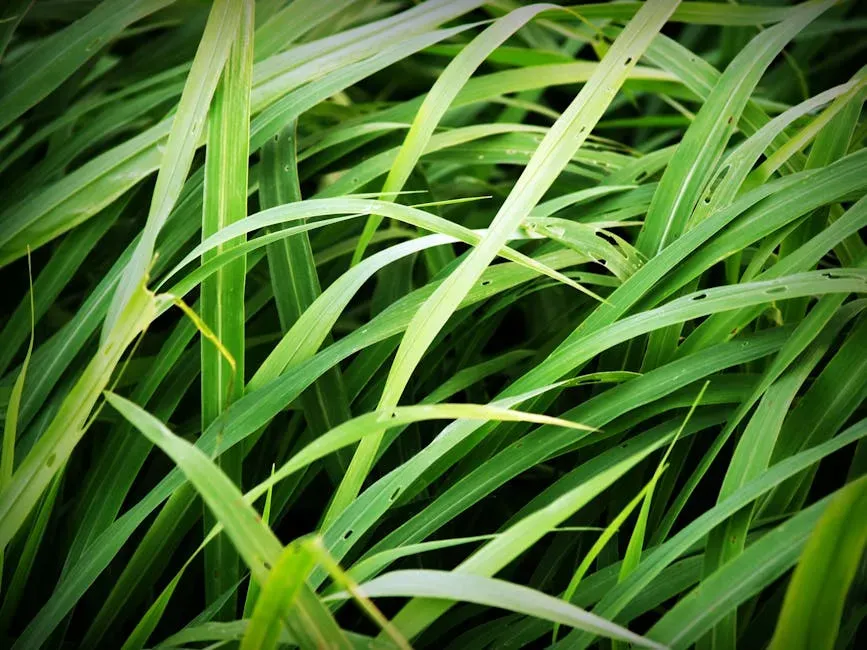
Most people know citronella from those chunky candles you light on the patio during summer. It turns out, citronella is more versatile than just candle form, and its fly-fighting power is genuinely impressive. While most commonly known for its effectiveness against mosquitoes, citronella oil is also excellent for repelling flies, derived from a blend of herbs and producing a powerful citrus odor that flies strongly dislike.
You can use raw citronella or citronella oil to get the same effects without an expensive candle, and citronella plants themselves look like beautiful ornamental grasses that you can pot decoratively for an all-natural fly repellent. Research found that citronella, alongside peppermint, geranium, and thyme oil, significantly repelled both male and female fruit flies in scientific testing. That’s not just anecdotal, that’s actual science backing up what your grandmother probably already knew.
6. Cinnamon: The Spice Rack Surprise
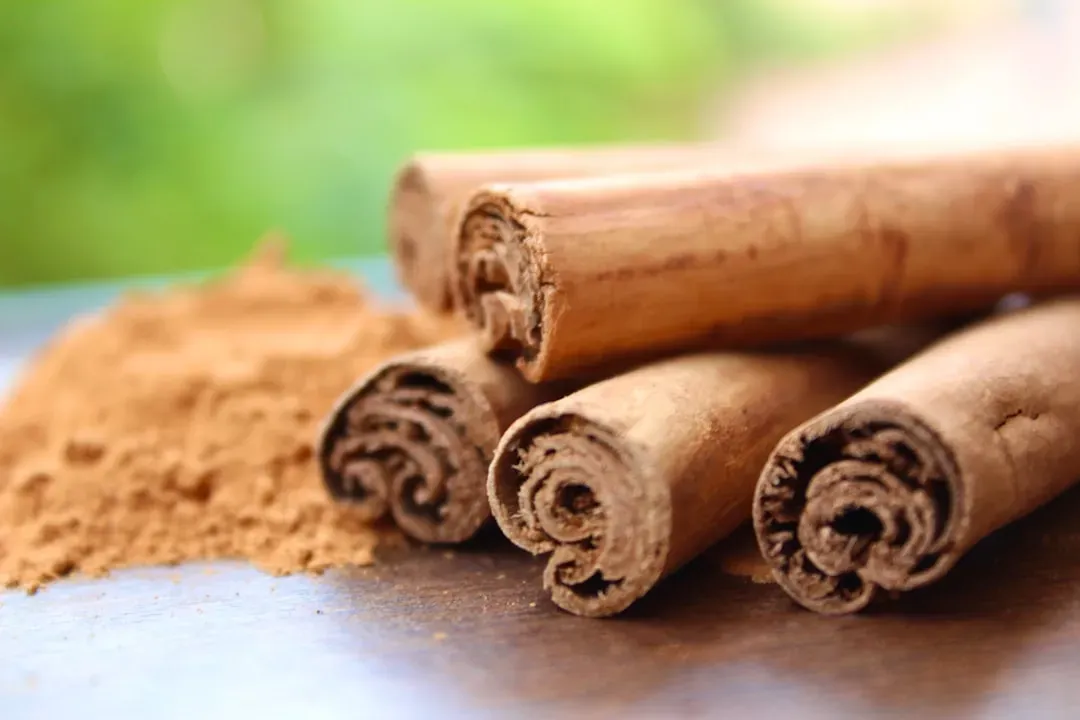
It’s almost a little shocking that something so warm and inviting to us can be so deeply unpleasant to flies. Cinnamon is a sweet-smelling spice that conjures up holiday mornings and decadent treats, but for flies, it has a pungent aroma that throws off their senses entirely, and is far too intense for them to handle.
Research revealed that a ten percent concentration of Ceylon cinnamon oil can kill all Musca domestica flies it contacts, and also effectively repels horn flies that commonly infest livestock. That’s a remarkable range for a spice most people use to top their morning oatmeal. You can sprinkle dried cinnamon on the ground outside, leave out a few cinnamon sticks, or light a scented candle, as the fragrant aroma is more than enough to create an invisible barrier that flies will avoid.
7. Cloves: Small but Seriously Powerful
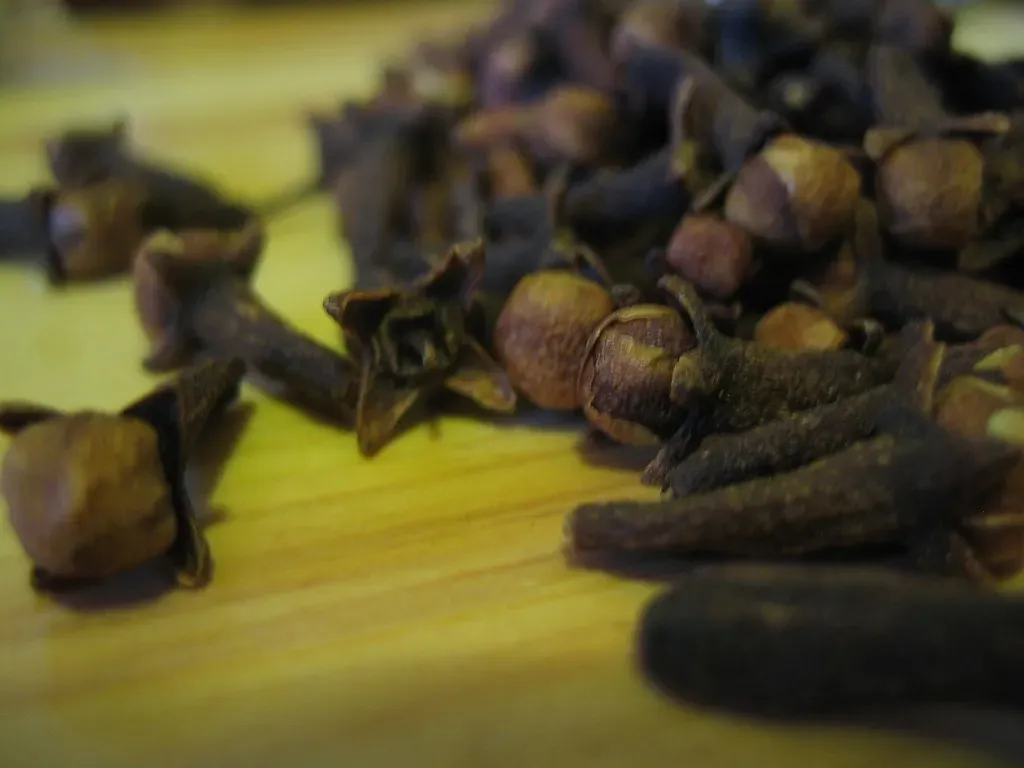
Cloves are one of those things most people only think about at Christmas time, tucked into an orange as a decoration. But I think they deserve far more credit as a year-round pest solution. Cloves are known for their distinct, spicy scent and unique numbing properties, and they also happen to be natural fly deterrents worth including in any herb garden.
Cloves and clove essential oil can repel flies, mosquitoes, and even moths, and their long-lasting, strong aroma makes them an excellent addition to any natural pest control routine. To use cloves effectively, place a handful of dried cloves in each room of your house while focusing on areas where flies have been spotted, or boil cloves in water on the stove to spread their scent throughout your home. Simple, affordable, and surprisingly effective.
8. Lemongrass: The Citrusy Disruptor
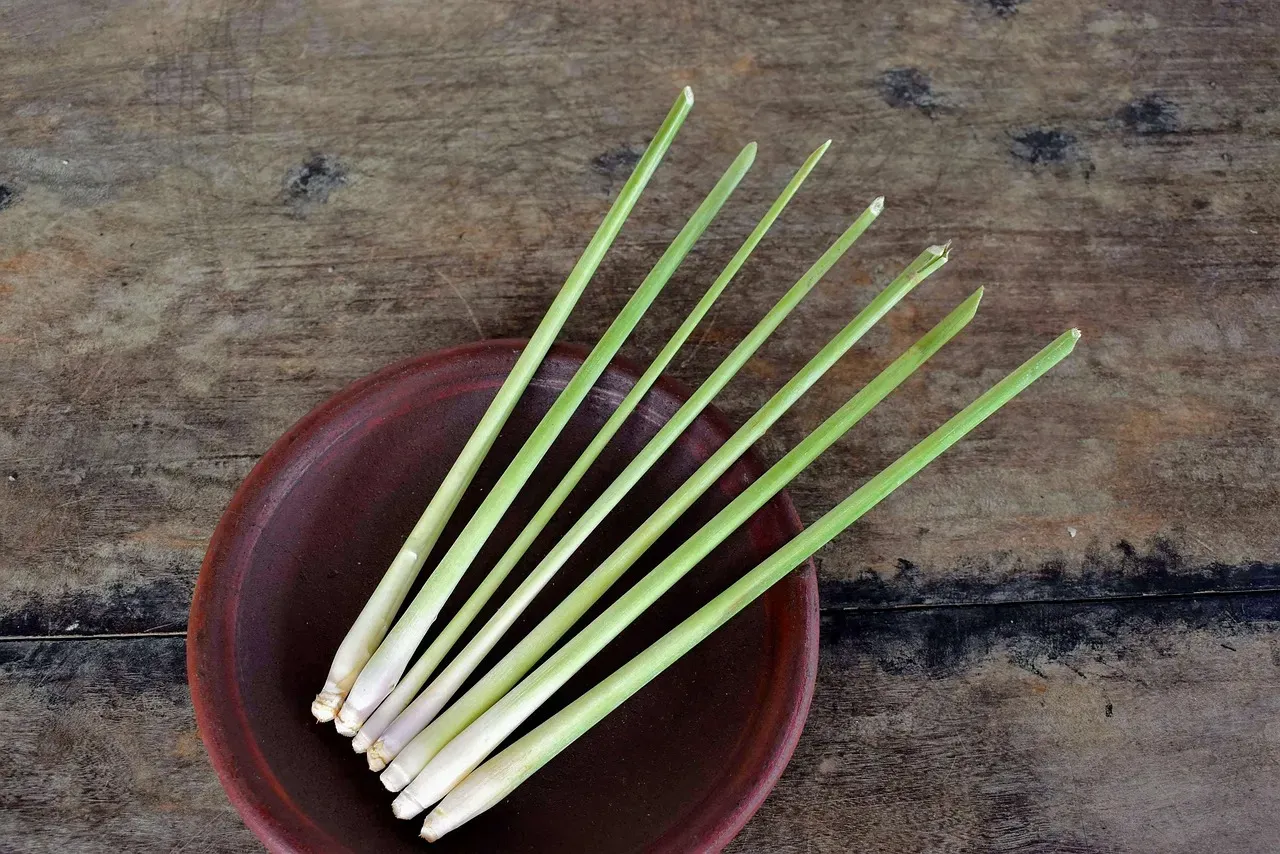
Lemongrass carries this bright, zesty energy that most people associate with Thai cooking or aromatherapy. It smells like sunshine in plant form. Flies, predictably, want absolutely nothing to do with it. Lemongrass oil, with its strong citrus scent, functions as a natural and potent repellent for flies, containing compounds called citral and geraniol that are known to repel insects.
The citral found in lemongrass oil is specifically avoided by flies, which is what gives it such reliable results. Research confirms that lemongrass, alongside geranium and peppermint, stayed effective as a fly repellent for a longer duration than many other tested substances. Lemongrass oil has a distinctive citrus-meets-grass scent that flying pests genuinely detest, and a simple spray mixed with water near your outdoor seating area can make a noticeable difference on a warm evening.
The Takeaway: Nature’s Nose Knows Best
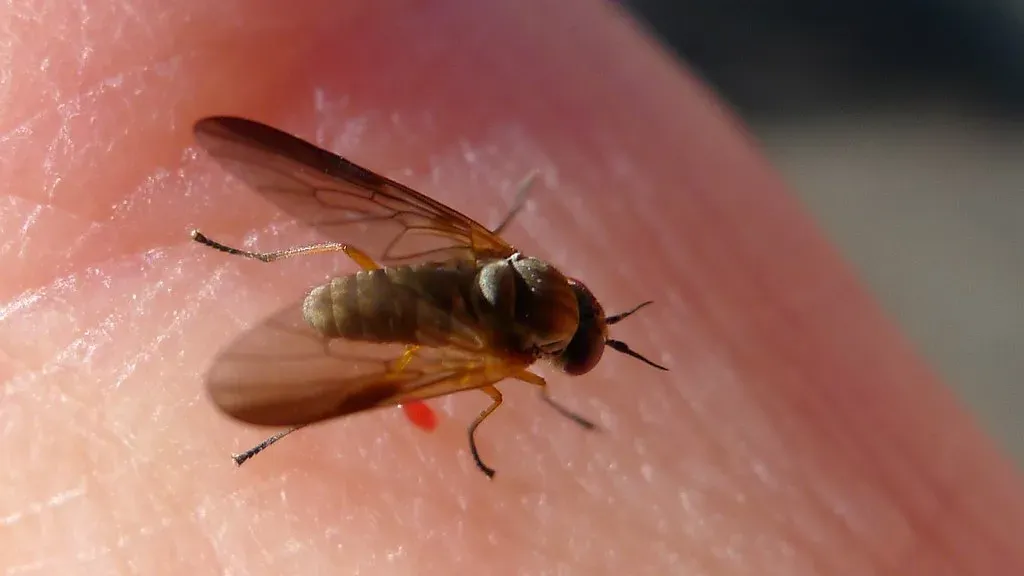
There’s something quietly satisfying about fighting a pest problem with nothing more than a herb plant or a bottle of essential oil. No toxic residue, no chemical smell, no risk to your kids or pets. These natural scents overwhelm a fly’s olfactory system and mask the food odors that attract them, turning their greatest strength into a vulnerability you can exploit with things already in your home.
While essential oils and natural scents are highly effective against flies, they work best in enclosed spaces and need to be reapplied periodically for continued effectiveness. Consistency matters more than intensity. A little lavender spray on the windowsill each morning, a basil plant by the kitchen sink, a few cinnamon sticks near the back door. It sounds almost too simple, but nature designed these plants to protect themselves from insects long before we came along and borrowed the idea.
The real question is, how many of these eight scents are already sitting in your home right now, just waiting to be put to work? What would you have guessed?

- When Will The Sun Die - July 29, 2026
- 12 Signs a Horse Has Imprinted on One Human and Will Never Transfer That Trust - July 29, 2026
- 17 Dog Breeds Groomers Quietly Dread Seeing on the Schedule - July 29, 2026