
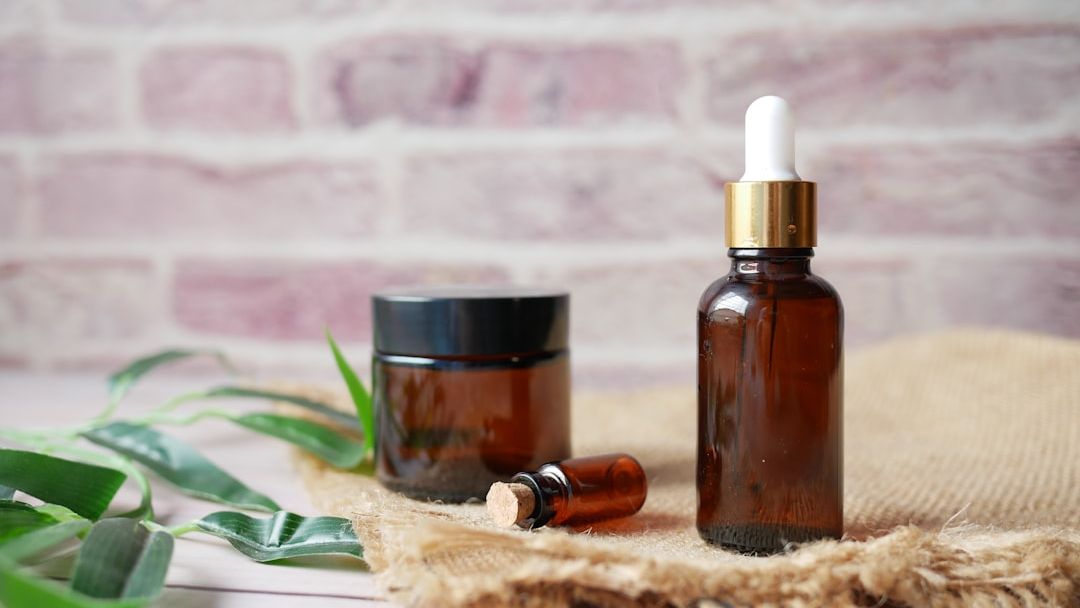
You know that sinking feeling when you flip on the kitchen light at night and see a dark shape scurry across the counter? Cockroaches are arguably one of the most unwelcome houseguests imaginable. They’re resilient, surprisingly fast, and have an uncanny ability to find their way into even the cleanest homes. Chemical sprays and pest control services certainly work, but more people are looking for natural alternatives that won’t fill their homes with harsh fumes or put curious pets and children at risk.
Here’s the thing: cockroaches have an incredibly sensitive sense of smell. While that helps them sniff out food crumbs and water sources, it also creates a surprising vulnerability. Certain scents are so overwhelming to their tiny sensory systems that they’ll actively avoid treated areas. Think of it as putting up an invisible “keep out” sign that only cockroaches can detect. So let’s dive in and discover which natural scents can help you reclaim your home.
Peppermint Oil Creates an Unbearable Barrier
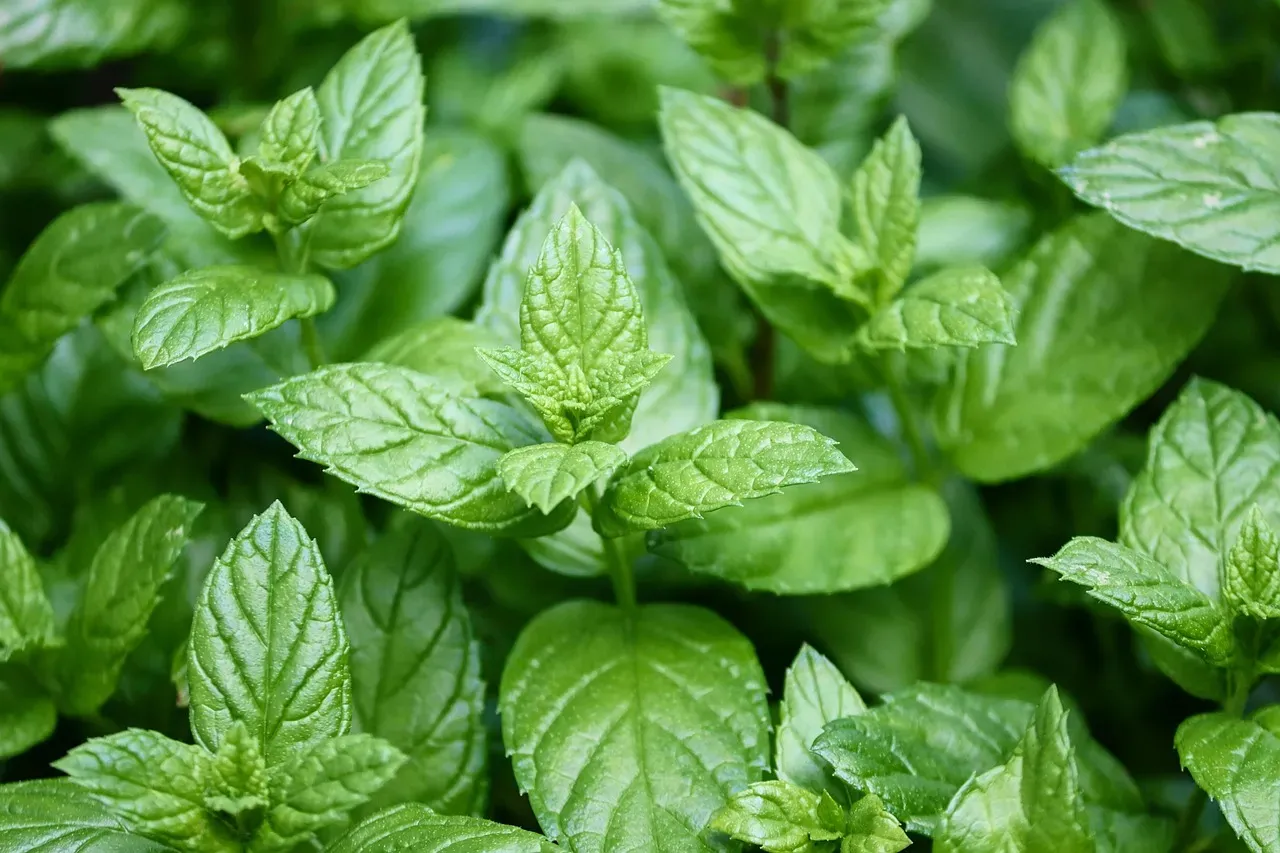
Peppermint oil stands out as one of the most effective natural cockroach deterrents because its intense menthol content creates an overwhelming sensory experience that irritates their respiratory systems. When you spray diluted peppermint oil around baseboards, under sinks, or near entry points, you’re essentially creating an invisible force field. The refreshing scent that we find invigorating is absolutely unbearable to roaches.
Research shows peppermint oil has a repellency percentage between roughly 59 and 69 percent against brown-banded cockroaches, which honestly isn’t perfect but still impressive for something you can buy at most health stores. Mix about ten to fifteen drops with water in a spray bottle and apply it liberally to problem areas. Just remember to reapply every few days since the scent fades over time.
Lavender Oil Offers Pleasant Protection

Most people associate lavender with relaxation and better sleep. Ironically, this calming floral scent has exactly the opposite effect on cockroaches. They find the floral scent of lavender overpowering and particularly irritating to their sense of smell, making it a dual-purpose solution for your home.
Add about ten to fifteen drops of lavender essential oil to one cup of water in a spray bottle, and the misted aroma will discourage roaches while offering an excellent stress reliever for humans. While lavender might not be quite as potent as peppermint on its own, combining it with other essential oils creates a more robust defense. You can also soak cotton balls in lavender oil and tuck them into dark corners behind appliances where roaches love to hide.
Eucalyptus Oil Packs a Powerful Punch
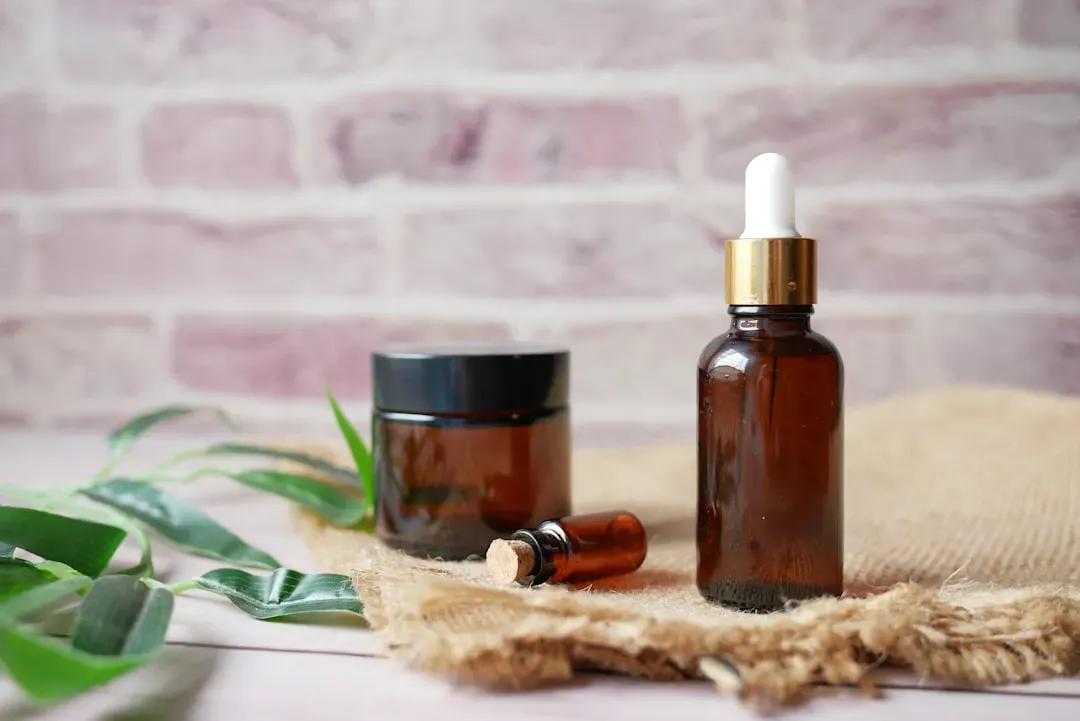
The fresh, woody smell of eucalyptus doesn’t just wake up your senses, it also sends roaches scrambling because it has a natural, pungent aroma that’s too powerful for them to handle, and it lingers for an extended period. This staying power makes eucalyptus particularly valuable since you won’t need to reapply as frequently as some other oils.
Mix eucalyptus oil with water and spray it along baseboards, around drains, and in any cracks or crevices where cockroaches might enter. The strong scent creates an environment these pests find genuinely inhospitable. Some people also add a few drops to their mop water, creating a scent barrier across entire floors that cockroaches will think twice about crossing.
Citrus Peels and Oils Double as Air Fresheners

Citrus scents like lemon and orange add a pleasant, clean smell to homes, but roaches can’t stand them because citrus fruits contain limonene, a compound that repels roaches and other insects naturally. It’s hard to say for sure, but citrus might be one of the easiest repellents to implement since most households already have lemons or oranges on hand.
Lemon, orange, and grapefruit peels naturally repel cockroaches, and you can simply rub them on surfaces or leave them near trash bins. Fresh peels work best, so replace them every few days to maintain effectiveness. You can also use citrus-based cleaning products, which serve double duty by eliminating food residues that attract roaches while simultaneously repelling them with scent.
Tea Tree Oil Disrupts Their Navigation System
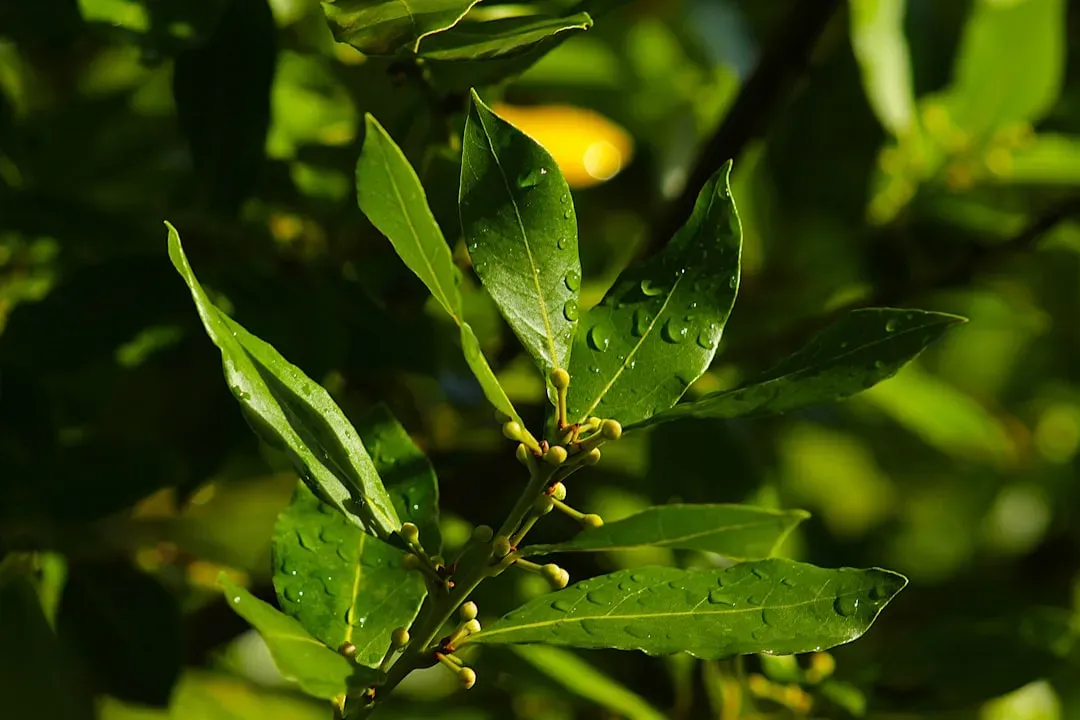
Tea tree oil is frequently cited as an effective natural repellent against cockroaches, with many homeowners noting that while its scent is tolerable for humans, cockroaches find it particularly abrasive and avoid it. This Australian native plant produces an oil with powerful antimicrobial properties that happen to wreak havoc on cockroach sensory receptors.
Mixing a solution of a few drops of tea tree oil with one part vinegar and four parts water creates an effective cockroach deterring solution that, when applied using a spray bottle to targeted areas, should deter cockroaches for a short period. Spray this mixture around pipes, behind appliances, and in bathroom areas where moisture tends to accumulate. The combination of tea tree oil and vinegar creates a particularly hostile environment that disrupts their ability to locate food sources.
Oregano Oil Delivers Long-Lasting Results
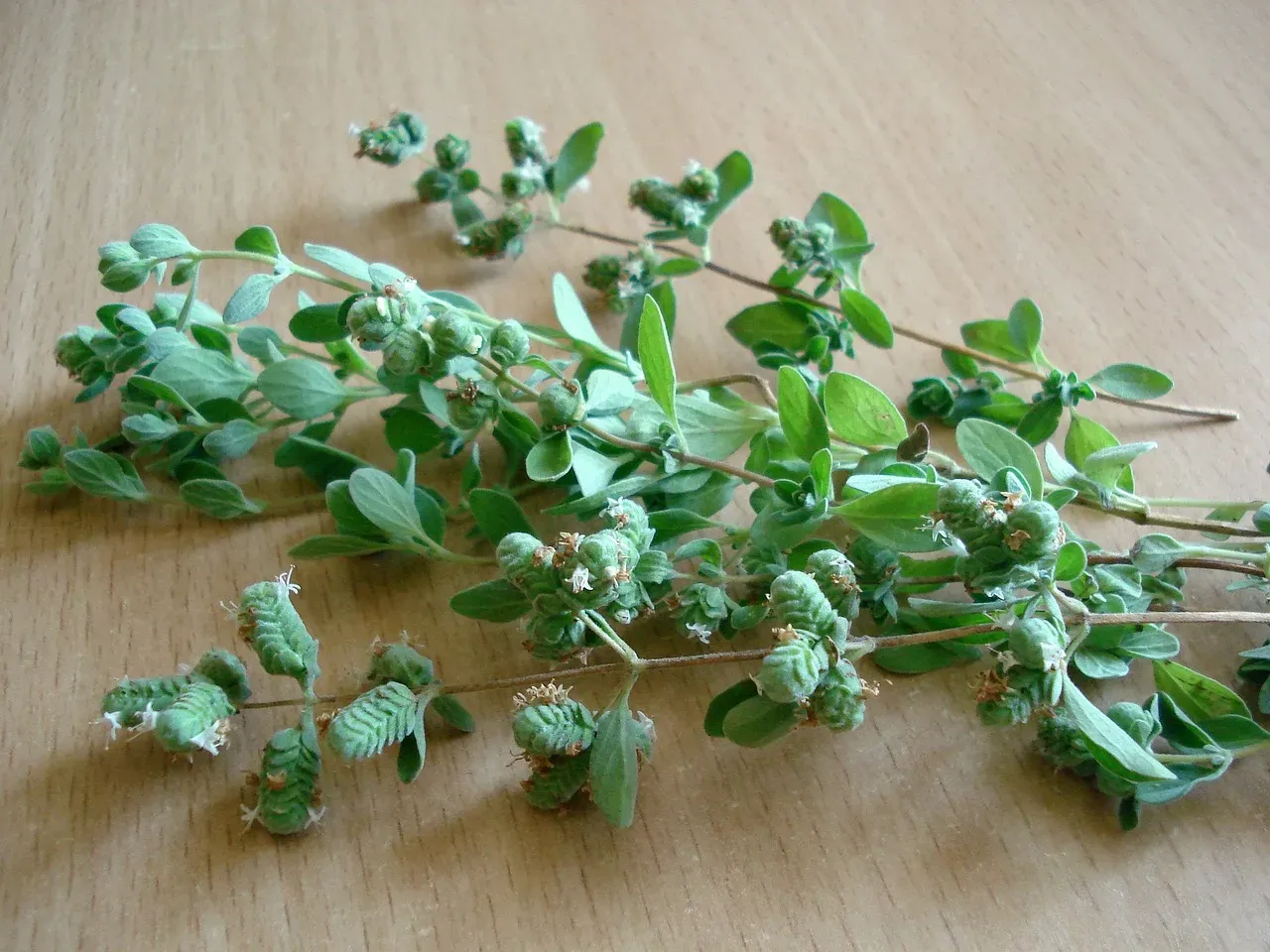
The National Institute of Health evaluated several popular oil compounds and found oregano oil the most effective and longest-lasting, with its strong, spicy, sharp odor shown to dispel cockroaches. Let’s be real, oregano isn’t just for pizza anymore. This potent essential oil stands out among natural repellents for its remarkable staying power.
Oregano essential oil is particularly effective against brown-banded cockroaches, and its long-lasting repellent effect can keep roaches at bay for up to a week. Mix several drops with water and spray generously in areas where you suspect cockroach activity. The higher concentration you use, the more effective it becomes, though you’ll want to test a small area first since the scent can be quite intense even for humans.
Cedarwood Creates a Natural Insecticide
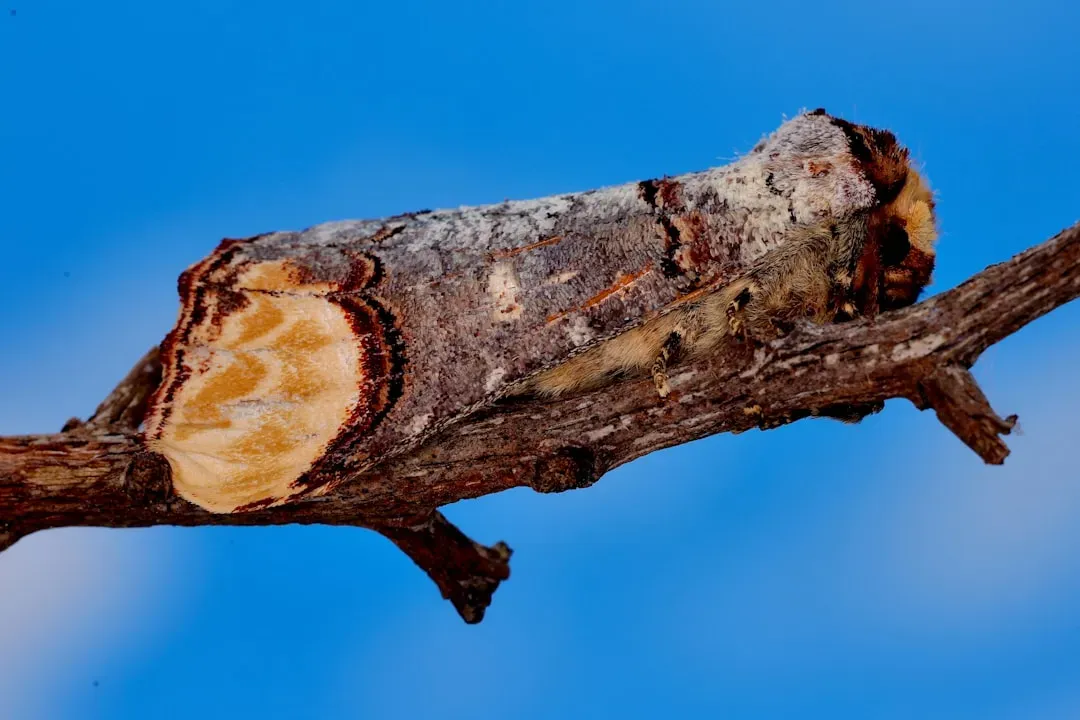
Cedarwood chips, cedar shavings, or cedar oil give off a pungent, earthy aroma that deters cockroaches, and you can mist cedar water, drizzle cedar oil, or scatter chips in spots where cockroaches like to hide, with the strong smell lasting for days. Cedar has been used for generations in closets and storage areas because it naturally repels various pests while keeping spaces smelling fresh.
Cedar essential oil is more than just a fine-smelling repellent, it’s an all-natural insecticide that can supplement any other essential oil repellents by actually killing insects that decide to stick around. This dual action makes cedar particularly valuable in a comprehensive pest control strategy. Dilute the oil with water and spray it anywhere you’ve noticed cockroach activity, or place cedar chips in cabinets and under sinks for continuous protection.
Rosemary Oil Shows Surprising Effectiveness
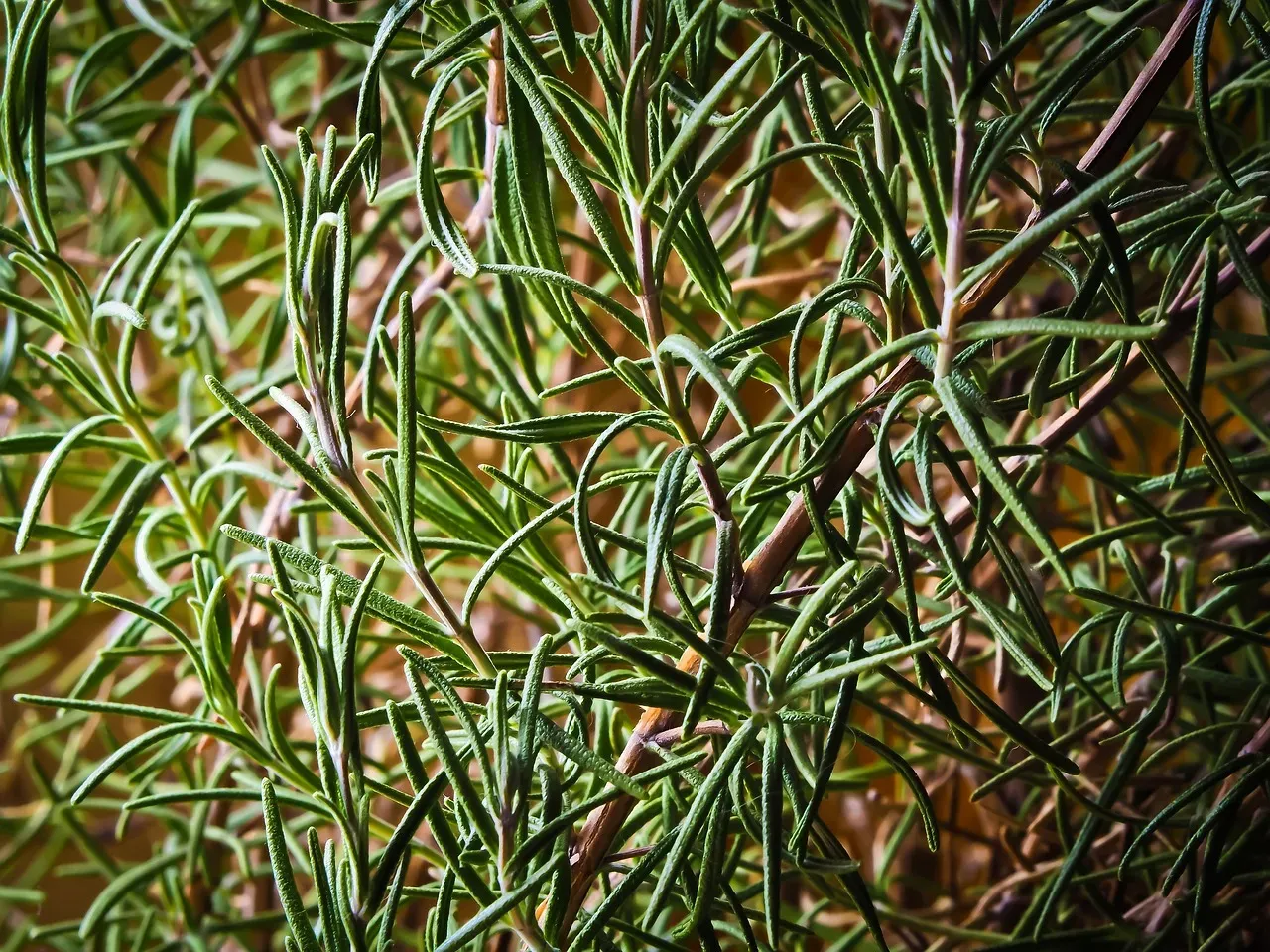
Mortality rates from rosemary oil at the lowest concentration tested reached 100 percent, making rosemary oil the most toxic oil with complete mortality at concentration ranges between roughly three and thirty percent. Honestly, I was surprised to learn just how effective this common culinary herb can be against cockroaches. We tend to think of rosemary as something that belongs in roasted chicken recipes, not pest control.
The strong scent of rosemary interferes with roaches’ ability to navigate, and you can apply a few drops to cotton balls and leave them near roach-prone areas. You can also add rosemary oil to water to create a cleaning solution that both sanitizes surfaces and repels pests. Fresh rosemary plants placed near entryways provide ongoing protection while adding a pleasant herbal fragrance to your kitchen or dining areas.
Conclusion: Creating Your Scent Defense Strategy
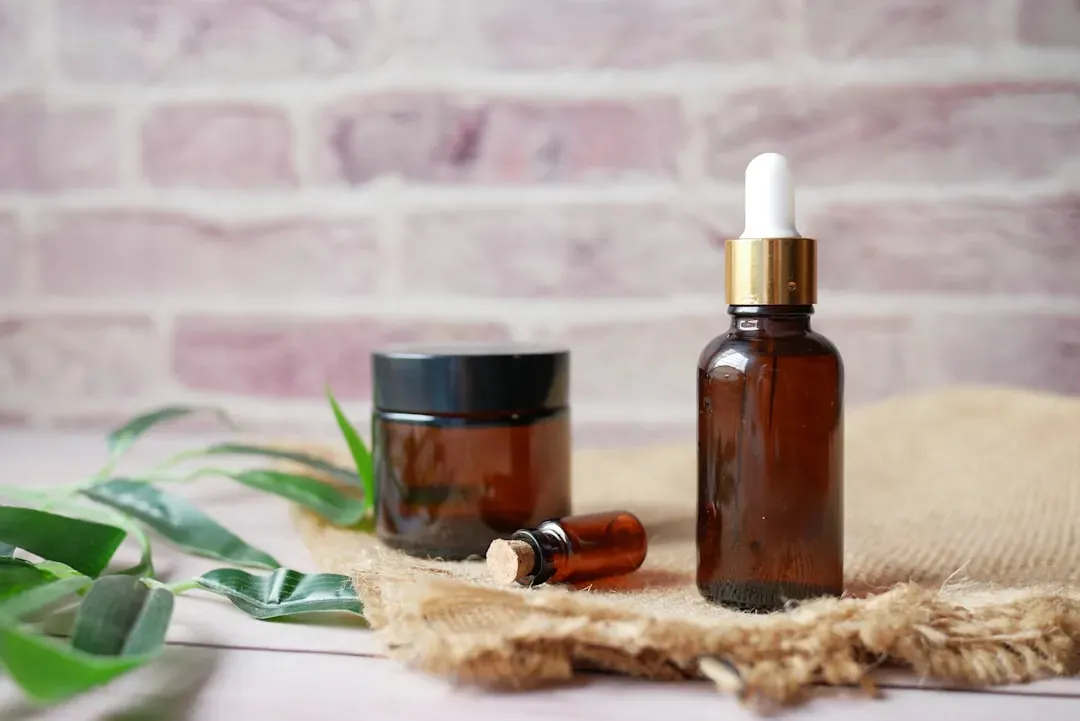
Natural scents offer a safer, more environmentally friendly approach to keeping cockroaches at bay, though it’s important to understand their limitations. These methods work best for prevention and managing light activity rather than eliminating established infestations. The key lies in consistency and combining multiple approaches for maximum effectiveness.
Mix and match different essential oils to create custom blends that suit your preferences while maximizing repellent properties. Apply them regularly to entry points, dark corners, and moisture-prone areas where cockroaches typically congregate. Remember that these scents need refreshing every few days to maintain their effectiveness, and combining them with proper sanitation practices creates the strongest defense against these persistent pests.
What’s your experience with natural cockroach repellents? Have you tried any of these scents in your home?

- 6 Exotic Bird Species You Can Spot in U.S. National Parks - July 19, 2026
- 11 Iconic American Birds Facing New Challenges and How You Can Help - July 19, 2026
- 10 Friendliest Animals in the World - July 19, 2026