

It’s easy to think of climate change as something happening “out there” – in melting polar ice caps, in distant rainforests, or in some future that hasn’t quite arrived yet. But here’s the thing: the evidence is already on your doorstep. It’s in the flooding streets of your coastal city. It’s in the wildfire smoke choking your summer air. It’s in the thermometer reading that keeps breaking records you swore could never be broken.
Climate change isn’t a prediction anymore. It’s a report card. And across every state in America, the grades are coming in. Some of what’s already happening is shocking, some of it is quietly terrifying, and all of it is deeply personal. Let’s dive in.
1. Your Summers Are Getting Relentlessly Hotter
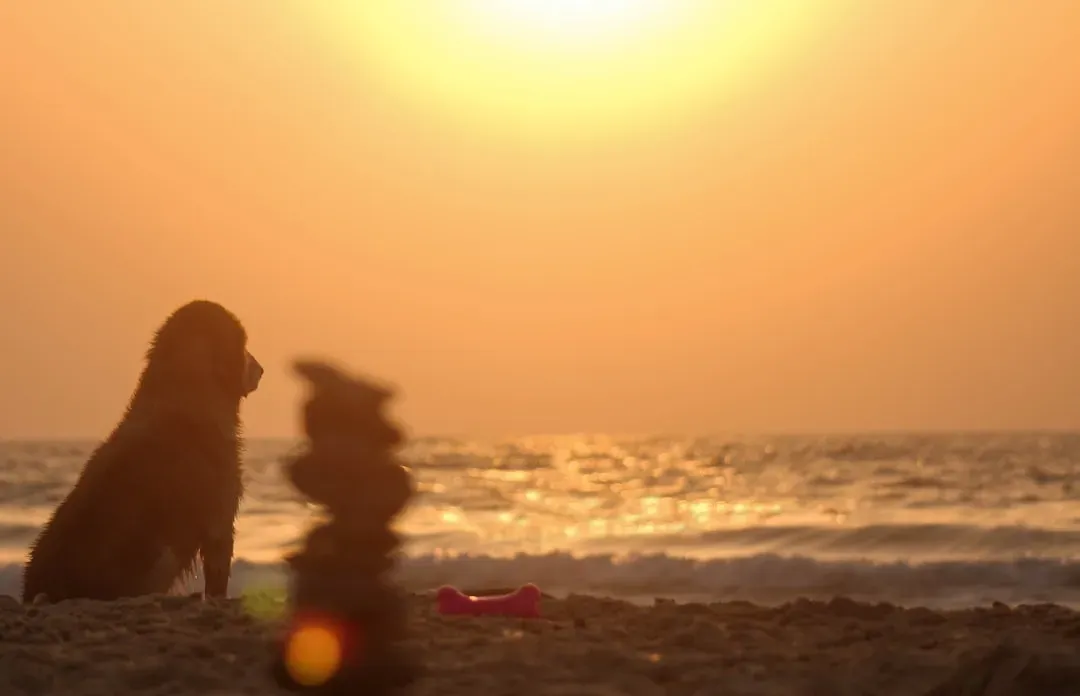
Let’s start with the most obvious one, because honestly, it deserves more shock than most people give it. 2025 was the fourth-hottest year on record for the contiguous U.S., and the nine warmest years on record have all occurred since 2012. That’s not a coincidence. That’s a pattern screaming at us.
Analysis based on Climate Central’s Climate Shift Index found that average 2025 temperatures were made warmer by human-caused climate change in every single U.S. county. Every. Single. One. That means no matter where you live, your summers are being reshaped by warming emissions.
Because of human-caused warming, record highs are outpacing record lows across the U.S. – in 2025, over four times more record highs (1,313) than record lows (298) were set across 247 major U.S. cities. Think about that the next time your town breaks another temperature record and someone shrugs it off as “just a hot summer.”
While only about half of states show rising average temperatures overall, most are heating up in specific ways, like hotter highs or warmer lows – with the West seeing more extreme heat and the North losing cold extremes. The warming isn’t uniform, but it is everywhere.
2. Wildfires Are Burning Longer, Bigger, and More Destructively
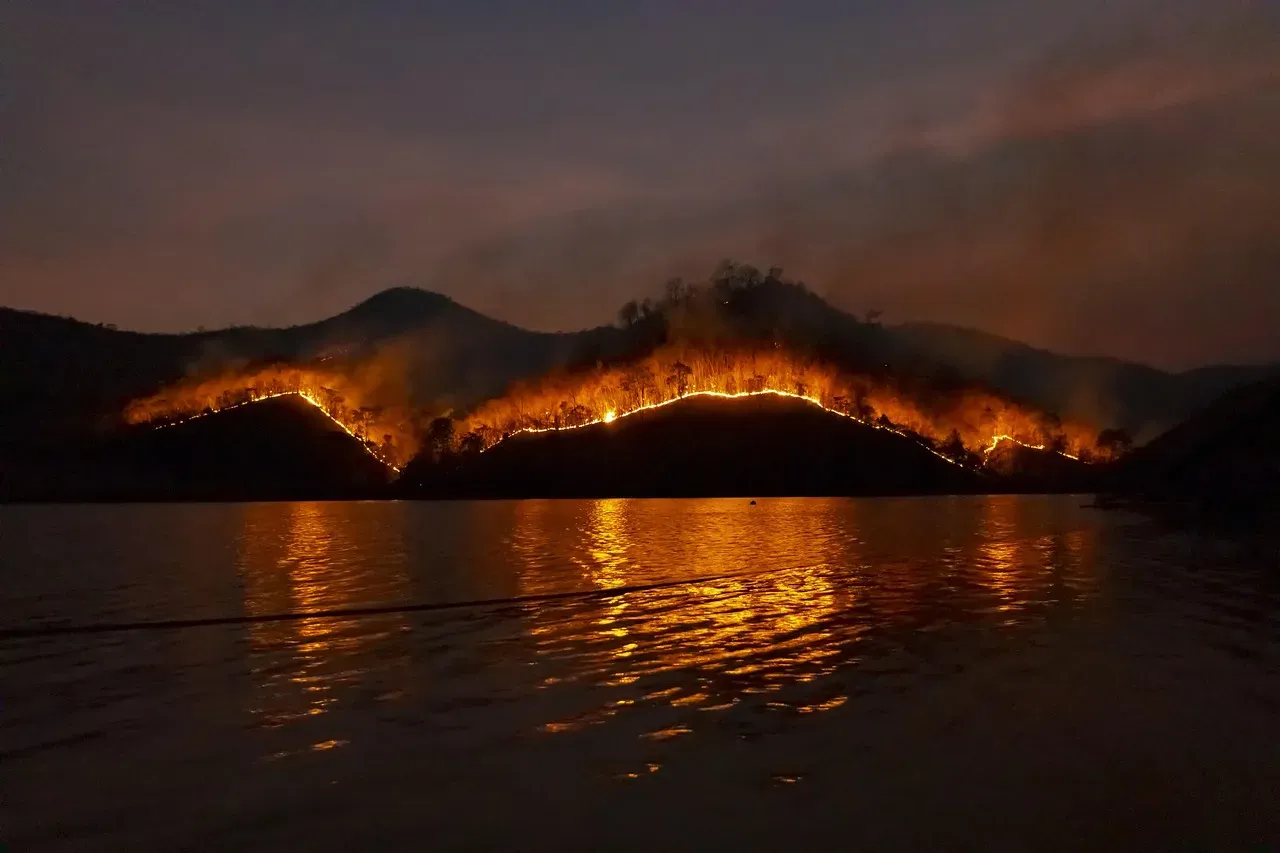
I know it sounds almost unbelievable, but the January 2025 Los Angeles wildfires were the costliest wildfire disaster in modern American history. The devastating Los Angeles wildfires caused 31 deaths, destroyed 16,000 homes and businesses, and doubled the previous record for the most costly wildfire. That’s a staggering number. Double the previous record.
Climate change, including increased heat, extended drought, and a thirsty atmosphere, has been a key driver in increasing the risk and extent of wildfires in the western United States during the last two decades. The forests aren’t just burning – they’re being primed to burn by a climate that strips them of moisture season after season.
Compared with 35 years ago, fire seasons are a month longer in parts of the United States, starting earlier and ending later. Between 2001 and 2020, the average peak wildfire growth rate in the United States nearly doubled. A month longer. Think of how that compounds year after year.
During the 1990s, an average of 3.3 million acres burned per year. Since 2000, wildfires have burned an annual average of 7.0 million acres – more than double the average of the 1990s. The trend line is impossible to ignore.
3. Coastal States Are Flooding on Sunny Days
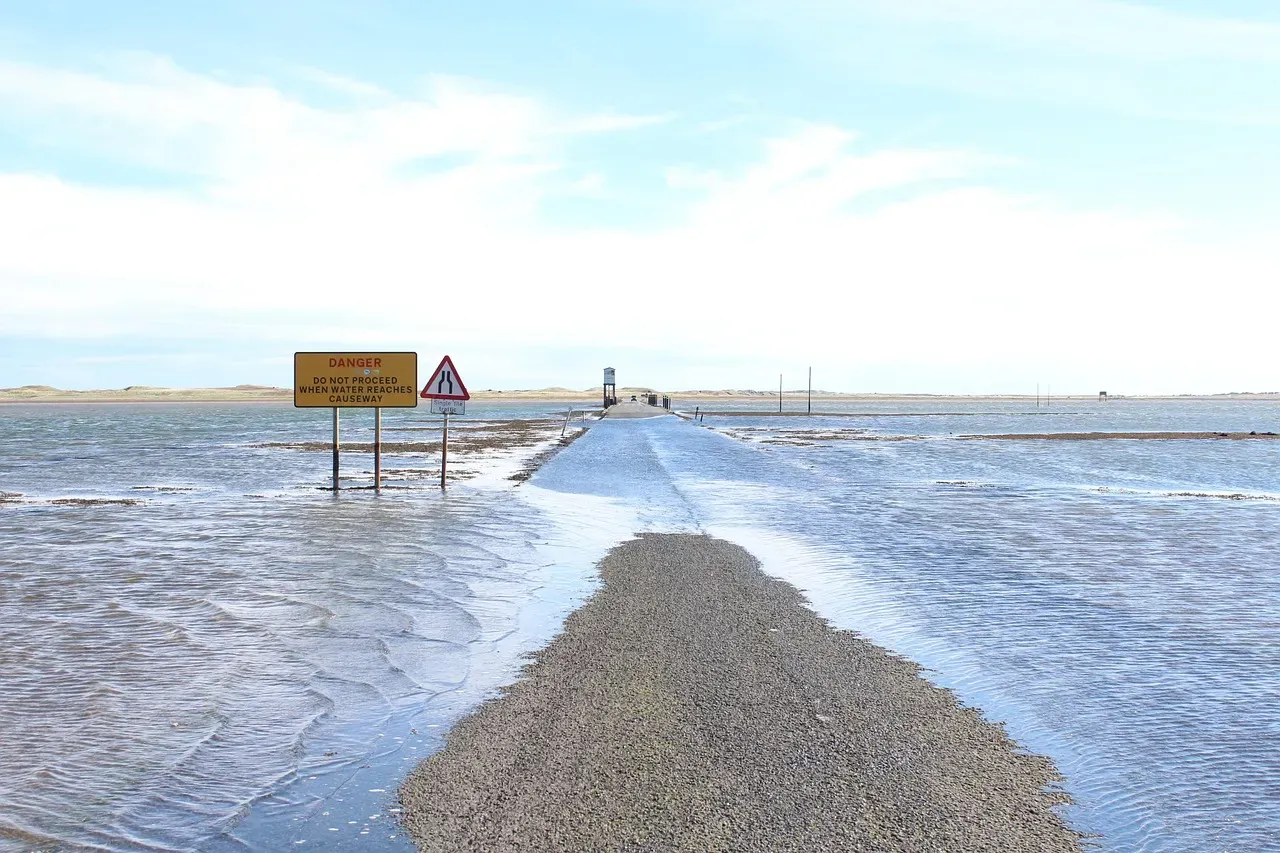
Here is something that would have seemed absurd to explain to someone 30 years ago: streets and parking lots in coastal cities are flooding even when the sky is completely clear. No storm. No rain. Just the tide. In our warming climate, it no longer takes a strong storm to flood streets, homes, businesses, and ecosystems along the coast. High tide flooding, also called nuisance flooding or sunny day flooding, is becoming more common in the U.S.
The annual frequency of high tide flooding in the U.S. has more than doubled since 2000 and is projected to more than triple again by 2050 as sea levels continue to rise. Tripling. For coastal communities, that means going from an occasional nuisance to a near-daily reality within a generation.
U.S. east coast cities are witnessing sea level rise that is two to three times faster than the global average. Places like Miami, Charleston, and Virginia Beach are already experiencing this. The ocean doesn’t care about zip codes or property values.
All scenarios in the Southeast United States point to increases in the depth and frequency of coastal flooding. By 2050, many Southeast cities are projected to experience more than 30 days of high tide flooding per year, even with reductions in fossil fuel emissions. That’s over a month of flooding – every single year.
4. Extreme Storms and Flash Floods Are Becoming Deadlier
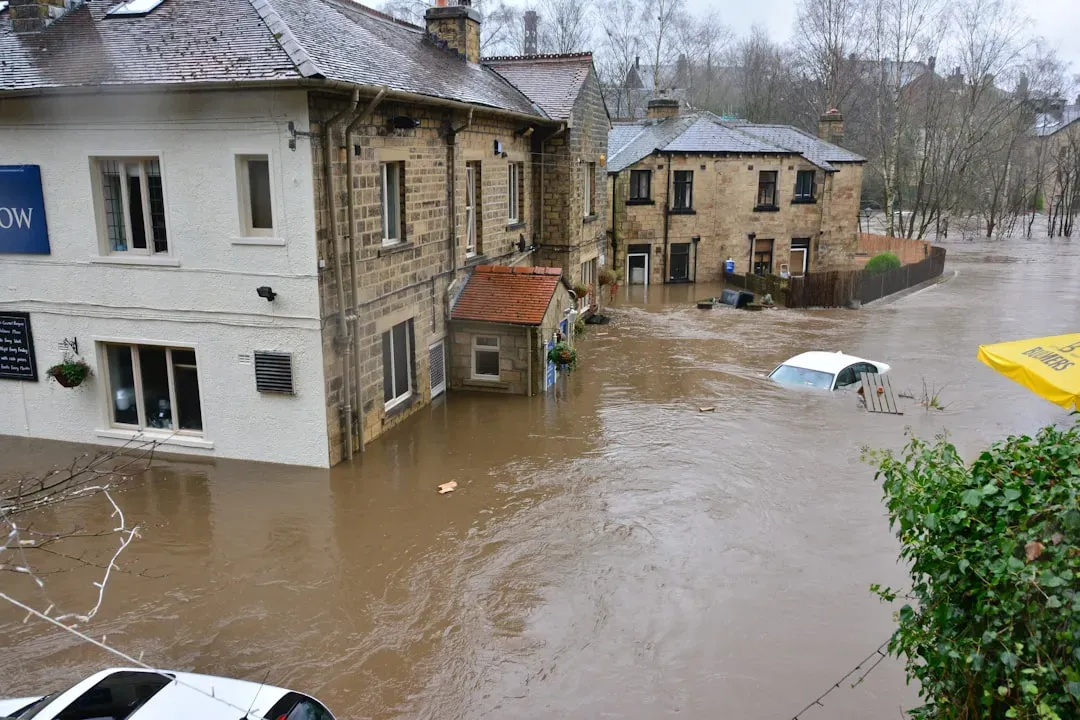
Storms have always existed. Flash floods have always happened. The disturbing shift we’re seeing now isn’t just frequency – it’s ferocity. The Texas Hill Country experienced a 1-in-100 to 1-in-1,000-year flood event that killed at least 135 people after nearly two feet of rain fell in just a few days. Events once considered almost impossibly rare are becoming almost routine.
Severe weather accounted for a record 21 billion-dollar disasters in 2025, concentrated in a series of spring and summer tornado outbreaks across the central U.S. Record. In a single year. That’s not weather variability – that’s a new baseline.
In 2025, there was an average of just 10 days between billion-dollar disasters, compared to 82 days during the 1980s. Let that sink in. What used to be a catastrophe happening roughly every three months is now happening nearly every week and a half.
Elevated temperatures intensified prolonged heatwaves, worsened drought conditions and fire weather, and increased the extreme rainfall and winds associated with severe storms and floods that resulted in thousands of fatalities and displaced millions of people. The connections between warming and disaster aren’t theoretical – they’re being counted in lives.
5. Western Snowpack Is Disappearing, and It’s Threatening Your Water
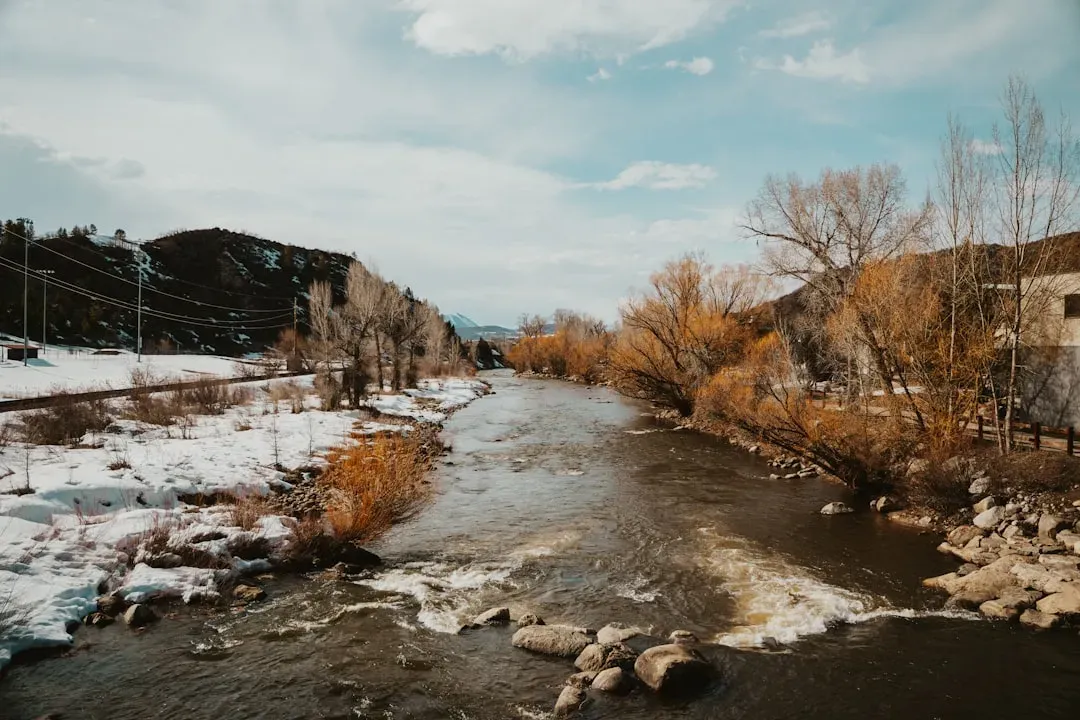
This one often flies under the radar because it doesn’t make for the most dramatic headlines, but honestly it might be one of the most consequential signs of climate change playing out right now. Record-low snowpack in Oregon, Colorado, and Utah is threatening western water supplies. Warmer, low-snow winters mean smaller snow reserves that melt earlier yet need to stretch longer to meet the region’s water demands.
Think of snowpack like a giant savings account. Every winter, mountains deposit snow that slowly “withdraws” as meltwater through spring and summer, feeding rivers and reservoirs. When that account shrinks dramatically, communities downstream feel the crunch in midsummer, exactly when water demand peaks. It’s a cruel piece of timing.
Snow drought can also lead to drier forests and grasslands that can fuel more intense wildfires. So the domino effect is real: less snow leads to drier land, which leads to bigger fires, which leads to more carbon, which leads to more warming. Around and around it goes.
A billion-dollar drought affected the western U.S. in 2025. This event was primarily driven by heat rather than by a lack of precipitation, consistent with an emerging trend of heat-driven drought in the western U.S. That’s a genuinely new kind of drought – one baked into existence by temperature alone, even without rainfall deficits.
6. Your State’s Temperature Records Are Being Shattered
Record-breaking used to feel special. Something that happened once in a generation. Now, states are shattering their own temperature records like they’re going out of style – because, in a sense, the old climate records are. The Southwest saw its warmest year on record; the West and Northwest both ranked third warmest. Utah and Nevada recorded their warmest years on record, at 4.3°F and 3.7°F above their 20th-century averages, respectively.
In total, a dozen states experienced one of their four warmest years. At the county level, 62 counties across 10 states, more than eight million people, recorded their warmest year on record. Eight million people living in places that just hit their hottest point in recorded history.
In 2025, carbon pollution made 89% of record high daily temperatures set across 247 major U.S. cities more likely. Nearly nine out of ten record heat events had climate change’s fingerprints on them. It’s not a natural variation story. It’s a human emissions story.
7. Wildfire Smoke Is Now a National Public Health Emergency
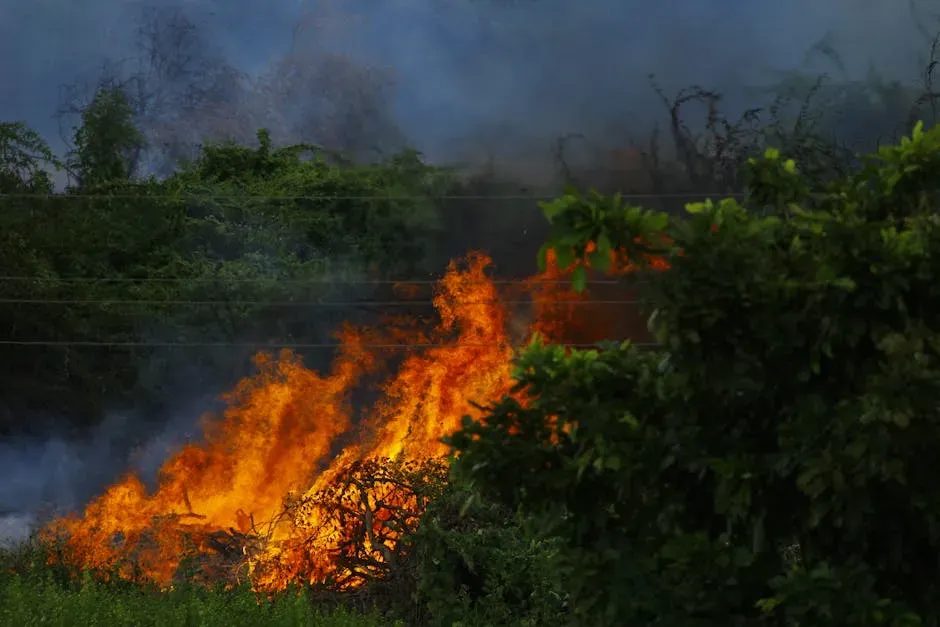
Even if you live nowhere near a forest, climate change is delivering its consequences directly to your lungs. Wildfire smoke has become a cross-state, sometimes cross-country health crisis. Wildfire smoke can travel thousands of miles and put millions of people at risk. Tiny particles in smoke irritate the eyes and throat, and can contribute to health problems such as reduced lung function, asthma, and cardiovascular disease.
Wildfires deeply strain health care infrastructure and people’s mental and physical health. Fire events drive up emergency department visits for anxiety and lead to increased antidepressant use, with post-traumatic stress disorder lasting up to a decade. This is a long-tail disaster. The fire ends, but the trauma – and the health impacts – can linger for years.
Because smoke can travel great distances on wind currents, impacts not only affect communities near wildfires, but also communities far away. In 2025, smoke from Canadian wildfires reached the Eastern U.S. and the Midwest. So even states that think they’re safely insulated from western wildfires found themselves under hazy orange skies.
The number of policies in force under the California FAIR plan, a last-resort insurance option, rose 146% between 2022 and the end of 2025. When the insurance market starts breaking down, it’s a sign the risk has grown beyond what the system was built to handle.
8. Climate Extremes Are Now the New Normal, Economically Too
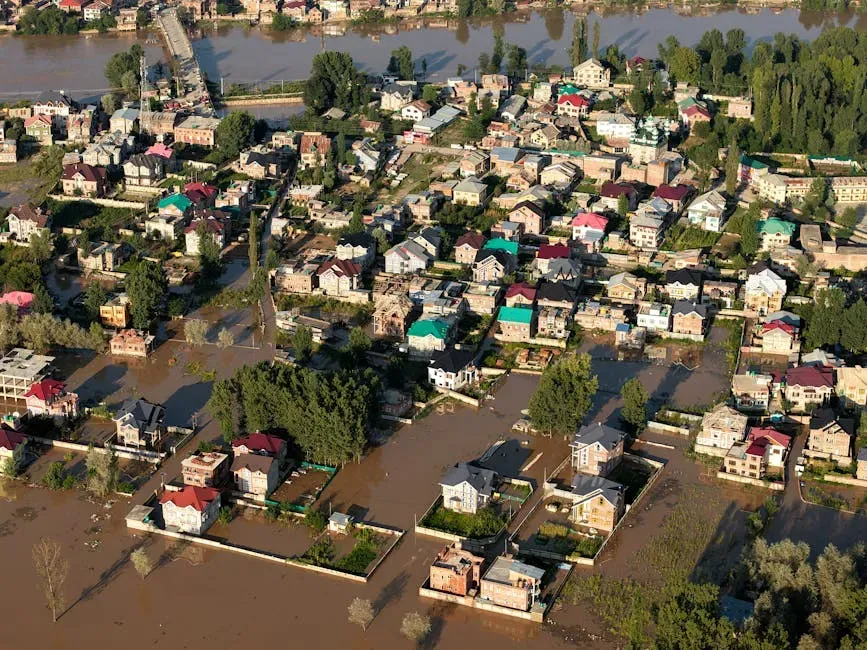
Here’s where climate change becomes undeniably personal for almost everyone: your wallet. The financial reality of a warming climate is reshaping insurance markets, infrastructure costs, and state budgets in ways that cascade directly onto everyday Americans. The U.S. experienced 23 billion-dollar weather and climate disasters in 2025, ranking third behind 2023 and 2024 for the annual number of such events, capping a dramatic rise in disaster frequency since 1980.
Since 1980, the U.S. has sustained 426 billion-dollar disasters, with a total cost exceeding $3.1 trillion. Three point one trillion dollars. That’s not abstract government spending – it flows through communities, hitting tax bases, driving up premiums, and forcing impossible choices about what to rebuild and what to abandon.
Wildfires cost the United States between $394 billion and $893 billion each year in economic losses. In the Southwest, they now account for the highest annual insurance losses of any natural disaster. These are numbers that should stop anyone in their tracks, regardless of their politics.
Shifts in temperature extremes can affect crop growth, strain public health systems, and influence how communities perceive climate risks. All of these factors play an important role in shaping local climate policies and responses. It’s not just weather anymore. It’s agriculture, it’s healthcare, it’s housing. It’s the entire framework of daily life.
Conclusion: The Signs Are Everywhere – If You Know Where to Look
The eight signs above aren’t predictions. They’re receipts. They’re already showing up in state-level temperature records, on flooded coastal roads, in smoke-choked skies, in insurance cancellation letters, and in the rubble of communities obliterated by fires and floods. Climate change has moved from the realm of future concern into the territory of present reality – and it’s doing so faster than even many scientists expected.
It’s hard to say for sure exactly how each state’s experience will unfold over the coming decades. The specifics differ – a coastal Florida neighborhood faces a very different climate story than a farming community in Colorado or a fishing village in Alaska. Yet the overarching thread is the same everywhere: the climate that communities were built around is no longer the climate they’re living in.
The good news, if there is any to hold onto, is that recognition is the first step toward resilience. Knowing these signs, naming them, and refusing to treat them as “just weather” is how awareness eventually becomes action. The question isn’t whether climate change is affecting your state. It already is. The question is: what are we going to do about it now that we know?

- 10 Fascinating Facts About The Secretary Bird You Never Knew - August 11, 2026
- 12 Amazing Facts About Ancient Egypt Not Everyone Knows - August 11, 2026
- 10 Fascinating Facts About Sea Turtles That Will Change How You See the Ocean - August 11, 2026