
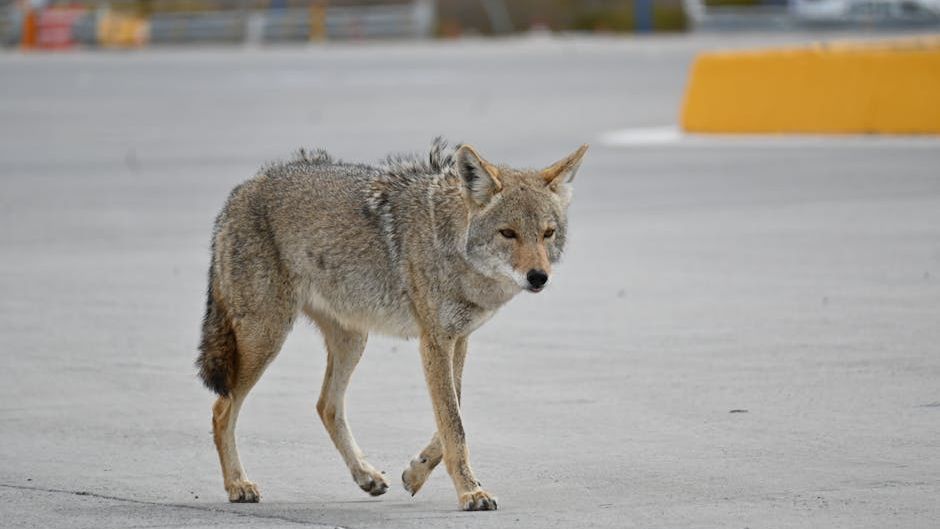
Most people don’t give much thought to coyotes until they hear that distinctive, unsettling chorus of howls cutting through the night. But for those who spend real time in the wild, whether hunting, ranching, or simply paying close attention to the land, coyotes have long served as one of nature’s more reliable weather signals. Long before radar apps and storm alerts, people noticed something peculiar: coyotes change.
Their behavior shifts in subtle and sometimes striking ways in the hours before a storm rolls in. Some of it is instinct, some is pure sensory biology, and some of it still puzzles researchers. What’s clear is that these animals are picking up on environmental cues that most of us simply miss. Here are eight of the strangest things coyotes do right before bad weather arrives.
#1: They Go on an Intense Pre-Storm Feeding Frenzy
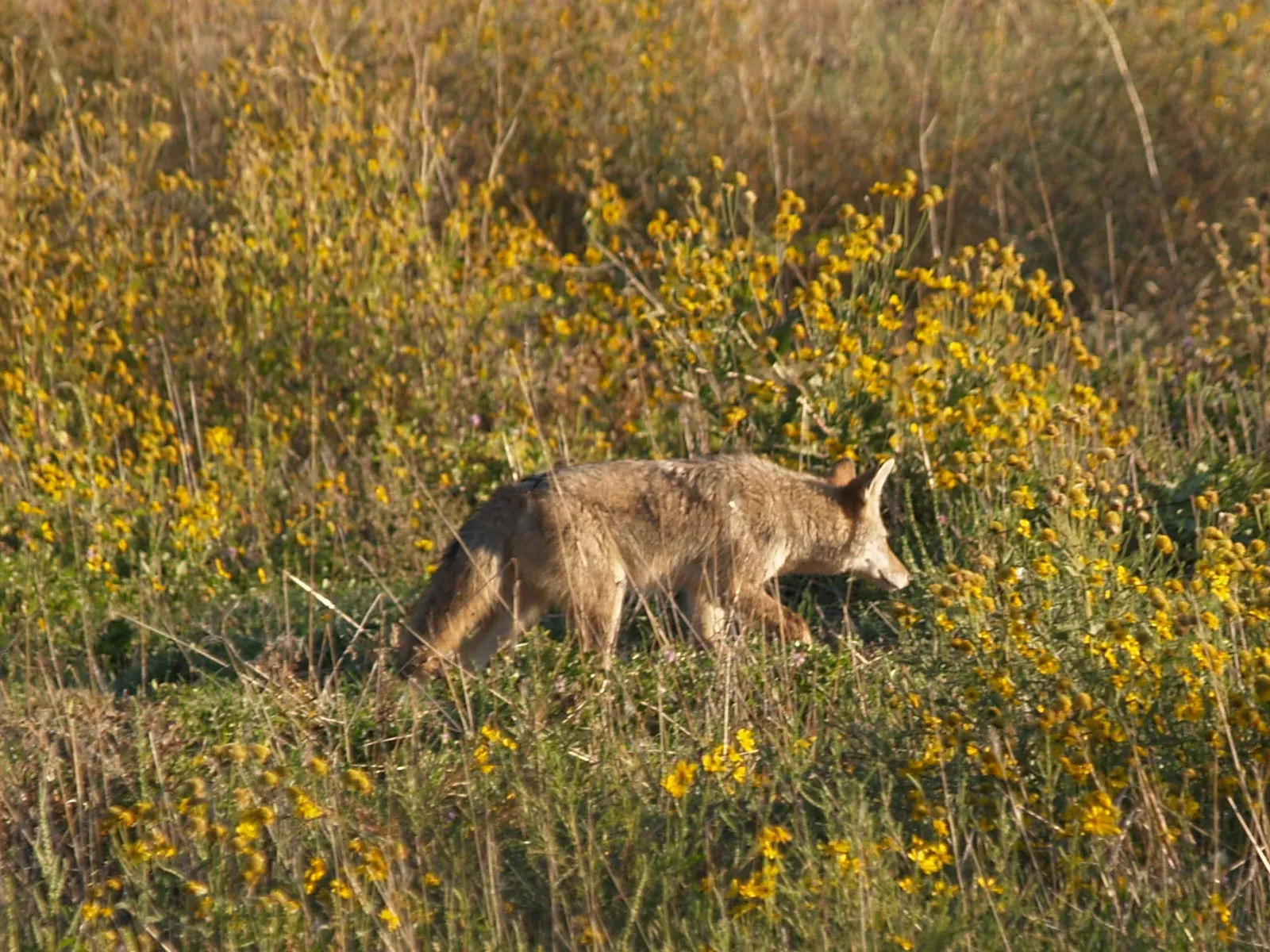
Stormy weather encourages a predator to grab a meal before a storm, then forces it into cover during the storm. For coyotes, this isn’t casual opportunism. It’s survival math. They seem to understand, on some instinctive level, that once a serious storm settles in, hunting becomes far harder or temporarily impossible.
As a front approaches and coyotes sense the impending drop in temperatures, they try to cram in as much food as possible before the conditions deteriorate. Observers and experienced hunters consistently report a window of intense coyote movement and activity in the hours leading up to a major weather event. Don’t wait until the first snowflake falls if you hope to observe this behavior. They know hours beforehand what’s coming and will be on the hunt to find food and shelter before winds whip up.
#2: They Respond to Dropping Barometric Pressure
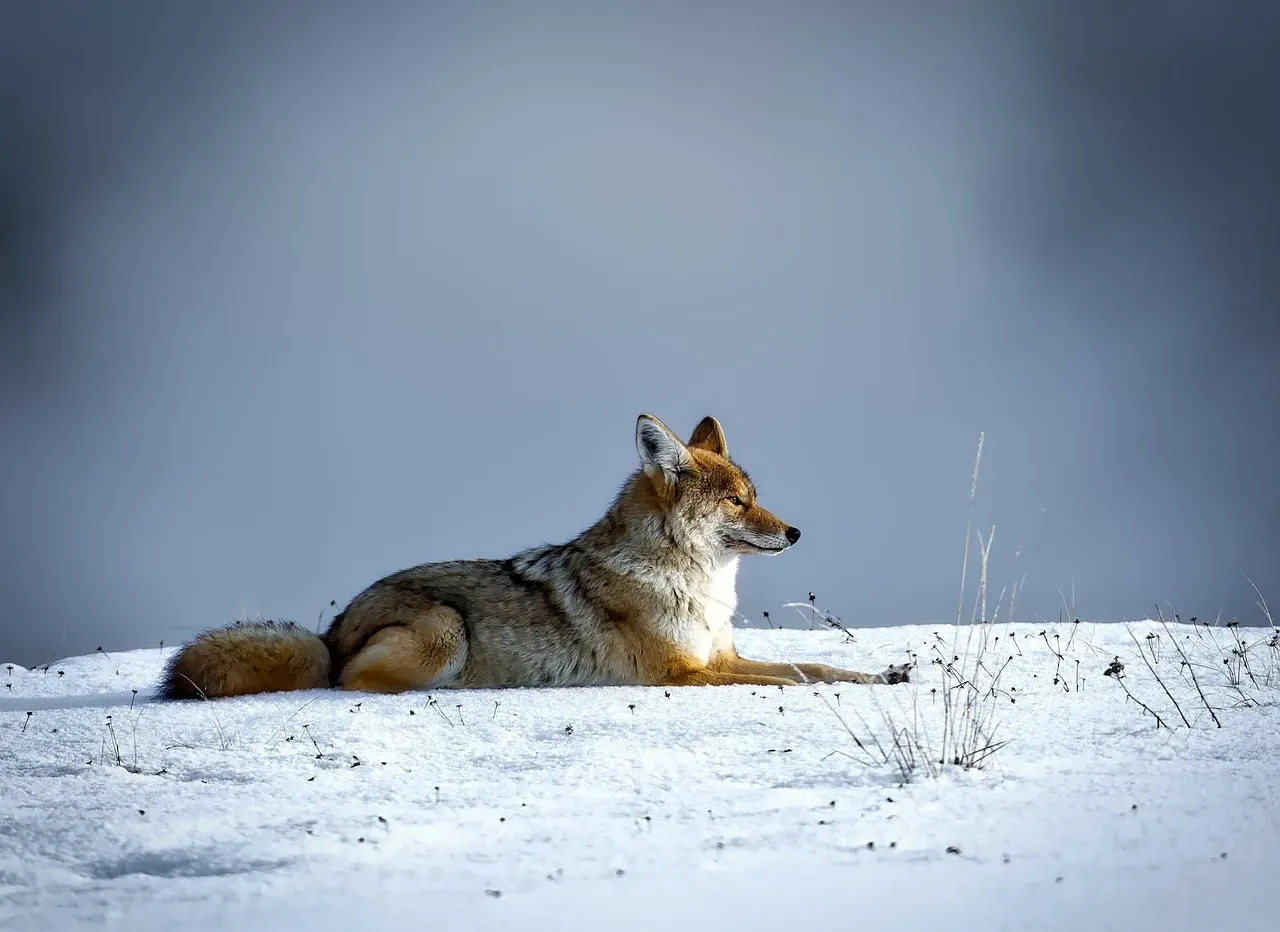
There’s little doubt that coyotes sense the barometric changes associated with a storm. This is the key weather indicator that makes most animals move. While humans might eventually notice a headache from a pressure shift, coyotes appear to detect it much earlier and respond with urgency. The falling barometer isn’t just background noise to them. It’s a trigger.
The faster and lower the barometric pressure falls, the sooner its arrival and the fiercer the storm. With a coyote’s detection of a sudden and sharp fall of barometric pressure, its behavior changes. This ability to read pressure changes is shared across many animal species, but in coyotes it tends to translate directly into visible behavioral shifts. As pressure starts to decrease, animals seem to sense what’s coming and begin feeding or relocating to better cover.
#3: They Howl More, and Differently
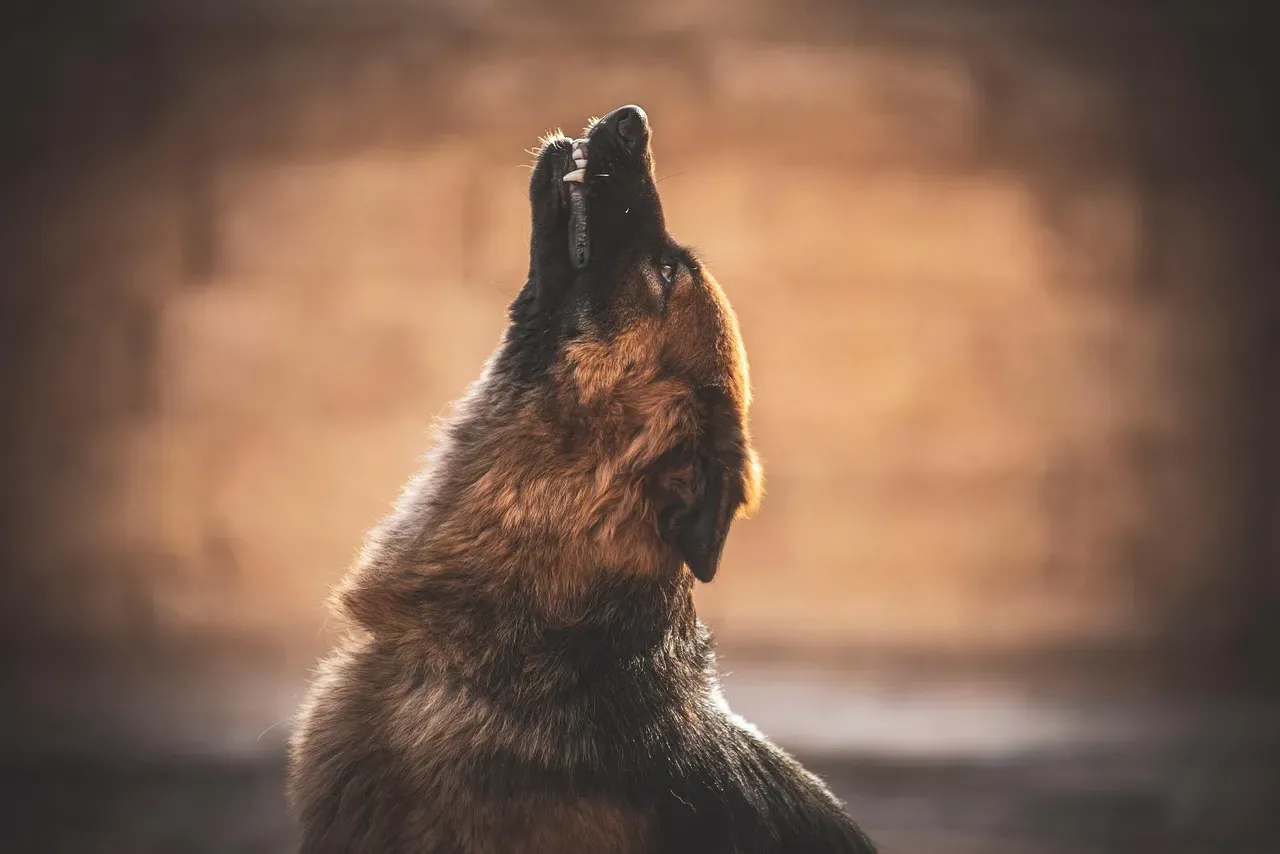
Just before a storm, many observers note a surge in coyote vocalizations. The howling seems more insistent, more frequent, and sometimes takes on a different character altogether. There’s a communicative urgency to it that’s hard to ignore.
If you hear howling in a night rain, it usually means the pack is communicating to coordinate a move or mark a territory that has had its scent washed away. Pre-storm conditions create a similar urgency. One main function of howling is territorial marking, where howls act as an auditory boundary, warning other coyotes to stay outside an area. This helps prevent direct confrontations and maintains territories. Howling also plays a role in social cohesion, helping family members locate and regroup. Before a storm essentially scrambles the landscape and disrupts scent trails, reinforcing territory and family position through sound makes clear biological sense.
#4: They Seek Out and Scout for Shelter in Advance
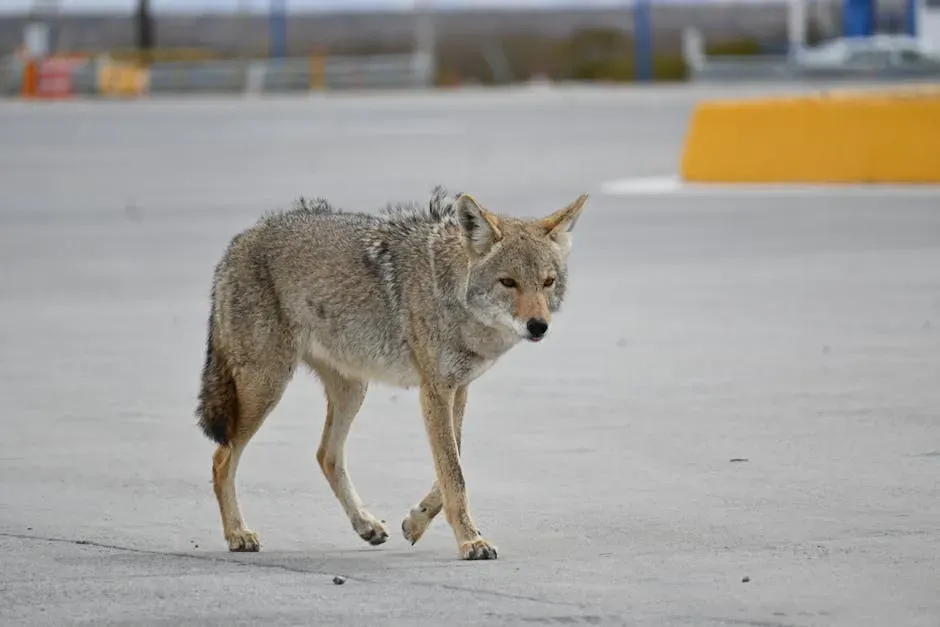
Coyotes will often find shelter in dense vegetation, enlarged burrows, or structures like concrete pipes to wait out heavy downpours. What’s interesting is that this shelter-seeking behavior often begins well before the storm actually arrives. They’re not reacting to rain. They’re preparing for it.
Animals are highly tuned in to any changes beyond natural pressure fluctuations, which can signal big changes in the weather. These variations can trigger an animal’s survival mechanism, and the instinctive reaction is to seek shelter in the face of potentially violent weather. Coyotes that live in open terrain will often shift their movement patterns and spend time investigating potential resting spots, as if doing a reconnaissance sweep before settling in for a storm. It’s one of the stranger things to witness because it looks purposeful, almost strategic.
#5: They Become Noticeably More Active at Odd Hours
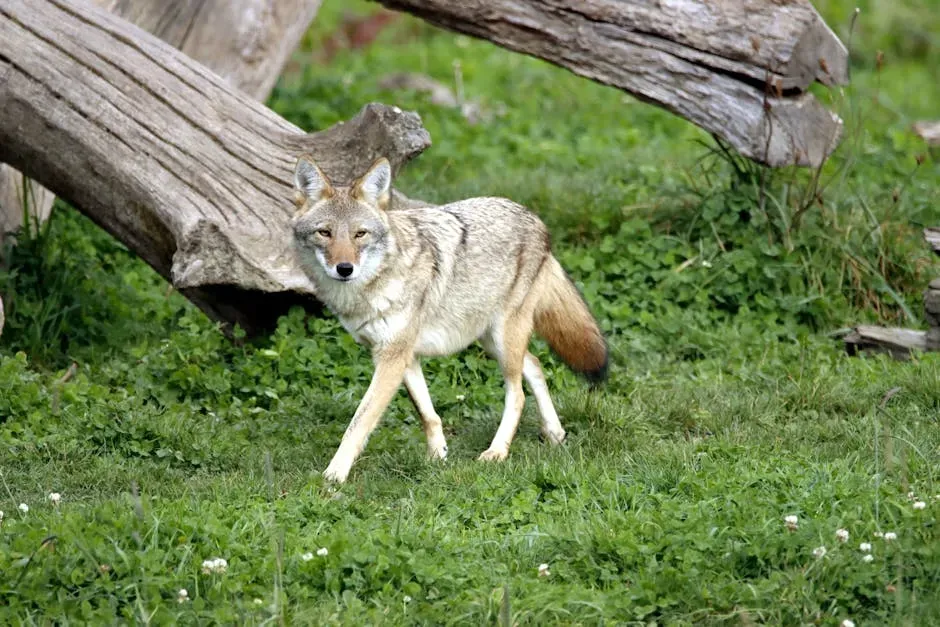
Coyotes are already creatures of the margins, most active at dawn and dusk, but pre-storm behavior throws their usual schedule off in interesting ways. Many experienced trackers and wildlife observers report seeing coyotes moving during the middle of the day, well outside their typical activity windows, in the hours before a significant system rolls in.
Predators like coyotes and bobcats become more active before storms when prey is moving, then lie low during bad weather. The prey side of the equation matters too. As smaller animals begin reacting to the same pressure changes and becoming erratic, coyotes capitalize on the disruption. Small mammals like mice and voles often have their burrows flooded during a storm, forcing them out into the open, and coyotes seem to anticipate this displacement before it even happens, showing up early to take advantage.
#6: They Intensify Scent Marking
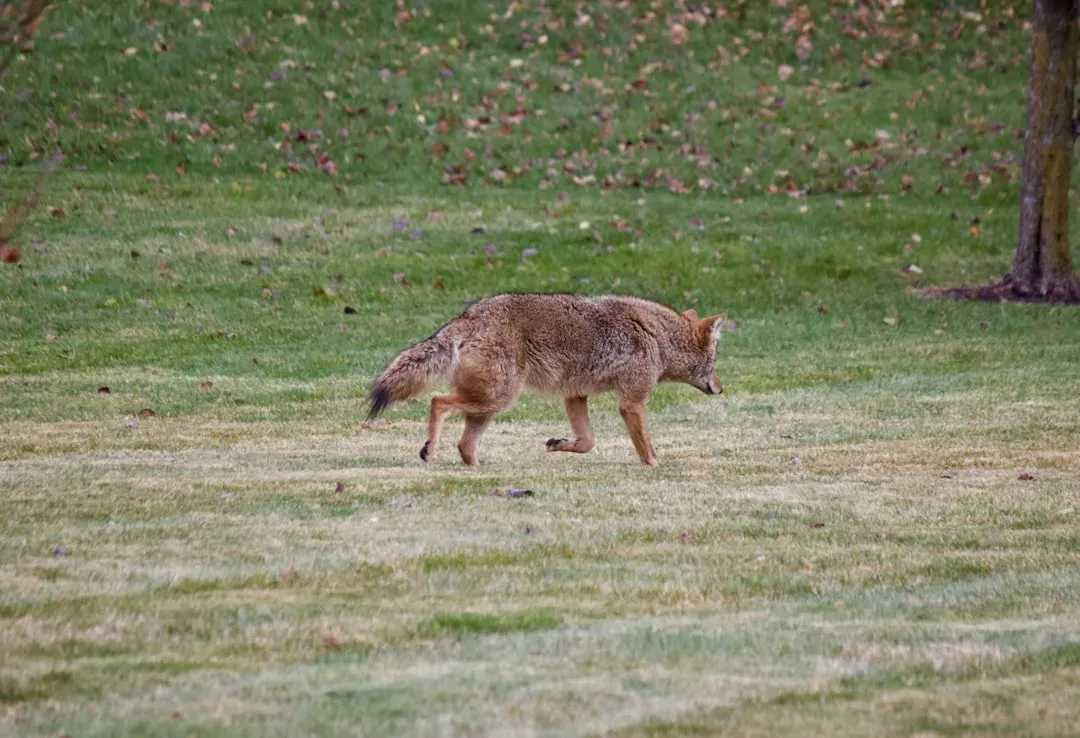
Scent marking is a year-round behavior for coyotes, but there’s evidence that it ramps up in frequency before storms. This makes practical sense when you understand that rain and heavy weather effectively wipe out or dilute scent trails, essentially erasing weeks of territorial signaling in a matter of hours.
Coyotes’ group howls create an auditory fence around a territory, supplementing the physical scent marks left by the group. Before a storm threatens to wash those physical markers away, reinforcing territorial boundaries through both scent and sound becomes more pressing. It’s a kind of race against the weather. Coyotes are known to be territorial animals, and communication plays a crucial role in maintaining and defining their boundaries. The combination of increased marking and more frequent vocalizations in the pre-storm window is one of the more reliable patterns that seasoned wildlife observers have noted.
#7: They Alter Their Range and Movement Corridors
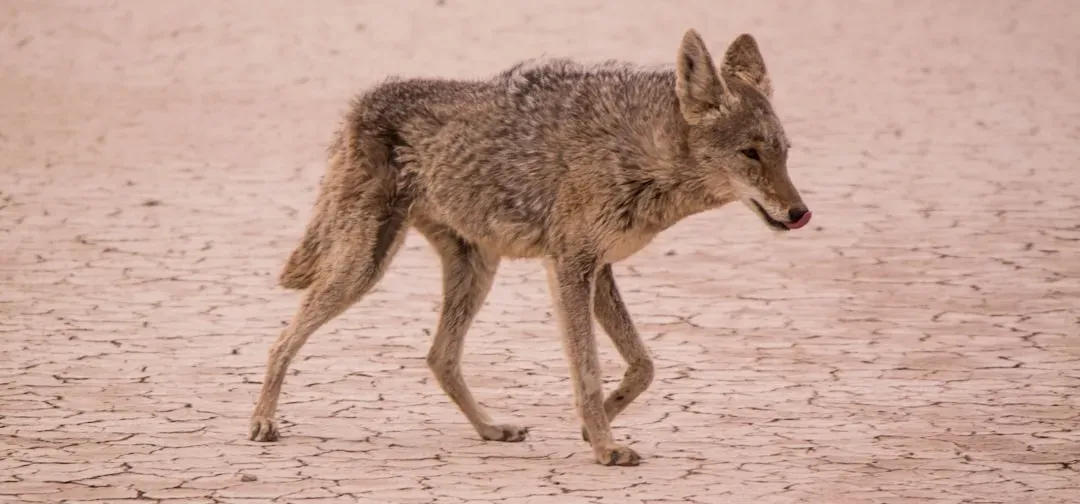
Before a major storm, coyotes don’t just move more. They move differently. Their travel routes tend to shift, often favoring lower ground, areas near water, or spots with dense natural cover. The wide-open ground they might cover confidently on a clear night becomes less appealing when bad weather is imminent.
A Mississippi State University carnivore ecology research project clearly states that during fall and winter, coyote movement rates were most related to wind direction and wind speed. Movement rates generally increased with wind directions from the south but decreased with increasing wind speed. As pre-storm winds begin to build and shift direction, coyote movement patterns respond accordingly. Coyotes move best during very calm wind conditions, and as that window closes, they seem to reorient both their hunting strategy and their movement corridors entirely.
#8: They Hunker Down Just Before the First Drops Fall
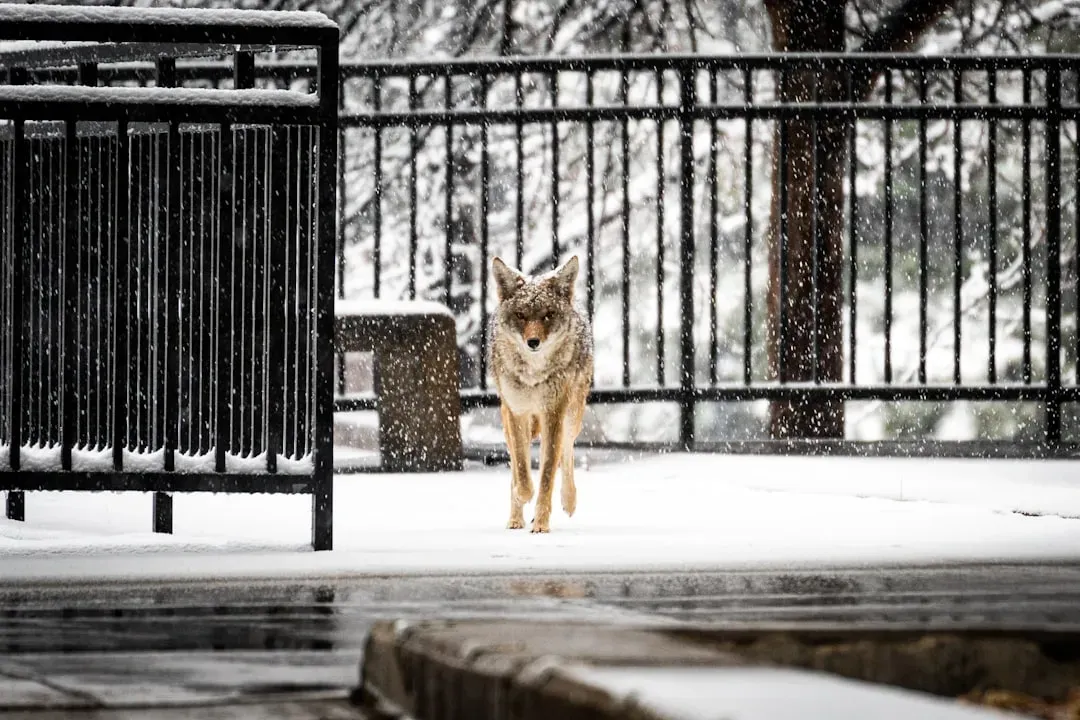
After all the pre-storm activity, something switches. In the final stretch before a storm actually arrives, coyotes seem to go quiet and vanish. The intensity of the previous hours gives way to stillness. It’s one of the odder behavioral inversions in the natural world: maximum activity, then an abrupt stop.
During the storm, coyotes may get out and hunt if it is an extended blow, but generally they hunker down since they understand extended exposure could lead to death. This isn’t timidity. It’s a calculated energy conservation strategy built into their biology over thousands of years. Heavy rain and wind can make coyotes more lethargic and have their senses dulled by the noise and sensory overload. A coyote’s greatest assets, its hearing, smell, and situational awareness, are all compromised in a heavy storm, so going still isn’t just caution. It’s rational.
What Coyote Behavior Can Tell Us
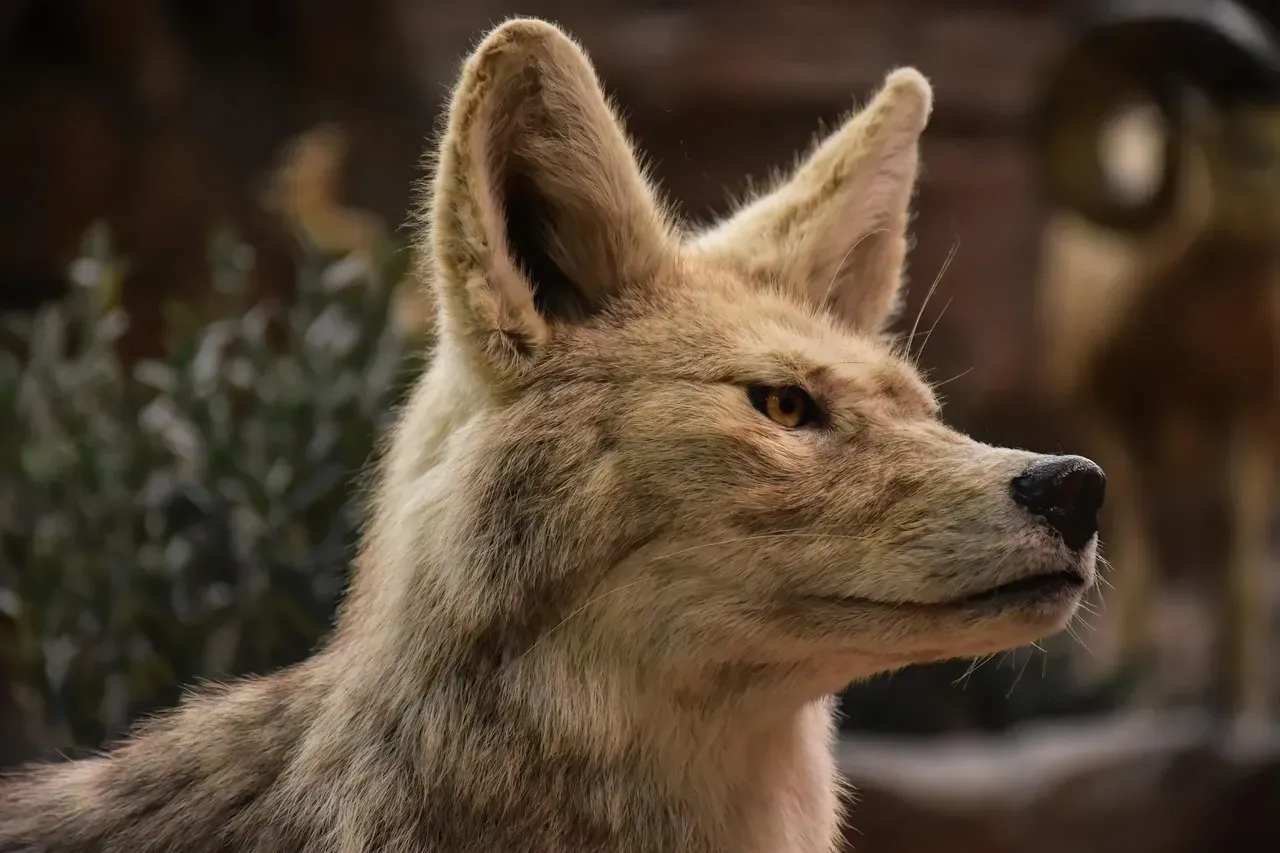
There’s something genuinely humbling about realizing that an animal most people dismiss as a nuisance is running on a far more sophisticated environmental operating system than we tend to give it credit for. Coyotes aren’t psychic. They’re not predicting storms through some mystical sense. They’re simply paying very close attention to a world that’s constantly speaking in signals we’ve largely stopped noticing.
It’s highly unlikely animals can predict weather in an ESP-sort of way, but they very well may be able to sense environmental signals that humans miss. A human might sense a drop in barometric pressure but not feel compelled by that sensation to seek shelter before a storm hits, as an animal might. That gap, between sensing and responding, is where coyotes genuinely outperform us. From pressure drops to heat waves, wildlife has evolved to handle nature’s ups and downs. The pace of weather extremes is accelerating, and some species are struggling to keep up. Many animals’ built-in weather instincts are still strong, but rapid climate shifts are making survival more difficult.
Coyotes have survived ice ages, habitat loss, and relentless human pressure. Watching how they behave before a storm isn’t just a curiosity. It’s a reminder that adaptability, when it runs deep enough, looks a lot like wisdom.

- 6 Common Kitchen Items That Attract Ants Overnight - June 15, 2026
- 10 Species That Cheat Death in Nature - June 15, 2026
- 10 Creatures That Can Regrow Their Brains - June 15, 2026