
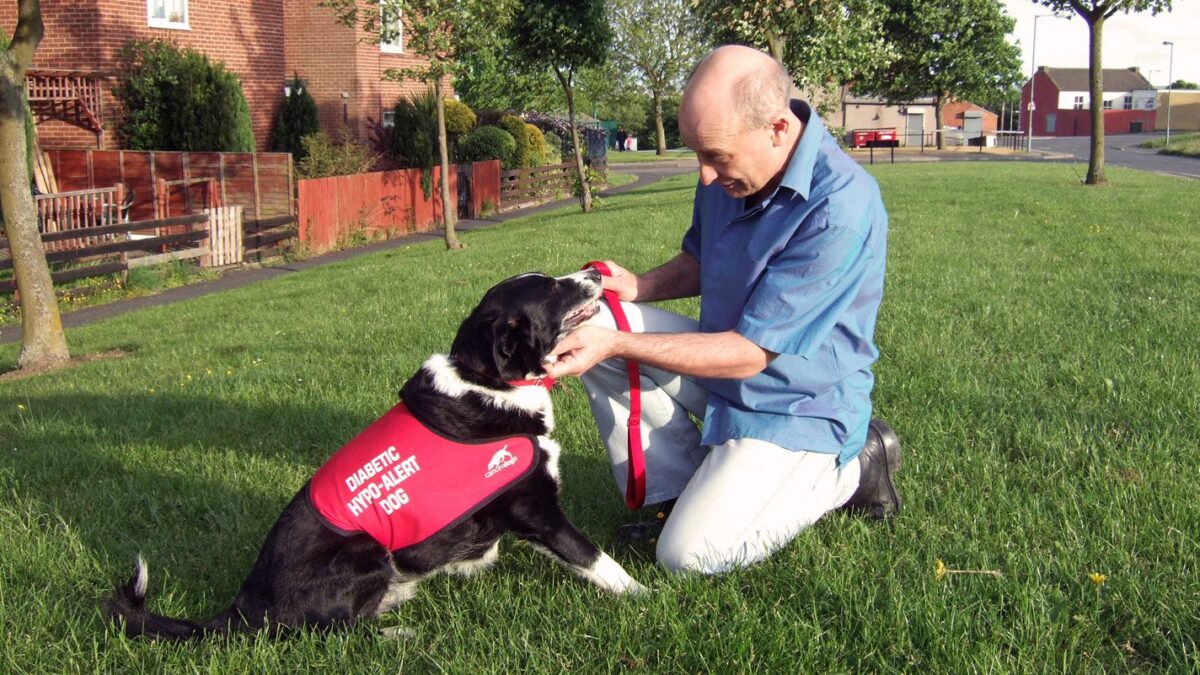
Most people think of their dog as a loyal companion – someone to cuddle with on the couch or greet them with uncontrollable excitement at the door. Honestly, that image is perfectly true. But it barely scratches the surface of what these animals are actually doing for us every single day. The ways dogs protect their owners go so far beyond barking at strangers that it borders on the unbelievable.
From sniffing out tumors hiding deep inside the body to literally standing between their owners and danger before a single threat appears, dogs are quietly working overtime as protectors in ways most of us never even notice. Get ready to see your four-legged companion in a completely different light. Let’s dive in.
The Nose That Knows: Detecting Cancer Before Doctors Can

This one never stops being jaw-dropping to me. Mounting evidence suggests that dogs can play a part, directly or indirectly, in detecting cancer in humans. A dog’s nose has anywhere from roughly 125 million to 300 million scent glands, compared to about five million in a human nose. Think about that for a second. We’re walking around practically nose-blind while our dogs are reading our bodies like a medical textbook.
Dogs have a sense of scent reported as 100,000 times that of the average human, and because of these abilities, scent-detection dogs have been used for decades to locate drugs, explosives, toxic waste, and cadavers. Now that same power is being turned toward something far more personal.
In documented case studies, dogs have persistently sniffed, licked, and nipped at melanoma lesions on their owners’ skin, even through clothing, prompting owners to seek care from clinicians. One famous case involved a trained detection dog who kept pawing at her owner’s chest, eventually leading to the discovery of a malignant breast tumor. In a 2006 study, five dogs were trained to detect cancer based on breath samples and were able to detect breast cancer with roughly 88 percent accuracy, and lung cancer with near-perfect accuracy, across all four stages of the diseases.
The Living Alarm System: Sensing Intruders Before You Do

Here’s the thing about a dog’s security instinct – it’s not trained behavior for most breeds. It’s hardwired. Dogs have evolved from wolves, animals that relied on their instincts for survival in the wild. Although dogs have been domesticated for thousands of years, they still retain many of these survival instincts and are quick to detect anything that could be a potential threat.
Dogs are natural protectors and have an innate ability to sense dangerous intruders. They can detect an unfamiliar person’s scent or hear unusual sounds that humans cannot, and they often become agitated, growl, or bark when an intruder is nearby, warning their owners of a potential threat. That’s not just impressive – that’s a full security patrol happening while you sleep.
Multiple studies indicate that homes with dogs face lower rates of theft and vandalism, as burglars are more likely to steer clear of properties with dogs. A study from Ohio State University even suggests that living in a neighborhood with a high number of dog owners can help reduce the risk of criminal activity. So your dog is essentially providing neighbourhood watch, completely free of charge, every single night.
The Pre-Seizure Warning No Technology Can Match
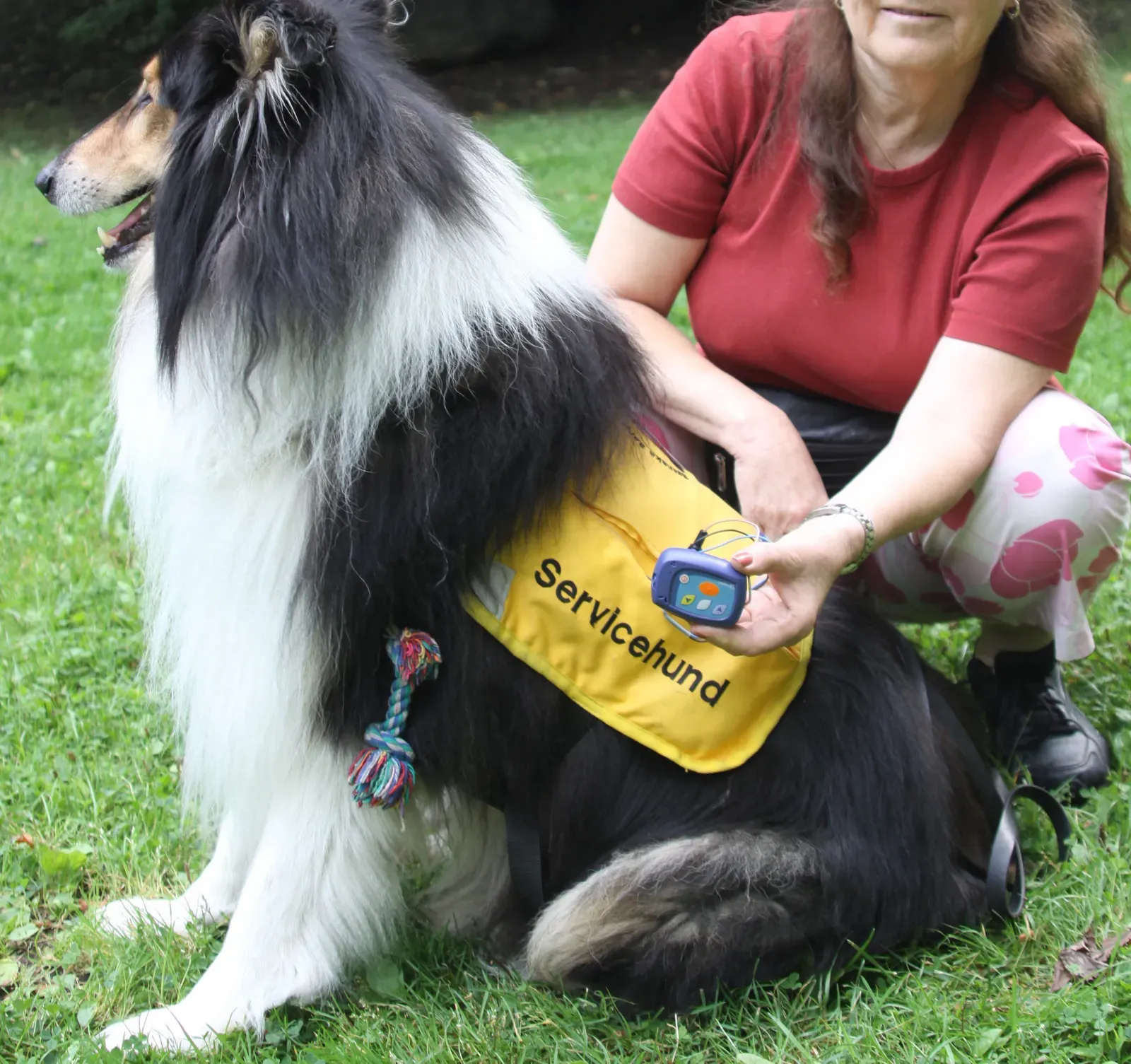
Imagine living with epilepsy, never knowing when the next seizure might hit. That kind of uncertainty is exhausting and genuinely dangerous. Now imagine having a companion who gives you a heads up before anything happens. That’s not science fiction. Seizure response dogs can sense that their handler will have a seizure up to 45 minutes before it occurs, which allows owners to reach a safe place, take medication, or seek help ahead of time.
A small 2019 study found that dogs were able to clearly discriminate a general epileptic seizure odour. The fascinating part? Scientists still aren’t entirely sure what the dogs are actually smelling. This constitutes a first proof that, despite the variety of seizures and individual odours, seizures are associated with olfactory characteristics.
During and after a seizure, trained dogs can also provide comfort to handlers, even learning to bring them medications or a cell phone so they have what they need on hand. It’s hard to say for sure just how many lives this capability saves each year, but the numbers are growing as research catches up to what dog owners have known for decades.
Blood Sugar Bodyguard: Protecting Diabetics From the Inside Out
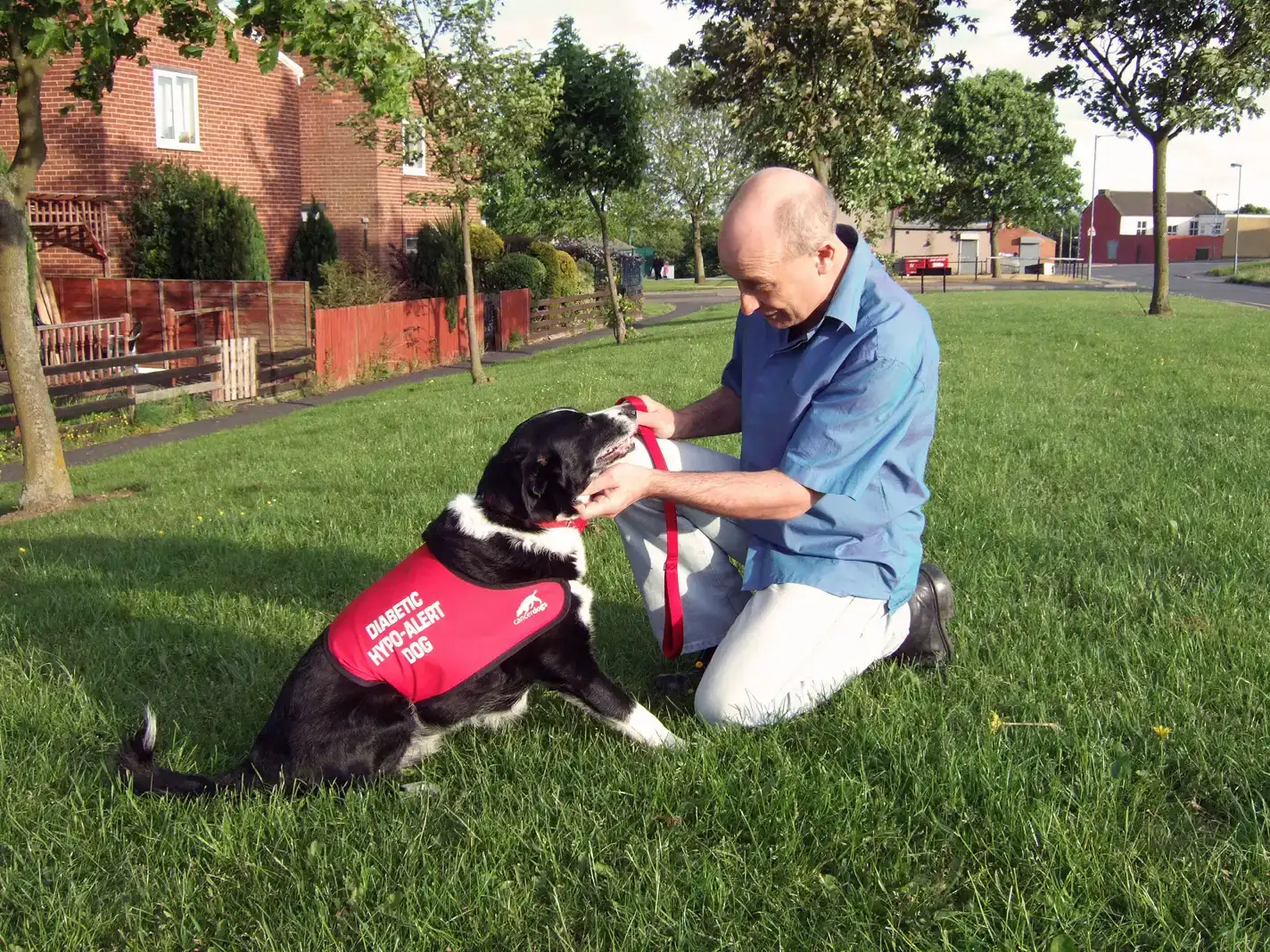
Dogs protecting diabetic owners is one of those things that sounds almost too clever to be real. Diabetic alert dogs are service dogs specially trained to alert their owners to high and low blood sugar levels, both potentially life-threatening conditions. For someone with Type 1 diabetes, a nighttime hypoglycemic episode can become fatal without warning.
Dogs are increasingly helping diabetics know when their blood sugar is dropping or spiking. They detect isoprene, a common natural chemical found in human breath that rises significantly during episodes of low blood sugar – a chemical people cannot detect themselves. The dog essentially smells what no instrument on your wrist can reliably catch in real time.
Scent dogs have been trained to alert for seizures, hypoglycemia related to diabetes mellitus, and to screen for viruses, bacterial infections, and numerous cancers including mammary, prostate, lung, ovarian, colorectal, and melanoma. The range of conditions these animals can detect is honestly staggering. Think of them as a biological early warning system – one that also happens to love belly rubs.
Reading the Room: How Dogs Detect Emotional Threats and Stress

Let’s be real – not every threat is someone with bad intentions sneaking through your fence. Some of the most harmful things we face are invisible: chronic stress, anxiety spiralling out of control, mental health crises building quietly beneath the surface. And dogs? They see all of it. A dog’s sense of smell allows them to detect changes in people’s scent that might signal fear or stress. Dogs also watch body language very closely and notice when we tense up, move differently, or seem worried.
Petting a dog has been found to increase endorphins, oxytocin, and dopamine while reducing cortisol, the stress hormone, and blood pressure – meaning that time spent with your pet leaves you less stressed, more bonded, and happier. That’s not just comfort. That is measurable physiological protection.
A survey by the American Psychiatric Association found that a large majority of pet owners say their pets have a mostly positive impact on their mental health. Numerous studies indicate that pet owners often report lower levels of anxiety, depression, and loneliness, and dogs in particular offer emotional support, help build social connections, and encourage increased physical activity. A dog that keeps your cortisol in check and your mind balanced is protecting you in ways that no alarm system ever could.
Nature’s Weather Warning: Predicting Storms and Natural Disasters
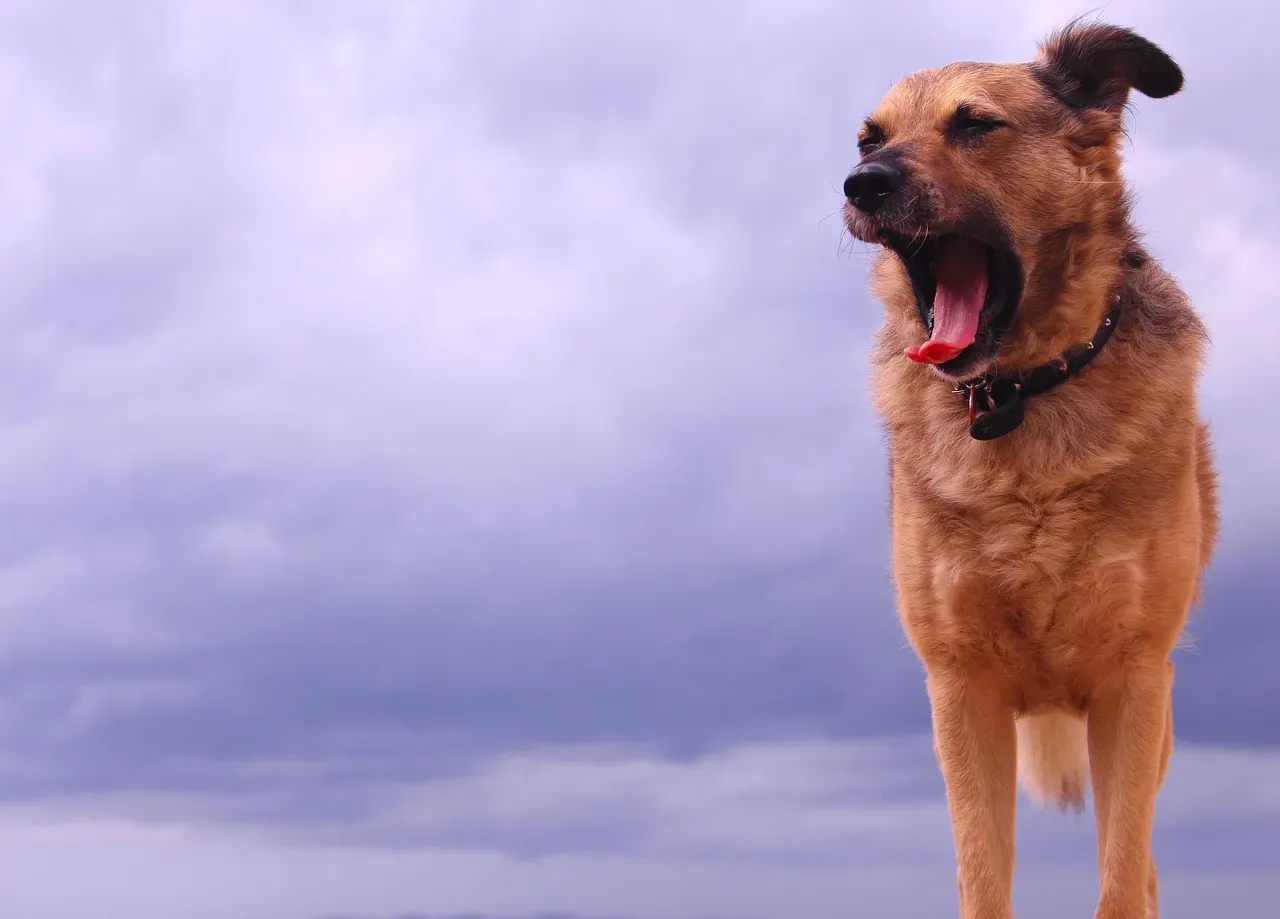
This one surprises people more than almost anything else. Your dog isn’t just watching over the house – in certain situations, they may be watching over the whole environment around you. Many dog owners report their dogs display unusual behaviour in the moments before an earthquake, and a 2020 scientific study from Germany proved it. Researchers found that in the hours before an earthquake, the activity levels of farm dogs spiked, especially if they spent most of their time inside, and it is believed this is because dogs can hear the subtle shifts of tectonic plates hours in advance.
Dogs are sensitive to changes in the atmosphere, including barometric pressure and humidity levels, which may help them detect approaching storms. Dogs often display restless or anxious behaviour before a thunderstorm or severe weather, possibly due to their ability to sense the drop in atmospheric pressure. It’s like living with a meteorologist who communicates entirely through whining and pacing.
Dogs’ sensitive hearing allows them to pick up on the high-frequency sounds that precede a storm, while changes in air pressure may also alert them. As a result, many dogs act nervous or restless hours before a storm strikes. If your dog suddenly starts acting out of sorts on a clear afternoon, it might be worth checking that weather app.
Standing in the Gap: Physical Protection Through Pack Instinct

A protective dog often positions themselves between their owner and what they perceive as a danger. For example, if a stranger approaches you on a walk, your dog might stand directly in front of you to block access. This isn’t accidental. It’s ancient pack biology playing out in real time, right in the middle of your afternoon stroll.
Most dogs have a natural instinct to protect their family. This comes from their wolf ancestors, who lived in packs and looked out for each other. Your dog sees you as part of their pack, so they want to keep you safe. That instinct hasn’t been domesticated out of them – it’s been redirected toward you.
In a University of Arizona study, researchers asked owners to climb into a box and cry out as though they were trapped. One by one, each dog attempted to release their owner, and almost all of the dogs displayed signs of stress, like barking and whining. Even the dogs that couldn’t figure out the mechanism tried their hardest. That’s not just instinct – that’s something that looks a whole lot like love in action.
The Migraine Messenger: Alerting Owners to Incoming Health Episodes
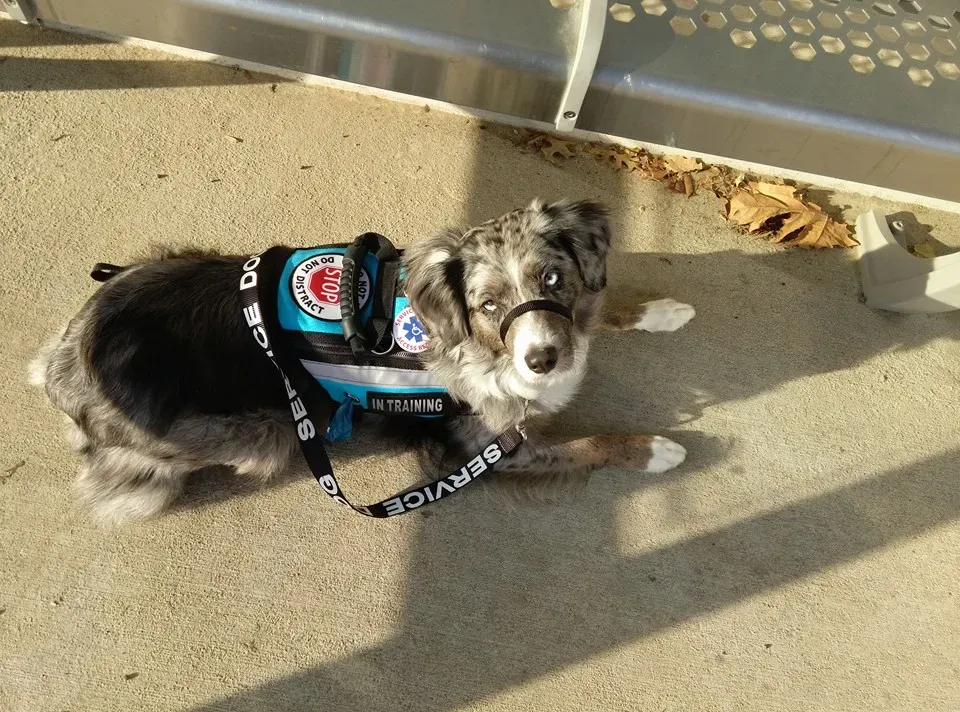
People who suffer from debilitating migraines know that even a short warning can completely change how manageable an episode becomes. Getting to a dark room, taking medication early, or simply lying down can mean the difference between hours of suffering and something far more tolerable. Dogs seem to be able to detect oncoming migraines largely thanks to their sense of smell, and migraine service dog trainers believe dogs can detect migraines thanks to changes in the smell of a human’s breath before the onset of an attack.
A large proportion of over a thousand adult migraine sufferers self-reported that their untrained dog’s behaviour changed prior to or during the initial phase of a migraine, with changes usually noticed within two hours before the onset of symptoms. Think about that – untrained dogs, picking it up naturally. Dog alerting behaviour included staring, refusing to leave their owner’s side, sitting or lying on their owner, or herding them to bed or the couch.
It’s hard to say for sure exactly what chemical signal the dogs are detecting, but the consistency across thousands of reported cases makes it near-impossible to dismiss. Dogs don’t consciously “diagnose.” Instead, they pick up on scent changes caused by illness. VOCs released by tumors or infections create a smell signature that dogs can detect at incredibly low concentrations, and they may also notice subtle changes in behaviour, body temperature, or energy levels in their humans. In other words, your dog is reading a version of you that you yourself can’t even access.
Conclusion: Your Dog May Be Saving Your Life Without You Even Knowing It

When you look at the full picture, it becomes clear that calling a dog “just a pet” is one of the most dramatic understatements a person can make. These animals are operating as cancer scouts, seizure predictors, intruder alarms, blood sugar monitors, emotional regulators, and weather forecasters – simultaneously, every single day.
The science keeps catching up to what dog owners have felt in their bones for thousands of years: that the bond between humans and dogs is genuinely protective in ways that go far deeper than a bark at the front door. Whenever human capacity and technology reach their limits to protect us, the faithful dog steps in to take on the job. Dogs have protected us since ancient times, and the relationship is only getting stronger.
So the next time your dog nudges you unexpectedly, stares at you a little too intensely, or refuses to leave your side, maybe don’t brush it off. They might just be trying to tell you something you really need to hear. Which of these abilities surprised you most? Tell us in the comments – we’d love to know.
