

Most people think they already know porcupines. Spiky. Slow. Shoots quills when threatened. Case closed. Except almost none of that is accurate, and the real story is far more interesting than the myths people carry around.
These are animals that carry natural antibiotics in their skin, feel an overwhelming craving for salt that drives them to chew through canoe paddles and tool handles, and produce calls so haunting at night that they’ve inspired old folklore about abandoned children in the woods. Once you start actually looking into porcupines, it becomes hard to stop.
#1: They Cannot Shoot Their Quills – But the Myth Has a Believable Origin
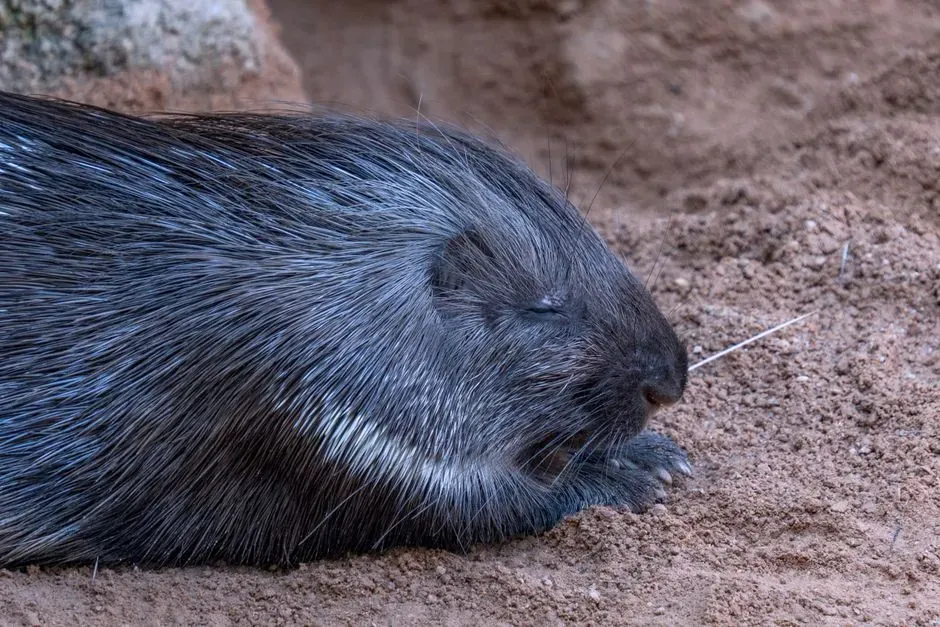
A common misconception is that the porcupine has the ability to eject or throw its quills – but this simply isn’t true. The quills are designed to release when coming into contact with another animal. The confusion likely comes from watching a porcupine in action: when threatened, it swings its tail with real force, and quills can appear to fly loose in the chaos.
When a porcupine feels threatened, it tenses up and attacks predators with a swat of its quill-covered tail. Some quills may become embedded into the predator’s skin. Occasionally, loose quills fall out before it strikes, creating the illusion that they’re being shot from the porcupine’s body – but porcupines can’t actually eject them. That small visual trick has probably been fooling observers for centuries.
#2: Their Quills Are Engineered with Remarkable Precision
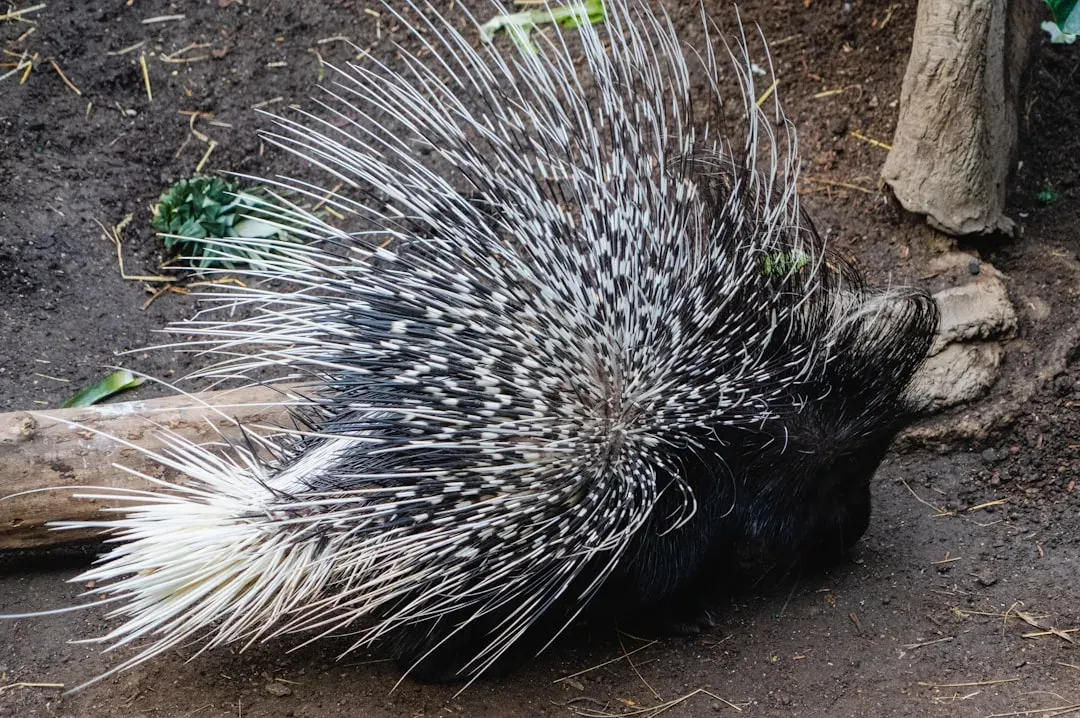
Porcupine quills are sharp, hollow, and covered with tiny, backward-facing barbs. These barbs aren’t just sharp for the sake of it – they are architecturally designed to make removal incredibly difficult once embedded.
Each quill boasts between 700 and 800 barbs along its tip. These modified hairs can move through the body of a predator, causing pain. The pain can last weeks as the quills move through the muscle. In some documented cases, large predators like leopards have died long after an encounter with a porcupine because the quills had migrated into vital tissue.
#3: Porcupine Quills Are Coated in Natural Antibiotics
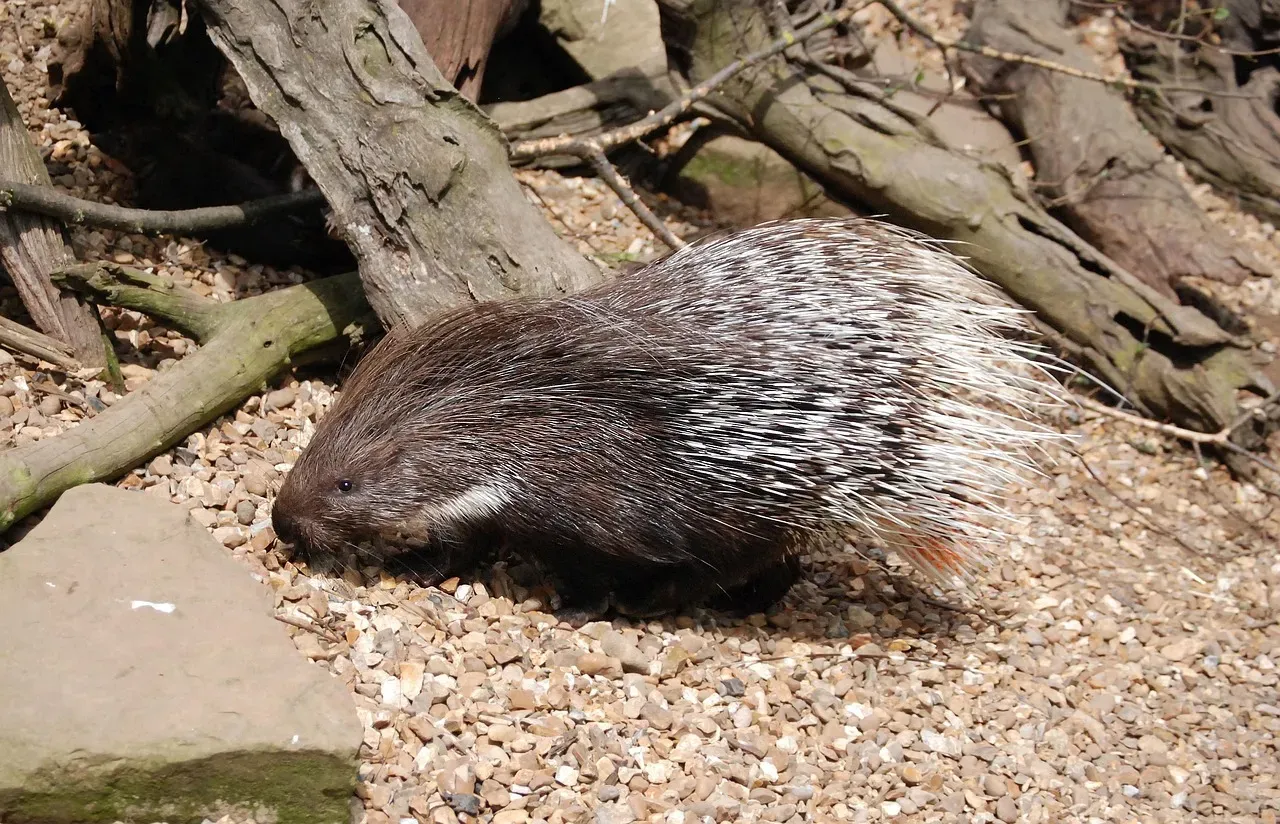
Porcupine quills possess natural antibiotics. It is a fantastic feat because there are few animals with such features. Natural antibiotics help them heal when their quills injure them and also prevent any infection. This is especially useful given how often porcupines injure themselves accidentally.
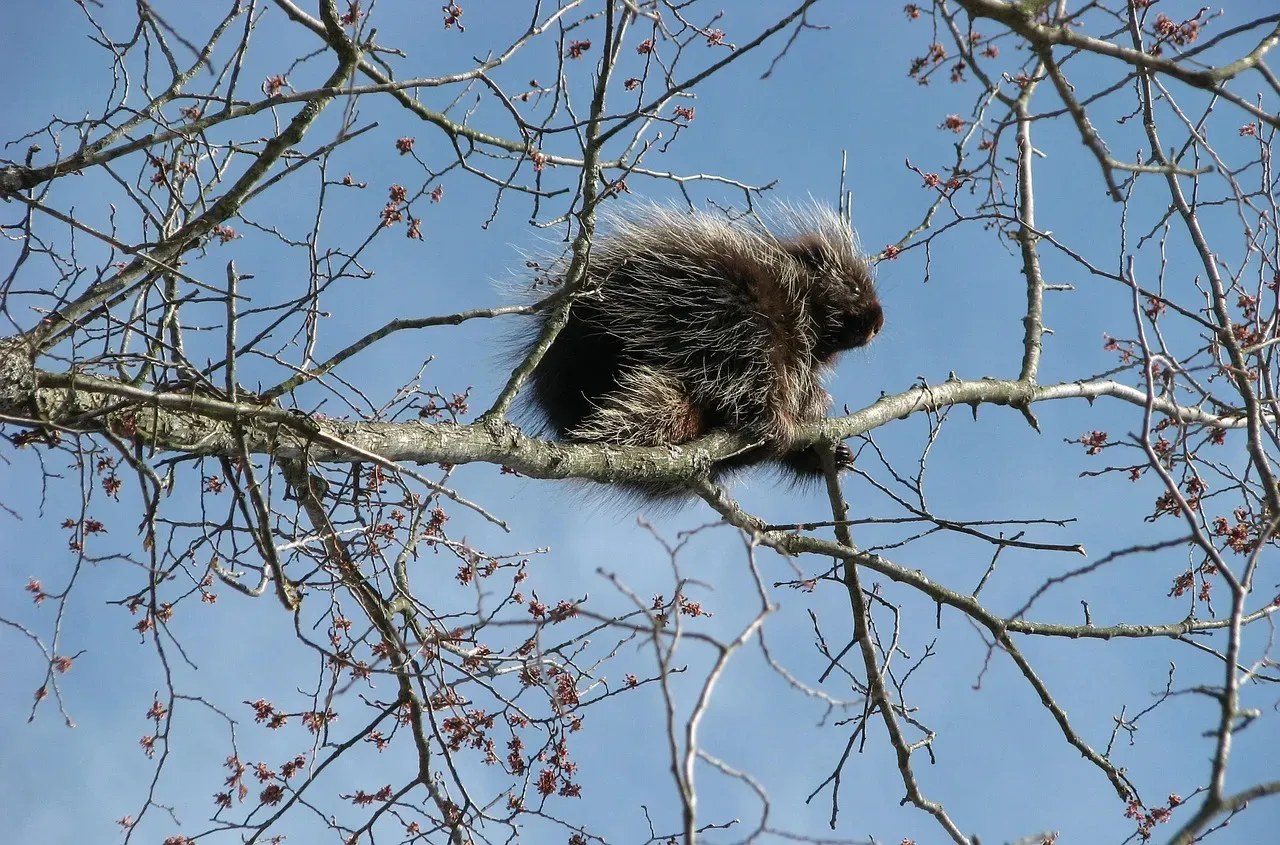
Porcupines love to climb trees, and they fall out a lot since they love the tender leaf buds at the very tip of branches. When that happens, a porcupine essentially lands on its own quills. Each quill is coated with antibiotics that heal the impaled skin. Not only do they heal themselves from these self-inflicted wounds, but a dog will also heal relatively quickly if impaled.
#4: They Are Surprisingly Vocal Creatures
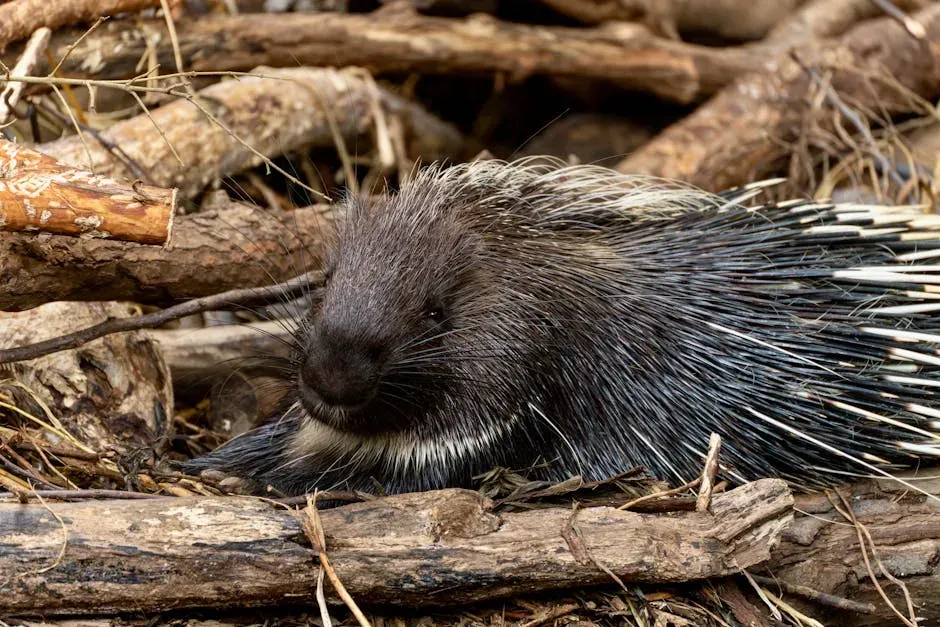
Porcupines are very vocal animals, expressing themselves while eating, courting, or just singing at night for no apparent reason. Their nocturnal calls are thought to be one of the inspirations for creepy folklore about babies being left in the woods. Individuals have a natural variation in their calls, with some natural tenors and baritones and the occasional soprano.
The porcupine is a very vocal animal and has a wide variety of calls including moans, grunts, coughs, wails, whines, shrieks, and tooth clicking. Most people who have never encountered a porcupine at night are genuinely startled by these sounds. It’s one of those details that completely changes how you picture the animal.
#5: They Have an Intense, Physiologically Driven Salt Craving
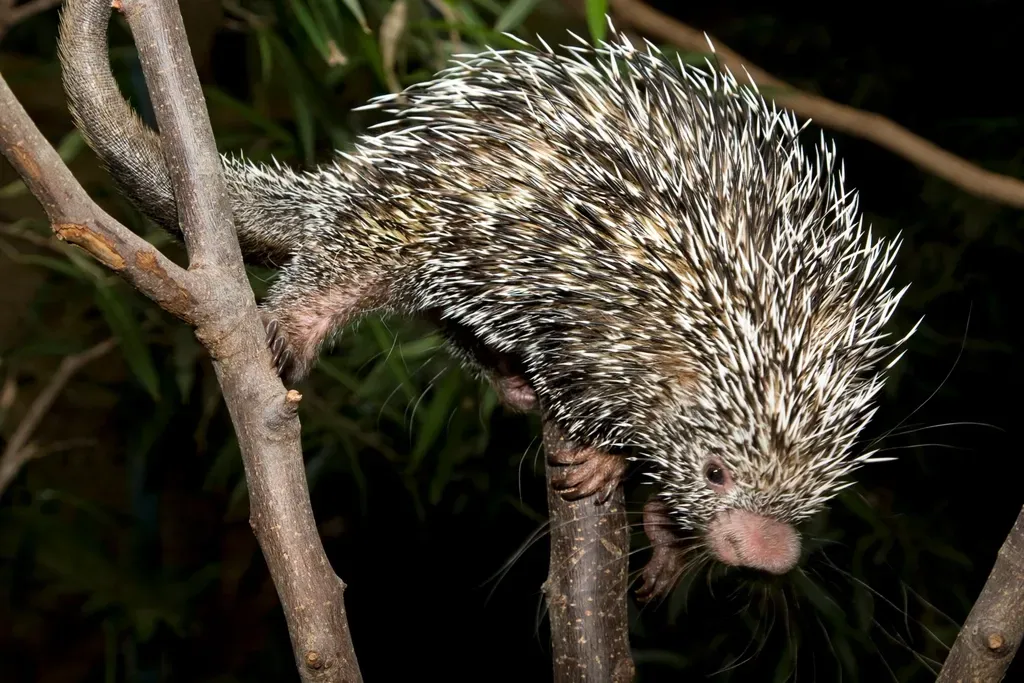
All the spring and early summer feasting leads to rapid weight gain, but also a sodium deficiency. Green plants are low in sodium and high in potassium. Porcupines and other herbivores need both sodium and potassium to activate nerves and muscles, but must maintain a 1:1 ratio of these two ions. If the amount of potassium significantly exceeds the amount of sodium, the animal can die. Plants contain potassium to sodium ratios as high as 500:1, so porcupines feeding on green vegetation must excrete excess potassium and seek out salt.
They exhibit a strong drive for sodium, often deficient in their regular plant-based diet. This craving can lead them to gnaw on unusual items like tool handles, plywood, or even vehicle undercarriages, which may contain salt from human perspiration or manufacturing processes. Most paints, stains, and wood glues contain salt – which explains why porcupines have been known to chew through finished wooden objects that most people would never expect an animal to target.
#6: They Are the Second-Largest Rodent in North America
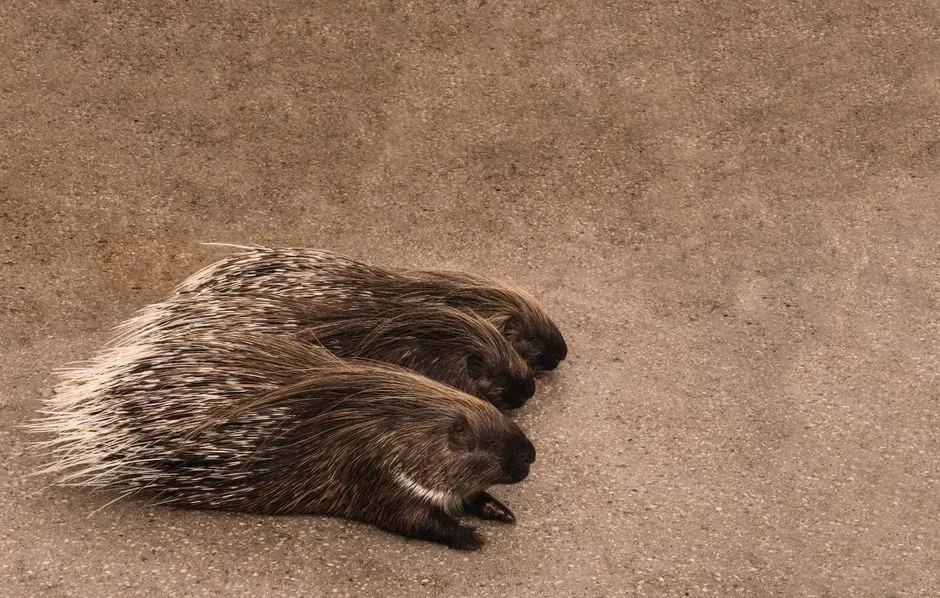
Our nation’s second-largest rodent after beavers, porcupines can weigh up to 35 pounds. That size surprises most people who have only seen photos or brief glimpses in the wild, where the animal’s rounded, quill-covered frame can make it look considerably smaller.
They are found in colors from blond to black and have large teeth with reddish-orange colored incisors. The color comes from iron in the tooth enamel that strengthens their teeth, allowing them to chew through lots of fibrous materials. Those reinforced teeth, combined with their powerful jaw muscles, give porcupines a gnawing capacity that regularly surprises campers and outdoors workers who return to find tool handles and wooden furniture reduced to splinters.
#7: They Don’t Hibernate, and Winter Doesn’t Stop Them
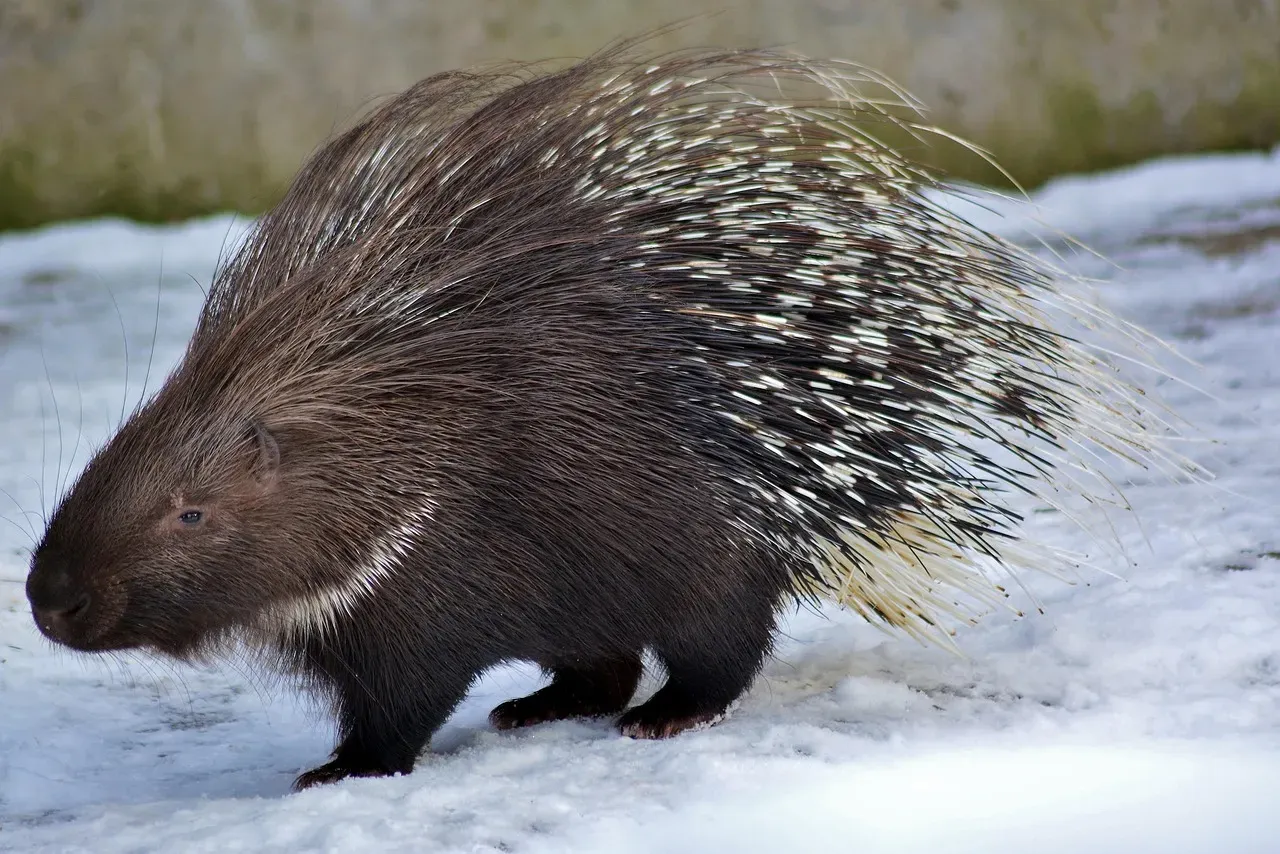
Shy and nocturnal creatures, porcupines don’t hibernate. They spend much of their time in trees, searching for food and sometimes nesting in the branches. This sets them apart from many other large forest mammals that become dormant through the coldest months.
During winter, porcupines become somewhat sedentary, holing up in rock caves, hollow logs, or abandoned buildings, making only short forays from their dens to feed on the inner bark of trees. Porcupines are able to extract nutrients from this low-quality food because of their large caecum, a sac at the junction of the small and large intestines. The caecum contains digestive bacteria that ferment the finely ground plant fiber so the body can absorb it. It’s a remarkably efficient survival system for an animal living through long, harsh winters.
#8: They Are Gentle by Nature, Not Aggressive
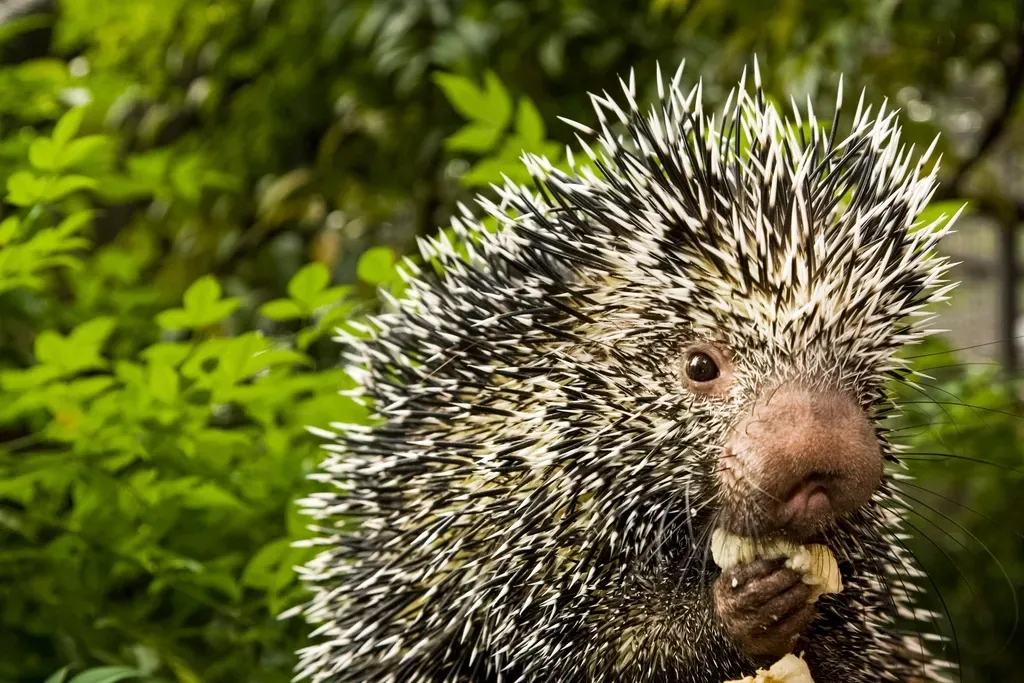
Porcupines are very gentle and would only become aggressive in the face of an attack. Porcupines look like dangerous animals with numerous quills. However, these animals are very gentle and would only become aggressive in the face of an attack. The fearsome appearance is almost entirely a bluff designed to make a predator think twice before getting closer.
It’s easy to tell when porcupines are mad: they stomp their feet, hiss, and shake their quills, which normally lie flat against the porcupine’s body. While porcupines are rarely aggressive, they’ll defend themselves by charging or swatting their spiked tail at opponents. Given the chance to retreat, they almost always take it. The quills are insurance, not an invitation to fight.
#9: Their Mating Process Is Genuinely Strange
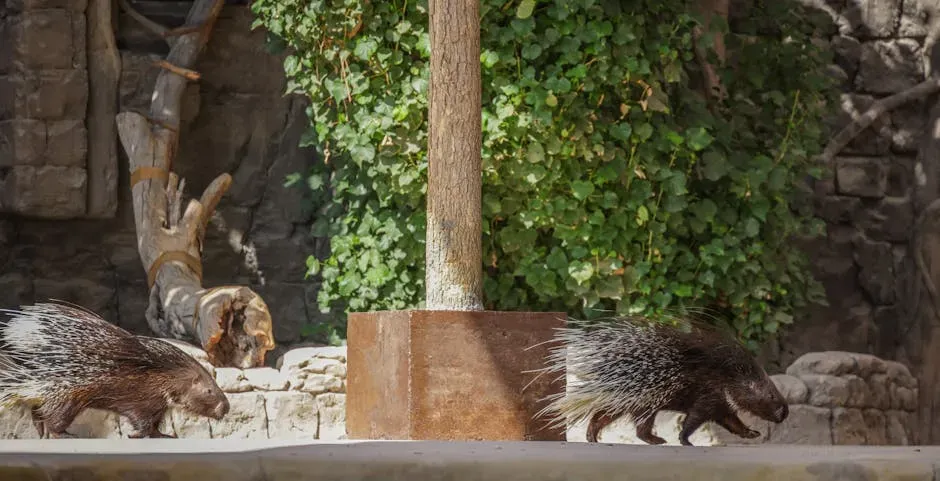
Females’ period of fertility, once a year for 8 to 12 hours, is the shortest of any rodent, and their gestation period of around 210 days is the longest. Typically, they deliver a single offspring, called a porcupette. They’re born with soft quills, which harden in a couple of days.
Typically, two male porcupines fight over a single female. The males are careful not to injure themselves during the fight, and the winner urinates on the female so that she knows to move her tail aside for safe, quill-free mating. The whole process is one of the more elaborate reproductive sequences in North American wildlife – biology working hard around a very obvious logistical problem.
#10: Porcupines Function as Genuine Ecosystem Engineers
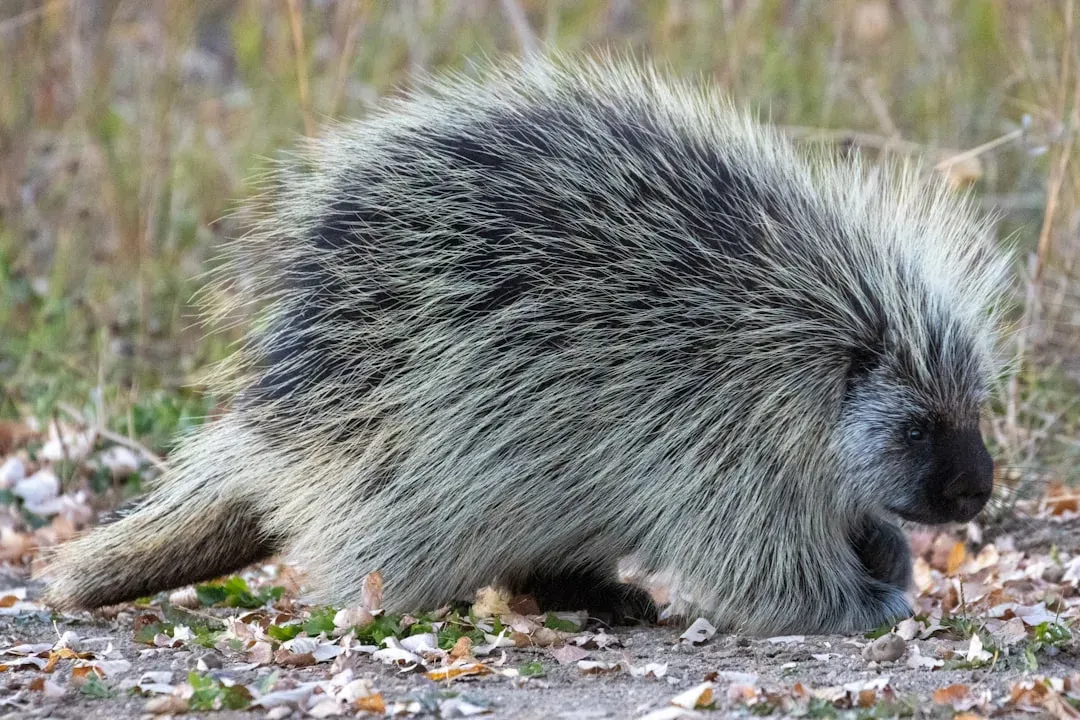
Porcupines, like their cousin the American beaver, have a role as ecosystem engineers. They earned this title by creating dead wood that provides habitat for other critters, opening up the tree canopy to make room for a great diversity of species, and serving as a food source for predators. Their bark-stripping habits, while frustrating to foresters, create structural complexity that many other species rely on.
Camera traps placed at porcupine burrows showed that the burrows were used in varying ways by at least 22 other animal species. These animals shared the burrow, fed on insects at the entrance, or investigated the burrows. Seedling surveys on top of the burrows suggested that burrows might also be good microsites for seedling establishment and growth, with higher species richness and density on the burrows than at control sites. The porcupine’s slow, quiet life quietly sustains a surprising amount of activity around it.
The Real Porcupine Is Worth Getting to Know
Strip away the myths and what you’re left with is a genuinely fascinating animal. One that doesn’t hibernate through the cold, carries its own antibiotics, craves salt like some mammals crave water, and produces haunting vocalizations that have confused people for generations.
The porcupine doesn’t need to be dramatic to be interesting. It just keeps doing what it does – slowly, quietly, effectively – and most people walk right past the story without stopping to notice it.

- Why Veterinarians Say If Your Cat Sleeps With Their Back to You, It's the Highest Form of Trust in Feline Behavior - July 20, 2026
- Animal Science Says Ravens Remember Human Faces for Years and Warn Other Ravens About Dangerous People - July 20, 2026
- The Truth About Why Some Animals Are Naturally Solitary Creatures - July 20, 2026