

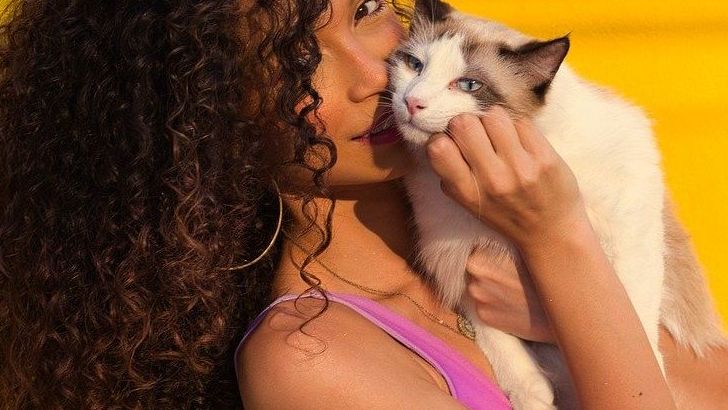
Your feline friend has been trying to tell you something all along. Every gentle purr, soft chirp, and melodic trill carries a message that goes straight to the heart. Think about those precious moments when your cat approaches you with that special look in their eyes, making the most enchanting sounds you’ve ever heard.
The truth is, cats speak an incredibly rich language of love through their vocalizations. Each sound carries its own emotional weight, its own purpose, and its own way of saying “you matter to me.” Understanding these sweet words isn’t just about improving communication with your pet. It’s about recognizing the depth of affection they’ve been showing you all this time.
The Classic Meow: Your Cat’s Personal Love Letter
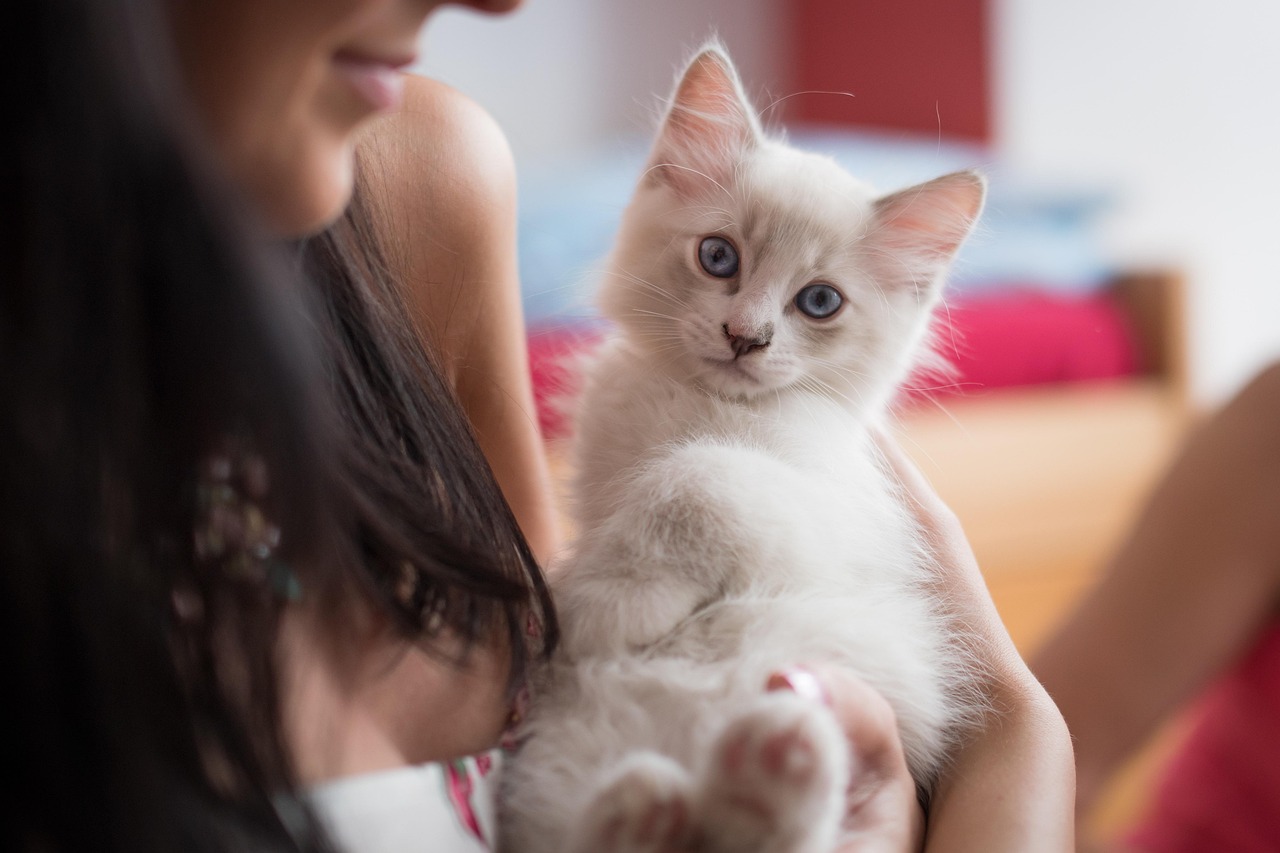
Adult cats meow almost exclusively to communicate with humans, making each meow a personalized message just for you. When your kitty greets you with those squeaky, chirpy meows, they’re basically saying “I’m SO happy to see you!” These cheerful greetings are their way of showing genuine affection.
Short meows are typically casual hellos, while prolonged “meeeeeeoooows” can signal anxiety or serious demands. The beauty lies in how your cat has developed their own vocabulary specifically for you. Some cats even develop a specific “feeding meow” that they only use when they want food, showing just how tailored their communication becomes over time.
The Magical Trill: A Song of Pure Joy
A trill is produced with a soft voice and sounds like a purr but with a higher pitch. Cats may trill to greet and thank their human family members for something, such as a snack or a pet. It is one of the most common amicable sounds a cat makes. This musical vocalization represents one of the sweetest ways cats express happiness.
These cheerful, vibrating sounds that start low and rise in pitch are one of the happiest sounds in a cat’s vocabulary. Unlike a meow, which can have a positive or negative meaning depending on the cat’s mood, cats usually only trill to convey a positive emotion, such as affection or happiness. When cats trill as you come home from work, it’s their special greeting just for you.
Gentle Chirps: Your Cat’s Way of Getting Attention
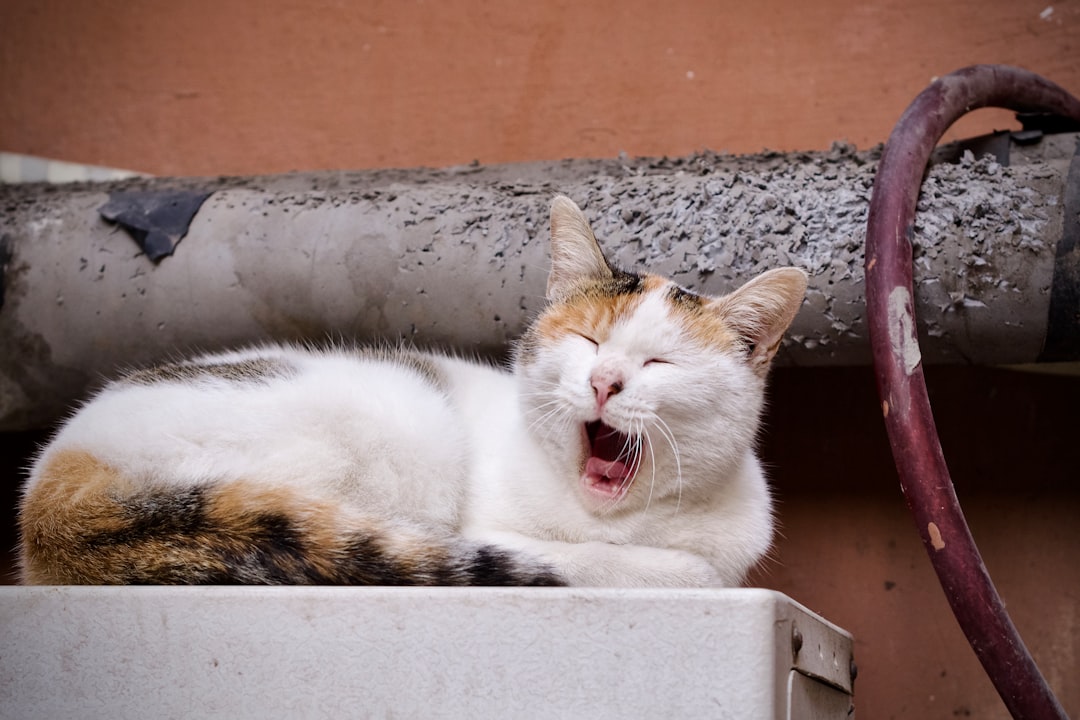
These birdlike utterances are slightly more declarative cat noises than a meow. Originally used by mothers to tell kittens to pay attention and follow her, your cat may chirp in an effort to get you to pay attention to her. Chirrups and squeaky little trills might also happen when a cat is excited and happy.
Some cats also chirp at their humans when they want attention, whether it’s feeding time or when they want to play. Think of these sweet sounds as your cat’s polite way of saying “excuse me, could you notice me please?” Those chirps and trills are typically invitation sounds. When cats chirp while walking to their food bowl, they’re saying “follow me!”
The Contented Purr: The Ultimate Expression of Trust
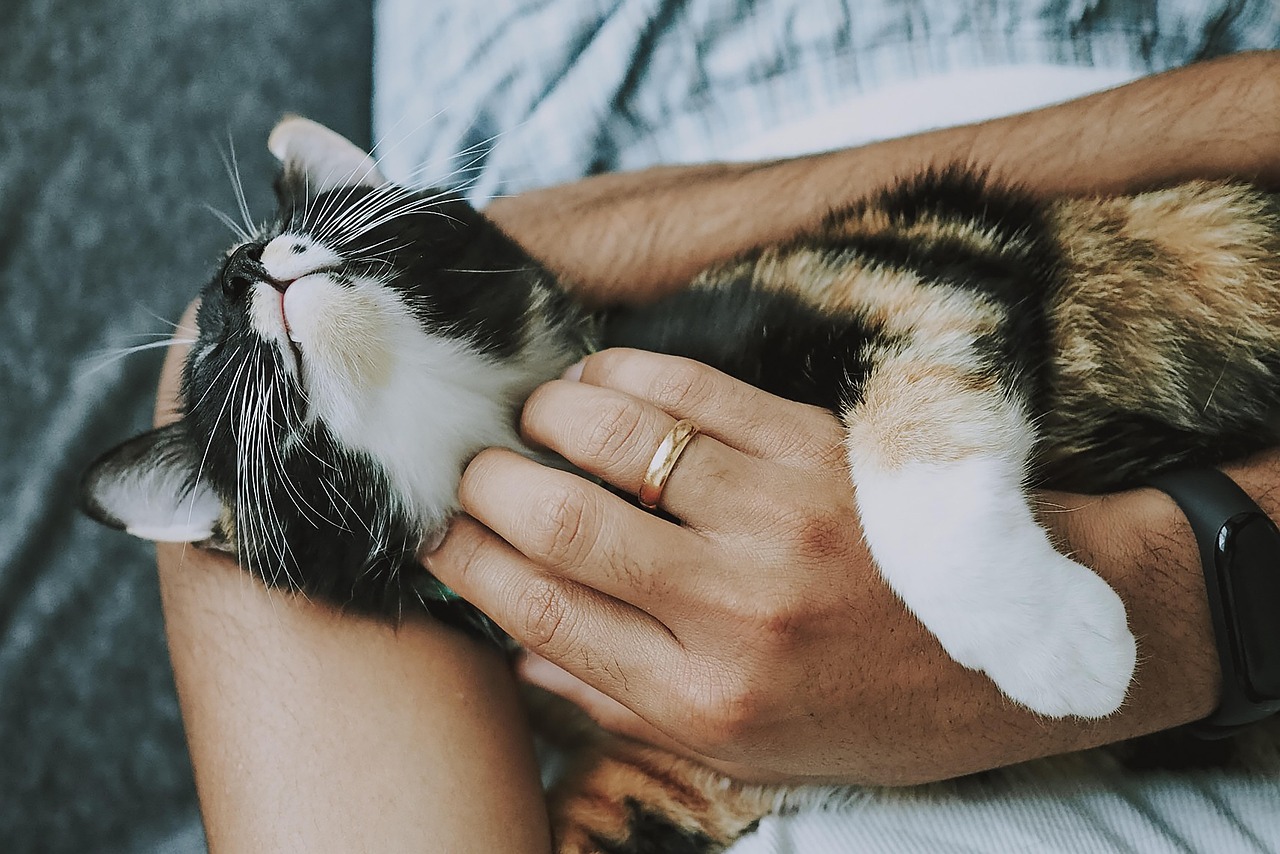
Most of the time, when a cat is purring it’s because they’re happy. There are very rare occasions when a cat is injured or severely stressed that they will purr to self-soothe, but most likely your cat is comfortable and feeling good when they’re purring. This gentle rumble represents the foundation of feline contentment.
Kneading is often a precursor to sleeping, and many cats purr while kneading, usually taken to indicate contentment and affection. They also purr mostly when newborn, when feeding, or when trying to feed on their mother’s teat. When your cat chooses to purr near you, they’re essentially creating a sanctuary of trust and comfort in your presence.
Squeaky Baby Meows: Channeling Their Inner Kitten
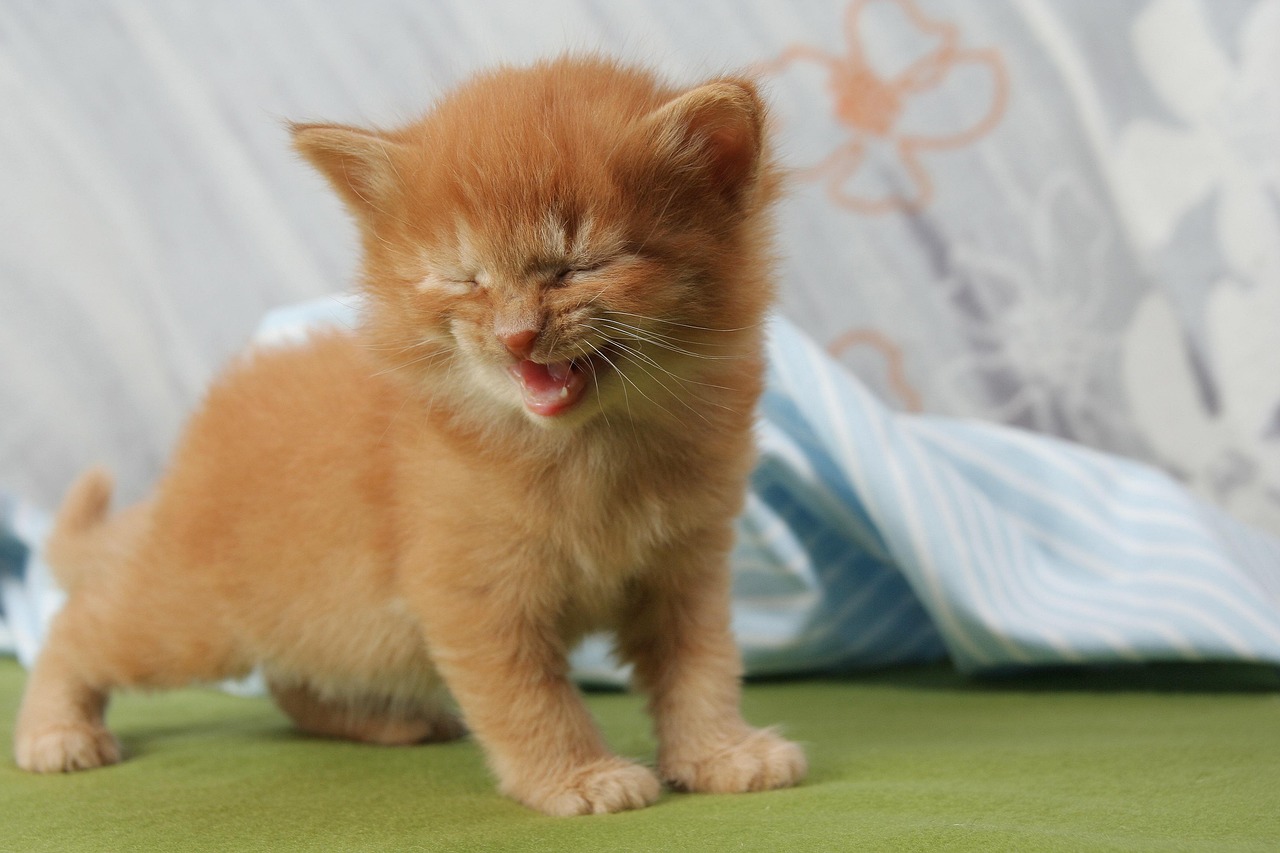
A mew is a high-pitched meow that is often produced by domestic kittens. It is apparently used to solicit attention from their mother, but they are also used by adult cats. When your grown cat uses these kitten-like sounds, they’re tapping into their most vulnerable and trusting state of being.
These squeaky, high-pitched vocalizations often emerge when cats feel completely safe and loved. As cats in domesticity tend to think of themselves as our eternal offspring, they maintain this endearing vocalization throughout their adult lives. It’s your cat’s way of saying they see you as their forever family, worthy of their most precious and innocent communication.
The Welcome Home Sound: Your Personal Greeting
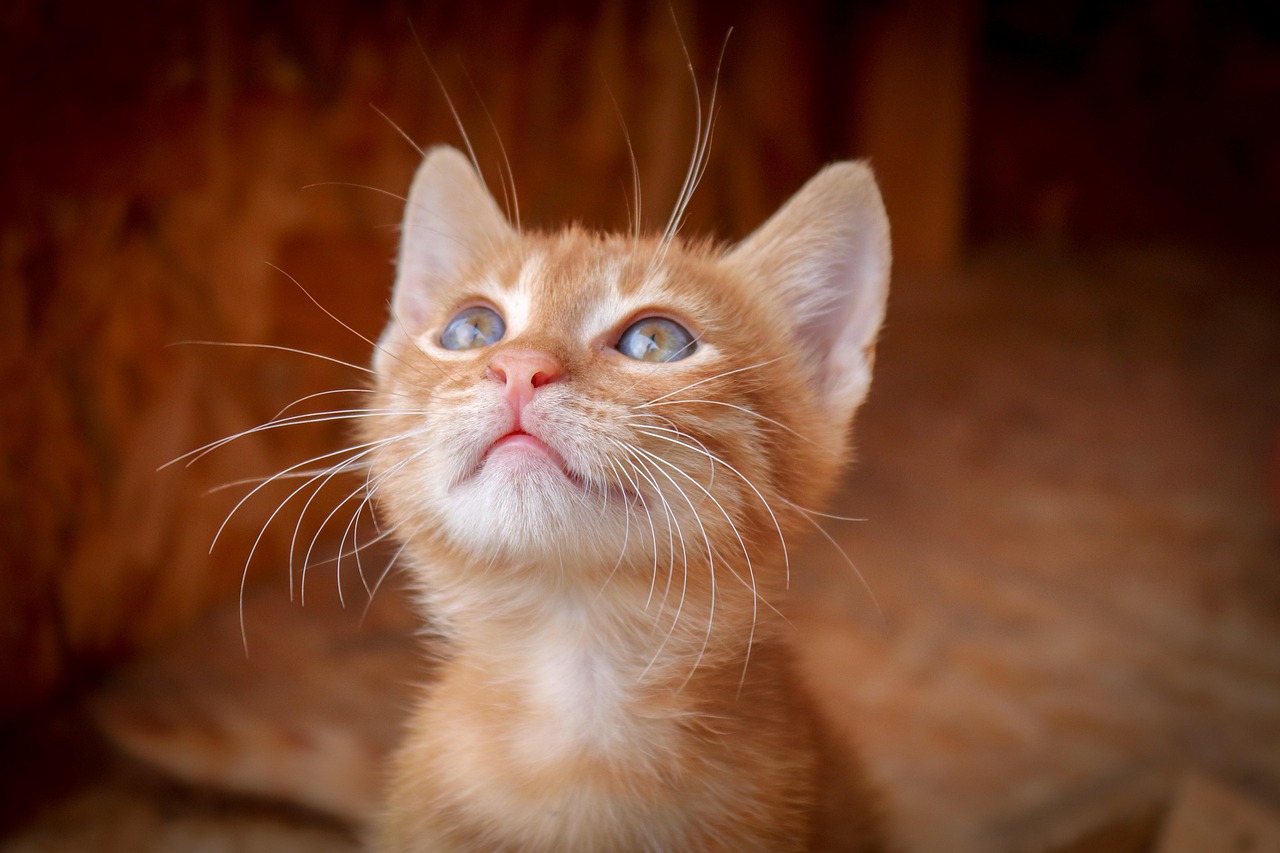
Sometimes meows simply serve as a “welcome home” salutation, but the specific tone and timing make all the difference. Cats often trill when they greet their owners. Whether it’s a friendly hello when you come home from work, trilling serves as a social lubricant, signaling friendliness and openness to interaction.
When a cat trills upon seeing you, it’s their way of saying hello and showing that they’re happy to see you. This friendly vocalization is often accompanied by purring and rubbing against your legs, reinforcing the cat’s desire for interaction and attention. Notice how your cat reserves these special sounds just for your arrivals, making you feel like the most important person in their world.
Chattering and Excited Vocalizations: Sharing Their Thrills
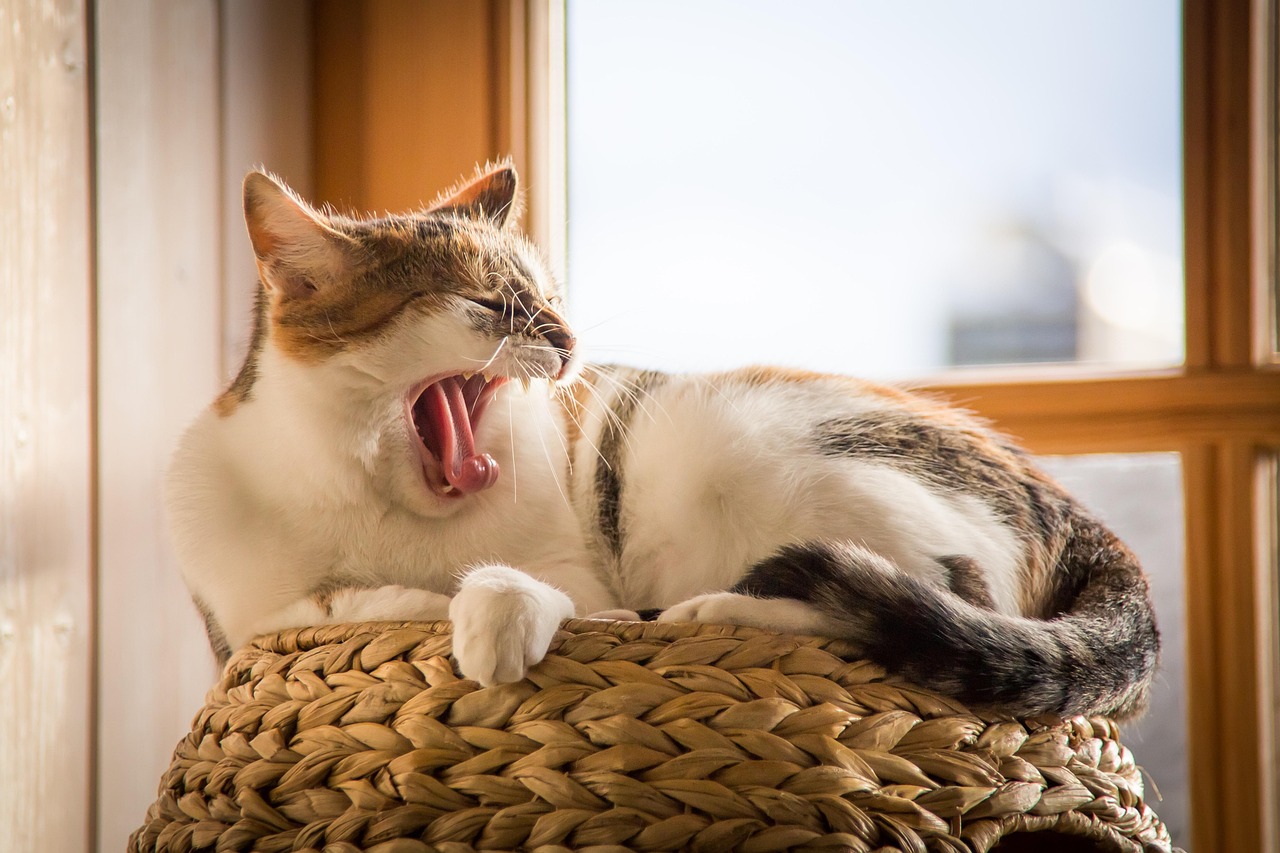
Chattering, chittering or twittering are the noises your cat makes when they’re sitting in the window watching birds or squirrels. It usually translates to excitement or they may be contemplating snack time. This fascinating sound reveals your cat’s desire to share their most exciting moments with you.
You might have heard your cat chatter her teeth while longingly staring out a window at a sparrow or squirrel in a tree. Sometimes accompanied by a chirp, squeak or faint cry, the chatter is a cat noise thought to be an indicator of a cat’s predatory excitement. When cats chatter while looking at you, they’re including you in their most exhilarating experiences, treating you as their trusted companion in adventure.
Soft Murmurs and Quiet Conversations: The Intimate Whispers
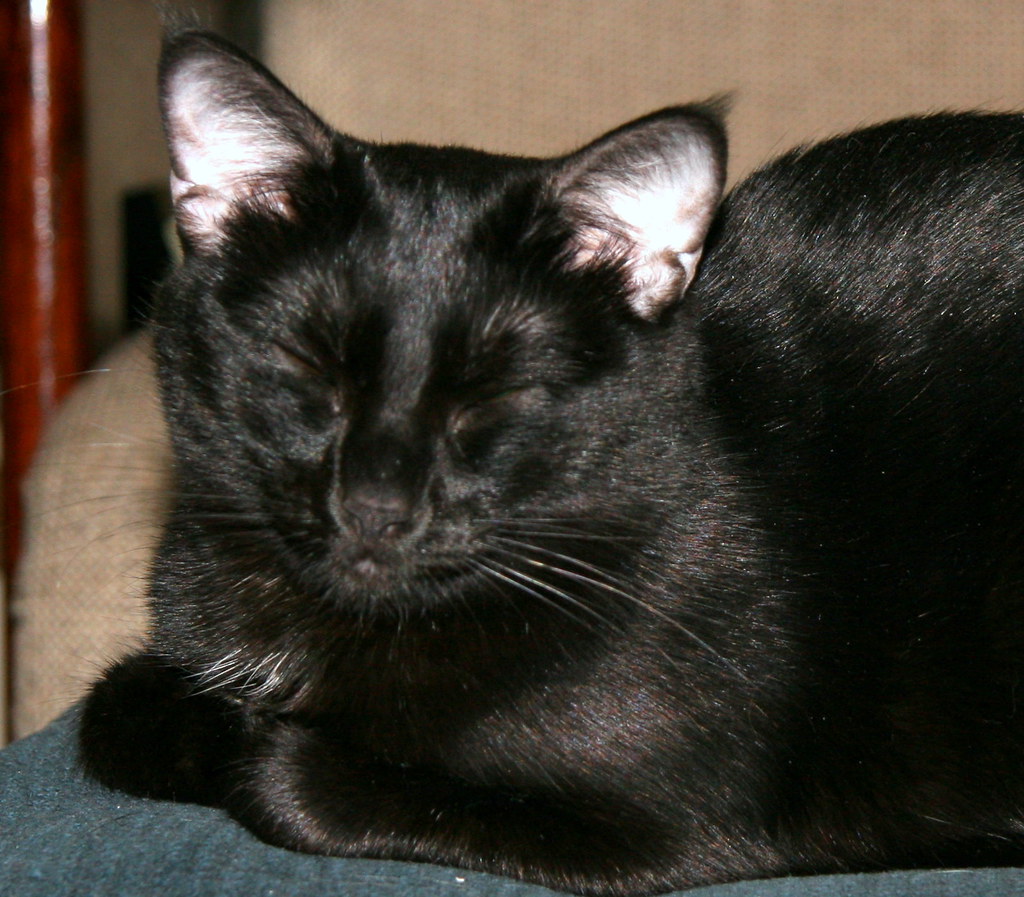
Murmur vocalizations correspond to the sounds produced with the mouth closed. Examples of these sounds are purring, trilling, and groaning. These gentle, barely audible sounds represent the most intimate form of cat communication, reserved for only the most trusted individuals.
Cats who feel secure with their humans often develop a wider “vocabulary” of sounds. Some talkative cats develop a wide range of distinct vocalizations, from squeaky “door greetings” to demanding “dinner now” yowls. These quiet murmurs and soft vocalizations are your cat’s way of having private conversations with you, sharing thoughts they wouldn’t dream of expressing to anyone else.
Conclusion
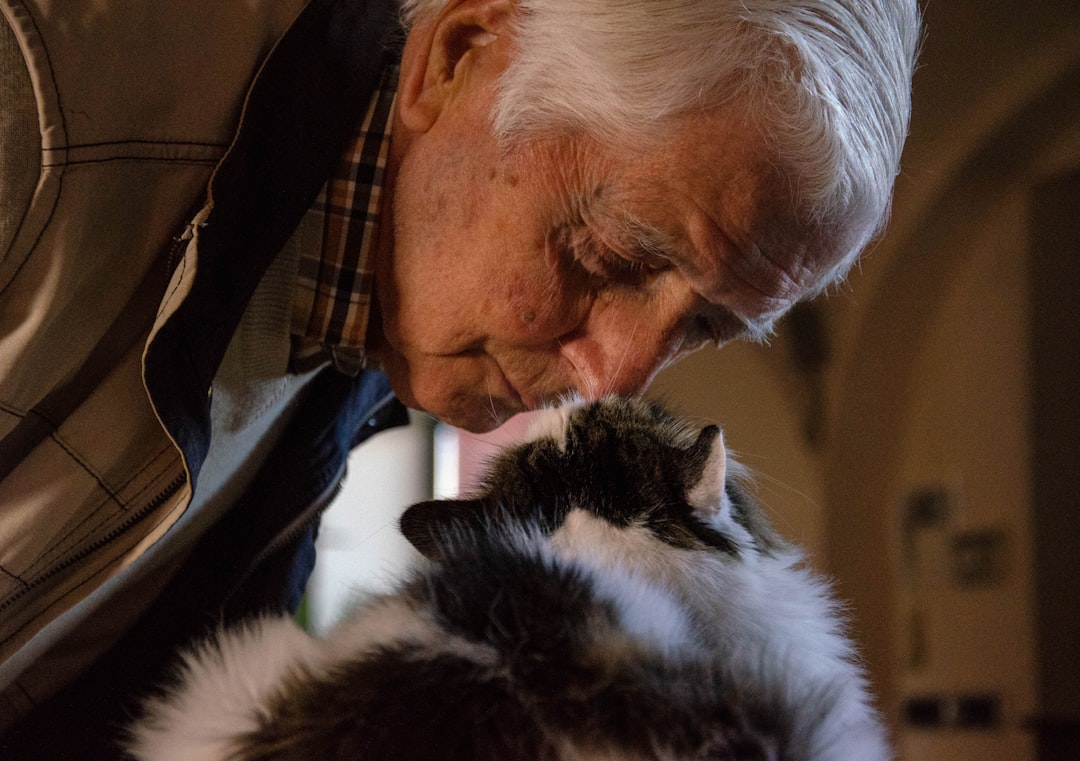
Your cat has been speaking the language of love all along, weaving a tapestry of sounds that express joy, trust, excitement, and deep affection. Every trill, meow, chirp, and purr carries the weight of their emotions, carefully crafted just for you. These sweet vocalizations represent more than just communication; they’re declarations of love, expressions of trust, and invitations to share in their world.
The next time your feline friend greets you with one of these precious sounds, take a moment to truly listen. Behind each vocalization lies a heart that has chosen you as their person, their family, their safe harbor in this world. What does your cat’s favorite sound tell you about how much you mean to them?
