
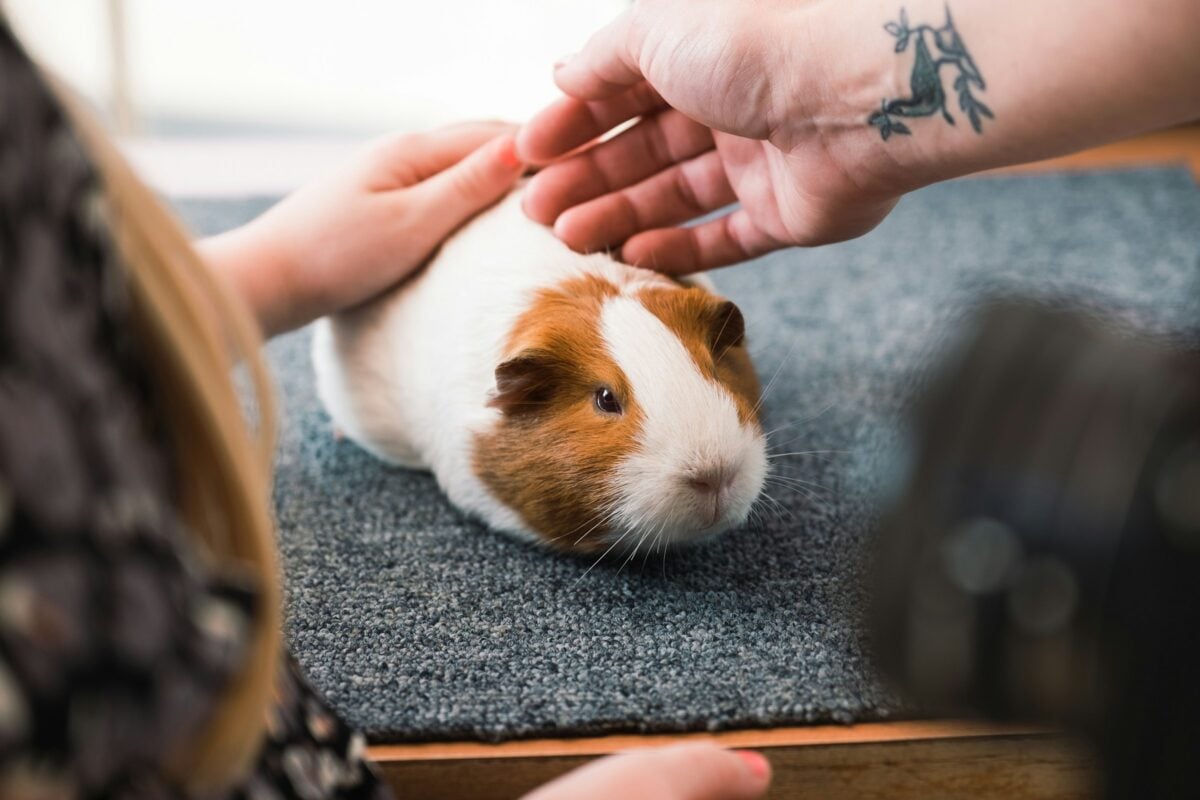
If you have guinea pigs, you’ve probably wondered how much they really understand about what goes on each day. Are they just reacting in the moment, or do they actually remember the rhythm of your home, your habits, and their own little rituals?
The fun twist is this: for such tiny animals, guinea pigs are surprisingly good at remembering patterns, especially when those patterns involve food, safety, or comfort. Once a routine sinks in, they can act like little furry clocks on legs. Let’s dive into eight specific parts of daily life that guinea pigs tend to remember – and how you can use that knowledge to make their world calmer, safer, and a lot more fun.
1. Feeding Times (And The Sounds That Come Before)
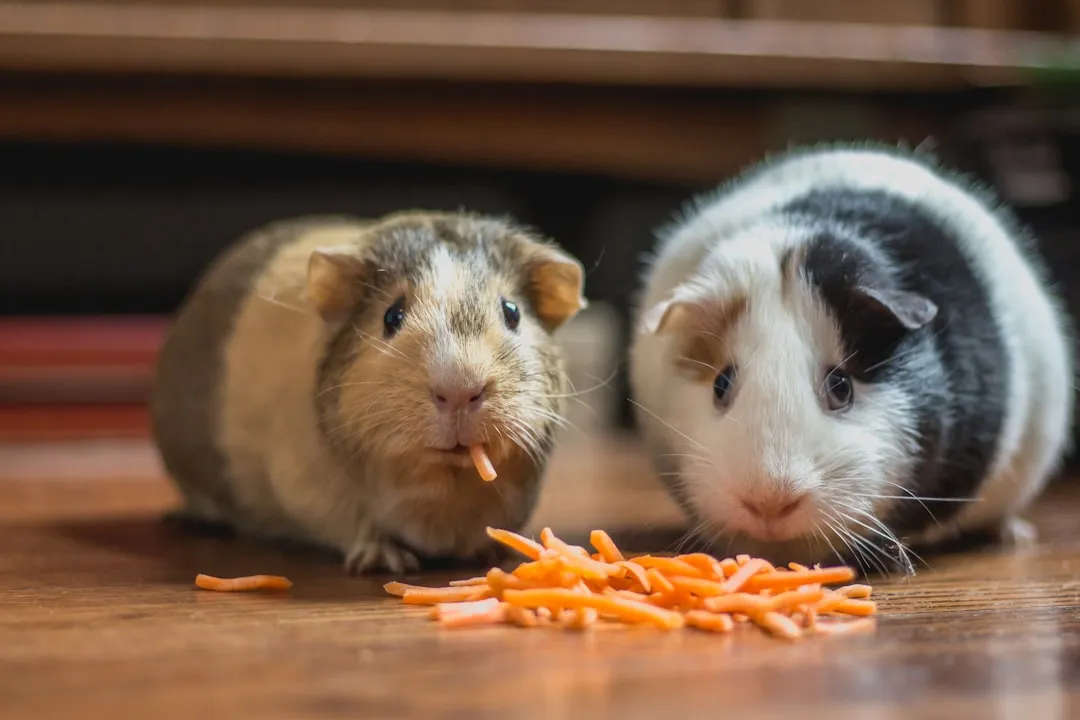
Guinea pigs are absolute pros at remembering when food usually shows up. If you tend to feed them around the same times every day, you’ll often see them getting antsy, popcorning, or running to the front of the cage right on schedule. They are not reading the time; they’re tracking a pattern of light, sound, and daily human movement that reliably predicts food.
They also quickly link specific sounds with feeding: the rustle of a hay bag, the click of the fridge, the chopping of vegetables, or the creak of a particular cupboard. Once that association is formed, they can remember it for a long time. That’s why simply touching the veggie drawer can suddenly turn your quiet pigs into a screaming vegetable choir.
2. Who Brings The Food (And Who To Be Wary Of)
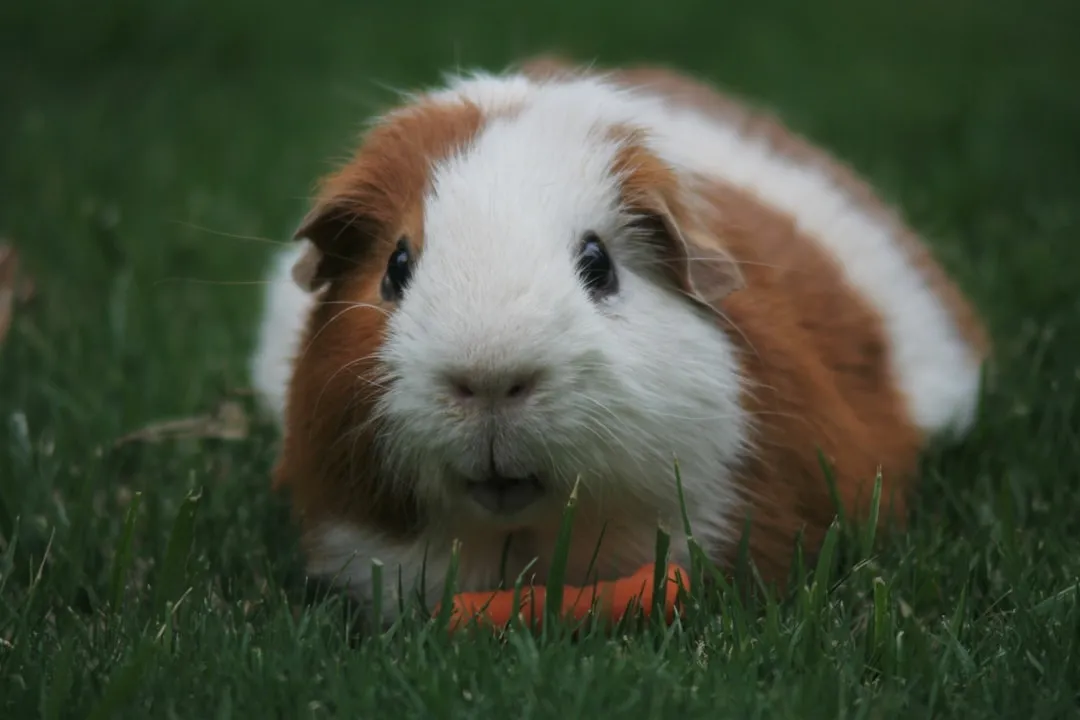
Guinea pigs do not just remember events; they remember people. Over time, they learn who usually brings the veggies, who moves more slowly, and who is a bit clumsy with handling. Many owners notice their pigs react very differently to different family members, even when everyone is being kind. That suggests they are forming memories about each person’s behavior.
If you are the one who feeds them most often, they’ll often become more relaxed and curious around you, because your presence predicts good things. On the flip side, if someone in the house tends to be louder, moves abruptly, or handles them awkwardly, the pigs may run from that person more consistently. This is their memory in action, helping them sort the world into “safe” and “maybe not so safe” without needing to relearn it every day.
3. Cage Cleaning Days And Handling Routines
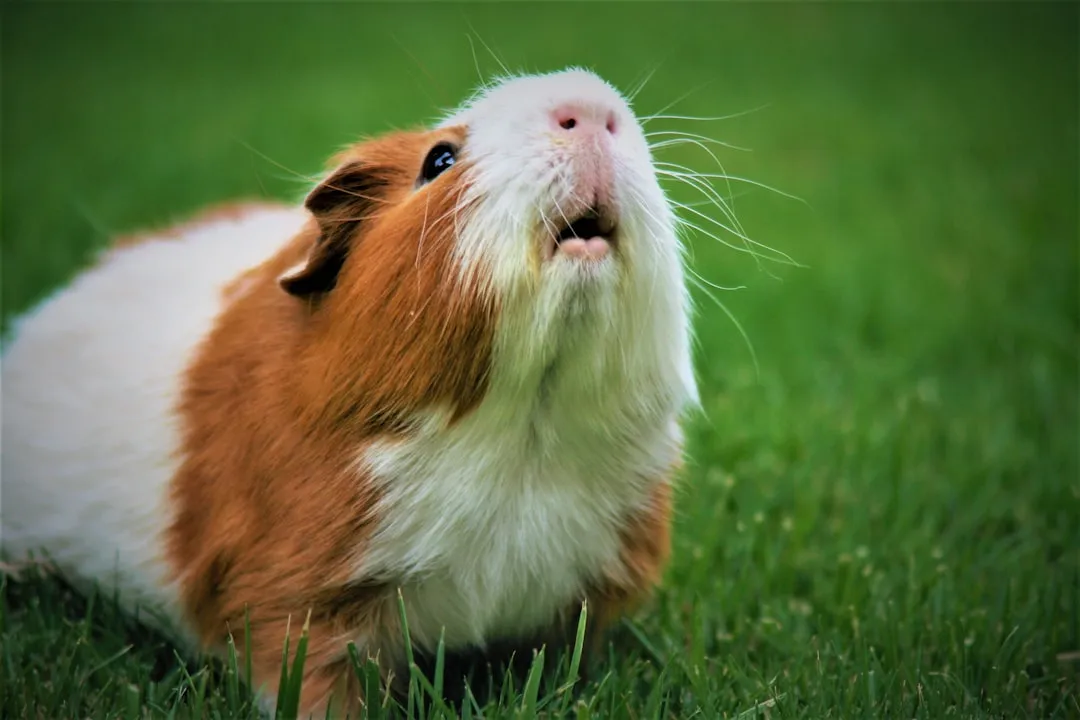
Many guinea pigs remember the pattern of cage cleaning: the towel on the floor, the particular bin you bring out, or the way you start lifting hideys and toys. At first, they might panic and scatter, but over time, they often shift into a more predictable response, like heading to a corner they know you’ll pick them up from. That tells you their brains are mapping this as a recurring event, not a random disaster.
They also remember how they’re handled during these times. If cage cleaning is always rough or rushed, you may see increasing resistance or fear whenever that routine starts. If it’s consistently gentle and you pair it with calm voices and maybe a small treat afterward, they tend to settle faster over the weeks. In other words, they’re not just remembering the task; they’re remembering the emotional tone that goes with it.
4. The Layout Of Their Space And Favorite Hiding Spots
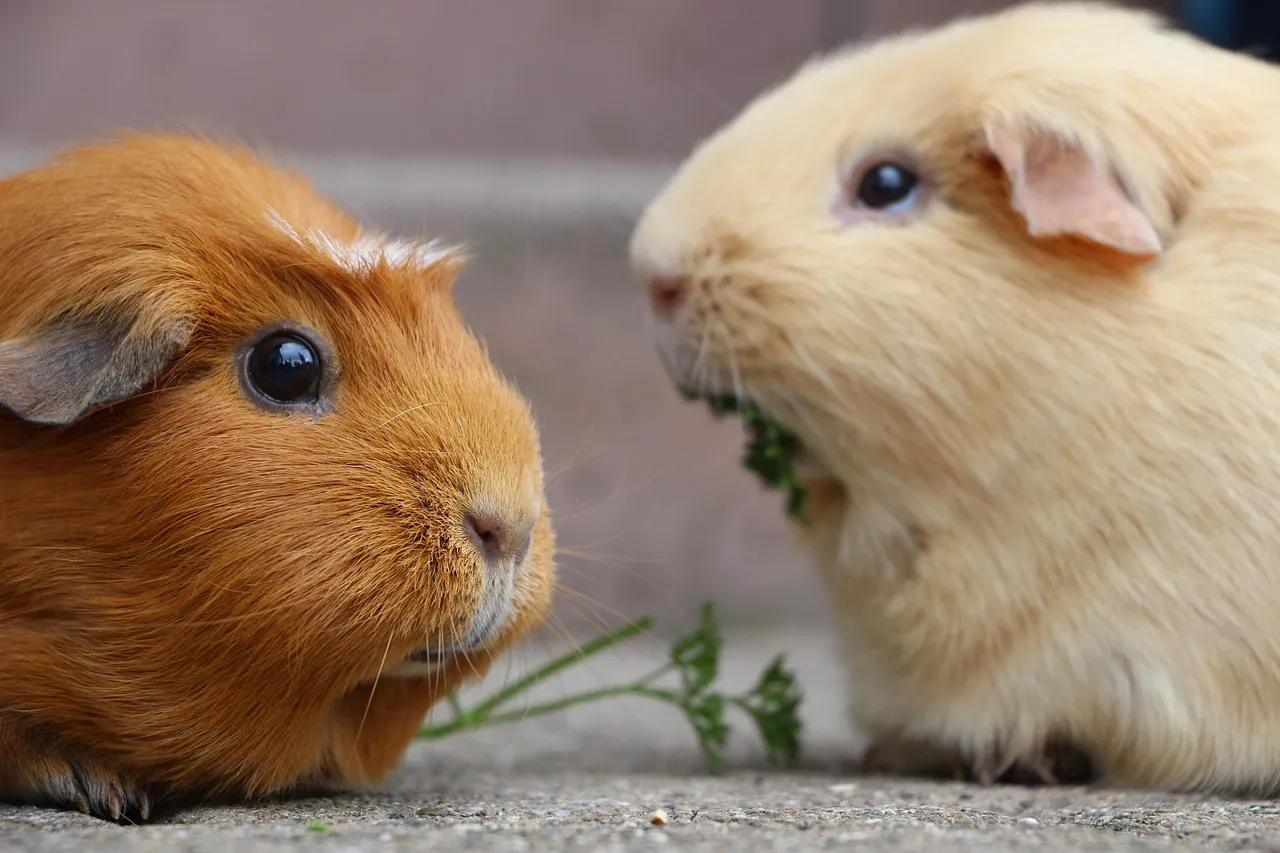
Guinea pigs are prey animals, so knowing where to run and hide is literally wired into their survival. They form strong spatial memories about their cage and playpen: where each hideout is, where they can duck behind a tunnel, and which routes feel safest. Even if you rearrange things slightly, they often explore and then mentally “update the map,” quickly remembering where the new secure spots are.
In free-roam or floor-time areas, they also memorize repeat escape paths, like under the couch or behind a box. You may see the same zigzag pattern every time they get startled, because their brain has stored that as the fastest, safest route from past experience. To them, the environment is not just a bunch of objects; it’s a learned landscape full of remembered safe zones and danger gaps.
5. The Order Of Daily Events (Morning, Afternoon, Night)
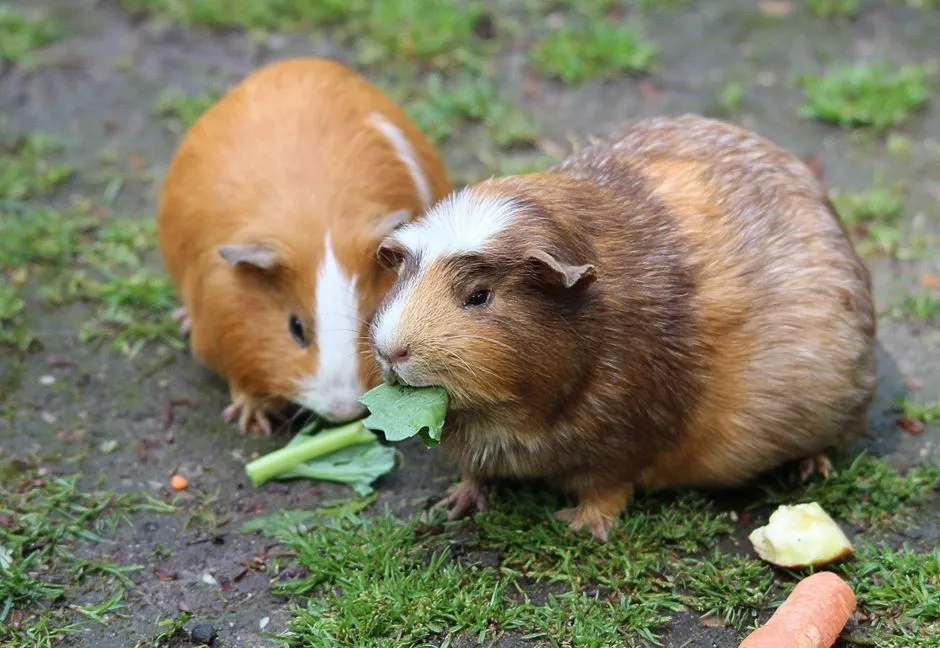
Even if they can’t read the clock, guinea pigs clearly respond to time-of-day patterns. They often become more active when the household usually “wakes up,” quiet down when the humans leave, and ramp up again in the evening when people come home. Over days and weeks, their bodies and brains sync to this predictable rhythm, so it feels normal and safe.
They also notice the sequence of your routines: maybe lights on, then fresh hay, then veggies later, then lap time at night. When this pattern repeats, they begin to “anticipate” the next step, and you’ll see them act excited or alert even before you physically start the next part. That anticipation is a memory-based prediction, not just a reflex, which is a subtle but important difference.
6. Voices, Words, And The Way You Talk To Them
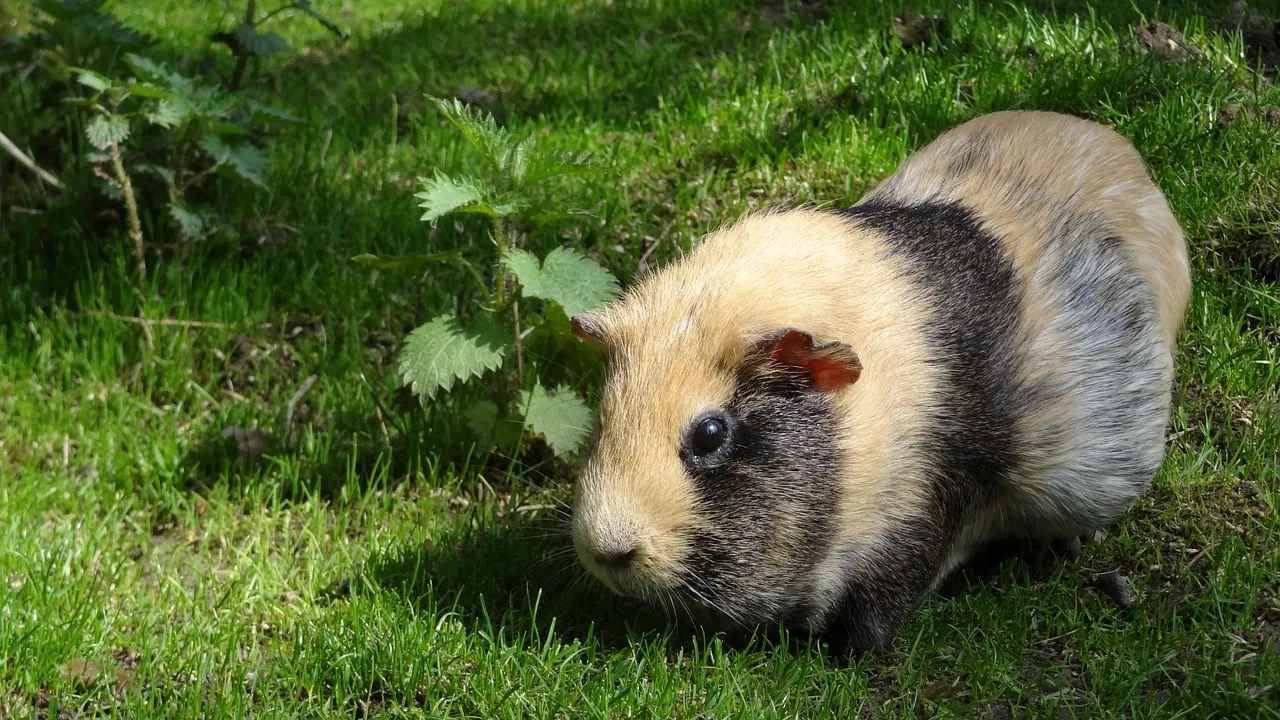
Guinea pigs remember voices and tones surprisingly well. They can learn that a soft, sing-song voice usually comes with treats or gentle petting, while a sharper, louder voice might mean something stressful is going on nearby. Over time, many pigs clearly calm faster when they hear a familiar, soothing voice, even before they see the person.
They may also pick up on specific repeated sounds or short words associated with food or handling. It’s not quite like a dog obeying a command, but more like a sound pattern that predicts an outcome. For example, if you always say the same thing when you bring veggies, they can learn to remember that sound as a signal to come out. Their memory links the sound, the person, and the reward into one reliable little script.
7. Past Scares And Stressful Experiences
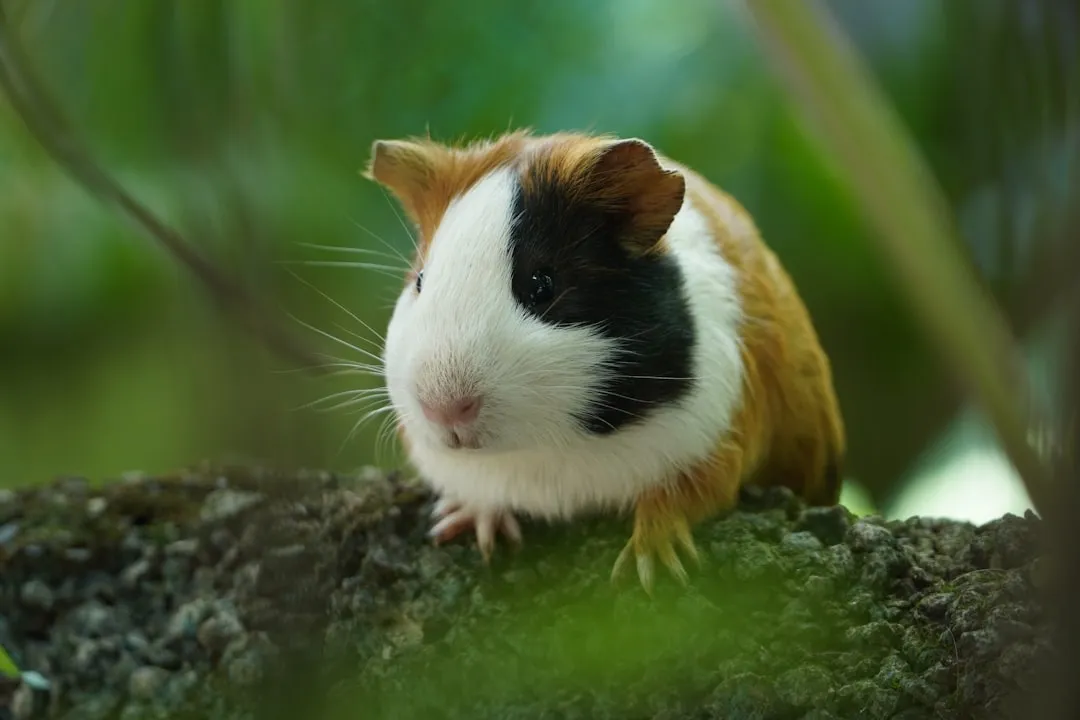
This is the tougher side of memory: guinea pigs can remember frightening events and respond to similar situations with fear, even long after the original incident. A loud dropped object, a rough grab, a predator-like noise, or a painful medical procedure can all leave an imprint. You might notice them bolt or freeze faster when something reminds them of that earlier scare.
The flip side is that positive, predictable routines can slowly overwrite some of that anxiety. If, after a stressful vet visit, you always follow up with quiet lap time and a favorite snack, you’re gradually giving their brain new memories to pair with being handled or transported. The fear may not vanish completely, but it often shrinks as the number of calm, safe repetitions grows.
8. Bonding Rituals: Lap Time, Treat Time, And Play Time
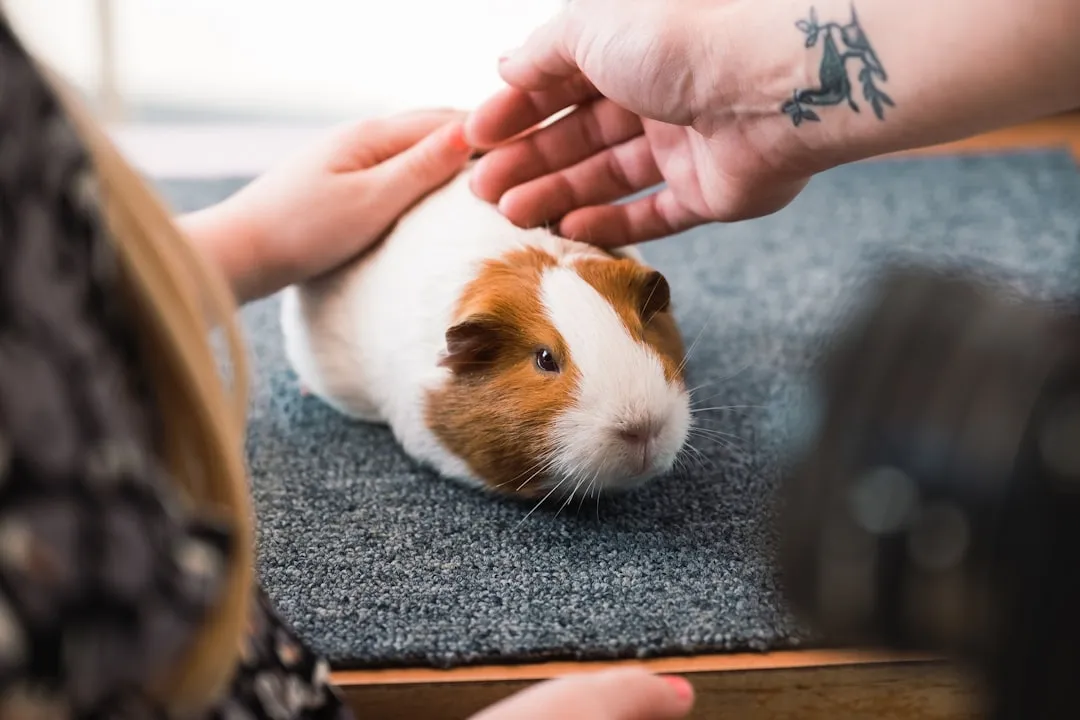
Guinea pigs remember the little rituals that build your bond: the towel you put on your lap, the special treat you only give during cuddle time, the way you gently talk while stroking their fur. Many owners find that when they skip these routines, their pigs seem a bit more on edge; when they resume them, the pigs quickly slide back into that familiar, relaxed pattern. Those rituals are like anchors in the day that tell the pig everything is okay.
They also remember what makes those moments feel safe: not being chased, being allowed to retreat if they want to, and never being forced into loud or chaotic spaces. Over time, their brains connect you, your touch, and these quiet sessions into a memory of trust. That is why a nervous rescue pig can slowly transform into a confident, chatty companion: the routine itself turns into a stored feeling of safety they carry forward into each new day.
Conclusion: Tiny Brains, Big Patterns
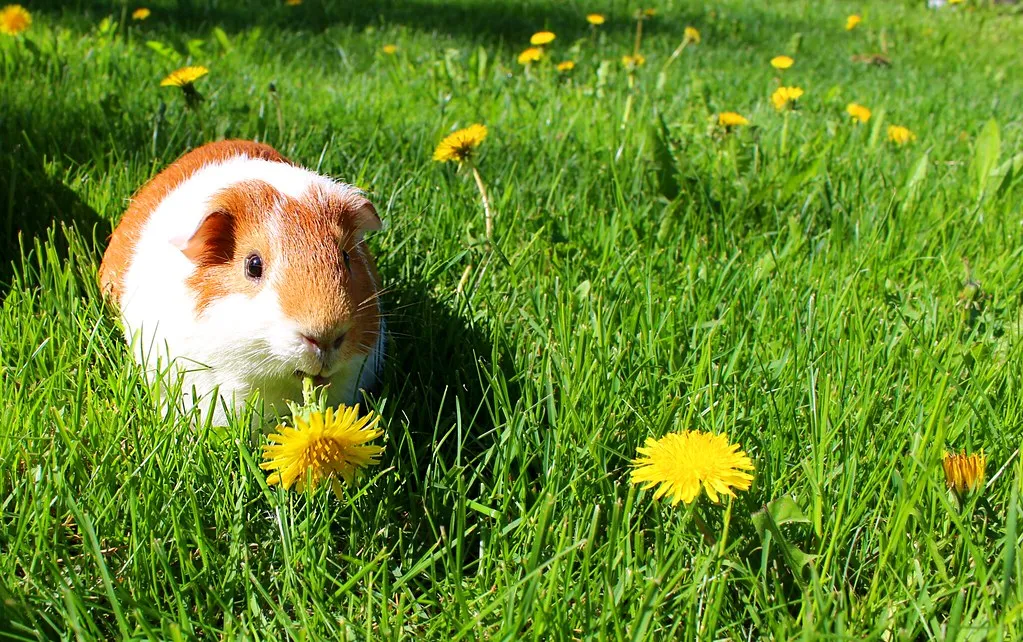
The more you watch guinea pigs closely, the harder it is to believe they just live in the moment. Their daily behavior shows a clear pattern: they recognize, remember, and predict based on what you do over and over again. In my view, that makes routine not just convenient, but almost a form of communication with them. You are quietly telling them, through repetition, that the world is mostly safe and mostly understandable.
That is also why I think it is worth being intentional about their schedule and your own habits around them. When you show up consistently with food, gentleness, and respect, they do not just respond in the moment; they build a mental story of you as trustworthy. For such small animals, that bond is a huge thing. Next time your pigs start wheeking right before you even touch the hay bag, ask yourself: are they just hungry, or are they showing you how much they remember?
