
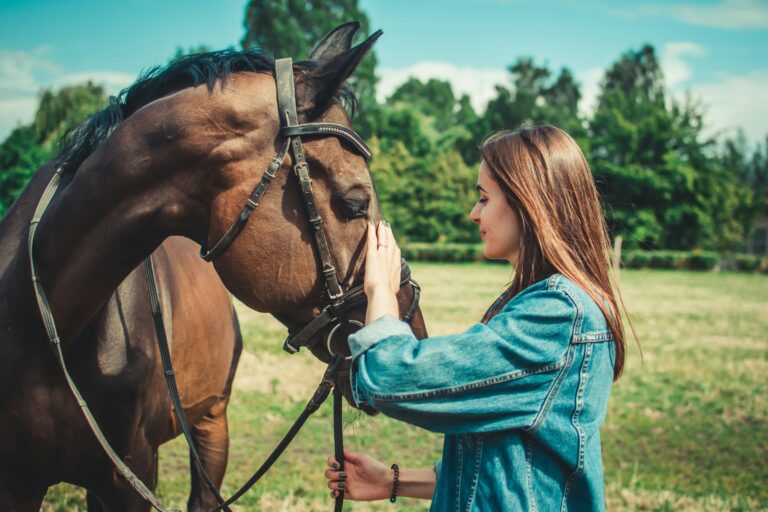
Picture a horse you haven’t seen in a couple of years. You walk up to the fence, and its head lifts, its ears swivel toward you, and it gives a low, soft nicker. Was that real recognition, or just a hopeful guess that you’ve brought a snack?
Researchers have been poking at that question for a while now. The picture they’ve built is more nuanced than the “horses never forget” cliché, though in some ways it’s more impressive. Here are eight things a horse seems to hold onto about a person, even after the barn schedule, the job, or the whole relationship has shifted.
8. Your Face
🔥 Would you like to save this?
We'll email this post to you, so you can come back to it later!
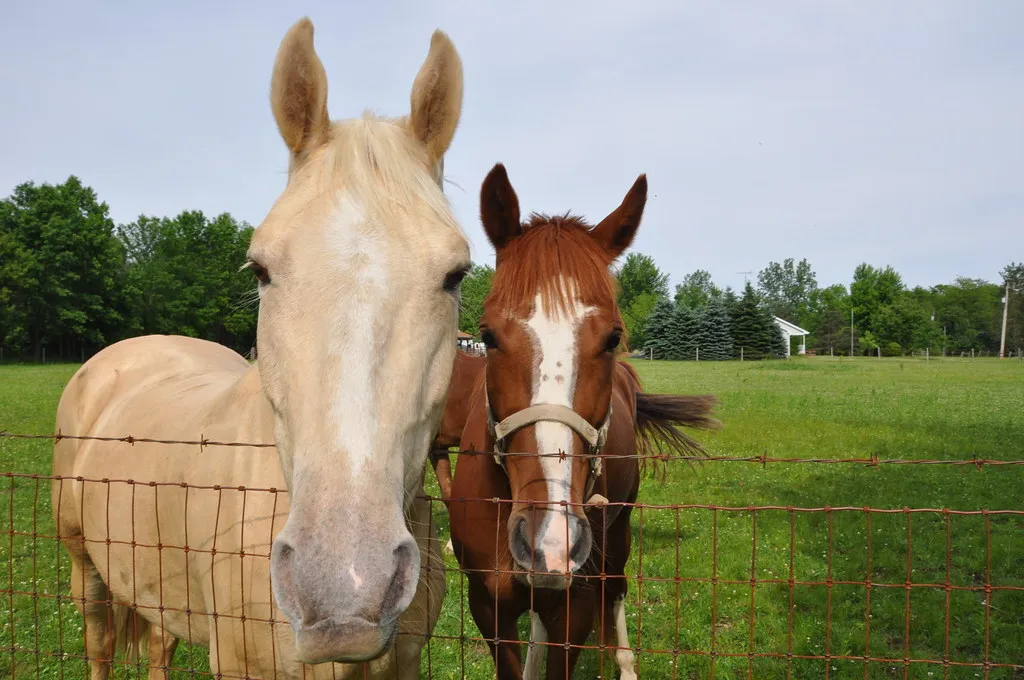
Horses can tell individual humans apart by sight. In a well known set of experiments, researchers showed horses photographs of familiar and unfamiliar people and found that the animals treated them differently. That suggests faces carry real information for them.
Horses also have wide set eyes and a very broad field of view. They tend to look at things with one eye at a time, which means the way you approach can change how well they take you in.
Still, faces probably aren’t the whole story. Horses seem to pull together several clues at once, such as your outline, your movement, and your usual spot in their world. A new hat or a different jacket may slow recognition, but rarely erases it.
7. Your Voice
🔥 Would you like to save this?
We'll email this post to you, so you can come back to it later!
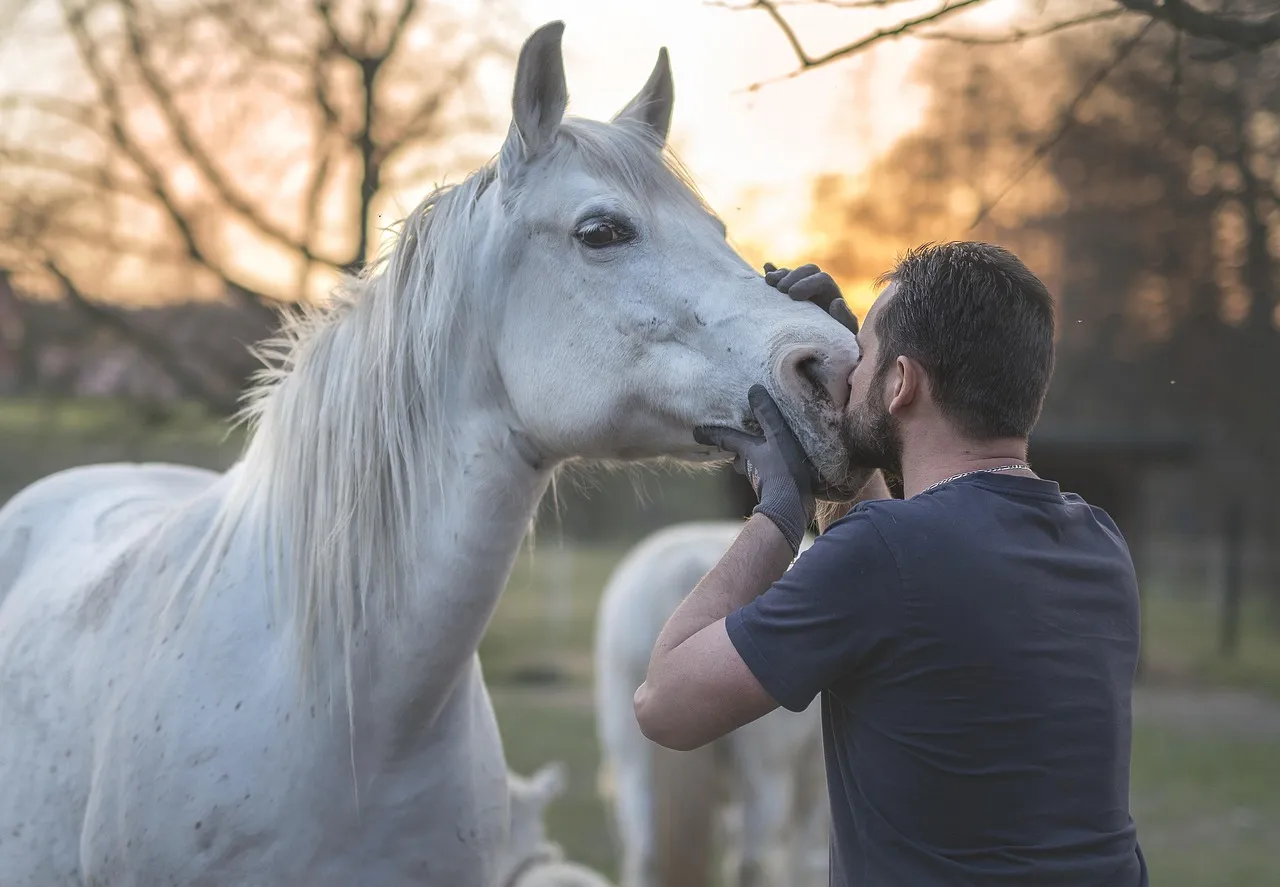
Sound may be one of the strongest links. Studies from the early 2010s found that horses link a familiar person’s voice to that person’s appearance. When a voice played from a speaker didn’t match the person standing in front of them, the horses reacted as if something was off.
This ability, often called cross modal recognition, means the horse isn’t storing separate files for your face and your voice. It seems to hold one combined idea of “this particular human.”
That’s why a familiar tone can calm a horse even from a distance. If you used to talk to your horse in a certain rhythm while grooming, there’s a fair chance that rhythm still means something years later.
6. How You Made Them Feel
🔥 Would you like to save this?
We'll email this post to you, so you can come back to it later!
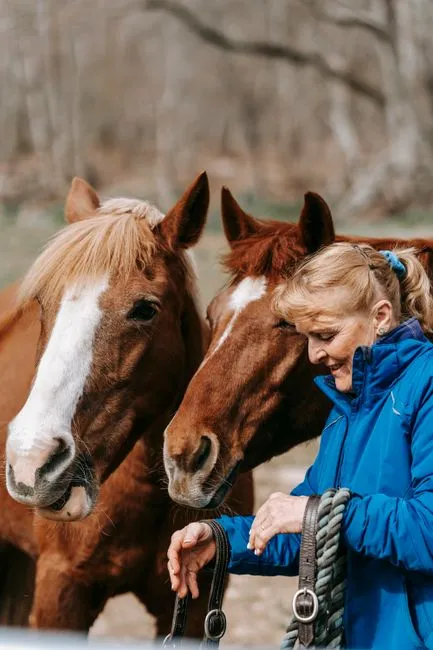
Horses are strongly shaped by association. If time with you was calm, predictable, and kind, that feeling tends to attach to your presence. If it was rough or frightening, that sticks too, and sometimes harder.
Research on horse and human relationships suggests that animals handled gently tend to approach people more readily, while those handled harshly may become wary. Exactly how long those impressions last varies from horse to horse, and the science is still developing.
Think of it less as a stored memory of events and more as a gut level verdict. The horse may not recall a specific Tuesday, but it knows whether you were a safe person.
5. Your Emotional Signature
🔥 Would you like to save this?
We'll email this post to you, so you can come back to it later!
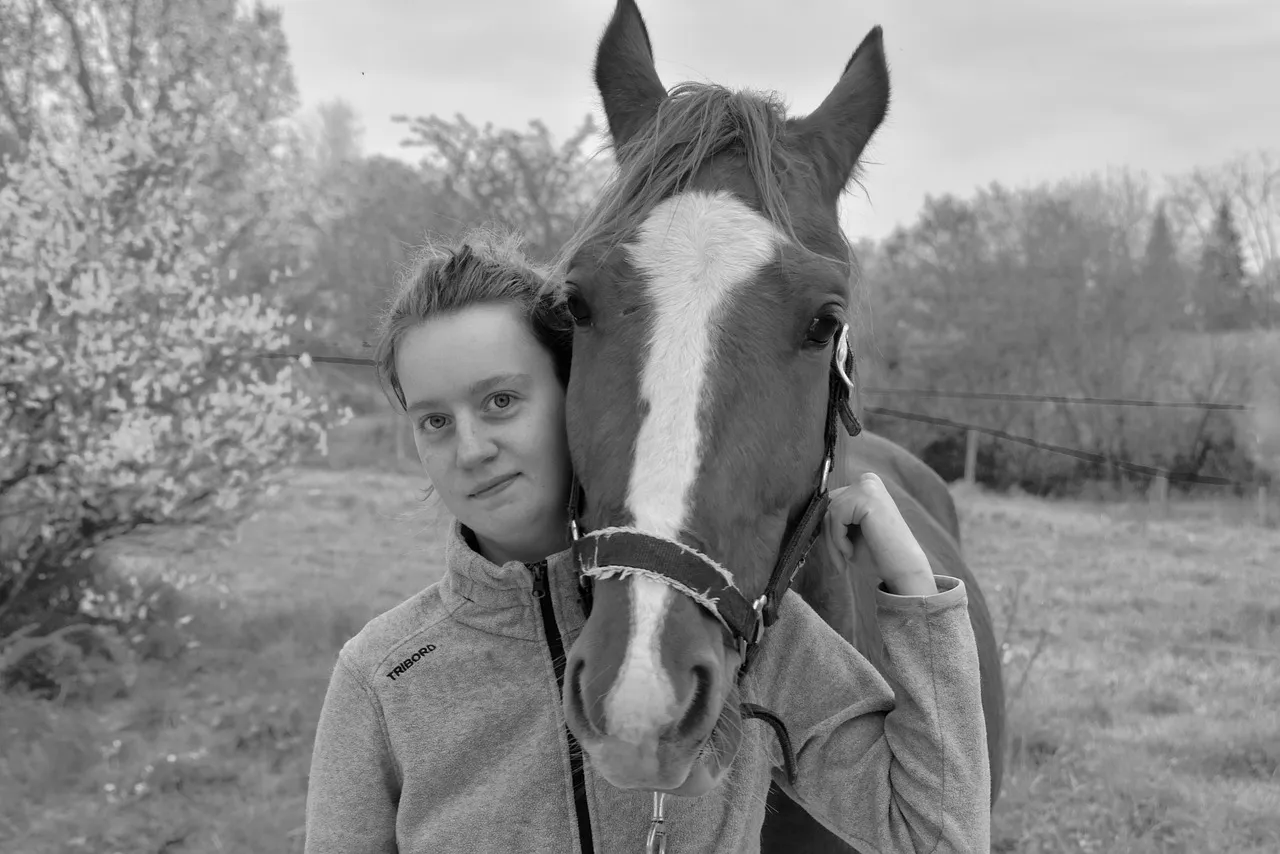
Horses are sharply tuned to human emotion. Work from the University of Sussex found that horses looked at photos of angry faces differently from happy ones, and they showed signs of stress when viewing the angry ones. Other studies have shown that a handler’s nervousness can show up in a horse’s heart rate.
This matters for memory because your emotional style is part of who you are to a horse. Someone who tends to be steady and quiet probably registers differently than someone who is tense or loud.
No one has proven that a horse recalls your exact mood from years ago. Still, it’s reasonable to think the general feel of your presence is part of what they recognize.
4. The Way You Move and Handle Them
🔥 Would you like to save this?
We'll email this post to you, so you can come back to it later!
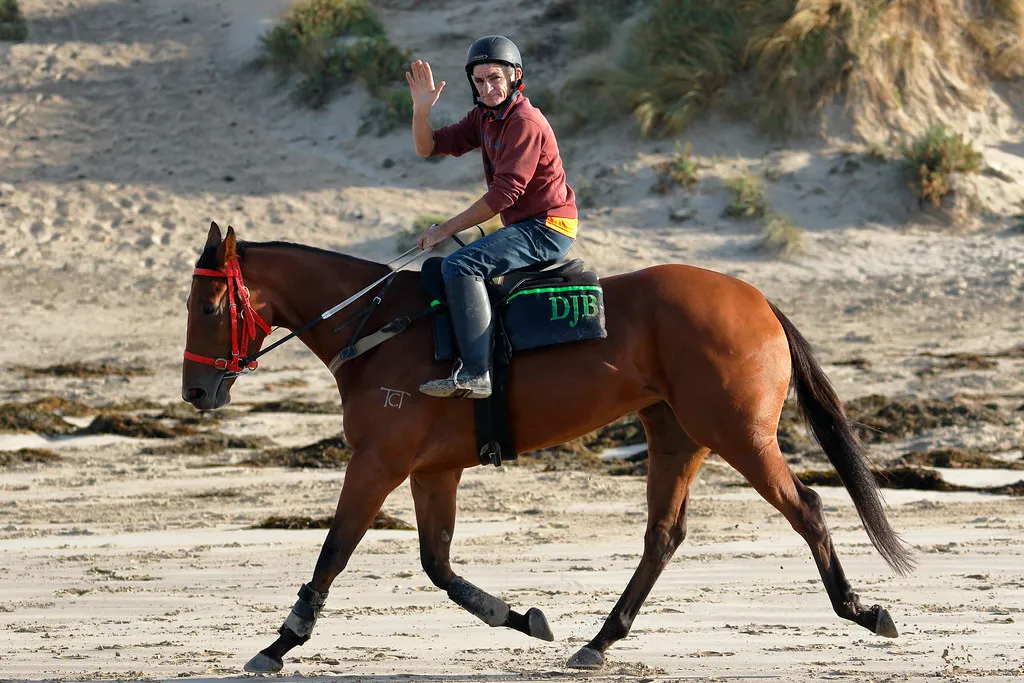
Every person has habits. You might approach from the left, move slowly around the hindquarters, or set a hand on the neck before touching anything else.
Horses are prey animals that survive by reading body language, so they notice these details closely. Your walking pace, your posture, and your timing of a request all become part of a pattern they can predict.
When that pattern shows up again after a long gap, it may feel familiar in a physical way. Many riders report that an old partner slips back into old cues with surprising ease, though that’s anecdotal and could also reflect training that was never fully forgotten.
3. Your Scent
🔥 Would you like to save this?
We'll email this post to you, so you can come back to it later!
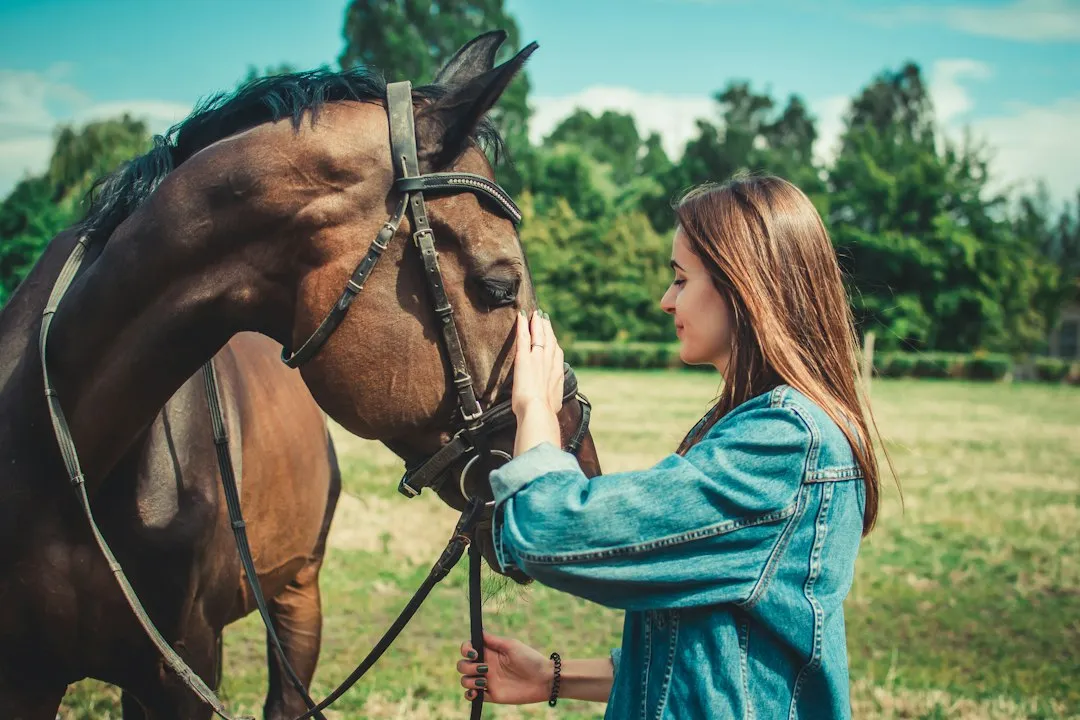
A horse’s sense of smell is far better than ours, and they often sniff a person’s hands, shoulders, and breath when they meet. It’s their version of a careful hello.
Scent is hard to study in controlled ways, so there’s less firm evidence about how well horses recall individual human smells over long periods. Still, it would be strange if such a sensitive sense played no part in recognition, and it likely works alongside sight and sound.
Soap, laundry detergent, and even a new barn coat might change your smell slightly. The underlying body scent likely stays more consistent, which could help the horse sort things out.
2. The Skills You Taught Them
🔥 Would you like to save this?
We'll email this post to you, so you can come back to it later!
Here the evidence is strongest. Experiments on equine learning suggest horses can retain trained tasks and learned concepts for a very long time, in some studies across several years. A horse that learned to respond to a cue from you may still recall it long after the lessons stopped.
That doesn’t mean it will perform perfectly on demand. Performance fades without practice, and a different handler may use cues in slightly different ways.
Still, the groundwork tends to stay in there somewhere. Many trainers find that refreshing an old skill takes far less time than teaching it from scratch.
1. Your Place in Their Social World
🔥 Would you like to save this?
We'll email this post to you, so you can come back to it later!
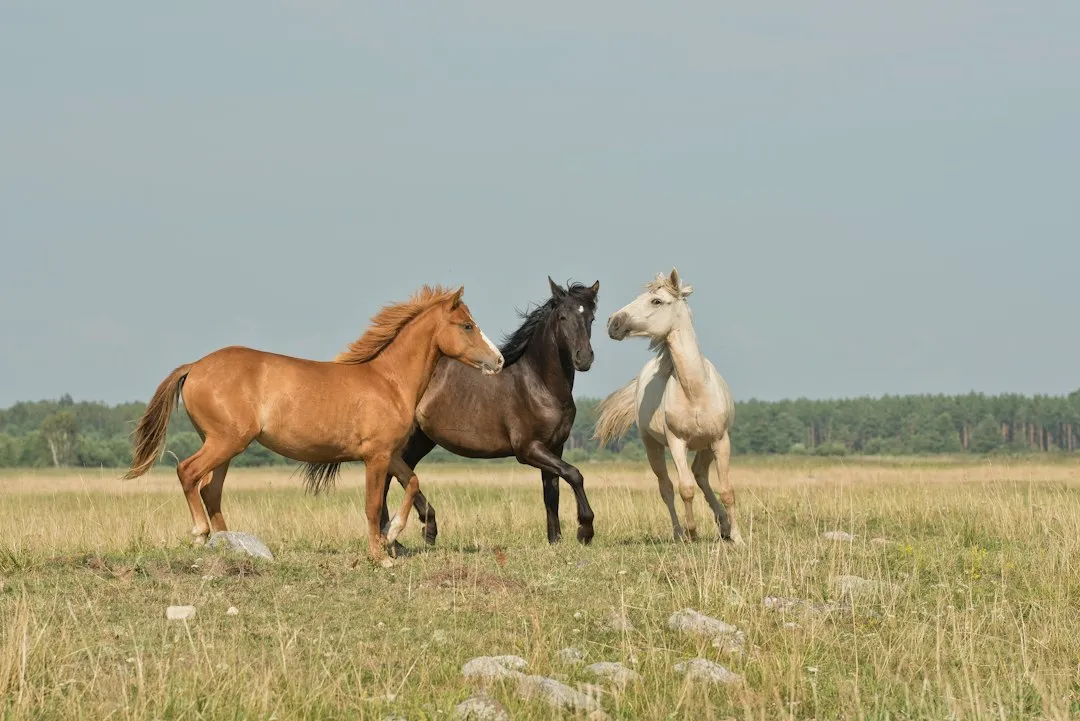
Horses are deeply social animals, and relationships matter to them. Within a herd they form preferred companions, and some of that social wiring seems to carry over to people.
A person who was part of a horse’s daily life may be stored as someone familiar, safe, or important. That could explain why some horses greet a former caretaker with real enthusiasm, while greeting strangers with simple curiosity or caution.
It’s worth staying honest here. We can observe the greeting, the body language, and the changes in behavior, but we can’t ask the horse what it feels. The most careful reading is that recognition and attachment are likely, while the exact experience inside the horse’s mind remains unknown.
Final Thoughts
🔥 Would you like to save this?
We'll email this post to you, so you can come back to it later!
My view is that we tend to swing between two lazy extremes. Either horses are sentimental soulmates who pine for us, or they’re simple creatures chasing treats. The evidence points somewhere in between, and that’s more interesting than either story.
What seems clear is that horses build a rich, multi sensory picture of the people in their lives, and it doesn’t vanish when the schedule changes. So if you’ve been away from a horse you once cared for, don’t assume you’ve been wiped from its memory. Walk up quietly, speak the way you used to, and let the horse decide what it remembers.

- Beyond the Bark: Decoding Your Dog’s 12 Most Common Vocalizations - November 5, 2026
- 12 Surprising Facts About North American Mountain Lions You Never Knew - November 5, 2026
- Wild Salmon Populations Are Rebounding in the Pacific Northwest, A Sign of Healthier Rivers - November 5, 2026