
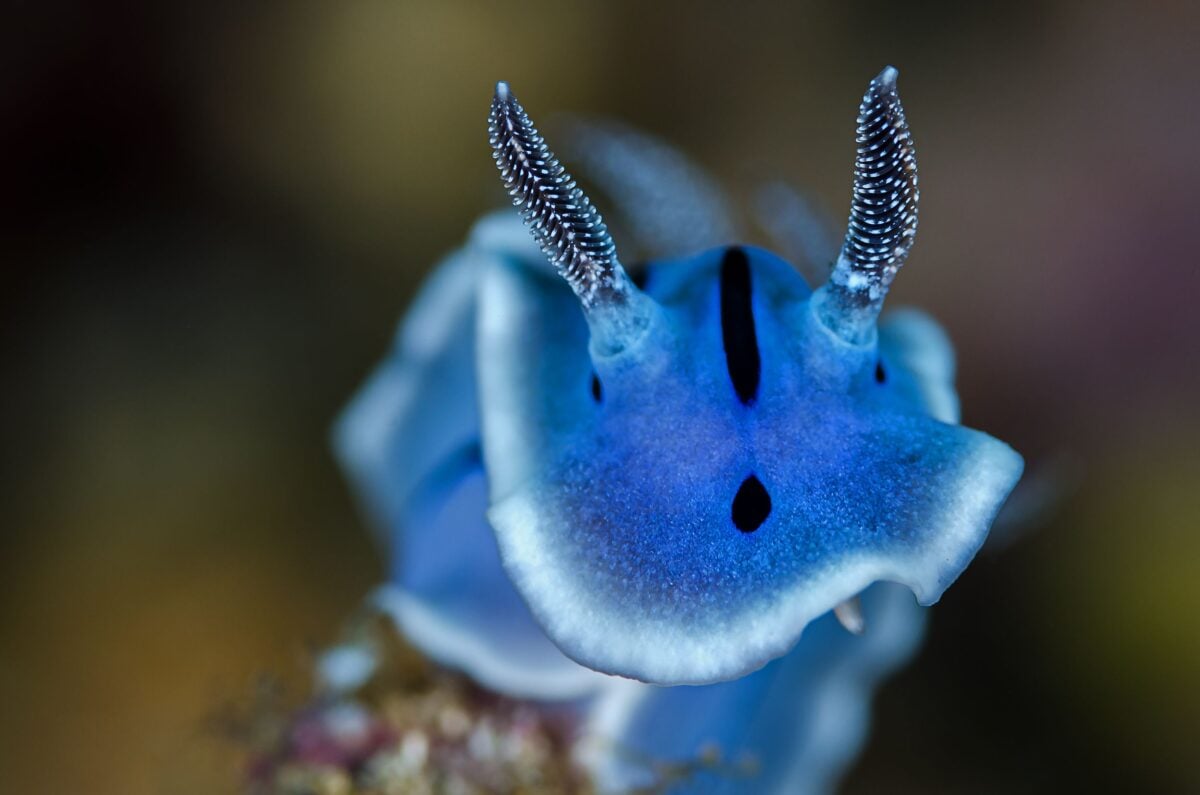
It’s about as long as your thumb, it floats upside down, and it looks like a tiny blue dragon drifting through open water. Most people who spot one on a beach are tempted to pick it up. That’s a mistake, and the reason sits inside its body.
The blue dragon, known scientifically as Glaucus atlanticus, doesn’t make its own weapons. It borrows them from other animals. How it pulls that off says a lot about how strange and clever life at the ocean’s surface can be.
It Floats Upside Down on the Ocean Surface
🔥 Would you like to save this?
We'll email this post to you, so you can come back to it later!
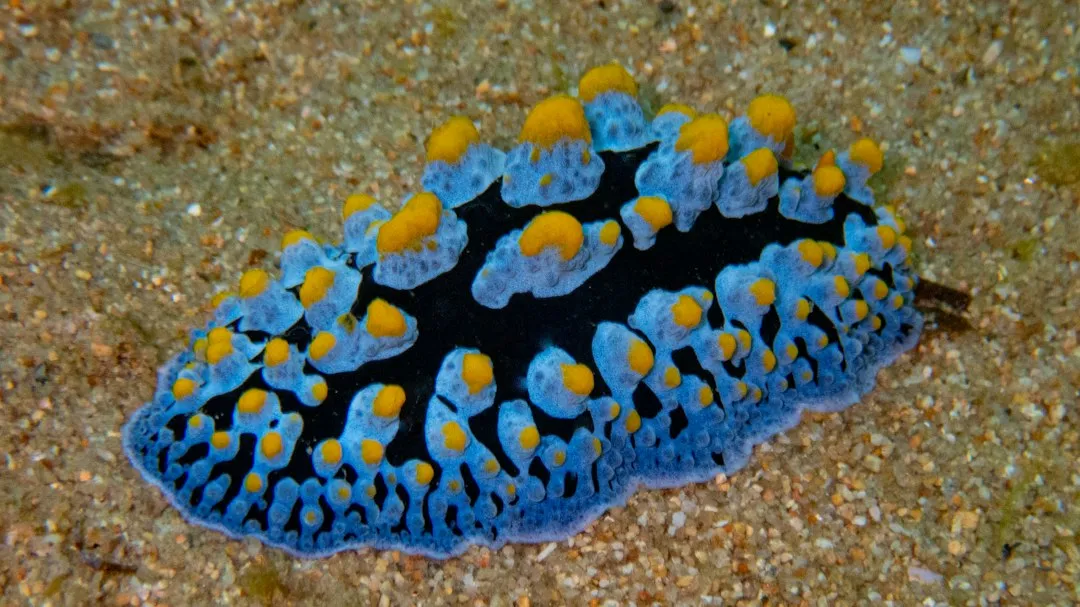
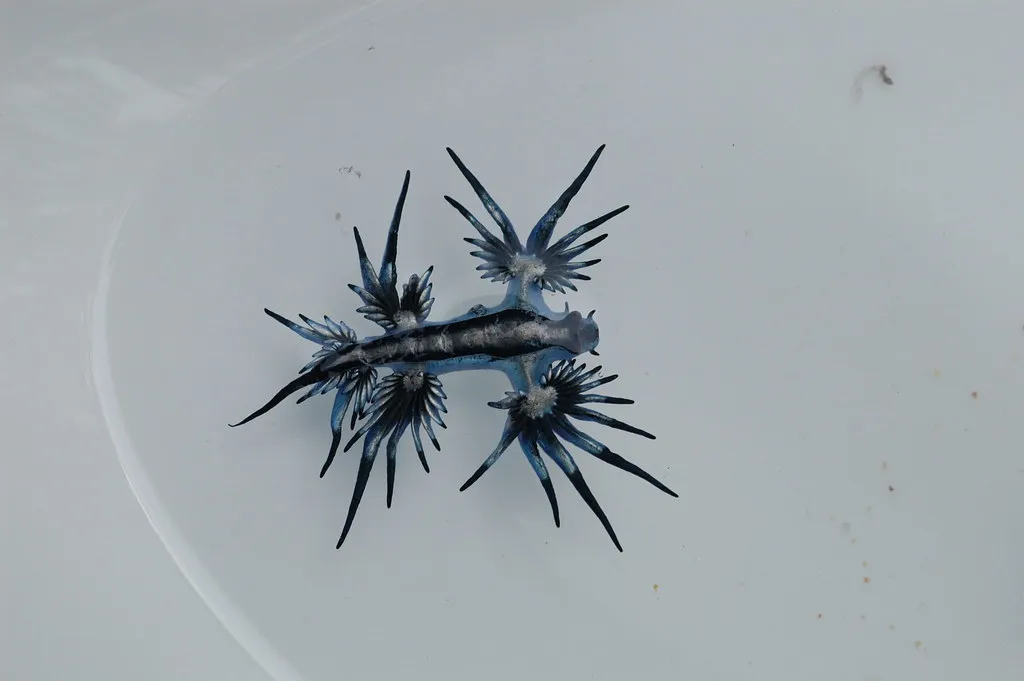
The blue dragon is a type of sea slug that lives at the water’s surface, a habitat often called the neuston. It swallows air and holds it in its stomach, and that gas bubble keeps it afloat. Since it hangs upside down, its silvery gray underside faces the sky and its bright blue side faces the water.
That odd posture is also a kind of camouflage. From above, the pale side blends with the sea’s glare, and from below, the blue side matches the water. Birds looking down and fish looking up both have a harder time spotting it.
Its Prey Is Dangerous Stuff
🔥 Would you like to save this?
We'll email this post to you, so you can come back to it later!
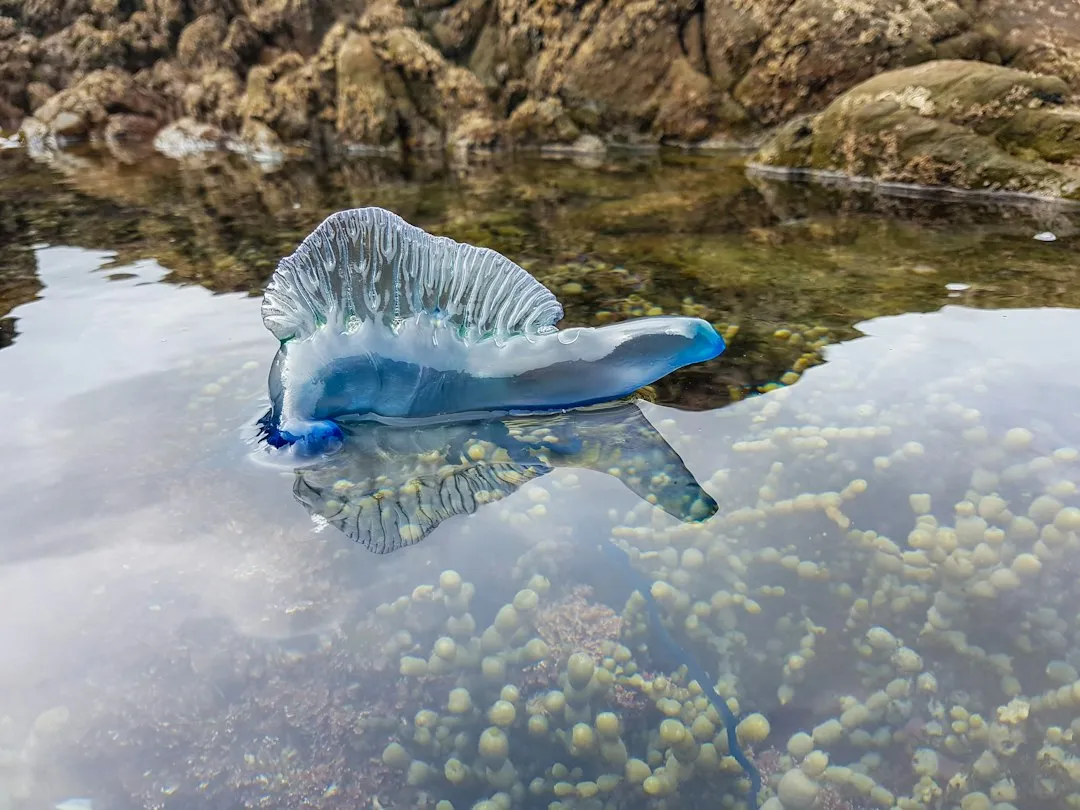
The blue dragon feeds on other drifting surface animals, including the Portuguese man o’ war, by the blue bottle, and the by-the-wind sailor. These are siphonophores and related hydrozoans, and many of them deliver painful stings. Most animals would steer clear of a man o’ war.
The sea slug simply eats it. It appears to be largely unbothered by the venom that would hurt most other creatures. That immunity is the first step in the whole trick.
The Stinging Cells Are Called Nematocysts
🔥 Would you like to save this?
We'll email this post to you, so you can come back to it later!
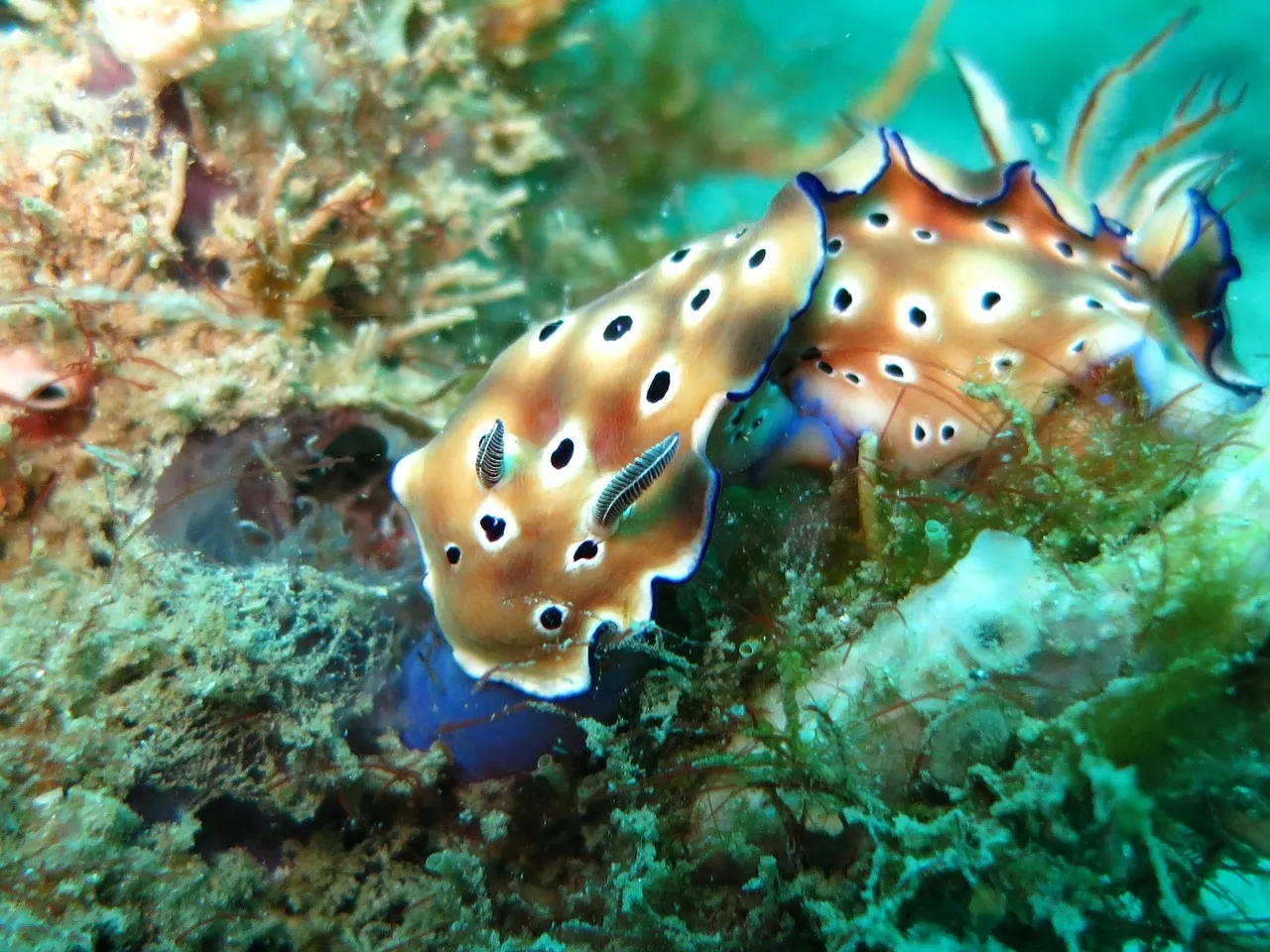
Jellyfish and their relatives carry specialized cells called cnidocytes, and inside each is a tiny capsule known as a nematocyst. When triggered, the capsule fires a coiled, harpoon-like thread that injects venom. It’s one of the fastest mechanical events in biology.
These capsules are what make a man o’ war so painful to touch. They’re also what the blue dragon wants. Rather than digesting them, it goes after them selectively.
The Process Is Called Kleptocnidae
🔥 Would you like to save this?
We'll email this post to you, so you can come back to it later!
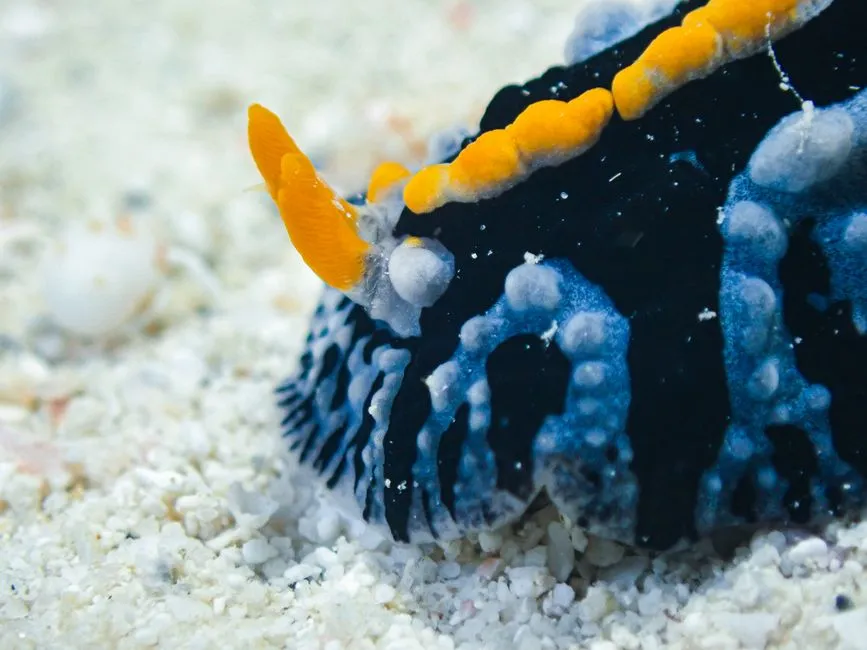
Stealing stinging cells from prey has a name: kleptocnidae. It isn’t unique to the blue dragon, since several other sea slugs, including some relatives in the nudibranch group, do something similar. Still, the blue dragon is among the most striking examples.
The slug eats the prey, but the unfired nematocysts make it through its digestive system intact. They’re then moved out toward the body’s outer edges instead of being broken down. It’s a bit like a thief who walks out of a vault with the guard’s own keys.
The Stolen Cells Are Stored in Its Finger-Like Limbs
🔥 Would you like to save this?
We'll email this post to you, so you can come back to it later!
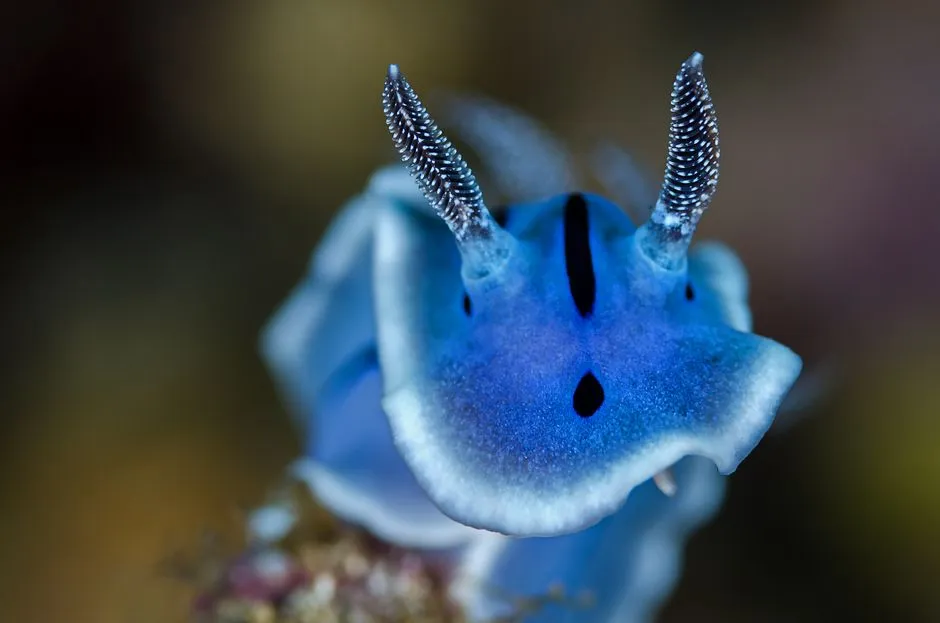
The blue dragon has branching appendages called cerata, which extend from its body like fingers on a hand. The collected stinging capsules are kept in the tips of these structures, in sacs designed to hold them. This puts the weaponry exactly where a predator or a curious human would touch first.
The slug doesn’t have to fire them itself in the usual sense. They’re simply positioned for defense, ready to go off on contact. Think of it as armor that doubles as a stinger.
It Can Pack a More Concentrated Punch Than Its Source
🔥 Would you like to save this?
We'll email this post to you, so you can come back to it later!
There’s a widely repeated claim that the blue dragon’s sting can be more painful than that of the animal it stole from. The idea is that the slug may concentrate venom by collecting capsules from many prey animals over time. Researchers and science outlets have described this possibility, though the details of how potent any single slug is can vary.
What’s safe to say is that the sting is real and unpleasant. Reported effects include nausea, pain, vomiting, and skin irritation. It’s wise to treat the animal with respect, no matter its size.
Beachgoers Sometimes Meet Them by Accident
🔥 Would you like to save this?
We'll email this post to you, so you can come back to it later!
Blue dragons live in temperate and tropical waters around the world, and they travel wherever winds and currents carry them. Strong onshore winds can push them onto beaches, sometimes in groups. They’ve been reported along coasts in places such as Australia, South Africa, and parts of the Americas and Europe.
Even a stranded one can still sting. Public safety advice is generally to avoid touching any unfamiliar sea creature, keep children and pets away, and tell lifeguards if you see one. If someone is stung, medical advice from local health authorities is the best guide.
They’re Hermaphrodites With a Short, Opportunistic Life
🔥 Would you like to save this?
We'll email this post to you, so you can come back to it later!
Blue dragons are hermaphrodites, meaning each individual has both male and female reproductive organs. When two meet, they can mate with one another, and both can go on to produce eggs. The eggs are laid in strings, often attached to floating debris or the remains of prey.
That setup makes sense for an animal that drifts alone across a huge ocean. Meeting a partner is a matter of luck, so every encounter counts. Their lifespan is thought to be fairly short, though exact figures in the wild are not well documented.
Their Beauty Is Part of the Warning
🔥 Would you like to save this?
We'll email this post to you, so you can come back to it later!
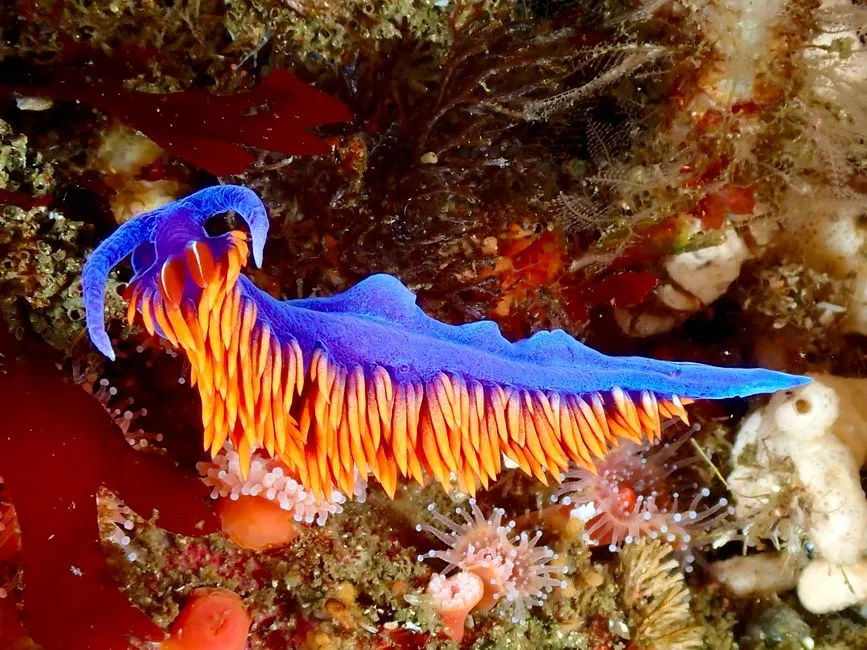
The vivid blue and silver coloring isn’t only for show. In many animals, bright colors signal that something is unpleasant or dangerous, a strategy known as aposematism. Whether it works the same way for every predator of the blue dragon isn’t fully settled, but the pattern fits.
Its camouflage and its warning colors seem to work together. One helps it avoid notice, and the other may help if notice happens anyway. It’s a neat bit of evolutionary layering for such a small animal.
Final Thoughts
🔥 Would you like to save this?
We'll email this post to you, so you can come back to it later!
I think the blue dragon is one of the best arguments for staying curious about small things. It has no claws, no speed, and no size to speak of, yet it has turned its enemies’ weapons into its own. That’s not just clever, it’s almost audacious.
It’s also a reminder that the prettiest creatures on the shoreline aren’t always safe to handle. Admire it, photograph it from a distance, and leave it where it lies. Some of nature’s best tricks are meant to be watched, not touched.

- 7 Everyday Habits That Can Make Your Senior Dog Happier - November 5, 2026
- 10 Enigmatic Structures That Continue to Puzzle Scientists Today - November 5, 2026
- 10 Strange Ruins in the Americas That Challenge What We Know About Early History - November 5, 2026