
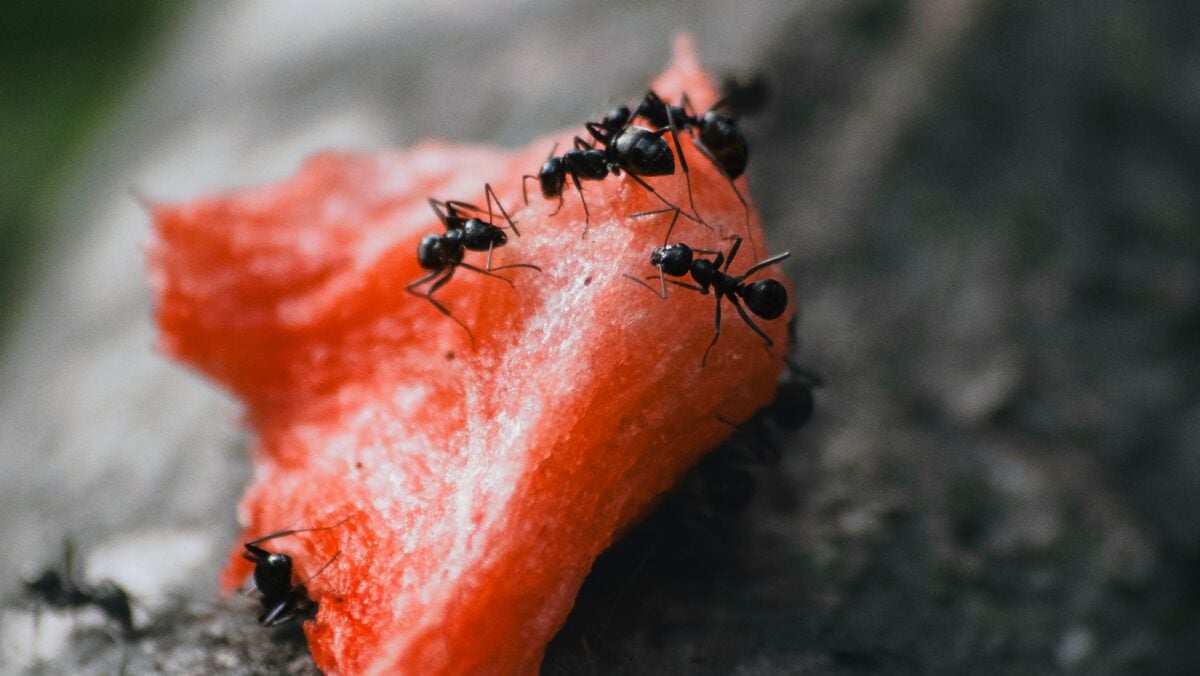
If you’ve ever walked and spotted a tiny marching line of ants across the counter, you know how strangely personal it feels. It’s like they’ve broken some invisible house rule and suddenly your safe, clean space feels invaded. The wild part? Ants are not random at all. They’re following very specific cues, some of which you’re probably unknowingly rolling out like a red carpet.
Once you understand what pulls ants inside, it stops feeling like a mysterious curse and starts looking more like a solvable puzzle. Ants operate using chemistry, teamwork, and ruthless efficiency, and your kitchen is often their perfect laboratory. Let’s walk through the biggest things that attract ants, one by one, so you can finally cut off their invitation at the source.
#1 Sugary Spills, Crumbs, And Sticky Residue
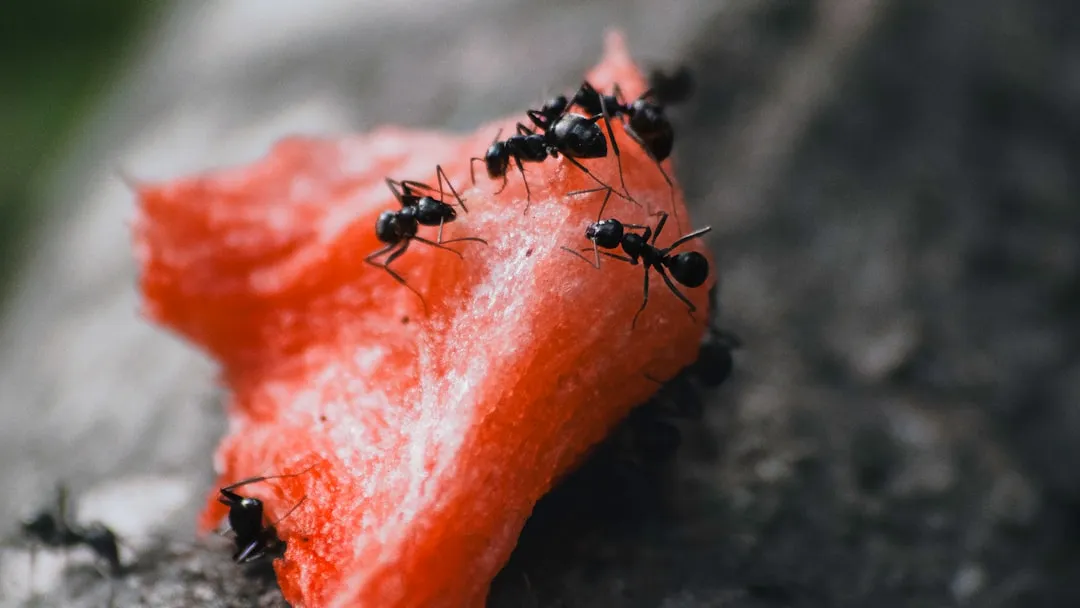
Think of sugar like a neon sign for ants. Even a tiny smear of jam on the counter or a few crumbs from a cookie can be enough to draw in scout ants, which then leave scent trails to call in the rest of the colony. Ants have highly sensitive chemical detectors, and what looks invisible to you can smell like an all‑you‑can‑eat dessert bar to them.
Open syrup bottles with sticky rims, juice splashes on the floor, or dried soda under the fridge are classic trouble spots. I once thought I was “clean enough” until I moved my toaster and discovered a miniature crumb graveyard underneath. Wiping, sweeping, and vacuuming the obvious surfaces is good, but ants will exploit those small, forgotten sugary zones you rarely see or touch.
#2 Grease, Oils, And Protein-Rich Food Scraps
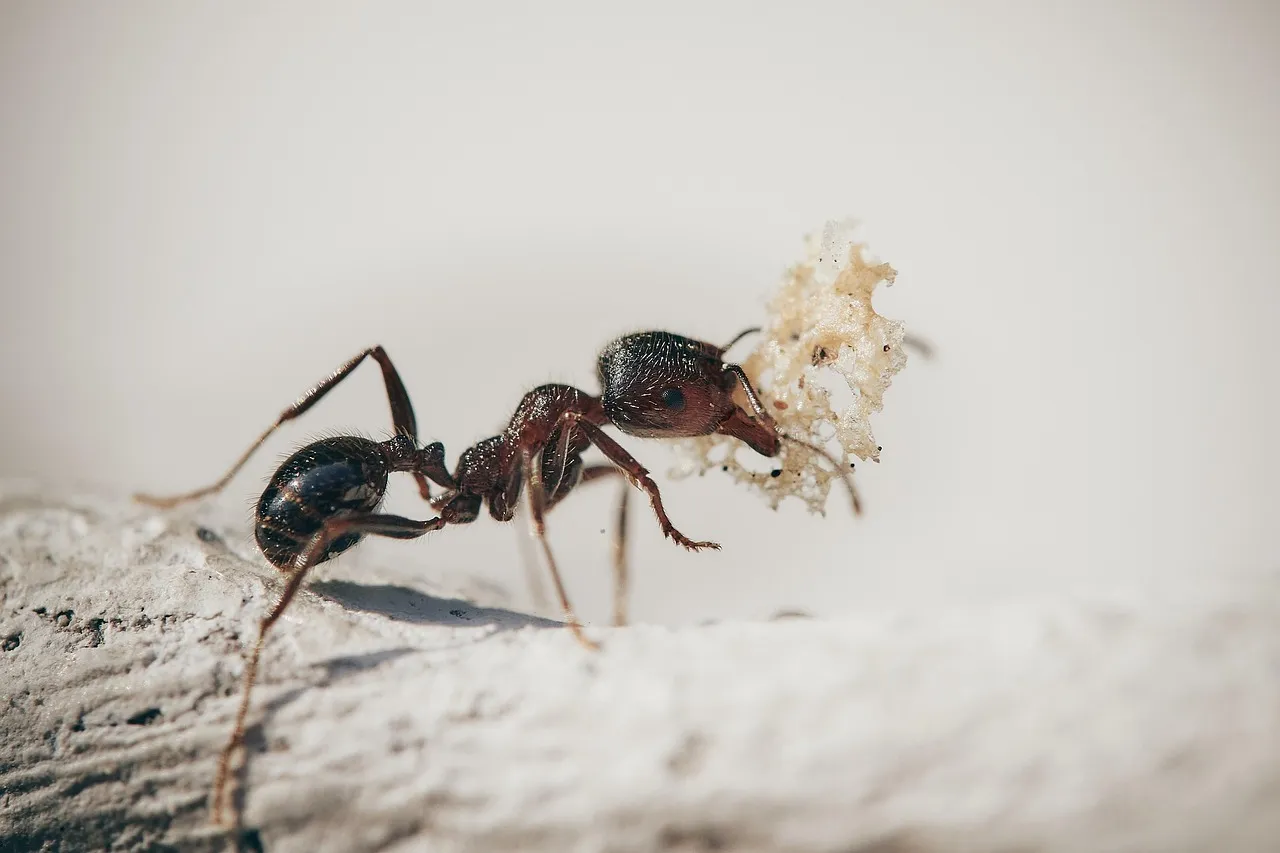
People often assume ants just love sugar, but many species are obsessed with fats, oils, and proteins too. A bit of cooking oil splashed near the stove, a greasy pan sitting in the sink, or crumbs from meat and cheese can be just as attractive as a candy spill. For some ants, those rich, high‑energy foods are exactly what they’re programmed to hunt down.
Grease has a nasty habit of spreading and clinging to surfaces, so even when it “looks” clean, there can still be a thin film left behind that ants can detect. Regularly wiping stovetops, cabinet doors near the stove, range hoods, and even trash lids with a degreasing cleaner makes a big difference. If your kitchen smells “a little greasy” to you, it probably smells like a feast to them.
#3 Standing Water And Persistent Moisture
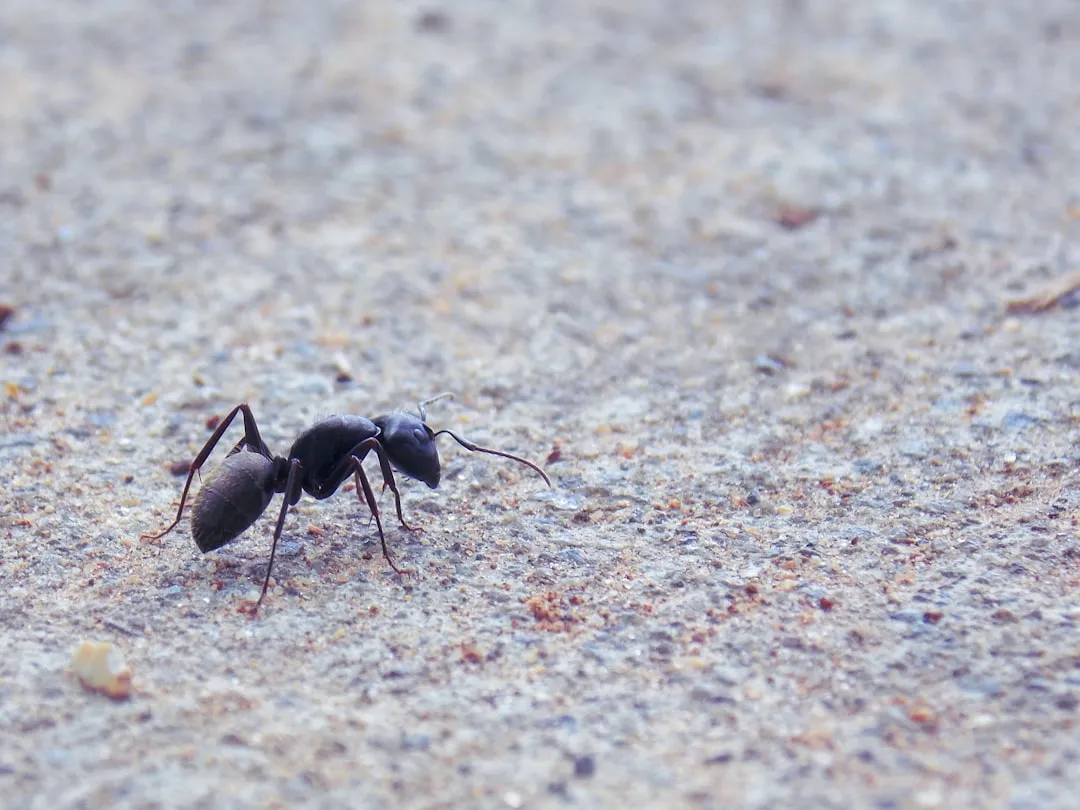
Food gets the spotlight, but water is just as important. Ants are living creatures; they need moisture to survive, and many species are drawn to consistently damp spots. A slow sink leak, a wet sponge left in the sink, pooled water under a dish rack, or constant condensation around a window can turn your kitchen into an ant watering hole.
Moisture can be sneaky too. Water that seeps into cracks around the sink, under the dishwasher, or behind the fridge can create a damp microclimate ants love. Fixing leaks, drying the sink area after washing dishes, wringing out sponges, and keeping countertops dry do more than just make the kitchen look tidy – they literally remove one of the basic survival resources ants are searching for.
#4 Overfilled Trash Cans And Recycling Bins
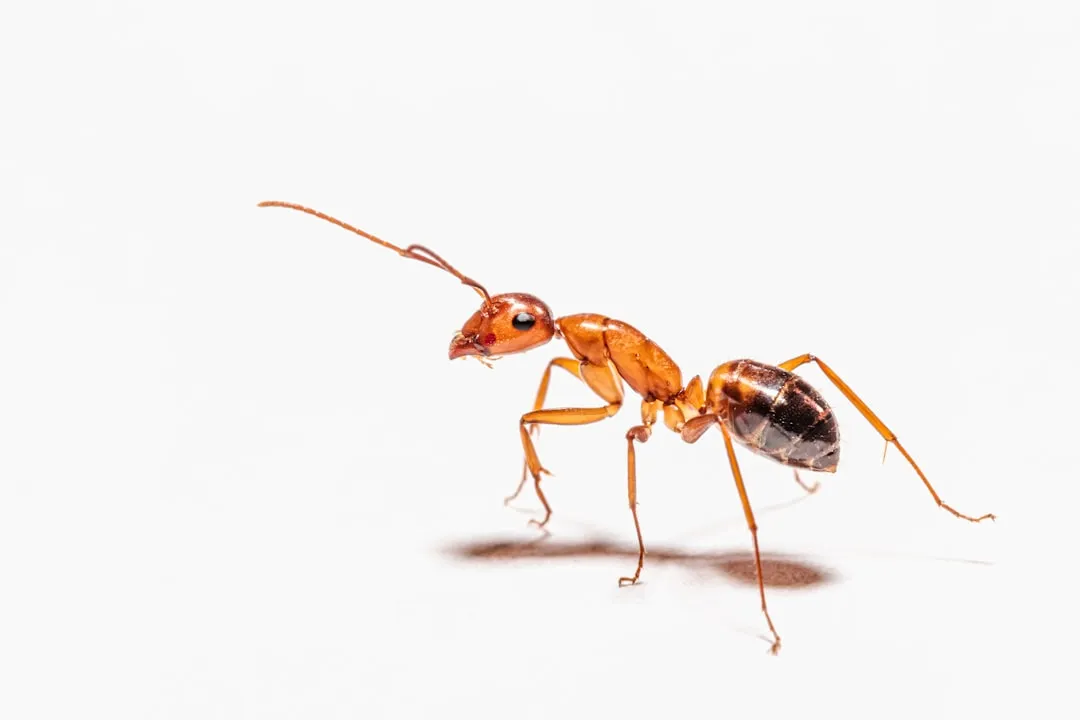
Your trash can is basically a buffet that keeps on refilling itself. Food scraps, juice-soaked paper towels, fruit peels, and empty sugary drink containers all release strong odors that ants can detect from surprisingly far away. When the trash overflows or the lid doesn’t seal well, it becomes an open invitation for foraging ants.
Recycling bins can be just as bad, especially if bottles, cans, and containers aren’t rinsed before tossing them in. Those “just a few drops left” of soda or sauce can dry into sticky, concentrated residue inside the bin. Using trash bags that actually fit, keeping lids closed, taking trash out regularly, and rinsing recyclables quickly with a splash of water can dramatically reduce the invisible odor plume that draws ants in.
#5 Ripe Fruit, Pet Food, And Unsealed Pantry Items
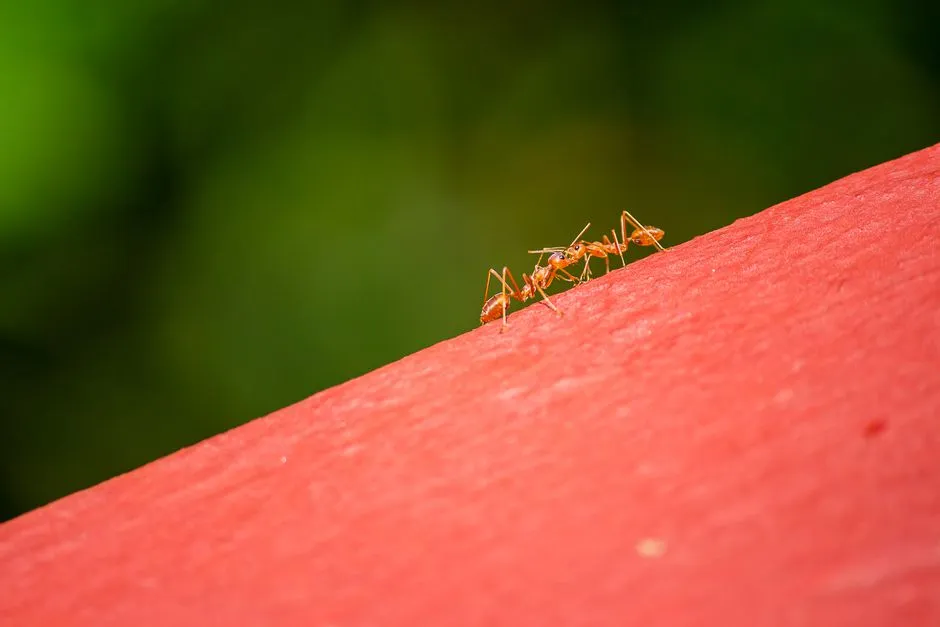
Leaving a bowl of fruit on the counter might look Instagram‑perfect, but to ants, ripe or overripe fruit is like waving a flag that says “Free sugar here.” Bananas with freckles, sticky grapes, or cut fruit left uncovered are especially tempting. The sweeter and softer the fruit gets, the easier it is for ants to feed on – and the stronger the scent trail becomes.
Pet food is another surprisingly big culprit. Dry kibble and wet food both contain fats and proteins that many ants seek out. If you leave pet bowls down all day or store bags of food open, ants can quickly lock onto them. The same goes for open cereal boxes, sugar bags sealed only with a clip, or flour in thin packaging. Transferring pantry staples into sealed containers and lifting pet bowls off the floor after mealtime makes your kitchen far less attractive.
#6 Invisible Scent Trails And Previous Infestations
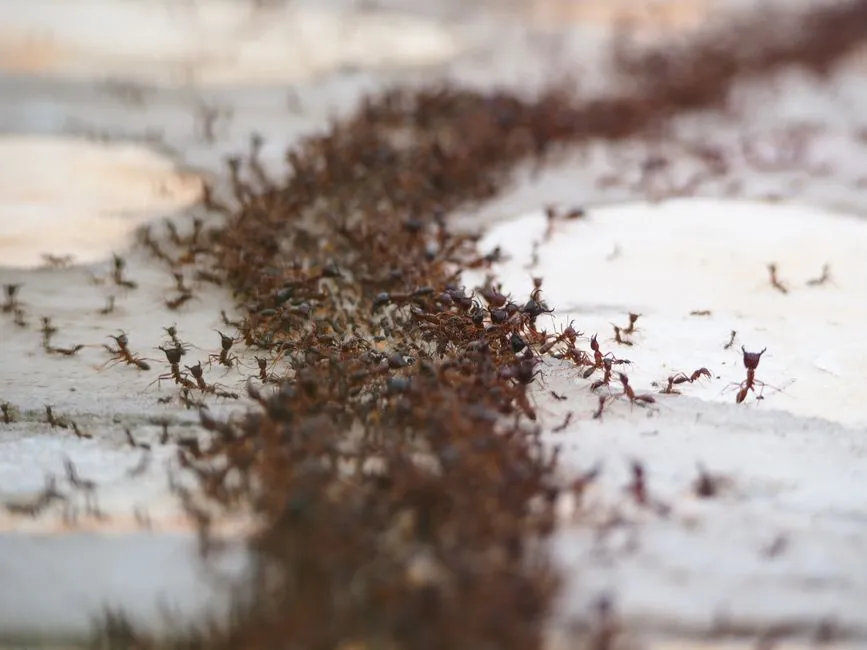
Once ants have found food in your kitchen, they often leave behind chemical trails that can stay active for a while. Even if you clean the crumbs, those invisible pathways can lure new ants back along the same routes. It’s like leaving the map in place after removing the treasure. That’s one reason infestations seem to reappear in exactly the same spots.
Regular cleaners do not always break down these trails effectively, especially if they’re not used thoroughly along baseboards, edges, and corners. Using a good degreasing cleaner or a mild vinegar solution along ant paths can help disrupt their navigation system. The key is not just to remove what they’re eating, but to erase the directions they’re using to get there.
#7 Easy Entry Points: Cracks, Gaps, And Utility Lines
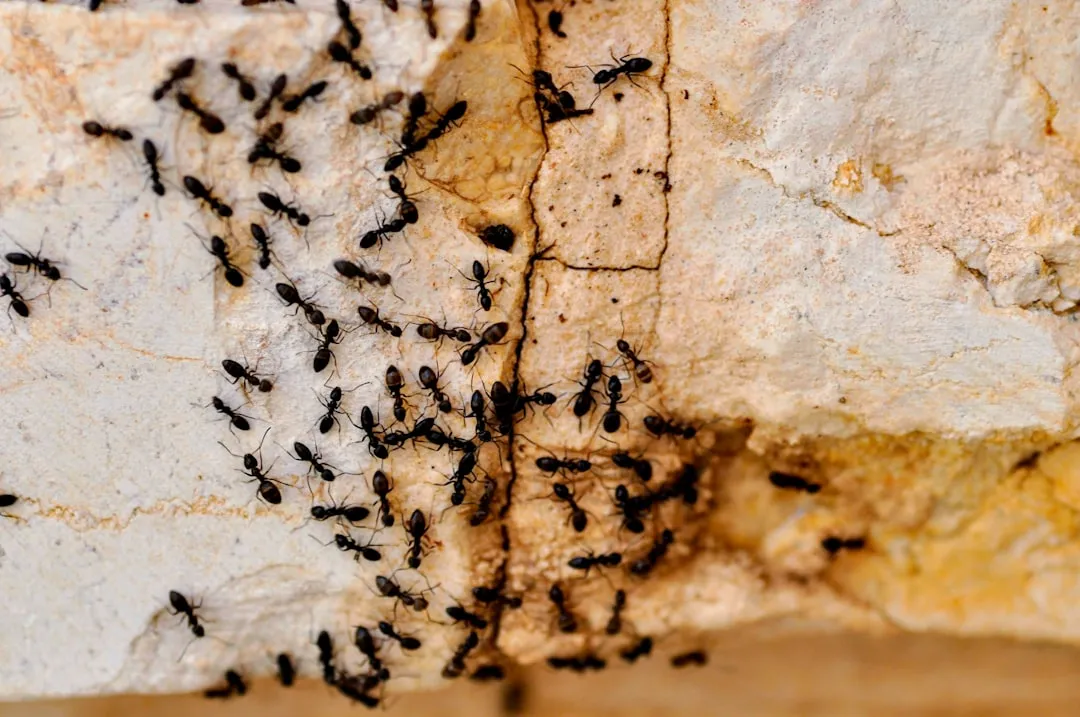
Ants are tiny, and your home has more “doors” than you realize. Hairline cracks along windowsills, gaps under doors, spaces around plumbing, and openings where cables or gas lines enter the wall can all serve as highways into your kitchen. Once a scout ant discovers a way in and finds even a small food source, that route can become a recurring ant freeway.
From the outside, ants may nest in soil, mulch, landscaping timbers, or under paving stones, then travel into the house through the most direct route. Sealing visible gaps with caulk, installing door sweeps, and paying attention to areas where pipes and wires penetrate walls can dramatically cut down on traffic. It feels tedious, but blocking those tiny doorways is sometimes more powerful than any spray or bait.
#8 Cluttered Surfaces And Hard-To-Clean “Hot Zones”
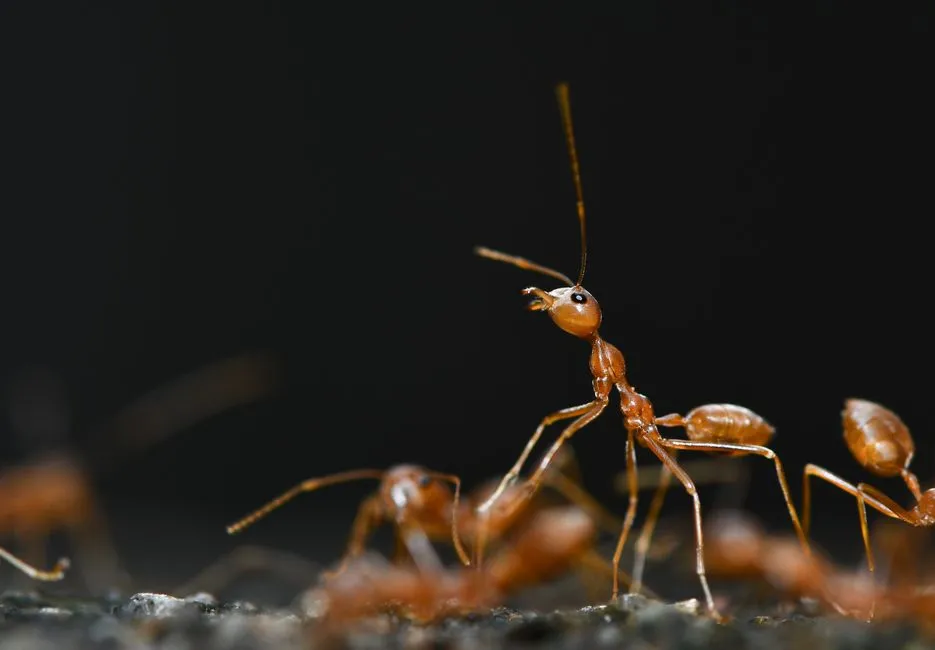
Clutter does not just make a kitchen look messy; it gives ants cover and creates places where crumbs and spills can hide. Stacks of mail, spice jars crowded together, utensils, appliances, and decorative items all create a maze of nooks where food debris can accumulate unnoticed. Ants are drawn to these quiet corners because there is less disturbance and more chance of finding something to eat.
There are also classic “hot zones” people rarely touch: behind the microwave, under the toaster, between the stove and counter, and under small appliances. When those spots stay dirty for months, they become reliable food stations for ants. Keeping counters more open, lifting and wiping under appliances occasionally, and simplifying what lives on your counters can make your kitchen feel less like a hidden snack bar and more like a clean, boring desert from an ant’s point of view.
Conclusion: Turn Your Kitchen Into An Ant-Unfriendly Zone
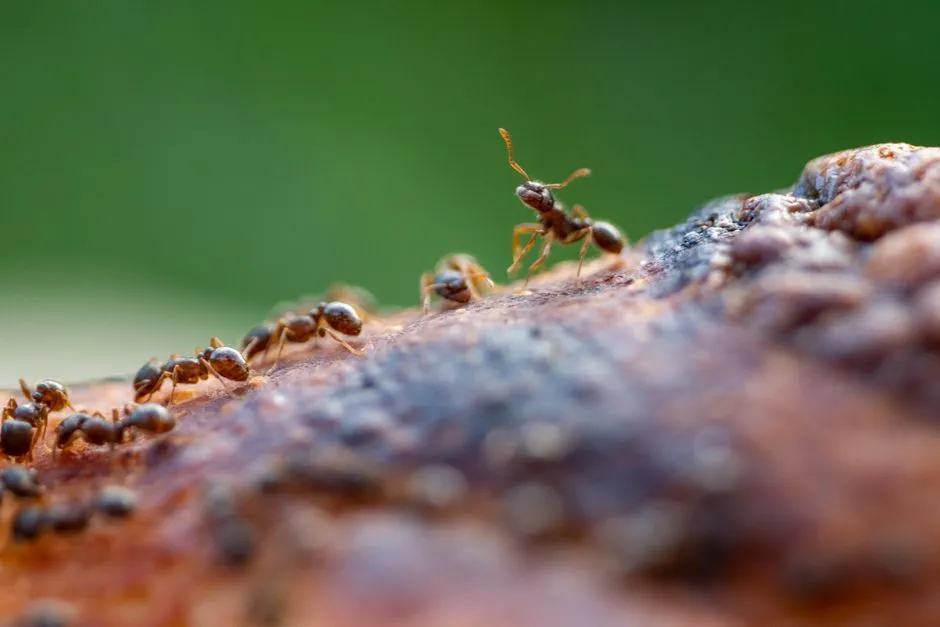
When you zoom out, ants are not invading out of spite – they’re following survival instincts and the signals we accidentally send. Sugary spills, grease, moisture, easy access, and clutter all combine into a kind of silent invitation they’re remarkably good at reading. The good news is that the same small habits that make a kitchen feel nicer to you also make it less appealing to them.
Personally, the biggest shift for me was realizing that ant control is less about killing ants and more about breaking their logic. Clean up the attractants, block the paths, erase the trails, and suddenly their well‑organized system falls apart. So the next time you spot a single scout on your counter, will you just swat it – or take it as a useful little warning that something in your kitchen is calling them in louder than you think?

- 8 Signs Your Rabbit Trusts You Completely - August 1, 2026
- 10 Most Beautiful Buildings In New York City - August 1, 2026
- How Can You Attract More Butterflies to Your Texas Garden - August 1, 2026