

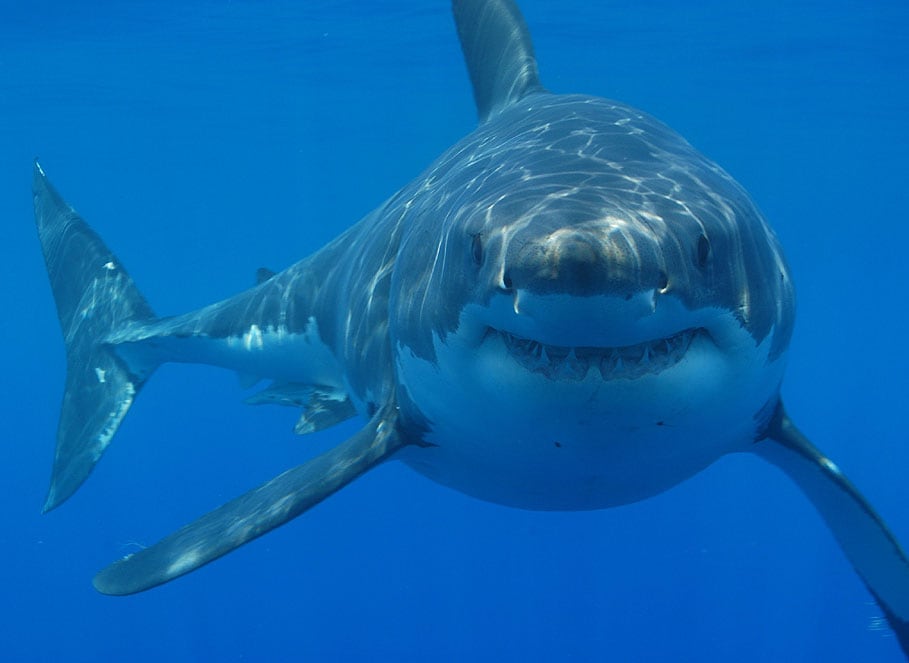
Understanding shark behavior is crucial for both marine conservation and human safety. These magnificent predators have been swimming Earth’s oceans for over 450 million years, evolving into finely tuned hunting machines with remarkable sensory capabilities. While shark attacks on humans remain exceedingly rare—you’re more likely to be struck by lightning than bitten by a shark—knowing what attracts and repels these animals can help reduce negative encounters and foster greater appreciation for their ecological importance. This article explores the factors that can draw sharks to an area and, conversely, what might send them swimming in the opposite direction.
Understanding Shark Senses
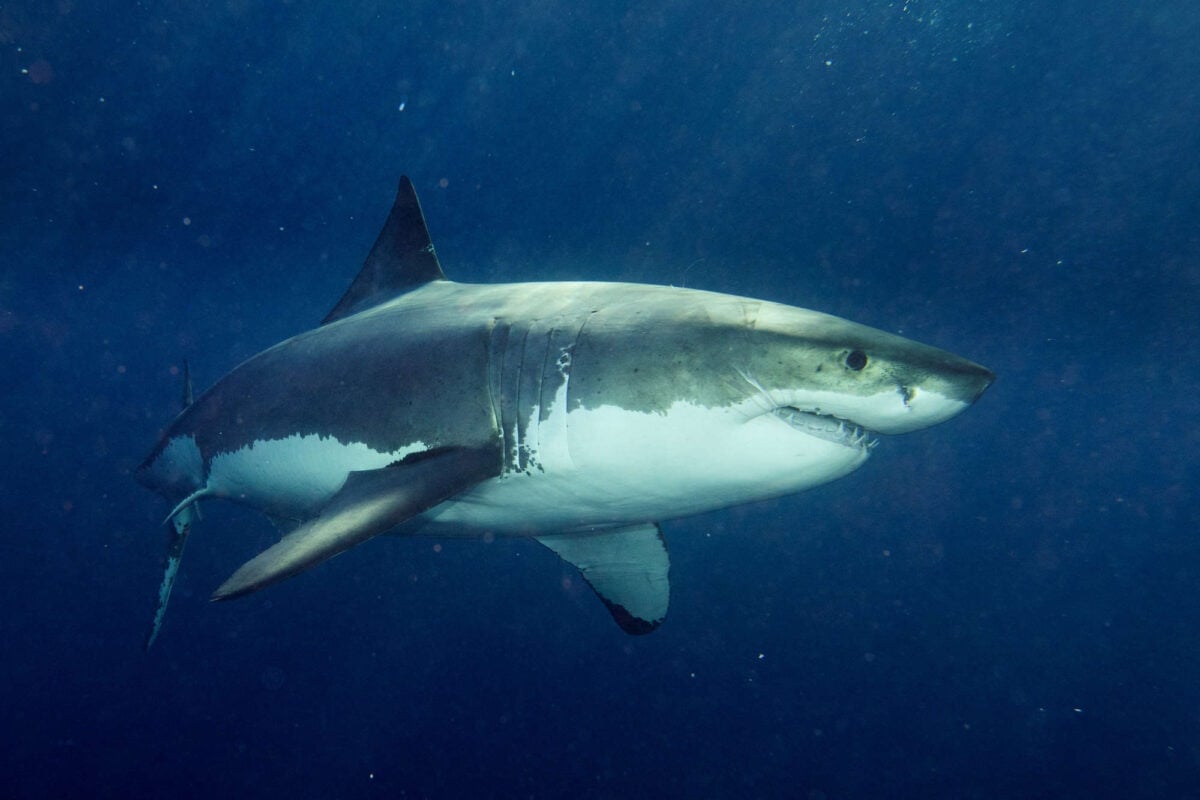
Before diving into what attracts sharks, it’s important to understand their exceptional sensory abilities. Sharks possess some of the most sophisticated sensing systems in the animal kingdom. Their primary hunting tools include an acute sense of smell that can detect one drop of blood in an Olympic-sized swimming pool, pressure-sensitive lateral lines that detect movement in water, and special electroreceptors called ampullae of Lorenzini that can sense the electrical fields generated by all living creatures.
These highly evolved senses allow sharks to navigate, hunt, and communicate effectively in their marine environment. When discussing what attracts or repels sharks, we’re essentially talking about stimuli that trigger responses through these remarkable sensory systems. Understanding this biological foundation helps explain why certain factors have such strong effects on shark behavior.
Blood and Body Fluids

Perhaps the most well-known shark attractant is blood. A shark’s olfactory system is extraordinarily sensitive, capable of detecting blood concentrations as low as one part per million in seawater. This remarkable ability allows sharks to detect potential prey from great distances—sometimes up to a quarter-mile away, depending on water conditions and currents. When blood enters the water, it creates an expanding scent corridor that sharks can follow directly to the source.
It’s not just blood that attracts sharks, however. Other body fluids, including urine, sweat, and fish oils, can also trigger a shark’s interest. This is why fishermen cleaning catches on boats often attract sharks to the area, as the mixture of fish blood and entrails creates a powerful olfactory stimulus. For swimmers and divers, this explains why experts recommend staying out of the water if you have an open wound, regardless of how minor it might seem.
Erratic Movements and Splashing

Sharks are highly attuned to detecting movement in the water through their lateral line system—a series of fluid-filled canals running along their sides that sense pressure changes. Erratic movements, thrashing, or excessive splashing can mimic the actions of injured or distressed prey, potentially triggering a shark’s predatory response. This is one reason why swimming smoothly and calmly is recommended in waters where sharks might be present.
Studies have shown that sharks are particularly attracted to irregular, jerky movements that stand out from the normal flow of ocean activities. This explains why surfers and swimmers in distress may draw unwanted attention from sharks. In contrast, scuba divers who move slowly and deliberately through the water typically experience fewer shark encounters, despite often being in closer proximity to shark habitats. Understanding this attraction to unusual movement patterns is crucial for water safety in shark territories.
Shiny Objects and Contrast

Sharks possess relatively good vision, especially in clear water, and are particularly attracted to visual stimuli that create strong contrast or reflection. Shiny jewelry, watches, or metallic swimwear can reflect light in ways that resemble the flash of fish scales, potentially attracting curious sharks. Similarly, high-contrast colors—particularly yellows, oranges, and silvers—stand out dramatically underwater and may draw a shark’s attention.
Research conducted by the University of Western Australia found that sharks can see colors, but their vision is more attuned to contrast than specific hues. This explains why many shark experts recommend avoiding bright, contrasting swimwear in shark-prone waters. Instead, darker, more uniform colors that blend with the marine environment might reduce the visual stimulus that could potentially attract sharks. This principle has influenced the design of modern “shark-safe” diving and swimming equipment.
Fish Feeding Activities

Areas with active fishing or fish feeding activities represent significant shark attractants. When fish are being caught, they release stress hormones, blood, and other bodily fluids into the water. Similarly, locations where people regularly feed fish for tourism or recreational purposes condition local marine life to associate that area with food. Sharks, being opportunistic predators, quickly learn to frequent these spots.
Commercial fishing operations, particularly those that discard bycatch or fish waste overboard, can inadvertently create shark hotspots. These practices essentially train sharks to associate boats and human activity with easy meals. This learned behavior explains why some shark species, like bull sharks and tiger sharks, are frequently observed following fishing vessels. For recreational ocean users, avoiding areas with active fishing or known fish feeding activities can significantly reduce the likelihood of shark encounters.
Dawn and Dusk Feeding Times

Many shark species are crepuscular feeders, meaning they’re most actively hunting during dawn and dusk. These transition periods offer sharks a competitive advantage—their excellent low-light vision outperforms that of many prey species, while still providing enough visibility for effective hunting. During these times, sharks typically move from deeper waters toward shorelines and feeding grounds, increasing the likelihood of human-shark encounters.
Statistical analysis of shark incidents shows a clear correlation with time of day. According to data from the International Shark Attack File, a disproportionate number of shark bites occur during early morning and late afternoon hours. This pattern is so consistent that many beach safety protocols include specific warnings about dawn and dusk swimming. For those wanting to minimize shark encounter risks, mid-day swimming when visibility is highest and shark feeding activity is typically lower offers a safer alternative.
Murky or Turbid Water

Reduced visibility in water creates ideal hunting conditions for many shark species. Murky, turbid water—whether caused by storm runoff, churned sediment, or river outflows—limits a prey animal’s ability to detect approaching predators while still allowing sharks to use their non-visual senses effectively. Under these conditions, sharks may also be more likely to mistake humans for their natural prey due to the compromised visual information.
Coastal areas after heavy rainfall are particularly prone to increased shark activity. Not only does the runoff reduce water clarity, but it also often carries nutrients that attract baitfish, which in turn attract larger predators like sharks. Additionally, the freshwater influx can disorient marine life and concentrate prey at the boundaries between fresh and salt water. For ocean users, avoiding swimming near river mouths, especially after storms, and staying out of unusually cloudy water can significantly reduce the risk of unintended shark encounters.
Areas with Abundant Prey

Sharks, as apex predators, naturally congregate where their food sources are plentiful. Locations with large schools of fish, seal colonies, or sea turtle nesting beaches frequently attract sharks. These prey-rich environments provide reliable hunting grounds and become established territories for resident shark populations. Understanding local marine ecosystems and being aware of natural prey concentrations can help predict where shark activity might be heightened.
Seasonal migrations of prey species also directly influence shark movements and concentrations. For example, the famous great white shark populations around Seal Island in South Africa peak during the Cape fur seal pupping season. Similarly, tiger sharks are known to frequent Hawaiian waters during the albatross fledging season. For ocean users, learning about local marine life patterns and avoiding areas where prey animals are concentrated, especially during key feeding seasons, represents a practical shark encounter prevention strategy.
Electromagnetic Fields

One of sharks’ most remarkable sensory adaptations is their ability to detect electromagnetic fields through specialized organs called ampullae of Lorenzini. These jelly-filled pores on a shark’s snout can sense the minute electrical currents generated by all living organisms’ muscle contractions and neural activity. This sense is so acute that sharks can detect fields as weak as a billionth of a volt—equivalent to detecting a standard AA battery from thousands of miles away.
Modern human activities often inadvertently create artificial electromagnetic fields underwater. Submarine power cables, boat motors, underwater lighting systems, and even electronic devices carried by divers and swimmers produce electromagnetic signatures that can attract curious sharks. Research has shown that some shark deterrent technologies actually exploit this sensitivity by generating overwhelming electromagnetic fields that sharks find uncomfortable. For recreational ocean users, minimizing the use of electronic equipment and being aware that motorized water activities may increase shark interest can be prudent precautions in shark-prone areas.
Shark Repellent3 Strong Scents

While blood attracts sharks, certain strong chemical scents have demonstrated remarkable shark-repellent properties. Research has shown that some compounds found in dead sharks—specifically those released when a shark decomposes—trigger an immediate flight response in live sharks. This chemical, known as semiochemical, essentially signals “danger” to other sharks. Scientists have isolated these compounds and incorporated them into various shark deterrent products.
Another promising repellent comes from an unlikely source: the Moses sole fish. This unassuming flatfish produces a chemical called pardaxin that acts as a powerful shark deterrent. When threatened, the sole releases this compound, which causes sharks to immediately turn away and avoid the area. Researchers continue to study these natural chemical deterrents, hoping to develop more effective shark repellents for ocean users and fisheries. While no repellent is 100% effective across all shark species and situations, these biological approaches show significant promise for reducing unwanted shark encounters.
Shark Repellent 2 Intense Sounds

Sharks possess a keen sense of hearing adapted primarily to detect low-frequency sounds associated with struggling prey. However, research has demonstrated that certain intense or irregular sound patterns can trigger avoidance behaviors in many shark species. Sudden, loud, irregular sounds—particularly those in the lower frequency ranges—appear to disorient sharks and often cause them to swim away from the source.
This discovery has led to the development of acoustic shark deterrents that emit specially designed sound frequencies and patterns. These devices have shown effectiveness in controlled studies, with some reducing shark encounters by up to 80% in test conditions. The sound doesn’t necessarily harm sharks but seems to overwhelm or confuse their sensory systems temporarily. For swimmers and divers, generating sharp, sudden sounds underwater (like slapping the water surface) might provide a temporary deterrent if a shark approaches too closely, though this technique should only be considered as a last resort rather than a primary prevention strategy.
Shark Repellent 1 Visual Deterrents

Certain visual patterns appear to create strong avoidance responses in various shark species. Research conducted on the distinctive black and white banded pattern of the venomous sea snake has shown that this high-contrast striping naturally repels many shark species. Similarly, studies exploring the black and white patterns of pilot fish—which often swim alongside sharks without being eaten—have revealed potential visual deterrent characteristics. These findings have led to the development of “cryptic coloration” in wetsuits and surfboards that mimic these naturally shark-repellent patterns.
Another promising visual deterrent involves disruptive patterning that breaks up the human silhouette underwater. When viewed from below, a swimmer or surfer typically creates a dark silhouette that can resemble a seal or sea lion—preferred prey for larger shark species like great whites. Wetsuits and surfboards incorporating disruptive patterns that break up this outline have shown promising results in reducing shark interest during controlled tests. While no visual deterrent offers complete protection, these biomimicry approaches represent an innovative direction in shark encounter prevention technology.
Conclusion: Respecting Sharks and Their Environment

Understanding what attracts and repels sharks isn’t just about human safety—it’s also crucial for shark conservation and marine ecosystem health. Sharks play vital roles as apex predators, maintaining the balance of ocean ecosystems by controlling prey populations and removing sick or injured animals. Despite their fearsome reputation, shark populations worldwide face serious threats from overfishing, habitat destruction, and climate change, with some species having declined by more than 90% in recent decades.
By learning to coexist with sharks through knowledge rather than fear, we can reduce negative encounters while supporting conservation efforts. Most shark species have little interest in humans as prey, and the vast majority of shark-human interactions end without incident. Simple precautions based on understanding shark behavior—swimming in groups, avoiding high-risk times and locations, and using appropriate deterrents when necessary—allow us to enjoy ocean activities while respecting these ancient and essential marine predators. Through education and responsible practices, we can ensure both human safety and the continued presence of these magnificent animals in our oceans for generations to come.

As a little kid, I fell in love with nature, wildlife, and animals. Living in the USA, South Africa, Italy, China and Germany gave me the opportunity to discover the world's Wildlife. My favorite animals are Mountain Gorillas, Siberian Tigers, and Great White Sharks.
I'm a certified PADI Open Water Diver, went to Everest Base Camp and Trekked Gorillas in Uganda. I hold a Master of Science in Economics and Finance.
Please send any feedback to feedback@animalsaroundtheglobe.com
- 10 Most Unique Reptiles You will See in the US - July 21, 2026
- 3 Dangerous Invasive Species the USA Must Eradicate - July 21, 2026
- 10 Things That Calm Cats And 4 That Make Them Nervous - July 21, 2026