

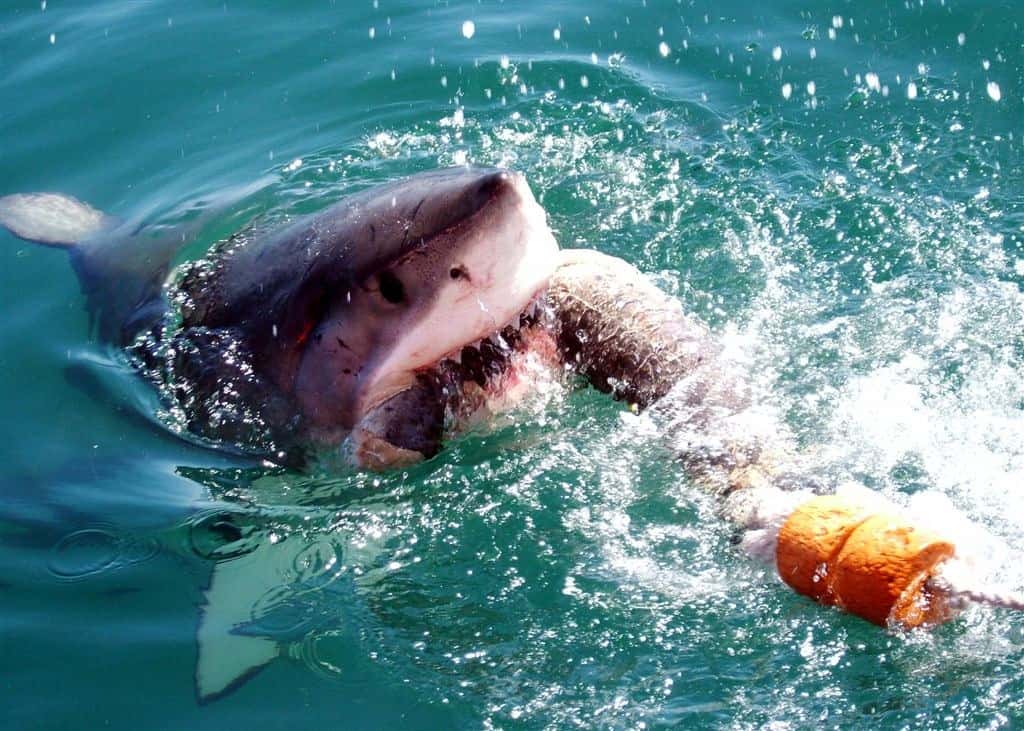
Encountering a shark in its natural habitat can be a thrilling and unforgettable experience. These magnificent marine predators have roamed our oceans for over 450 million years, evolving into highly specialized hunters with remarkable adaptations. While media portrayals often cast sharks as menacing threats, responsible wildlife observation offers a chance to appreciate their true nature: graceful, powerful, and essential components of healthy marine ecosystems. This guide will equip novice shark enthusiasts with the knowledge and tools needed to safely observe sharks in the wild, understand their behaviors, and contribute to conservation efforts that protect these often misunderstood creatures.
Understanding Shark Habitats and Distribution

Sharks inhabit nearly every marine environment on Earth, from shallow coastal waters to the deep open ocean, and even some freshwater systems. Of the approximately 500 known shark species, their distribution varies significantly based on factors including water temperature, food availability, and breeding grounds. Tropical and subtropical waters typically host the greatest diversity of shark species, with notable hotspots including Australia’s Great Barrier Reef, South Africa’s eastern coast, the Bahamas, California’s coastline, and Hawaii.
Certain species like the bull shark demonstrate remarkable adaptability, capable of surviving in both saltwater and freshwater environments. For beginners, coastal areas with clear visibility and established shark populations offer the best observation opportunities. Popular destinations include Guadalupe Island (Mexico) for great whites, the Bahamas for reef and tiger sharks, and South Africa’s False Bay for diverse shark viewing.
Essential Equipment for Shark Observation

Successful shark spotting requires proper equipment, though needs vary depending on your observation method. For boat-based viewing, polarized sunglasses are essential to reduce glare and improve visibility into the water. A quality pair of binoculars (preferably waterproof with 7x to 10x magnification) helps spot fins and movement from a distance. Underwater observation demands more specialized gear: a properly fitting mask, snorkel, fins, and wetsuit appropriate for water temperature.
For serious enthusiasts, an underwater camera with a wide-angle lens captures the experience while maintaining a safe distance. If participating in cage diving, rely on the operator’s equipment, but bring your own mask if possible for comfort and hygiene. Finally, a waterproof field guide to local shark species helps with identification, while a waterproof notepad allows for recording observations that may contribute to citizen science initiatives.
Safety Protocols and Responsible Observation

Safety must always be the priority when observing sharks in their natural environment. Always observe sharks with experienced guides or as part of established tour operations that prioritize both human safety and shark welfare. Maintain appropriate distances—at least 50 feet (15 meters) when snorkeling or diving—and never attempt to touch, chase, or feed wild sharks. Avoid wearing shiny jewelry or high-contrast clothing that might mimic the appearance of fish scales.
Enter and exit the water calmly to avoid creating splashes that might be misinterpreted as distressed prey. If shark behavior changes—such as quick, jerky movements, lowered pectoral fins, or arched backs—it may indicate agitation, signaling time to slowly and calmly exit the water. Remember that you are a visitor in their environment; respect for these animals includes minimizing disturbance to their natural behaviors. Most importantly, understand that responsible shark observation practices protect both humans and these crucial marine predators.
Recognizing Different Shark Species

Learning to identify common shark species enhances the observation experience and contributes to meaningful conservation awareness. The great white shark (Carcharodon carcharias) is recognizable by its robust, torpedo-shaped body, conical snout, and distinctive coloration—dark gray upper body with a white underside. Reef sharks, including blacktip and Caribbean reef species, are generally smaller (4-6 feet) with slender bodies and distinctive black-tipped fins.
The whale shark, despite being the largest fish in the ocean (reaching lengths over 40 feet), is a gentle filter feeder identifiable by its wide, flat head and unique pattern of white spots and stripes on a dark background. Tiger sharks feature distinctive dark vertical stripes (most prominent in juveniles) and a blunt, wide snout. Hammerhead species are unmistakable with their T-shaped heads, while mako sharks display a brilliant metallic blue coloration and pointed snout. Focus on body shape, fin positions, coloration patterns, and swimming behaviors as key identification markers.
Best Times and Seasons for Shark Spotting

Timing significantly impacts shark observation success. Many species follow seasonal migration patterns tied to water temperature, breeding cycles, and prey availability. Summer months typically offer the best viewing opportunities in most locations due to warmer waters and increased feeding activity. Early morning and late afternoon are prime observation times when many shark species are most active hunting.
Some locations feature seasonal aggregations: Ningaloo Reef (Western Australia) hosts whale sharks from March to July; Guadalupe Island (Mexico) attracts great whites from August to October; and South Africa’s sardine run (June-July) draws numerous predatory species. Tidal patterns also influence shark behavior, with incoming tides often bringing sharks closer to shore as they follow prey fish. Local knowledge is invaluable—consult area dive shops, marine biologists, or experienced guides to identify optimal timing for your specific location. Additionally, calm sea conditions and good underwater visibility greatly enhance observation quality.
Interpreting Shark Behaviors

Understanding shark behavior is crucial for both appreciation and safety. Contrary to popular belief, most sharks are not aggressive toward humans and display distinct body language that signals their intentions. Relaxed swimming, characterized by steady, deliberate movements with gently swaying tails and level pectoral fins, generally indicates a non-threatened shark. Feeding behavior may include more rapid, focused movements as sharks track prey.
Many species exhibit curiosity through slow approaches with frequent direction changes to examine objects from different angles. Warning signs of agitation or potential aggression include arched backs, lowered pectoral fins, erratic swimming patterns, or sharp, jerky movements. Some sharks perform a “threat display” by swimming with exaggerated side-to-side movements. Social hierarchies exist within shark groups—larger individuals typically assert dominance through body positioning and swimming patterns. By learning to “read” these behavioral cues, observers can better understand shark intentions and respond appropriately.
Observation Methods: From Shore to Deep Water

Different observation methods offer varying perspectives on shark behavior and habitat use. Shore-based observation is the most accessible approach, requiring minimal equipment while offering safety. Coastal areas with deep drop-offs, harbor entrances, or river mouths often attract sharks, making elevated vantage points ideal for spotting dorsal fins. Boat-based viewing provides greater mobility and access to offshore habitats while maintaining a comfortable distance.
For closer encounters, snorkeling near reef systems offers opportunities to observe reef-dwelling species in shallow waters. Scuba diving enables extended observation time and access to deeper habitats, though it requires proper certification and experience. Cage diving, available in select locations, provides protection while allowing close observation of larger predatory species like great whites. Each method offers unique advantages—shore observation is family-friendly and non-intrusive, while underwater approaches provide immersive experiences. The best choice depends on personal comfort, experience level, and local shark populations.
Global Hotspots for Shark Observation

Certain locations worldwide have earned reputations as premier shark observation destinations. The Neptune Islands in South Australia offer reliable great white shark sightings through cage diving operations. The Bahamas’ Tiger Beach provides consistent encounters with tiger sharks and lemon sharks in clear, shallow waters. Mexico’s Guadalupe Island features exceptional visibility for observing great whites. For whale shark enthusiasts, Ningaloo Reef (Western Australia), Isla Holbox (Mexico), and Mafia Island (Tanzania) offer seasonal opportunities to swim alongside these gentle giants.
South Africa’s False Bay and Gansbaai are famous for surface breaching great whites and diverse shark species. The Maldives and Cocos Island (Costa Rica) attract experienced divers seeking hammerhead schools and other pelagic species. Hawaii’s North Shore provides seasonal sightings of Galapagos and sandbar sharks. For beginners, locations combining clear water, established tour operations with safety protocols, and regular shark presence offer ideal learning environments.
Understanding Shark Conservation Status

Awareness of shark conservation challenges enhances appreciation during observations. Approximately one-third of all shark species face extinction threats due to overfishing, habitat degradation, and climate change. Sharks are particularly vulnerable due to their slow growth, late maturity, and low reproductive rates—many species produce few offspring and take years to reach breeding age. The global demand for shark fins and meat drives unsustainable fishing practices, with an estimated 100 million sharks killed annually.
Species like the scalloped hammerhead and oceanic whitetip have declined by over 95% in some regions. Marine protected areas provide crucial safe havens, though sharks’ wide-ranging movements often take them beyond these boundaries. Conservation successes do exist: white shark populations are showing recovery in some regions following protection, and international trade restrictions on certain species have reduced commercial exploitation. As an observer, supporting ethical, conservation-focused tour operators and avoiding products derived from sharks contributes to protection efforts.
Shark Tracking and Citizen Science Opportunities

Shark enthusiasts can contribute meaningful data to scientific research through citizen science initiatives. Programs like Shark Base, eShark, and the Shark Trust’s Great Egg Case Hunt collect valuable observation data from recreational divers and beachgoers. Many organizations use photo identification to track individual sharks based on unique markings, fin shapes, or scars—particularly effective for species like whale sharks and white sharks.
Mobile apps such as Shark Tracker allow users to follow satellite-tagged sharks in real-time while contributing their own sightings. For dedicated participants, training workshops in underwater photography techniques and species identification improve data quality. Even casual observers can contribute by documenting unusual shark behaviors, recording the timing of seasonal appearances, or reporting stranded animals to local authorities. These collective efforts build a more comprehensive understanding of shark movements, population trends, and habitat use that informs conservation strategies and management decisions.
Common Misconceptions About Sharks

Dispelling myths about sharks enhances appreciation during wildlife observation. Contrary to popular perception, sharks rarely target humans as prey—most incidents result from mistaken identity or defensive reactions. Only about 12 of the 500+ shark species have been associated with unprovoked attacks on humans. The perception that sharks are perpetually hungry predators is inaccurate; many species can go weeks between significant meals. “Rogue shark” theories suggesting individual sharks develop tastes for human flesh have been scientifically discredited.
The belief that sharks must constantly swim to breathe applies to only some species (like great whites and makos); many bottom-dwelling sharks can actively pump water over their gills while stationary. Sharks are not mindless killing machines but possess complex behaviors, social structures, and remarkable sensory capabilities. Understanding these realities transforms fear into fascination and creates more informed observers who appreciate sharks’ ecological importance rather than perpetuating unwarranted fears.
Photography Tips for Shark Encounters

Capturing compelling shark images requires specialized techniques and equipment. Underwater photography demands a camera with manual settings and a wide-angle lens (16-35mm range) to accommodate sharks’ size and the limited visibility underwater. A sturdy underwater housing rated for your diving depth is essential. For optimal results, position yourself to shoot slightly upward with the water surface as background, creating dramatic silhouettes and capturing the shark’s full profile.
Natural light produces the most authentic results, so prioritize shallower depths during mid-day hours when possible. Adjust camera settings for underwater conditions: increase ISO (400-800 range), use a faster shutter speed (at least 1/125 for moving sharks), and set apertures between f/8 and f/11 for good depth of field. Avoid using flash when photographing sharks as it may startle them or alter natural behaviors. Most importantly, maintain proper distance and never compromise safety or disturb the animal for the sake of a photograph. The best shark images capture natural behaviors without human interference.
Conclusion: Embracing the Wonder of Shark Observation

Observing sharks in their natural environment transforms abstract knowledge into profound appreciation for these evolutionary marvels. Through responsible observation practices, beginners can safely witness the grace, power, and complexity of creatures that have shaped marine ecosystems for millions of years. The experience often challenges preconceptions, replacing media-fueled fear with evidence-based understanding of sharks’ true nature and ecological significance.
As ocean advocates increasingly recognize, the greatest threat isn’t sharks to humans but humans to sharks—making informed observation an important gateway to conservation awareness. By approaching shark encounters with respect, knowledge, and appropriate caution, beginners embark on a rewarding journey that benefits both personal enrichment and the protection of these magnificent, vulnerable marine predators for generations to come.

From exploring the marine wonders in the Azores and witnessing the vast savannas of Kenya, to delving deep into the rich biodiversity of South Africa and traversing iconic landscapes in Australia and the US like Yellowstone, Chris's experiences are vast.
With a penchant for diving alongside sharks, the ocean holds a special place in his heart.
Through his academic insights, he champions wildlife conservation, striving with 'Animals Around The Globe' to cultivate a profound connection between humans and animals, enhancing our mutual appreciation.
Connect with him at Feedback@animalsaroundtheglobe.com.
- The Animal With the Heaviest Horns Uses Them Like Sledgehammers - July 30, 2026
- Why Some Animals Are Getting Smaller—and Others Bigger - July 30, 2026
- The Longest-Tailed Bird Uses It to Win Mates in Dazzling Displays - July 30, 2026