
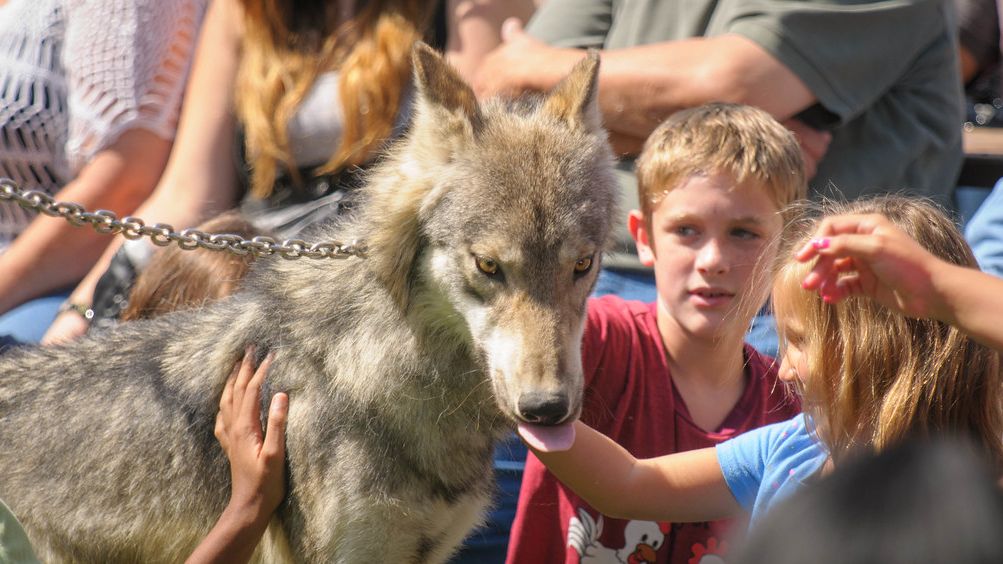
Worried about unexpected vet bills?
Pet insurance can cover thousands in unexpected vet costs. Get a free quote from Lemonade in under 2 minutes.
Get My Free Quote →Sponsored · Opens Lemonade.com
Few moments in the wild carry the same electric charge as a wolf sighting. Your heart pounds. Time slows. You are face to face with one of nature’s most powerful, most misunderstood predators. For most people, it will never happen. The odds are remarkably slim. Yet with wolf populations steadily recovering across North America, from Colorado to the Pacific Northwest, the chance of a real encounter is growing.
Hearing a howling wolf or seeing a traveling wolf pack can be an exhilarating wilderness experience and should be enjoyed – but the magic of that moment can very quickly become dangerous if you react the wrong way. And the wrong reactions? They’re surprisingly instinctive. Almost everything you feel the urge to do in that frozen moment is exactly what you shouldn’t do.
Let’s dive in.
1. Never Run Away From a Wolf
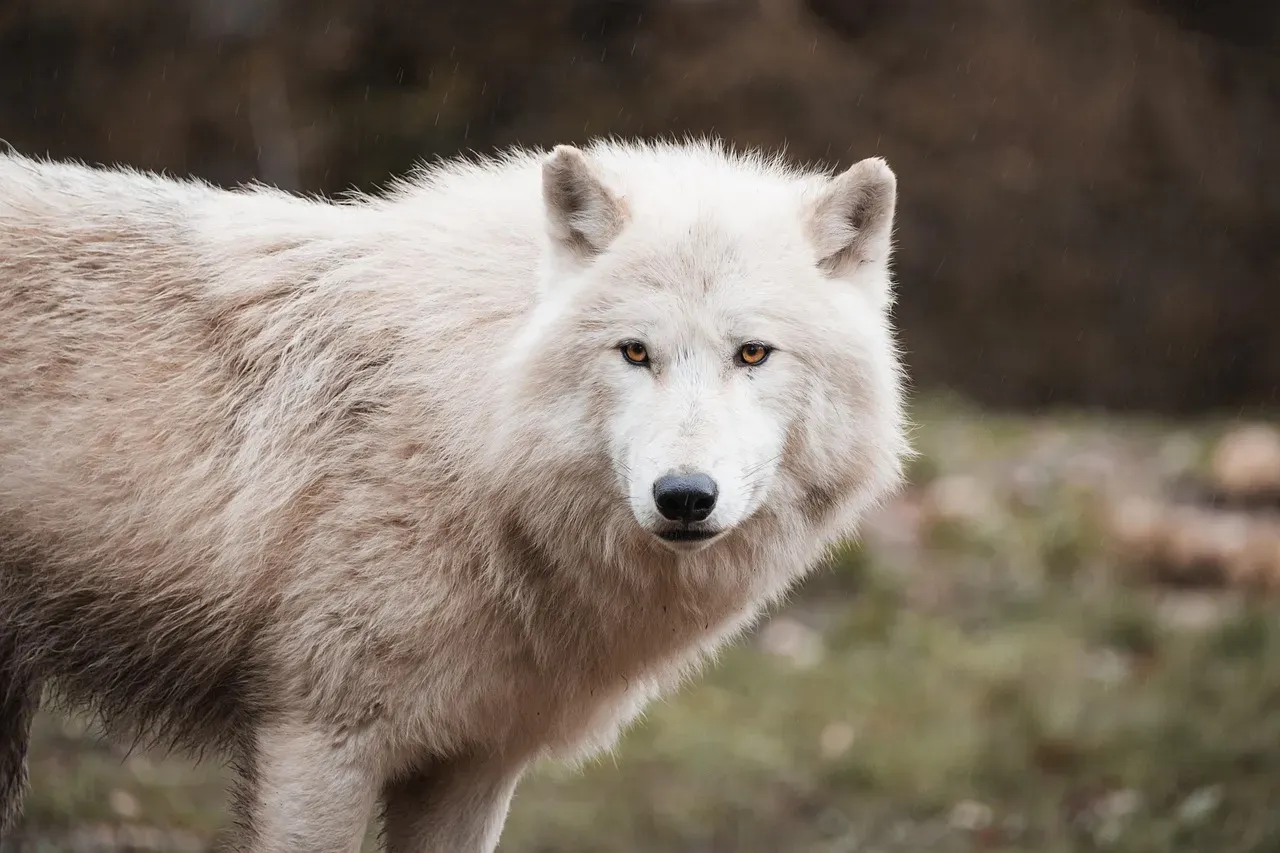
This is the big one. The most primal, gut-wrenching instinct when you see a large predator is to bolt. Don’t. Honestly, it might be the worst thing you could possibly do.
Wolves are what is known as coursing predators, which means they hunt by chasing after and taking down prey that is running. Not only are they able to take down running prey, that’s the way they know how to hunt. When you run, you stop being a confusing, upright human and start looking like every meal they’ve ever chased.
Even in a highly unlikely hypothetical situation in which a wolf is determined to attack you no matter what you do, running is a bad idea. Wolves are able to sprint at speeds of more than 36 mph, while Usain Bolt, the fastest human in the world, can only hit 27.5 mph. You are not winning that race. Not even close.
2. Never Turn Your Back on the Animal
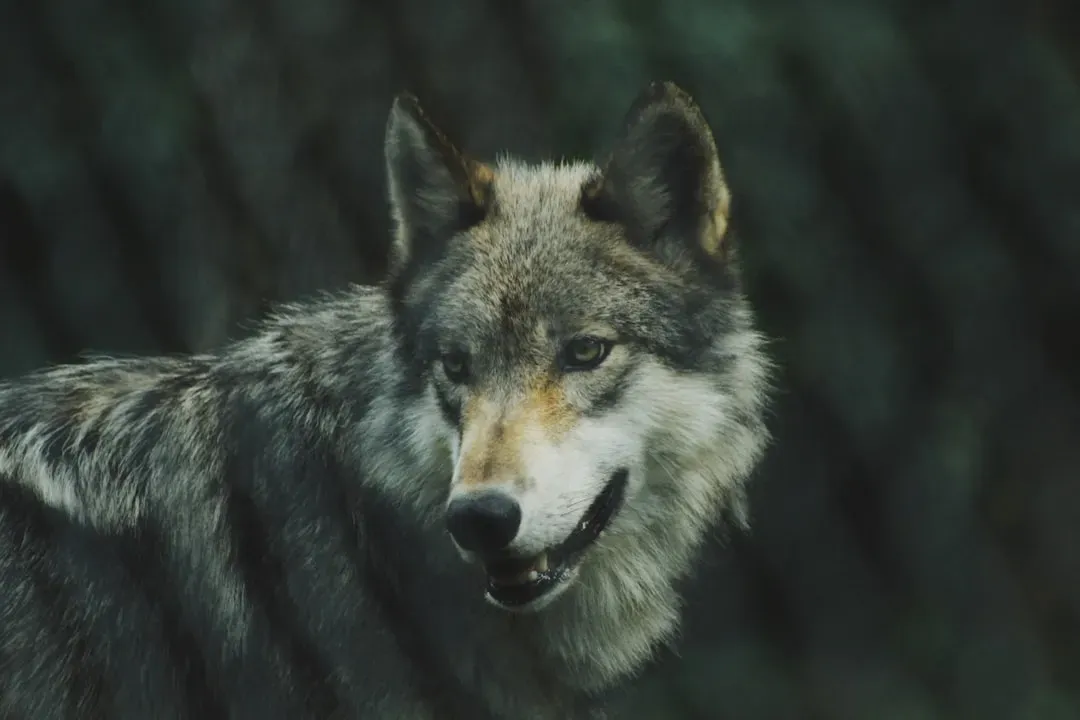
Turning your back is essentially running in slow motion in the wolf’s eyes. It signals submission, vulnerability, and – worst of all – prey behavior. Do not turn your back toward an aggressive wolf, but continue to stare directly at it.
Don’t even turn your back on the wolf, never mind running, which makes you look like prey to a wolf. Wolves can run faster than you can. Keep facing the wolf and back slowly away. Think of it like walking backwards out of a room where you know something is watching you. Slow, deliberate, eyes forward.
It feels deeply unnatural to face a predator head-on while retreating. That discomfort is exactly why this is so hard to get right in the heat of the moment. Practice the mindset before you ever need it.
3. Never Approach or Try to Get Closer
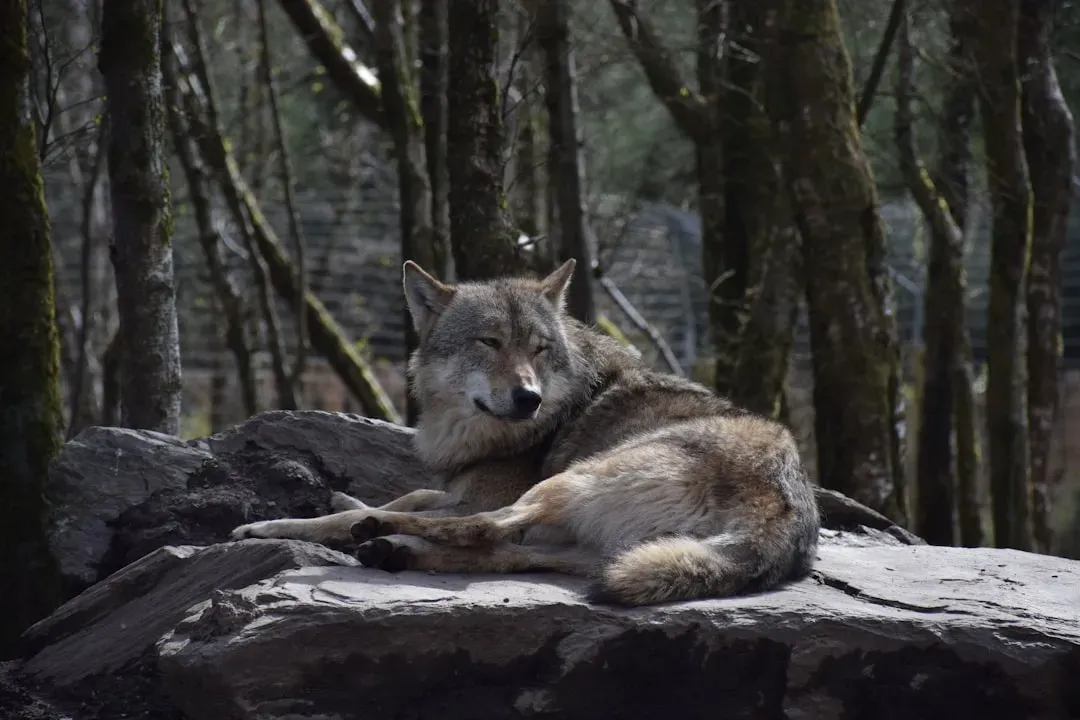
Here’s the thing – wolves are breathtaking animals. If you spot one from a distance, the temptation to edge closer for a better look, maybe snap a photo, is completely understandable. Still, it is one of the most dangerous mistakes you can make.
Resist the temptation to approach wolves. Do not entice or allow wolves to come nearby. A wolf that seems relaxed or indifferent to your presence is not an invitation. It may simply mean the animal has already become partially habituated to humans, which is actually a warning sign, not a comfort.
If you encounter a wolf, don’t approach it, especially one that is feeding or with pups, or if you have a dog with you. A mother wolf near pups is a wolf defending her family. That is a scenario where even a calm animal can turn in seconds.
4. Never Feed a Wolf or Leave Food Accessible
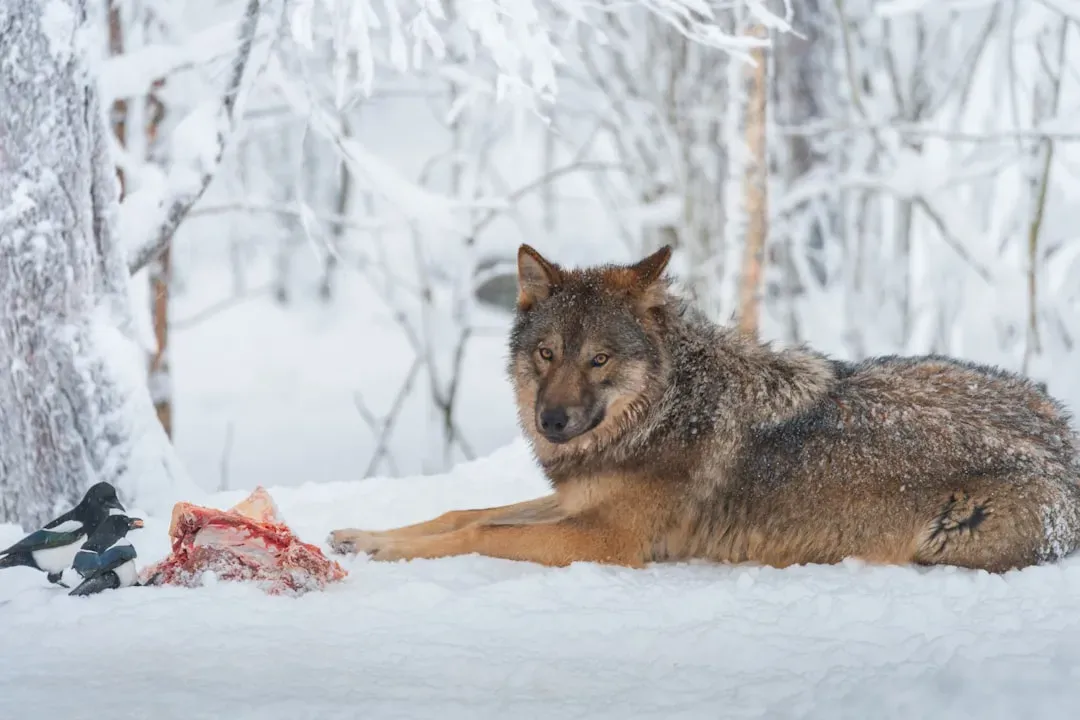
Feeding a wolf might sound like something only a reckless person would attempt deliberately. But this mistake happens all the time in subtler, unintentional ways. Leaving food scraps at a campsite, tossing scraps near a curious wolf, even leaving pet food outdoors – all of it causes the same damage.
If a wolf is fed by people it begins to expect handouts. If that wolf approaches a person but gets no food, it can become suddenly aggressive. Think of it like a vending machine that suddenly stops working. The frustration is real – except this vending machine has teeth and weighs over a hundred pounds.
Evidence from a few recent cases of humans being bitten during wild wolf encounters indicates these animals may have been fed by people, thereby losing their natural fear of humans and associating humans with food. You are not helping a wolf by feeding it. You are setting it up for a dangerous future, and potentially a fatal one.
5. Never Corner a Wolf or Block Its Escape Route
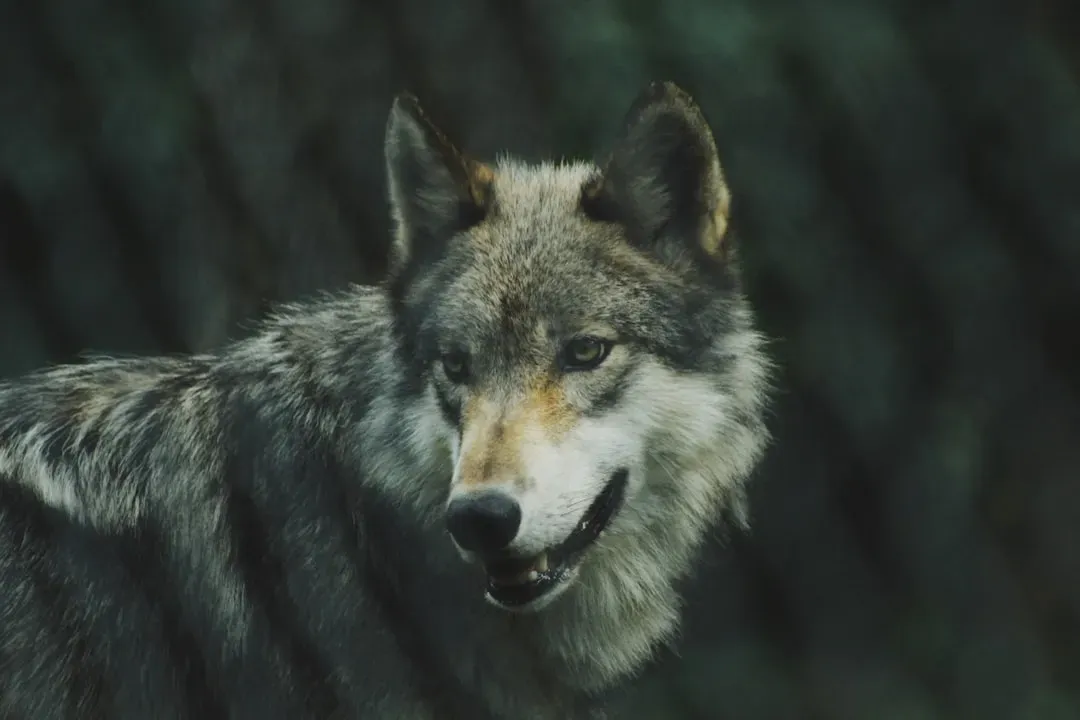
This one surprises people. The danger with wolves is often not about aggression – it is about desperation. A wolf that feels trapped will react to defend itself, even if it had no intention of confronting you moments before.
Most wolves will try to avoid a confrontation. Don’t corner the wolf; allow it space to get away from you. This is almost like road rage – a calm driver becomes a dangerous one when there is nowhere to go. Give the animal a clear exit, and the overwhelming likelihood is that it will use it.
Like any large or potentially dangerous animal, make sure the wolf has an escape route. More than likely it will quickly exit the scene. Wolves want nothing to do with you. Most of the time, a little space is all it takes for the encounter to resolve itself completely.
6. Never Let Your Dog Run Loose Near a Wolf
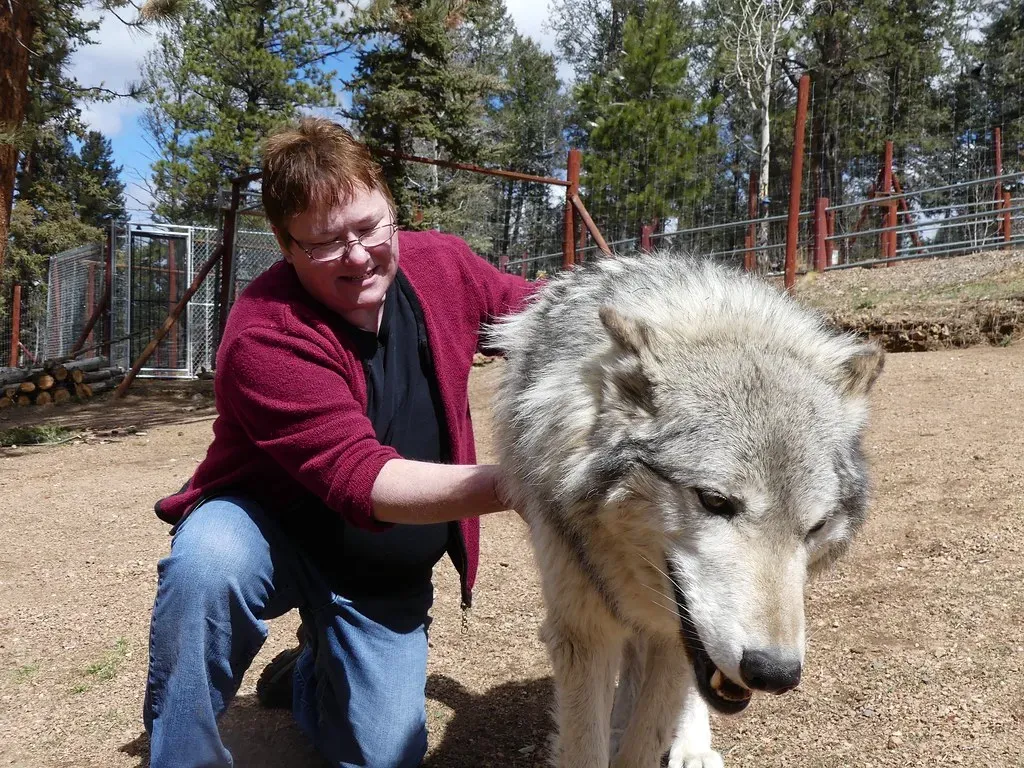
If you hike or camp with a dog, this section is especially important. Wolves and domestic dogs share a complicated, dangerous relationship – and your beloved pet could easily become the trigger for a violent encounter, sometimes even when you think you’re perfectly safe.
There’s no other way to say it – a wolf will probably attack your dog given the opportunity. According to the ADFG, wolves do display aggressive behavior towards dogs, even when on leash, and may often even ignore humans in pursuit of a dog. That last point is the one that truly chills me. A wolf may walk right past you to get to your dog.
Wolves perceive other canines as competitors, and wolf attacks on domestic, herding and hunting dogs are not uncommon. It is best to have your dog on leash while in wolf country. A leash is not just a rule – in wolf territory, it is quite literally a lifeline for your animal.
7. Never Approach a Fresh Kill, Den, or Pups
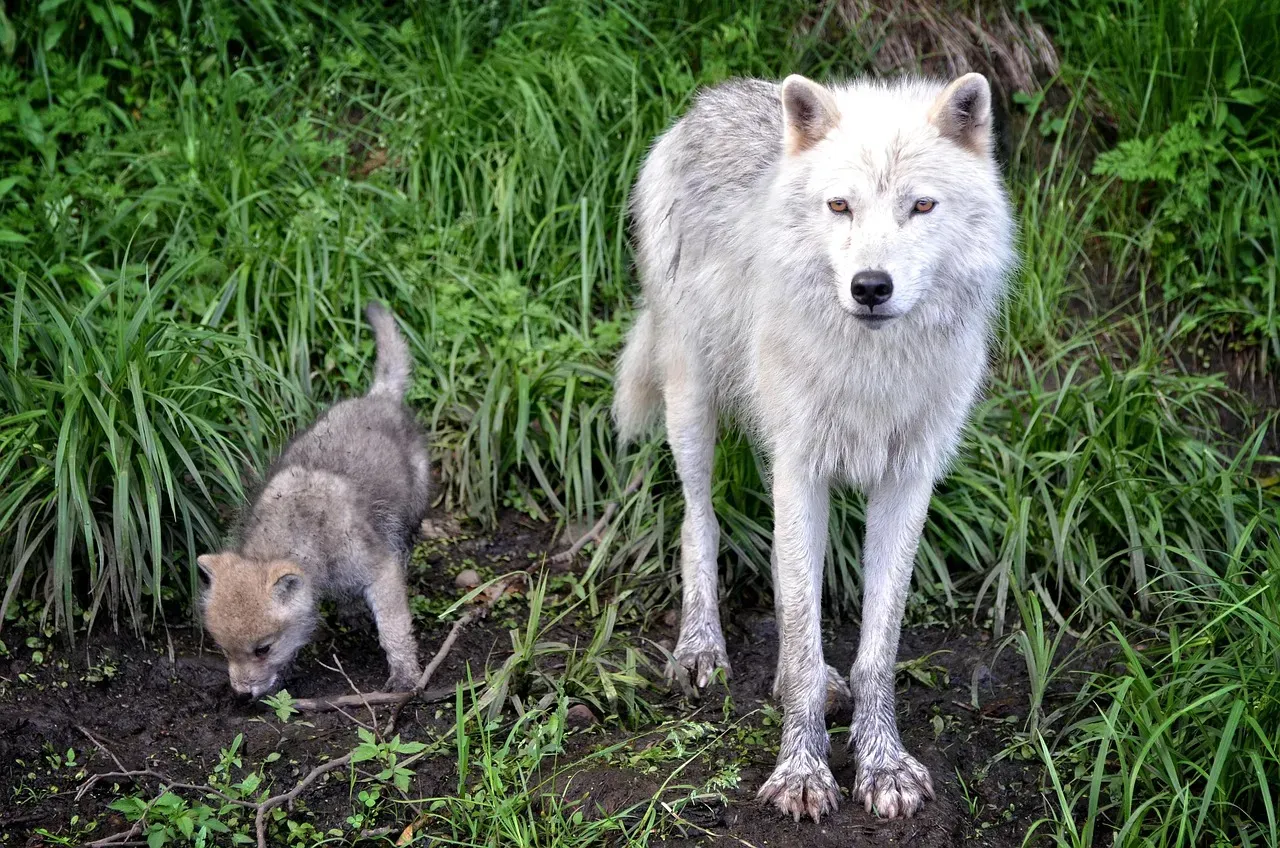
Stumbling upon a carcass in the wilderness can be an unnerving experience. It might be recent. It might smell powerful. The natural human impulse is to investigate, understand what happened, maybe take a closer look. Resist that impulse completely.
Do not approach fresh wolf kills, dens, or rendezvous sites. If wolves have a kill nearby, they consider it their food source. You approaching that carcass reads as a direct threat to their survival. The same logic applies tenfold to dens with pups.
If wolves have a large kill nearby that they are hoping to eat, they may worry that you will try to take it from them. If you see them eating a carcass, you should leave the area quickly and let them eat. No photograph, no story, no curiosity is worth provoking a wolf pack protecting a meal or their young.
8. Never Act Passive or Make Yourself Small During a Close Encounter
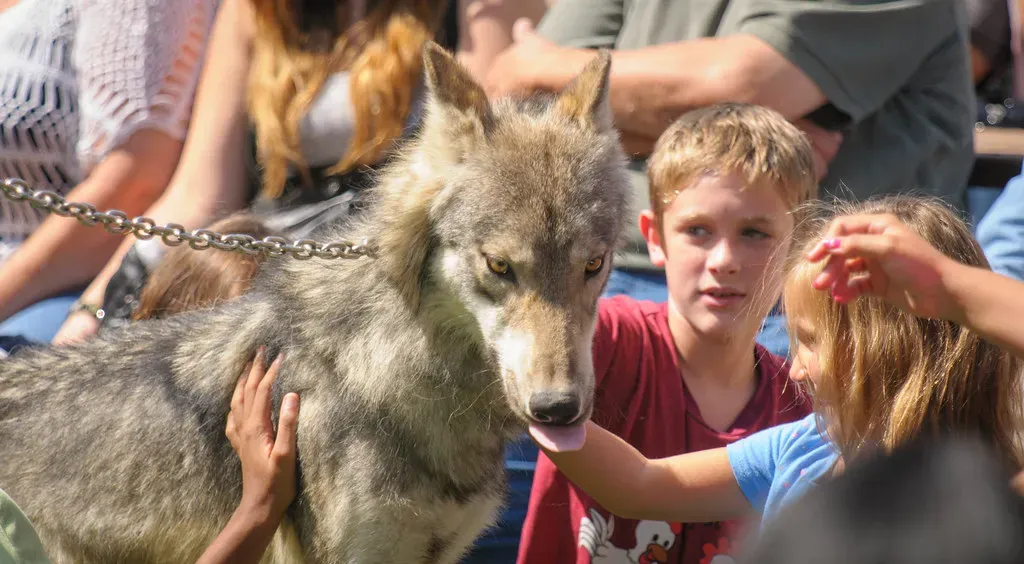
This one runs counter to everything instinct tells you when fear kicks in. When something powerful gets close, we want to curl inward, go quiet, hope it passes. With wolves, that is exactly the wrong move. Passivity looks like weakness, and weakness looks like prey.
If you and a wolf are too close together, you should let it know that you are big, you are threatening, and you are not prey. Start by getting as large as you physically can. Stand up straight and wave your arms. Maybe even hold your jacket up over your head.
If the wolf does not retreat and is acting aggressive by holding its tail high, raising its hackles, barking or howling, you should yell and throw things at it while continuing to back away. Be loud. Be big. Be genuinely unpleasant to deal with. You’re not trying to hurt the animal – you’re trying to convince it that you are far more trouble than you are worth.
Final Thoughts: Respect Over Fear
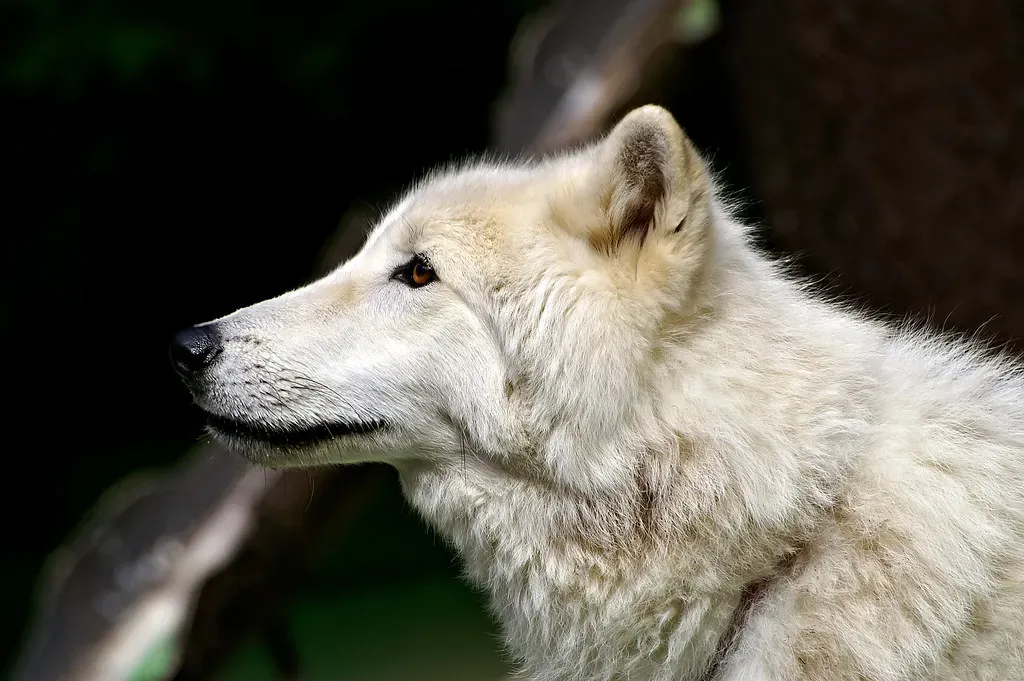
Let’s be real – wolves are not the monsters from fairy tales, nor are they the gentle, soulful companions some romanticize them to be. They are not mindless monsters, but they also aren’t harmless wilderness companions. They are wild predators, and just like bears and mountain lions, they need to be respected and managed correctly to avoid future conflicts.
In North America, where there are about 60,000 wolves, there have only been two fatalities apparently caused by wolves. It is believed that these fatalities were the result of habituated or sick wolves. Injuries from wolves have also been extremely rare in North America. The numbers tell a story of an animal that is far less dangerous than fear and folklore suggest.
The eight things on this list are not about making you afraid of the wilderness. They are about helping you share it – intelligently, respectfully, and safely. A wolf encounter, handled right, is one of the rarest and most remarkable experiences nature can offer. The goal is to walk away with a story worth telling, not a scar worth explaining.
Would you know what to do if it happened to you today? That’s worth thinking about before you ever hit the trail.
Worried about unexpected vet bills?
Pet insurance can cover thousands in unexpected vet costs. Get a free quote from Lemonade in under 2 minutes.
Get My Free Quote →Sponsored · Opens Lemonade.com
