
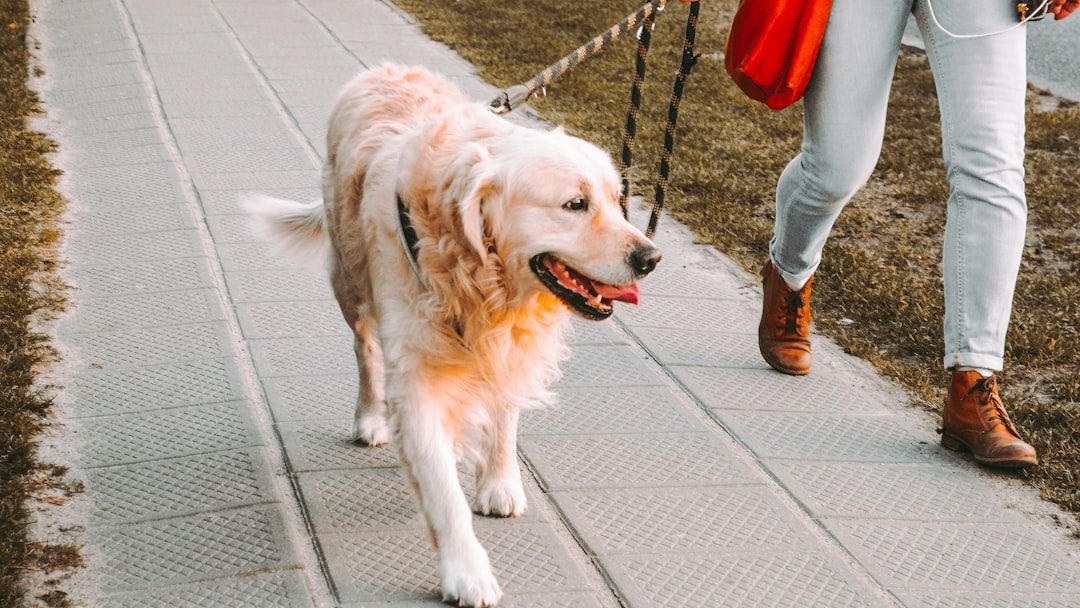
There’s a quietly funny dynamic that plays out in millions of homes every day. The human wakes up, rushes to fill the bowl, moves off the couch because the dog claimed the good cushion, and then apologizes out loud for the inconvenience. Sound familiar? Most devoted dog owners don’t realize this is happening. The relationship slips, slowly and affectionately, into something the dog reads very differently than we intend.
Dogs are pack animals by nature, and they instinctively look for a leader in their group. When that role goes unclaimed or gets quietly handed over through daily habits, your dog doesn’t become confused or relieved. They step up. They take charge. Dogs don’t actually want to be the leader of the pack. It’s a lot of responsibility. A pack leader has to maintain order and ensure the group is safe and protected. So in a strange way, the behaviors covered here aren’t signs of a spoiled dog. They’re signs of a dog doing a job you accidentally assigned them.
#1: You Let Them Wake You Up on Their Schedule
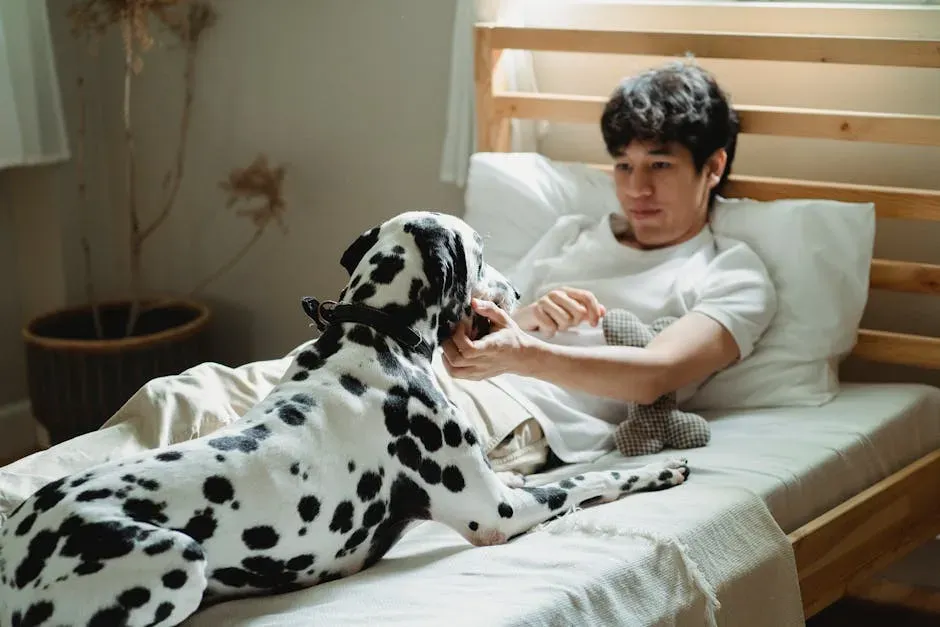
There’s something undeniably sweet about a cold nose nudging you at 6 a.m. Most owners smile, roll over, and get up. It feels like love. If your dog wakes you up, it means they don’t fully respect your authority in the household. To correct this, you need to change your dog’s habits so they understand that you are the one who determines when the day begins.
The problem isn’t the early morning cuddle. It’s the pattern it creates. The most important thing when addressing dog pack dynamics is consistency. If you are firm with your dog one day but allow them to behave poorly without consequence the next, it sends mixed signals. A dog who successfully wakes you up learns that their demands produce results. Over time, that understanding extends into other areas of the relationship too.
#2: You Respond Every Time They Demand Attention
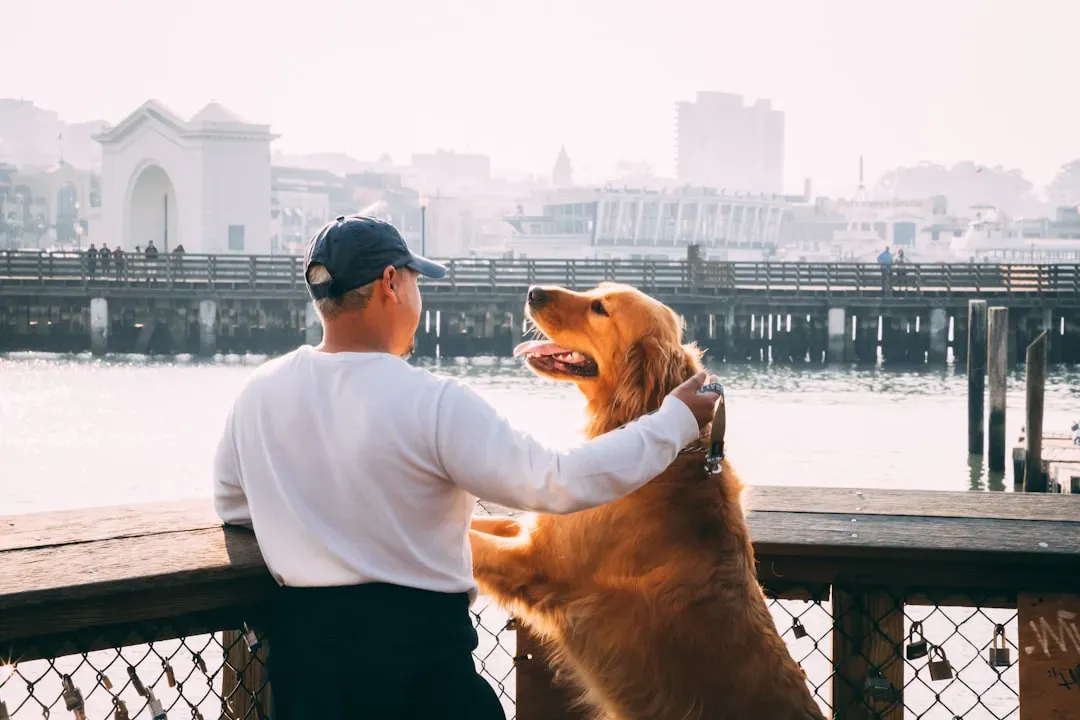
While dogs naturally seek affection from their owners, constantly demanding attention on their terms, such as nudging your hand away from a task or barking until you interact, can be signs they don’t view you as the one in charge. This behavior suggests they believe they can dictate the terms of your interaction. It’s the canine equivalent of a toddler interrupting every adult conversation and expecting it to work every time.
There is a difference between a pet that craves affection and one that is establishing alpha status over its owner. When a dog attempts to take over leadership in the home, it may start to display alpha behavior. Responding to every nudge, paw-tap, or whine trains your dog to expect compliance. It’s a subtle shift, but a real one. Affection on your terms strengthens your bond. Affection always on theirs quietly reverses the dynamic.
#3: You Follow Them Around the House
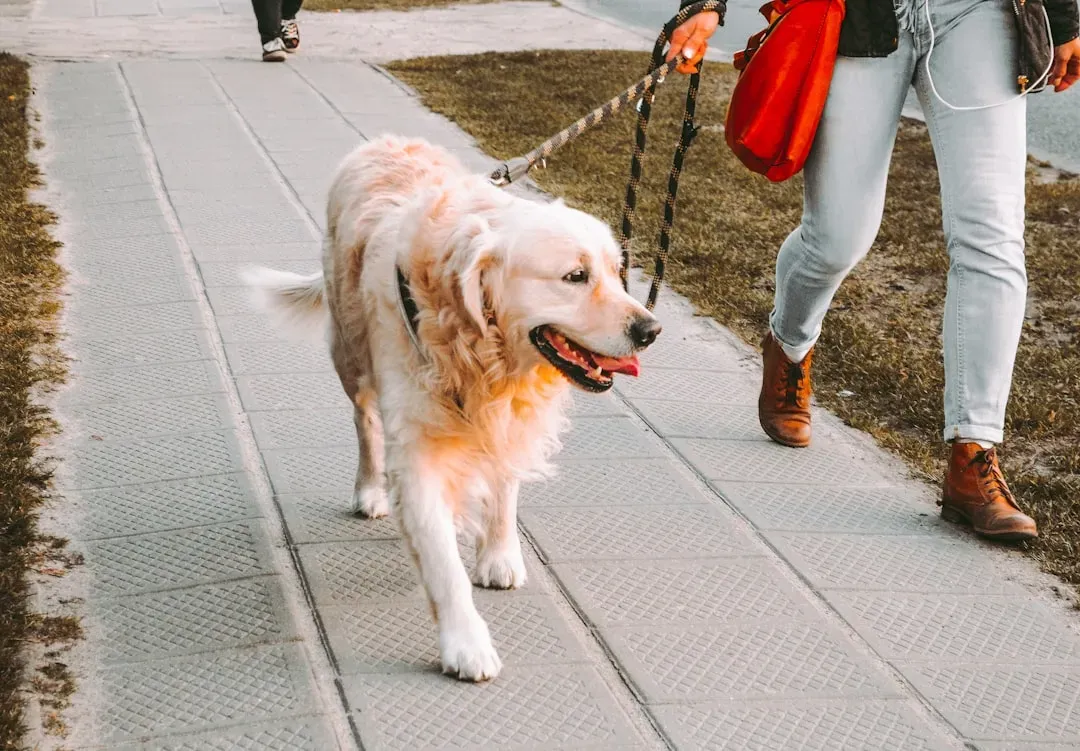
Watch yourself the next time your dog relocates from one room to another. Do you get up and follow? Many people do, without thinking about it. Dogs instinctually understand that the pack leader is in control and should be the one to lead. Dogs don’t walk ahead of their pack leader, so if you’re the one following your dog around the house, that’s worth examining.
This isn’t about rigidly ignoring your dog’s movements. It’s about noticing who consistently trails whom. When you show up with structure, dogs relax. When you waffle, they take over. A dog who has learned that their movement controls yours has effectively become the decision-maker for what happens next. Small thing. Big message.
#4: You Let Them Rush Through Doorways First

A dog that always rushes to go through doorways ahead of you displays dominance, asserting their precedence over you. In a pack, the leader is the one who leads the way into new territories. Allowing your dog to consistently precede you can reinforce their belief that they are in charge. It happens fast, often before you’ve even noticed the door is open.
Your dog should not knock you over as they pass through a doorway, and they should not escape past you. If your dog tends to pull excessively or show aggression when meeting new people and pets, they should be trained to follow you out the door. Teaching a calm “wait” at doors is one of the simplest adjustments an owner can make, and the effect on your dog’s overall manner is often surprisingly quick.
#5: You Apologize for Inconsistent Rules
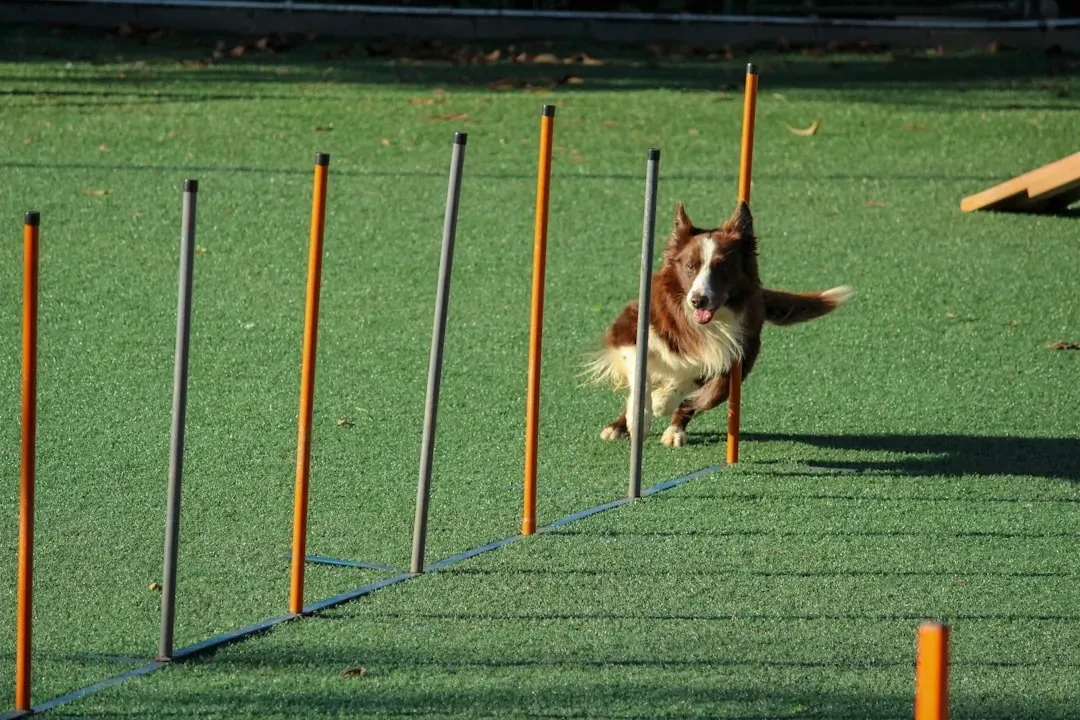
Monday the dog isn’t allowed on the bed. Wednesday they are, because you’re tired and it feels harmless. Friday there’s a gentle scolding for the same thing. Allowing your dog on the couch one day and scolding them for it the next confuses them about boundaries. From your dog’s perspective, there is no rule. There’s just a guessing game, and they’ve figured out how to win it.
Training owners to transition from treat dispenser to true leader is less about being domineering and more about being fair, firm, and consistent. Your dog isn’t being defiant when they repeat a behavior you’ve permitted before. They’re being logical. A dog who has consistent cues, established rules, and positive training will be far less confused by what you want and far happier to give it to you.
#6: You Reward Them at the Wrong Moments
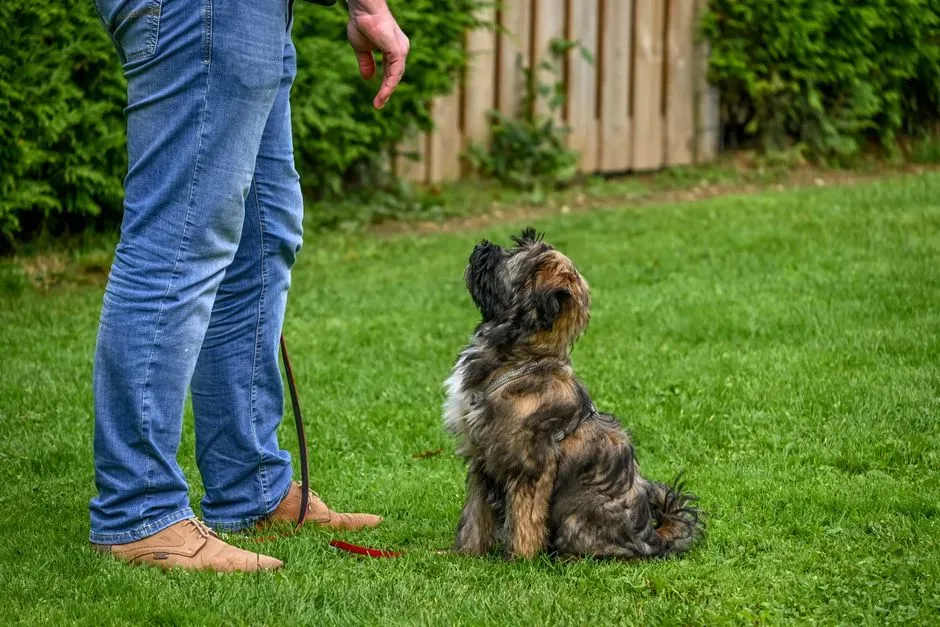
Don’t pet your dog when they do something wrong. This affectionate act nurtures the very behavior you don’t want and conveys that it’s okay for your dog to act that way. Instead, learn how to master affection. This is where most loving dog owners stumble. The dog barks anxiously and gets a soothing stroke. The dog jumps and gets touched, even if it’s to push them away.
Dogs associate behaviors with their consequences. If sitting gets them a treat, they will feel good about sitting. The reverse is equally true. Comfort given during unwanted behavior teaches that the behavior produces a reward. It’s not malicious on anyone’s part. It’s just the straightforward way dogs learn cause and effect, and it’s easy to get it backwards without realizing it.
#7: You Let Them Pull the Leash on Walks
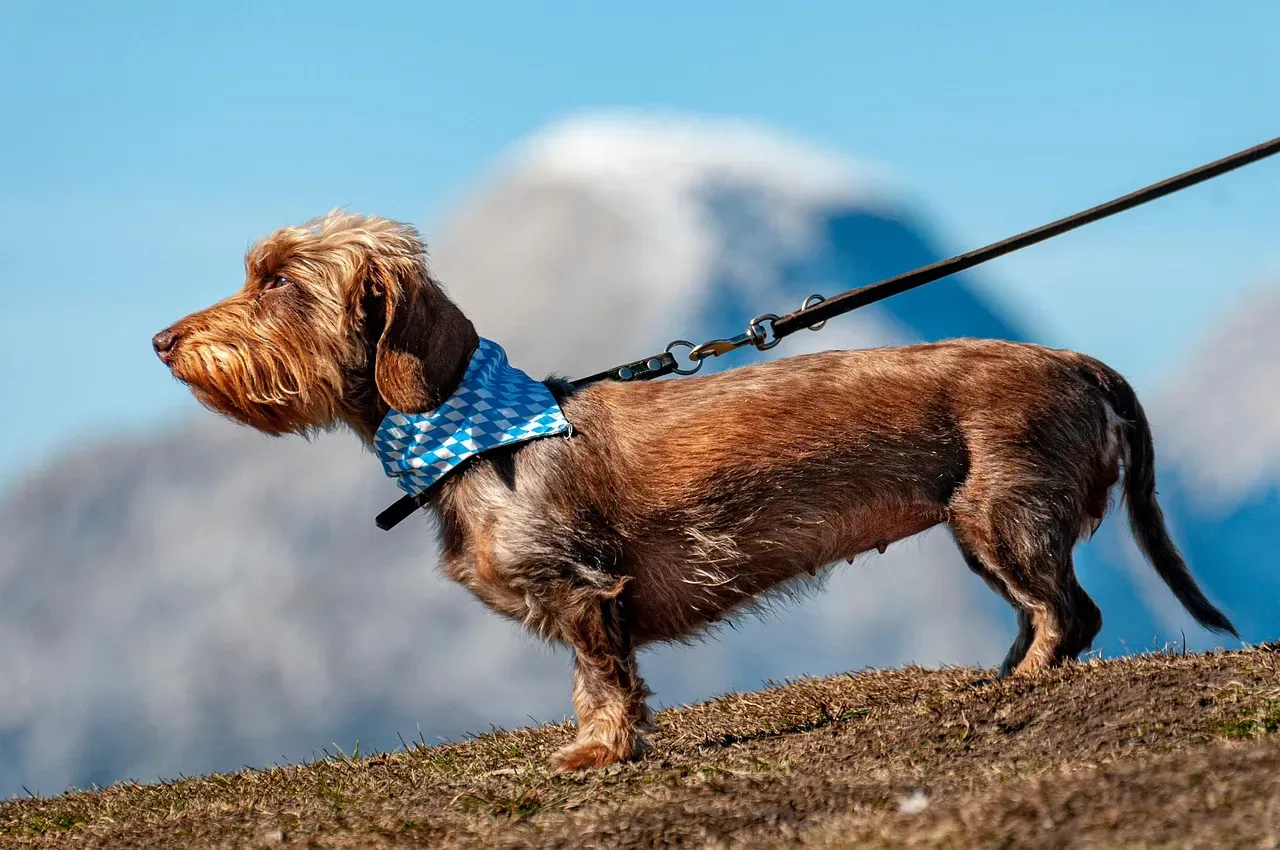
Leash pulling is an indication of a lack of recognition of you as the one in charge. When your dog constantly pulls on the leash and tries to lead the way, it signals they feel in control of the situation and the direction you both take. In contrast, a dog that sees its owner as the leader will walk calmly by their side, allowing the human to guide the path.
The walk is one of the most behaviorally loaded moments of your dog’s day. It’s not just exercise. It’s a daily referendum on who’s in charge. Dogs that show excitable or aggressive greetings on walks may need to learn to walk calmly by the owner’s side as part of a behavior management program. Mostly, walking nicely on a leash is about manners, training, and enjoying something you should do with your dog frequently. Getting the walk right tends to improve behavior indoors too, almost as a side effect.
#8: You Apologize When They Ignore Your Commands
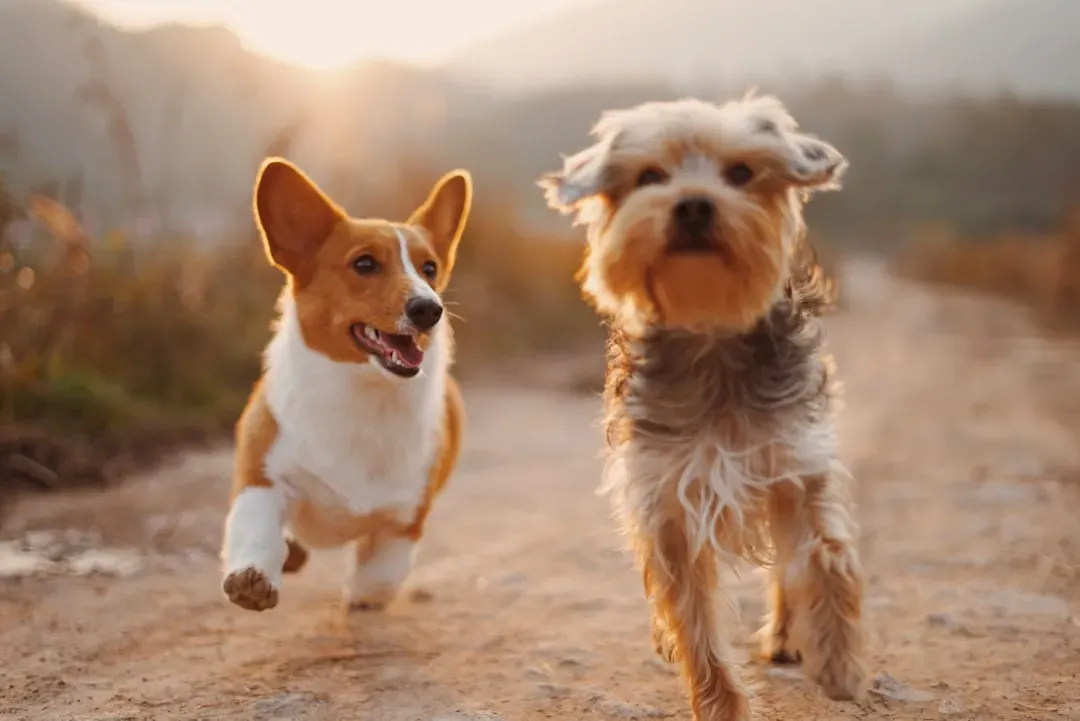
A clear sign that your dog doesn’t see you as the one guiding the relationship is when they consistently ignore your commands. This behavior suggests that your dog does not respect your authority or consider you to be in charge. Yet the typical owner response is to repeat the command in a slightly higher voice, add the dog’s name twice, and then give up with a shrug. The dog logs all of this.
The reason dogs often listen to a trainer but not their owner isn’t because the trainer has a magic touch. It’s because trainers walk in with clarity, confidence, and control, while owners may come in with bribes, begging, or buddy vibes. You need to earn your dog’s respect before they will consider you their leader, and you do that by letting them know what is acceptable and what is not. That’s not coldness. That’s the clearest, kindest form of communication you can offer a dog.
What This Actually Means for Your Dog
None of this means you love your dog wrong. It means the signals you’re sending don’t always match the relationship you’re trying to build. Dogs don’t really want to be the leader of the pack. They actually prefer that someone else makes the decisions and gives the orders. When no one steps into that role consistently, dogs don’t become free spirits. They become anxious, pushy, or both.
Stepping up to become the leader in your home not only helps prevent unwanted dominant behavior but also helps your dog live a less stressful life. Structure, for a dog, is genuinely reassuring. The good news is that most of these habits are easy to shift once you spot them. It won’t happen overnight, but understanding that you have to be the one to be consistent, providing direction first and affection after, can really be the doorway to reframing your relationship with your dog.
The goal has never been to be your dog’s boss in any harsh sense. It’s to be someone they can trust to know what comes next. That’s a role worth stepping into, and most dogs will be visibly relieved the moment you do.

- 6 Mystical Caves Around the World With Untold Stories - July 20, 2026
- 5 Simple Ways to Help Local Wildlife Thrive in Your Own Backyard - July 20, 2026
- 20 Smartest Animals on The Planet Ranked - July 20, 2026