


Worried about unexpected vet bills?
Pet insurance can cover thousands in unexpected vet costs. Get a free quote from Lemonade in under 2 minutes.
Get My Free Quote →Sponsored · Opens Lemonade.com
Companion planting is a sustainable gardening practice that involves strategically placing certain plants together to enhance growth, improve soil quality, and promote ecological balance. One significant benefit of companion planting is its ability to attract beneficial insects to the garden. These insects provide natural pest control, reducing the need for harmful pesticides and encouraging a thriving, biodiverse ecosystem. By understanding the relationships between plants and insects, gardeners can create a harmonious environment that supports plant health and productivity.
The Role of Beneficial Insects
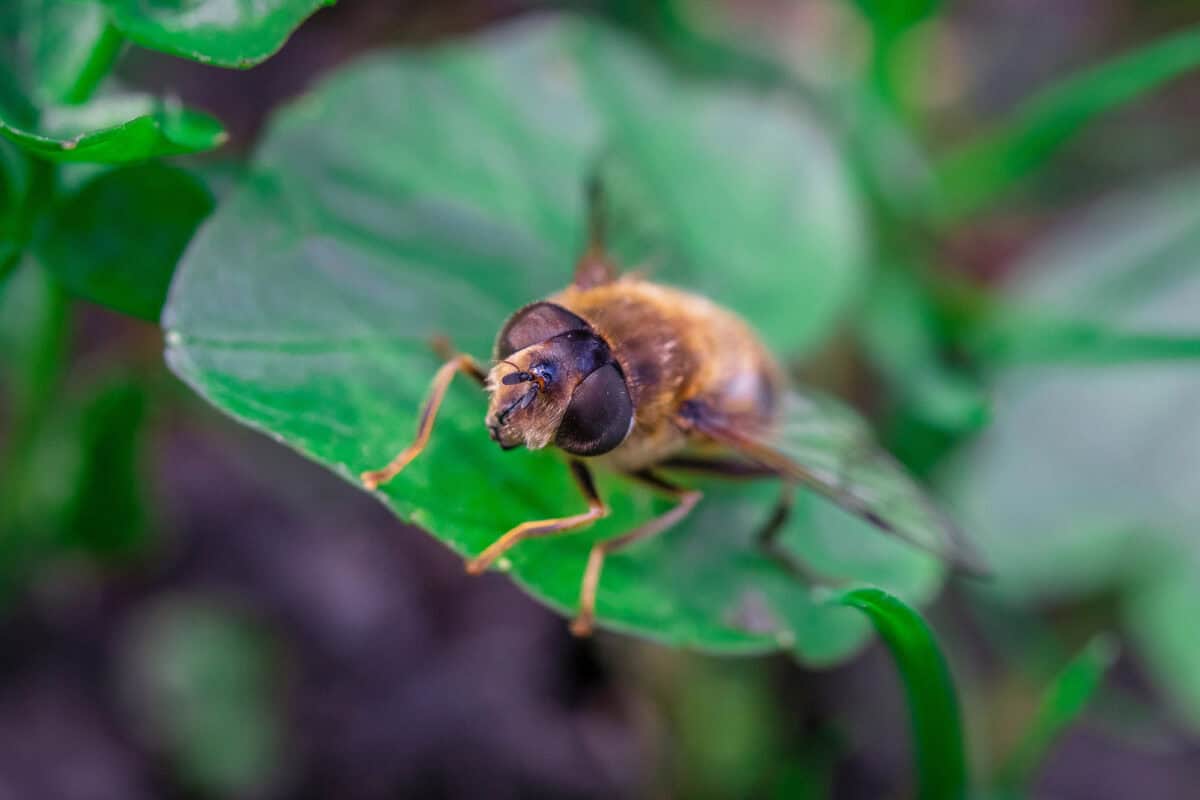
Beneficial insects are crucial players in maintaining a healthy garden. They fall into two main categories: pollinators and predators. Pollinators, like bees and butterflies, are essential for the reproduction of many plants, enabling them to produce fruits and seeds. Predators, such as ladybugs and lacewings, help control populations of harmful pests by feeding on them. By attracting these insects, gardeners can enhance pollination, increase yields, and keep pest populations in check without relying on chemical interventions.
Key Plants for Attracting Beneficial Insects
Certain plants are particularly effective at attracting beneficial insects, and incorporating them into a garden’s design can lead to numerous advantages. Here are a few examples:
- Marigolds: Known for their vibrant colors, marigolds attract predatory insects like ladybugs and hoverflies. Their strong scent also repels various garden pests, such as nematodes.
- Borage: Borage is an excellent plant for attracting pollinators, particularly bees. Its blue star-shaped flowers offer a rich source of nectar and can boost the productivity of nearby crops.
- Dill and Fennel: These aromatic herbs are favorites of parasitic wasps and other beneficial insects that prey on aphids and caterpillars.
- Lavender: While providing distressing aromatic appeal to humans, lavender is also highly attractive to bees and butterflies.
- Yarrow: A great choice for its ability to draw in lacewings, ladybugs, and parasitic wasps, yarrow also boosts soil health, contributing to a healthier garden environment.
The Benefits of Biodiversity

Companion planting to attract beneficial insects offers numerous ecological and practical benefits. Biodiversity within the garden ecosystem strengthens resilience against plant diseases and pest infestations. With a diverse array of plants and insects, healthy garden dynamics reduce the likelihood of any single pest or pathogen overwhelming the system. Additionally, the presence of beneficial insects reduces the need for synthetic pesticides, protecting the local environment and maintaining ecosystem health.
Practical Tips for Implementing Companion Planting

Getting started with companion planting to attract beneficial insects is straightforward. Here are some practical tips to guide you:
- Plan Plant Layouts: Before planting, map out where each type of plant will go. Consider the relationships between plants and how they contribute to attracting beneficial insects.
- Mix and Match: Diversify your garden with a wide variety of plant species. This diversity will provide habitats and food sources for different types of beneficial insects.
- Provide Bloom Succession: Stagger planting times to ensure there is always something flowering in the garden. Continuous blooms provide consistent food for pollinators.
- Create Habitats: Include structures such as insect hotels or logs to offer shelter for beneficial insects.
- Avoid Pesticides: Limit or eliminate the use of pesticides, as they can harm beneficial insects as well as pests.
Conclusion

Companion planting to attract beneficial insects is a natural and effective way to maintain a healthy garden. By understanding the needs of beneficial insects and including plants that support them, gardeners can create an ecosystem that fosters plant health, enhances yields, and reduces pests. Embracing these practices not only benefits the immediate garden environment but also contributes positively to the broader ecological system. By participating in companion planting, gardeners take a significant step toward sustainable and environmentally friendly gardening.
Worried about unexpected vet bills?
Pet insurance can cover thousands in unexpected vet costs. Get a free quote from Lemonade in under 2 minutes.
Get My Free Quote →Sponsored · Opens Lemonade.com

As a little kid, I fell in love with nature, wildlife, and animals. Living in the USA, South Africa, Italy, China and Germany gave me the opportunity to discover the world's Wildlife. My favorite animals are Mountain Gorillas, Siberian Tigers, and Great White Sharks.
I'm a certified PADI Open Water Diver, went to Everest Base Camp and Trekked Gorillas in Uganda. I hold a Master of Science in Economics and Finance.
Please send any feedback to feedback@animalsaroundtheglobe.com
- 14 Incredible Ways Animals Outsmart Humans in the Wild - June 11, 2026
- 12 Wild Animal Misconceptions We Got from Movies - June 11, 2026
- 12 Species That Have Not Changed in Millions of Years - June 11, 2026
Leave a comment
You must be logged in to post a comment.