

Throughout history, the ocean has given us countless tales of wonder, but none quite capture our imagination like stories of dolphins rescuing humans. These marine mammals, with their playful nature and remarkable intelligence, have repeatedly stepped in during life-threatening moments to protect people from drowning, shark attacks, and other maritime dangers. While scientists debate whether these interventions stem from natural instinct, learned behavior, or genuine altruism, the documented accounts continue to astound us.
The question that haunts marine biologists and fascinates the public remains unanswered. Are these rescues mere coincidences where dolphin behavior happens to benefit humans? Or do these intelligent creatures possess an understanding of human vulnerability that drives them to act as oceanic guardian angels? Let’s dive into eight remarkable documented cases that might just change how you view these extraordinary marine mammals.
The New Zealand Lifeguards Who Found Unexpected Heroes
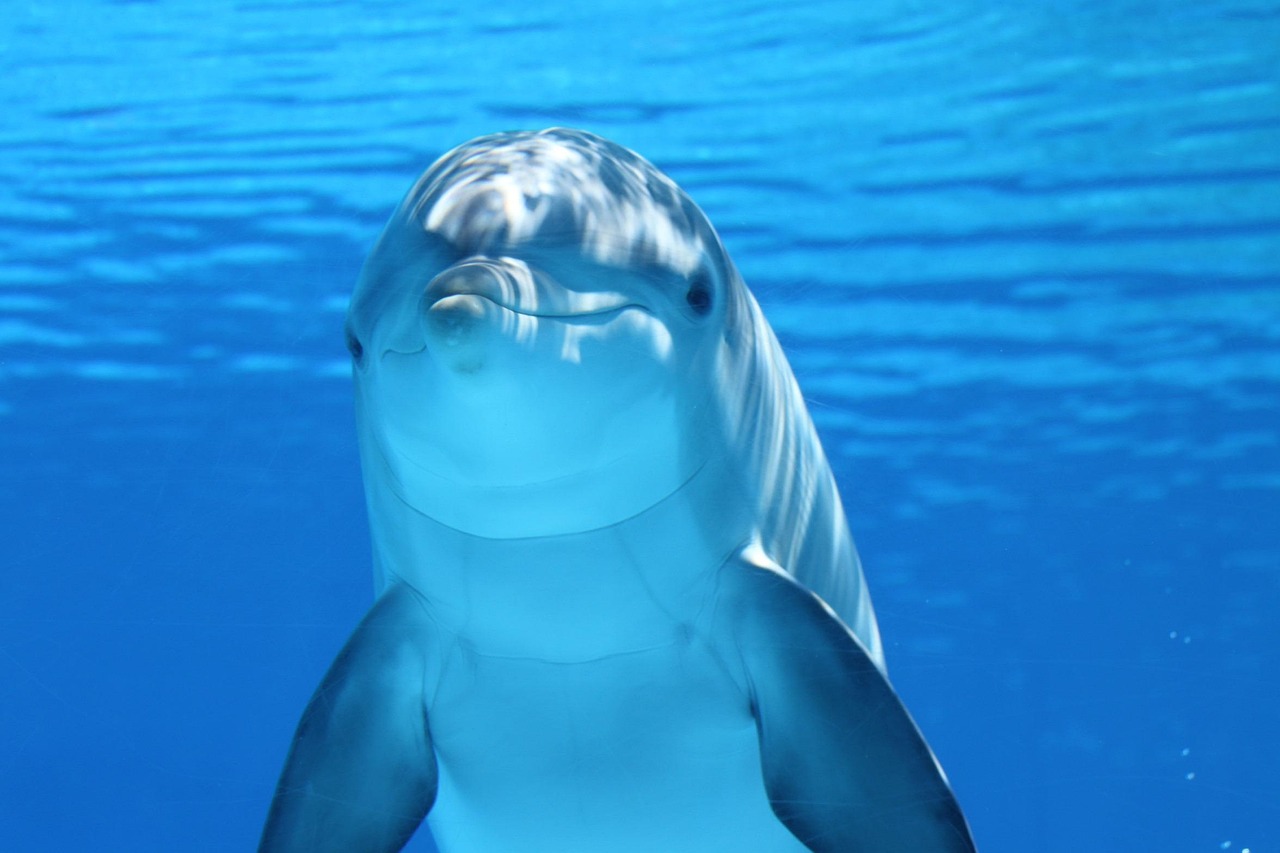
In October 2004, lifeguard Rob Howes, his 15-year-old daughter Niccy, and two teenage friends were on a training swim about 100 meters off Ocean Beach near Whangarei when seven bottlenose dolphins suddenly sped towards them. What started as a routine swimming exercise quickly transformed into something far more sinister.
The dolphins began behaving strangely, turning tight circles around the swimmers and slapping the water with their tails, before one dolphin swam straight at Howes and dived a few meters in front of him. When Howes turned to see where the dolphin would surface, he instead spotted a great grey fish swimming around him, which the dolphins then herded the group back together and circled protectively around them for another 40 minutes, fending off the shark.
Todd Endris and the California Miracle
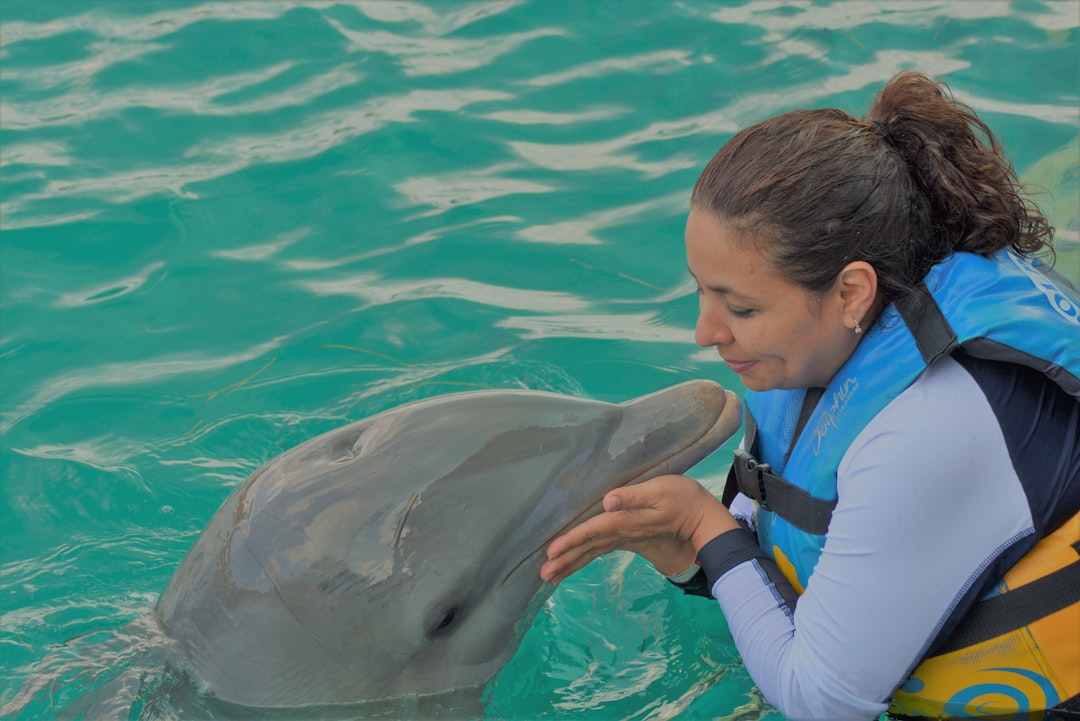
In August 2007, surfer Todd Endris was catching waves in Monterey Bay, California, when a 3,000-pound Great White Shark attacked him not once but three times, peeling the skin off his back and mauling his right leg to the bone. The attack was so severe that onlookers believed he wouldn’t survive.
The dolphins, which had been cavorting in the surf all along, showed up then, circling him and keeping the shark at bay, enabling Endris to get back on his board and catch a wave to the shore. Endris later expressed his gratitude, stating the dolphins “really saved my life” and “created a wall between me and the shark where he couldn’t get back to me”.
The Vietnamese Sailors and Their Unlikely Saviors
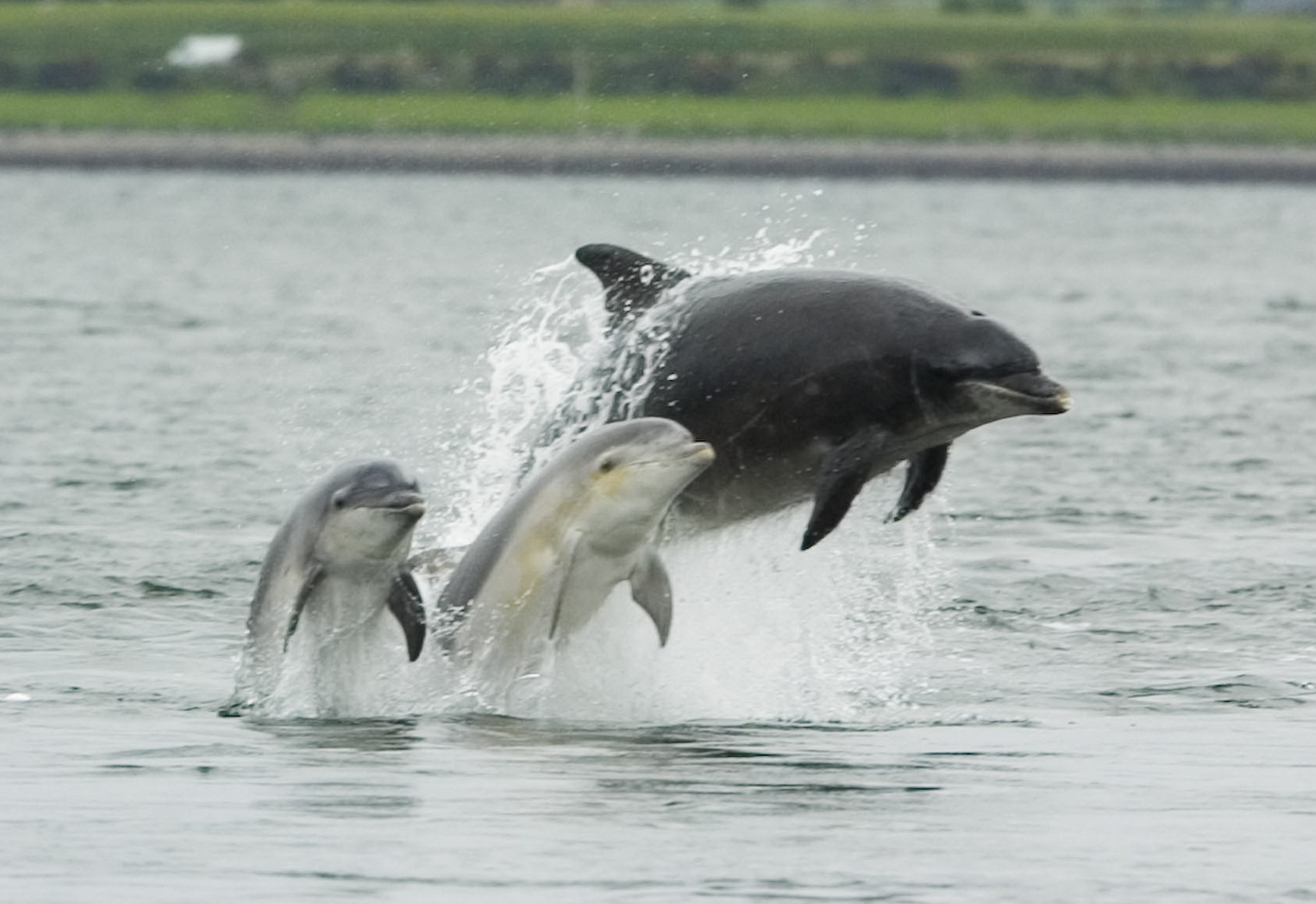
One account, though not fully documented, reportedly dates back to the 1700s when Vietnam was invaded by China, with stories claiming that dolphins rescued Vietnamese sailors from a sinking ship.
This account, while unverified, suggests that stories of dolphin rescue behavior have existed for centuries. The incident suggests that these marine mammals have been protecting humans for centuries, long before any scientific understanding of their intelligence or social behavior existed.
Martin Richardson’s Red Sea Rescue
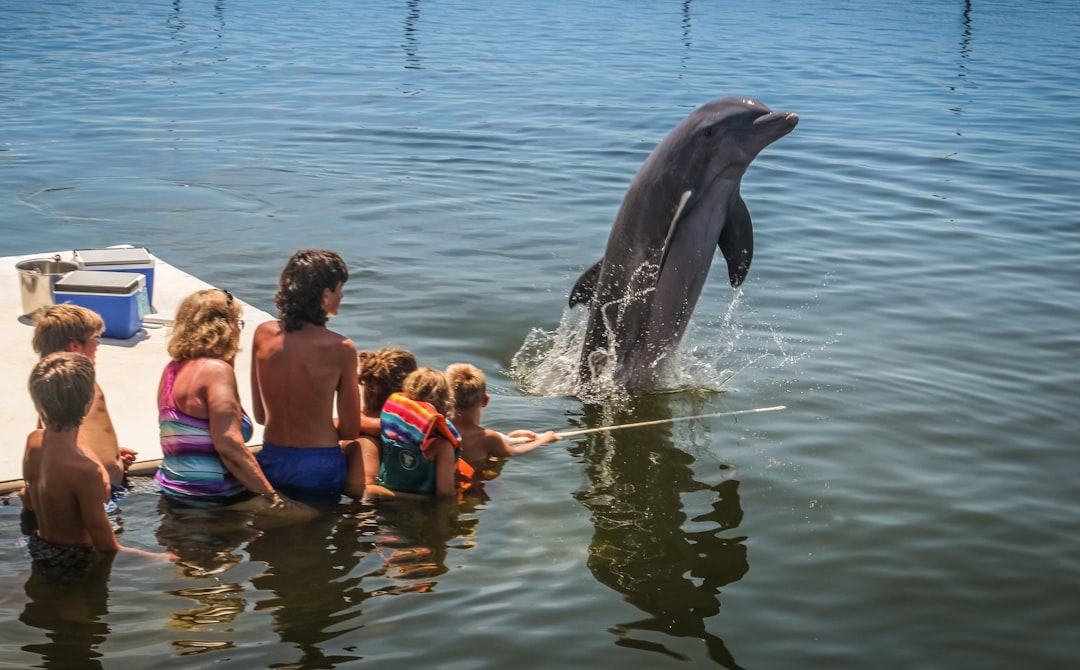
Martin Richardson was swimming in the Red Sea when a shark attacked him, taking a bite out of his side and then another out of his upper arm, but three dolphins circled him and scared off the shark. The attack could have easily been fatal without the dolphins’ intervention.
This case is particularly significant because it occurred in waters known for their shark populations. The dolphins’ ability to recognize the immediate danger and respond effectively showcases their remarkable situational awareness and protective instincts toward humans in distress.
The Italian Boy and Filippo the Dolphin
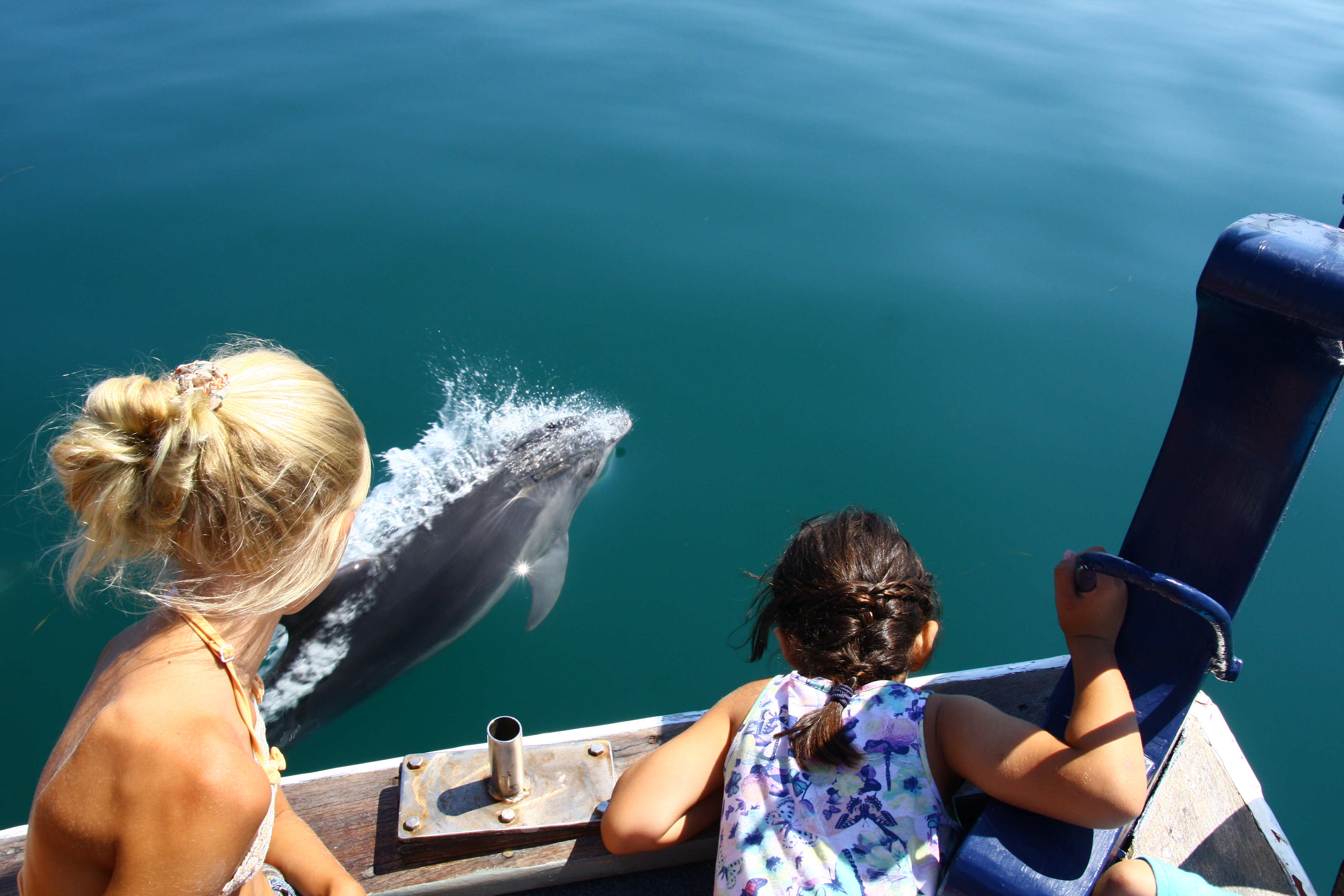
According to some accounts, a fourteen-year-old boy named Davide Ceci was reportedly rescued by a dolphin named Filippo when he was in danger of drowning, with the dolphin allegedly lifting him until his father could pull him to safety.
This rescue stands out because it involved a specific dolphin known to the community. Filippo’s familiarity with humans may have contributed to his willingness to help, suggesting that some dolphins develop protective relationships with human populations in their area.
Grant Dickson’s Australian Ocean Ordeal
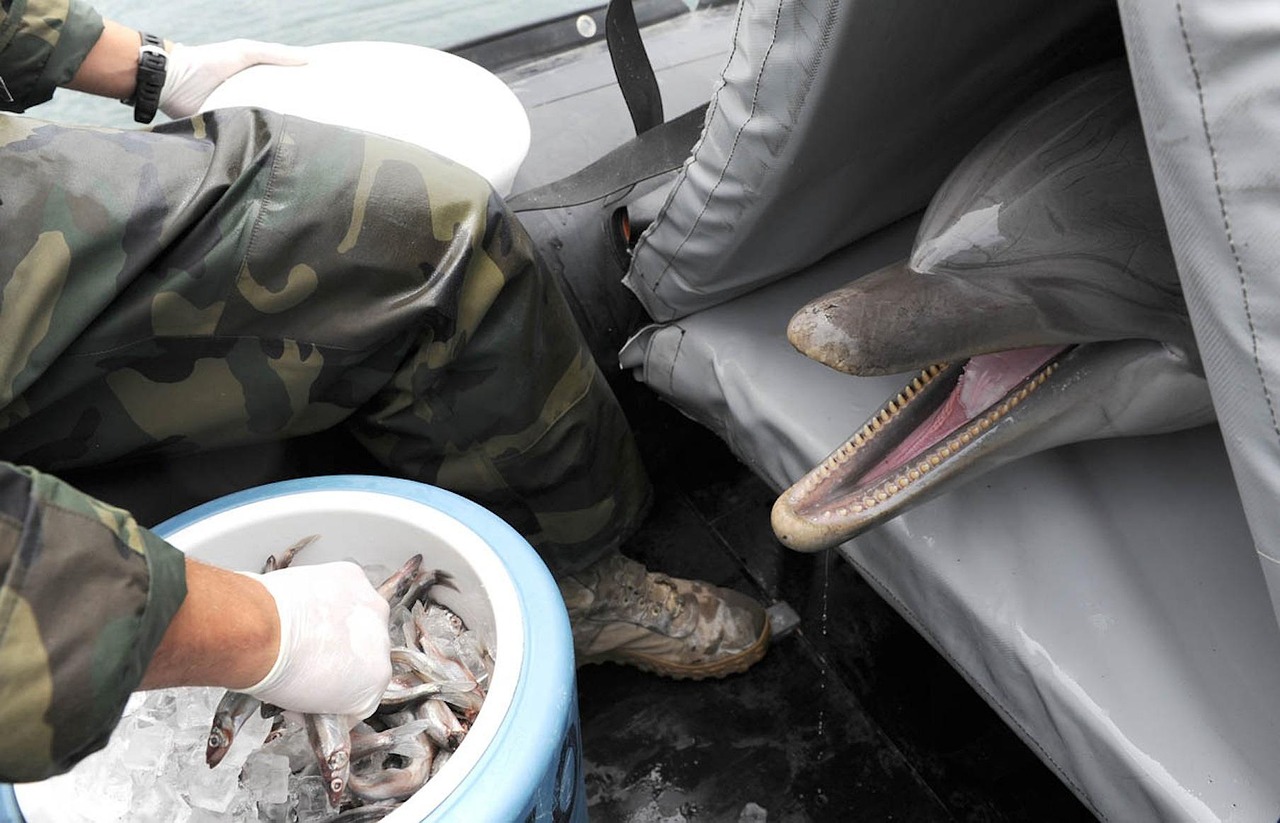
Thirty-six-year-old Australian Grant Dickson was fishing with a group in northern Queensland when his vessel collapsed into the water, leaving him alone in the middle of the ocean, injured and holding onto boat remnants while bleeding profusely as sharks circled him. However, a pod of dolphins also appeared and began to circle him.
Though the exact outcome isn’t detailed in available records, the presence of dolphins during such a precarious situation demonstrates their tendency to investigate and potentially assist humans in maritime emergencies. The timing of their arrival, just as sharks were approaching, suggests more than mere coincidence.
The Stranded Whales of New Zealand
In 1983 at Tokerau Beach, Northland, New Zealand, a pod of pilot whales ran aground during ebb tide, and while locals helped keep them alive until the tide returned, the whales had trouble orienting themselves, so dolphins came to the rescue, swimming into the shallows and herding the pilot whales out to sea, saving 76 of 80 whales.
This remarkable incident shows dolphins extending their protective behavior beyond humans to other marine mammals. Their willingness to risk their own safety by entering shallow waters demonstrates a broader pattern of altruistic behavior that challenges our understanding of animal intelligence and empathy.
The Philippine Fisherman’s Storm Survival
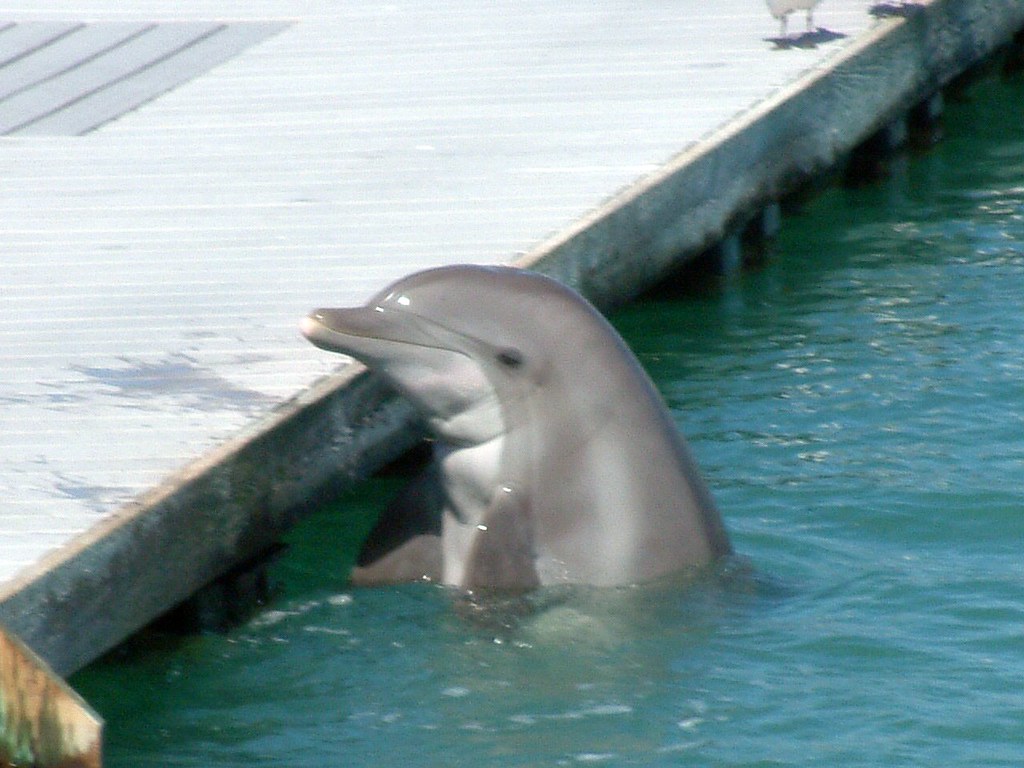
In 2008, a pod of dolphins in the Philippines saved a local fisherman from drowning after his small boat overturned in a storm. The dolphins may have even known the fisherman, who was also an official dolphin warden in his town.
This case suggests that dolphins might recognize specific individuals, particularly those who work to protect them. The fisherman’s role as a dolphin warden adds another layer to this rescue, implying that dolphins may reciprocate protection for those who show them care and respect.
Conclusion
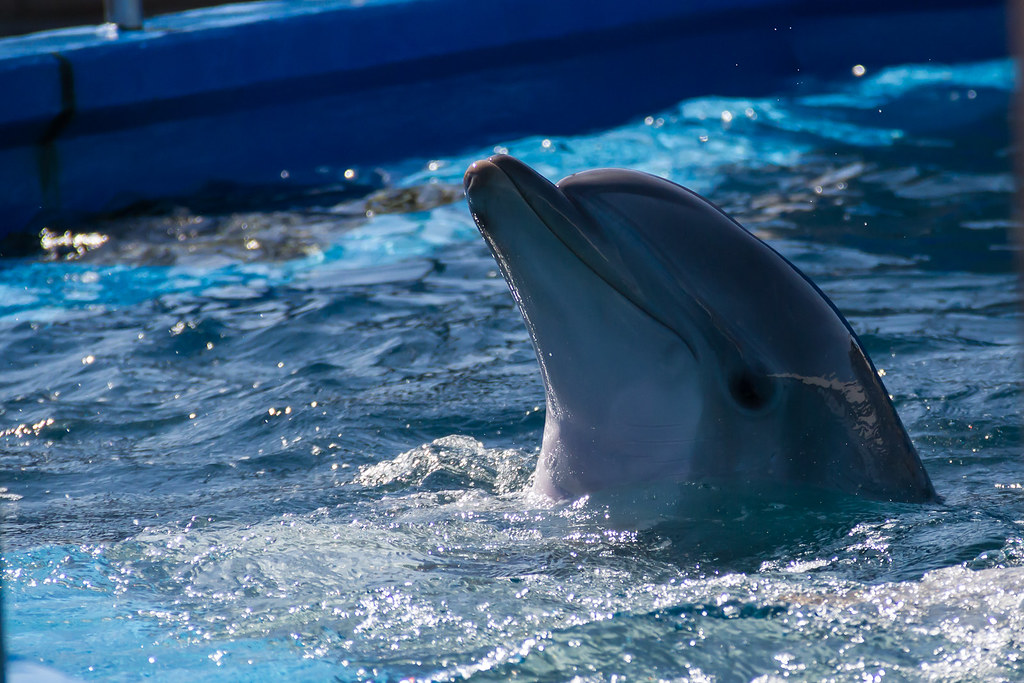
These eight documented cases paint a compelling picture of dolphins as oceanic protectors, but the question remains whether their actions stem from instinct, intelligence, or something deeper. Scientists note that dolphins can use echolocation to hear heartbeats and realize when a person is helpless, acting as they would with a mate. While some dismiss these stories as mere coincidence, the evidence suggests that dolphins are capable of altruistic behavior and may be more intelligent and empathetic than previously thought.
Whether driven by biological programming, learned behavior, or genuine compassion, these marine mammals continue to amaze us with their protective instincts. Each rescue adds another chapter to the extraordinary relationship between humans and dolphins, reminding us that we share our planet with creatures capable of remarkable acts of kindness. What do you think drives these incredible rescues? Tell us in the comments.

- 8 US States With the Most Horseshoe Crab Spawning Beaches - August 6, 2026
- What It Means When a Cardinal Taps at the Same Window Each Morning - August 6, 2026
- 10 Surprising Animals You Can Find Living in America’s Deserts and Arid Lands - August 6, 2026