

Most cat owners know their curious companions love to explore every corner of the house. That beautiful houseplant sitting on your windowsill might look harmless enough, yet it could be hiding a dangerous secret. are naturally drawn to greenery, and sometimes a simple nibble can turn into a medical emergency.
Understanding which plants pose real threats isn’t just helpful information. It’s genuinely life-saving knowledge every cat parent should have tucked away. Let’s explore some of the most common indoor and outdoor plants that can seriously harm your feline friend.
Lilies: The Silent Killer
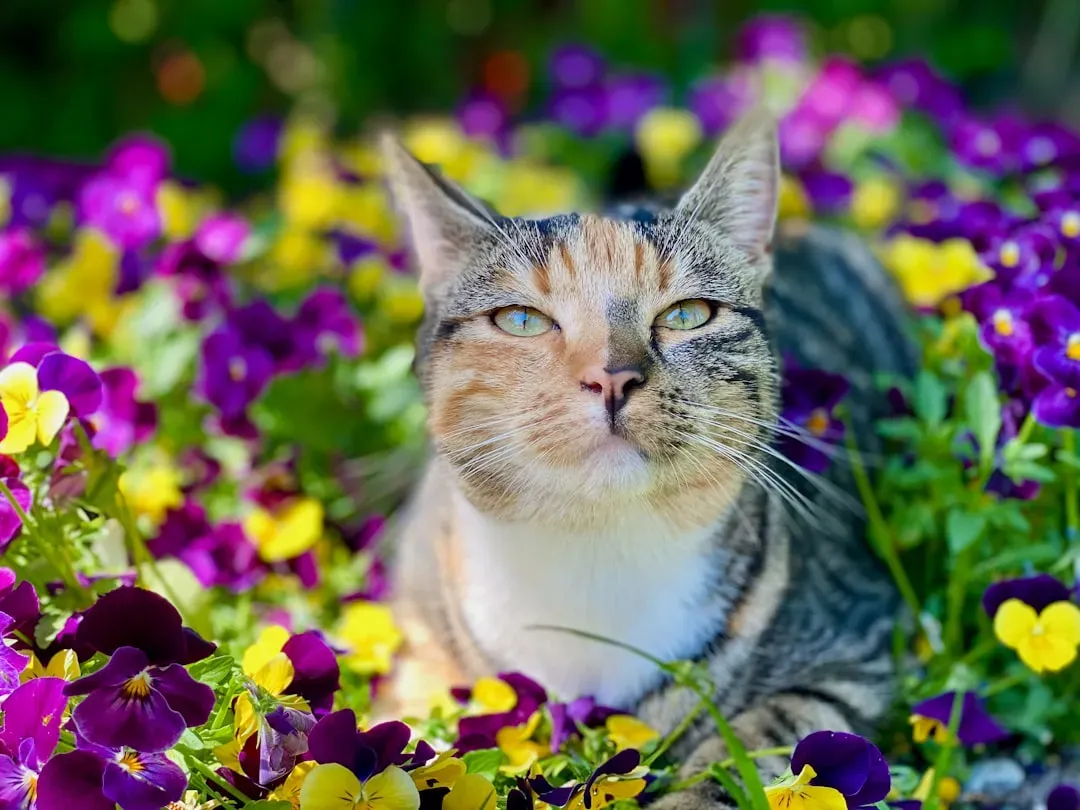
The entire lily plant is toxic: the stem, leaves, flowers, pollen, and even the water in a vase, with eating just a small amount of a leaf or flower petal, licking a few pollen grains off its fur while grooming, or drinking the water from the vase capable of causing your cat to develop fatal kidney failure in less than 3 days. Here’s something that really catches people off guard: even pollen that drifts onto your cat’s coat can become deadly during grooming.
Asiatic lilies, Easter lilies, Japanese show lilies, rubrum lilies, stargazer lilies, red lilies, tiger lilies, Western lilies, wood lilies, and daylilies are among the most dangerous to cats. The toxin itself remains a mystery to scientists, though its effects are devastatingly clear.
Early signs of lily toxicity in cats include decreased activity level, drooling, vomiting, and loss of appetite, with these symptoms starting 0 to 12 hours after ingestion. Signs of kidney damage start about 12 to 24 hours after ingestion and include increased urination and dehydration, with kidney failure occurring within 24 to 72 hours, leading to death if the cat isn’t treated.
What makes this particularly frightening is how quickly things can deteriorate. If treatment is delayed by 18 hours or more after ingestion, the cat will generally have irreversible kidney failure. Honestly, this is one plant that should never share a home with cats.
Sago Palm: A Deceptively Pretty Danger
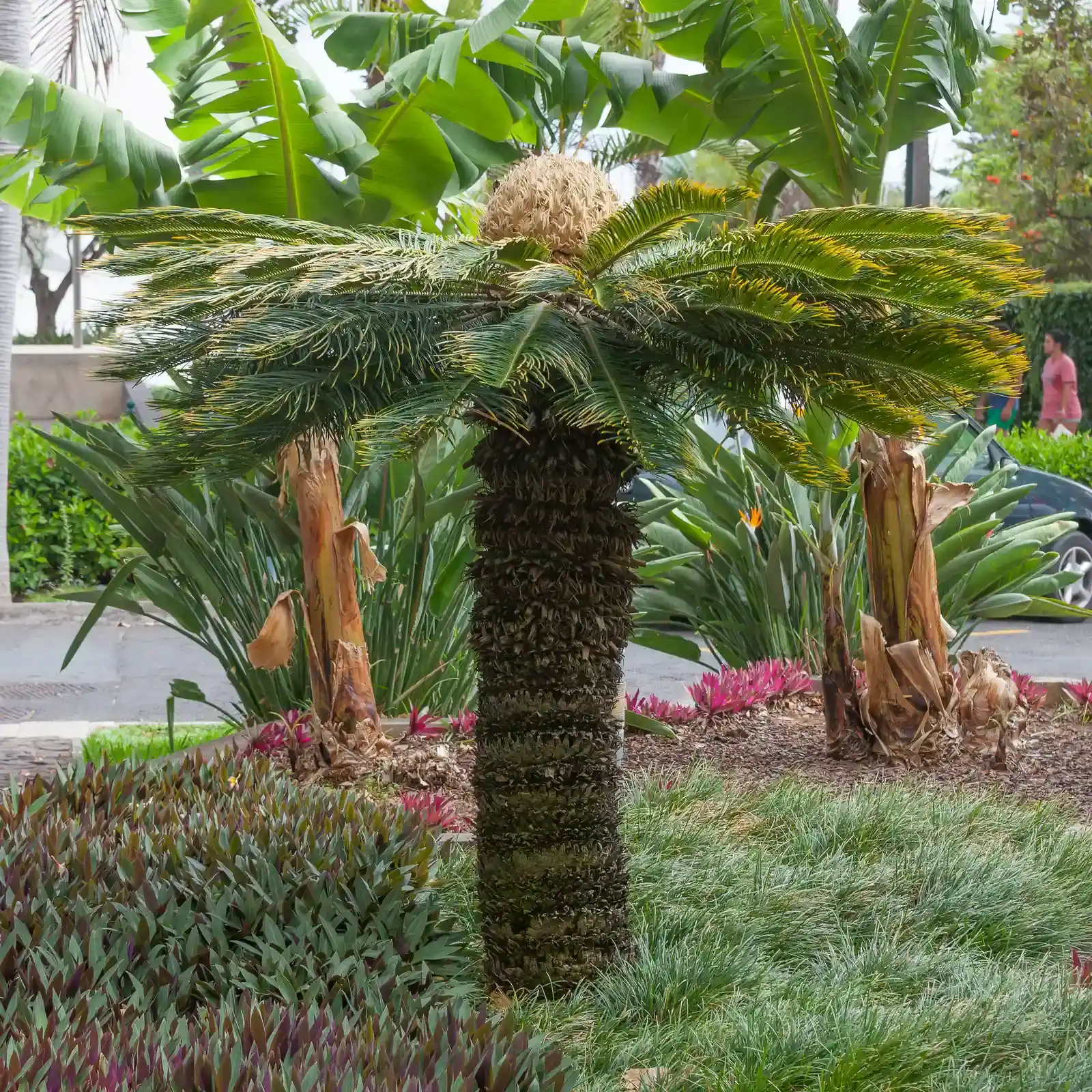
Sago palm (Cycas revoluta) is an extremely toxic plant to cats, with toxicity occurring more often in dogs, but can be seen in cats. These decorative plants have become increasingly popular in homes across the country, not just in tropical climates anymore.
All parts of the sago palm plant are poisonous, but the seeds (nuts) are the most toxic to pets, with ingestion of even a small amount of plant material causing serious effects. The sago palm contains the cyasin toxin, which after affecting the gastrointestinal tract and attacking the liver will lead to neurological disorders and abnormal bleeding/clotting.
The timeline of sago palm poisoning is particularly alarming. Clinical signs of sago palm toxicity will begin 15 minutes to several hours after ingestion, with central nervous system symptoms beginning within 4 hours after ingestion. Within 2 to 3 days of ingestion, your cat will be in severe liver failure.
Studies have shown that up to 50% of ingestion cases are fatal, however, chances of survival increase with early intervention. The survival rate really makes you think twice about keeping these plants anywhere near your pets.
Tulips and Daffodils: Spring Blooms With Hidden Threats
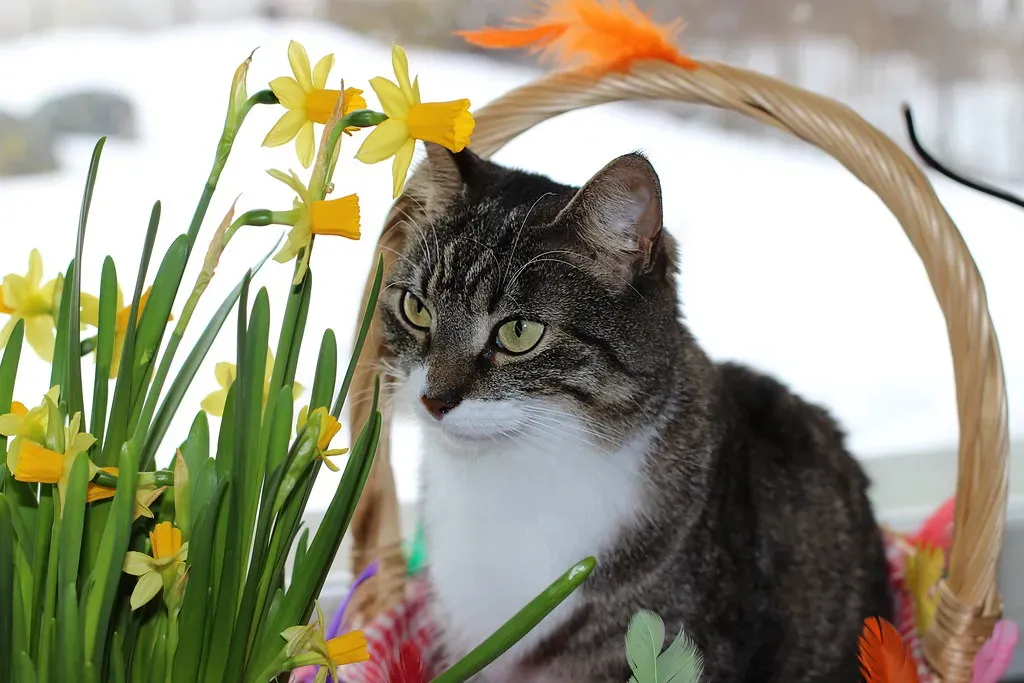
Spring flowers bring such joy to our homes, yet they can bring heartache too. Tulips contain the allergens tulipalin A and tulipalin B, and although all parts of the plant and flower contain these dangerous compounds, they are most concentrated in the bulbs.
Daffodils present an even more serious concern for cat owners. Daffodil bulbs contain crystals that are extremely toxic to cats if eaten. Both the flower petals and bulbs are poisonous if consumed, and even the water from the vase is toxic.
The symptoms can range from mild discomfort to genuine medical emergencies. Gastrointestinal upset is the most common symptom, leading to salivation, vomiting and diarrhea, but if your pet consumes a large amount of daffodils, symptoms can become more severe and include convulsions, low blood pressure, tremors and irregular heart rhythms.
Bulbs pose the biggest risk because they’re often exposed during planting or storage. Cats with access to gardens or potted bulbs might dig them up out of curiosity.
Sago Palm Relatives: Cycads and Zamias
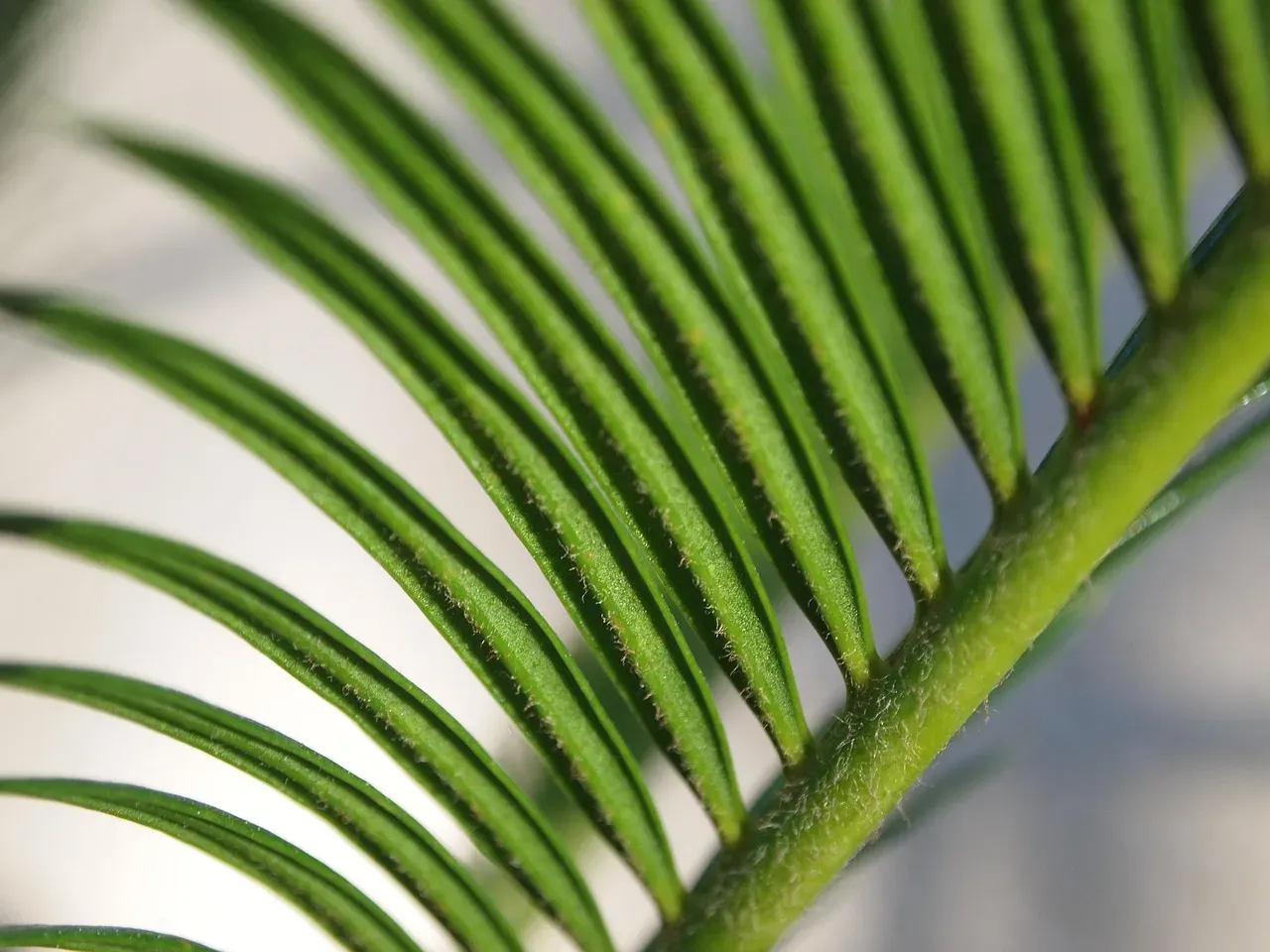
The sago palm (Cycas revoluta) is one of several cycads that are toxic to cats, with others including the Japanese cycad, coontie palm, cardboard palm, and zamia. These relatives share the same deadly characteristics.
Cardboard Palms, or Zamia furfuracea, are a close relative of the Sago Palm and are now popping up in gardening stores, carrying the same toxicity risks. Many people buy these plants without realizing they’re bringing home a potential hazard.
Sago palms contain several toxic compounds, including cycasin, with all parts of the plant toxic, but particularly the seeds or nuts. The bright colors and interesting textures of these plants naturally attract curious cats.
Garden centers rarely label these plants with adequate warnings. Even though this danger is well known amongst most growers and retailers that sell sago palms, they don’t label them as dangerous or toxic to pets. It really makes you wonder about the responsibility retailers have to pet owners.
Dieffenbachia: The Painful Mouth Irritant
This common houseplant contains insoluble calcium oxalate crystals, which cause oral irritation. The plant goes by several names including dumb cane, charming dieffenbachia, and spotted dumb cane.
If cats take a bite, they could experience oral irritation, intense burning of the mouth, tongue and lips, excessive drooling, vomiting, and difficulty swallowing, and in extreme cases, they may even have respiratory issues. The immediate pain from these needle-like crystals often prevents cats from consuming large amounts.
Although it’s generally not deadly, exposure to this plant can be extremely painful , so these plants should not be kept in homes with cats. Think of it like touching a cactus with your tongue – the pain is immediate and intense.
Still, respiratory complications can develop in severe cases. The swelling in the mouth and throat can become dangerous if enough plant material is consumed.
Aloe Vera: Not So Healing
While aloe vera is often praised for its healing properties, it’s not safe , and although the gel is considered edible, ingesting the thick plant part can cause gastro upset like vomiting and diarrhea along with lethargy. It’s ironic how something so beneficial for humans can harm our pets.
This common houseplant contains the compound saponins and therefore can be toxic to your cat if ingested. The thick, fleshy leaves that hold the medicinal gel also contain these harmful substances in the outer layers.
Many people keep aloe plants specifically for treating minor burns and skin irritations. They might not realize the same plant sitting on their kitchen counter poses risks to their cat. The bitter taste usually deters cats from eating large quantities, thankfully.
Autumn Crocus: The Autumn Threat
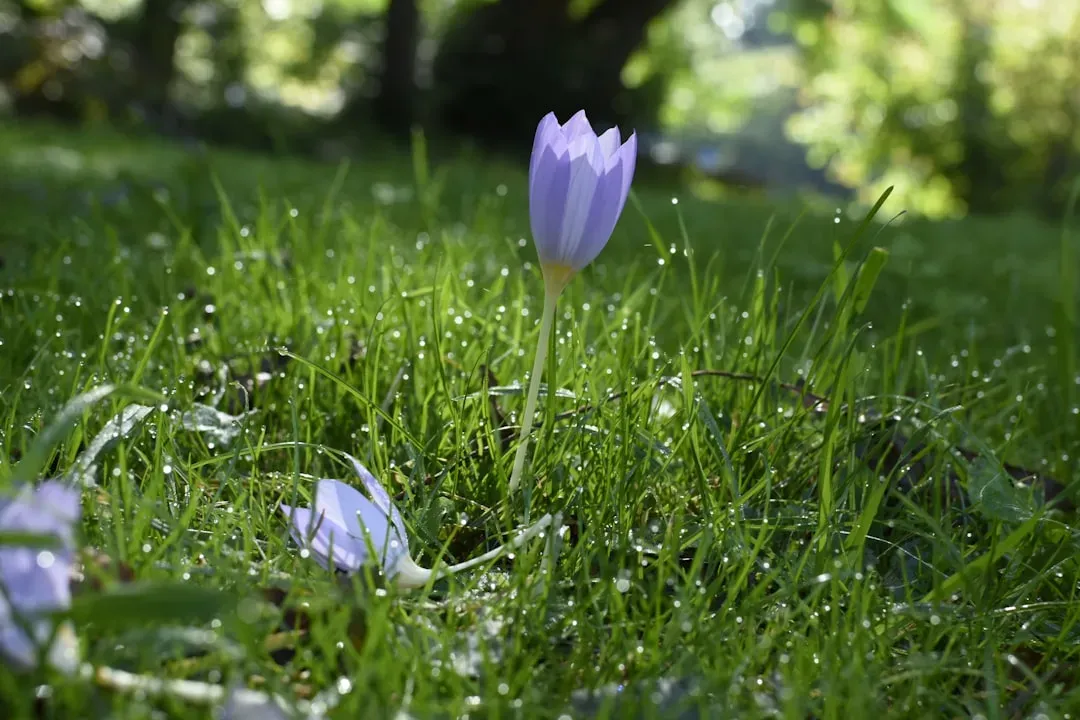
The autumn crocus (Colchicum autumnale), also known as meadow saffron or naked lady, is a common ornamental flowering plant that blooms in the fall, and while also poisonous to dogs and horses, the plant is especially toxic to cats because of its alkaloid colchicine content.
This alkaloid disrupts cell division at a fundamental level. The effects can be widespread throughout the body because colchicine interferes with basic cellular processes. Symptoms can appear quite severe even from small amounts.
The autumn crocus shouldn’t be confused with spring crocus, which is far less toxic. However, the autumn variety can cause multi-organ damage and poses serious risks to cats who come into contact with it. Gardens featuring these fall bloomers need careful monitoring if cats roam outside.
Azaleas and Rhododendrons: Beautiful But Brutal
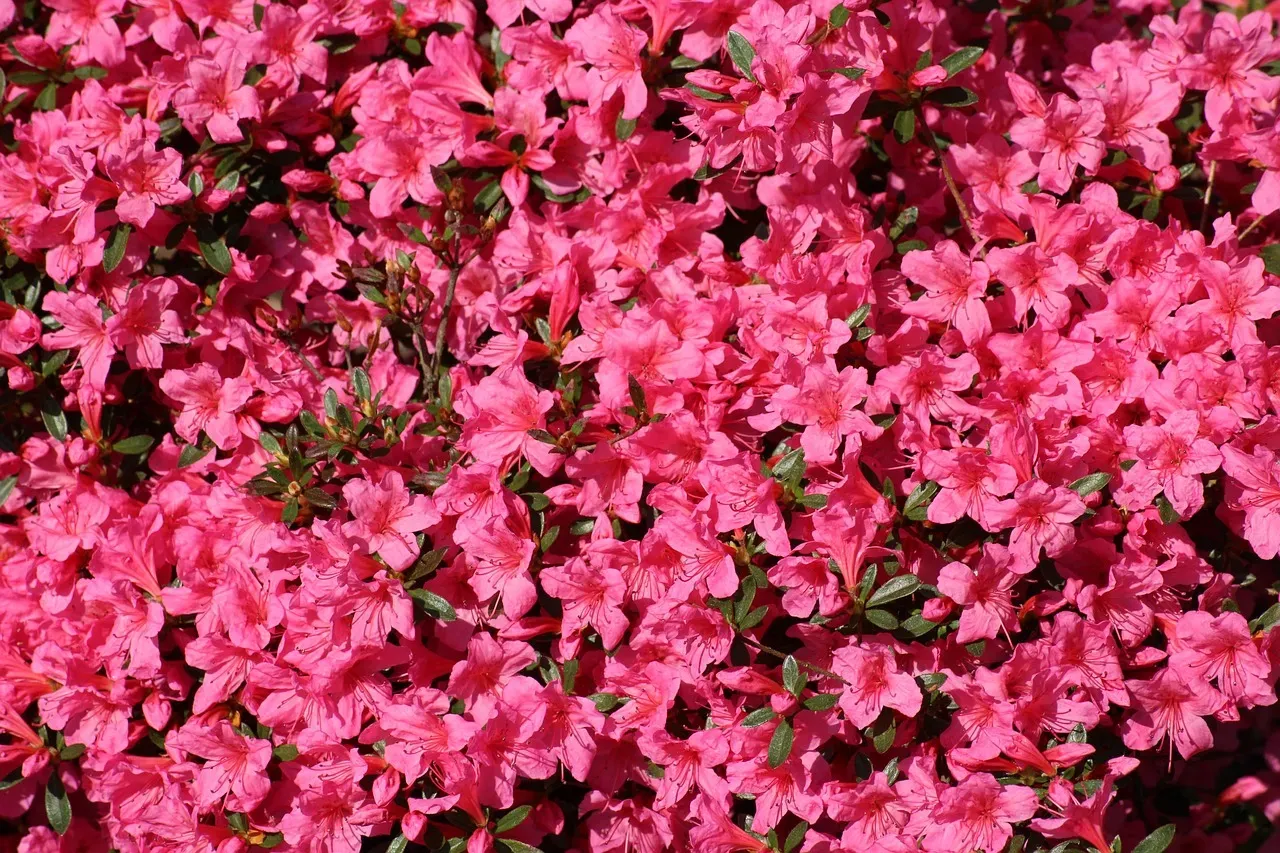
Common toxic plants include sago palms, lilies, azaleas and tulips. Azaleas and rhododendrons belong to the same plant family and share toxic properties that affect cats.
These flowering shrubs are incredibly popular in landscaping because of their stunning blooms and hardy nature. They grow prolifically in many climates, making them a common outdoor hazard. Every part of the plant contains toxins called grayanotoxins.
Cats who nibble on these plants can experience serious gastrointestinal and cardiovascular symptoms. Vomiting and diarrhea typically appear first, followed by potential heart rhythm abnormalities. The toxins affect sodium channels in cell membranes, which disrupts normal cellular function.
Outdoor cats face particular risk from these ubiquitous garden plants. Even fallen leaves and flowers retain their toxicity, so cats might ingest them accidentally while grooming or playing outdoors.
Conclusion: Protecting Your Feline Friend
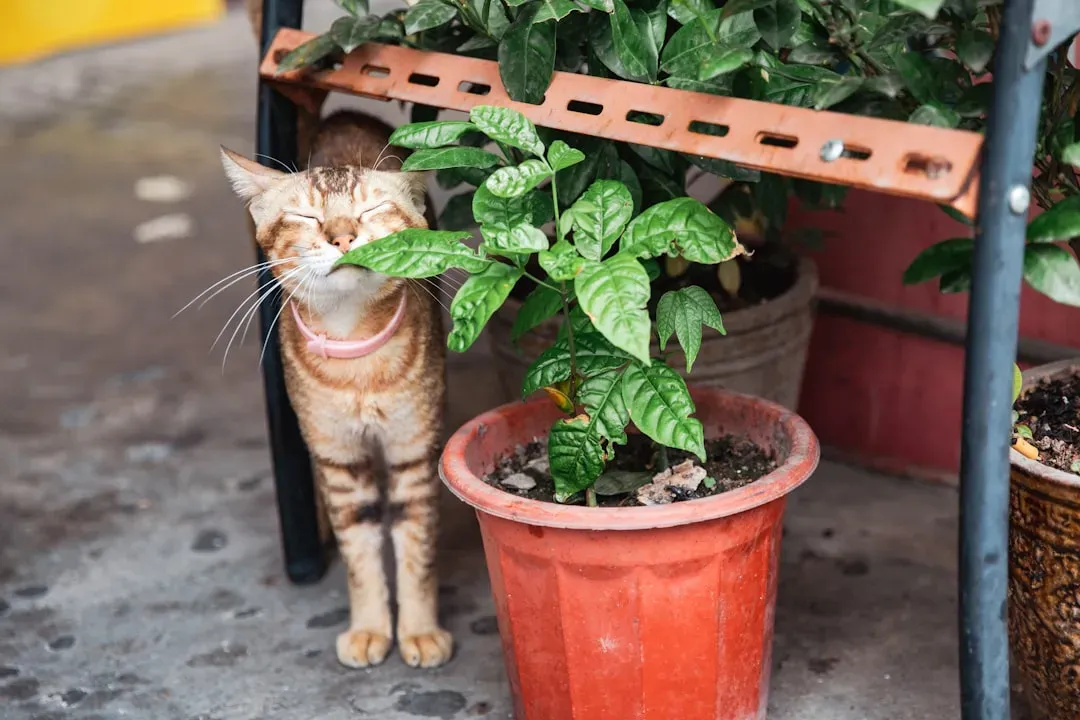
Curious cats may nibble on leaves or flowers, exposing themselves to toxic substances that can cause mild irritation, severe health issues, or even death, and the toxicity of a plant can vary widely; some may only cause mild gastrointestinal upset, while others can lead to more serious conditions such as kidney failure, heart problems, or neurological disorders.
Creating a safe environment means researching every plant before bringing it home. Research plants before bringing them into your home, opt for cat-safe alternatives and keep toxic plants out of reach if you choose to have them. Spider plants, Boston ferns, and bamboo palms offer beautiful greenery without the risks.
If you suspect your cat has ingested any toxic plant, time matters enormously. Contact your veterinarian or pet poison helpline immediately – even if symptoms haven’t appeared yet. The faster treatment begins, the better your cat’s chances of full recovery.
What plants do you have in your home right now? Have you checked whether they’re safe for your curious companion? Share your experiences in the comments below.

- 12 Common Mistakes Pet Owners Make That Can Harm Their Beloved Animals - July 19, 2026
- Why Mangroves Are Vital to Florida’s Coast - July 19, 2026
- How Did Reindeer Become a Symbol of Christmas? - July 19, 2026