
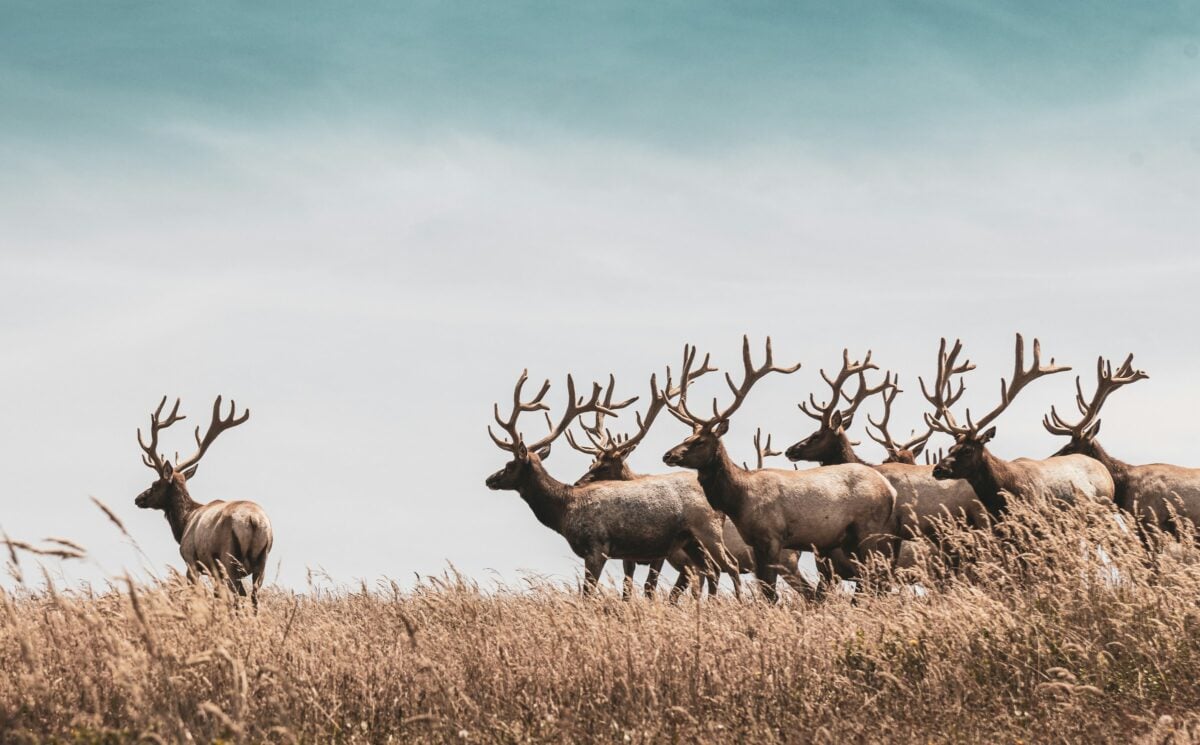
Most people picture elk against a Rocky Mountain backdrop, bugling over a high meadow in September. Yet a fair number of these animals now live in places where you’d never expect them, like the hills of Kentucky and the ridges of Pennsylvania. A century or more ago, they had vanished from much of the East and Midwest.
Market hunting and habitat loss wiped them out across large areas, and for decades the idea of hearing an elk in Appalachia sounded far fetched. Then wildlife agencies started trucking animals in from the West and Canada. Some of these projects fizzled, though several grew into real success stories, and here are eight worth knowing about.
Kentucky: The Eastern Giant
🔥 Would you like to save this?
We'll email this post to you, so you can come back to it later!
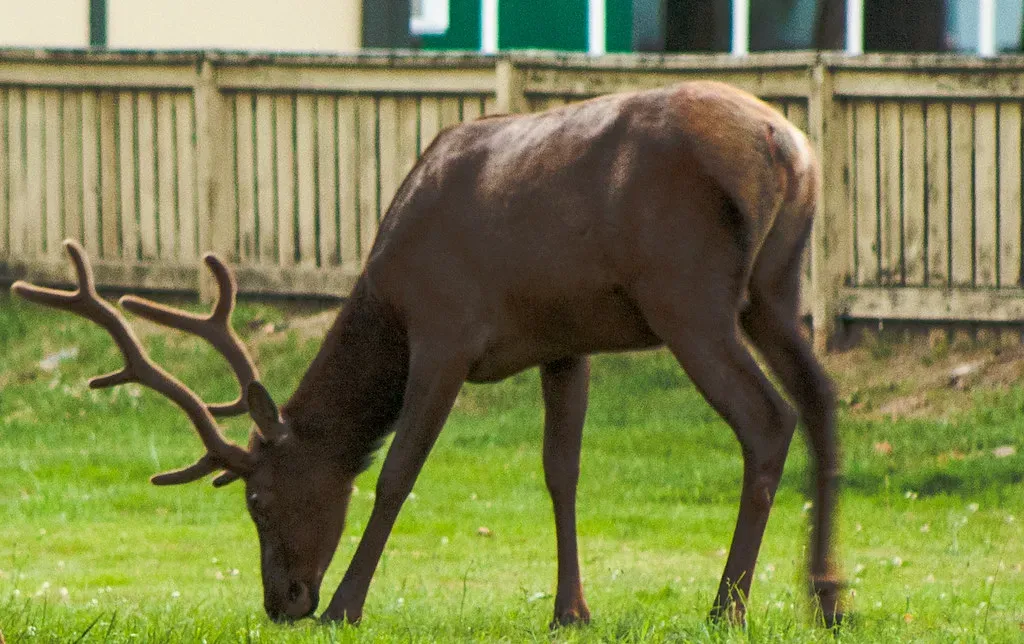
Kentucky’s restoration is the one most often held up as the model. Releases began in 1997, and over the next several years well over a thousand elk were brought in from western states. They were set loose on reclaimed coal country in the eastern part of the state, land that had been stripped and then replanted with grasses.
The herd took off. It’s now widely described as the largest elk population east of the Mississippi River, numbering in the many thousands. Kentucky even holds a managed elk hunt, which says a lot about how stable the population has become.
Pennsylvania: A Century of Staying Power
🔥 Would you like to save this?
We'll email this post to you, so you can come back to it later!
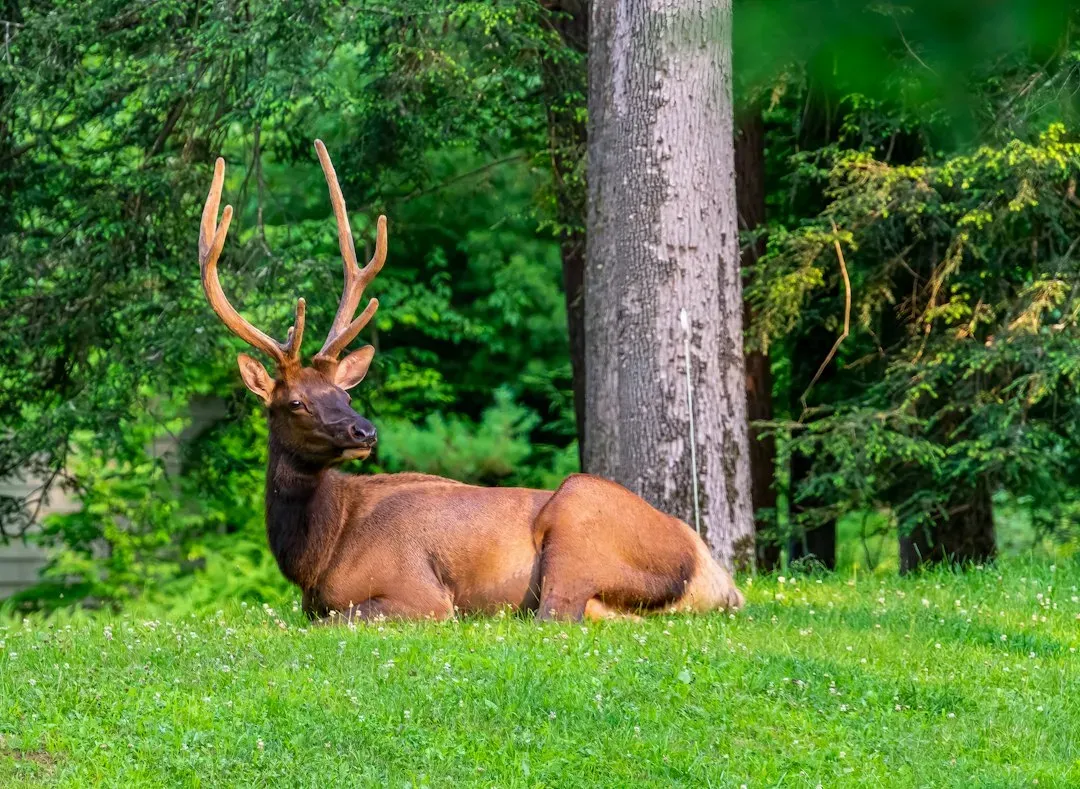
Pennsylvania’s story goes back further than most. The native eastern elk had disappeared by the late 1800s, and between 1913 and 1926 the Pennsylvania Game Commission released animals shipped from the West, with many originating in Yellowstone country. Not every release took, but a core group hung on in the north central part of the state.
Today the herd numbers well over a thousand animals. The village of Benezette has turned into an informal elk capital, with a visitor center and crowds who show up each fall for the rut. It’s a nice example of a project that took generations to pay off.
Wisconsin: Small Starts, Steady Growth
🔥 Would you like to save this?
We'll email this post to you, so you can come back to it later!
Wisconsin brought elk back in 1995 near Clam Lake in the northern forests. The founding group was just 25 animals, transferred from Michigan. That’s a tiny number, and for a while nobody was sure the herd would hold.
It did, and it eventually grew large enough to support a limited hunting season. Later, a second herd was started in the Black River Falls area using elk from Kentucky. Two separate populations give the state some insurance if disease or hard winters hit one of them.
Michigan: Seven Elk and a Long Shadow
🔥 Would you like to save this?
We'll email this post to you, so you can come back to it later!
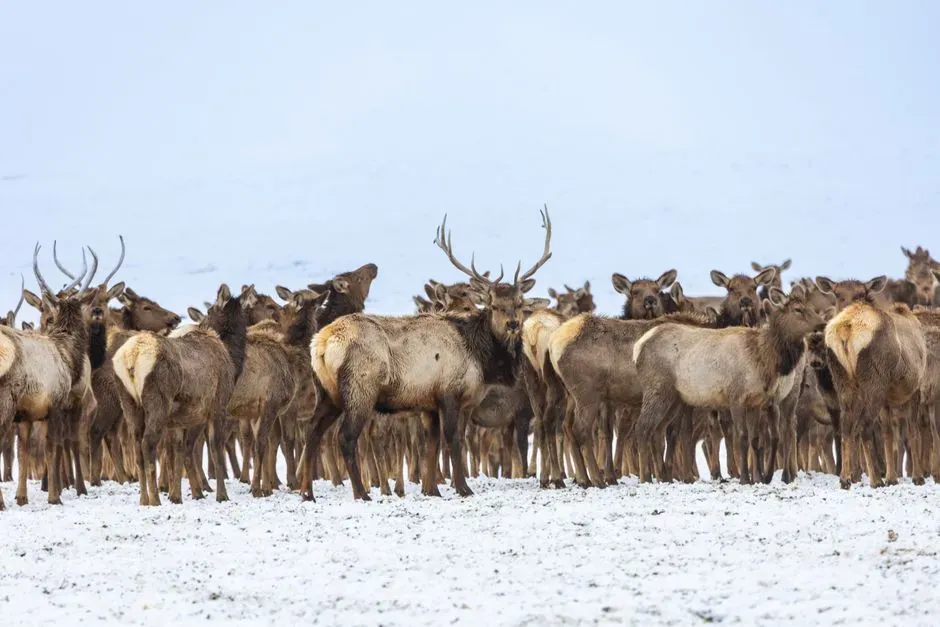
Michigan’s modern herd traces back to 1918, when a small group of seven elk from the West was released in the northern Lower Peninsula. Seven animals! The odds looked poor, and the early decades were rough, with poaching and crop damage complaints.
Careful management changed things over time. The population now sits at roughly a thousand animals or somewhat more, centered around Pigeon River Country State Forest. Visitors can watch them there, particularly in the fall.

Air Purifiers for Home Pets Large Room Up to 3000 Ft²,HEPA Air Cleaner with Washable Double-Side Filter, PM2.5 Air Quality Monitor,15dB Sleep Mode for Bedroom Odor Dust Pollen,White
Check Price on AmazonAs an Amazon Associate, we earn from qualifying purchases.
10/8/2026 8:23 am GMTi

Glass Hummingbird Feeder for Outdoors Hanging, 16 oz Leak-Proof Nectar Feeder with Bee Guards & Ant Moat
Check Price on AmazonAs an Amazon Associate, we earn from qualifying purchases.
10/7/2026 1:22 pm GMTi

Glass Hummingbird Feeder for Outdoors Hanging
Check Price on AmazonAs an Amazon Associate, we earn from qualifying purchases.
10/7/2026 1:21 pm GMTi

Hand Blown Glass Hummingbird Feeders for Outdoors Hanging, 24oz Wild Bird Nectar Feeder
Check Price on AmazonAs an Amazon Associate, we earn from qualifying purchases.
10/7/2026 1:23 pm GMTi

Earth Rated XL Dog & Puppy Pee Pads, Discreet Top, Max Absorbency
Check Price on AmazonAs an Amazon Associate, we earn from qualifying purchases.
10/7/2026 1:28 pm GMTi
Tennessee: Elk Return to the Cumberlands
🔥 Would you like to save this?
We'll email this post to you, so you can come back to it later!
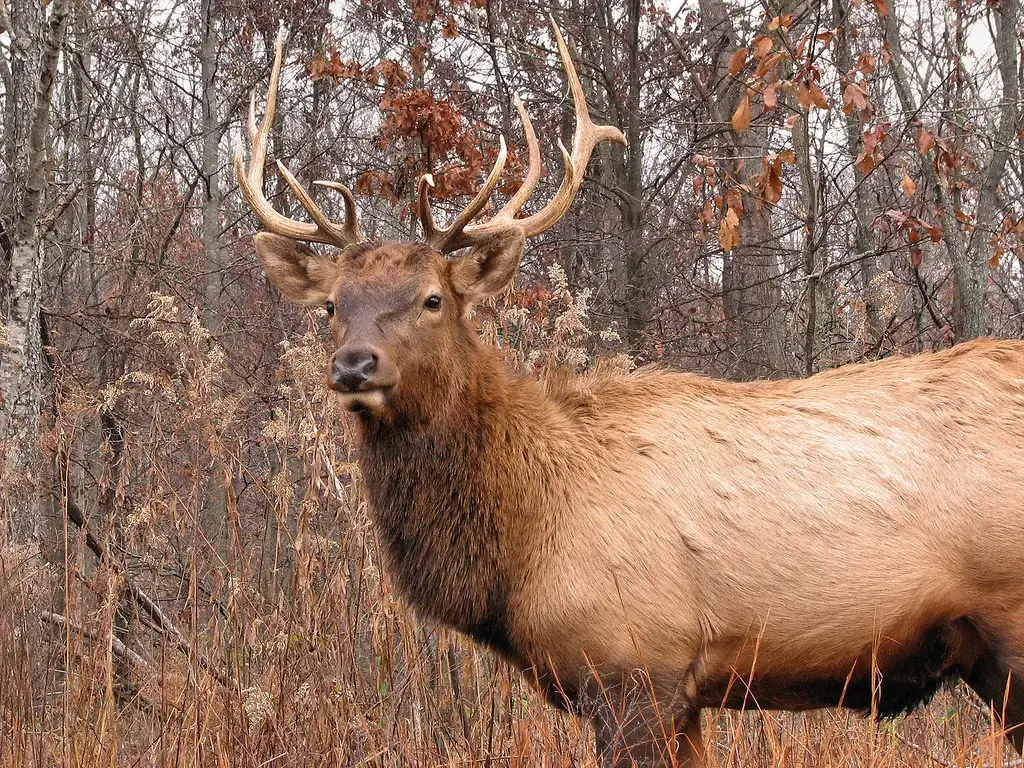
Tennessee started restoring elk in the early 2000s on the North Cumberland Wildlife Management Area. The animals came largely from Elk Island National Park in Alberta, Canada, and they were released onto former mining lands. Quarantine and health testing were part of the process because of disease concerns.
The herd established itself and grew into a population large enough to support managed hunting in the region. Progress wasn’t flawless, as elk wander onto private land and agencies have had to work through landowner concerns. Still, the broader picture has been one of a species finding its footing again.
Arkansas: The Buffalo River Herd
🔥 Would you like to save this?
We'll email this post to you, so you can come back to it later!
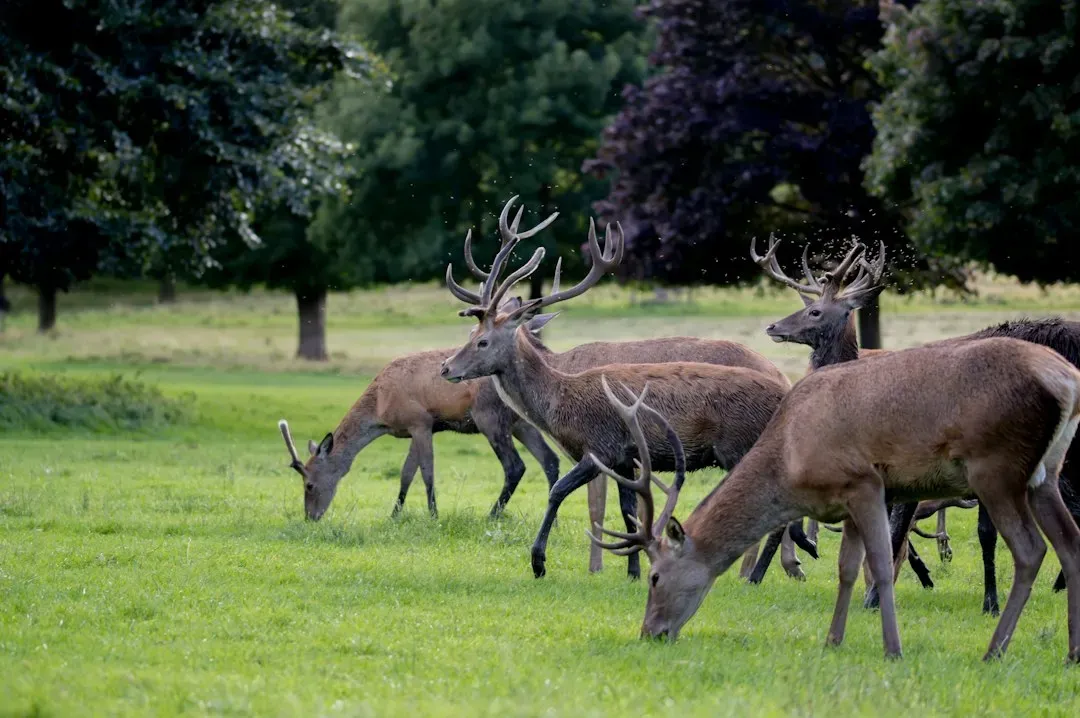
Arkansas was one of the early movers. Between 1981 and 1985, wildlife officials released over a hundred elk from Colorado along the Buffalo National River in the Ozarks. At the time, few states east of the Plains had tried anything similar.
The herd has grown to several hundred animals and become part of the area’s identity. Elk viewing around Boxley Valley is a seasonal draw for travelers. Managers also keep a close eye on herd size and habitat, since the Ozarks can only support so many animals.
Missouri: A Newer Experiment in the Ozarks
🔥 Would you like to save this?
We'll email this post to you, so you can come back to it later!
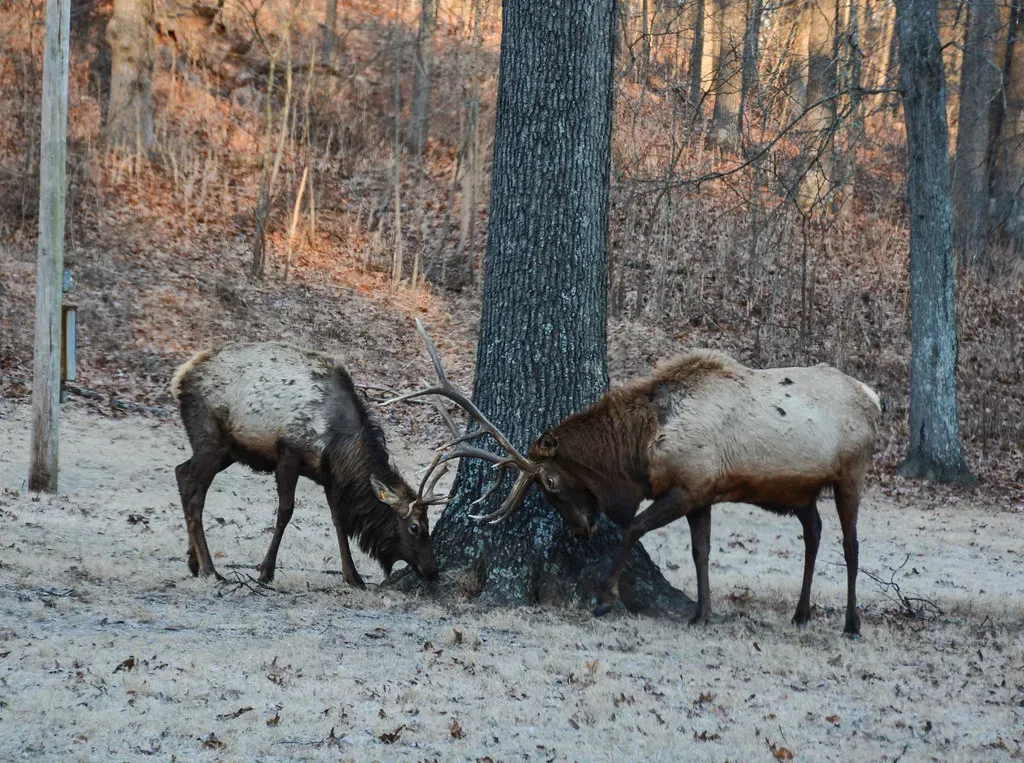
Missouri’s effort is much younger. Beginning in 2011, elk from Kentucky were brought to the Peck Ranch Conservation Area in the southeastern Ozarks. Additional batches followed in the next couple of years, giving the state a founding group of just over a hundred animals.
The herd has stayed in the zone of its release, which is a good sign for managers hoping to avoid conflicts with farmers. Numbers are modest compared with Kentucky, and it’s too soon to call this a finished story. Even so, the early results look encouraging.

PetSafe Oasys Pet Fountain, 1/2 Gallon (64 oz), Small Dogs & Cats
Check Price on AmazonAs an Amazon Associate, we earn from qualifying purchases.
10/8/2026 8:14 am GMTi

Orthopedic Extra Large Dog Bed, Waterproof Washable XL Pet Bed 44"
Check Price on AmazonAs an Amazon Associate, we earn from qualifying purchases.
10/7/2026 1:32 pm GMTi

Professional 7 in 1 Dog Paw Cleaner for Dogs & Cats - Includes 1 Portable Paw Washer, 1 Bath Brush
Check Price on AmazonAs an Amazon Associate, we earn from qualifying purchases.
10/7/2026 1:26 pm GMTi

Halloween Cat Costume Cloak Witch Hat Pet Accessories
Check Price on AmazonAs an Amazon Associate, we earn from qualifying purchases.
10/9/2026 2:44 pm GMTi

Halloween Dog Collar with Bow, Orange Cute Ghost Collar,
Check Price on AmazonAs an Amazon Associate, we earn from qualifying purchases.
10/9/2026 2:43 pm GMTi
North Carolina: Elk in the Great Smoky Mountains
🔥 Would you like to save this?
We'll email this post to you, so you can come back to it later!
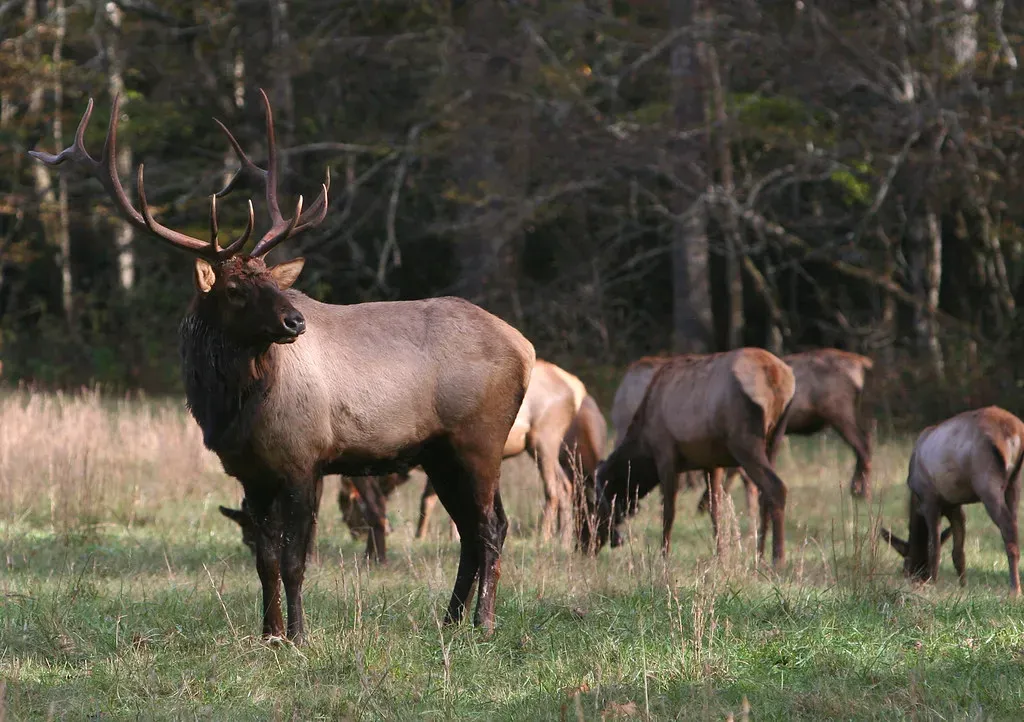
In 2001 and 2002, the National Park Service released a total of 52 elk into the Cataloochee Valley, on the North Carolina side of Great Smoky Mountains National Park. They were first treated as an experiment, since elk had been gone from the southern Appalachians for roughly two centuries. Early losses were real, as some young animals died during the first year or two.
Eventually the herd stabilized and began to reproduce on its own. Visitors now line up at dusk in Cataloochee to watch elk grazing the fields, which has made the valley a highlight of the park. It’s a smaller success than Kentucky’s, but a meaningful one in a place with limited open habitat.

Dog Stairs for Bed 18" H, 4-Step Dog Steps for High Bed
Check Price on AmazonAs an Amazon Associate, we earn from qualifying purchases.
10/9/2026 2:42 pm GMTi

Smart Bird Feeder with Camera Solar Powered, 2K HD Live Video, 10,000+ Bird Species AI Identification
Check Price on AmazonAs an Amazon Associate, we earn from qualifying purchases.
10/7/2026 1:22 pm GMTi

2 Pcs Halloween Pet Hat Bandana Set, Witch Pumpkin Costumes for Dogs
Check Price on AmazonAs an Amazon Associate, we earn from qualifying purchases.
10/9/2026 2:45 pm GMTi

Portable Dog Water Bottle Foldable Dog Travel Water Bottle
Check Price on AmazonAs an Amazon Associate, we earn from qualifying purchases.
10/7/2026 1:29 pm GMTi
Final Thoughts
🔥 Would you like to save this?
We'll email this post to you, so you can come back to it later!
My take is that these programs deserve more credit than they get. We tend to talk about wildlife recovery as something that happens out West, yet some of the most striking comebacks have taken place in old coal country and worn out farmland. They also show that patience matters, since Pennsylvania and Michigan needed decades to get this right.
I’d argue the real lesson is that restoration works best when it’s boring: careful health screening, enough animals, and habitat that can actually hold them. Elk can’t fix everything, and they do create friction with farmers, so the work doesn’t end after release day. Still, hearing a bugle echo through an eastern hollow is proof that second chances for wildlife are sometimes worth the effort.
