

You’ve seen it before. Your dog suddenly loses interest in food, starts pacing around the house, or makes that dreaded sound right before they vomit on your favorite rug. Stomach upset in dogs is incredibly common, ranking among the top reasons pet owners rush to the vet. Sometimes the cause is obvious, like when your pup raids the trash can or wolfs down something suspicious during a walk.
Yet other times, the trigger isn’t nearly as clear. Sure, we all know that chocolate and spoiled food can wreak havoc on a dog’s digestive system. Those are the usual suspects. What catches many dog owners off guard are the unexpected, seemingly harmless things that can actually upset their furry friend’s stomach. Let’s dive into eight surprising triggers that might be causing your dog’s tummy troubles.
Sudden Exercise After Eating
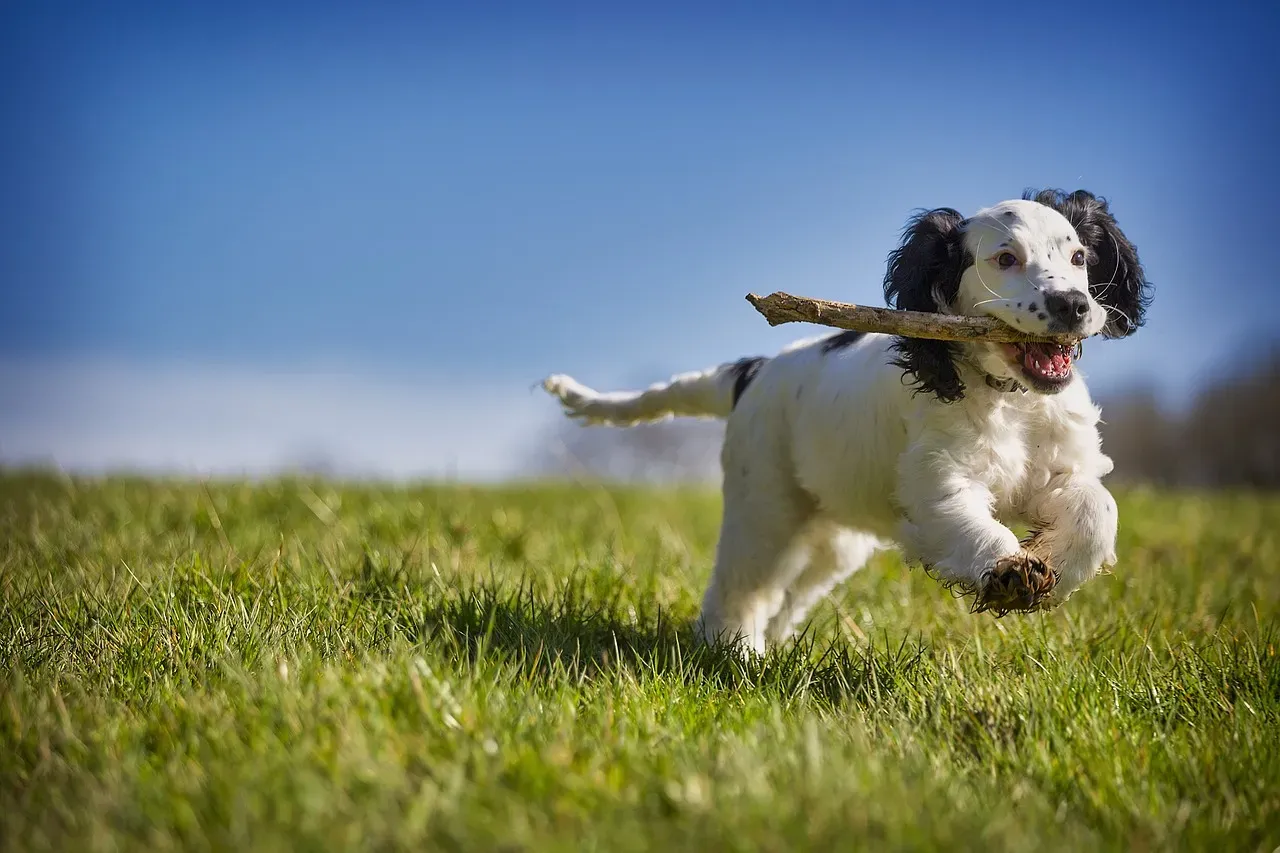
Dogs that eat too fast and then go outside and run around are setting themselves up for digestive distress. Think about how you feel after a big meal when you immediately start running. Your stomach churns, right? The same goes for dogs, except the consequences can be far more serious than just feeling uncomfortable.
Stress may trigger an acute episode of bloat, particularly when combined with risk factors like once daily feedings, dry food diet, and eating quickly. This is especially dangerous in larger, deep-chested breeds where vigorous activity after eating can contribute to a life-threatening condition. Let your dog rest for at least an hour after meals before engaging in any intense play or exercise.
Drinking Large Amounts of Water Too Quickly
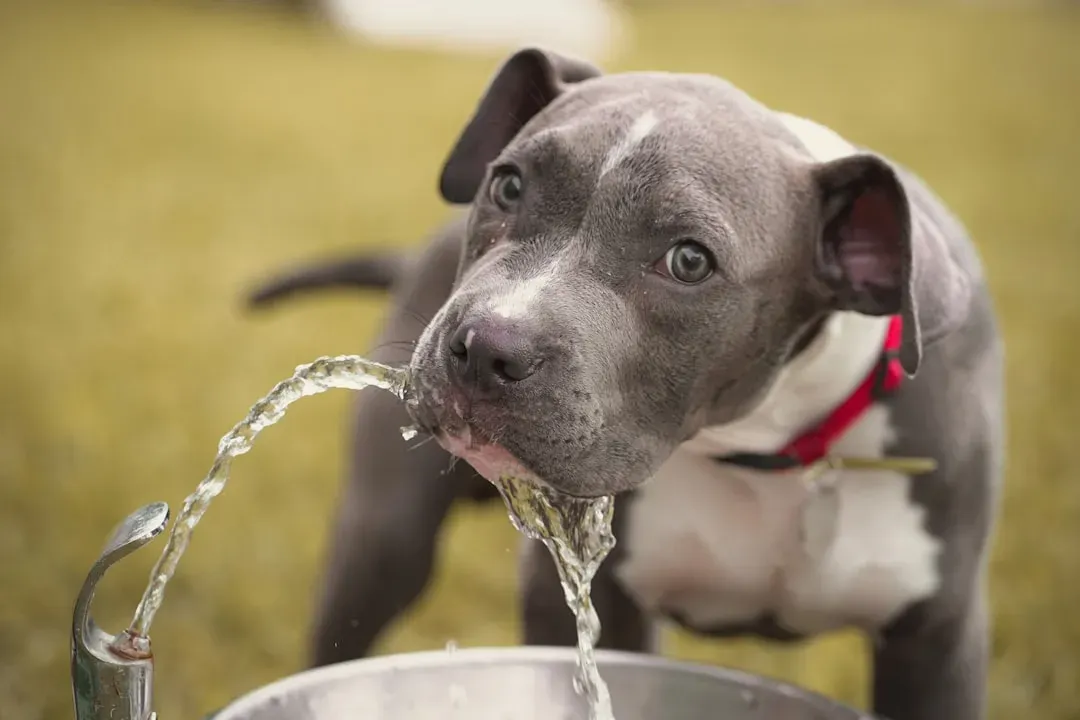
After a long walk or vigorous play session, your dog might rush to their water bowl and gulp down what seems like half the contents. While hydration is essential, the way they drink can cause problems. Consumption of large volumes of water after exercise should be avoided to limit distention of the stomach.
The stomach can become uncomfortably stretched and bloated when dogs drink too much too fast. Instead of leaving a full bowl out after intense activity, offer smaller amounts of water at intervals. This simple change allows your dog to rehydrate without overwhelming their digestive system.
Environmental Stress and Anxiety
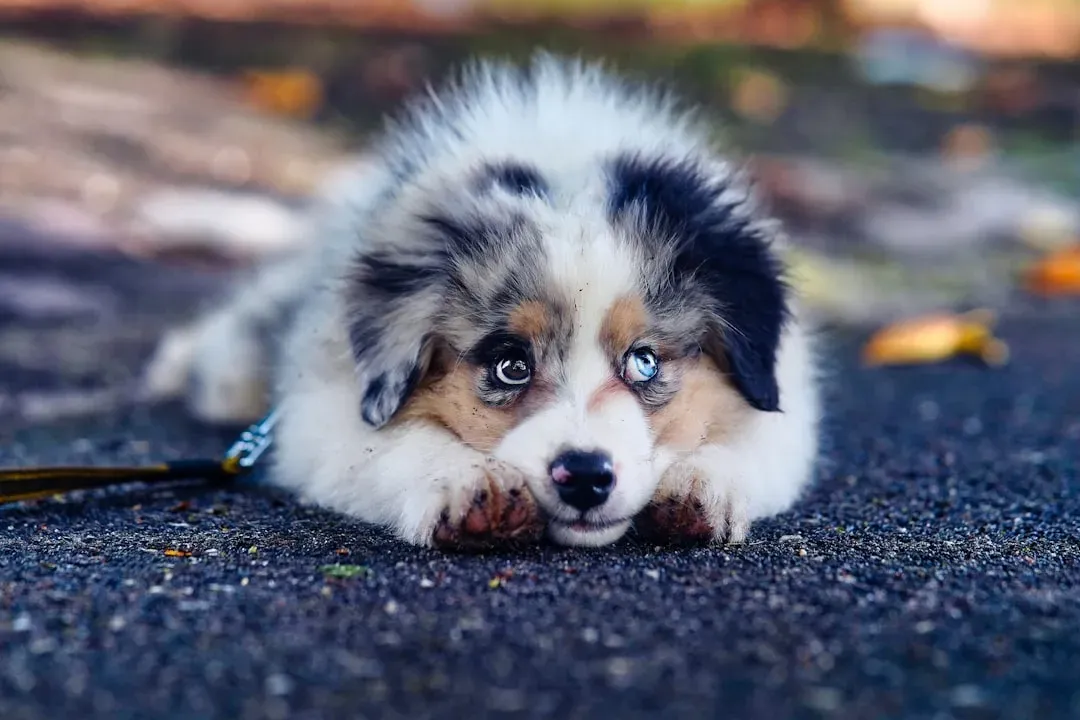
Sudden changes in routine, travel, boarding, new environments, or loud noises can trigger GI upset. Your dog’s gut is surprisingly connected to their emotional state. Just like humans can develop nervous stomachs before big events, dogs experience similar reactions to stress.
Stress can cause dogs to have stomach upset and is one of the most common causes of diarrhea during travel, boarding, or significant lifestyle changes. Moving to a new home, getting a new family member, or even rearranging furniture can sometimes be enough to trigger digestive issues in particularly sensitive dogs. The gut-brain connection in canines is remarkably strong, making anxiety a legitimate physical threat to their digestive health.
Medication Side Effects
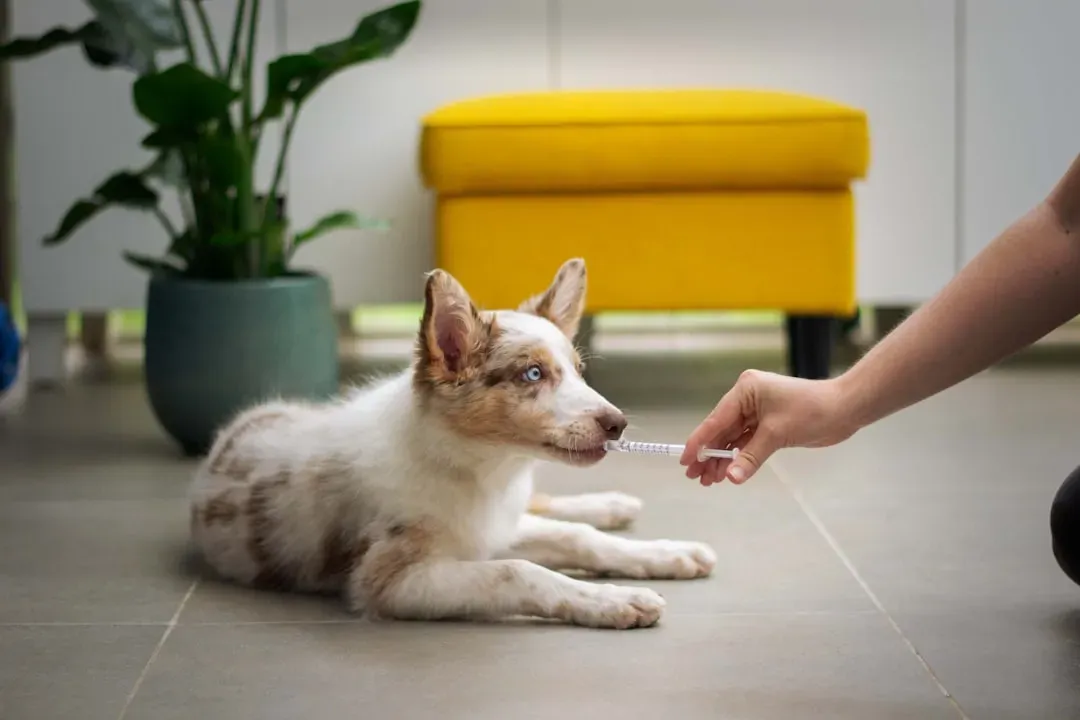
Some medications prescribed for other conditions can irritate a dog’s stomach lining or disrupt gut bacteria balance. You might be giving your dog medication to help with one problem, not realizing it’s creating another. Pain relievers, antibiotics, and various other drugs can all potentially cause gastrointestinal upset as an unfortunate side effect.
Even when medications are necessary and prescribed by your veterinarian, they can still impact the delicate bacterial balance in your dog’s gut. This disruption sometimes manifests as vomiting, diarrhea, or loss of appetite. Always monitor your dog closely when starting any new medication and report concerning symptoms to your vet right away.
Abrupt Diet Changes
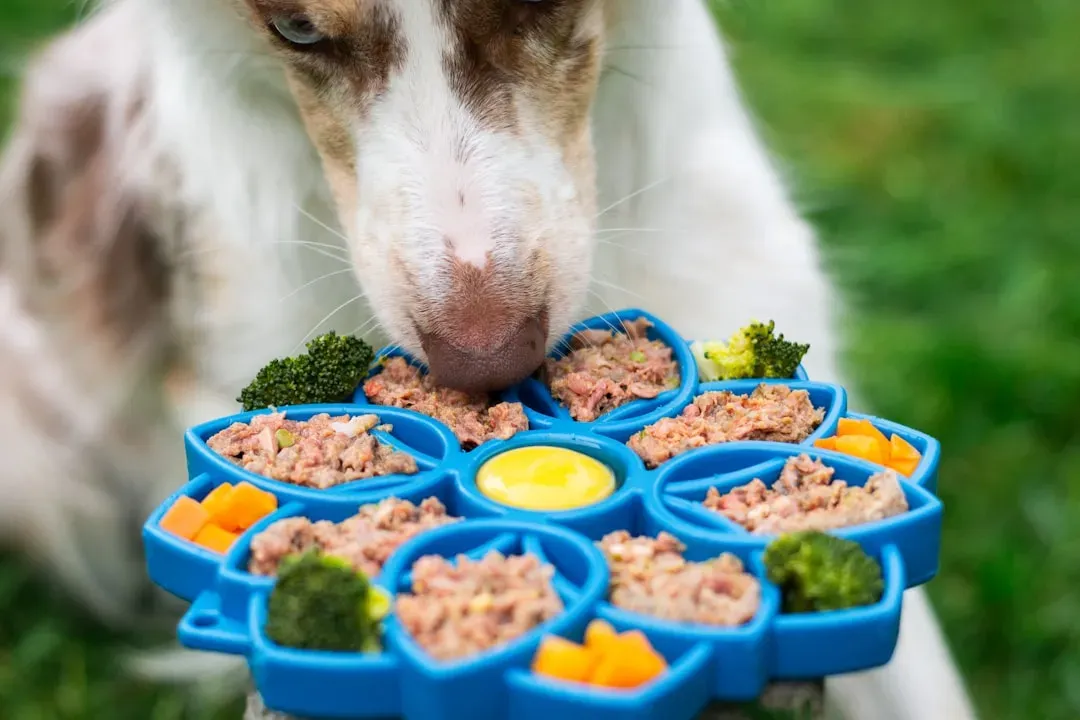
Switching a dog’s food too quickly can trigger digestive distress, as dogs need time to adjust to new foods through a gradual transition over seven to ten days. You might think you’re doing something good by upgrading to a premium dog food, but if you make the switch overnight, you could cause more harm than good.
Digestive problems can occur during a food change, even when changing to a healthy food, which is why all food changes should be done slowly over one to two weeks to allow the body time to adjust. Dogs’ digestive systems develop specific enzymes and bacterial populations tailored to their regular diet. When you suddenly introduce completely different ingredients, their gut simply isn’t prepared to handle the change properly. Start by mixing a small amount of new food with the old, gradually increasing the proportion over several days.
Motion Sickness from Car Rides
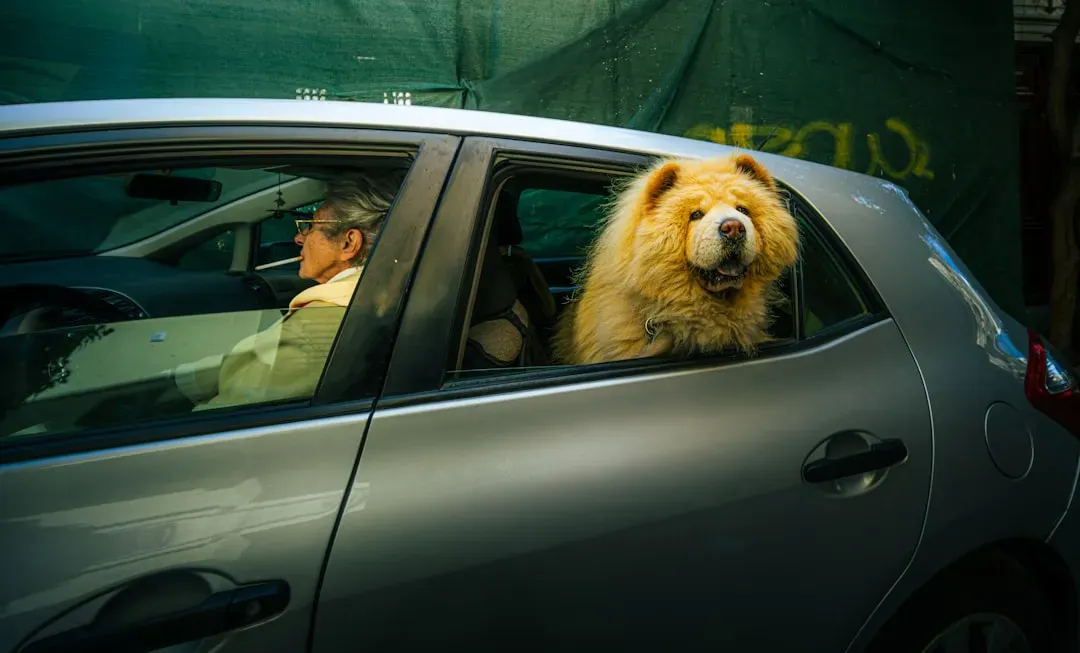
Riding in the car can cause motion sickness and nausea in some dogs. You might not associate car rides with stomach problems, but many dogs experience genuine motion sickness just like humans do. Dogs can get motion sick from unfamiliar motions if they’re not used to traveling in a car or being rocked.
Puppies are particularly prone to this issue, though some dogs never quite outgrow it. The constant movement and visual stimulation can throw off their inner ear balance, leading to nausea, drooling, vomiting, and general discomfort. If your dog consistently gets sick during car trips, talk to your vet about anti-nausea medications or gradual desensitization techniques.
Eating Too Fast
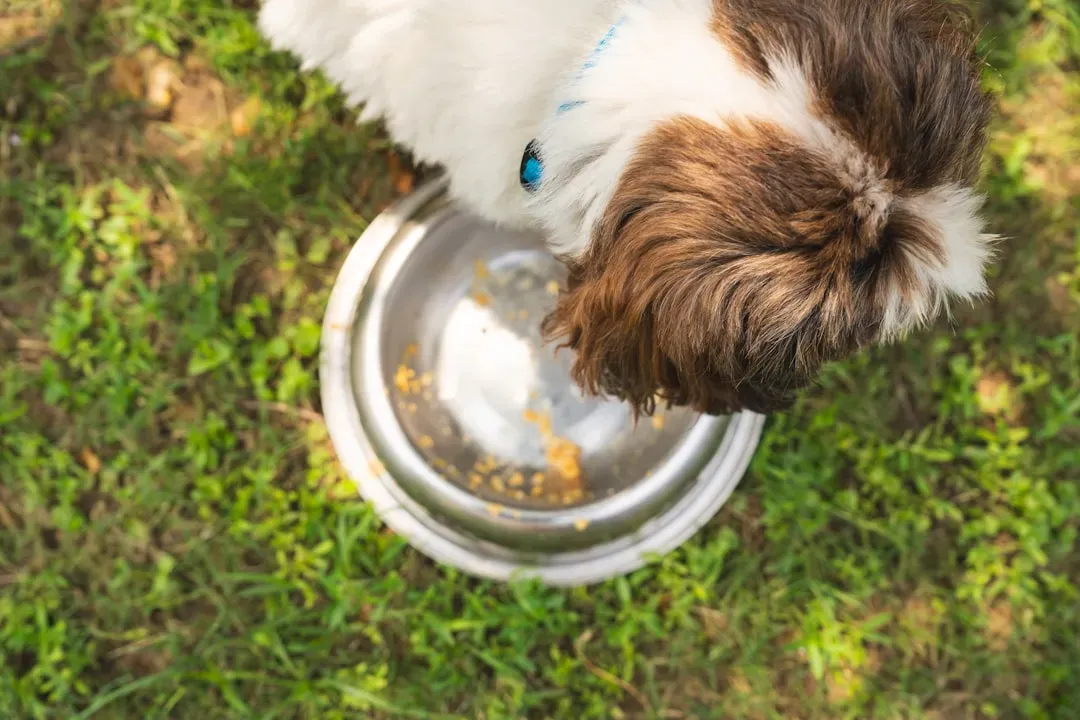
Lots of dogs gobble up their food at warp speed, turning mealtime into a competitive race even when there’s no competition. When dogs inhale their meals, they swallow excessive amounts of air along with their kibble. This can lead to uncomfortable gas, bloating, and digestive upset.
Fast eating doesn’t give the stomach time to properly register what’s coming in or begin the digestive process smoothly. Using a slow feeder bowl designed with ridges or obstacles that force slower eating can reduce the risk of digestive upset related to rapid eating. These specialized bowls turn eating into a bit of a puzzle, naturally slowing down your dog’s consumption rate and promoting better digestion.
Imbalanced Gut Bacteria

A dog may have a digestive tract problem due to an imbalance in gut bacteria, as digestive problems can occur when a dog doesn’t have a balance of good and bad bacteria in their stomach. This trigger is particularly sneaky because you can’t see it happening. Your dog’s gut microbiome is a complex ecosystem that can be disrupted by numerous factors.
Antibiotics, dietary changes, stress, and even aging can all throw off this delicate bacterial balance. When the beneficial bacteria populations decrease and harmful bacteria proliferate, digestive issues inevitably follow. The good news is that this can often be addressed through probiotics and dietary adjustments, though you should always consult with your veterinarian for the best approach for your specific dog.
Conclusion
Understanding these unexpected triggers gives you a better chance of preventing stomach upset in your dog before it starts. Many of these causes are easily manageable once you know what to look for. From slowing down mealtimes to managing stress levels, small adjustments can make a significant difference in your dog’s digestive health.
Remember that while occasional mild stomach upset is normal, persistent or severe symptoms always warrant a veterinary visit. Your dog can’t tell you what’s wrong, so it’s up to you to recognize the signs and act accordingly. Have you noticed any of these unexpected triggers affecting your dog? Pay attention to patterns and don’t hesitate to reach out to your vet when something doesn’t seem right.

- 12 Architectural Wonders From The Ancient World That Inspire Us Today - July 18, 2026
- 6 Beautiful Ancient Cities That Time Forgot (But Shouldn’t) - July 18, 2026
- 6 Common Animal Behaviors That Are Often Misunderstood by Humans - July 18, 2026