
Worried about unexpected vet bills?
Pet insurance can cover thousands in unexpected vet costs. Get a free quote from Lemonade in under 2 minutes.
Get My Free Quote →Sponsored · Opens Lemonade.com
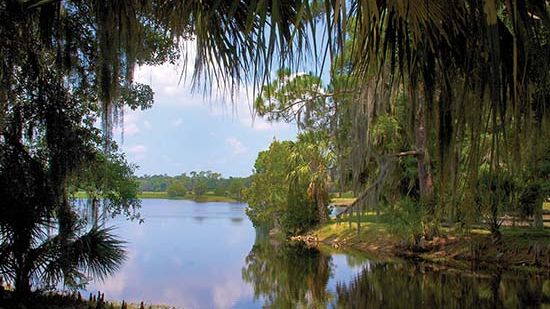
There’s something almost otherworldly about Florida’s wetlands. You know, those shimmering expanses where water meets land in a delicate dance of sawgrass and cypress. They’re not quite lake, not quite swamp, but something entirely their own. Wetlands provide essential habitat for a wide variety of species – birds, mammals, reptiles, amphibians, fish, and insects – including one-third of which may be rare or endangered. These sprawling ecosystems pulse with life, hiding some of the strangest, rarest, and most captivating creatures you’ll find anywhere in North America.
Let’s be real, most people think of alligators when they picture Florida’s wild side. Sure, those toothy reptiles deserve their fame. Yet beneath that obvious answer lies a treasure chest of lesser-known wildlife that’s just as fascinating, if not more so. From birds with bizarre eating habits to cats on the brink of extinction, Florida’s wetlands shelter an extraordinary lineup of animals that have adapted to survive in this watery wilderness. Ready to meet them?
American Crocodile
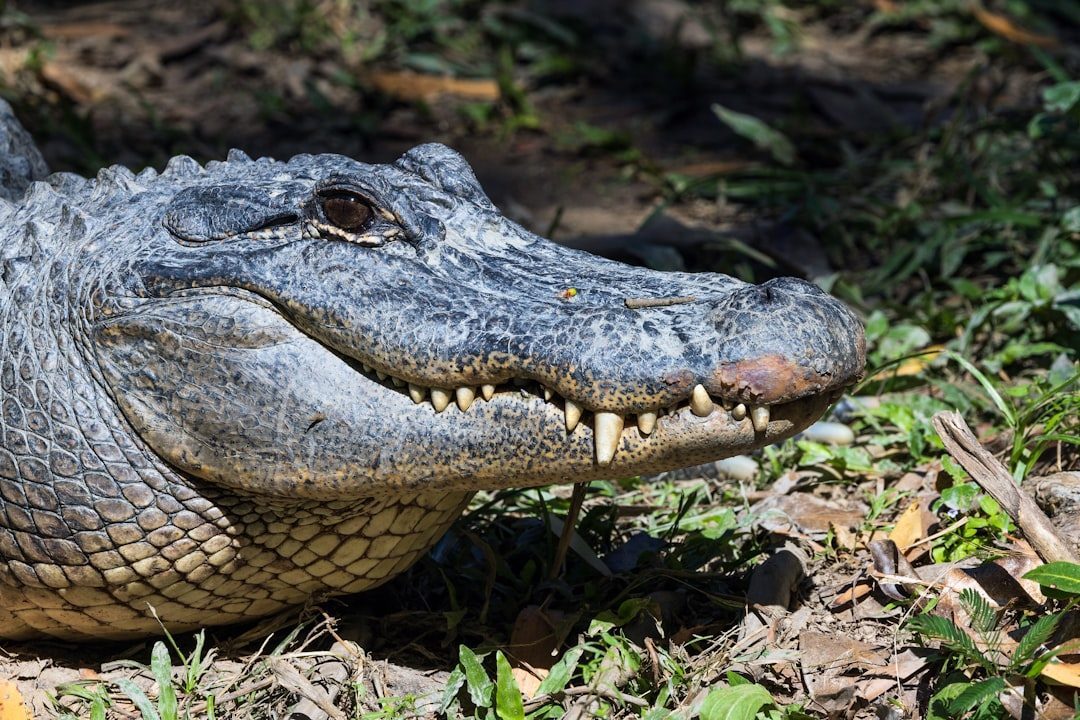
Here’s something that catches most people off guard. The Everglades is one of the few places in the world where crocodiles and alligators coexist. While gators hang out in the freshwater marshes, American crocodiles live in the coastal mangroves and Florida Bay, seeking out a mix of fresh and saltwater. They’re typically more timid than their alligator cousins, which honestly makes sense given how rare they are.
The American crocodile is among the most famous residents of Florida wetlands. Their long, pointed snouts distinguish them from the broader, rounder snouts of alligators. These creatures represent one of the wetland’s most remarkable conservation success stories, having clawed their way back from the edge of extinction through dedicated protection efforts.
- Conservation Success: Population rebounded from just a few hundred individuals in 1975 to approximately 1,500-2,000 adult crocodiles today
- Size: Males average 9.5-13.5 feet, though exceptional individuals can exceed 13 feet in length
- Federal Status: Downlisted from endangered to threatened, reflecting decades of recovery efforts
- Hotspot: Highest density found in Everglades National Park, particularly the Flamingo to Cape Sable area
Florida Panther
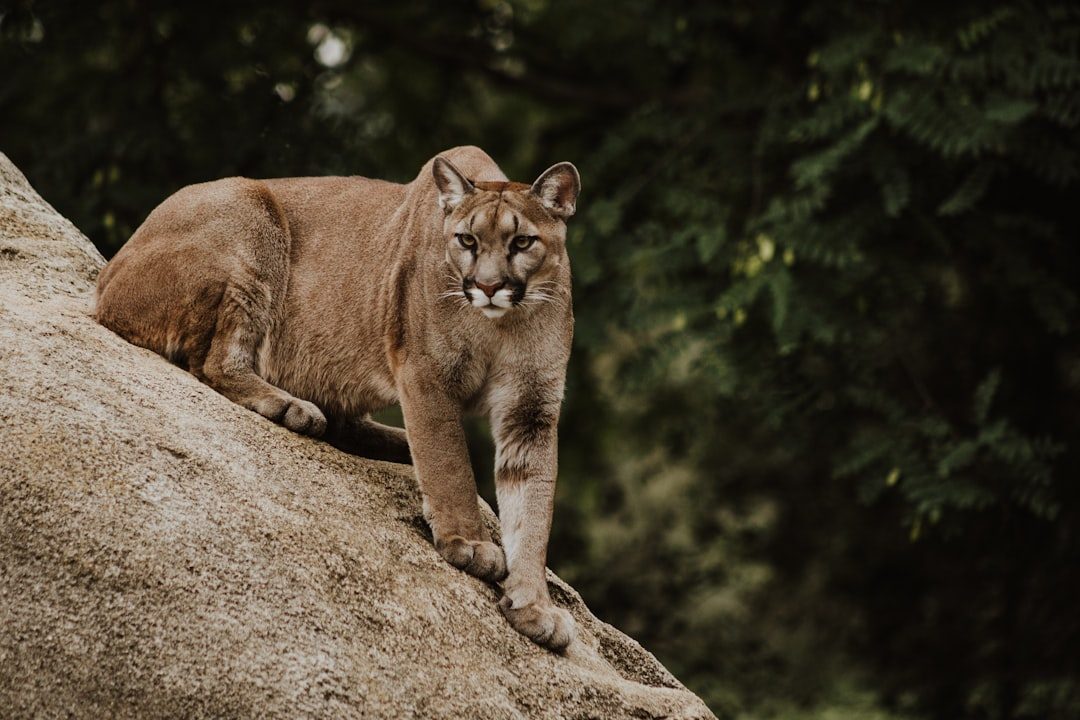
Imagine a ghost moving through cypress swamps and hardwood hammocks, rarely seen but always there. As of 2025, approximately 200-250 panthers inhabit parks and nearby private lands in southwest Florida, making the Florida panther one of the most endangered animals in the world. These big cats reside in upper dry lands such as hardwood hammock, pine flatwoods, saw palmetto and cabbage palm thickets, and in wetland areas including cypress forests, mangrove forests, and freshwater marshes.
Their territories are massive, way bigger than you’d think. Home ranges of panthers in southwest Florida average 200 square miles for resident males and 75 square miles for resident females. It’s hard to say for sure, but their survival might be the most critical wildlife conservation challenge Florida faces today.
Quick Facts:
- Current Population: 200-250 individuals (2025)
- Territory Size: Males: ~200 sq miles | Females: ~75 sq miles
- Conservation Status: Critically endangered subspecies of cougar
- Primary Threats: Habitat loss, vehicle collisions, genetic concerns
Roseate Spoonbill
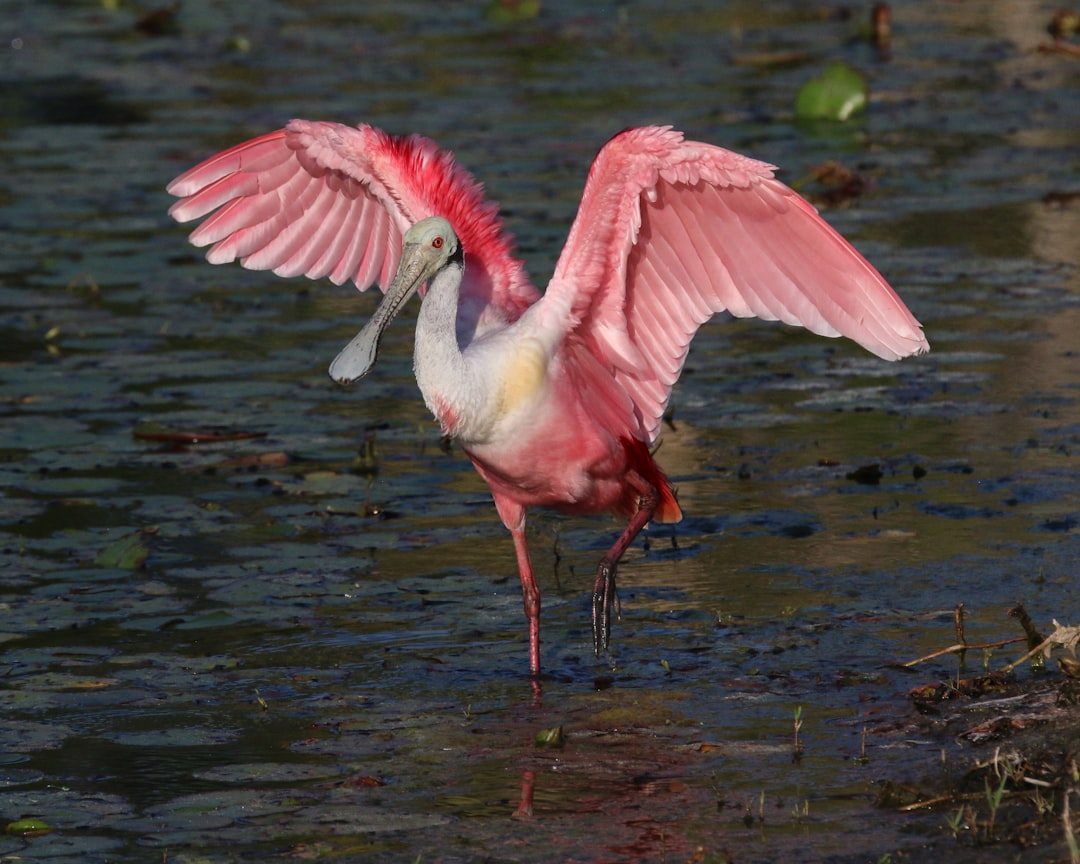
If flamingos and spatulas had a baby, you’d get the roseate spoonbill. One of six species of spoonbills in the entire world and the only one found in the Americas, the Roseate Spoonbill is known for its bright pink plumage and distinctive spoon-shape. The Everglades is known for its many wading birds, including roseate spoonbills. Their unusual bill isn’t just for show, it’s a specialized feeding tool they sweep through shallow water to catch small fish and crustaceans.
These birds are living proof that Florida’s wetlands support some truly bizarre evolutionary adaptations. When you spot one standing in the shallows with that shocking pink coloration against green sawgrass, it’s a sight you won’t forget. They gather in small flocks, creating splashes of color that photographers dream about.
| Feature | Details |
|---|---|
| Bill Function | Swings side-to-side through water with tactile sensors to detect prey |
| Size | 28-34 inches tall, wingspan up to 4-4.5 feet |
| Pink Color Source | Carotenoid pigments from diet of shrimp and crustaceans |
| Diet | Minnows, killifish, shrimp, crayfish, aquatic insects |
| Feeding Depth | Typically less than 5 inches deep |
West Indian Manatee
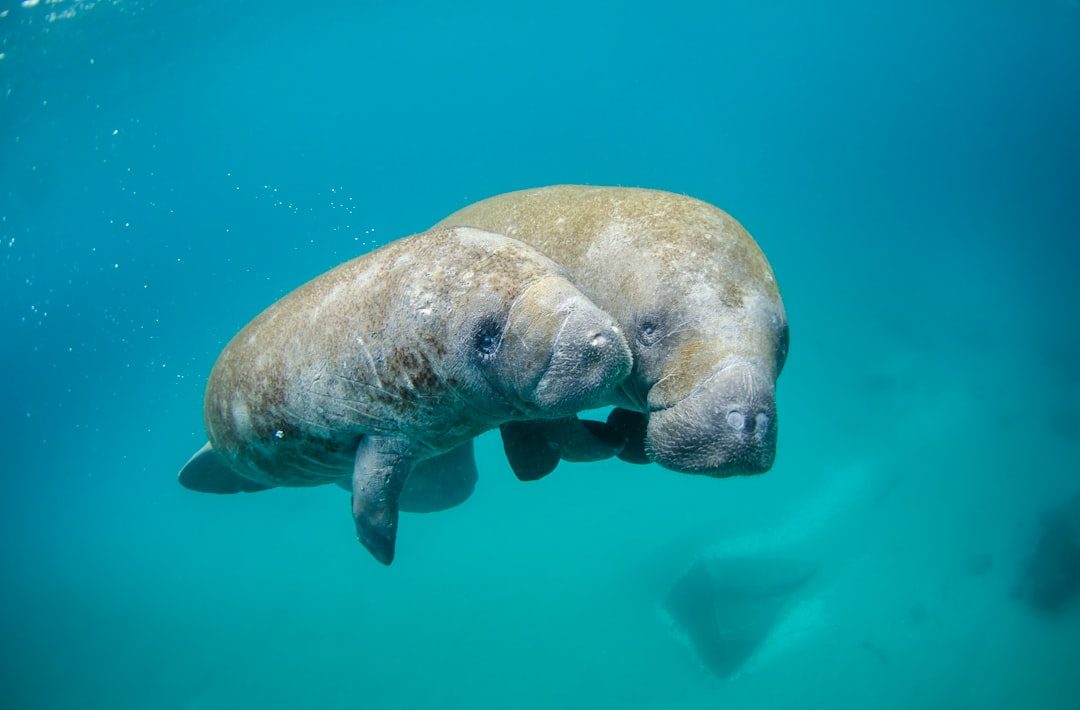
Gentle, slow, and impossibly endearing, manatees embody everything peaceful about Florida’s aquatic world. The West Indian manatee is among the most iconic animals residing in the Everglades and other Florida wetlands. These water-dwellers are threatened. They’re often called sea cows, which fits perfectly since they spend their days lazily munching on seagrass and aquatic vegetation.
These massive mammals can weigh over a thousand pounds, yet they glide through the water with surprising grace. Honestly, watching a manatee is like meditation, they move so slowly and deliberately. Their biggest threats come from boat strikes and cold water temperatures, which is why conservation efforts focus heavily on protecting warm-water refuges and enforcing speed limits in manatee zones.
At a Glance:
- Weight: 800-1,200 pounds on average (can exceed 3,000 pounds)
- Length: 9-10 feet typically
- Diet: 10% of body weight daily in aquatic vegetation
- Lifespan: 50-60 years in the wild
- Status: Threatened, vulnerable to boat strikes and cold stress
Wood Stork
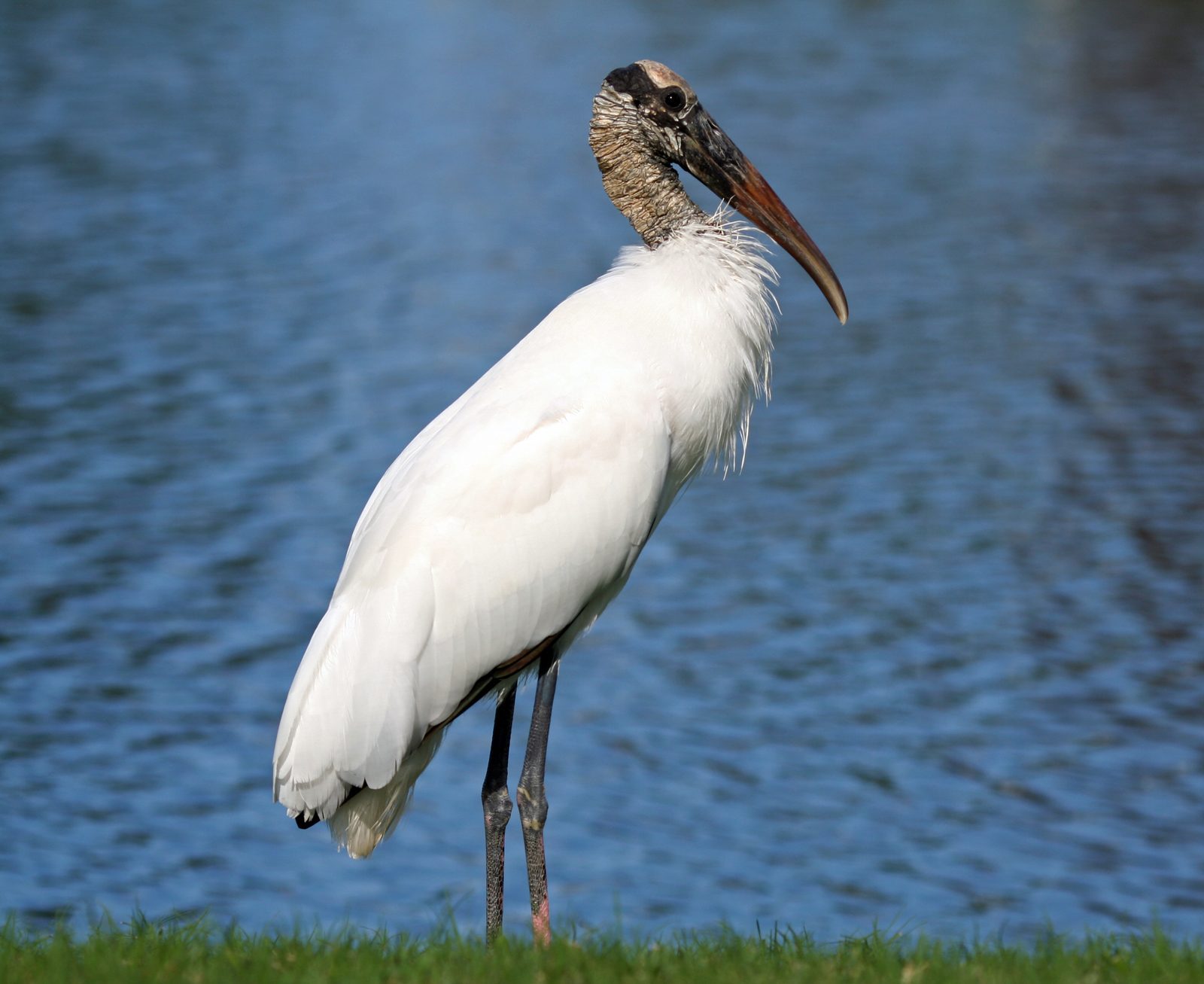
Let’s talk about a bird that serves as nature’s report card for the entire wetland ecosystem. The Wood Stork is considered to be an indicator species for restoration of the Everglades ecosystem. This large wading bird lives in tropical and subtropical wetland habitats and can reach a height of up to 45 inches with a maximum wingspan of 71 inches. Their bald, wrinkled heads might not win beauty contests, but their survival strategy is fascinating.
This unique bird feeds via tactolocation, submerging its bill into shallow water and groping around until it finds prey, then snaps its bill shut with a lightning-fast 25-millisecond reflex action. The Wood Stork, now listed as threatened after population recovery, suffered decreases from the loss of suitable feeding grounds. Restoring natural water flow patterns in the wetlands could be the key to bringing these remarkable birds back in greater numbers.
Recovery Milestone: Wood storks showcase one of the Endangered Species Act’s greatest successes. Listed as endangered in 1984 when only 4,000-5,000 nesting pairs remained, the population has rebounded to over 10,000 nesting pairs by 2025. The U.S. Fish & Wildlife Service proposed delisting the species in 2023, celebrating recovery from near-extinction. Their breeding range expanded from primarily South Florida to include Georgia, South Carolina, and North Carolina, with nesting colonies tripling from 29 to 99 sites.
Snail Kite
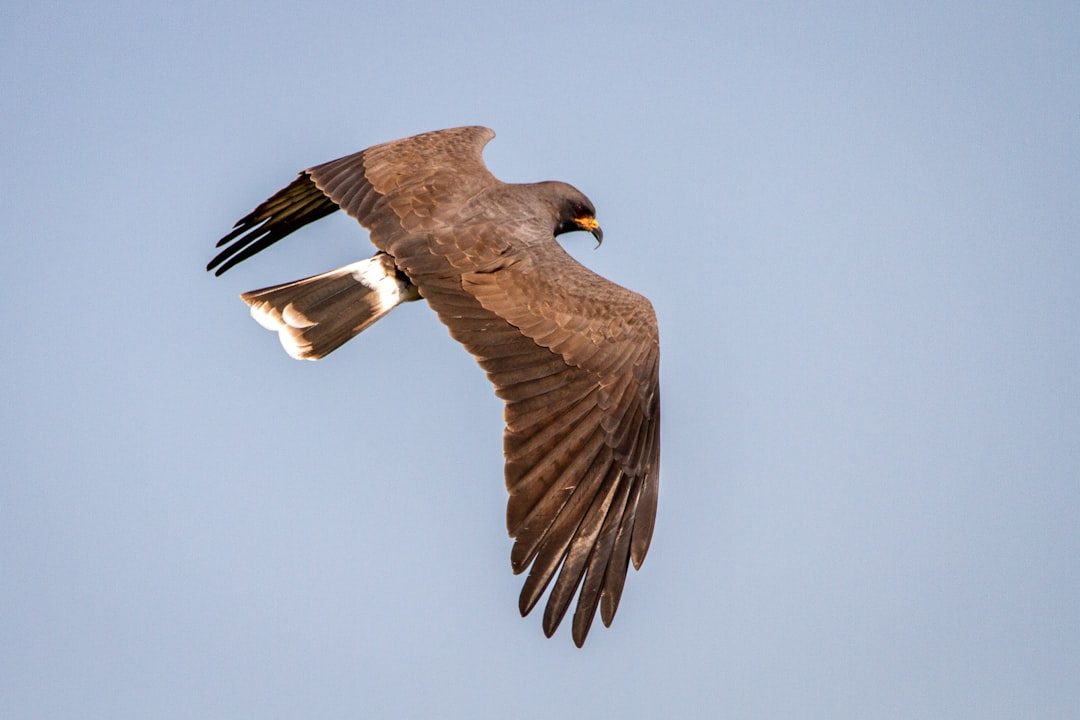
Here’s the thing about the snail kite, it might be the world’s pickiest eater. The Snail Kite may be one of the most specialized raptors in the world, with a curved, off-center bill evolved to extract apple snails from their shells. In the United States, these birds and the snails they feed on live only in the greater Everglades area, mainly in Lake Okeechobee. Talk about putting all your eggs in one basket.
Their survival is directly tied to the health of apple snail populations, which makes them incredibly vulnerable to habitat changes. Over the past century, the destruction of wetlands, changes to water flow patterns and increasing poor water quality have dramatically reduced snail kite numbers. They’re proof that every piece of the wetland puzzle matters.
Remarkable Adaptation: In an extraordinary case of rapid evolution, snail kites have adapted to survive on invasive apple snails. When the non-native Pomacea maculata (five times larger than native snails) appeared in 2004, kites evolved 12% larger bodies and beaks within years. The population crashed to fewer than 800 birds in 2007 but rebounded to over 3,000 by 2022. Despite this recovery, the species remains federally endangered, with survival dependent on maintaining both native and exotic snail populations across Florida’s freshwater marshes.
North American River Otter
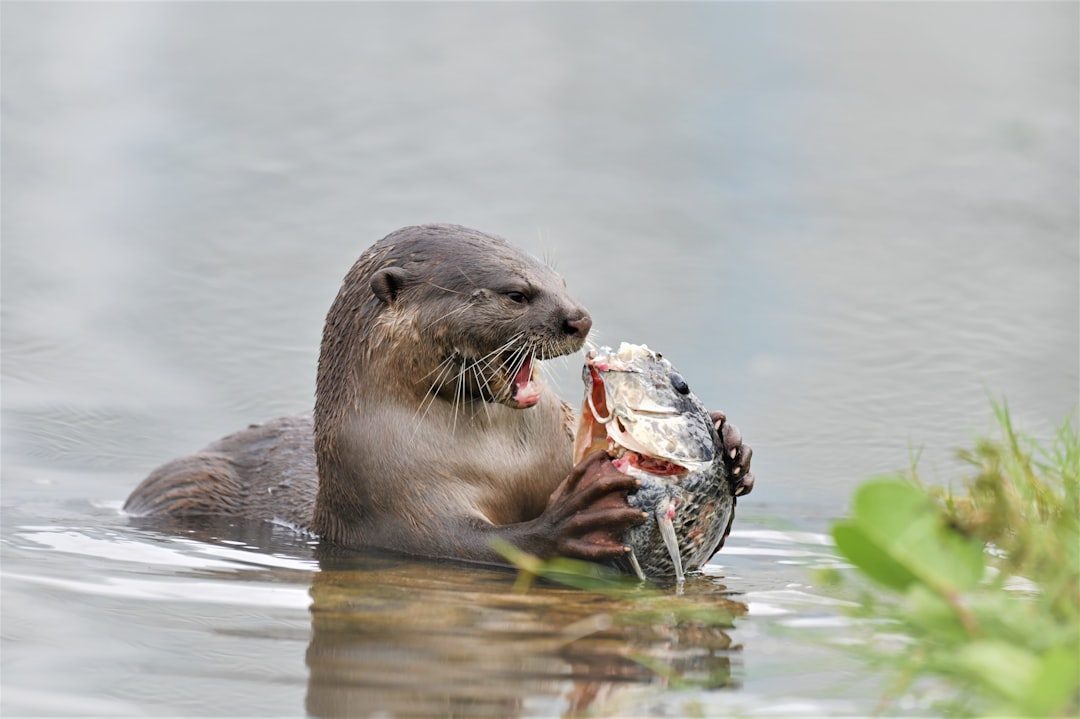
If there’s a playful side to Florida’s wetlands, river otters represent it perfectly. These water-obsessed aquatic mammals can be found throughout Florida, except for the Florida Keys, preferring to hang out in freshwater in rivers, creeks, lakes, ponds, and swamps. Making their homes among tree roots or by digging their dens, occasionally, these slender, long-bodied creatures may move into and redecorate abandoned beaver dens.
Specialized in finding and capturing prey in the water, River Otters are carnivores meaning their diet is based on fish, frogs, crustaceans, and occasionally a bird or small mammal. Their unique, waterproof outer coats, also known as guard hairs, are typically light to a dark, rich brown and protect the undercoat from getting wet when submerged, and at up to 5 ft long, there’s plenty to keep them busy with grooming.
Essential Characteristics:
- Length: 3-5 feet including tail
- Weight: 10-30 pounds
- Swimming Speed: Up to 7 mph, can dive 60 feet deep
- Activity Pattern: Primarily nocturnal and crepuscular
- Social Structure: Family groups with extensive play behavior
- Adaptations: Webbed feet, waterproof double-layered fur, closeable ears and nostrils
Limpkin
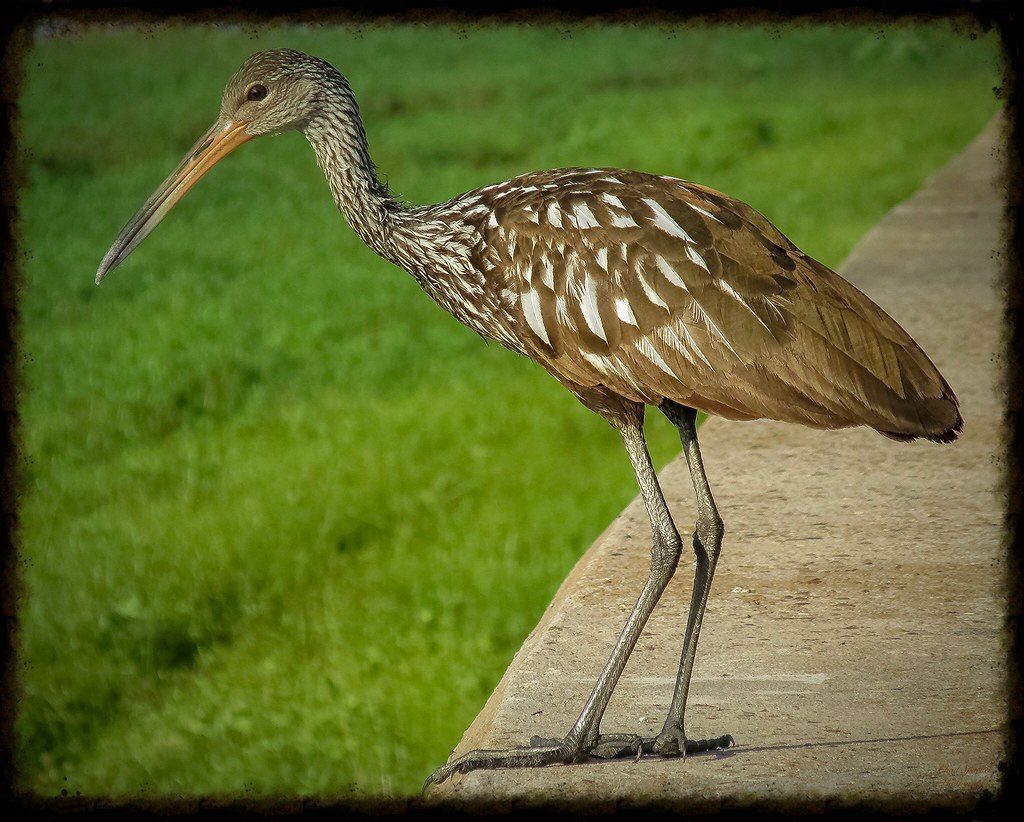
You might hear a limpkin before you ever see one. This unique bird is known for its loud calls and mainly eats snails. They stalk through shallow marshes with an odd, halting gait that gives them their name, searching for their favorite prey. Their long, slightly curved bills are perfectly designed for extracting snails from their shells, making them another example of Florida’s wetland specialists.
These wading birds have an eerie, almost prehistoric quality to their calls, especially at dawn or dusk when they’re most active. They’re not as rare as some of the other species on this list, yet they’re still dependent on healthy wetland ecosystems with abundant snail populations. Watching one work to extract a snail is like witnessing nature’s own puzzle-solving in action.
Species Snapshot:
- Size: 23-28 inches tall with 40-inch wingspan
- Call: Loud, wailing cries often heard at night – sometimes called “crying bird”
- Diet Specialization: Primarily apple snails, extracted with precision using specialized bill
- Habitat: Freshwater marshes, swamps, lake edges with emergent vegetation
- Status: More common than other specialists; stable population in Florida wetlands
Conclusion
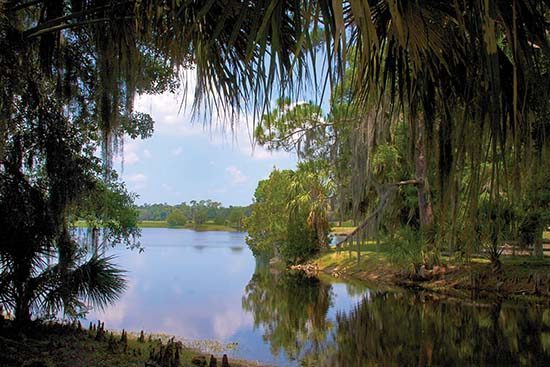
Florida’s wetlands are more than just soggy real estate. They’re living museums where evolution has crafted some of the most specialized, resilient, and downright peculiar creatures on the continent. From crocodiles sharing space with alligators to birds that eat nothing but snails, these ecosystems support wildlife found almost nowhere else on Earth. The survival of these eight unique animals depends entirely on protecting and restoring the delicate balance of water, vegetation, and prey that makes wetlands function.
Every species here tells a story about adaptation, survival, and the interconnectedness of nature. As Florida continues to grow and change, the question becomes whether we can make room for both people and panthers, development and spoonbills. What do you think it would take to ensure these incredible animals still call Florida home a hundred years from now?
Worried about unexpected vet bills?
Pet insurance can cover thousands in unexpected vet costs. Get a free quote from Lemonade in under 2 minutes.
Get My Free Quote →Sponsored · Opens Lemonade.com
