

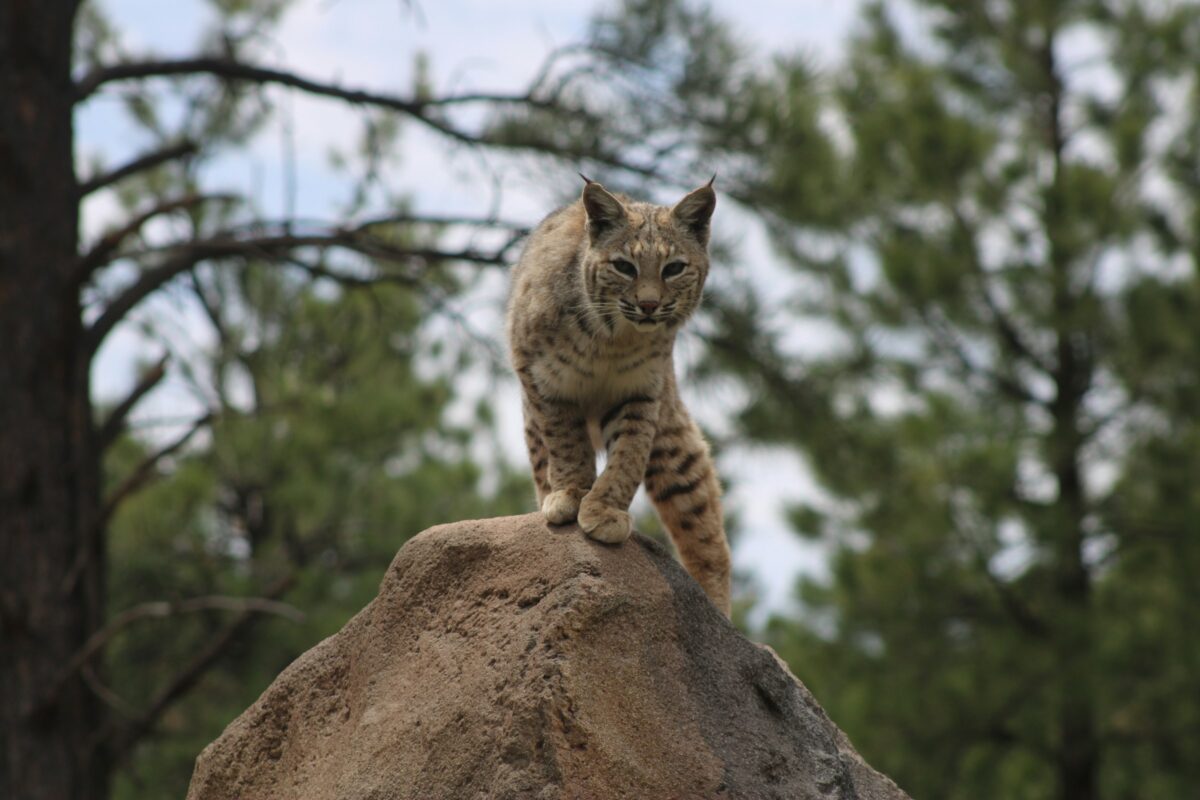
#1 Florida
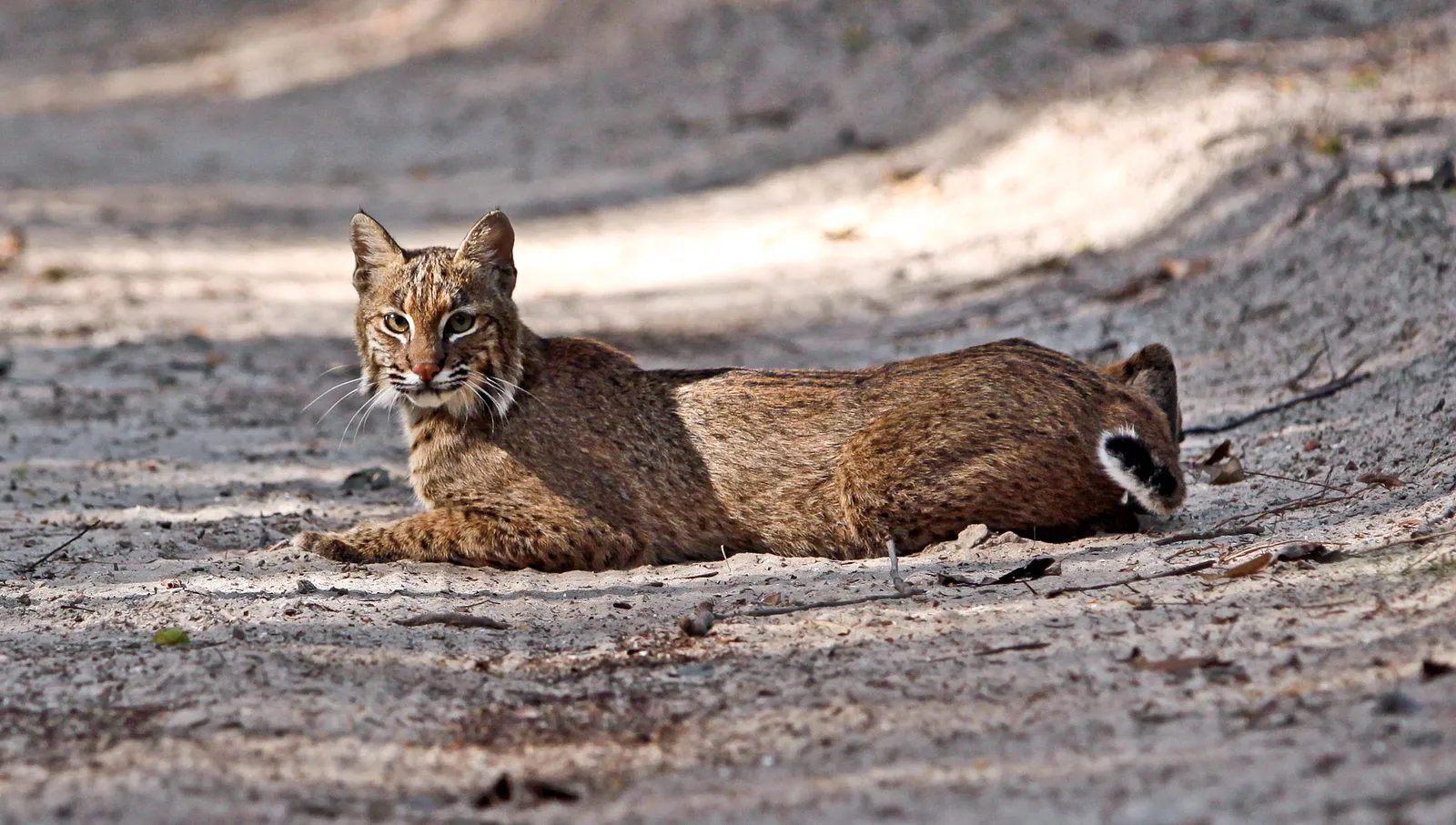
Florida’s numbers are staggering by almost any measure, with estimates ranging from roughly three hundred thousand up toward a million bobcats statewide. Although Florida is the only state where bobcat populations are decreasing, an estimated 300,000 bobcats call it home. Other estimates run even higher, with some sources suggesting between 700,000 and 1 million of them, and you can find them in every county, from the swampy Everglades to the outskirts of big cities.
What makes Florida unusual is that this is also the one state where researchers have documented a decline rather than growth. Habitat loss tied to rapid development is part of the story, and there’s growing concern that invasive Burmese pythons in the Everglades region are competing for the same small mammal prey base. Even with that downward trend, the sheer scale of Florida’s bobcat population keeps it near the very top of any national ranking.
#2 Texas
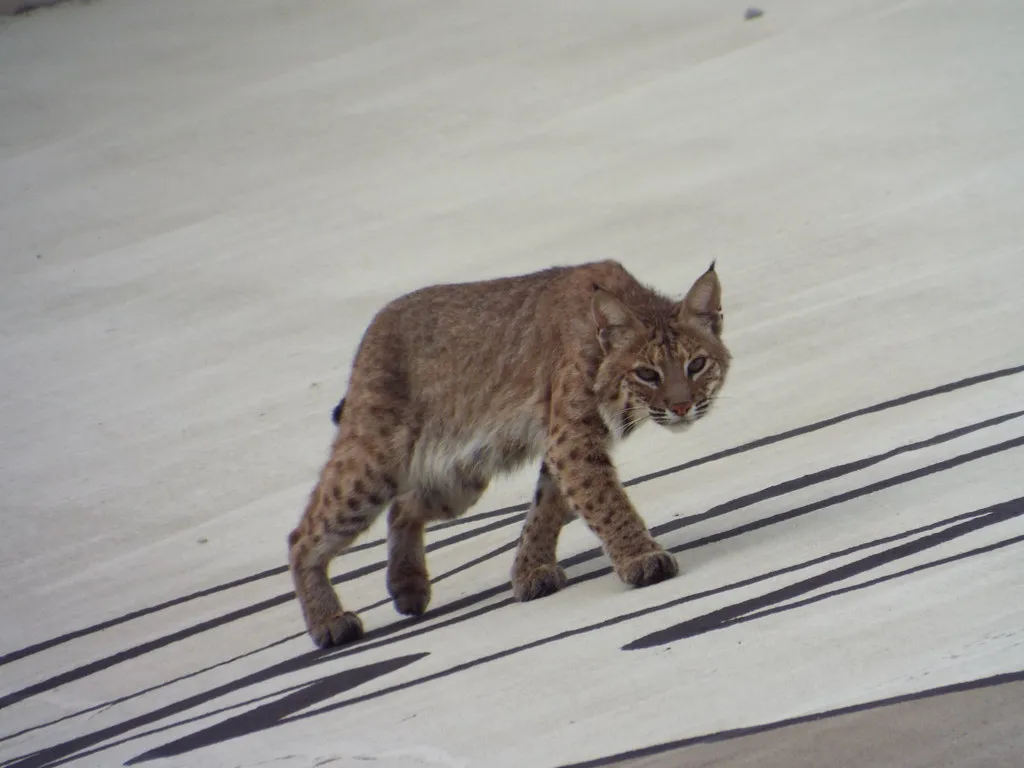
Texas is the state most people picture first when bobcats come up, and for good reason. As many as 200,000 bobcats live throughout the state, spread across a landscape that ranges from piney woods in the east to arid brush country in the south and west. If you want one spot to pay particular attention to, consider hanging around the brush country of south Texas, where one statistic estimates one bobcat per less than one square mile.
Part of what fuels Texas numbers is simple geography. The state is enormous, and it offers an unusual mix of habitats within its borders, from coastal marsh to desert scrub to rolling farmland. Researchers have also found that Texas supports some of the higher recorded bobcat densities in the country, with density studies putting the figure around 48 per 100 km² in Texas, a number that helps explain why the population estimate stays so consistently high year after year.
#3 North Carolina
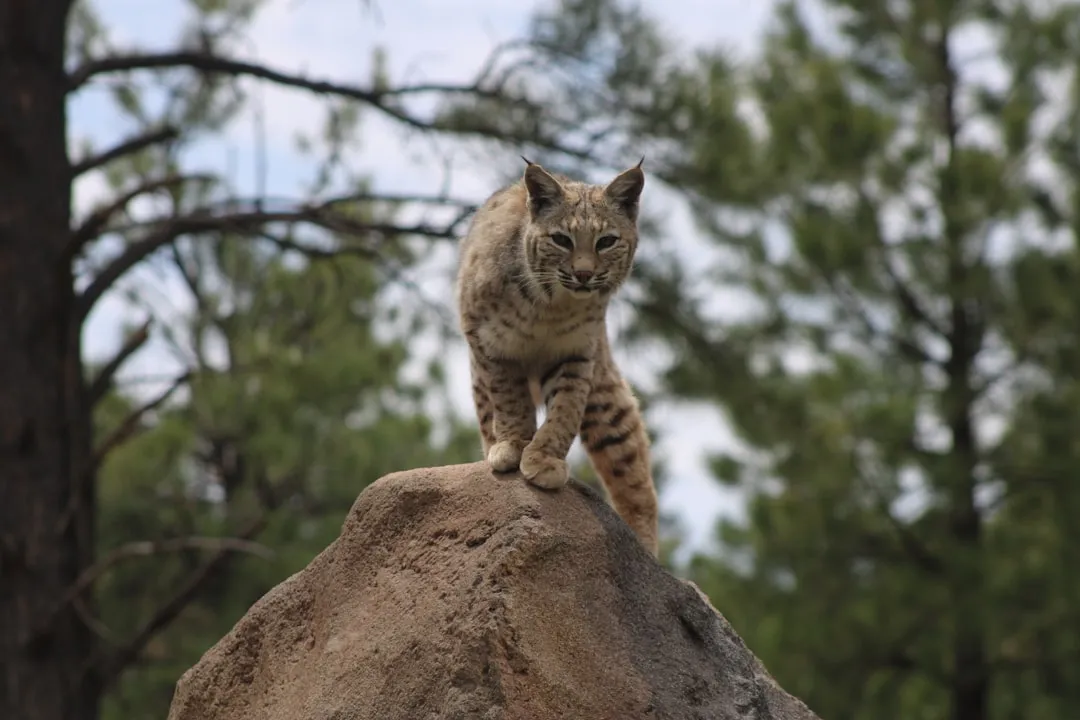
North Carolina doesn’t get the same reputation as Texas or Florida, yet its bobcat population is genuinely impressive. Estimates place the number around 125,000 bobcats prowling around, keeping rodent populations in check across the state, and the animals are found from the coastal plain all the way into the Appalachian foothills. North Carolina hosts an estimated twenty thousand bobcats spread across its diverse regions, with mountain forests, coastal plains, and everything in between offering varied niches for the cats, though estimates vary considerably depending on the source and survey method.
The variation in these estimates, ranging anywhere from twenty thousand to well over a hundred thousand, says something important about how difficult bobcat counting really is. Unlike deer, bobcats don’t gather in visible herds or leave easy signs for aerial surveys. Wildlife managers instead rely on a patchwork of roadkill data, camera trap studies, and hunter harvest records, which is part of why the range between low and high estimates can be so wide.
#4 South Carolina
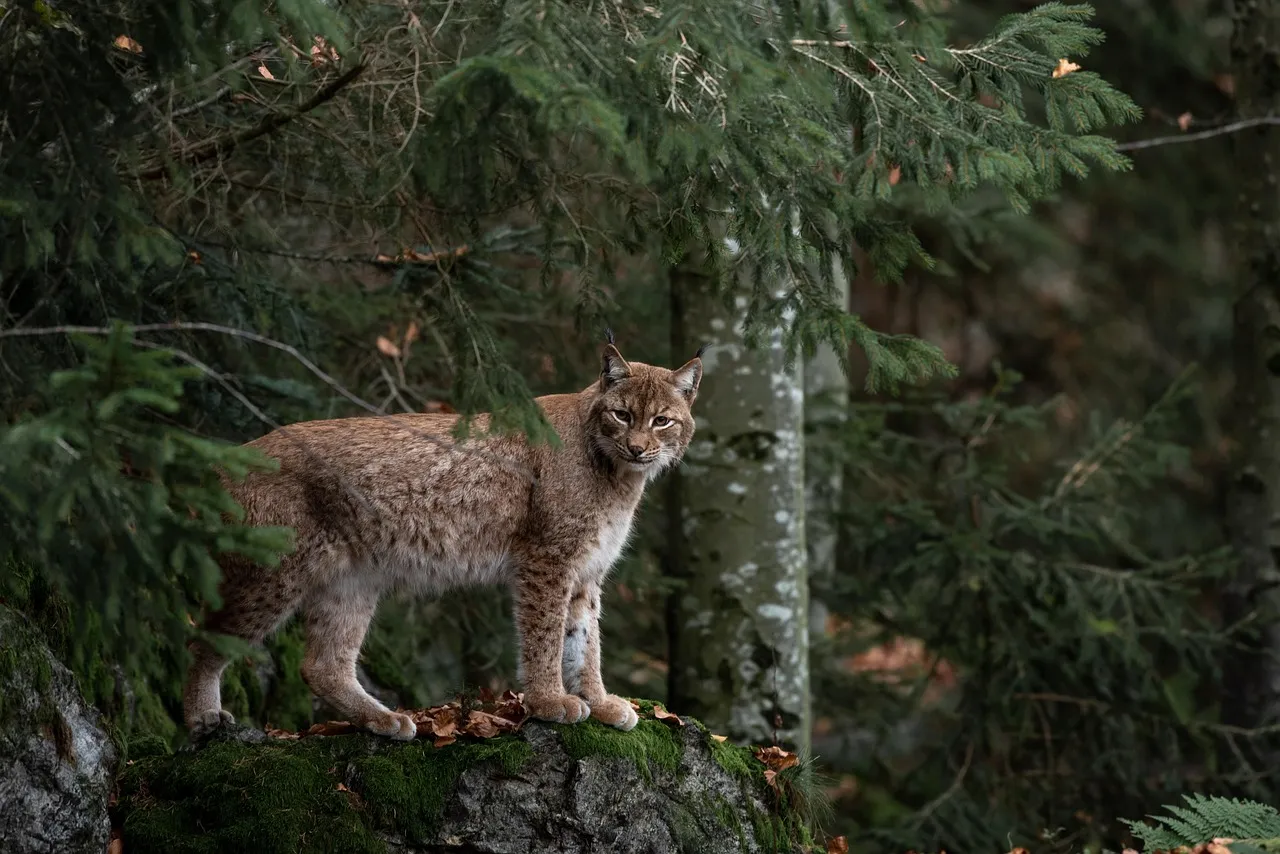
South Carolina rounds out the southeastern trio of bobcat strongholds, with researchers estimating that across South Carolina, around 90,000 bobcats live and breed. The highest bobcat population in South Carolina is in the lower Coastal Plain region, where wetlands, farmland edges, and pine forest create ideal cover for hunting small mammals.
Interestingly, South Carolina has also become something of a case study in unintended threats to bobcat health. Kiawah Island proudly protects its population of bobcats, though once fairly abundant, between 2017 and 2020, the population declined due to rodenticide use. That local dip is a reminder that even in a state with strong overall numbers, pockets of decline can appear when secondary poisoning from rat bait works its way up the food chain into predators that eat rodents as a primary food source.
#5 Arizona
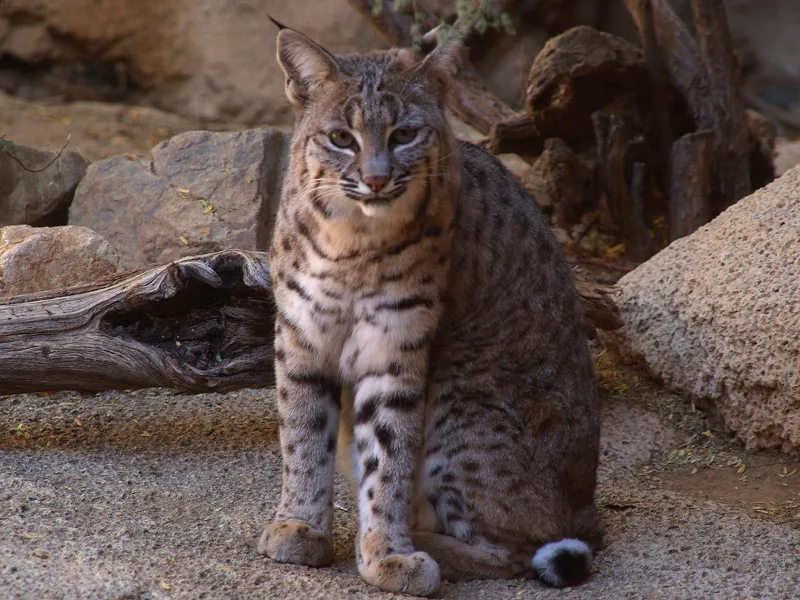
Arizona’s desert terrain might not be the first place people imagine a wildcat thriving, but the state consistently ranks among the higher-density bobcat regions in the country. Arizona stands out for bobcat densities in certain zones, with older statewide estimates around sixty thousand, and desert scrub, canyons, and mountain ranges create pockets of excellent habitat where prey availability in these arid environments supports concentrated groups of cats.
Density research backs this up in a more technical sense too, with studies noting Arizona among the densities that bobcats can attain, including 25 per 100 km² in Arizona, compared with 48 per 100 km² in Texas and fewer than 9 per 100 km² in Idaho. That places Arizona solidly in the upper tier nationally, even if its total numbers trail the biggest eastern and southern states. The state has seen bobcats expand into new areas as habitat recovers from earlier pressures, and sightings and harvest records reflect a stable presence that wildlife managers monitor closely, allowing the population to hold steady without dramatic swings.
#6 California
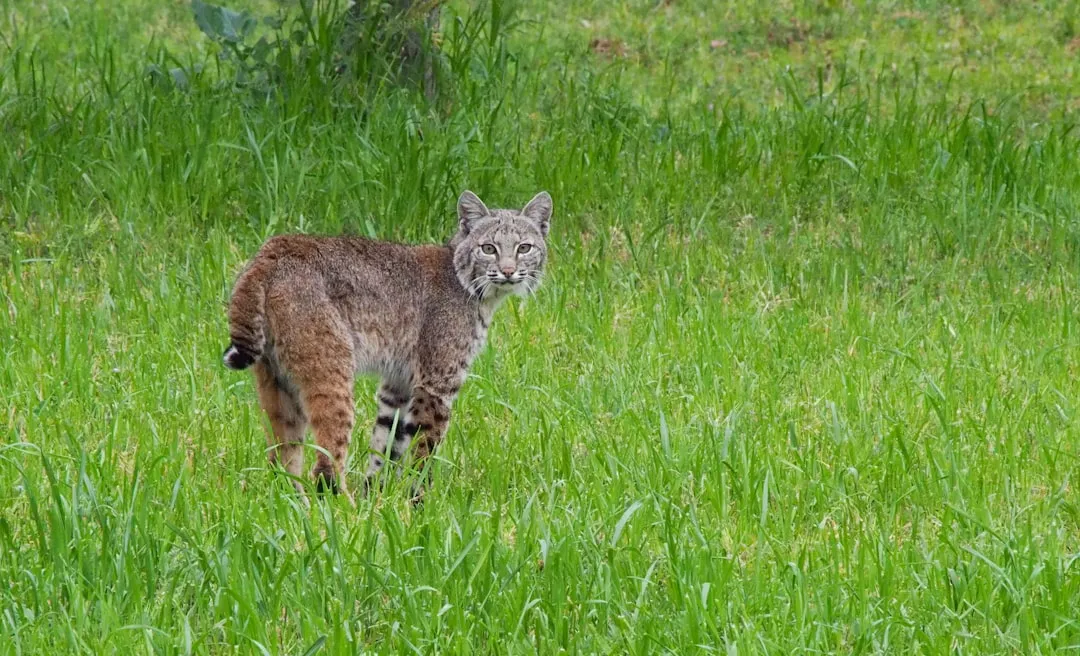
California presents one of the trickier estimation puzzles on this list, with different sources landing on very different numbers. Estimates put California bobcat populations between 70,000 and 100,000, while other researchers have offered a more conservative figure of roughly thirty to fifty thousand statewide. Either way, they live in all 58 counties of the state, from coastal chaparral to Sierra foothills.
What’s less disputed is the density research coming out of California’s coastal habitats. Scientific density estimates have found figures as high as 57-62 per 100km² in California, among the highest recorded anywhere in the country. That kind of density helps explain why places like Point Lobos and Pinnacles National Park have become known among wildlife watchers as reliable spots for a bobcat sighting, even amid the state’s dense human population.
#7 Colorado
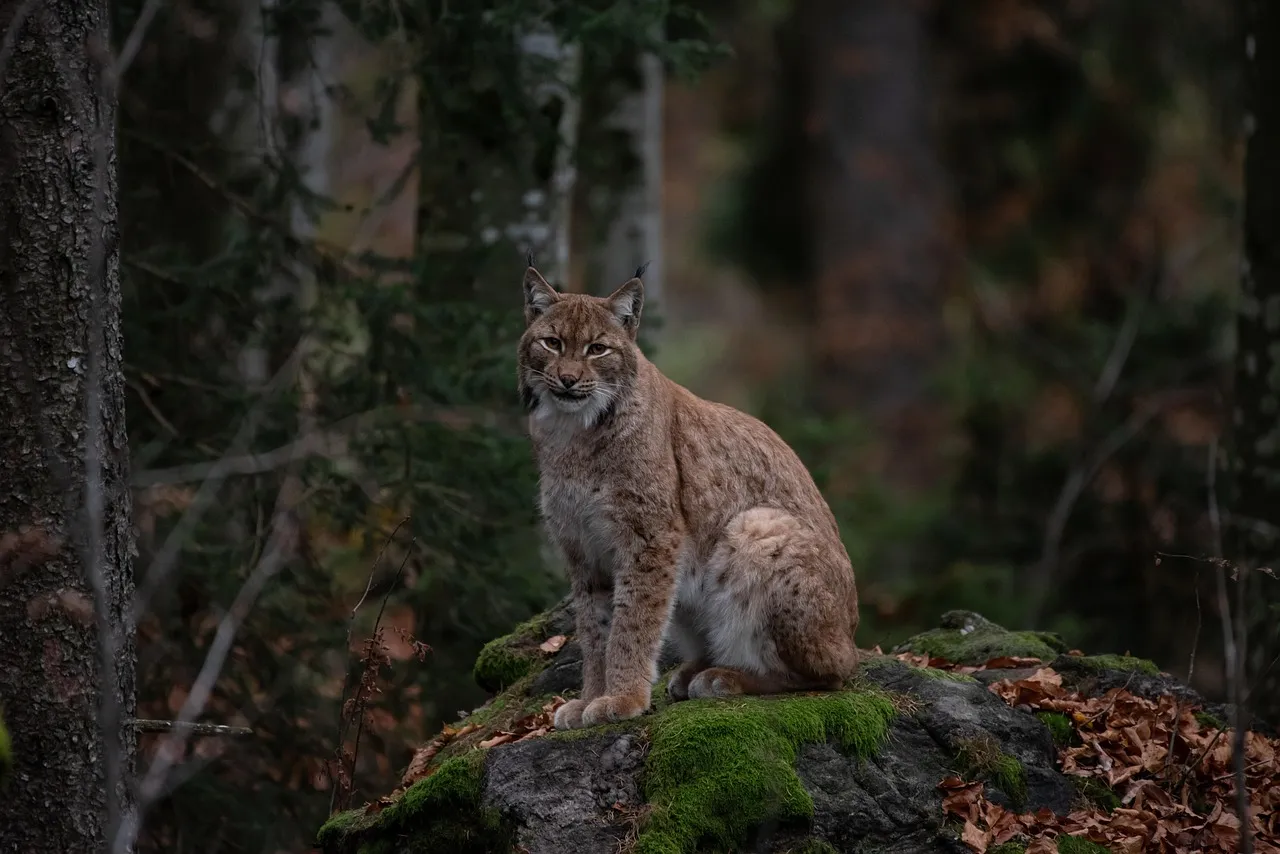
Colorado’s bobcats favor rugged terrain, and the state’s population reflects that preference clearly. Colorado holds around twelve thousand bobcats, concentrated in its rugged mountains and foothills, where the terrain offers plenty of rocky outcrops and canyons where the cats can hide and hunt, and abundant small mammals keep the population supported even in harsher winters.
Other estimates put the figure a bit higher, with one source noting over 10,000 of them all over the state, even in cities and far-off places, with some cats seen way up in the mountains, as high as 11,000 feet. That range from lowland foothills to alpine elevation shows just how flexible these animals are when it comes to habitat, tolerating snow and thin air about as easily as they tolerate desert heat elsewhere in their range.
#8 Illinois
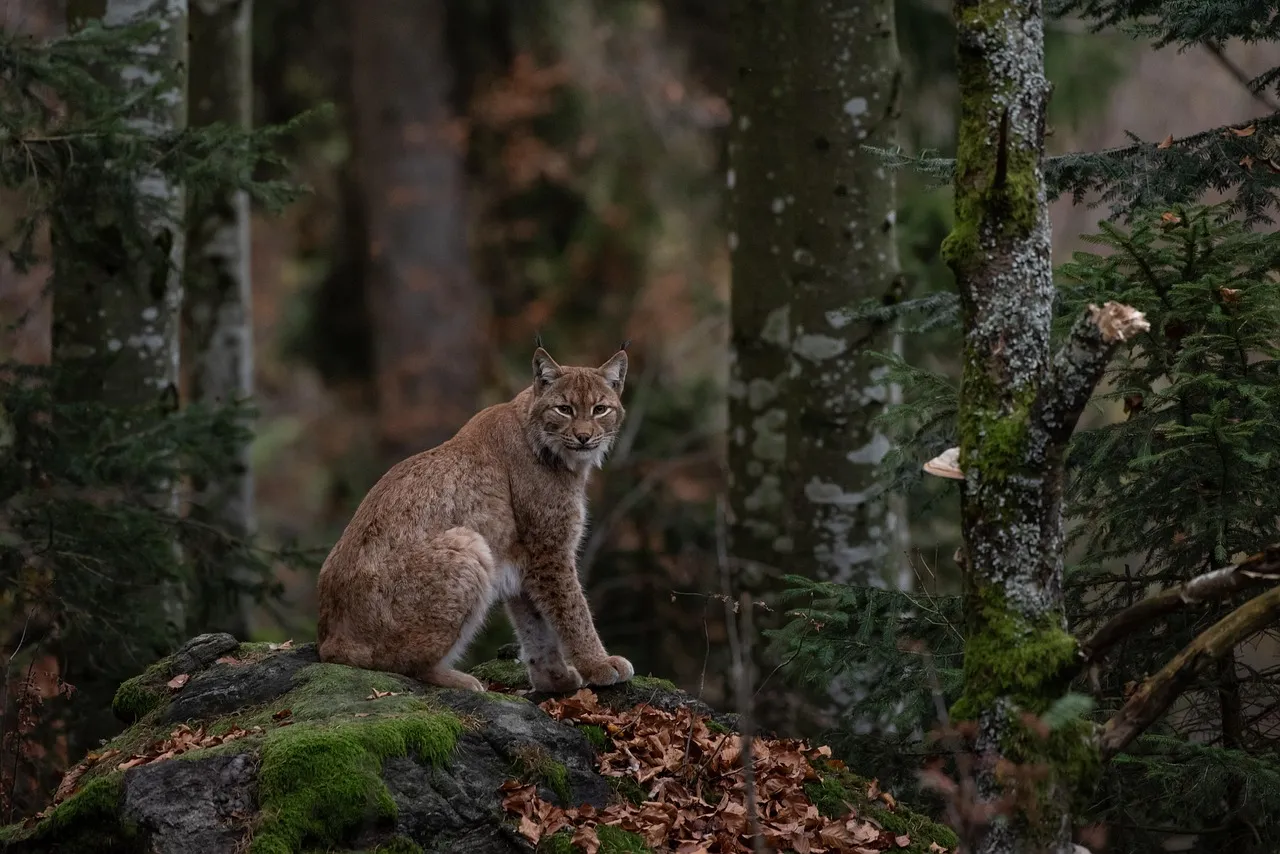
Illinois earns its spot on this list mostly because of how dramatic its recovery story has been. By the mid-1900s, bobcats had been driven to near extinction in Illinois, but due to conservation efforts and protection as a threatened species, their population is now flourishing with an estimated 5,000 individuals present today. That’s a modest total compared to Texas or Florida, yet it represents a genuine conservation success story worth noting.
More recent tracking suggests the rebound has continued past that early estimate. The Illinois Bobcat Foundation estimates more than 5,000 bobcats in 99 of the state’s 102 counties, including a lot of ground people still think of as just corn and beans, plus hill country, bluffs, and river corridors. For a state once thought to have lost its bobcats entirely, that spread across nearly every county is a fairly remarkable turnaround.
Final thoughts

- 8 US States With the Most Bobcats - August 16, 2026
- The Earth Is Getting Darker. That’s Not Good News. - August 16, 2026
- 10 Worst Reasons To Get a Chihuahua - August 16, 2026