
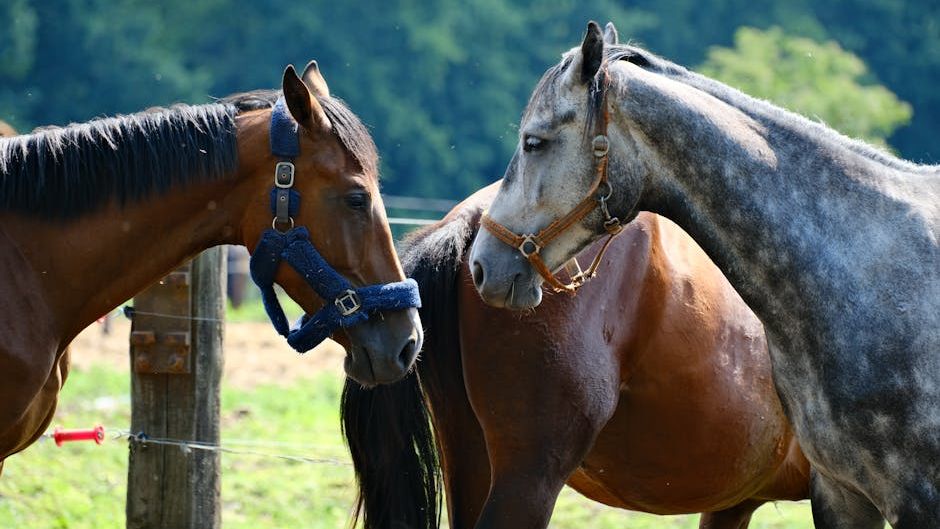
Horses can’t schedule a conversation. They can’t point to where it hurts or explain what’s changed since last week. What they can do is act out, and that’s often exactly what they’re doing when we label them as difficult, naughty, or uncooperative.
Bad behavior is, in many cases, a horse’s way of expressing that he’s experiencing some kind of pain, somewhere, in some situation. The trouble is that we’re usually looking at the behavior itself rather than what’s behind it. Researchers estimate that more than two thirds of equine behavior issues are outward expressions of pain or fear of pain. That’s a striking number, and it changes how you have to think about your horse’s actions in the saddle and on the ground.
Big behaviors never come out of nowhere. It’s up to us to learn how to recognize the earlier, more subtle signs to prevent our horses from having to shout any louder at us. The nine behaviors below are among the most common ones that get misread.
1. Bucking Under Saddle
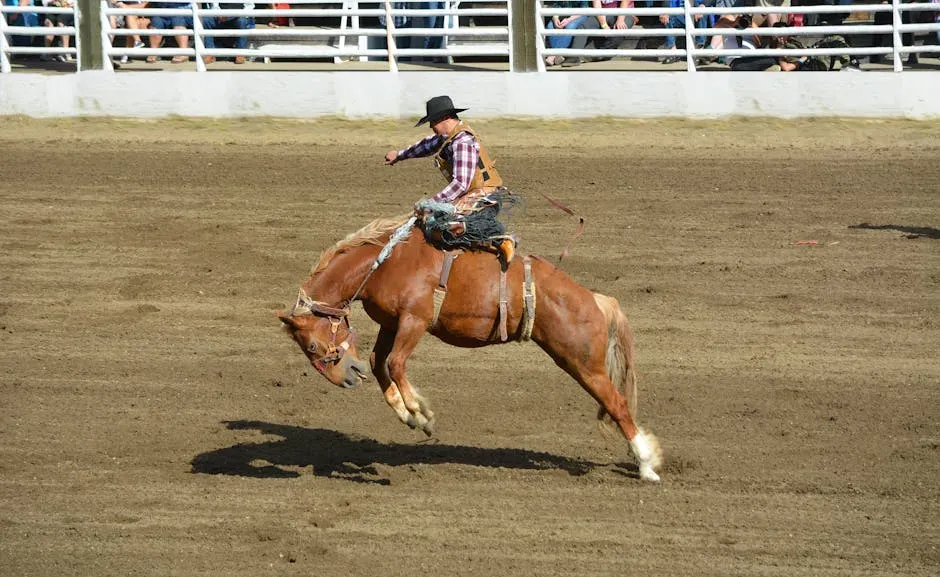
Bucking is arguably the most physically alarming thing a horse can do with a rider aboard, and it’s also one of the most commonly misread. It’s tempting to blame attitude or a “fresh” day, but the evidence points elsewhere. Owners often attribute bucking or kicking out after a jump to naughtiness or stubbornness, when it’s quite possibly a manifestation of pain.
Horses react to pain in very individual ways. A horse that bucks doesn’t necessarily have the same pain as other horses that buck. Back soreness, saddle fit issues, and gastric ulcers are all known contributors.
In a lot of cases, rearing or bucking is a pain issue; pain from possibly the saddle fit, or from physically harmful training practices, or maybe even ulcers or liver issues. The fix, when you find the source, can be far simpler than you’d expect.
2. Rearing
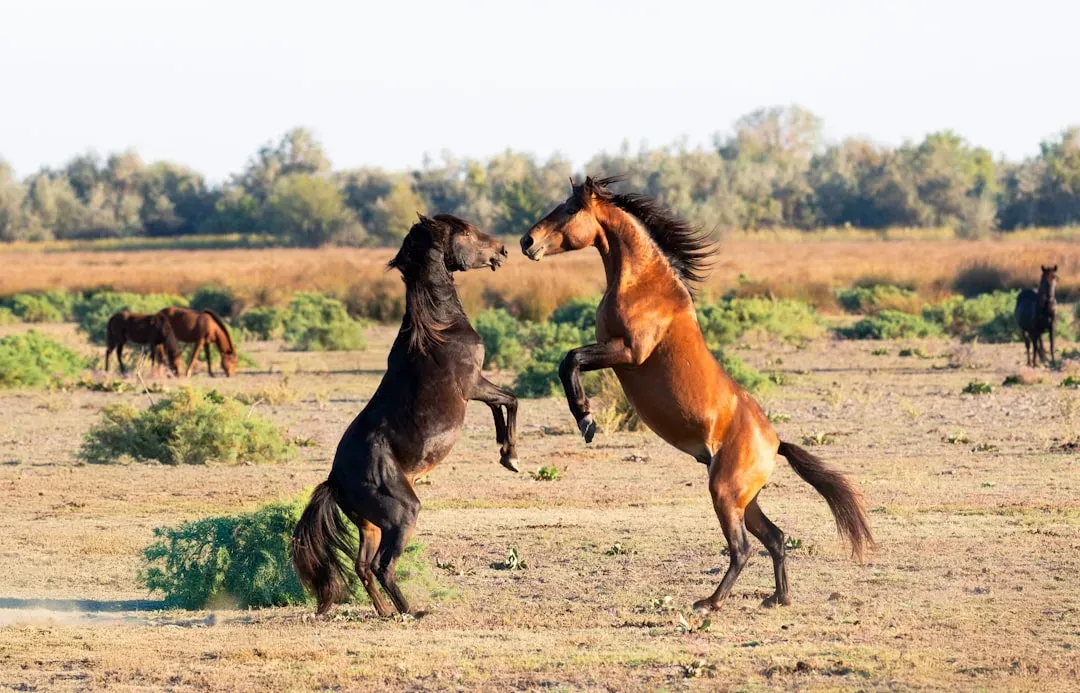
Rearing tends to trigger an immediate training response from riders, and in some situations that’s understandable. It’s a dangerous behavior that commands attention. Rearing is a quickly learned response to any discomfort. It’s something people often teach their horses unwittingly by ignoring signs of pain.
High head carriage can be pain-related behavior, even though many riders try to “train out” high-headedness, possibly overlooking pain. When upward pressure on the bit meets an already painful body, a horse doesn’t have many other options.
Rearing and bucking are dangerous behaviors that can stem from pain, fear, or inadequate training. Identifying the root cause is essential to addressing them effectively. Punishing a horse out of a pain response without first checking the cause only deepens the problem.
3. Girthiness and Saddling Aggression
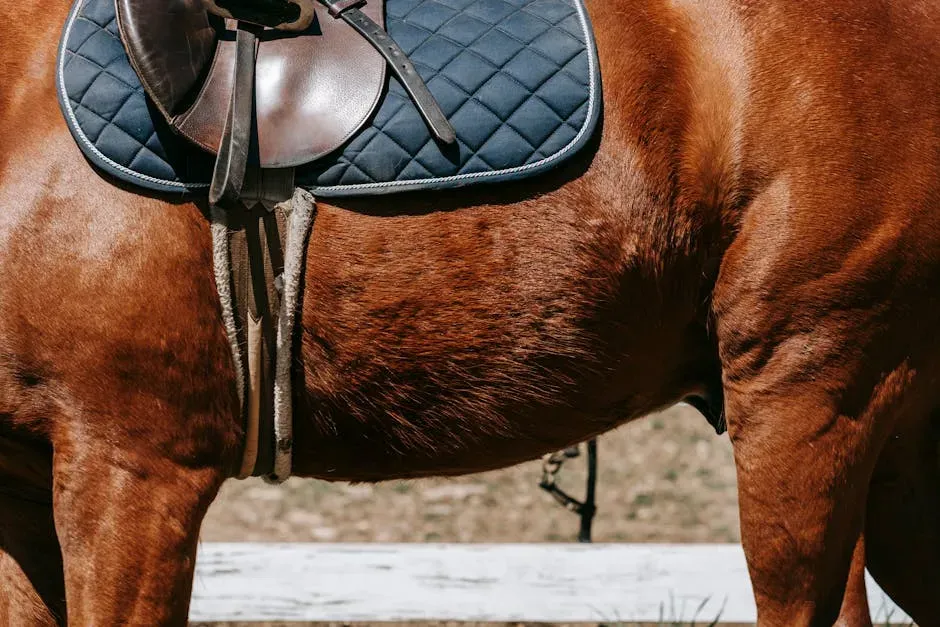
A horse that pins its ears, swings its head, or snaps when the girth is tightened is often dismissed as dramatic or “cinchy by nature.” That explanation is convenient but rarely accurate. If a horse has back pain, it could be “girthy,” showing aggression when you’re saddling it.
If the horse has suddenly started acting aggressively and it seems out of character, be sure to call your vet, as it could be a signal that they’re in pain. For example, if your horse is only aggressive when you groom a certain part of their body, it could be that they’re suffering from pain in that area.
It’s worth bearing in mind that your tack could be causing pain for your horse if it’s too tight or doesn’t fit quite right, so make sure to check to determine if this is the cause for your horse’s behavior by getting it checked regularly by a qualified saddle fitter. Saddle fit is one of those things that looks fine to the eye but can create localized pressure points that are genuinely uncomfortable.
4. Biting and Nipping
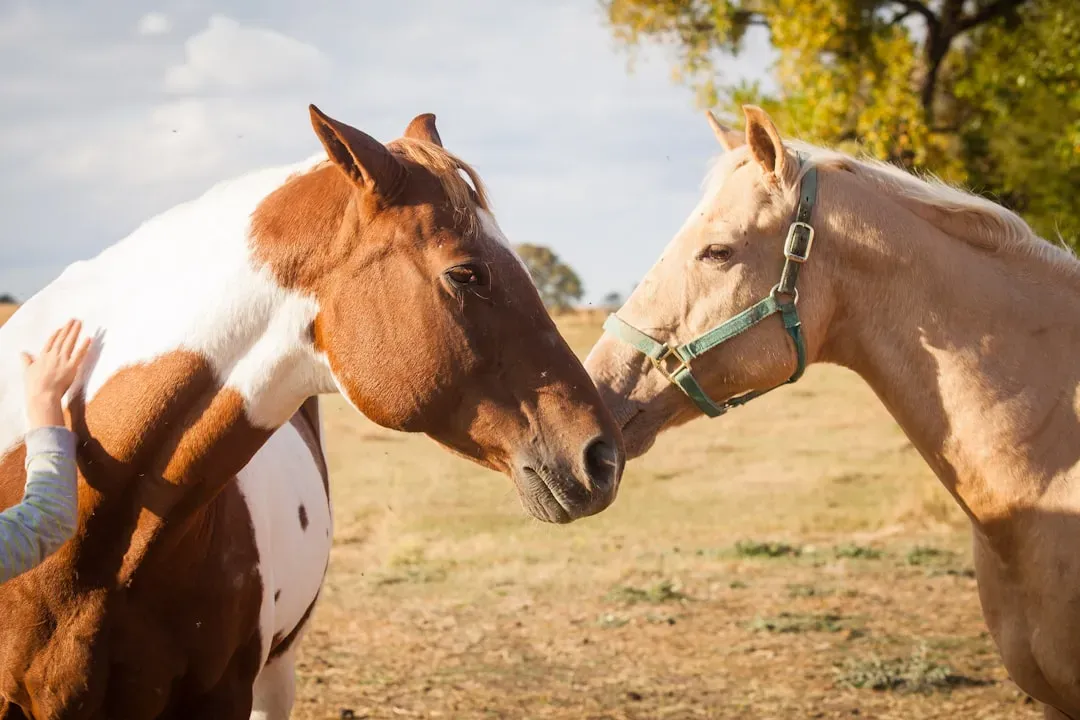
Common behavioral issues such as biting, kicking, or refusing to follow commands can stem from various factors, including fear, discomfort, or lack of understanding. Biting tends to be met with a sharp correction, and in cases where the root cause is behavioral, that can be appropriate. The problem is when it’s not behavioral at all.
Undesirable behaviors can range from avoidance behaviors and head-tossing, to kicking and biting, or more severe, injurious behaviors such as flank-biting. In many cases of flank biting behavior or when horses become increasingly aggressive towards people, an underlying physical problem or abnormality is often a contributing factor.
Biting, nudging, or flank-watching are direct signals of discomfort. When a horse turns to nip during grooming of a particular region, pay close attention to the location. The body is pointing you somewhere specific.
5. Tail Swishing and Clamping
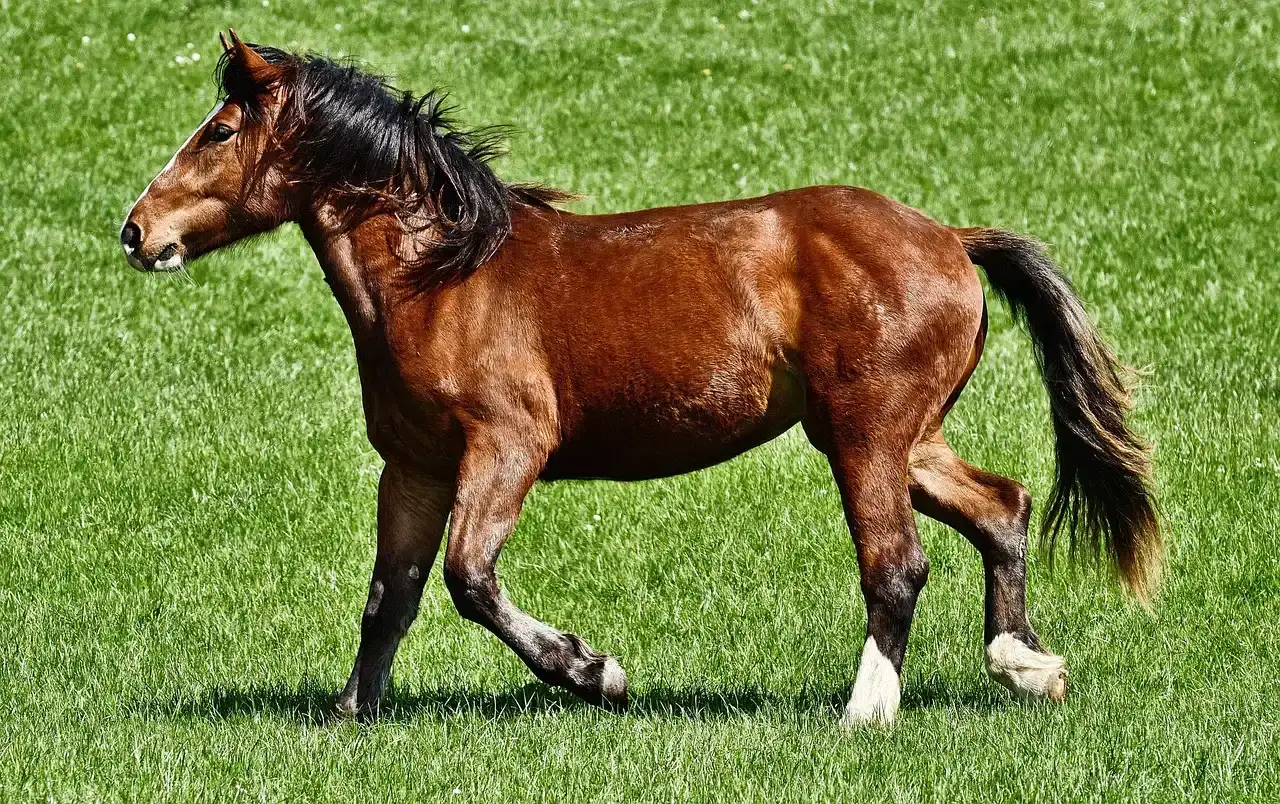
A swishing or clamped tail during a ride is one of those behaviors that’s easy to overlook. It can look like a mood, or a response to flies, or simply an expressive horse. Context matters here more than people realize.
If your horse swishes his tail often while you are riding, check your saddle fit to make sure no sharp or protruding edges are hurting him. If he continues with the behavior, have your veterinarian examine him to look for pain or lameness.
If your horse clamps his tail when you are riding, he may be in discomfort or pain; you need to make sure he’s sound and his tack fits well. Call your veterinarian if the behavior persists for no obvious reason. The tail is essentially a real-time mood indicator, and clamping in particular is rarely ambiguous.
6. Reluctance to Move Forward or Sudden Gait Changes
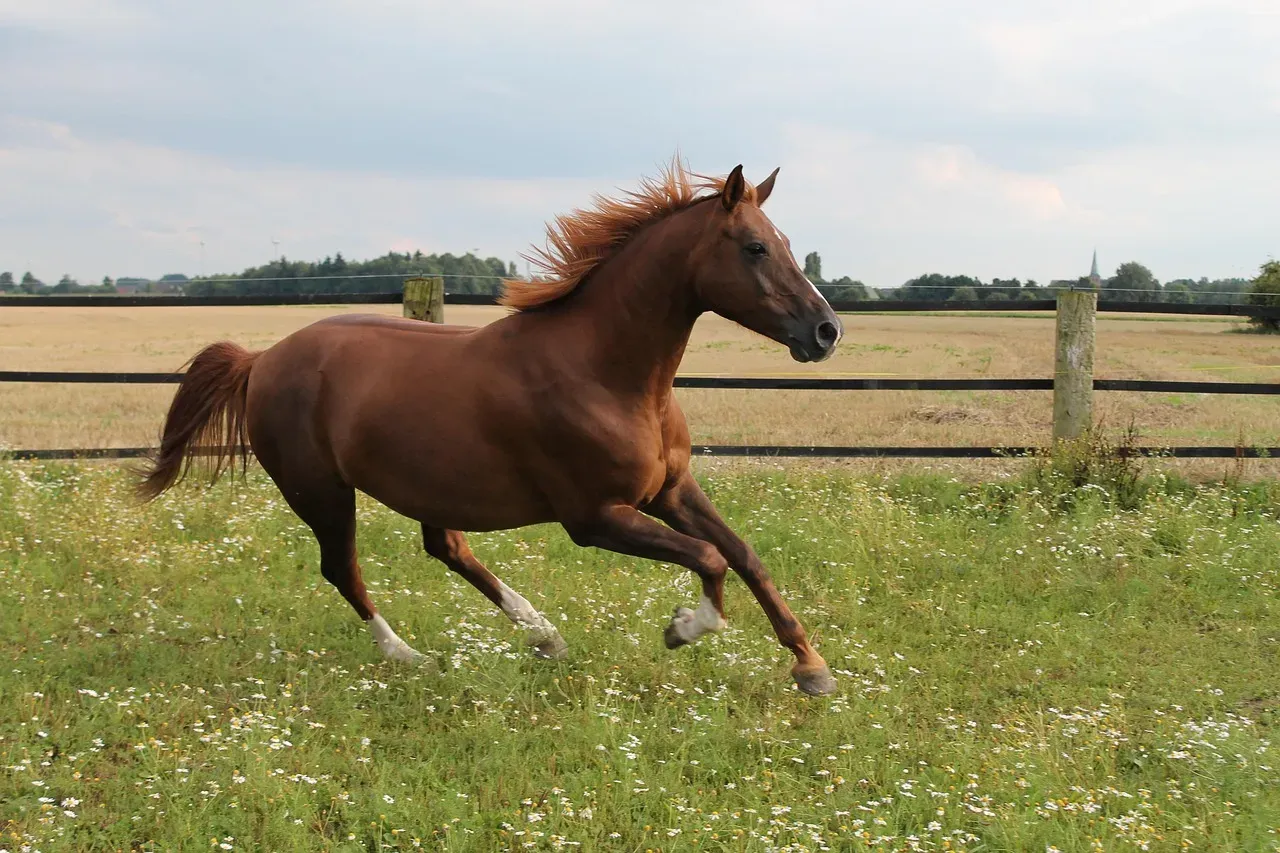
A horse that suddenly slows, shuffles, or changes gait without being asked is frequently labeled lazy or unresponsive. Riders sometimes push harder, add leg pressure, or reach for the whip. Rushed gait, slowed gait, and reluctance to move forward are unfortunately so common that they are regularly accepted as “normal.”
Significant differences were observed between nonlame and lame horses, with unwillingness to go, crookedness, hurrying, changing gait spontaneously, and poor-quality canter occurring more frequently in lame horses, in addition to changes in facial expression and head and neck posture.
Back pain or discomfort is a common cause of performance problems and can manifest as anything from lameness to a shortened stride to refusing fences. What reads as disinterest is often something far more specific and addressable.
7. Weaving, Cribbing, and Stall Walking
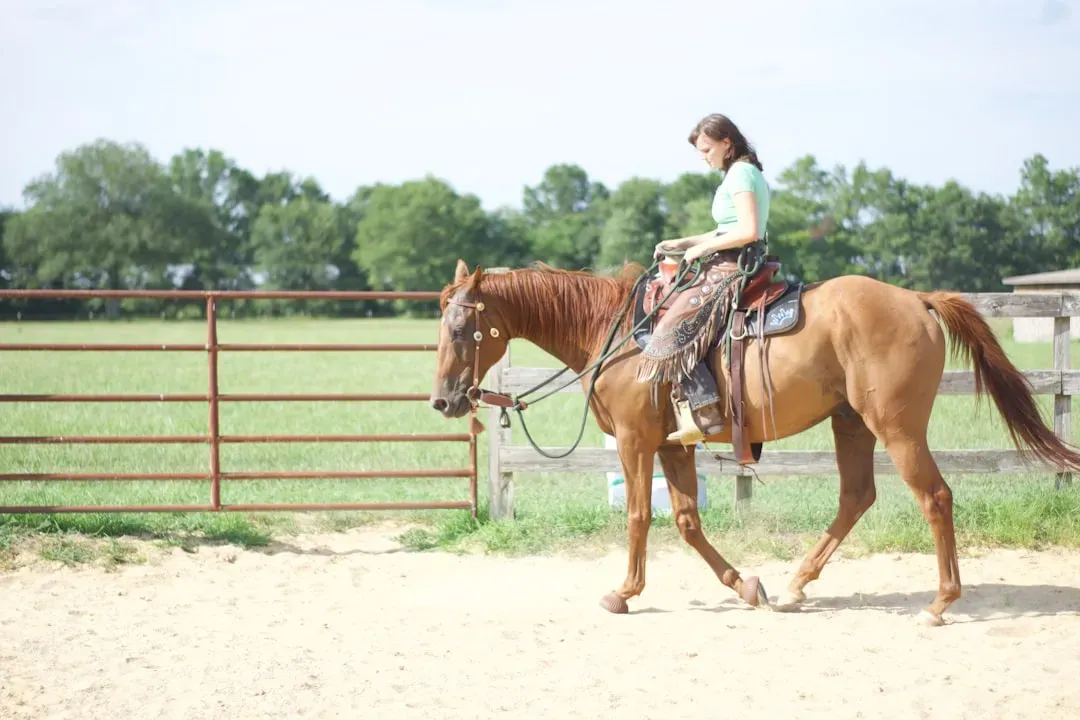
Stereotypic behaviors such as weaving, cribbing, and walking in repetitive circles in a stall are often discussed as vices or bad habits. That framing tends to put the focus on the horse’s character rather than its circumstances. Actions such as stall walking, cribbing, and wind sucking are common signs of stress or anxiety in horses. These are called stereotypical behaviors as they are generally repetitive and have no apparent function.
Horses who stall weave, a rhythmic swaying resulting from the shifting of weight between hooves, are usually anxiety-prone, bored, or stressed. These behaviors rarely develop in horses whose needs for social contact, movement, and forage are being adequately met.
In some instances, these behaviors can negatively impact the horse’s health. For example, cribbing can wear down their teeth. Addressing the underlying stress or confinement is almost always more effective than trying to prevent the behavior directly.
8. Spooking and Extreme Reactivity
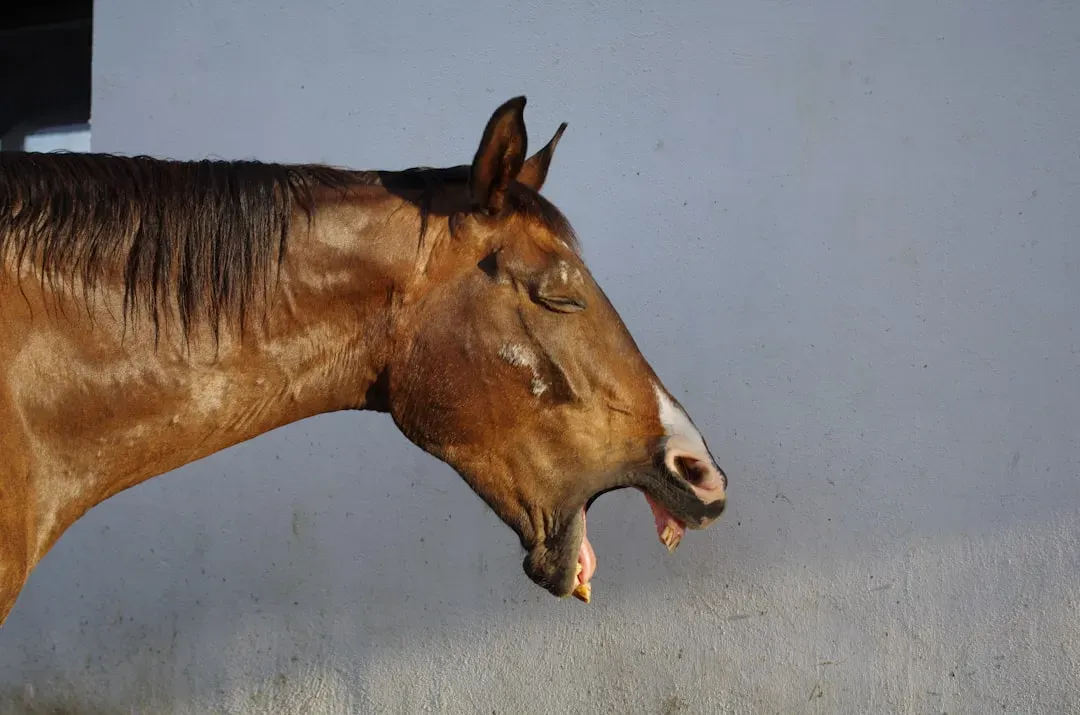
Every horse has moments of reactivity. That’s normal, and largely a product of how horses evolved as prey animals. Excessive reactivity and severe anxiousness in horses may indicate an underlying physical problem. That distinction is easy to miss when the horse’s behavior looks like fear but the real driver is physical discomfort.
A horse in chronic discomfort is at risk of developing stressful behaviors such as irritability, reluctance to work, or withdrawal from interaction. Chronic pain changes how a horse processes the world around it, lowering its overall threshold for tolerable stimuli.
Prolonged exposure to situations that cause stress and pain generates physiological changes such as tachycardia, tachypnea, hypertension, and hyperthermia, often accompanied by altered emotional states, deficient rest, and even aggressiveness. An extremely reactive horse may not be poorly trained. It may simply be hurting.
9. Grinding Teeth and Opening the Mouth Under Bit
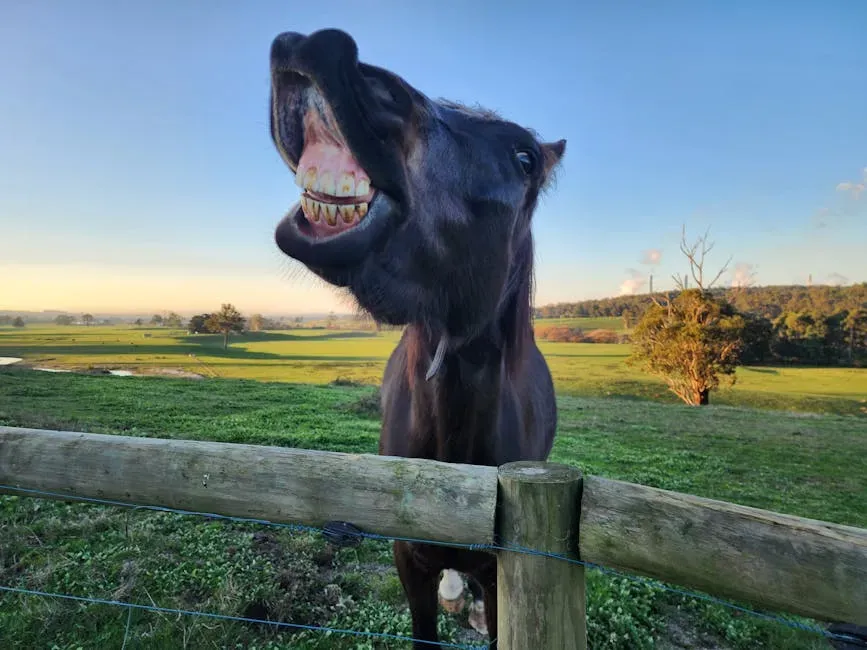
Tooth grinding and gaping mouth during riding are two behaviors that tend to get blamed on bit fit or rider hands. Those are legitimate starting points, but the picture is frequently more complex. Horses grind their teeth for many reasons, including when they feel anxious or are in pain. If you notice your horse is grinding their teeth and they don’t have any dental problems, then they might be feeling stressed.
Among the 24 behaviors of the Ridden Horse Performance Checklist, “mouth opening” is one of the more commonly seen, and unfortunately one of the most normalized of these potential indicators of discomfort.
If a horse’s mouth gapes while he is being ridden, he may be in pain. Check the fit of your bridle and bit, and schedule a dental examination to make sure his teeth aren’t hurting him. A dental exam is worthwhile, as dental problems can cause a range of painful issues that result in decreased performance or other unwanted behaviors.
What to Do When the Behavior Returns
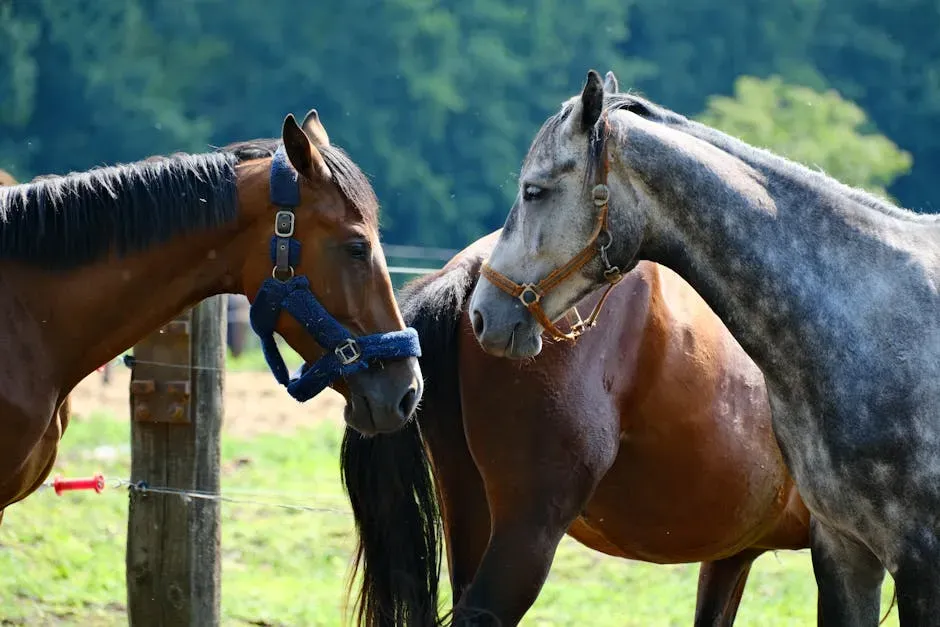
While some people are quick to label a horse as “naughty” or “stubborn” for displaying these behaviors, it is important to understand that horses cannot tell us what they feel, and the majority of problematic behaviors are our horses’ attempt to tell us something. Horses do not act out to spite us, and there is always a reason behind why they do what they do.
Only a vet will be able to accurately assess if there is a physical reason behind the horse’s problem behavior. Therefore, until you have a clean bill of health from a veterinarian, you should always assume problem behaviors stem from a discomfort in the body.
When behavior changes persist or become more severe, an underlying physical or psychological problem is frequently the cause of the undesirable behavior. Regular observation of your horse is key to identifying the origin of the problem. Doing so will allow for effective treatment or adjustments in management that can result in improvements in the horse’s behavior.
Conclusion
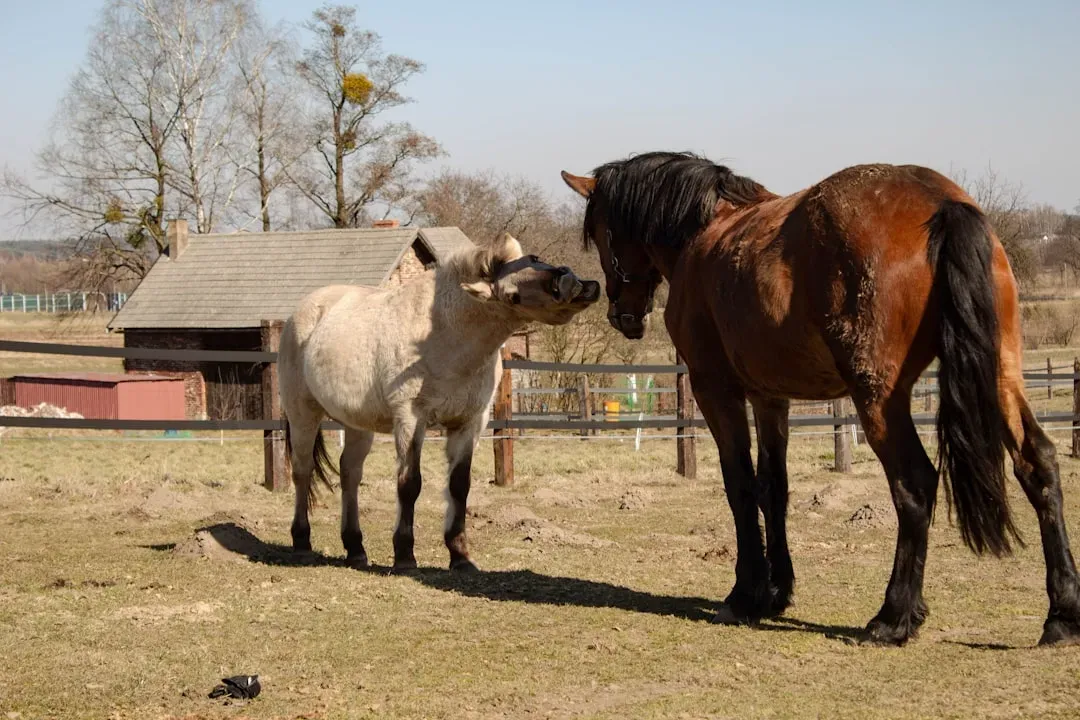
There’s a real shift that happens once you stop asking “why is my horse misbehaving?” and start asking “what is my horse trying to tell me?” The behaviors covered here aren’t character flaws. They’re a vocabulary, limited and often misread, but unmistakably present.
Paying attention to your horse’s signals strengthens the bond of trust and communication between horse and owner. By combining daily attentiveness with professional evaluation, owners can protect their horses from prolonged pain and ensure they thrive both physically and emotionally.
A horse that feels heard, physically comfortable, and genuinely understood tends to show it in the most straightforward way possible: by showing up willing. The rest usually follows.

- 14 Ways a Rescue Cat Shows It Has Given You Its Fragile Heart - July 21, 2026
- 13 Familiar Things That Bring an Aging Dog Deep, Quiet Comfort - July 21, 2026
- 13 Wild Visitors That Return to a Yard the Moment It Feels Safe - July 21, 2026