
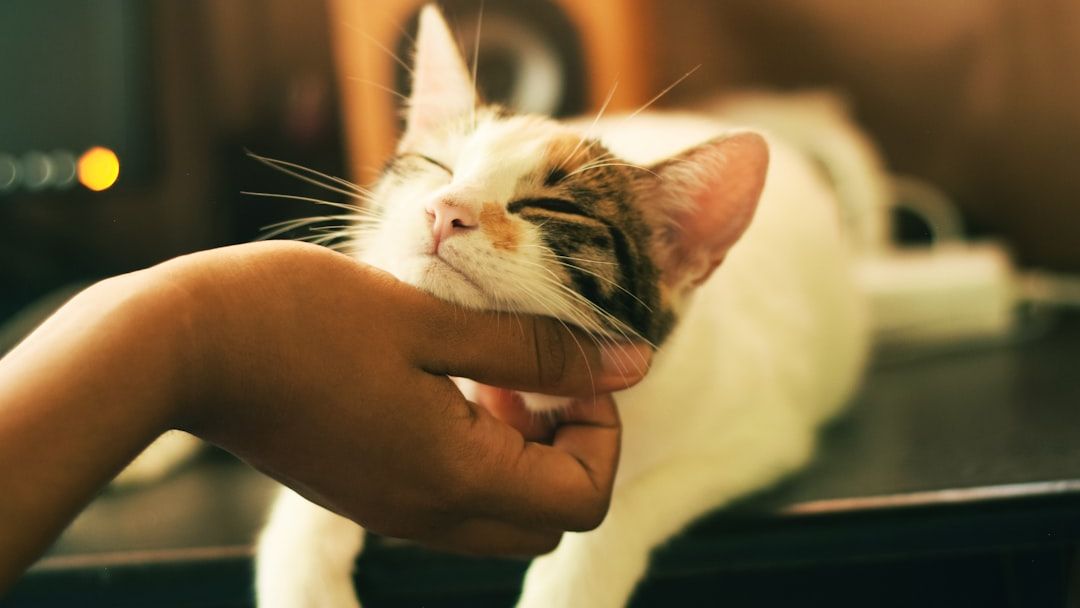
Excessive Grooming Leading To Bald Spots
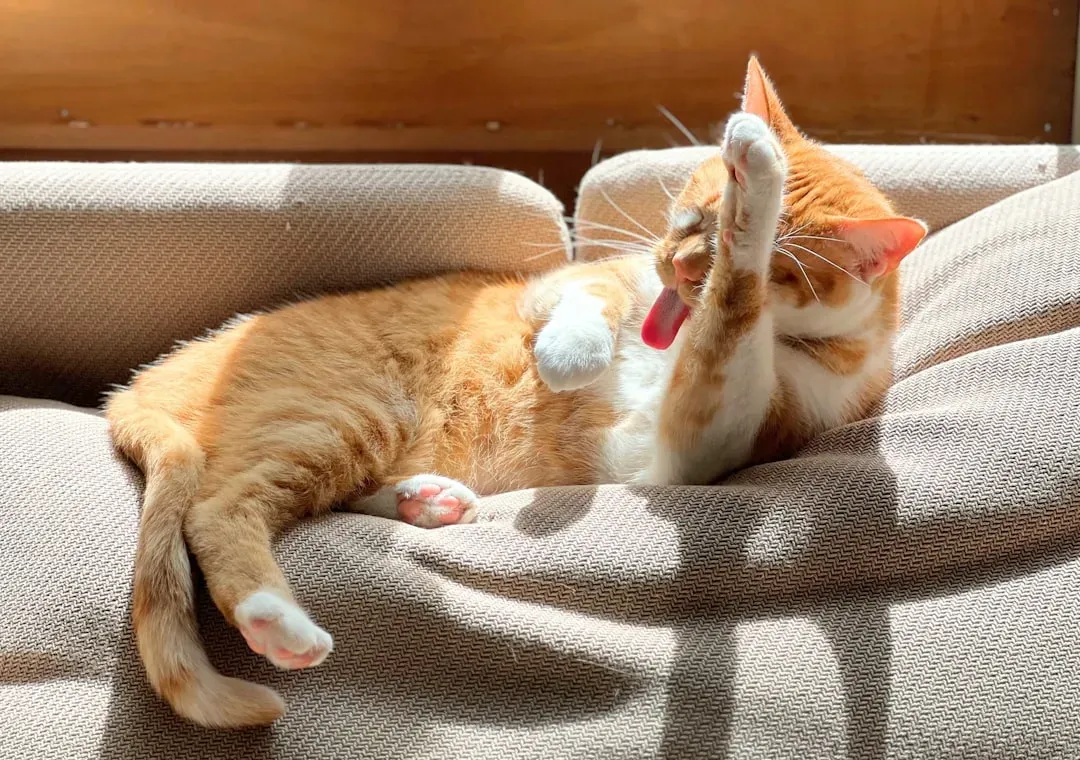
Cats groom to stay clean, but when the licking turns nonstop and creates raw patches or missing fur, it often signals more than hygiene. The repetitive motion serves as a self soothing mechanism during periods of tension. Owners might first notice thinning hair along the belly or sides before realizing the behavior has intensified.
Stress from changes in the household, such as new furniture or visitors, can trigger this response. Veterinary checks usually rule out skin conditions first, leaving anxiety as a common remaining factor. Addressing the root cause through environmental adjustments tends to reduce the grooming over weeks rather than days.
Withdrawing And Hiding For Long Periods
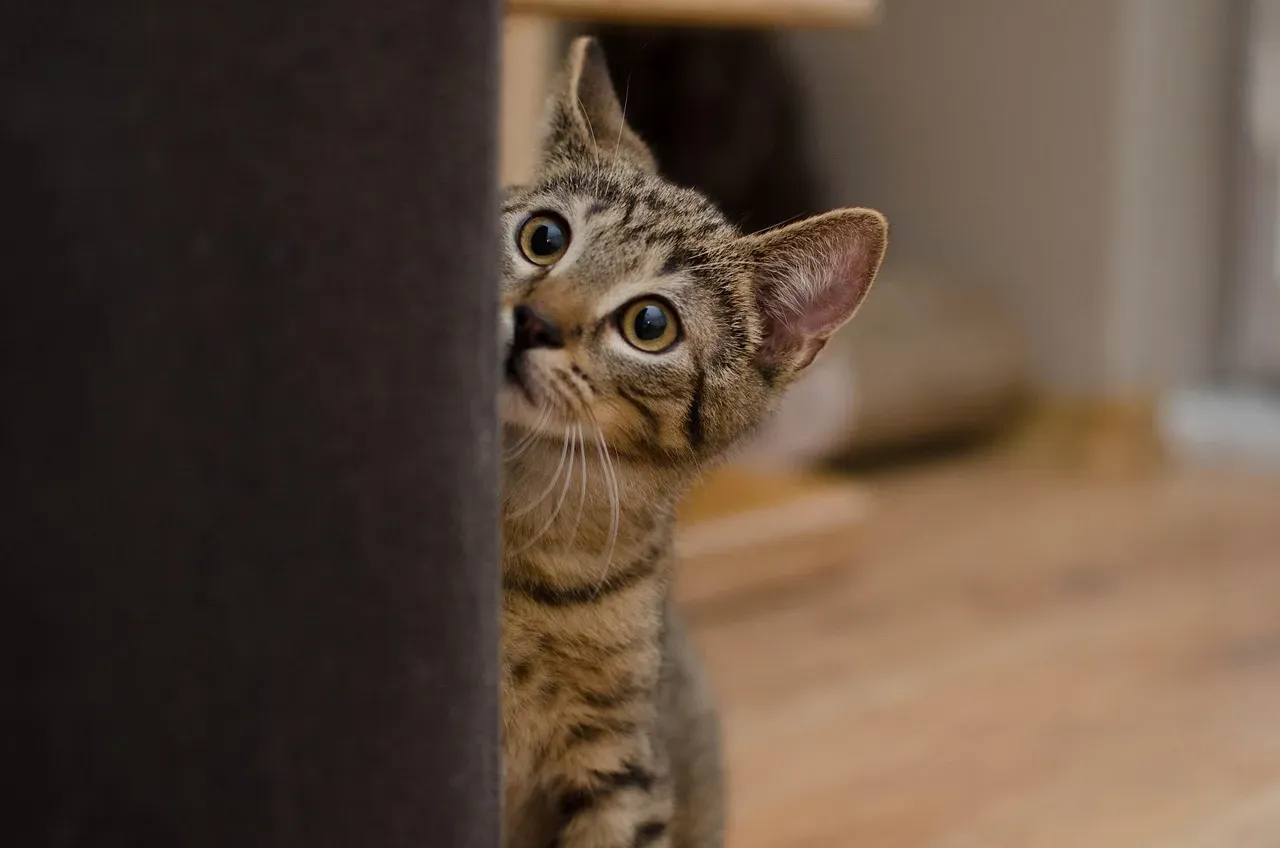
A cat that suddenly spends most of the day under the bed or inside closets may be avoiding perceived threats. This withdrawal differs from normal napping because it lasts longer and occurs even when the home feels calm to humans. The behavior provides a sense of control in an unpredictable setting.
Triggers often include loud noises from construction nearby or the arrival of another pet. Over time the cat learns that staying out of sight reduces encounters that feel overwhelming. Gradual reintroduction to safe spaces with familiar scents can help ease the cat back into shared areas.
Sudden Aggression Toward People Or Other Pets
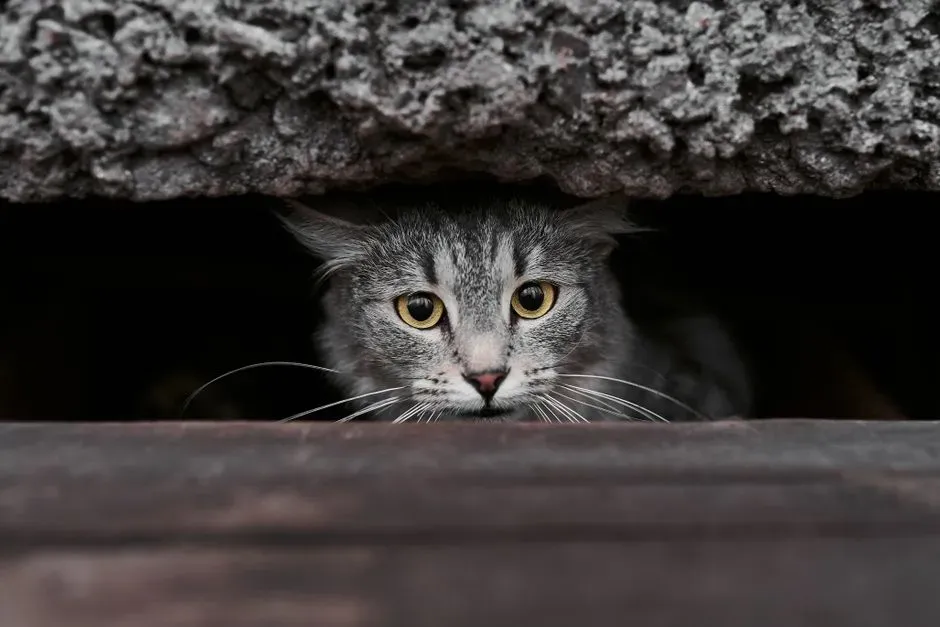
Swatting or hissing without clear provocation sometimes stems from anxiety rather than true dominance. The cat perceives minor movements as potential dangers and reacts defensively to create distance. What looks like moodiness is frequently a protective response built on accumulated unease.
Household changes such as altered feeding schedules or rearranged rooms contribute to this shift. Consistent routines and separate safe zones for each pet often lower the frequency of outbursts. Professional guidance from a behaviorist helps when the aggression persists despite simple adjustments.
Inappropriate Elimination Outside The Litter Box
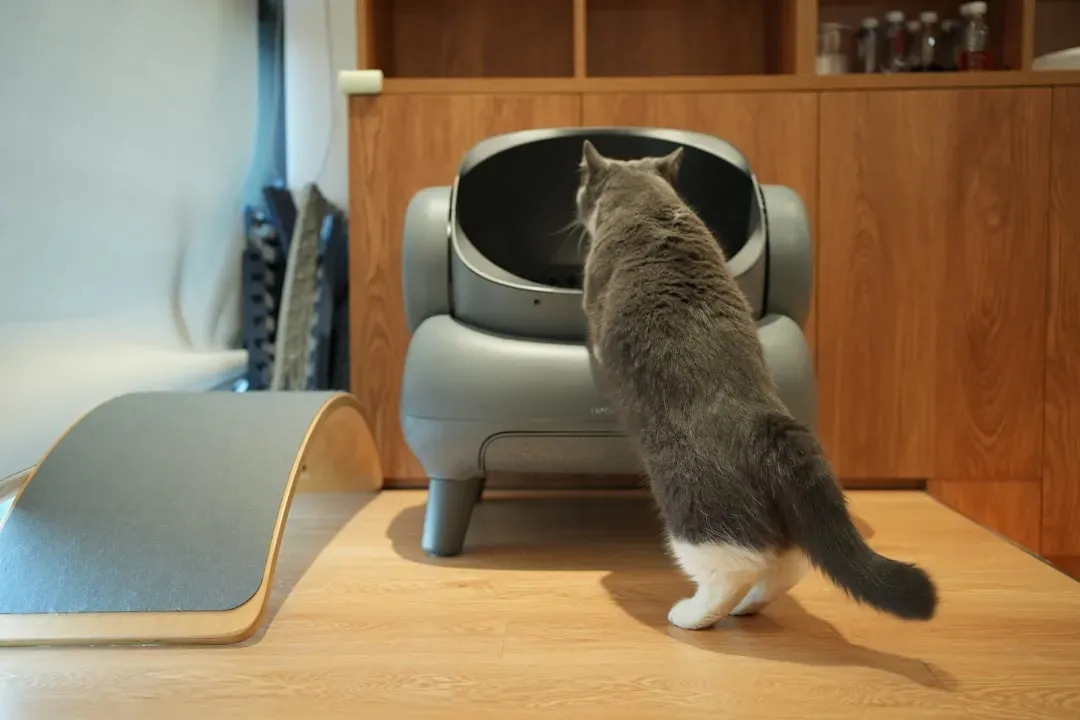
Urinating or defecating on rugs or furniture usually indicates discomfort rather than spite. The cat associates the litter box with stress and seeks alternative spots that feel more secure. Medical issues get checked first, yet anxiety remains a frequent explanation once health clears.
Multiple cats in one home or a box placed in a high traffic area can intensify the problem. Adding extra boxes in quiet locations and using unscented litter sometimes restores normal habits. Patience during the transition prevents further setbacks from punishment.
Increased Vocalization At Odd Hours
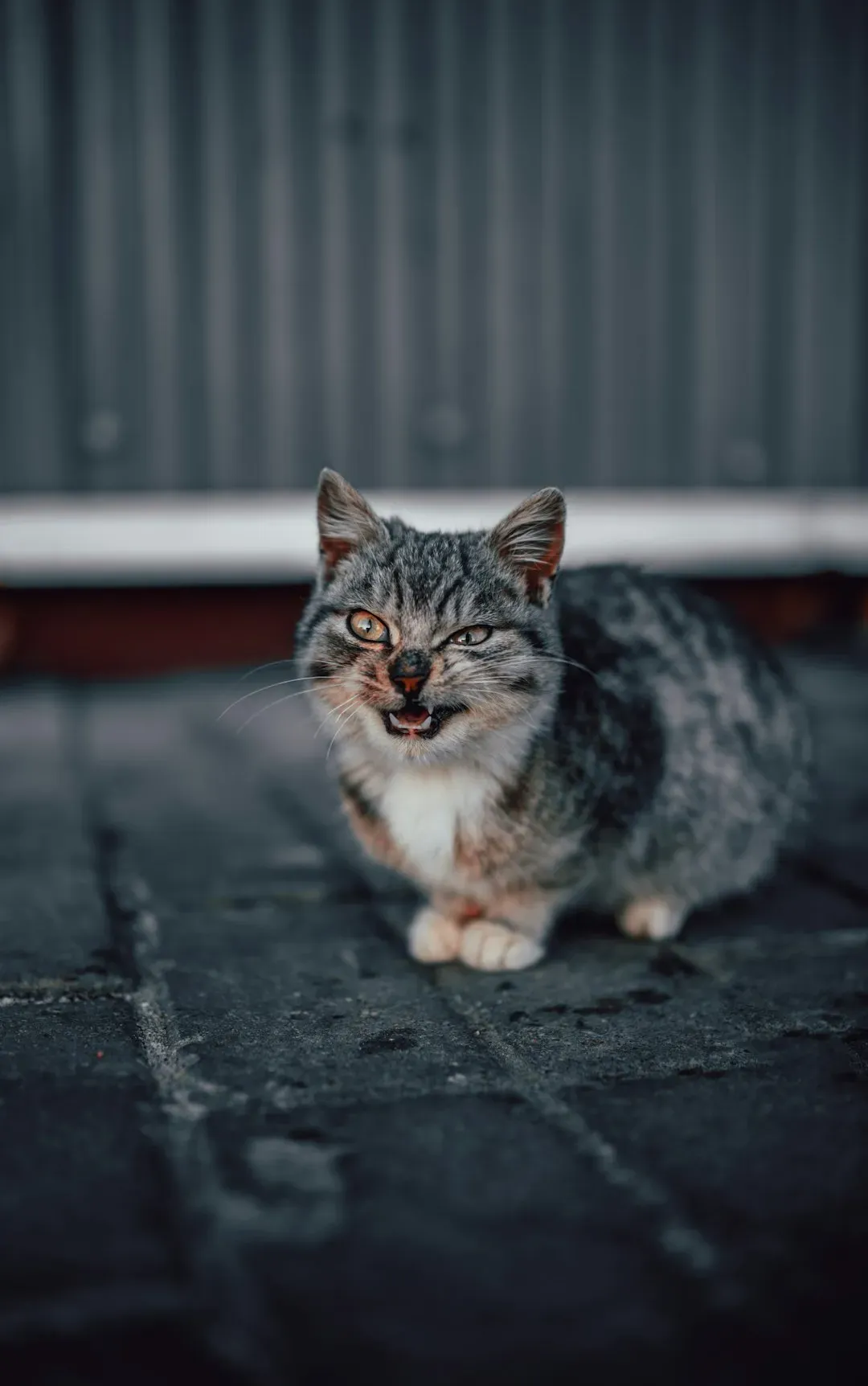
Meowing or yowling that starts at night or continues without an obvious need often reflects unease. The sounds serve as a way to seek reassurance when the cat feels unsettled by shadows or distant noises. What seems like attention seeking usually masks deeper discomfort.
Older cats may combine this with cognitive changes, while younger ones react more to environmental shifts. Playing soft background music or providing puzzle feeders before bedtime can interrupt the cycle. Tracking when the vocalizing peaks helps identify specific stressors to modify.
Changes In Eating Or Drinking Patterns
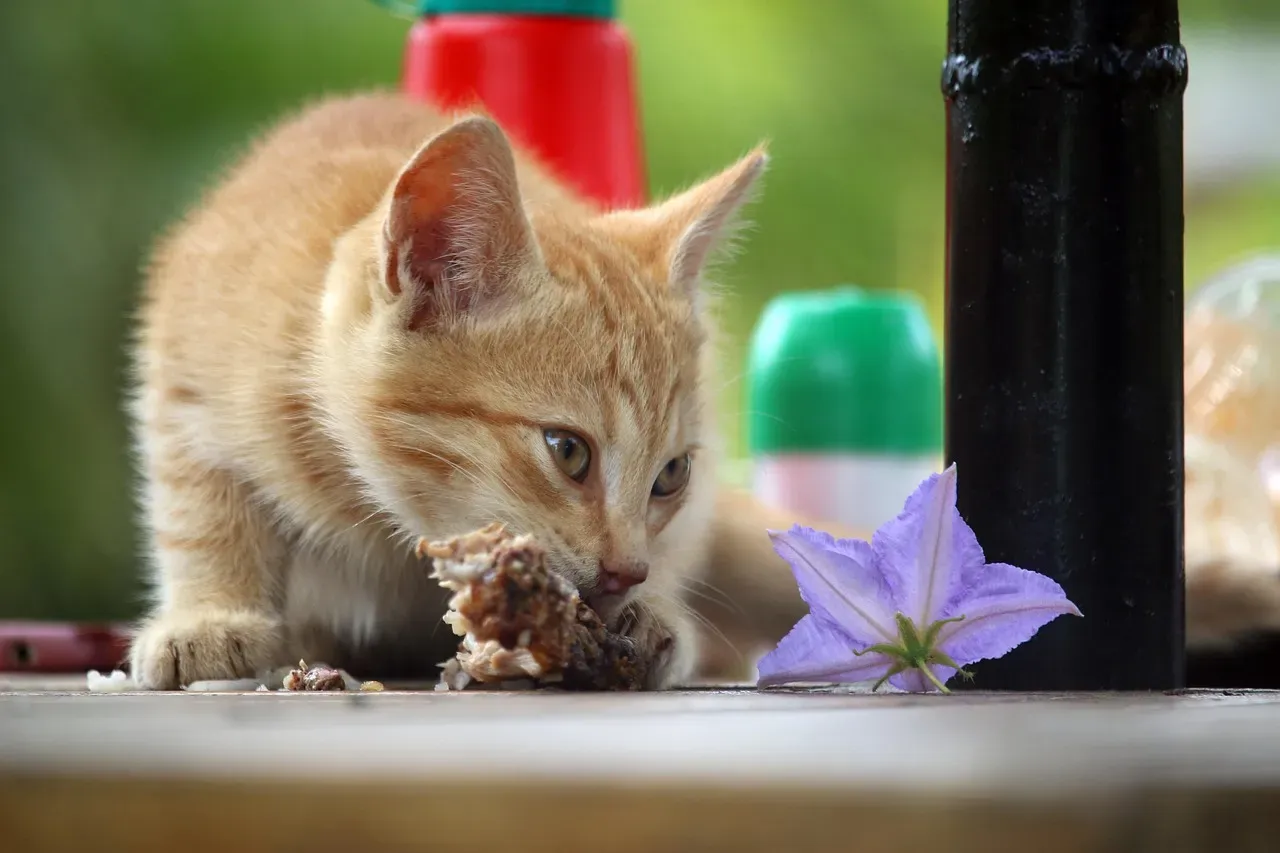
A sudden drop in appetite or increased thirst without medical cause frequently ties back to stress. The cat may skip meals during tense periods or drink more as a displacement activity. These shifts appear gradually and owners often overlook them until weight changes become noticeable.
Competition at feeding stations or loud household activity nearby can suppress normal hunger signals. Offering meals in calm, elevated spots sometimes restores interest. Monitoring intake over several days provides clearer insight than a single observation.
Destructive Scratching Beyond Normal Marking
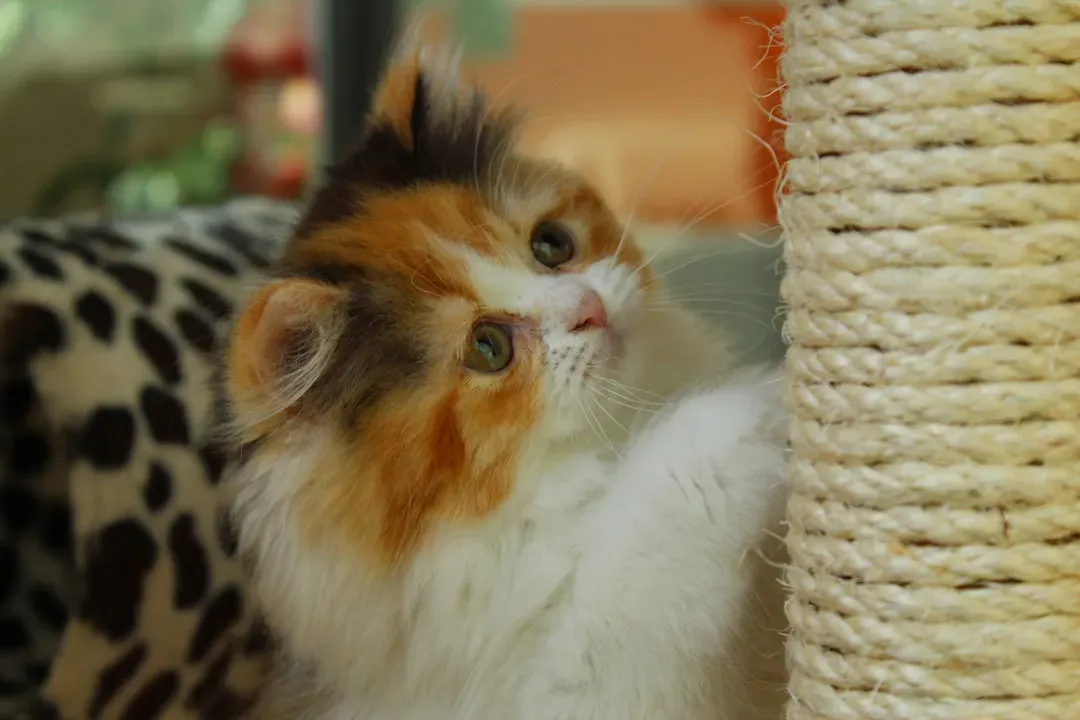
Clawing furniture or door frames more aggressively than before can release tension rather than just sharpen claws. The repetitive action calms the nervous system during anxious moments. New targets or increased intensity usually coincide with other household disruptions.
Providing multiple scratching posts with different textures gives the cat acceptable outlets. Placing them near favorite resting spots encourages use without frustration. Ignoring the behavior while redirecting prevents reinforcement of the unwanted habit.
Overly Clingy Behavior Or Constant Following
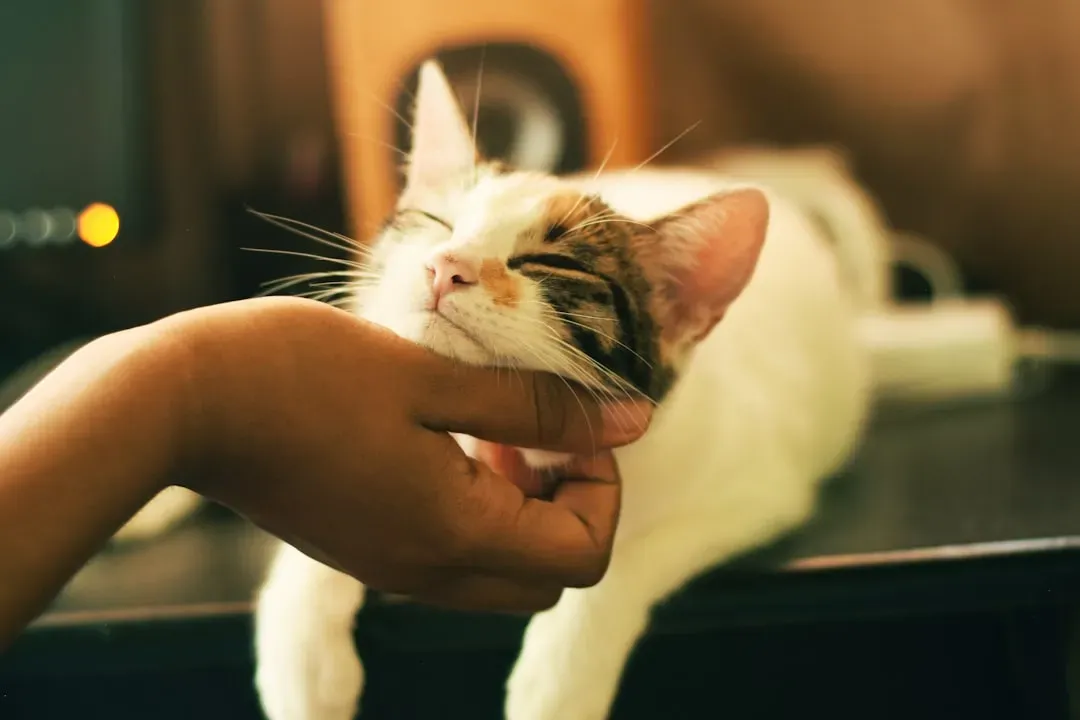
Shadowing the owner from room to room or refusing to settle alone often masks insecurity. The cat seeks constant proximity for safety when its own confidence feels low. This differs from affectionate bonding because it lacks relaxed body language.
Separation from a bonded human during work hours or travel can heighten the need for contact. Short training sessions that reward independent play build tolerance gradually. Enrichment toys left out during absences help bridge the time apart.
Tail And Ear Positions That Signal Tension
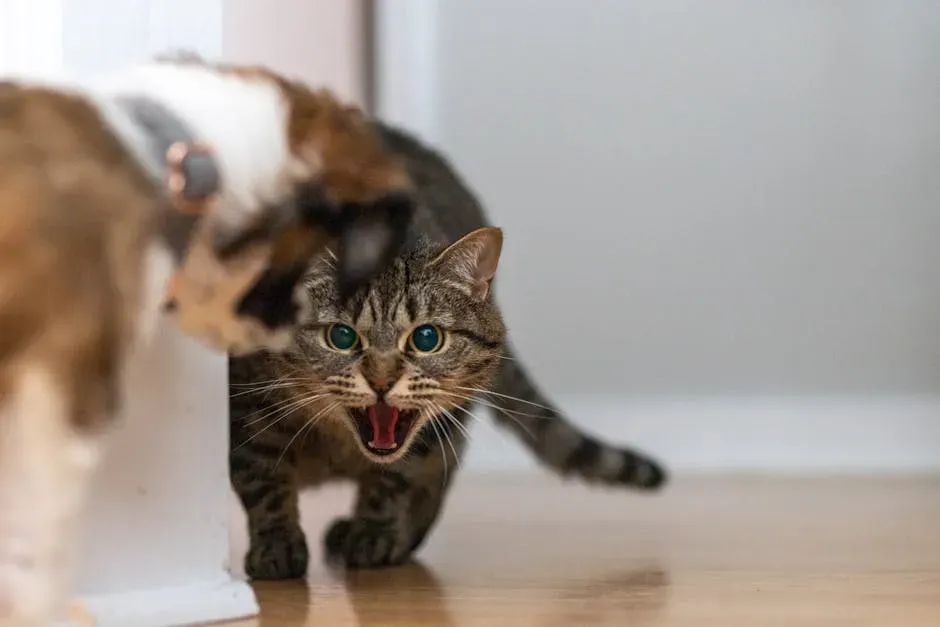
A tail held low or tucked combined with flattened ears appears during moments of unease rather than play. These subtle cues communicate discomfort before louder behaviors emerge. Owners who learn the baseline posture notice deviations earlier.
Busy environments or unfamiliar scents from deliveries can prompt the shift. Allowing the cat time to observe new situations from a distance reduces the intensity. Consistent calm responses from humans reinforce that the setting remains safe.
Understanding these signals allows owners to respond with practical changes that support their cat’s well being. Small consistent efforts often yield noticeable improvements in daily comfort. The real reward comes from watching a once anxious cat settle into a more relaxed version of itself.
- The 10 Best Dog Breeds For Those Whose Spirit Animal is a Wolf - August 6, 2026
- What Your Choice of Landscape Dwelling Says About Your Personality - August 6, 2026
- 10 Hidden Birding Destinations That Rival America's Famous National Parks - August 6, 2026