
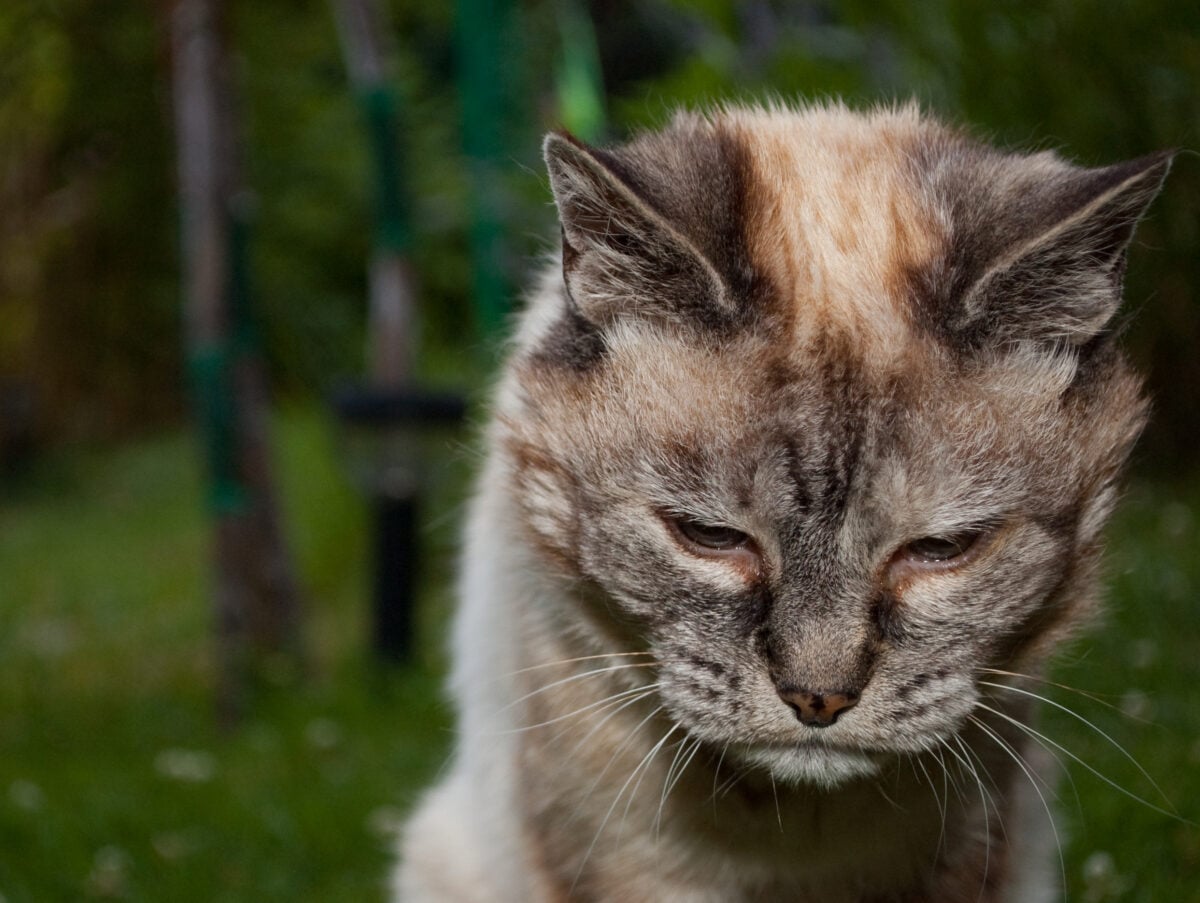
Your cat has spent years mastering the same routines: the 5 a.m. wake-up call, the spotless grooming, the flawless landing from the top of the fridge. Then one day the yowling starts at midnight, the litter box gets ignored, and your once-fussy groomer looks a little scruffy. Veterinary research suggests this is far more common than most owners realize. More than half of cats aged 11 to 14 develop at least one new behavior problem, and the figure climbs above 80% for cats 16 and older.
Here is the twist: many of these changes get brushed off as “just old age,” when a lot of them trace back to pain, kidney trouble, or brain changes that can be managed. Cats are experts at hiding discomfort, so the behavior is often the only clue you get. We’re counting down from #9 to #1, and the habit at the top is the one that gets misread most often.
#9 – Nighttime Yowling Becomes the New Normal
🔥 Would you like to save this?
We'll email this post to you, so you can come back to it later!
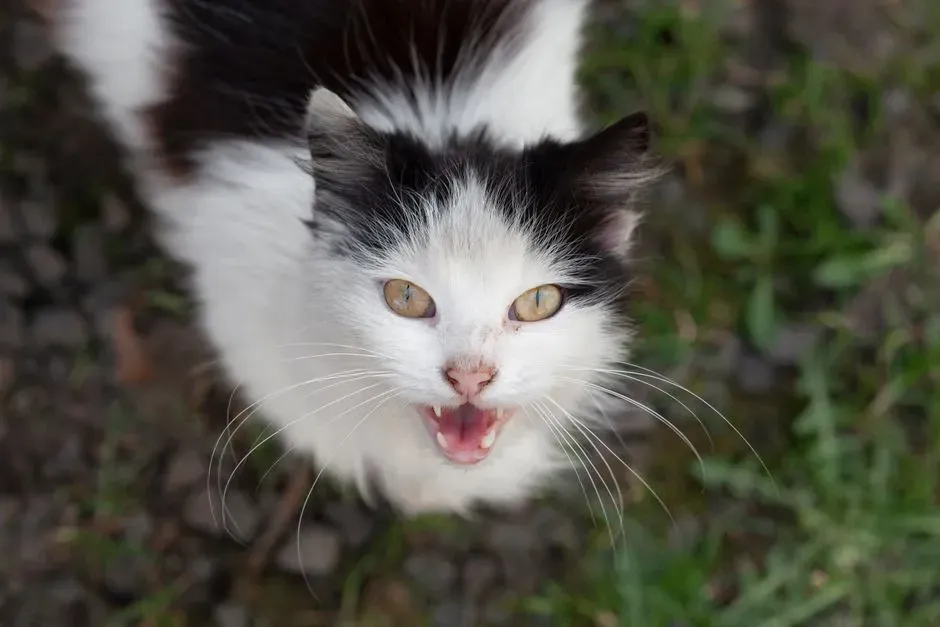
If your once-quiet cat now serenades the hallway at 3 a.m., you’re in very large company. Vocalizing is one of the most common behavior shifts in senior cats, and it tends to get louder after dark. Owner surveys put increased vocalization at roughly 58-60% of cats over 11.
The sound itself often changes, too. Many owners describe it as more urgent, drawn-out, or plaintive than the chatty meows of a younger cat. It can feel like your pet is calling out to someone who isn’t there.
The causes are rarely random. Hearing loss can make a cat unable to judge how loud it is being, so the volume goes up. Arthritis pain, an overactive thyroid, high blood pressure, and early cognitive decline can all stir up nighttime restlessness. A cat who feels disoriented in the dark may simply be calling to find you.
- Calls often sound more anxious than playful.
- Daytime vocalizing with no obvious trigger also becomes more common.
- A sudden change in voice or volume deserves a vet visit, not just earplugs.
And yowling is only the opening act. The next habit shows up in the daytime, and it’s easy to mistake for contentment.
#8 – Daytime Napping Replaces Active Exploration
🔥 Would you like to save this?
We'll email this post to you, so you can come back to it later!
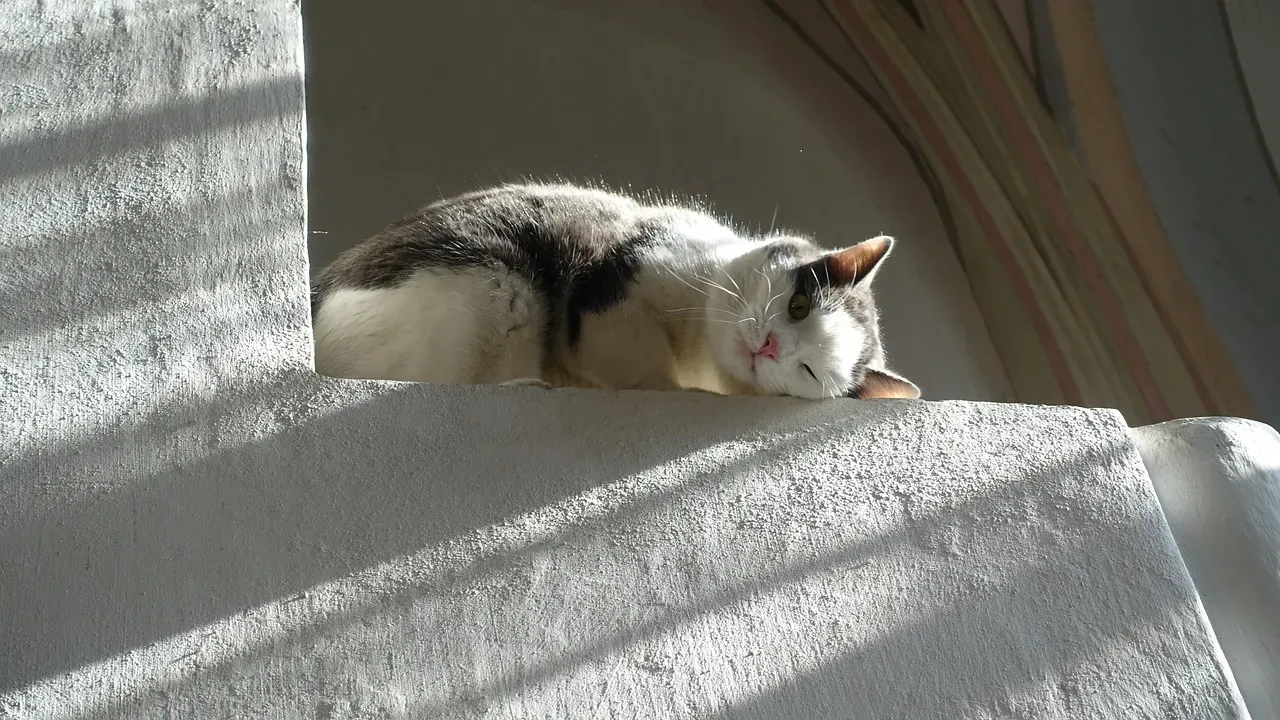
The cat who once patrolled every room now has a favorite sunbeam and no plans to leave it. The shift often starts quietly in the mature adult years and becomes obvious after age 11. Your former hunter now picks lower, softer resting spots that don’t require a jump.
Some of this is perfectly healthy. Older cats conserve energy, and a long nap in a warm patch of sun is a simple pleasure. But the nights tell a different story, because many seniors sleep heavily by day and rest in fragments after dark. That broken sleep pattern is one reason the nighttime yowling in #9 shows up in the first place.
Joint changes play a big role. A cat who hurts when jumping may stop trying, and owners often read that as laziness or mellowing. In some owner surveys, a sizable share of seniors are reported to sleep most of the day, well beyond the usual feline baseline.
- Play sessions get shorter, and zoomies become rare.
- Many cats still respond to interactive toys but tire faster.
- Choosing lower perches can be a quiet sign of joint pain.
The takeaway: more sleep is normal, but a sudden jump in sleeping or hiding is worth a closer look. The next change is one you can see from across the room.
#7 – Self-Grooming Drops Off Noticeably
🔥 Would you like to save this?
We'll email this post to you, so you can come back to it later!
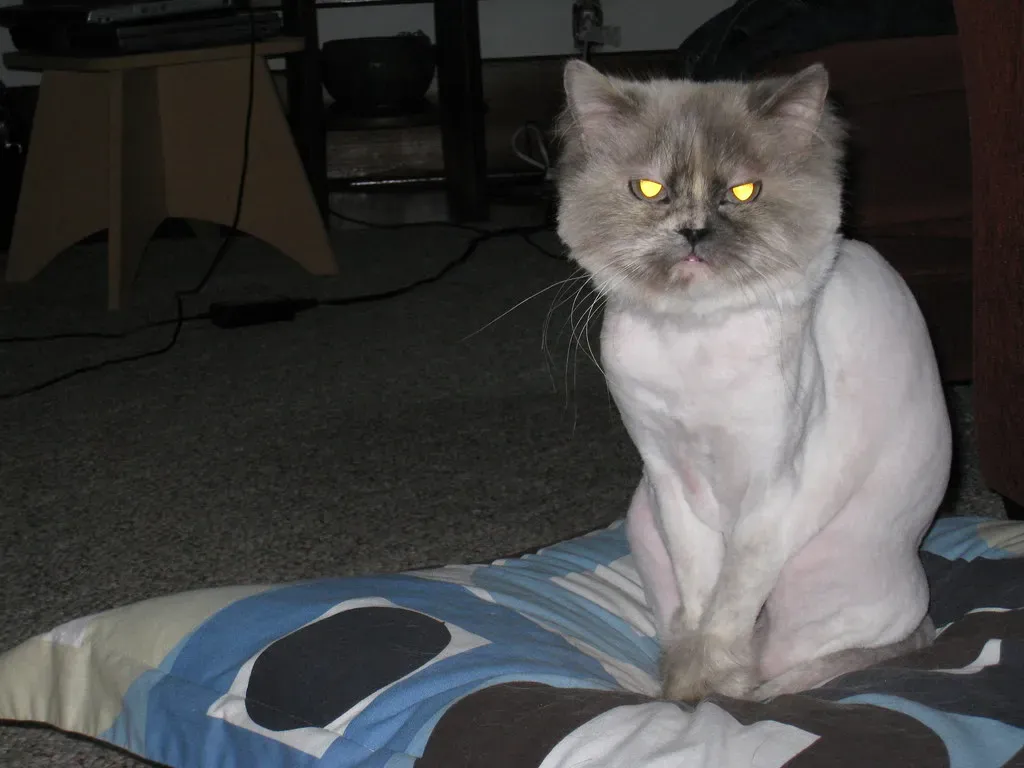
Cats take pride in their coats, which is why a dull, clumpy, or matted one stands out so sharply. Owners often notice it first along the lower back and hindquarters, the spots that take the most flexibility to reach. Roughly a quarter of senior cats show this change in owner reports.
Arthritis is a common culprit. Twisting around to lick the base of the tail is a big ask for stiff hips and a stiff spine. Dental disease can also make licking and chewing at tangles uncomfortable. Mouth problems are very common in older cats, and one mature-cat study found dental disease in over half of the cats examined.
Fast Facts
- A cat’s tongue is covered in tiny backward-facing barbs, so grooming is a full-body, flexibility-heavy workout.
- The hardest spots to reach are the lower back, base of the tail, and hips.
- Hind-end mats are often the first visible clue of stiff joints.
- A gentle weekly brushing routine can double as a quick lump-and-bump check.
Overgrown claws often tag along with this change. Older cats scratch less, and their nails can thicken and grow long. In some cats, neglected claws curl into the paw pads, which is painful and easy to miss under the fur.
- Matted fur can pull on the skin and lead to irritation.
- Greasy or flaky coats can signal an underlying health problem.
- Regular claw checks help catch overgrowth early.
A scruffy senior isn’t neglecting herself on purpose. Her body is making a once-effortless chore feel like hard work. Speaking of things that stop being automatic, the next one tests every owner’s patience.
#6 – Litter Box Reliability Starts to Slip
🔥 Would you like to save this?
We'll email this post to you, so you can come back to it later!
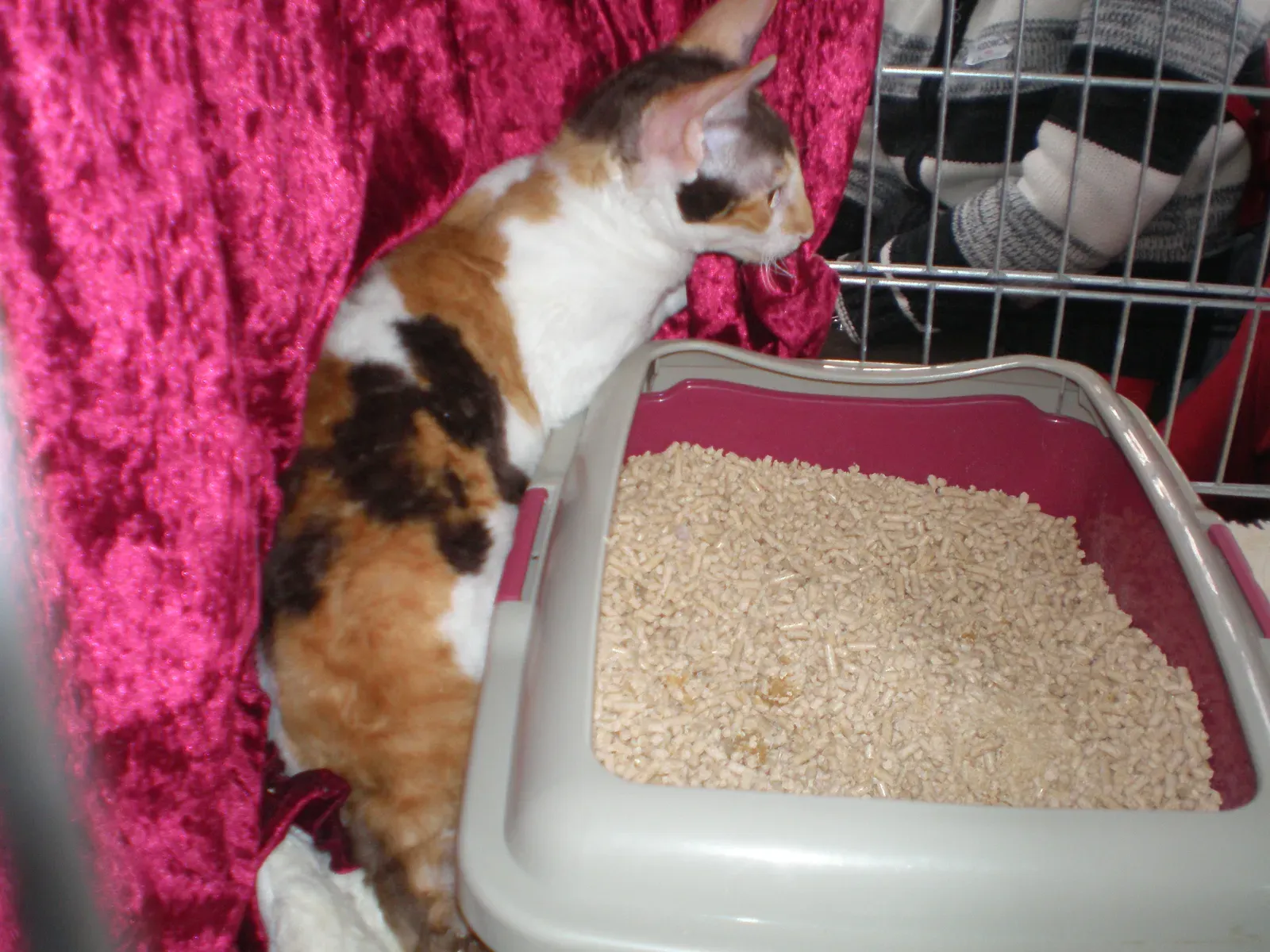
Few things strain the bond between a cat and her person like a surprise puddle on the rug. Yet house soiling ranks among the most reported age-related behavior changes, with some owner surveys putting it as high as 55% of older cats. A cat who has used the box flawlessly for a decade is not suddenly being spiteful.
The reasons are usually physical. A box with high sides can feel like climbing a wall to a cat with arthritic hips. Conditions like kidney disease and diabetes increase urine output, which means the box fills faster and may feel unpleasant. A cat with cognitive decline may also simply forget where the box is.
So she improvises. She may pick a soft bath mat or a cozy spot near where she sleeps, because it’s closer and easier on her joints. From her point of view, that’s problem-solving, not misbehavior.
- Low-entry boxes often restore consistent use.
- Extra boxes on every floor help when mobility declines.
- Scoop often, since older cats can be more sensitive to a dirty box.
- A new accident habit is a reason to call the vet, since urinary and kidney problems are common.
Owners tend to feel guilty or frustrated here, but the fix is often a simple swap. The next habit is more emotional, and it can go in two opposite directions.

Air Purifiers for Home Pets Large Room Up to 3000 Ft²,HEPA Air Cleaner with Washable Double-Side Filter, PM2.5 Air Quality Monitor,15dB Sleep Mode for Bedroom Odor Dust Pollen,White
Check Price on AmazonAs an Amazon Associate, we earn from qualifying purchases.
10/8/2026 8:23 am GMTi

Hand Blown Glass Hummingbird Feeders for Outdoors Hanging, 24oz Wild Bird Nectar Feeder
Check Price on AmazonAs an Amazon Associate, we earn from qualifying purchases.
10/7/2026 1:23 pm GMTi

Professional 7 in 1 Dog Paw Cleaner for Dogs & Cats - Includes 1 Portable Paw Washer, 1 Bath Brush
Check Price on AmazonAs an Amazon Associate, we earn from qualifying purchases.
10/7/2026 1:26 pm GMTi

Earth Rated XL Dog & Puppy Pee Pads, Discreet Top, Max Absorbency
Check Price on AmazonAs an Amazon Associate, we earn from qualifying purchases.
10/7/2026 1:28 pm GMTi

Orthopedic Extra Large Dog Bed, Waterproof Washable XL Pet Bed 44"
Check Price on AmazonAs an Amazon Associate, we earn from qualifying purchases.
10/7/2026 1:32 pm GMTi
#5 – Clinginess or Sudden Distance Emerges
🔥 Would you like to save this?
We'll email this post to you, so you can come back to it later!
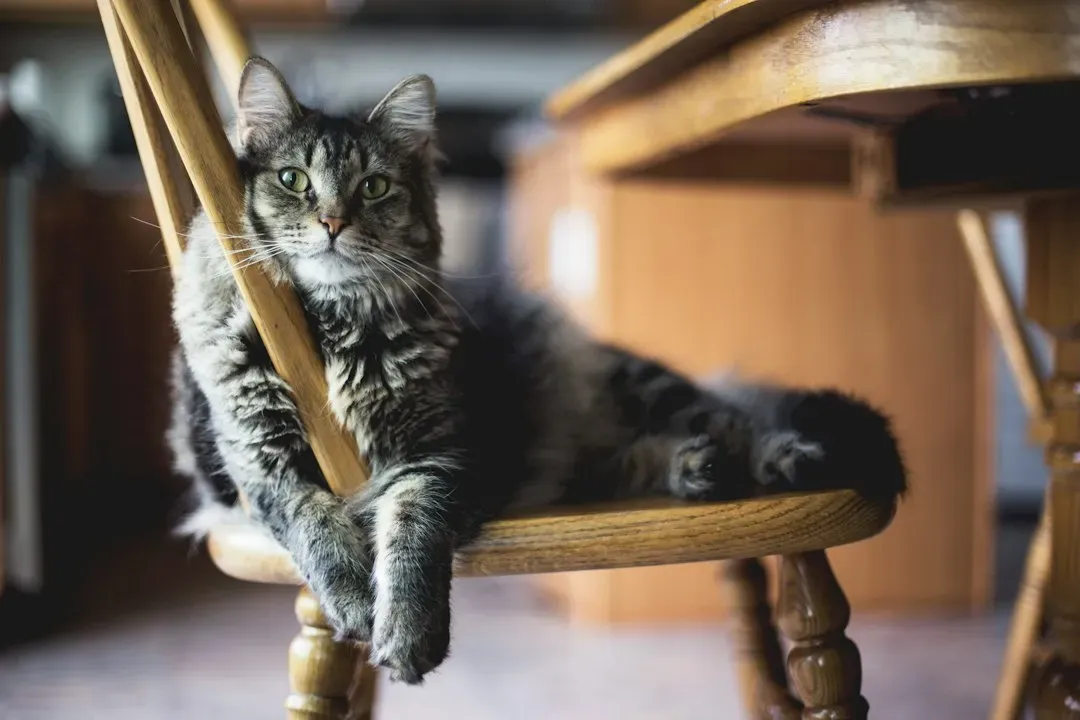
Some senior cats turn into shadows. They follow you to the kitchen, the bathroom, and the laundry room, and they cry when a door closes. Others do the reverse and quietly pull away from the petting and greetings they used to love.
Both are real, and both are common. Large owner questionnaires have found increased affection in roughly 35-52% of senior cats. The reasons are rarely about personality alone. A cat who can’t see or hear as well may feel less secure, and your presence becomes her anchor.
The withdrawing cat often has a different story. If being touched hurts, or if moving around is tiring, solitude can feel safer. A formerly social cat who starts hiding under the bed may be telling you something is wrong, not that she’s lost interest in you.
- Aloof cats may suddenly seek constant contact.
- Cuddly cats may prefer to be left alone when they hurt.
- Both patterns can show up in the same household, depending on each cat’s health.
Quick Compare
- The Shadow: follows you everywhere and protests closed doors. Often linked to fading senses or confusion. Calm routines and a nearby bed help.
- The Hider: retreats under furniture and avoids handling. Often linked to pain or fatigue. A vet exam comes first, then easy-access quiet spots.
Either shift is a signal, not a mood. Pay attention to which direction your cat is heading. The next habit is one many owners see as a quiet loss.
#4 – Play and Hunting Interest Fades
🔥 Would you like to save this?
We'll email this post to you, so you can come back to it later!
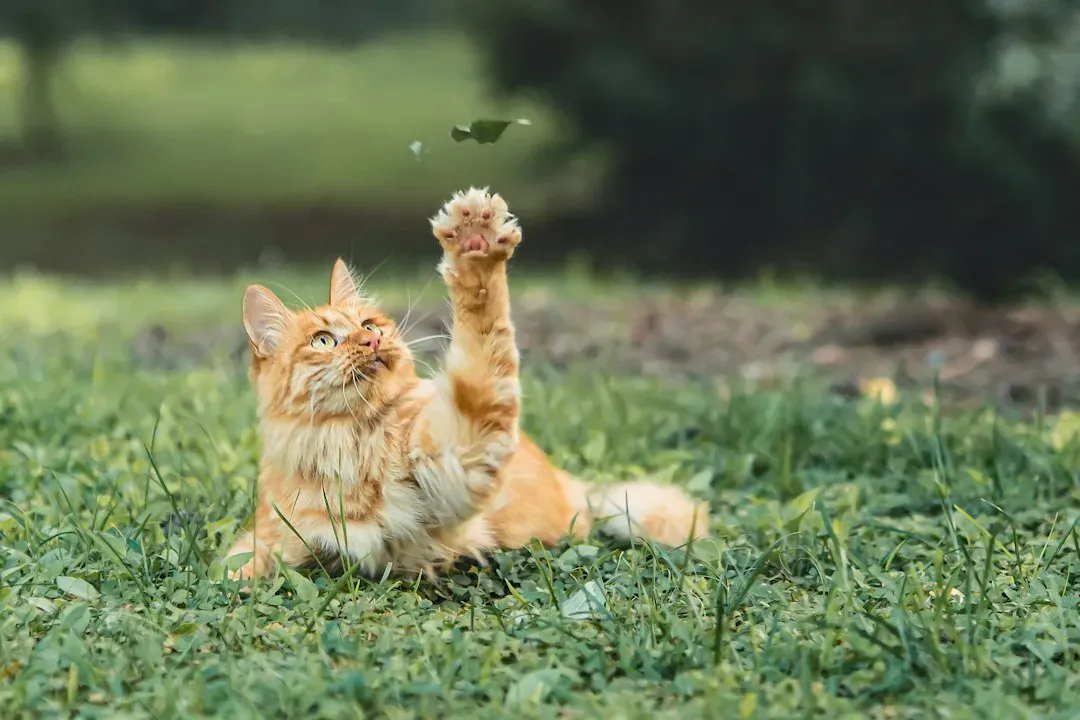
The feather wand that once sent your cat into a frenzy now earns a lazy blink. Interactive play shortens or disappears as cats age, and studies of mature and senior felines show this consistently. Owners notice fewer zoomies and less interest in toys once cats pass about 10 years old.
Part of the reason is physical. Sore joints and lower energy reserves make pouncing and leaping less appealing. Indoor cats also have fewer chances to stalk and hunt, which can make the drive fade even faster. The instinct doesn’t necessarily vanish, but it gets quieter.
Here’s the encouraging part: many senior cats still enjoy play when it’s gentle and low-effort. One recent observation noted that super-senior cats initiated play far less often than mature adults, but they could still be coaxed into it. A short session at floor level can bring back a flash of the kitten you remember.
- Fishing-rod style toys tend to stay popular longer than solo toys.
- Short, ground-level sessions work better than high jumps.
- Food puzzles can give an aging hunter a gentle mental workout.
Play is more than fun for a senior. It’s movement, bonding, and a way to read how she’s feeling. Next up is the habit that gets the most eye rolls at dinner time.
#3 – Food Preferences Grow Picky
🔥 Would you like to save this?
We'll email this post to you, so you can come back to it later!
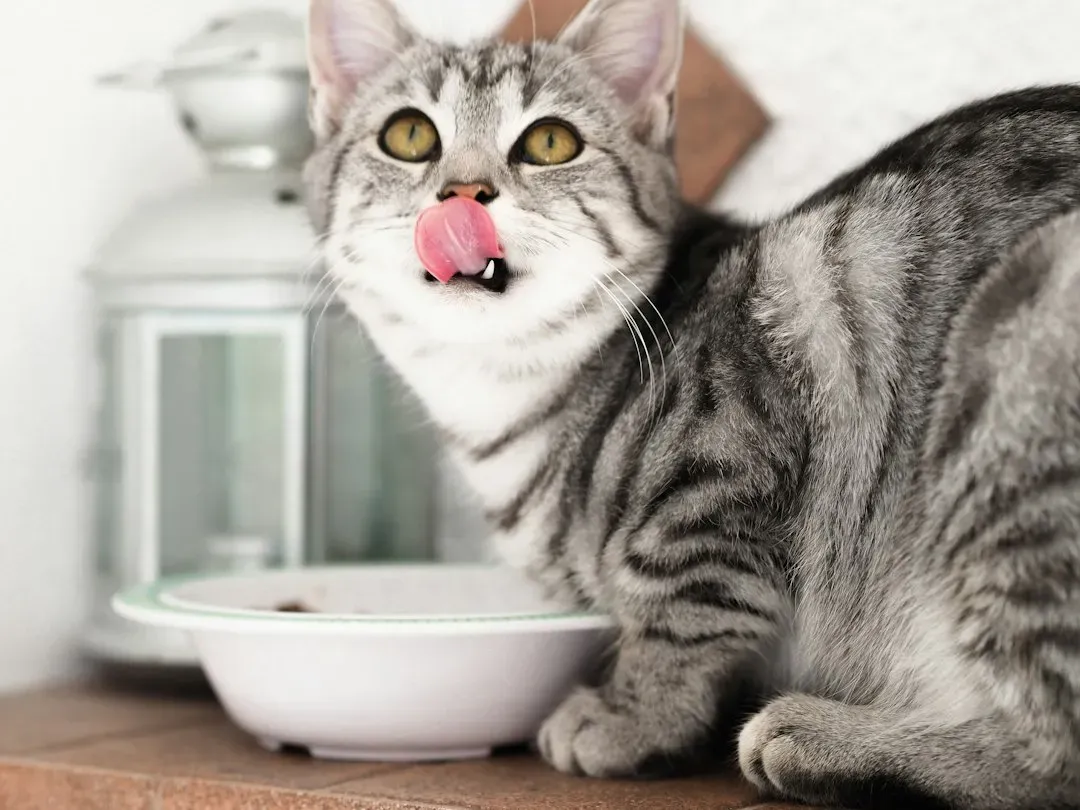
You open a can she loved last month, and she sniffs it and walks away with her tail high. Senior cats often turn fussy, and appetite changes show up repeatedly in studies of aging cats. Some demand textures they previously ignored, while others lose interest altogether.
Smell is a big deal here. Cats rely heavily on aroma to decide whether food is appealing, so a duller sense of smell can make meals seem bland. Digestive changes also play a part. Seniors may digest fat and protein less efficiently, so nutrition can need adjusting even when appetite holds steady.
Dental pain adds another layer. Crunchy kibble can turn into a painful chore for a cat with sore teeth or gums, and she may eat less without any obvious sign of why. This is also why a picky eater who is losing weight needs a vet visit, not just a new brand of food.
- Warming wet food slightly can boost its aroma.
- Smaller, more frequent meals sometimes improve intake.
- Weight loss in a senior cat is a red flag, even if she seems otherwise fine.

Portable Dog Water Bottle Foldable Dog Travel Water Bottle
Check Price on AmazonAs an Amazon Associate, we earn from qualifying purchases.
10/7/2026 1:29 pm GMTi

2 Pcs Halloween Pet Hat Bandana Set, Witch Pumpkin Costumes for Dogs
Check Price on AmazonAs an Amazon Associate, we earn from qualifying purchases.
10/9/2026 2:45 pm GMTi

Glass Hummingbird Feeder for Outdoors Hanging
Check Price on AmazonAs an Amazon Associate, we earn from qualifying purchases.
10/7/2026 1:21 pm GMTi

Halloween Dog Collar with Bow, Orange Cute Ghost Collar,
Check Price on AmazonAs an Amazon Associate, we earn from qualifying purchases.
10/9/2026 2:43 pm GMTi

Halloween Cat Costume Cloak Witch Hat Pet Accessories
Check Price on AmazonAs an Amazon Associate, we earn from qualifying purchases.
10/9/2026 2:44 pm GMTi
At a Glance
- Track: how much she eats, how much she drinks, and how often the litter box needs scooping.
- Watch: for chewing on one side, dropping food, or backing away from the bowl after one bite.
- Weigh: a monthly check at home can catch slow weight loss that is easy to miss by eye.
- Don’t wait: a cat who stops eating altogether for a day or two needs prompt veterinary attention.
Fussiness can look like attitude, but it often has a medical backstory. The next two habits are the heavy ones.
#2 – Disorientation Shows Up in Familiar Spaces
🔥 Would you like to save this?
We'll email this post to you, so you can come back to it later!
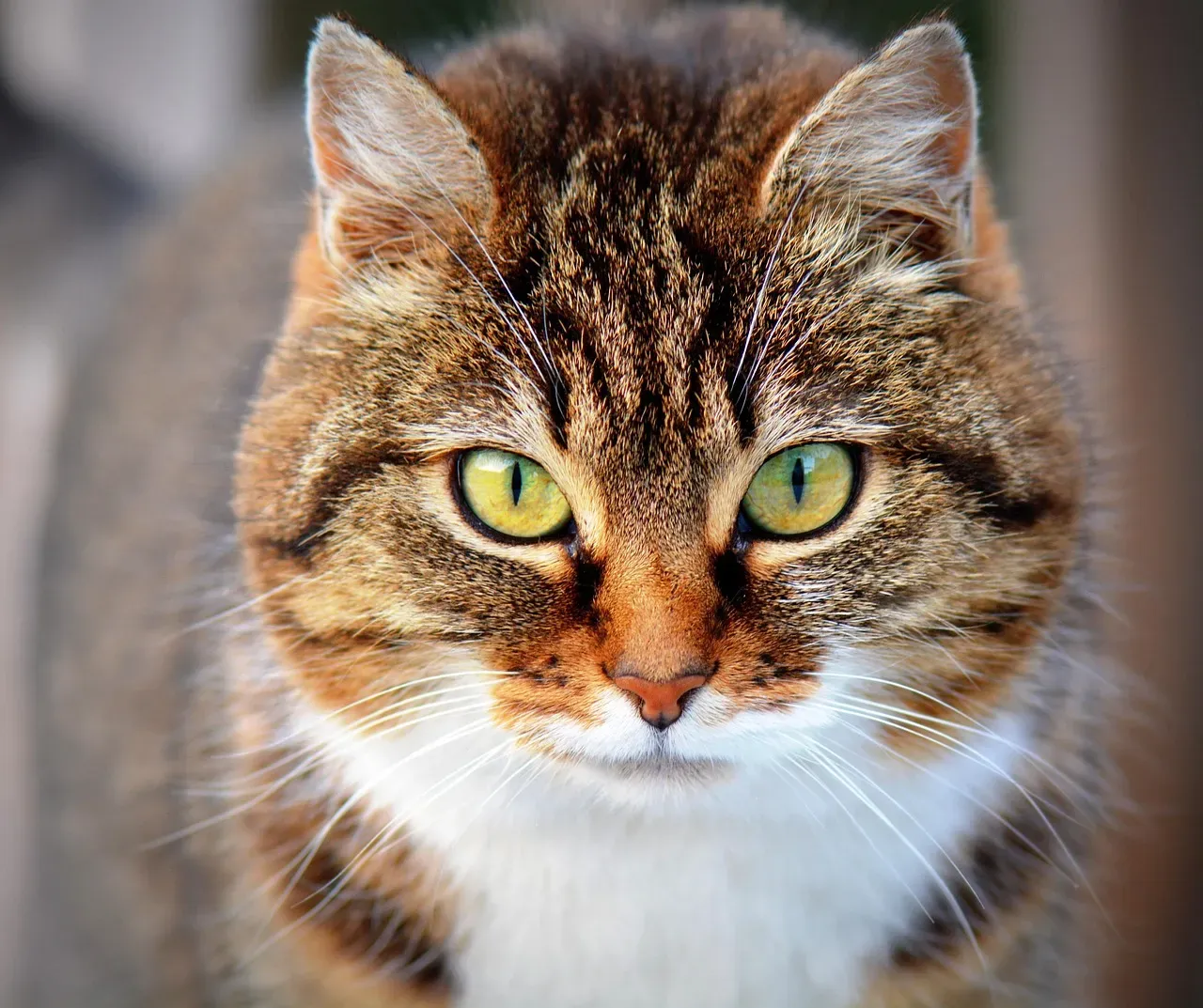
This one can stop an owner cold. Your cat stands in the middle of the living room, staring at nothing, or wanders to the wrong side of a door as if she has never seen it before. She may get stuck behind furniture or fail to find the route to her food or litter box.
Feline cognitive dysfunction is the likely explanation in many cases. It affects memory, learning, and spatial awareness, and it is often compared to early dementia in people. Veterinary estimates suggest over half of cats between 11 and 15 show at least some signs, though not every senior develops the full syndrome.
Vets often use the acronym DISHA to describe it: disorientation, interaction changes, sleep-wake cycle disruption, house soiling, and activity changes. If that list sounds familiar, you’ve already met several of the earlier habits on this countdown. They can be linked, which is why one change in an older cat is rarely the whole story.
- Nighttime pacing often goes along with daytime staring spells.
- Predictable routines help reduce anxiety.
- Other conditions, like high blood pressure or pain, can mimic cognitive decline.
The good news is that confusion isn’t always dementia, and even when it is, there are ways to help. Now for the habit that gets the harshest judgment of all.
#1 – Irritability or Reduced Tolerance Surfaces
🔥 Would you like to save this?
We'll email this post to you, so you can come back to it later!
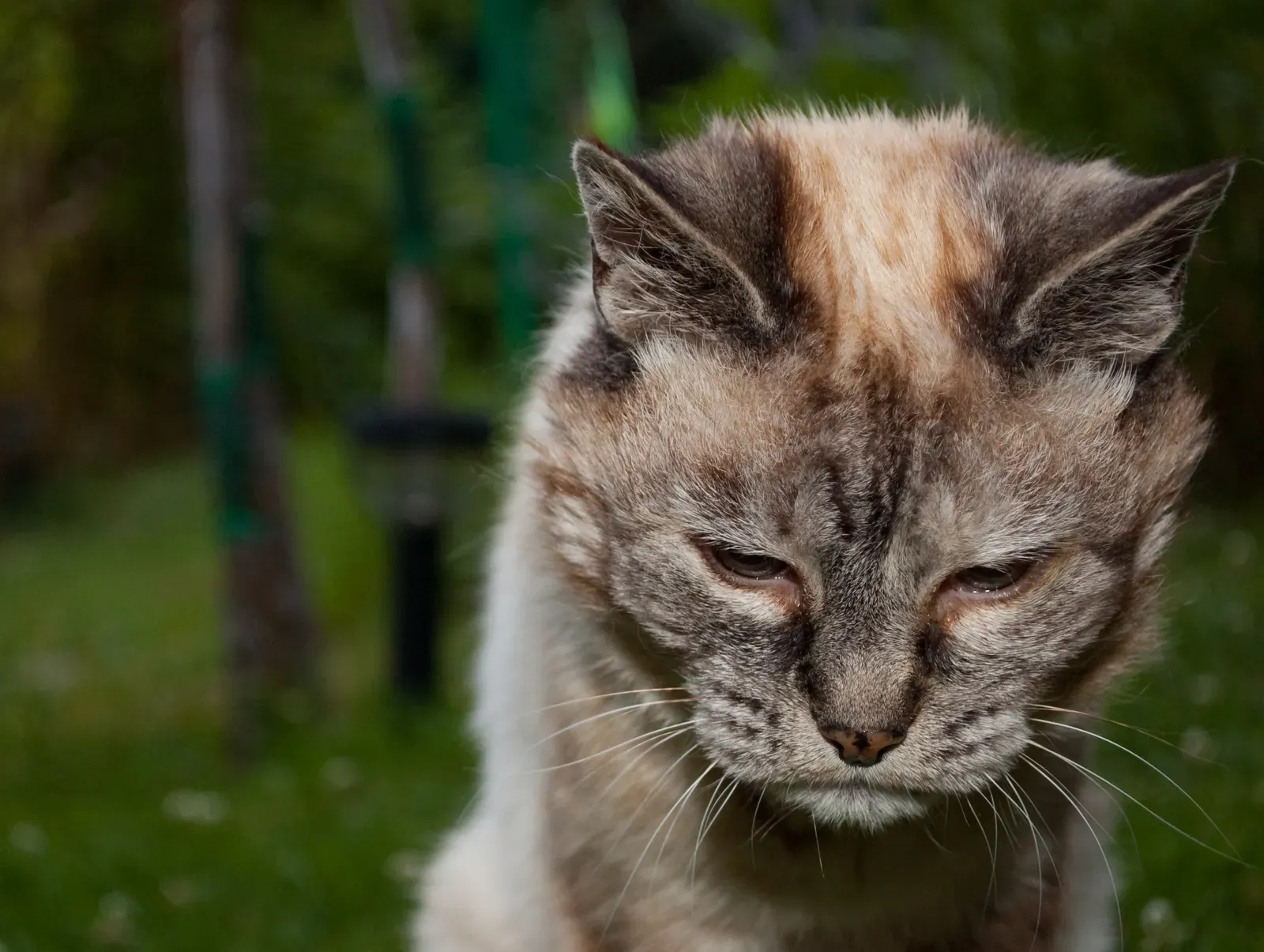
The cat who tolerated every cuddle now swats when you reach for her. She walks away from handling she once put up with, or hisses at the housemate she used to ignore. It’s startling, and many owners assume their sweet pet has turned grumpy for good.
More often than not, it’s pain talking. Arthritis and dental disease lower a cat’s patience threshold, and a touch on a sore hip or a tender jaw can feel like a threat. Cats can’t tell you where it hurts, so they tell you with a swat. Some seniors also grow less tolerant of other pets, especially when they feel vulnerable.

PetSafe Oasys Pet Fountain, 1/2 Gallon (64 oz), Small Dogs & Cats
Check Price on AmazonAs an Amazon Associate, we earn from qualifying purchases.
10/8/2026 8:14 am GMTi

Glass Hummingbird Feeder for Outdoors Hanging, 16 oz Leak-Proof Nectar Feeder with Bee Guards & Ant Moat
Check Price on AmazonAs an Amazon Associate, we earn from qualifying purchases.
10/7/2026 1:22 pm GMTi

Dog Stairs for Bed 18" H, 4-Step Dog Steps for High Bed
Check Price on AmazonAs an Amazon Associate, we earn from qualifying purchases.
10/9/2026 2:42 pm GMTi

Smart Bird Feeder with Camera Solar Powered, 2K HD Live Video, 10,000+ Bird Species AI Identification
Check Price on AmazonAs an Amazon Associate, we earn from qualifying purchases.
10/7/2026 1:22 pm GMTi
Worth Knowing
- Cats in pain often hide, guard a body part, or flinch when touched in one spot.
- Reluctance to jump up or down is one of the most overlooked pain clues.
- A tense, squinting face can signal discomfort, which is what feline grimace scales are built to detect.
- Snapshot videos of her walking, jumping, and eating can help your vet see what an exam room hides.
And yet the same cat may curl up in your lap an hour later, on her own terms. That mix of prickly and affectionate is a clue that the issue is comfort, not character. Vets now have tools, such as grimace scales and pain checklists, that can help separate medical causes from behavioral ones.
- Gentle handling and predictable interactions reduce flare-ups.
- Regular pain assessments help separate medical from behavioral causes.
- Irritability often improves dramatically once pain is managed.
Here is my take: “grumpy old cat” is one of the laziest labels we hand out. These nine habits aren’t quirks to tolerate or jokes to share on social media. They are messages from a body and brain that are changing, and many of them are treatable if we listen early.
If your senior cat has picked up one of these habits, don’t wait for it to get worse. Book the senior checkup, ask about pain, and make the house easier to live in. Cats rarely complain, so the least we can do is notice. Did one of these show up in your household? Tell us in the comments.

- 9 Cat Habits That Arrive With Age - November 8, 2026
- 16 Things Popular Dog Breeds Do That Actually Mean “I Chose You” - November 8, 2026
- 12 Incredible Animal Homes You Won’t Believe Exist - November 8, 2026