

Imagine preparing your dog’s favorite meal, only to find it untouched when you return home. This isn’t just a picky eater’s quirk; it’s a heart-wrenching sign of separation anxiety. Some dog breeds form such profound bonds with their owners that the mere absence of their favorite person can lead them to forgo food entirely. Let’s delve into nine breeds known for this deeply emotional response.
Border Collie
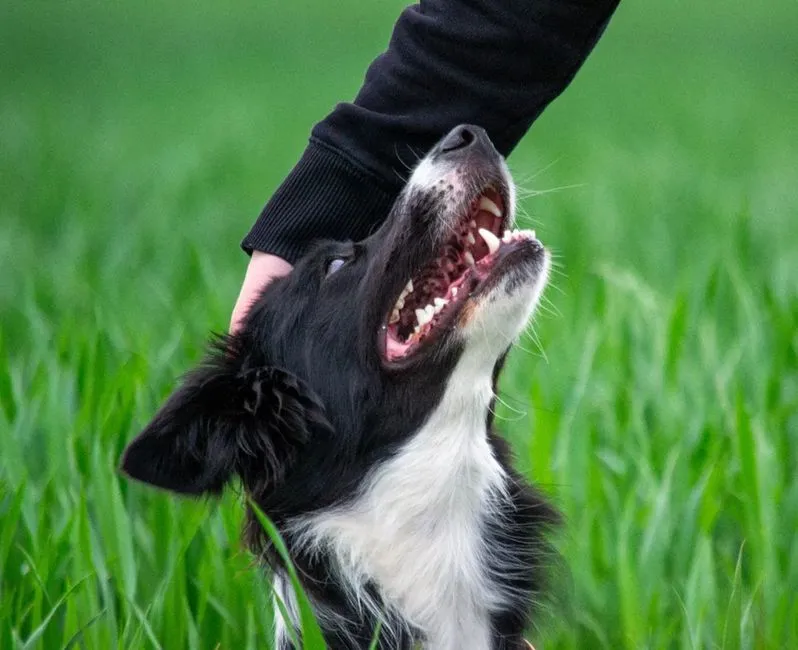
Border Collies are renowned for their intelligence and boundless energy. Bred for herding, they thrive on close interaction with their human companions. When left alone, their acute sensitivity can manifest as anxiety, often leading to a refusal to eat until their owner returns.
To mitigate this, it’s essential to provide them with ample mental stimulation and physical exercise. Engaging toys and regular training sessions can help alleviate their stress during your absence.
German Shepherd
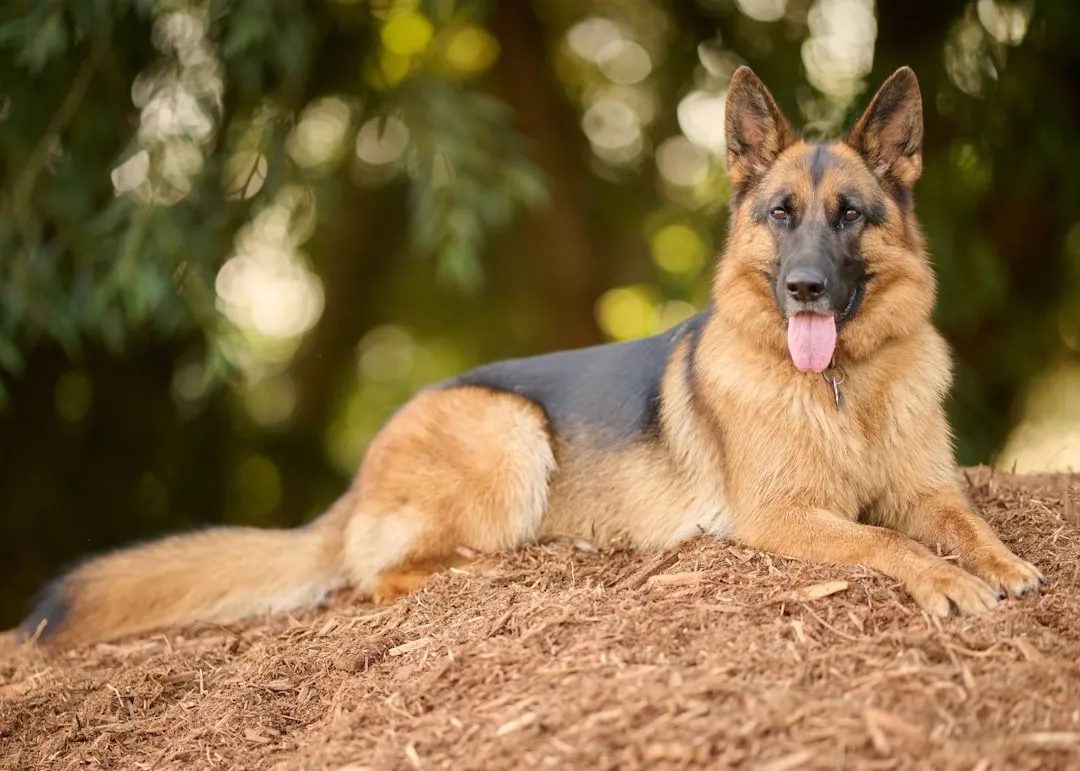
German Shepherds are loyal and protective, often forming an unbreakable bond with their owners. This deep attachment means that when their favorite person is away, they may experience significant distress, resulting in a loss of appetite.
Establishing a consistent routine and gradually acclimating them to short periods of solitude can help reduce their anxiety. Providing comfort items, like a piece of clothing with your scent, can also offer reassurance.
Vizsla

Often referred to as “Velcro dogs,” Vizslas are known for their desire to be close to their owners at all times. This intense attachment makes them particularly susceptible to separation anxiety, which can lead to them refusing food when left alone.
Ensuring they have plenty of physical activity and mental engagement can help. Additionally, training them to be comfortable with alone time from a young age is crucial.
Chihuahua

Despite their small size, Chihuahuas have big personalities and often form strong bonds with a single person. Their devotion can result in anxiety when separated, leading to a lack of interest in food during these times.
Socializing them early and providing positive reinforcement when they handle alone time well can help build their confidence and reduce anxiety-related behaviors.
Australian Shepherd
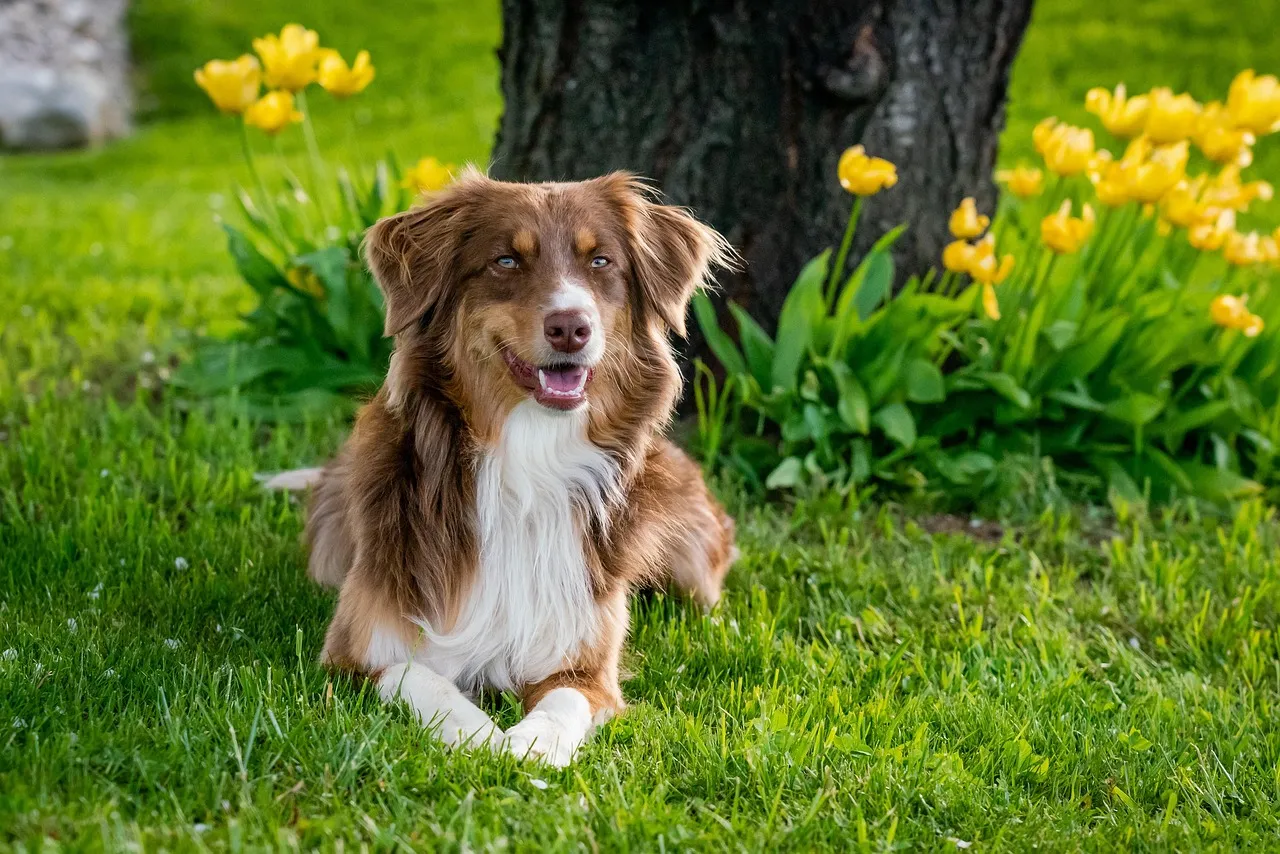
Australian Shepherds are energetic and intelligent, with a strong work ethic. They bond closely with their families, and when left alone, they can become anxious, sometimes refusing to eat until their loved ones return.
Regular exercise and mental challenges, like puzzle toys, can keep their minds occupied. Gradual desensitization to being alone can also be beneficial.
Shiba Inu

Shiba Inus are known for their independence, but they still form deep connections with their owners. When their favorite person is absent, they may exhibit signs of stress, including not eating.
Providing a safe and comfortable environment, along with gradual training to increase their comfort with solitude, can help alleviate their anxiety.
Greyhound
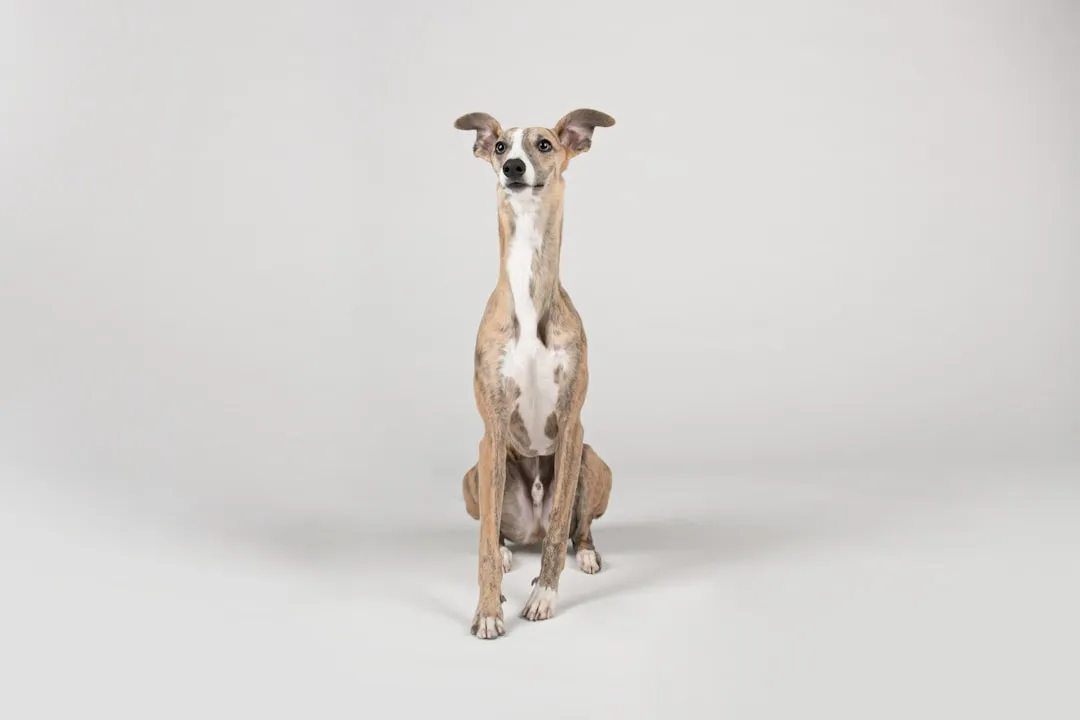
Greyhounds are gentle and affectionate dogs that often develop strong attachments to their owners. Their sensitive nature means that being left alone can cause them to feel anxious, leading to a refusal to eat.
Ensuring they have a comfortable resting place and leaving them with engaging toys can help. Gradual training to increase their tolerance for alone time is also important.
Parson Russell Terrier
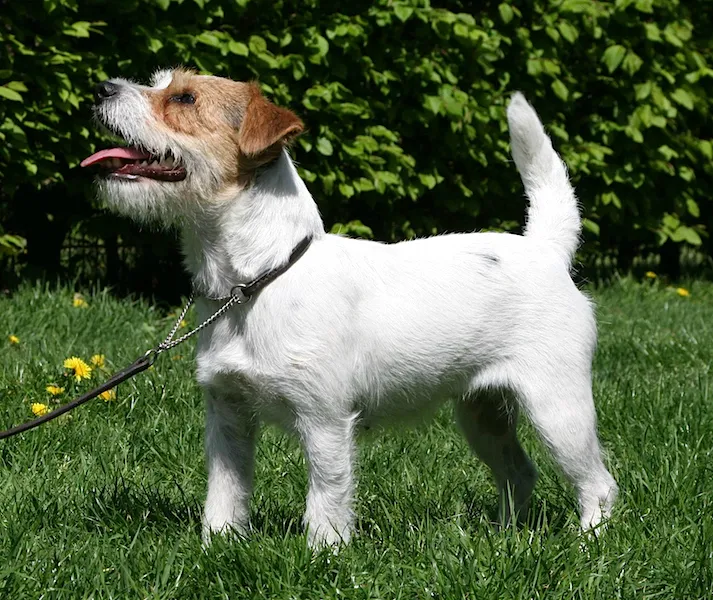
Parson Russell Terriers are energetic and intelligent, forming close bonds with their families. When left alone, they can become anxious, sometimes leading to a refusal to eat.
Providing them with plenty of physical activity and mental stimulation can help reduce their anxiety. Training them to be comfortable with alone time from a young age is also beneficial.
Toy Poodle
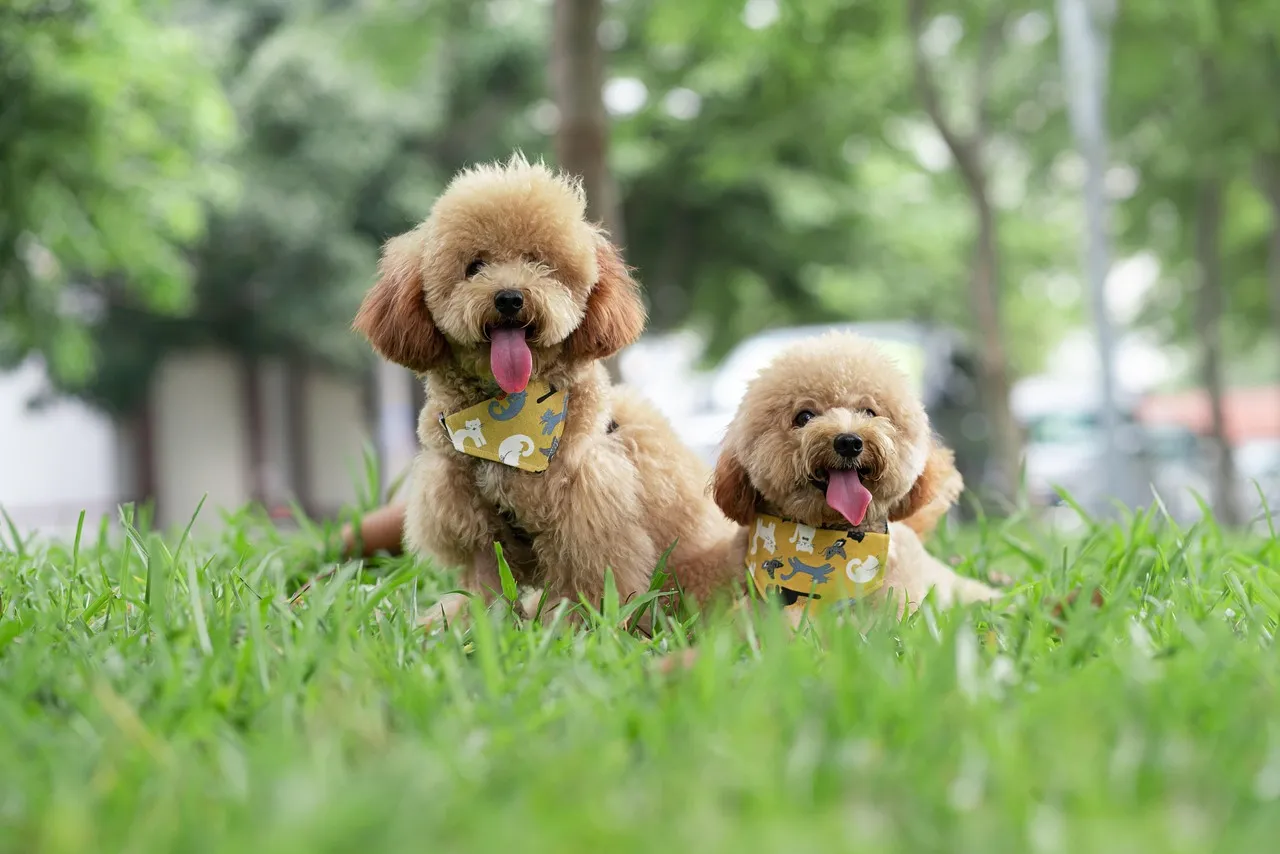
Toy Poodles are affectionate and intelligent, often forming strong bonds with their owners. Their sensitivity means that being left alone can cause them to feel anxious, leading to a refusal to eat.
Ensuring they have engaging toys and a comfortable environment can help. Gradual training to increase their comfort with solitude is also important.
Understanding the emotional depth of our canine companions is crucial. Recognizing that some breeds are more prone to separation anxiety can help us provide the support they need. By implementing gradual training, providing mental and physical stimulation, and creating a comforting environment, we can help our beloved pets feel more secure, even in our absence. After all, isn’t the goal to ensure our furry friends are as happy and healthy as possible?
