


Separation anxiety in pets is a common issue that can cause distress for both animals and their owners. It occurs when pets experience anxiety or stress due to being left alone or separated from their primary caretakers. Recognizing the signs and understanding the causes of separation anxiety can help pet owners manage and alleviate this condition effectively.
Recognizing the Signs of Separation Anxiety
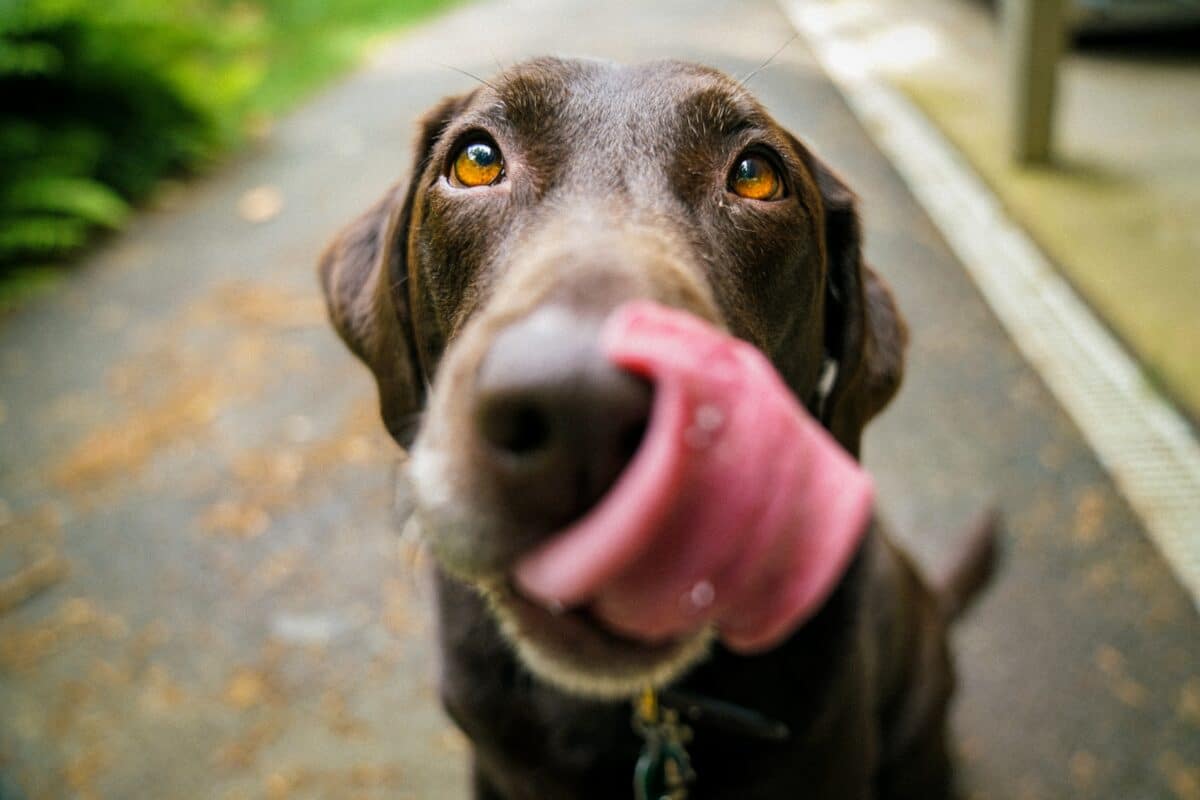
Pets with separation anxiety may display a variety of behaviors. These can include excessive barking, howling, or meowing, destructive behavior such as chewing or scratching furniture, indoor accidents even if they are potty-trained, pacing, attempts to escape, and even self-harm in severe cases. Notably, these behaviors often manifest only when the pet is left alone or anticipates being left alone.
Potential Causes of Separation Anxiety

The root causes of separation anxiety can vary. Some pets develop anxiety due to changes in the household or their routine, such as moving homes, a change in the owner’s schedule, or the loss of a family member. Rescue pets, in particular, may have a history of abandonment or trauma, making them more susceptible to anxiety.
Effective Strategies for Alleviating Separation Anxiety

While dealing with pet separation anxiety can be challenging, understanding and patience are key. Here are several strategies that pet owners can implement:
Gradual Desensitization
This involves slowly acclimating the pet to being alone. Start by leaving them alone for short periods and gradually increase the duration as they become more comfortable. This gradual exposure helps reduce anxiety over time.
Create a Safe and Comfortable Environment

Ensure your pet has a dedicated space where they feel safe and secure. This could be a specific room or a cozy bed with their favorite toys. Comforting scents, such as a piece of clothing that smells like you, can also offer reassurance.
Establish a Consistent Routine

Pets thrive on routine, so maintaining a consistent schedule for feeding, walks, and playtime can help reduce anxiety. Knowing what to expect and when provides them with a sense of stability.
Provide Adequate Mental and Physical Stimulation

Engage your pet in regular exercise and mental challenges to alleviate boredom and energy pent-up that might otherwise manifest as anxiety. Toys, puzzles, and interactive games can be highly effective in keeping them occupied.
Professional Training and Support

For severe cases of separation anxiety, consulting with a professional trainer or a veterinarian is advisable. They can offer tailored solutions and, in some cases, may recommend anti-anxiety medications or therapies.
Use of Technology

Technology can also be a beneficial tool in managing pet anxiety. Pet cameras allow owners to monitor their pets and even interact with them remotely, alleviating feelings of loneliness with their presence.
Conclusion

Dealing with pet separation anxiety requires a compassionate approach that prioritizes the well-being of your furry friend. By understanding the causes and implementing strategies that focus on creating a secure, engaging, and loving environment, pet owners can not only alleviate anxiety but foster a deeper bond with their pets. Remember, patience and consistency are vital as you work towards easing your pet’s anxiety, ensuring they lead a happy and stress-free life.

From exploring the marine wonders in the Azores and witnessing the vast savannas of Kenya, to delving deep into the rich biodiversity of South Africa and traversing iconic landscapes in Australia and the US like Yellowstone, Chris's experiences are vast.
With a penchant for diving alongside sharks, the ocean holds a special place in his heart.
Through his academic insights, he champions wildlife conservation, striving with 'Animals Around The Globe' to cultivate a profound connection between humans and animals, enhancing our mutual appreciation.
Connect with him at Feedback@animalsaroundtheglobe.com.
- The Animal With the Heaviest Horns Uses Them Like Sledgehammers - July 30, 2026
- Why Some Animals Are Getting Smaller—and Others Bigger - July 30, 2026
- The Longest-Tailed Bird Uses It to Win Mates in Dazzling Displays - July 30, 2026