

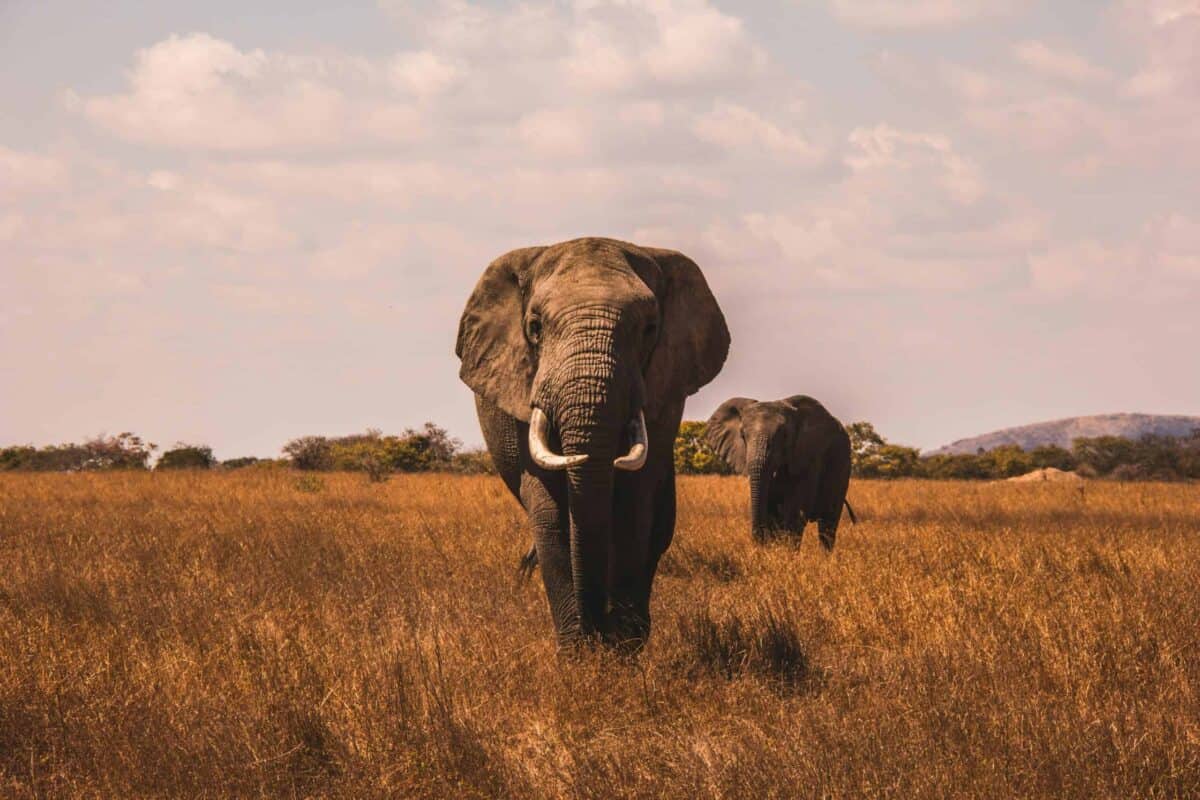
One of the most remarkable aspects of elephant social structure is its matriarchal nature. Elephant families are led by the oldest and often largest female, known as the matriarch. The matriarch plays a crucial role in the group, making seemingly strategic decisions that impact the survival and well-being of the family. She uses her extensive knowledge of the landscape, including locations of food and water sources, to guide her family through their environment. Her wisdom, gathered over decades, makes her an indispensable leader in guiding the herd through challenges.
The Family Unit is Central

Elephants have a deep-seated sense of family. The basic family unit, typically known as a herd, is generally composed of females and their offspring. Males usually leave the herd when they reach adolescence, often between the ages of 10 to 15 years, to lead a more isolated life or to form smaller bachelor groups. Within the herd, social bonds are strong, and these complex networks are a testament to their superior cognitive abilities and emotional depth. Family ties play an important role throughout the elephants’ lives, providing support and protection from predators.
Communication is Key
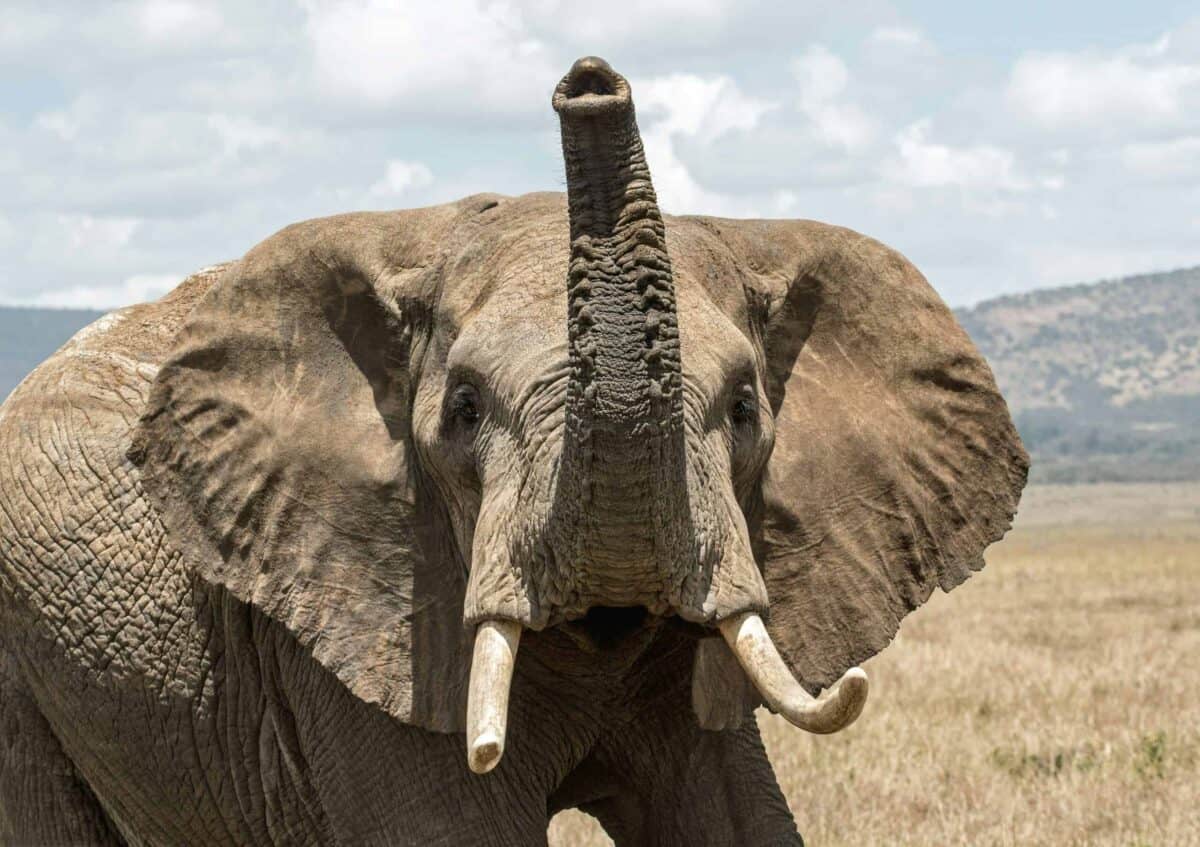
Elephant families rely heavily on communication to maintain their cohesive structure and ensure the safety of the group. Elephants have a broad repertoire of vocalizations and non-vocal sounds, including the famous trumpets, rumbles, and low-frequency sounds called infrasounds, which can travel over long distances. Alongside vocal communication, elephants also use body language and trunk gestures to express emotions and intentions. This sophisticated system allows elephants to maintain strong familial bonds and navigate their environment effectively.
Allomothering Enhances Survival

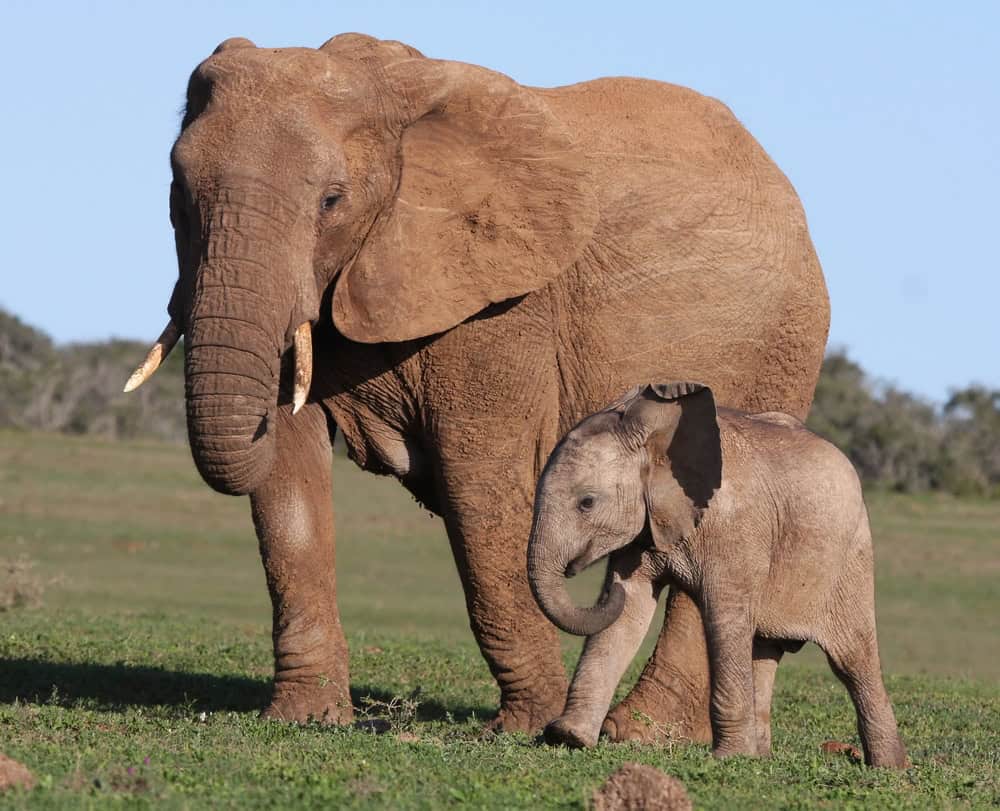
In elephant families, the concept of allomothering, or communal care of calves, is a common practice. Young elephants are cared for not only by their mothers but also by other females in the group, often referred to as “aunties.” This behavior increases the survival rates of the calves, as mothers have support in looking after their young while they forage and rest. The presence of dedicated caregivers ensures that calves learn essential skills needed to thrive in the wild, highlighting the importance of strong social bonds within the herd.
Elephants Experience Grief
Elephants are one of the few animal species that display behaviors akin to grieving. When a member of the herd passes away, elephants have been observed to engage in rituals, including staying with the body, gently touching the bones, or covering it with soil or foliage. This behavior emphasizes the deep emotional connections they develop within their family units, indicating a level of empathy and understanding that may be unique in the animal kingdom. Such activities provide compelling insights into the complex emotional lives of elephants.
Calves are the Center of Attention
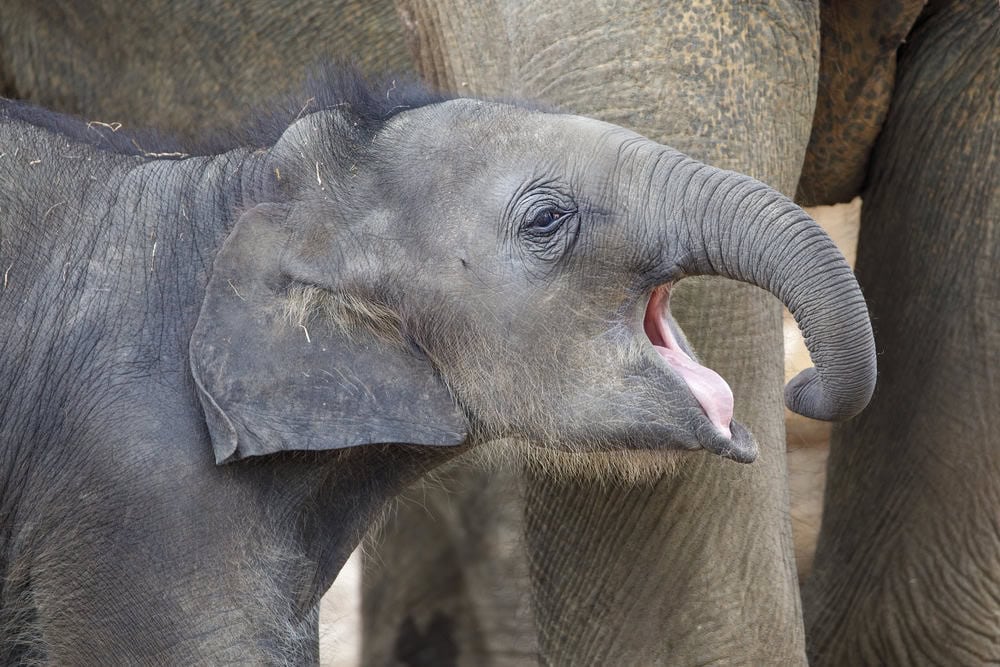
Elephant calves are cherished by their herds, becoming the main focal point for nurturing and learning. Their upbringing involves significant learning opportunities facilitated by the entire family. Calves spend several years learning essential survival skills, such as finding water sources, identifying edible plants, and understanding social hierarchies. The herd’s protectiveness ensures that calves are shielded from potential threats, providing a stable environment where these young elephants can safely develop into mature individuals.
Social Bonds Last a Lifetime

Elephants forge lifelong bonds with their family members, reflecting an advanced level of social complexity. Some studies suggest that elephants recognize and remember particular individuals after long separations, using their memory to guide future interactions. These lasting relationships are significant for mutual cooperation, communal care of young, and collective problem-solving. This ability to maintain enduring connections affirms elephants’ reputation as sentient beings with sophisticated mental faculties.
Elephants Share Knowledge Across Generations

The role of elders, particularly the matriarch, in elephant societies is analogous to that seen in human cultures, where knowledge transference is key to the community’s survival. Elder elephants teach practical skills and social etiquette, ensuring that the younger members are equipped to navigate the environmental challenges they may face. The transfer of knowledge is critical during times of environmental stress, such as droughts, where the collective memory of older elephants might provide life-saving information.
The Role of Bulls

Although male elephants, or bulls, leave the matriarchal herd when they reach adolescence, they are far from solitary creatures. Bulls often form loose-knit bachelor groups for companionship and learning opportunities. During the breeding season, they engage with female herds, competing for mating opportunities. Despite their time apart, the genetic input from bulls is crucial for maintaining the genetic diversity and health of elephant populations. In this way, bulls contribute indirectly to the wider family dynamic seen in these majestic animals.
These nine fascinating facts illustrate the complexity and richness of elephant family structures. The depth of their social bonds and the intricacies of their interactions continue to intrigue and inspire scientists and animal lovers alike. As we learn more about these incredible creatures, it becomes even more vital to protect their habitats and ensure the survival of their unique family units for generations to come.

As a little kid, I fell in love with nature, wildlife, and animals. Living in the USA, South Africa, Italy, China and Germany gave me the opportunity to discover the world's Wildlife. My favorite animals are Mountain Gorillas, Siberian Tigers, and Great White Sharks.
I'm a certified PADI Open Water Diver, went to Everest Base Camp and Trekked Gorillas in Uganda. I hold a Master of Science in Economics and Finance.
Please send any feedback to feedback@animalsaroundtheglobe.com
- 13 Cat Breeds That Get Along with Dogs - July 20, 2026
- The 12 Largest Dog Breeds That Still Love to Cuddle - July 20, 2026
- 12 Pet Habits That Secretly Mean They Love You - July 20, 2026