
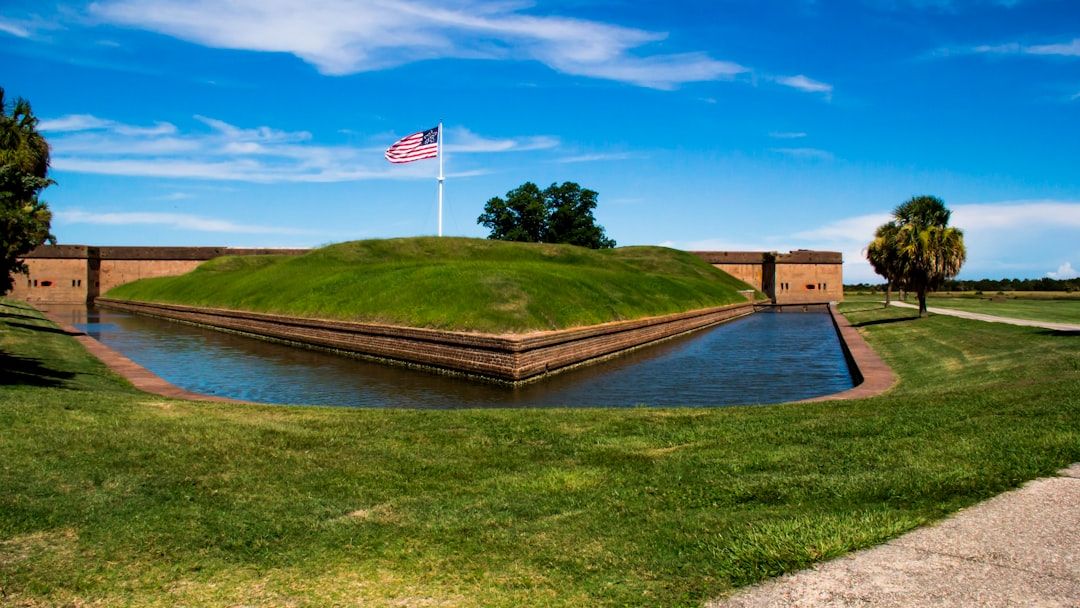
Think of a fort and what comes to mind? Maybe stone walls, cannons pointed toward the horizon, or soldiers keeping watch over uncertain frontiers. America’s history is written in the walls of these fortifications, structures that witnessed conflicts, defended harbors, and shaped the destiny of a young nation. From coastal defenses to inland strongholds, these military outposts played crucial roles in protecting American soil.
Let’s be real, though. Most of us probably remember visiting one of these places on a school trip and caring more about the gift shop than the history lesson. Yet these forts tell extraordinary stories worth revisiting. Ready to explore the fortifications that helped forge America?
Castillo de San Marcos: The Spanish Sentinel of Florida
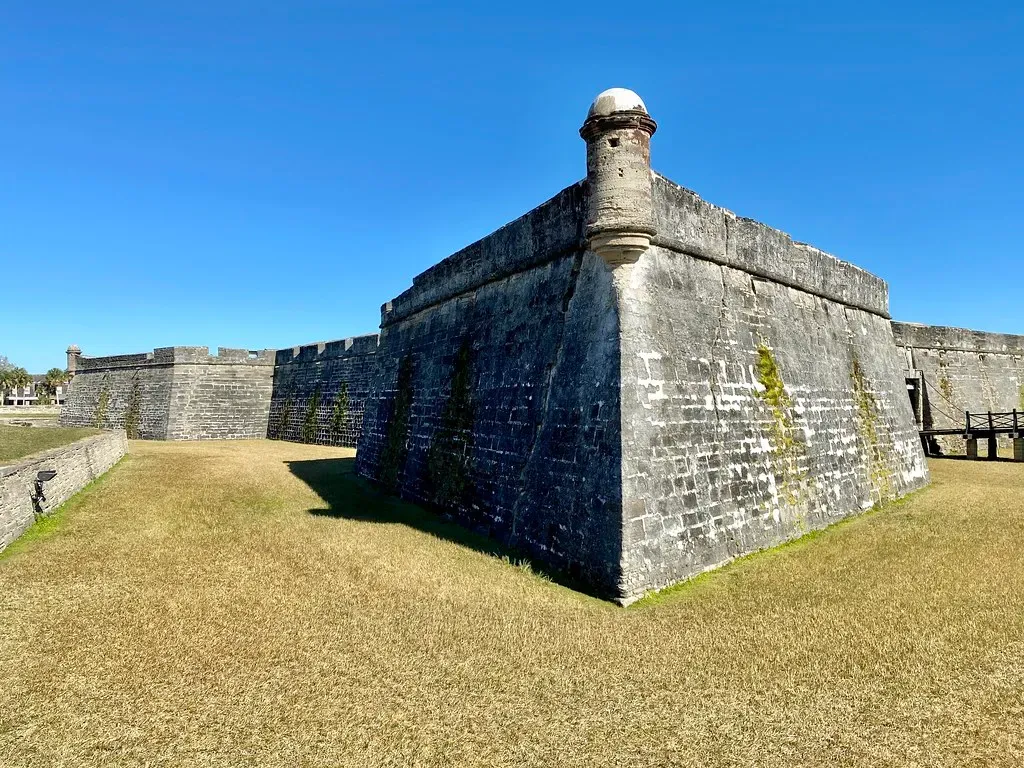
The oldest masonry fort still standing in the United States rises from the shores of St. Augustine, a testament to 17th century Spanish engineering. Built in 1695 by the Spanish empire to guard the northern frontier of its New World territories, Castillo de San Marcos became a focal point in the colonial wars between Spain and England.
It endured numerous attacks in the early 18th century before finally being ceded to England in 1763, and was later turned over to the United States in 1819. The fort was built with local coquina stone, with construction starting in 1672 on the square shaped fort with large corner bastions. Today, visitors can explore restored barracks and witness cannon firing demonstrations that bring this ancient fortress back to life.
Fort McHenry: Where the Banner Still Waves
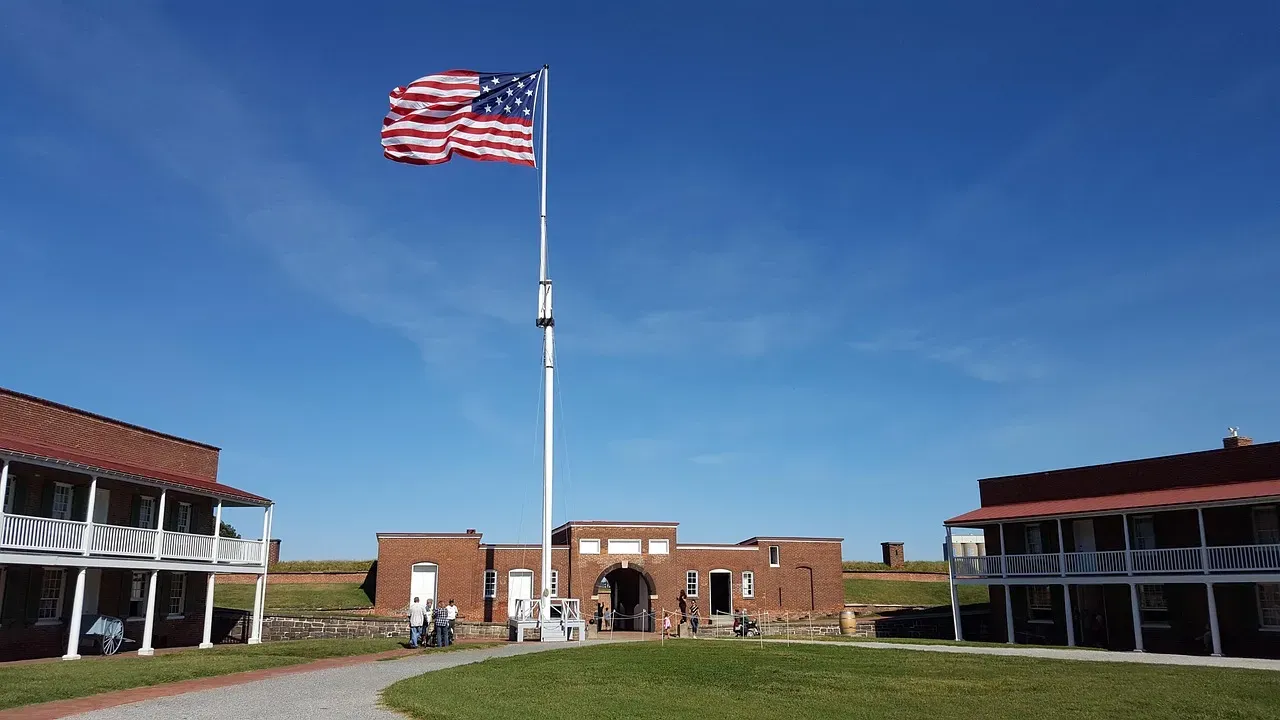
Fort McHenry is a historical American coastal pentagonal bastion fort on Locust Point in Baltimore, Maryland, best known for its role in the War of 1812, when it successfully defended Baltimore Harbor from an attack by the British Royal Navy on September 13–14, 1814. British warships under the command of Vice Admiral Alexander Cochrane continuously bombarded Fort McHenry for 25 hours beginning at 6:00 a.m. on September 13, 1814.
The failed bombardment of Fort McHenry forced the British to abandon their land assault on the crucial port city of Baltimore, a turning point in the War of 1812, leading both sides to reach a peace agreement later that year. Francis Scott Key, an eyewitness to the battle, captured the sights, sound and emotions in a poem that was quickly set to music and titled “The Star-Spangled Banner.” Hard to think of another fort that literally inspired a national anthem.
Fort Sumter: The Spark That Ignited a Nation’s Divide
The first shots of the Civil War were fired at Fort Sumter. Fort Sumter was built as a defense for the city of Charleston against the threat of naval assault. Early on the morning of April 12, 1861, Confederate guns opened fire on Fort Sumter, and following more than 30 hours of attacks, the Union army surrendered the fortress.
The Battle of Fort Sumter was the impetus behind the start of the Civil War, which unfolded over four years and cost the lives of more than 620,000 Americans. Interestingly, not a single defender died during that initial bombardment. The fort itself became a symbol of division, standing in Charleston Harbor like a silent witness to the conflict that would tear the nation apart before eventually bringing it back together.
Fort Ticonderoga: The Key to the Northern Frontier
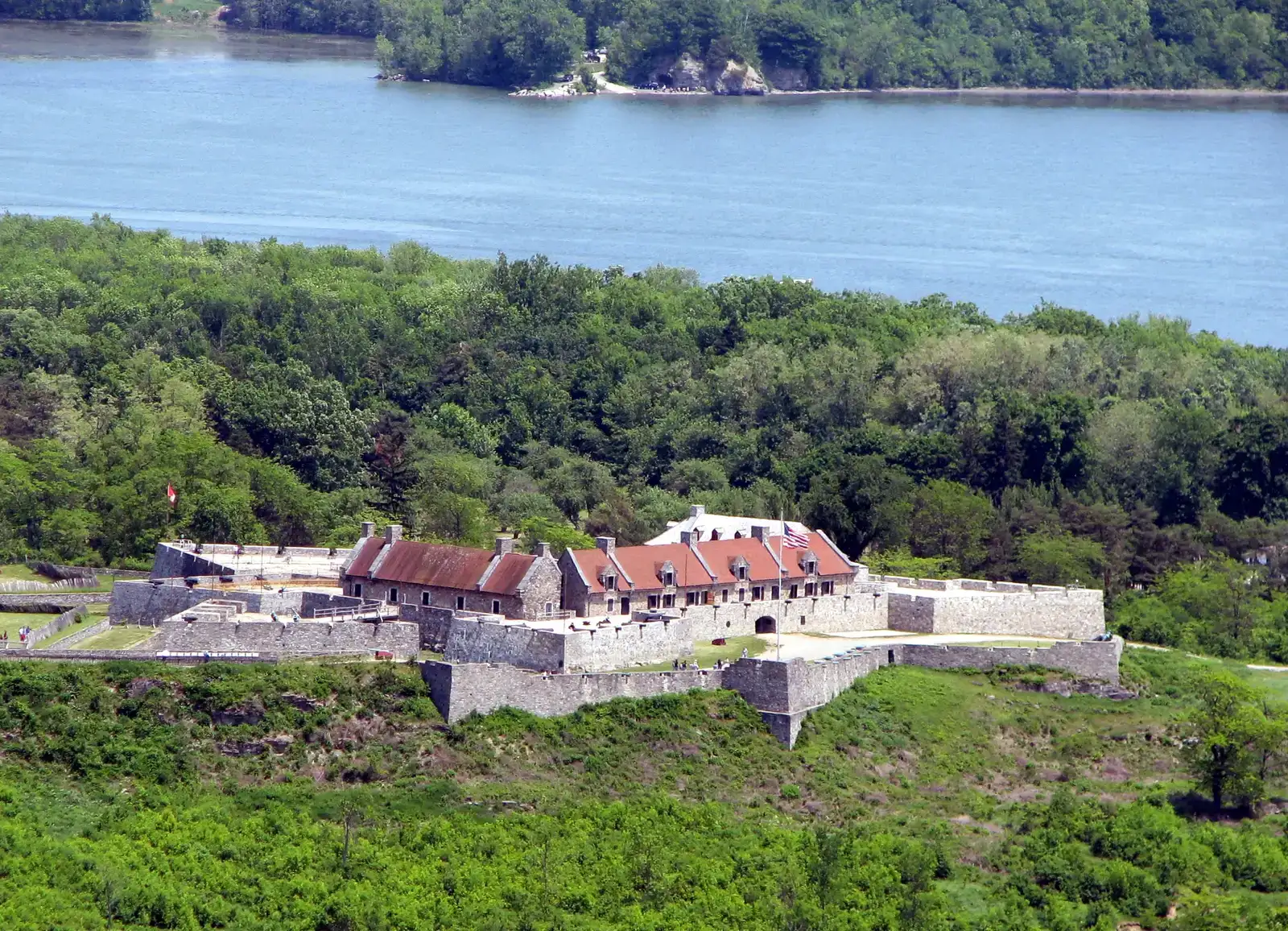
Fort Ticonderoga was a large masonry fort in upstate New York that was manned by a small force of British soldiers when the Revolutionary War broke out in April of 1775. On May 10, 1775, Benedict Arnold and Ethan Allen captured the fort and its garrison without firing a shot, which proved to be important, as that winter Colonel Henry Knox moved the artillery from Ticonderoga overland to Cambridge, Massachusetts, artillery that proved to be decisive in driving the British from the city of Boston in 1776.
Fort Ticonderoga was built by the French to guard their territory in North America from the British. The fort changed hands several times during the colonial conflicts, its strategic location making it one of the most contested military positions in early American history. Standing there today, you can almost hear the echoes of those desperate struggles for control of the waterways connecting Canada to the American colonies.
Fort Pulaski: Innovation Meets Coastal Defense
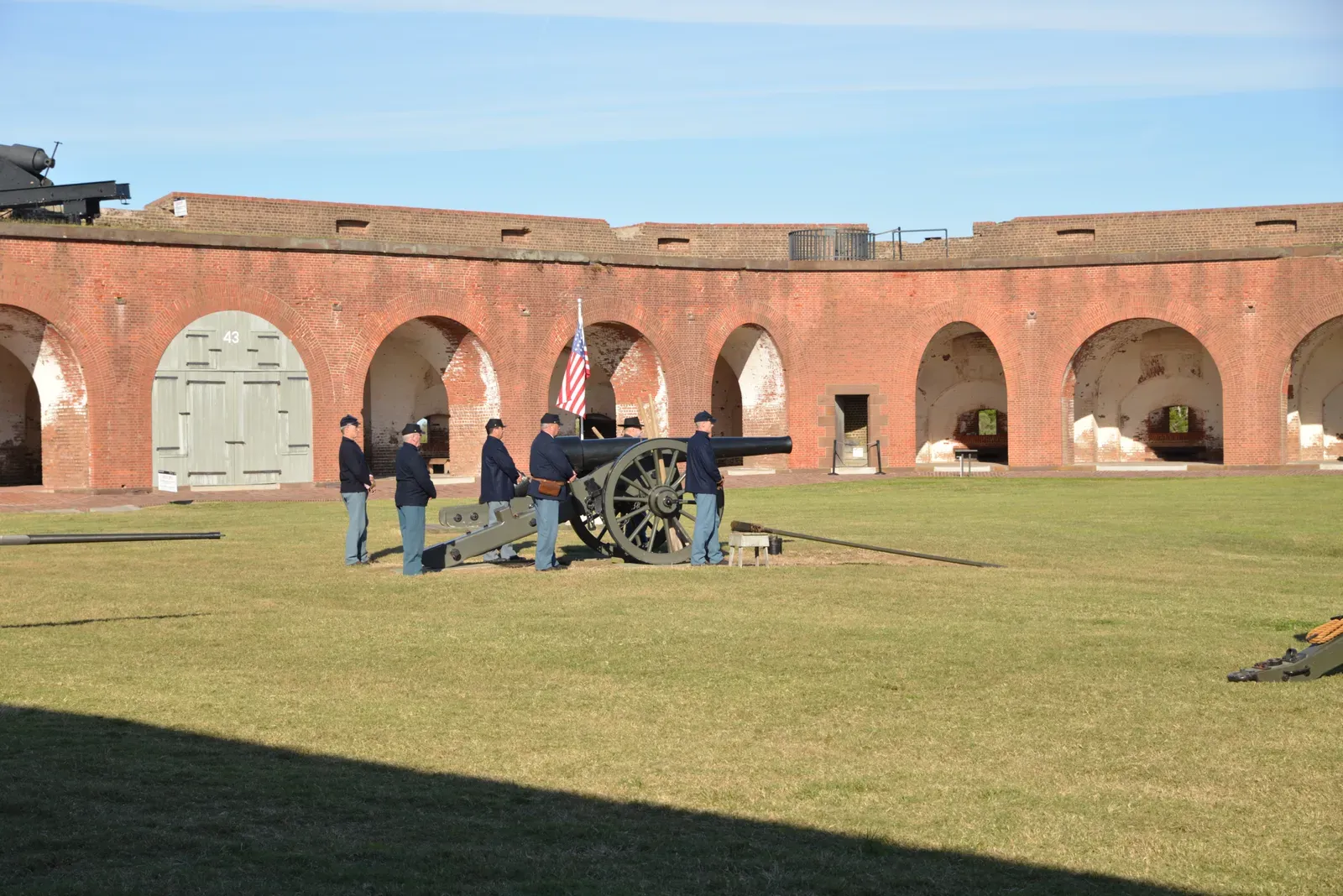
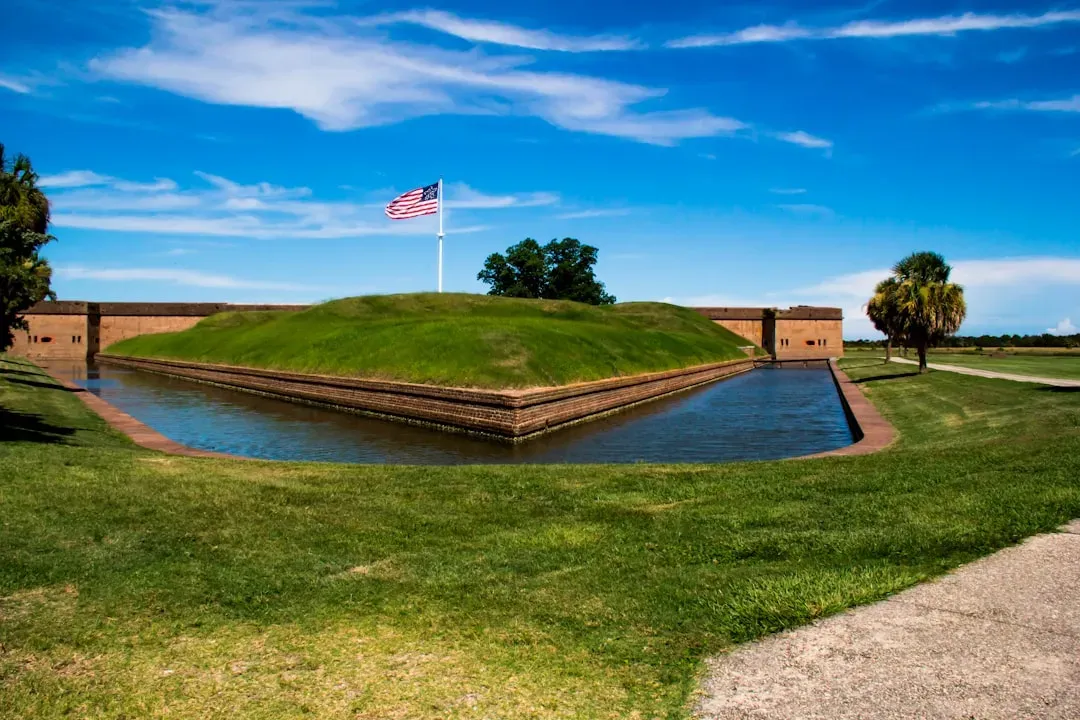
Built to protect the port of Savannah in 1847, Fort Pulaski was overtaken by Confederate soldiers as Georgia seceded from the Union in 1860, and was again overtaken by the Union two years later. Fort Pulaski National Monument is located on Cockspur Island, between Savannah and Tybee Island in Georgia, built in the early 19th century and served as the main defense against overseas enemies for much of the century.
The Union recapture of Fort Pulaski actually changed military thinking forever. Rifled cannons proved they could breach massive brick walls once thought impregnable, effectively making traditional masonry fortifications obsolete overnight. It began to deteriorate around WWI, at which time it was declared Fort Pulaski National Monument.
Fort Scott: Guardian of the Western Frontier
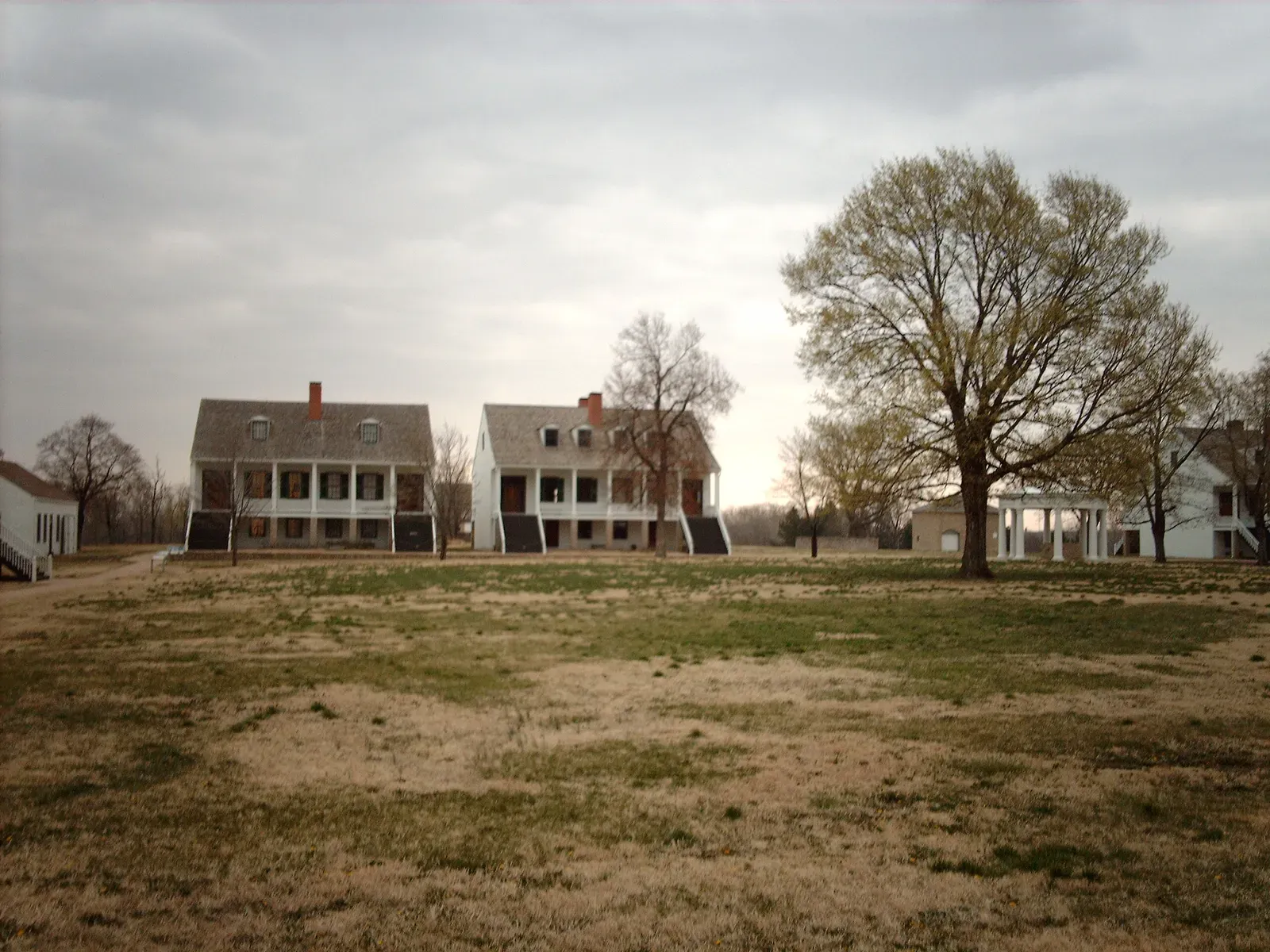
Named after General Winfield Scott, who became famous for his successful maneuvers during the Mexican American War, Fort Scott was established in 1842 and built along the Military Road in eastern Kansas along what was then considered the Permanent Indian Frontier. For a quarter of a century, it was used as a supply base and to provide security in volatile areas during the opening of the West to settlement.
Today, the national historic site protects 20 historic structures, a parade ground and five acres of restored tallgrass prairie. Fort Scott witnessed the tensions between settlers and Native Americans, served as a station on the Underground Railroad, and even played a role in the bloody conflicts that earned Kansas the nickname “Bleeding Kansas” before the Civil War.
Bent’s Old Fort: Commercial Gateway to the Southwest
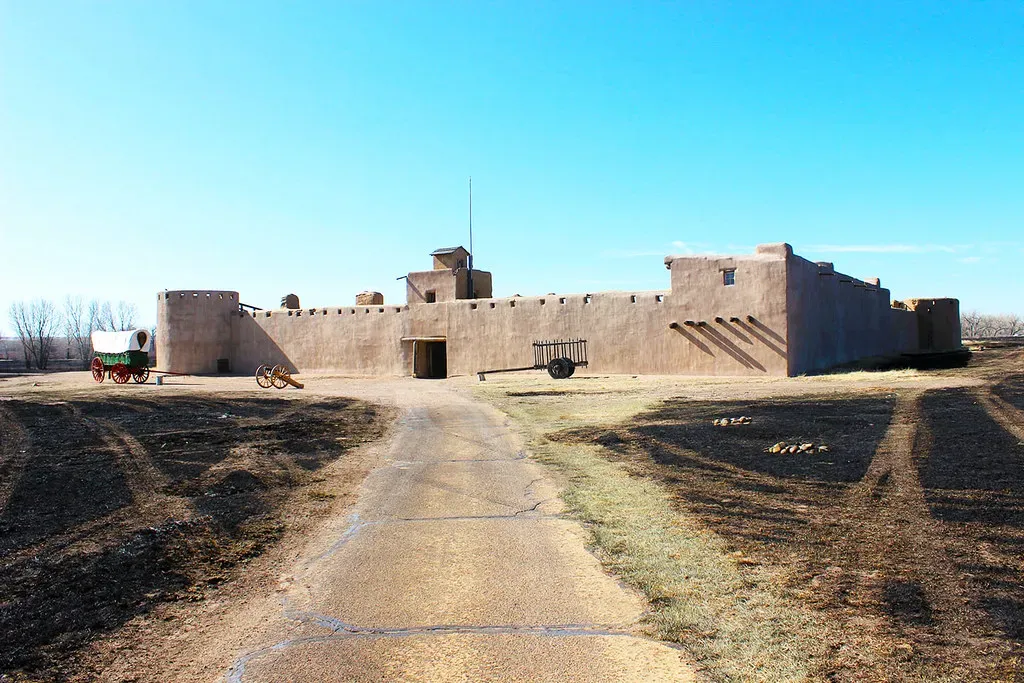
Bent’s Old Fort National Historic Site features a reconstructed 1840s adobe fur trading post on the mountain branch of the Santa Fe Trail. Situated along the Santa Fe National Historic Trail, Bent’s Old Fort was built in 1833 as a fur trading post, and as the only major white settlement between Missouri and Mexico, the fort became a popular place for travelers and the military to stock up on supplies, repair wagons, and purchase or trade livestock.
During the Mexican American War, Bent’s Old Fort became a staging area for the Army, and today the Bent’s Old Fort National Historic Site features a reconstructed version of the adobe style post, with tours of the fort as well as livestock demonstrations offered daily. Unlike military forts built purely for defense, Bent’s Old Fort served as a crucial commercial hub where cultures collided, traded, and occasionally cooperated.
Fort Stanwix: The Fort That Held the Line
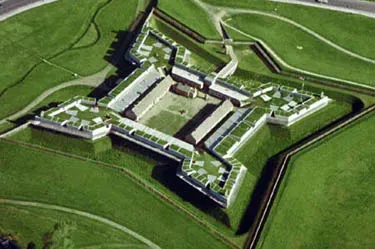
Fort Stanwix in western New York was a relic of the French and Indian War that found new use, built as an earthen and timber structure rather than a masonry fort. In 1777, a detachment of British forces laid siege to the American held fort, but the Americans held out and after fear that American reinforcements were heading to relieve the American garrison, the British broke off the siege and fell back.
The successful defense prevented British forces from advancing down the Mohawk Valley, which might have split the colonies in two. Fort Stanwix represents the ingenuity of American defenders who turned relatively simple fortifications into formidable defensive positions through determination and tactical skill. Sometimes courage mattered more than stone walls.
Fort Smith: Crossroads of Justice and Frontier Life
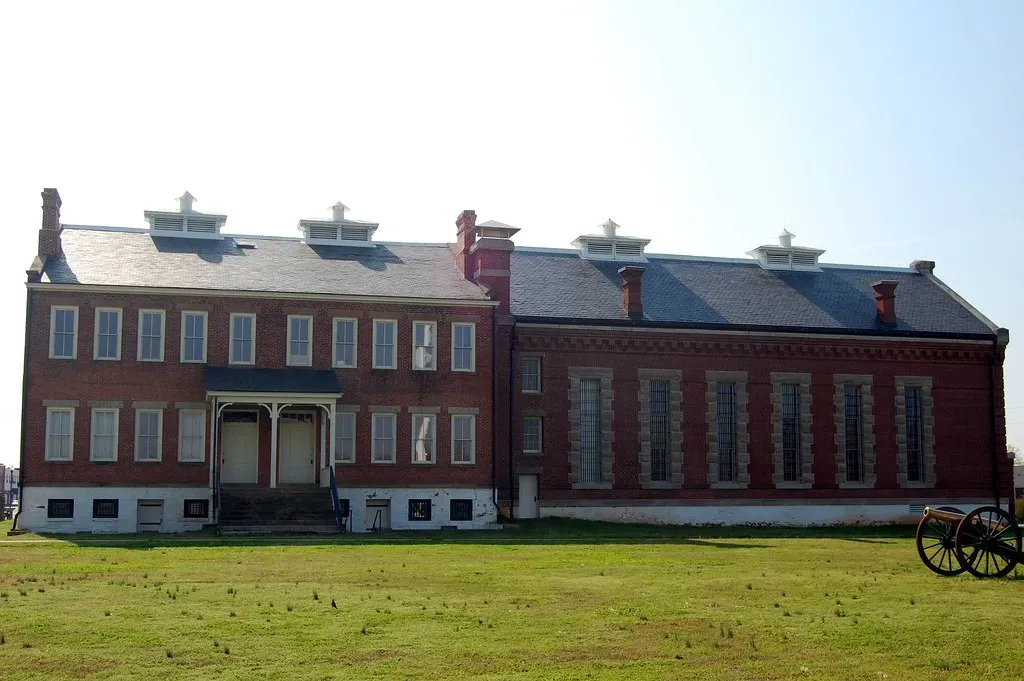
From 1817 to 1896, Fort Smith National Historic Site preserves almost 80 years of history. It was the site of two forts, built in 1817 and 1838, and it witnessed the tragic Trail of Tears. Fort Smith was originally erected to maintain harmony between the local Osage and a band of Cherokee in the area.
It was here that Judge Isaac C. Parker established a federal courthouse and jail. Fort Smith transformed from a military outpost into a symbol of law enforcement on the western frontier, where Judge Parker earned the nickname “Hanging Judge” for his strict dispensation of justice. The fort’s evolution mirrors America’s own transition from military conquest to civil governance.
Conclusion
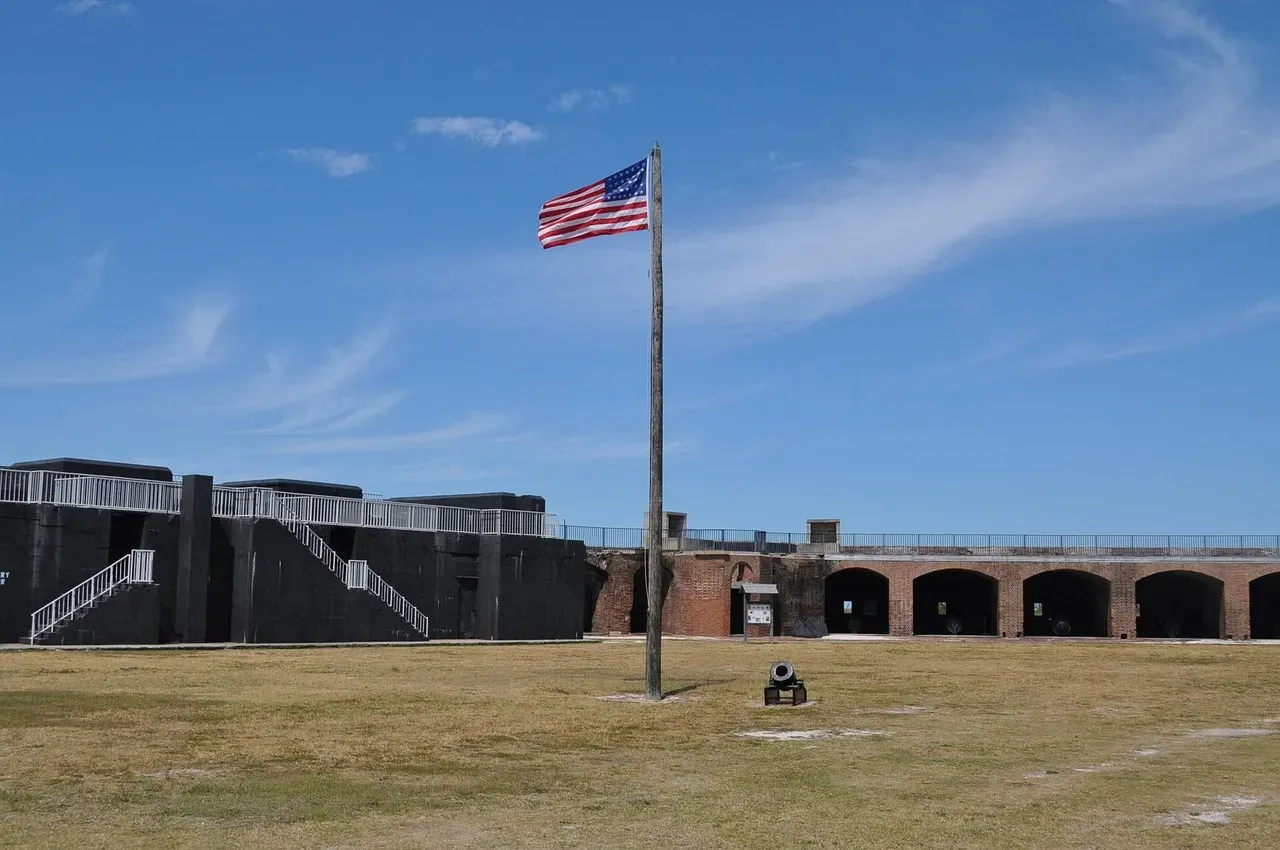
These nine fortifications stand as more than tourist attractions or historical footnotes. They represent moments when America faced threats from external enemies and internal conflicts, when individuals made stands that shaped the nation’s trajectory. From the ancient coquina walls of Castillo de San Marcos to the earthworks of Fort Stanwix, each tells a unique story of defense, perseverance, and transformation.
Walking through these forts today, it’s easier to appreciate the sacrifices made and the strategic thinking that went into protecting a growing nation. The next time you visit one, take a moment to imagine the soldiers who stood watch, the battles fought, and the legacy preserved within those walls. What do you think our generation will leave behind for future Americans to visit and wonder about?
