
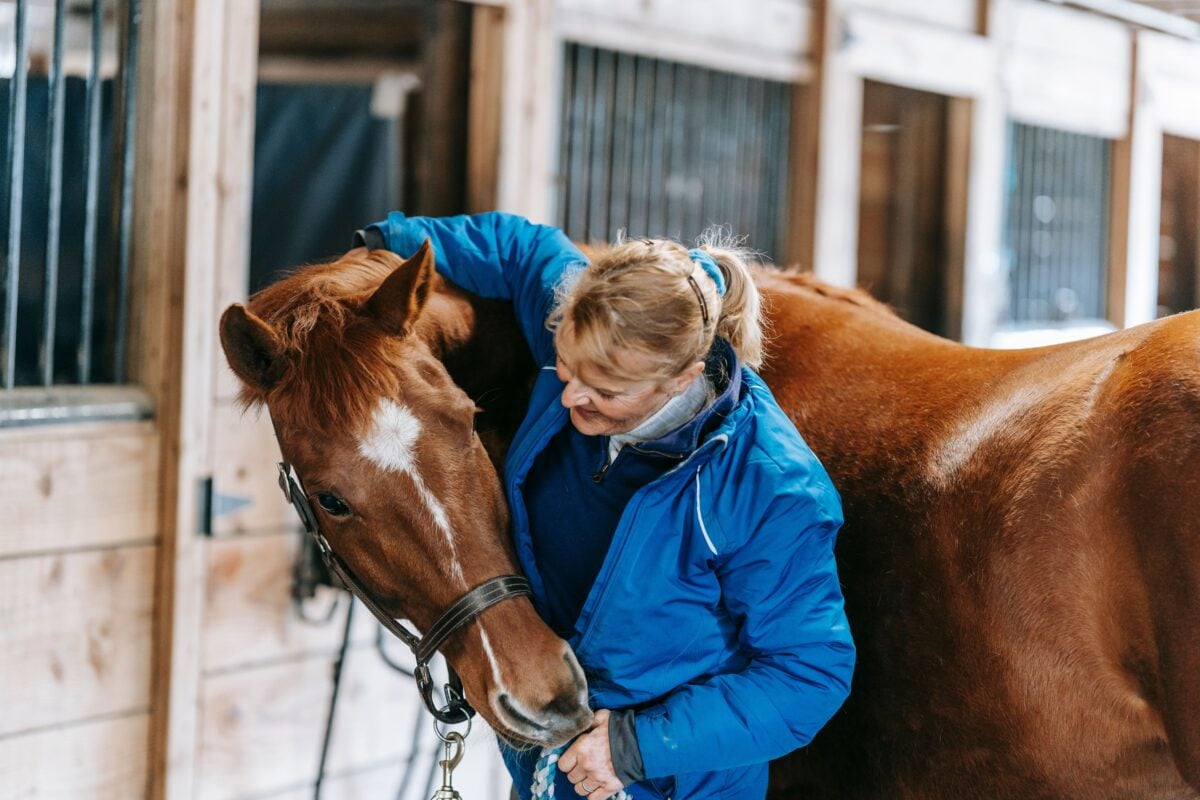
Ask a brand-new horse owner what they’re afraid of, and they’ll usually say something like falling off, or not being “good enough” yet. Ask an owner who’s been doing this for ten years what they actually regret, and you’ll get a completely different list. Wrong horse. Wrong barn. Wrong budget. A slow-motion collapse of confidence they never saw coming.
Here’s the part that stings: almost none of it was bad luck. Nearly every regret on this list could have been avoided with one honest question, asked before the check was written. This isn’t a scare tactic to keep you out of the saddle. It’s the list experienced owners wish someone had handed them before horse #1 – the mistakes, the blind spots, and the small warning signs they walked right past.
#1 – Buying the “Pretty” Horse Instead of the Right Horse
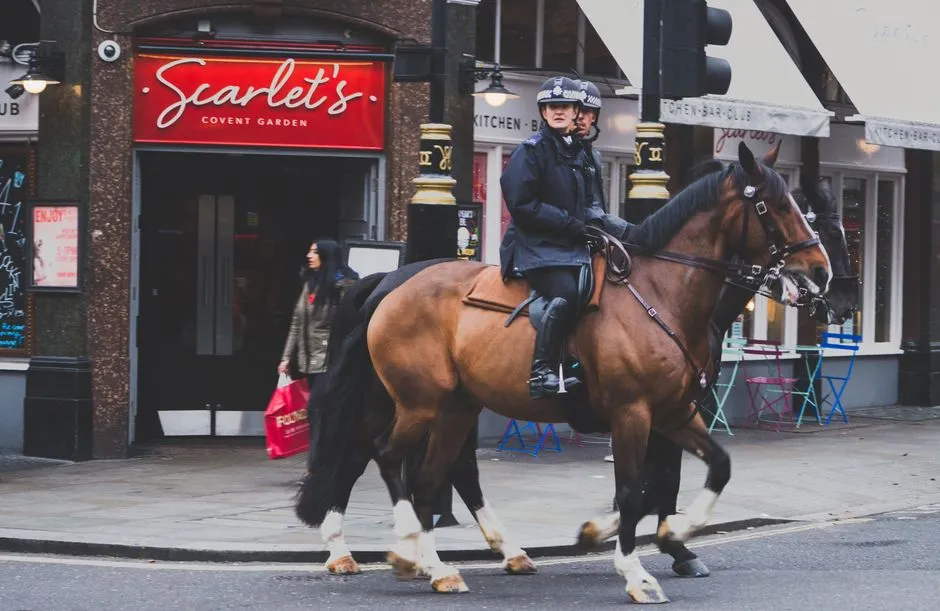
New buyers shop with their eyes before their brain ever gets a vote. Owners admit it over and over: they picked the flashy color, the flowing mane, the “movie horse” face, and quietly ignored temperament and training entirely.
A calm, slightly plain gelding is almost always a better first horse than a gorgeous, hot-headed firecracker. Plenty of owners only learned the hard way that beautiful doesn’t mean safe. The horse that made them gasp in the sale photos was the same one that left them shaking in the saddle a week later. Ask yourself honestly: would you still want this horse if it were solid brown?
#2 – Skipping the Vet Exam to “Save a Little Money”
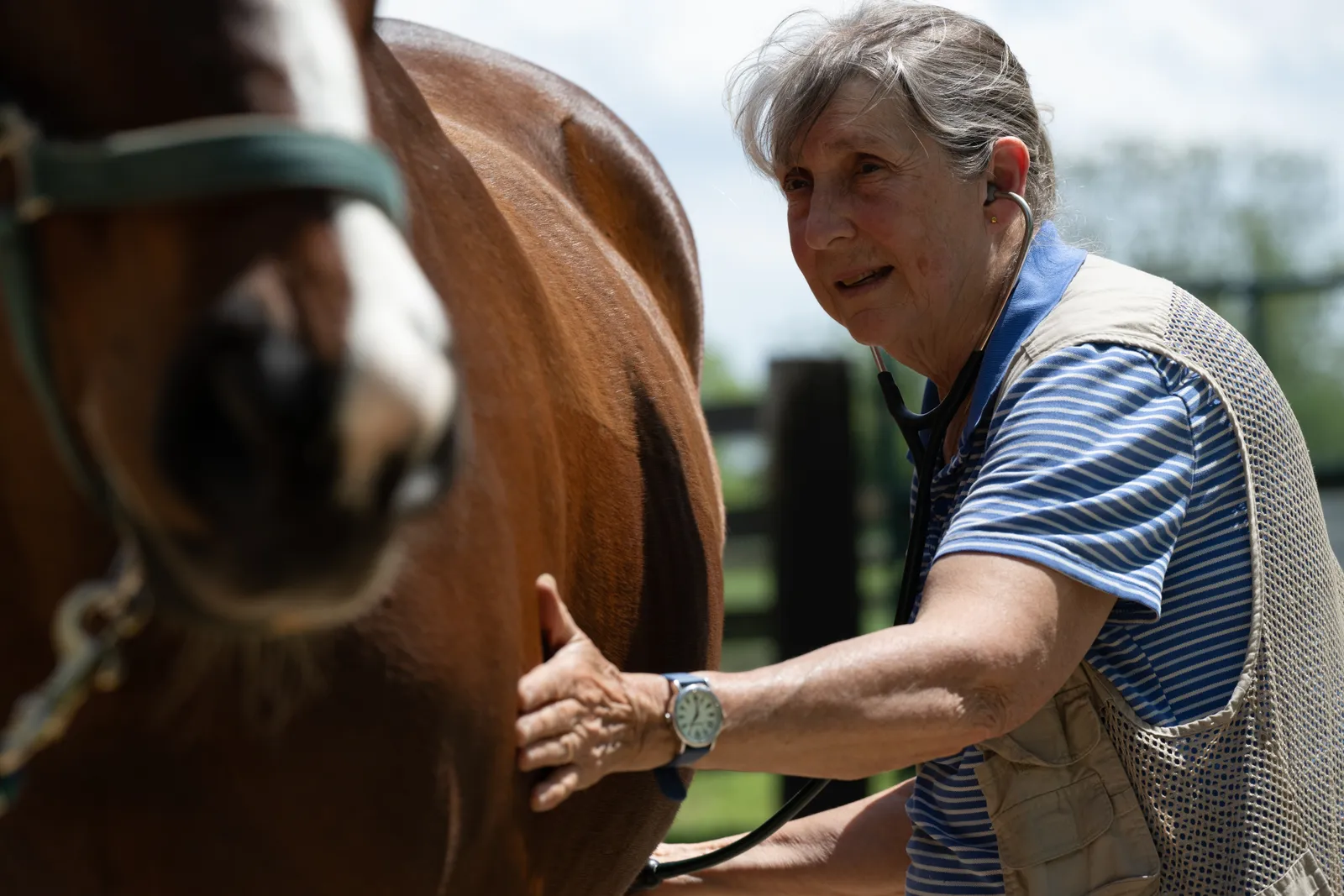
This is the regret that makes seasoned owners physically wince when they tell the story. A full pre-purchase exam feels like an unnecessary expense when you’re already stretching your budget for the horse and the tack. But skipping it has cost people thousands more in surprise lameness, chronic pain, and hidden conditions nobody caught in time.
A basic flexion test and a set of X-rays can reveal things your eye – and even the seller’s eye – completely misses. If a seller resists a vet check, or insists you only use “their” vet, that’s not a small detail. That’s a massive red flag. You’re not just buying the horse you see today. You’re buying every vet bill for the next several years.
Fast Facts
- A standard pre-purchase exam usually includes a full physical, flexion tests, and a soundness evaluation at walk, trot, and lunge.
- Basic X-rays typically focus on the feet, hocks, and any area of visible concern.
- Costs vary by region and by how many X-ray views are taken, so ask for an estimate up front.
- A seller who refuses a vet check, or insists on using only their own vet, is one of the clearest red flags in horse buying.
#3 – Underestimating the True Monthly Cost (It’s Never Just Board)
Most first-time buyers budget for the purchase price and maybe monthly board, then stop there. Owners later admit they had no idea how many “sneaky” recurring costs were waiting for them: farrier visits every six to eight weeks, vaccines, dental work, deworming, and the supplements, blankets, and fly spray that quietly add up every season.
Then there are emergencies, and they do happen. One middle-of-the-night colic call can wipe out an entire month’s salary without warning. This doesn’t mean you shouldn’t buy a horse. It means you plan like a realist instead of an excited kid on Christmas morning. Owners who added up a full year of realistic expenses before buying often say they would have chosen a cheaper barn, or waited six more months to build a cushion first.
#4 – Buying Too Much Horse “To Grow Into”
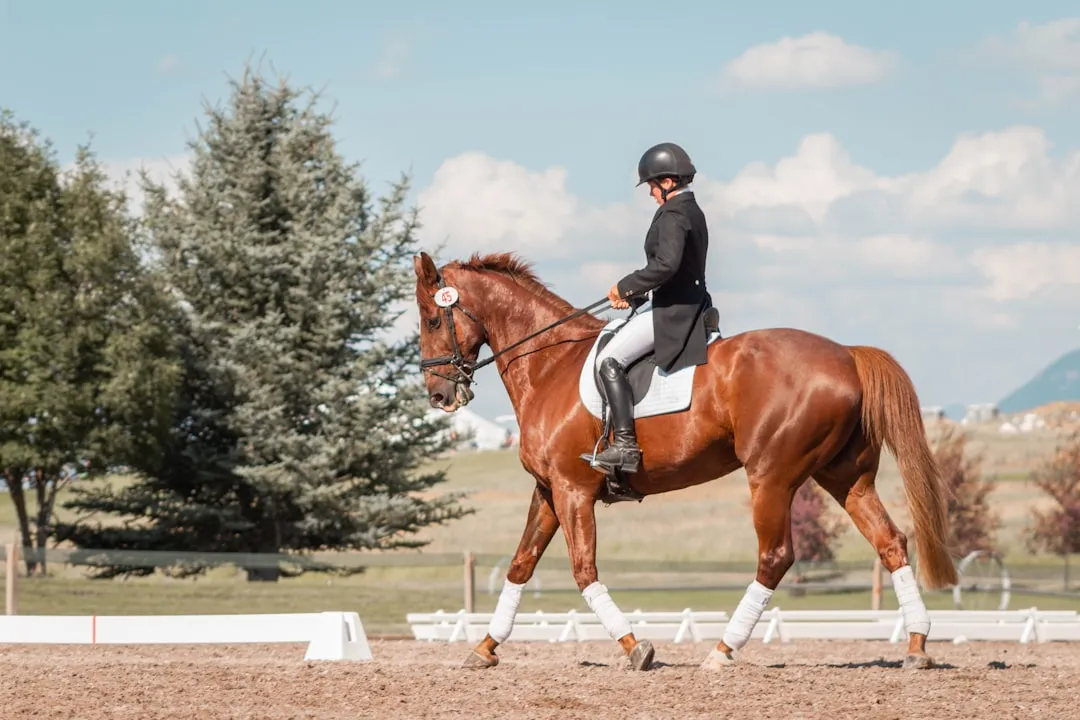
This regret is almost universal among first-time adult riders. Someone – a friend, a trainer, even the seller – says, “You’ll grow into him.” It sounds efficient. It even feels flattering. In practice, a green or overly powerful horse can shatter your confidence so fast you stop riding altogether.
Plenty of now-former owners trace their fear straight back to a horse they were never ready for. A first horse should feel a little boring on your bravest day. It should tolerate your mistakes without blowing up, and already be doing, calmly and consistently, the thing you want to learn. A schoolmaster you outgrow beats a project that terrifies you, every single time. You can always trade up later. You can’t always repair a broken sense of safety.
#5 – Trusting the Seller’s Word Without Bringing Independent Eyes
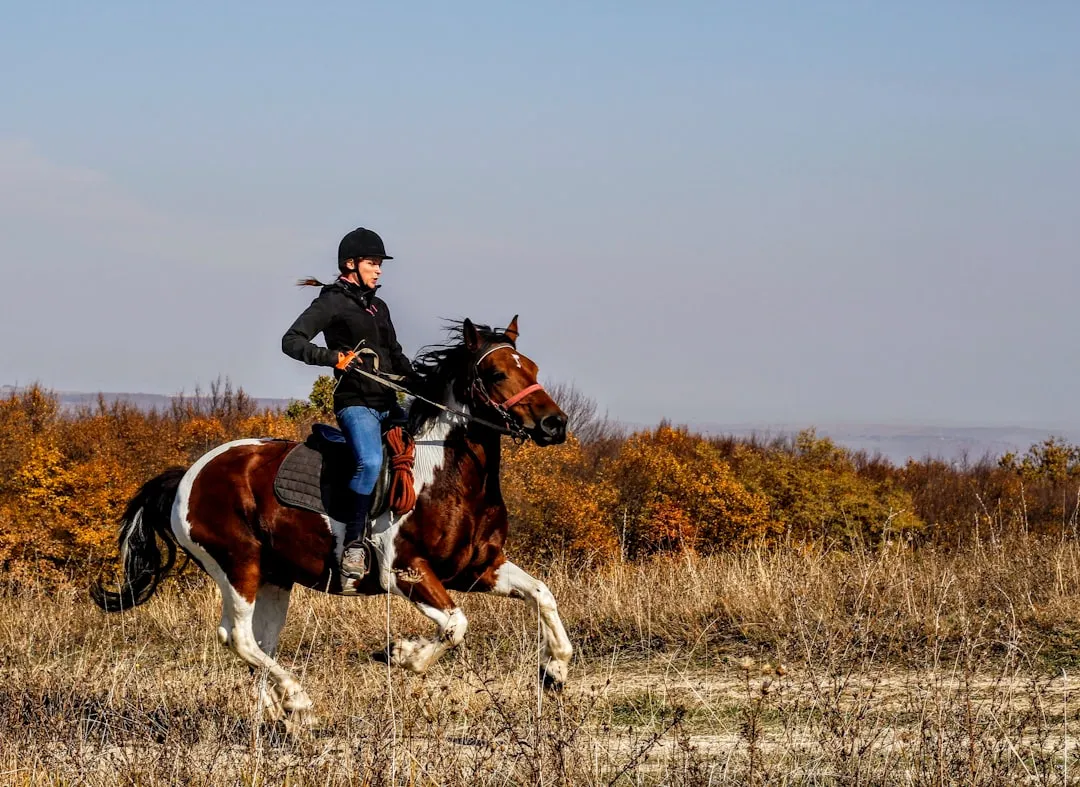
New buyers quietly assume everyone in the horse world is playing fair. They’re not. Owners regret taking phrases like “kid safe,” “bombproof,” or “totally sound” at face value, because those words mean wildly different things depending on who’s saying them. Some sellers are simply optimistic. Others are, frankly, selling a problem and hoping you don’t notice.
Smart buyers now insist on seeing the horse ridden by someone else first, bringing a trainer or knowledgeable friend to evaluate, and requesting video of the horse alone, with other horses, and in unfamiliar places. If a seller won’t allow a trial ride on more than one day, or refuses to let you bring your own trainer, that’s your answer. The right horse never requires you to ignore your gut to make the deal work.
#6 – Ignoring the Boarding Barn Red Flags
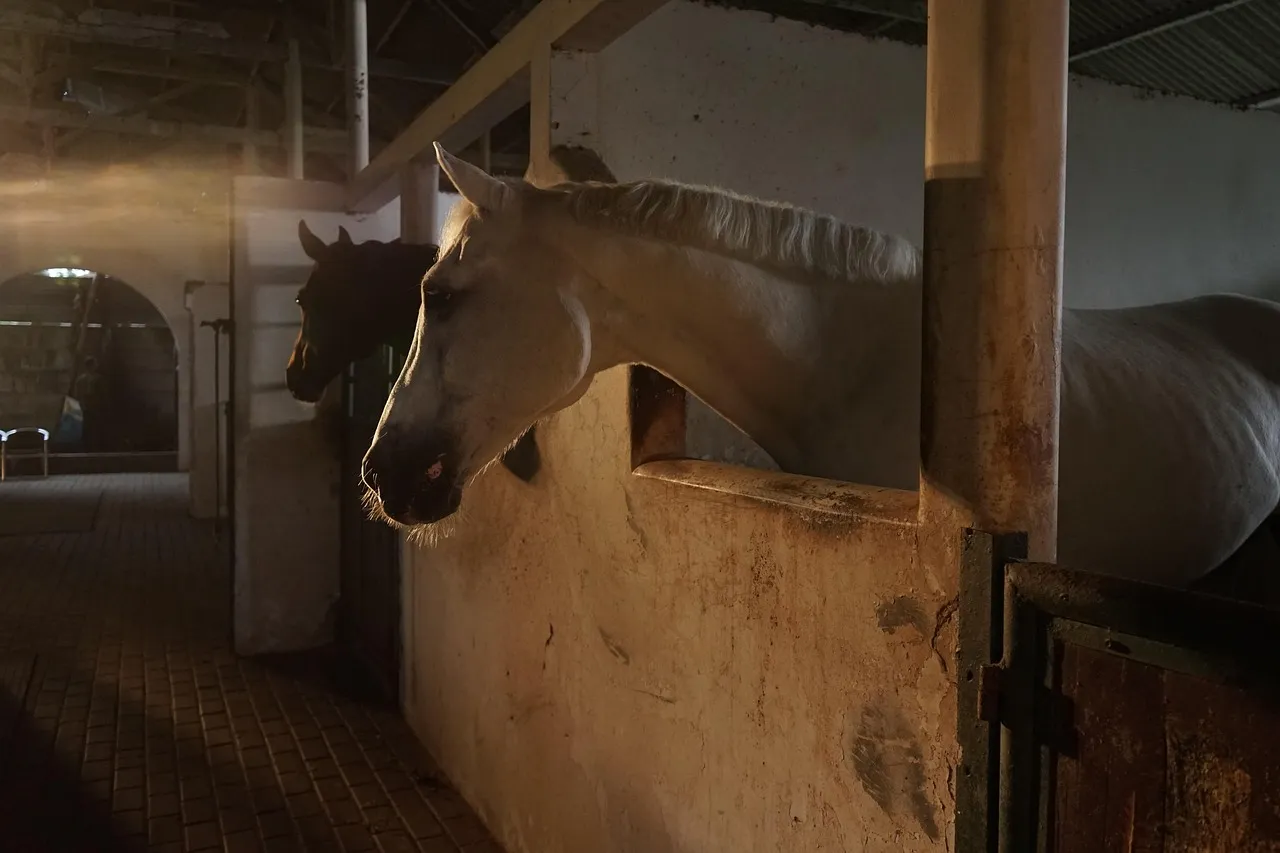
Your horse is only half the equation. Where you keep them can make or break everything, and first-timers often pick the closest or cheapest barn without a second thought. The regret shows up fast: drama, poor care, unsafe fencing, and a good horse slowly turning into a “problem horse” because the environment around them is broken.
Before signing anything, visit at different times of day – feeding, turnout, evenings – and on both weekdays and weekends. Watch how staff handle horses under stress, and check for clean water and safe fencing with your own eyes. One trick experienced owners swear by: pull a boarder aside, away from staff, and ask, “If you could move your horse tomorrow, would you?” The answer is usually brutally honest.
#7 – Buying a Horse That Doesn’t Match Your Actual Life
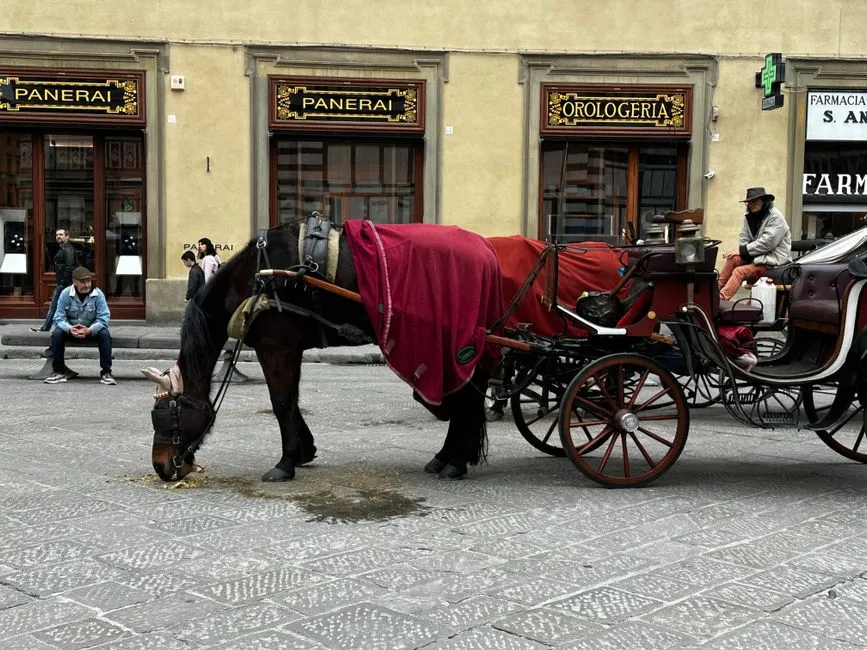
“Trail riding, maybe some shows someday” sounds specific enough at the time. It isn’t. A huge regret among owners is ending up with a horse built for a life they never actually live. Someone buys a fiery ex-barrel horse and mostly wants slow, relaxed trail rides. Someone else buys a big, easygoing draft cross and realizes six months in that they’re obsessed with jumping.
Before you shop, write down what you actually do on a weekly basis, not the fantasy version, and what you realistically want to be doing a year or two from now. Then match the horse to that reality. Owners who admit, “I mostly trail ride with friends,” and buy the solid trail horse instead of the high-octane show prospect are almost always happier a year later than the ones chasing a dream they never quite chase.
#8 – Shopping Without a Trainer in Your Corner
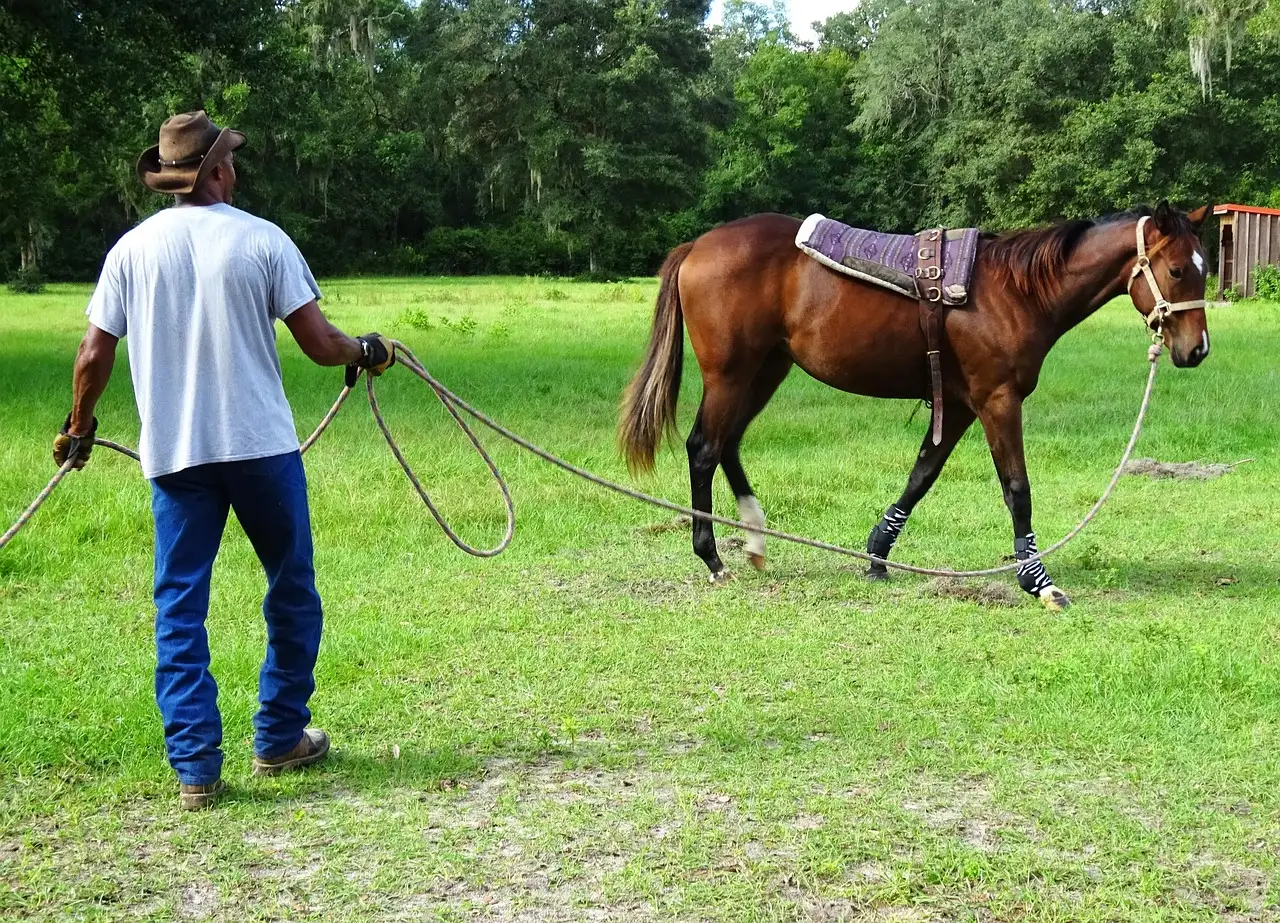
This regret stings in hindsight because it’s usually rooted in pride. New buyers think hiring a trainer to help evaluate a horse is overkill, or an expense they can skip. Then they spend the next few years and triple the money fixing problems that were completely avoidable.
A good, independent trainer earns their fee the moment they say, “Absolutely not, you are not buying that one.” That single sentence can save your wallet, your confidence, and sometimes your safety. A trainer spots the subtle lameness you’d miss, tests the horse at a level you can’t yet, and negotiates without the emotional attachment clouding the deal. The seller wants the horse gone. The trainer wants you to succeed. That difference matters more than people expect.
#9 – Choosing a Rescue or Rehab Case as Horse Number One
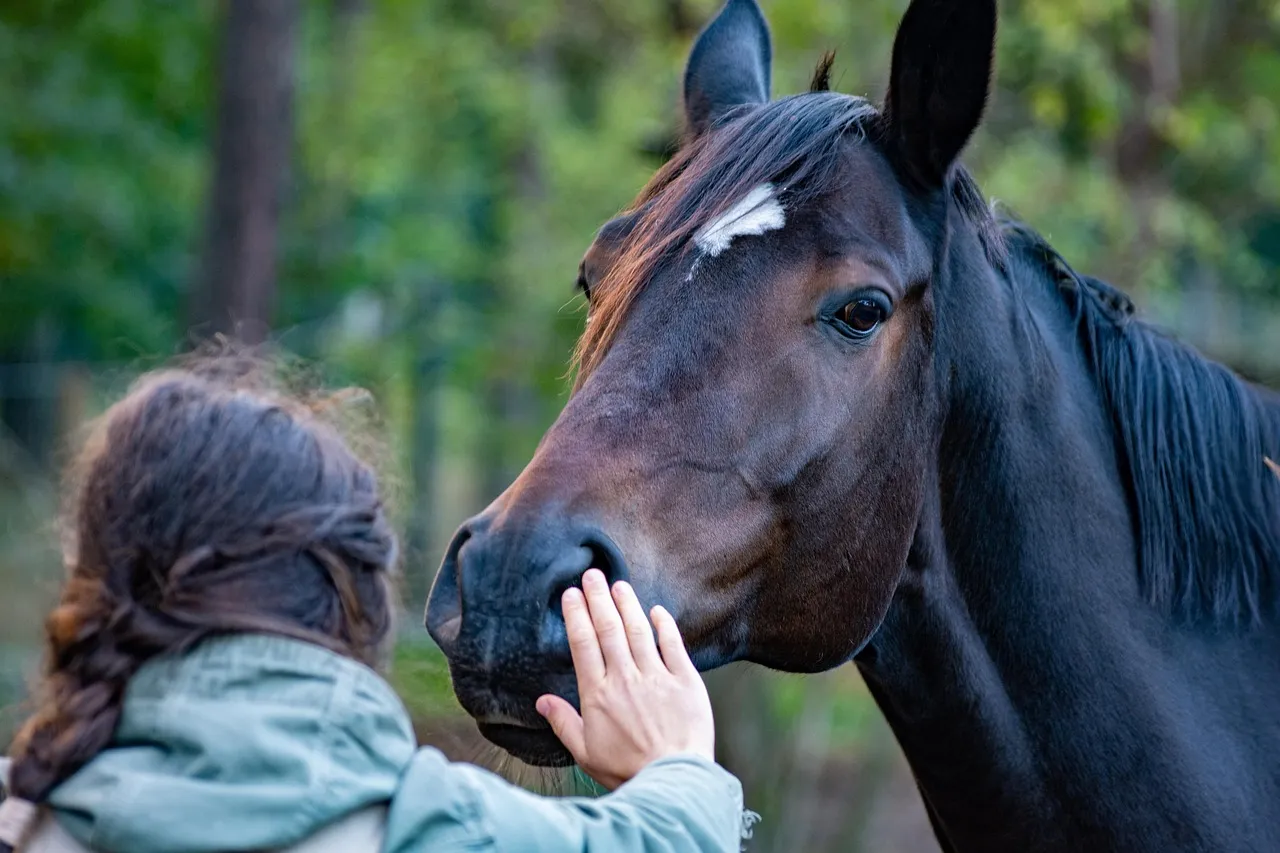
This one starts arguments in every barn aisle. Should a first-time owner ever take on a rescue or a major rehab case? Many experienced owners say no, and they say it from painful personal experience. Taking on a starved, abused, or seriously lame horse as your very first is emotionally noble and logistically brutal at the same time.
You end up learning basic horse care and complex rehabilitation simultaneously, often through heartbreaking setbacks, while your bank account absorbs the shock. Some rescue stories end beautifully. For every one of those, there’s a burned-out owner who quietly exited horse ownership entirely after their “save” became a 24/7 crisis. The honest advice you’ll hear in most barns: rescue later, once you have experience and a support system, not with horse number one.
Quick Compare
- Schoolmaster: Predictable ground manners and established training, proven under saddle.
- Rescue or Rehab Case: Unknown history, likely extra vet and rehab costs, and a slower timeline to actually ride.
- Schoolmaster: Lower emotional risk while you’re still learning basic horsemanship.
- Rescue or Rehab Case: Best suited to owners with prior experience and a support system already in place.
#10 – Expecting the Horse to Heal You, Not Realizing It Might Need Healing Too
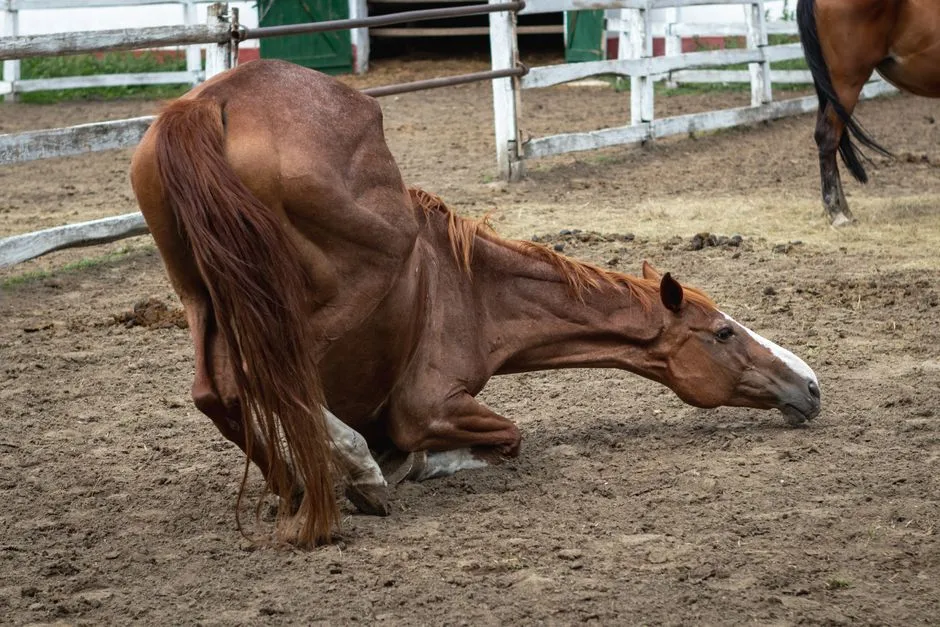
People often buy their first horse during a stressful season of life, hoping for some peace. Horses absolutely can be grounding. But many new owners regret assuming the horse would automatically calm their life down, without ever asking what state the horse itself was in.
If the horse is anxious, undertrained, or in quiet pain, you suddenly own a thousand pounds of someone else’s stress stacked on top of your own. Instead of long, peaceful rides, you get vet visits, behavior puzzles, and fear you didn’t sign up for. Be honest with yourself about whether you have the bandwidth to problem-solve right now, or whether you need a genuinely low-drama, been-there-done-that horse instead. The right match softens your life. The wrong one amplifies every crack already in it.
#11 – Underestimating How Much Time a Horse Actually Demands
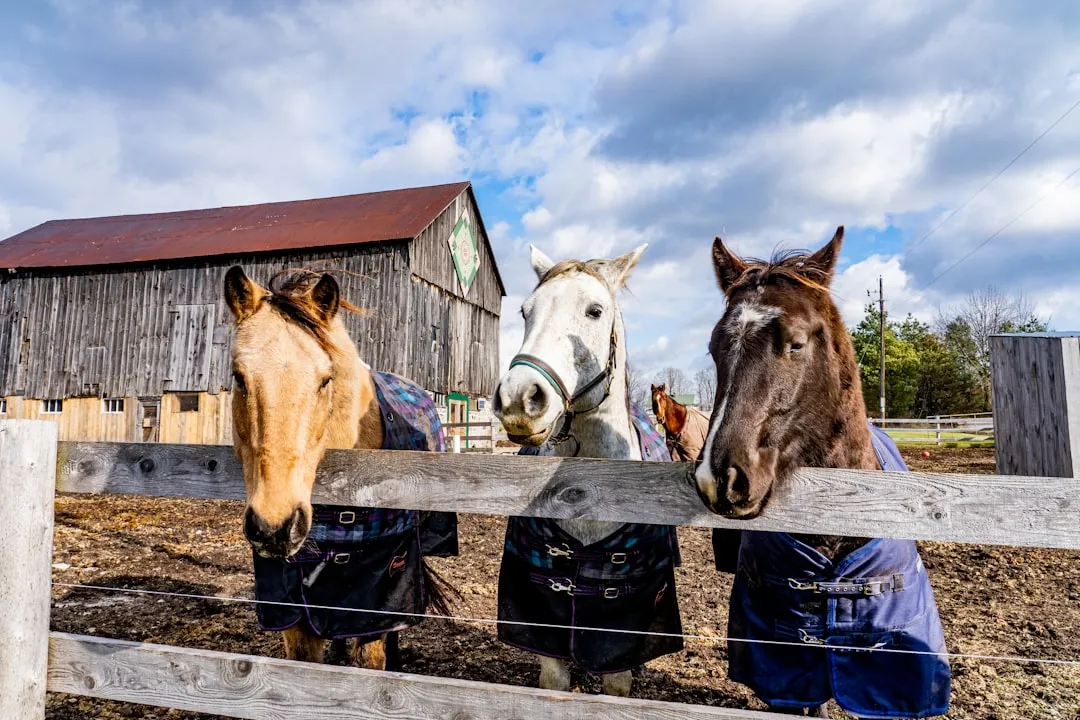
Money gets talked about constantly. Time almost never does, and that’s exactly the problem. Owners regret assuming they could swing by the barn “a few times a week” indefinitely, without accounting for the fact that life changes. Jobs shift. Kids arrive. Parents age. The horse’s needs don’t shrink to fit any of it.
Even at a full-care barn, you will eventually find yourself driving out at 9 p.m. with a flashlight to check a cut or fix a blanket. Map out your real weekly schedule, not the aspirational one, along with drive time to the barn and the inevitable “unexpected” vet or farrier trips. This regret rarely shows up on day one. It hits around month six, right after the newness fades and the responsibility doesn’t.
At a Glance
- Daily check-ins, even at full-care barns, often run 30 to 60 minutes on a typical day.
- Add drive time to and from the barn on top of that, every single visit.
- Weekend turnout checks, blanket changes, and seasonal care add extra hours most people don’t budget for.
- Emergency vet or farrier trips rarely arrive on a convenient schedule.
#12 – Letting Instagram Set Your Timeline
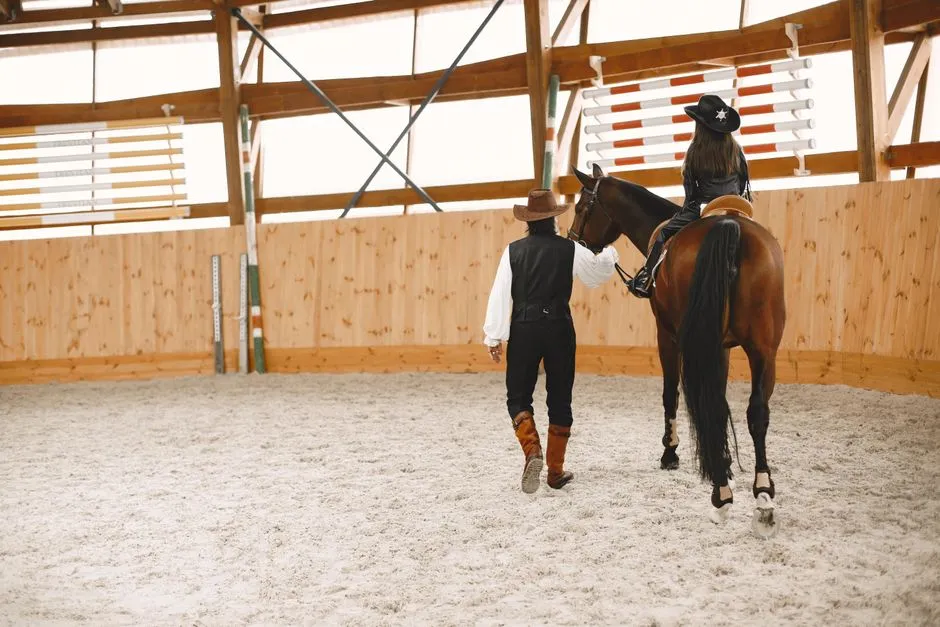
Social media lies about almost everything, and horses are no exception. New owners regret letting curated feeds dictate what “normal progress” is supposed to look like. They watch week-by-week glow-up videos and quietly expect their own green horse to be jumping courses or winning ribbons within six months.
That pressure pushes people to overface themselves and their horse, and it usually ends in fear, resentment, or injury. Real training is slow, messy, and full of plateaus that never make it into anyone’s highlight reel. Plenty of experienced owners have simply unfollowed the accounts that make them feel behind. Your horse has never once cared about likes. It cares about consistency, clarity, and kindness, delivered on a boring, ordinary Tuesday.
#13 – Building a Tack Room Full of Regret Instead of Fit
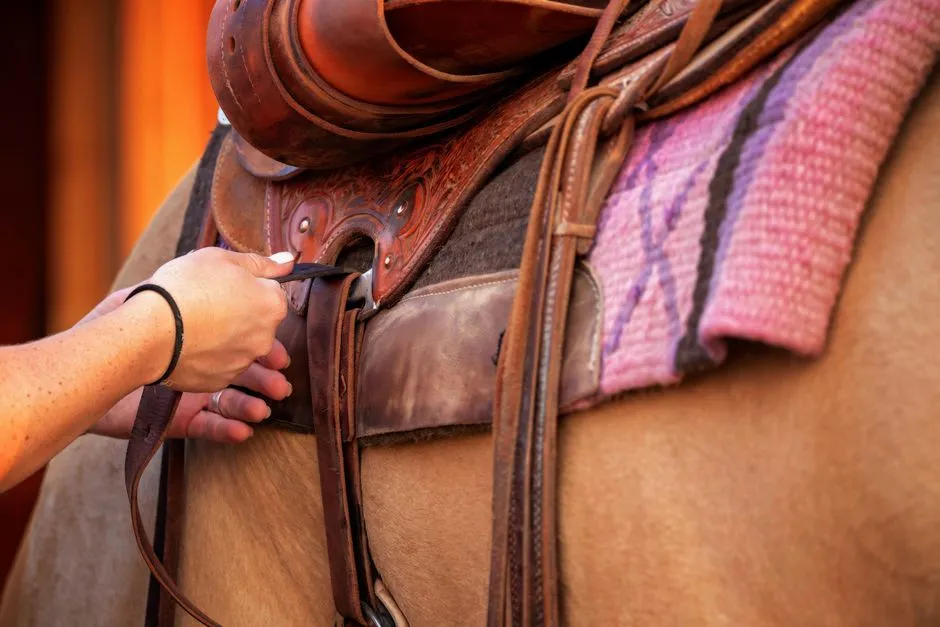
Most first-time owners build what amounts to a tack room museum of bad decisions. Three saddles off marketplace, a rainbow of pads, a dozen halters – and almost none of it actually fits the horse. One well-fitted saddle is worth more than five “great deals” that pinch, slip, or quietly cause pain with every ride.
Poor saddle fit is one of the most common causes of behavior labeled as “attitude,” when it’s actually pain. Spend the money on a qualified saddle fitter and a small number of correctly sized basics instead of chasing trends and colors. Owners regret the boxes of unused gear sitting in the garage more than any single vet bill, because at least the vet bill served a purpose. Fit first. Fashion later.
#14 – Treating Hoof Care as Optional Until It Isn’t
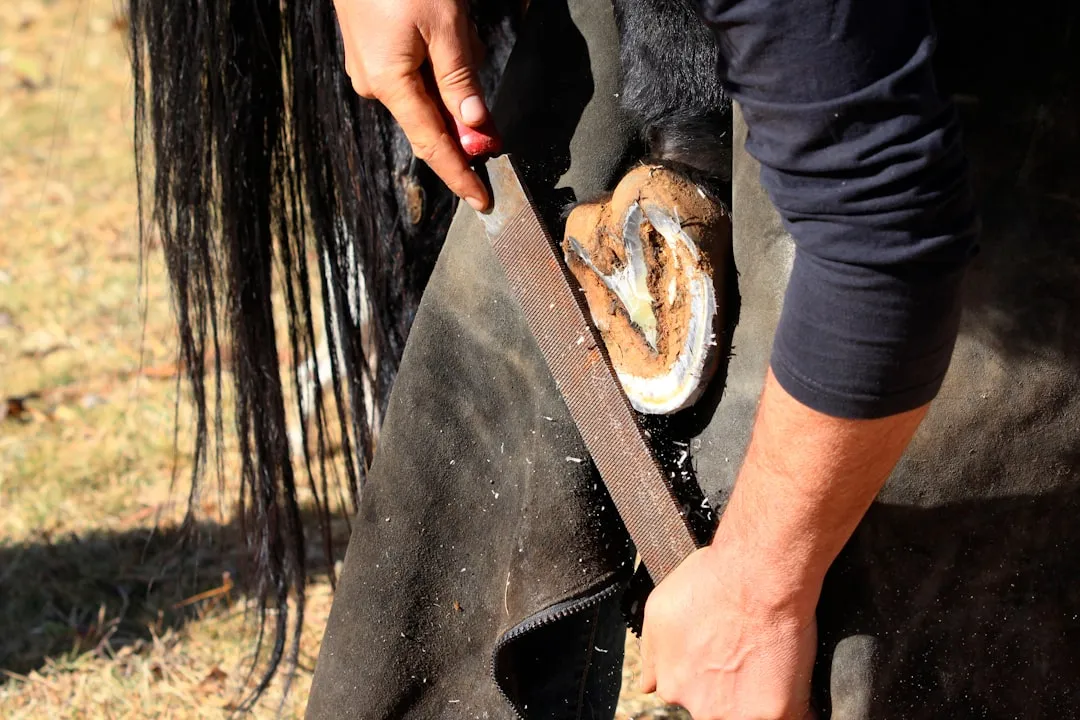
Hooves are not glamorous, and that’s exactly why they get neglected. New owners often treat farrier visits as a routine chore instead of the literal foundation of soundness. They stretch appointments, skip corrective shoeing, or hire the cheapest option because “a trim is a trim.”
Bad or inconsistent hoof care builds problems quietly, then explodes months or years later as tendon injuries, chronic lameness, and expensive diagnostic bills. Long toes, underrun heels, cracks that never grow out, and a farrier who rushes through your questions are all warning signs experienced owners now refuse to ignore. Your farrier choice deserves the same scrutiny as your vet choice, because a good one saves you money for years, and a bad one drains you slowly.
Worth Knowing
- Healthy hooves are typically trimmed or reset every 6 to 8 weeks.
- Long toes and underrun heels are early signs the schedule is slipping.
- Cracks that don’t grow out after a full cycle deserve a second opinion.
- A farrier who rushes through your questions is worth reconsidering, just like a vet would be.
#15 – Having No Emergency Plan If Life Falls Apart
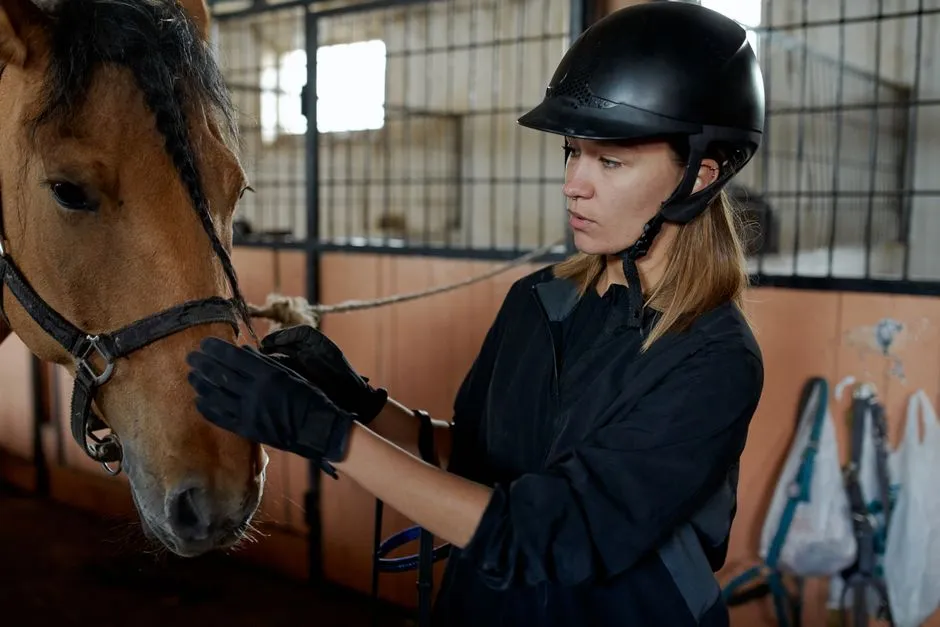
This is the regret nobody wants to discuss until it’s already happening. Job loss, illness, divorce, injury – life happens, and many first-time owners only realize in the middle of a crisis that they never built a plan for their horse if they suddenly couldn’t ride or pay.
Scrambling to rehome a horse under pressure is emotionally brutal and financially punishing. You accept less money, skip vet checks on the buyer’s end, and sometimes hand your horse to someone you’d never have chosen otherwise, because you feel trapped. Ask yourself now: if you were out of work for three months, what would you do? Some experienced owners keep an informal “backup home” agreement with a trusted friend. It’s not morbid. It’s kind, and it’s the difference between a hard decision and a desperate one.
#16 – Believing Your First Horse Has to Be Your Forever Horse
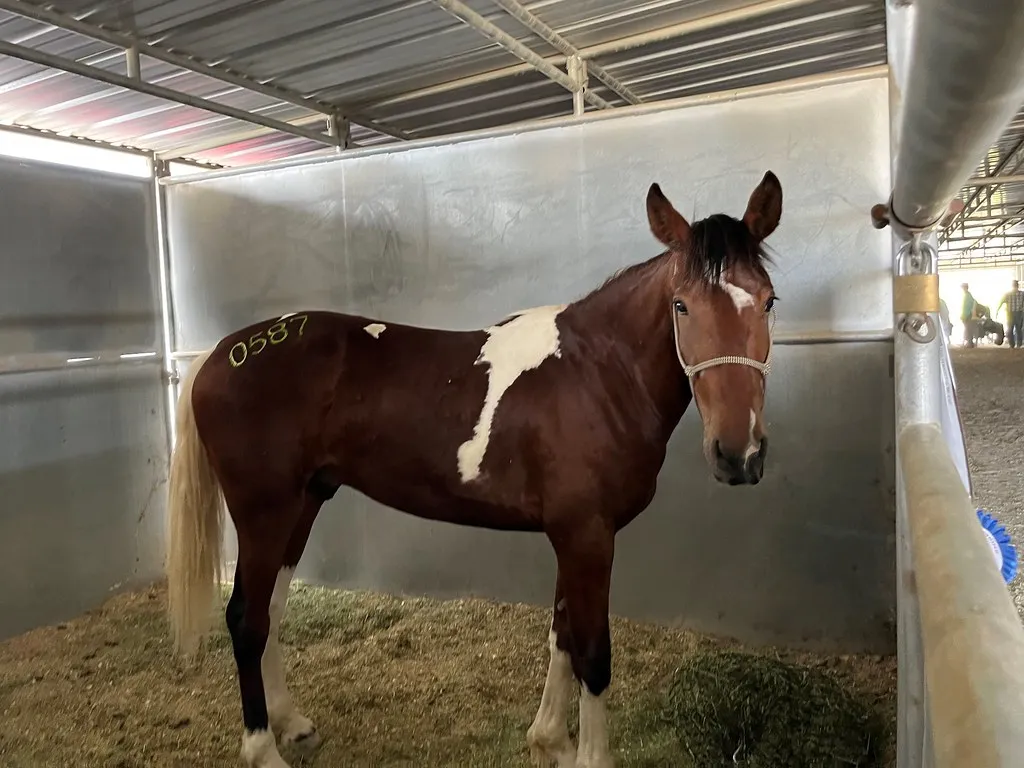
This is where sentimentality quietly steals years of joy. The horse world has a way of shaming owners who sell or rehome a horse, especially a first one, and that pressure keeps people clinging to bad matches far longer than they should.
You are allowed to say, “This isn’t working for either of us,” and find a better home for both of you. It doesn’t make you heartless. It can be the most responsible choice you make. Owners regret waiting until they were terrified to ride, resentful of the barn, or financially underwater before finally admitting the truth. Social media loves the forever-horse fairytale. Real horsemen know that sometimes the kindest, most adult move is to let go.
#17 – Trying to Fix Dangerous Behavior With Love Alone
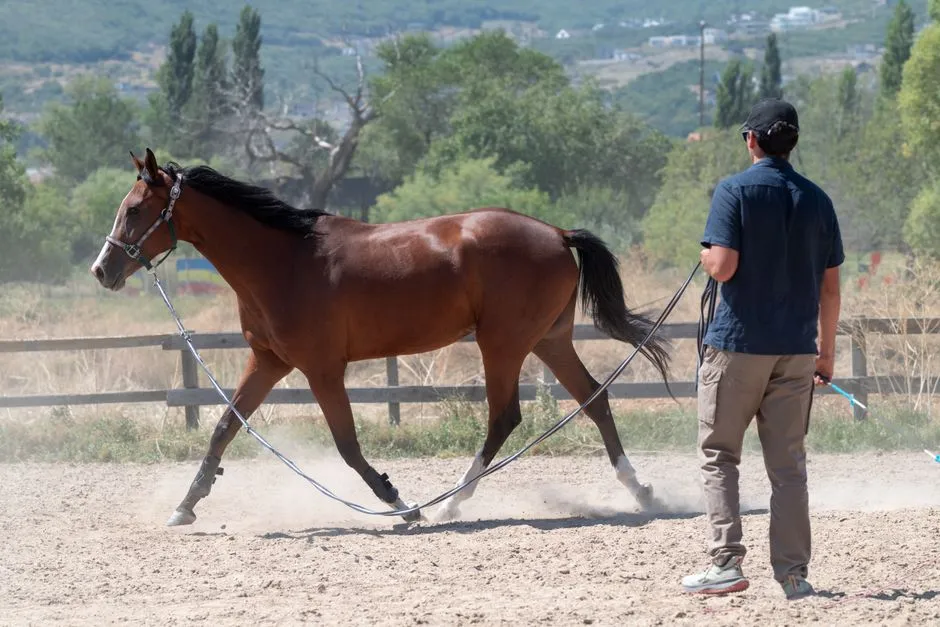
Love is essential. It is not a training plan. First-time buyers often take on horses with clear behavior problems – bolting, rearing, biting, chronic spooking – convinced that affection, treats, and patience will eventually erase something deep-rooted. Without skilled training, those behaviors usually escalate instead of fading.
The owner ends up scared and ashamed. The horse ends up confused, or worse, labeled dangerous and passed along. Real love looks like consistent boundaries, paying qualified professionals, and being willing to say, “this is above my skill level,” without shame. Many owners regret waiting until things got genuinely scary before calling a trainer, when the horse they’d been handed was never an appropriate first mount to begin with.
There is something about the outside of a horse that is good for the inside of a man.
Winston Churchill
#18 – Forgetting That Riding Is Supposed to Be Fun
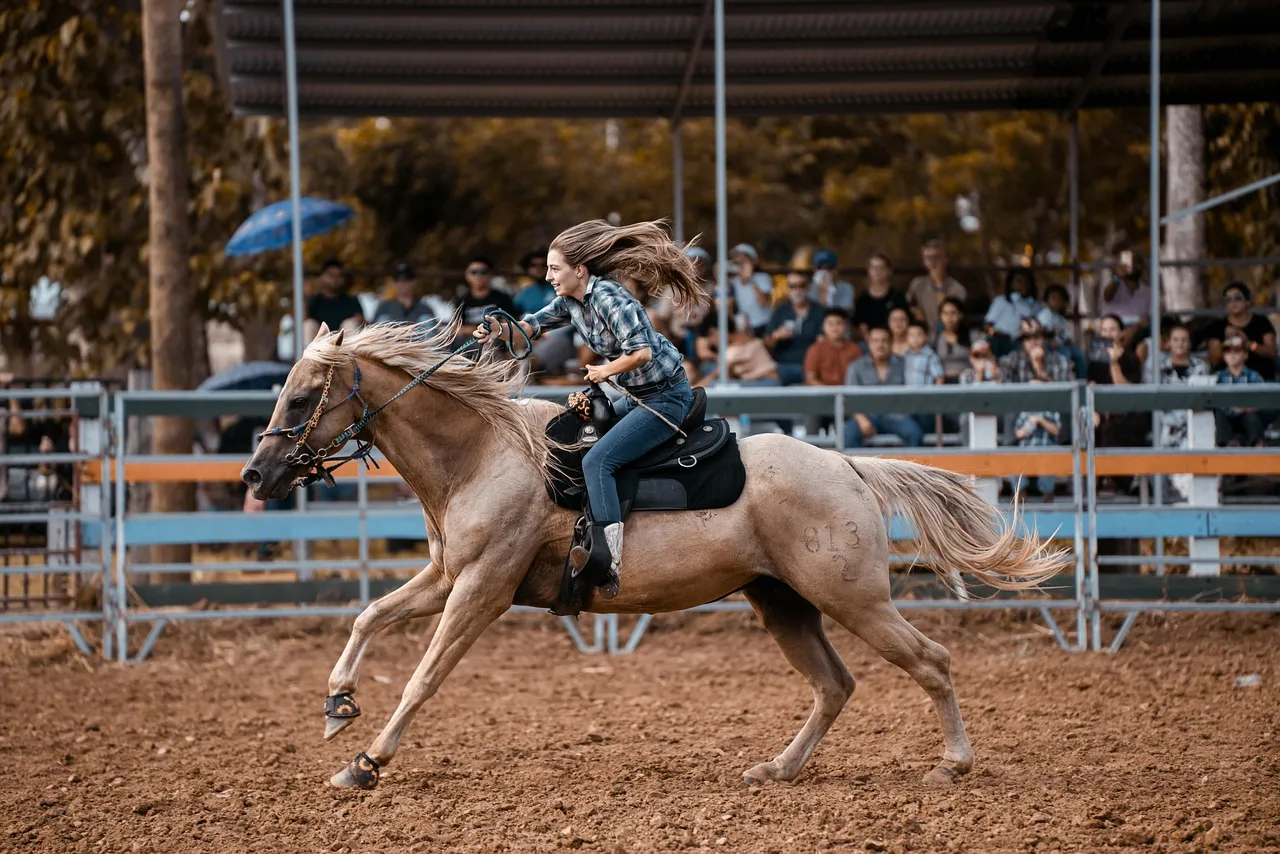
Ask long-time owners for their core regret, and this one surfaces more often than you’d expect. They spent so much energy stressed about doing everything “right” – the perfect program, the ideal discipline, constant improvement – that they forgot why they wanted a horse in the first place.
When every ride starts to feel like a test you’re failing, burnout is inevitable, and the tragedy is how many people quit entirely, convinced they’re just not good enough. Before you buy, decide what fun actually looks like for you: long low-pressure trail rides, tiny local shows with friends, or just grooming and groundwork and quiet bonding time. Then protect that version fiercely, even if other boarders roll their eyes. The happiest long-term owners are rarely the fanciest riders. They’re the ones who never forgot this was a choice, not an obligation.
The Bottom Line
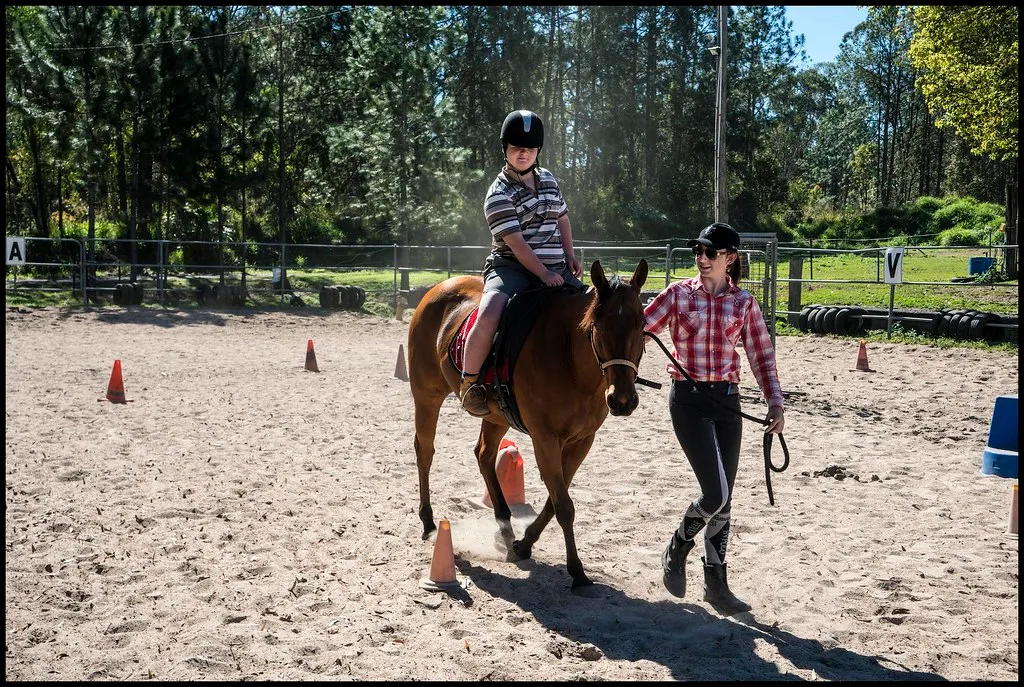
If you’re buying your first horse, the biggest regrets real owners name almost never involve falling off or missing a ribbon. They’re about ignored red flags, overestimated bandwidth, and letting a fantasy outrun the reality sitting right in front of them.
The through-line in every single story on this list is the same: the wrong horse in the wrong setup turns a dream into a drain, emotionally, financially, and mentally. The right horse does the opposite. It changes your whole life for the better.
You don’t need to be perfect at this. You need to be honest about your skills, your money, your time, and your goals. Pick boring over dramatic, soundness over speed, and fit over fairy tale. Do it that way, and you’ll be one of the lucky ones whose only regret is not doing it sooner.
