
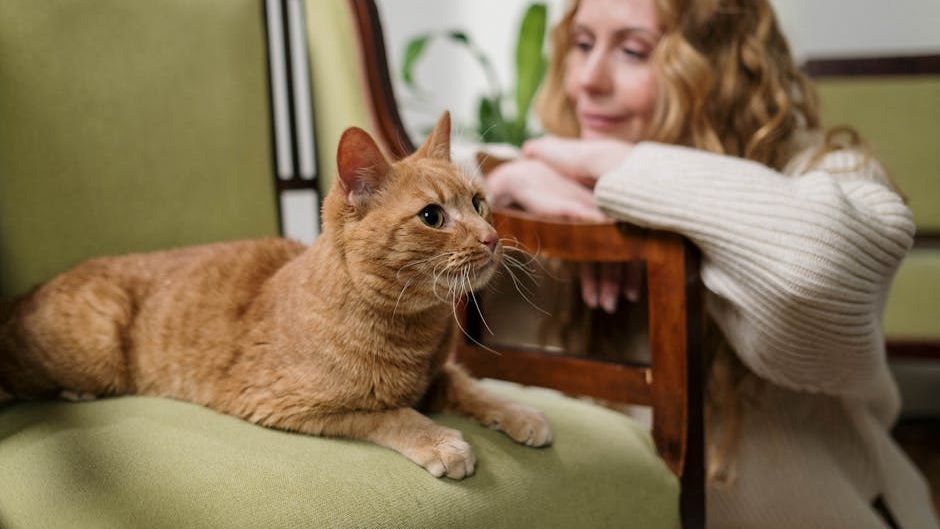
You hand-pick the finest treats, you offer the coziest lap in the house, and still – your cat walks straight past you like you’re part of the furniture. Sound familiar? If you’ve ever sat on the couch calling your cat’s name while they stare blankly at the wall, you already know that specific brand of heartbreak only cat owners understand.
Here’s the thing: you’re not alone, and your cat probably doesn’t hate you. There’s almost always a logical reason hiding behind that ice-cold indifference. Some are simple. Some are surprising. A couple might actually worry you a little. Let’s dive in.
They Hear You – They’re Just Choosing Not to Answer
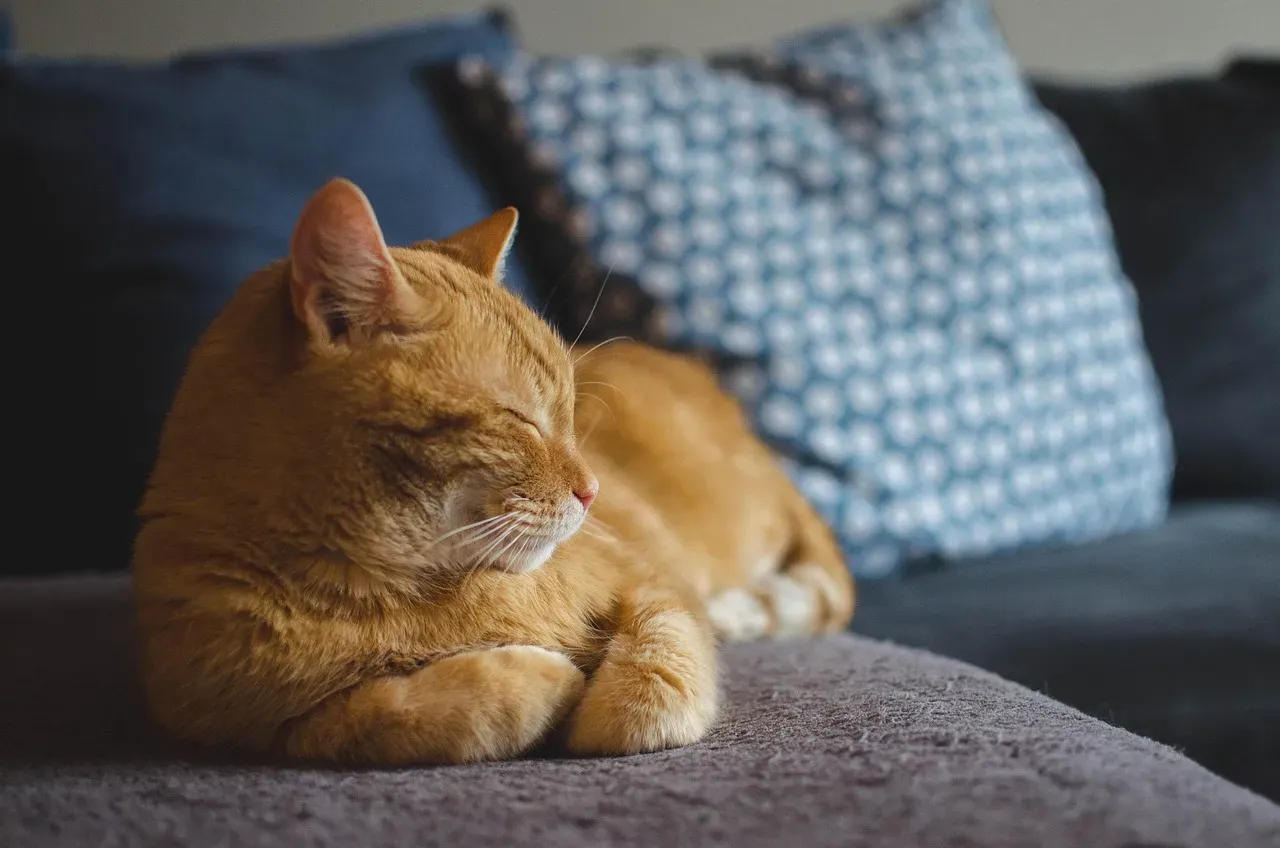
This one might sting a little. Research has shown that cats know their own name and can distinguish it from similar-sounding nouns and even the names of other cats in the household. This means your cat certainly understands you when you call them – they are simply choosing not to respond.
Think of it like a teenager with headphones who definitely hears you asking them to clean their room. They just… don’t care enough right now. Research shows cats can recognize their names and distinguish them from other sounds, but they often actively choose whether or not to respond. This means that if the cat does not find a good reason or motivation to come to you, they might simply ignore you.
The fix? Make yourself worth responding to. Use a calm, consistent tone and offer a treat or praise when your cat responds. Over time, they’ll connect your voice with something positive. Consistency is everything here. A cat that associates your voice with rewards will eventually become a cat that actually turns its head.
It’s Simply Their Nature as a Solitary Hunter
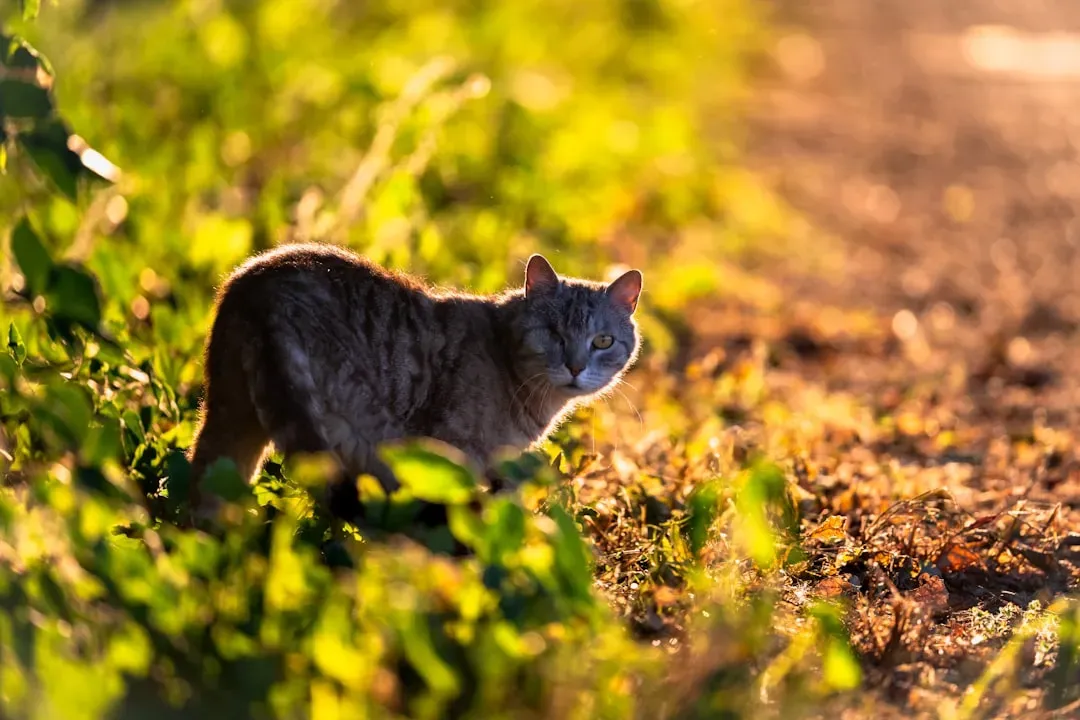
While dogs were domesticated and specially bred over thousands of years to be loyal and obedient companions, cats more or less domesticated themselves, moving into cities and hunting mice and rats around grain stores by their own choice. Consequently, your cat doesn’t have a strong drive to listen and obey, and may ignore you if they’d rather be doing something else.
Honestly, it’s a deeply wired thing. Unlike dogs, cats evolved as solitary hunters rather than pack animals. This evolutionary history has shaped their social behavior, making them naturally more independent and selective about their interactions. You can’t really argue with millions of years of instinct.
That said, don’t give up. Just because cats are more independent and less eager to please than dogs doesn’t mean they can’t be trained. With patience, persistence, and lots of positive reinforcement, your cat can learn many tricks – even “come”! So there’s still hope for the rest of us.
They’re Stressed or Anxious About Something
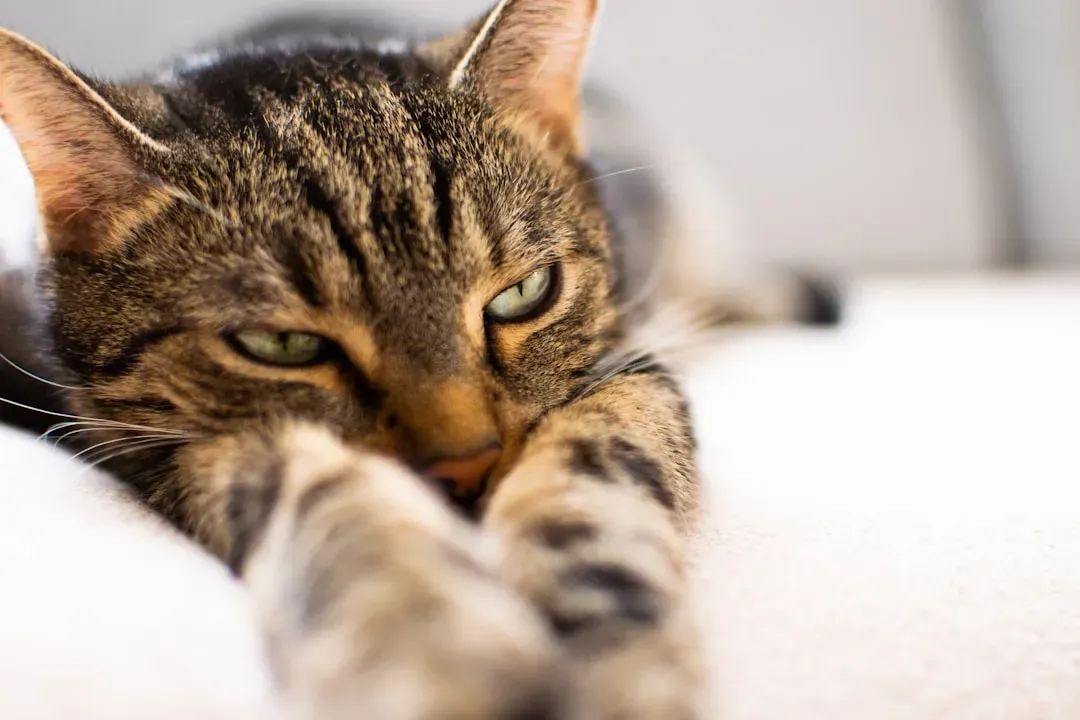
Cats are creatures of habit. Any disruption to their carefully curated world can tip them into stress mode. Stress can come in many different forms for cats and it could be the smallest thing that is making your cat unhappy. Be mindful of any changes that might have stressed your cat such as a house move, a new baby or visitor in the house, a new pet, a change of furniture, a new neighborhood cat, or conflict between the cats in your household. Any of these things can upset your cat, as they’re creatures of habit and don’t like change.
Think about it this way: imagine someone rearranged all the furniture in your home overnight without telling you. You’d be a little off too. Cats are sensitive to changes in their environment. Moving furniture, introducing new pets, or altering their daily routine can cause stress, leading them to withdraw or ignore their humans. This behavior usually subsides once they adjust to the changes.
If you suspect stress is the culprit, give it some time and patience. You can try bribing your cat with treats or play to get back in their good graces. If they are not getting back to normal within a few hours or they go off their food, consult with your vet.
You’ve Been Overdoing the Attention
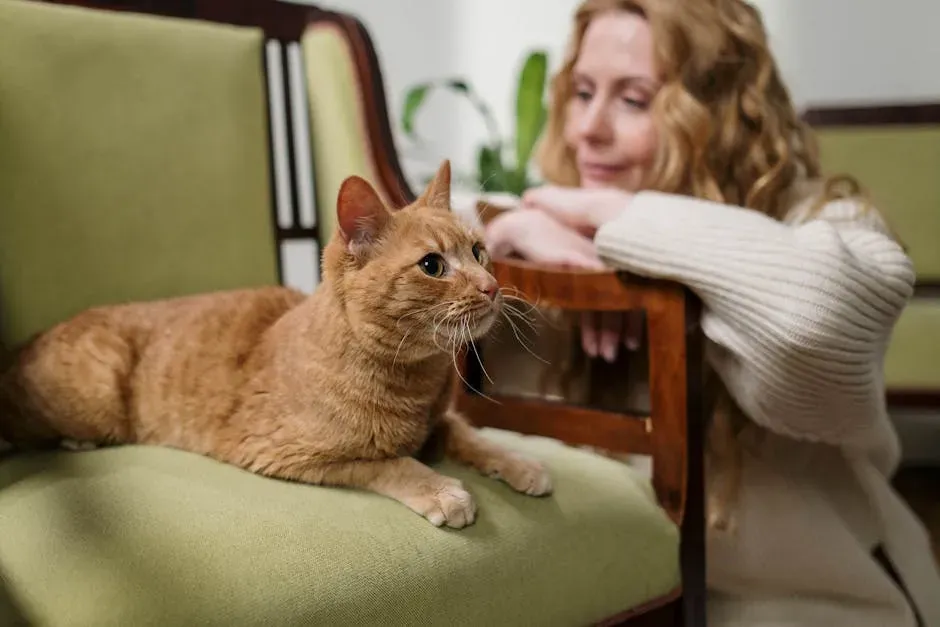
I know – this one feels counterintuitive. How can too much love be the problem? But cats are not small dogs, and they operate on very different social terms. Cats are known for their independent streak, but that doesn’t mean they don’t enjoy attention from their humans. However, there is such a thing as too much attention, and your cat may start to ignore you if they feel overwhelmed or overstimulated. If you notice that your cat starts to ignore you after periods of extended physical contact, it’s likely that they’re trying to communicate that they need some space.
Let’s be real: forcing a cat to cuddle is pretty much the fastest way to make them disappear. Forcing affection can make them withdraw even more. It’s not personal. It’s just how they’re wired.
The golden rule? Let the cat lead. If your cat walks away during cuddle time, respect their choice. They’re not being rude. Instead, they’re setting healthy boundaries. Give them space and watch how quickly they come back on their own terms.
They’re Scared of Something in Their Environment
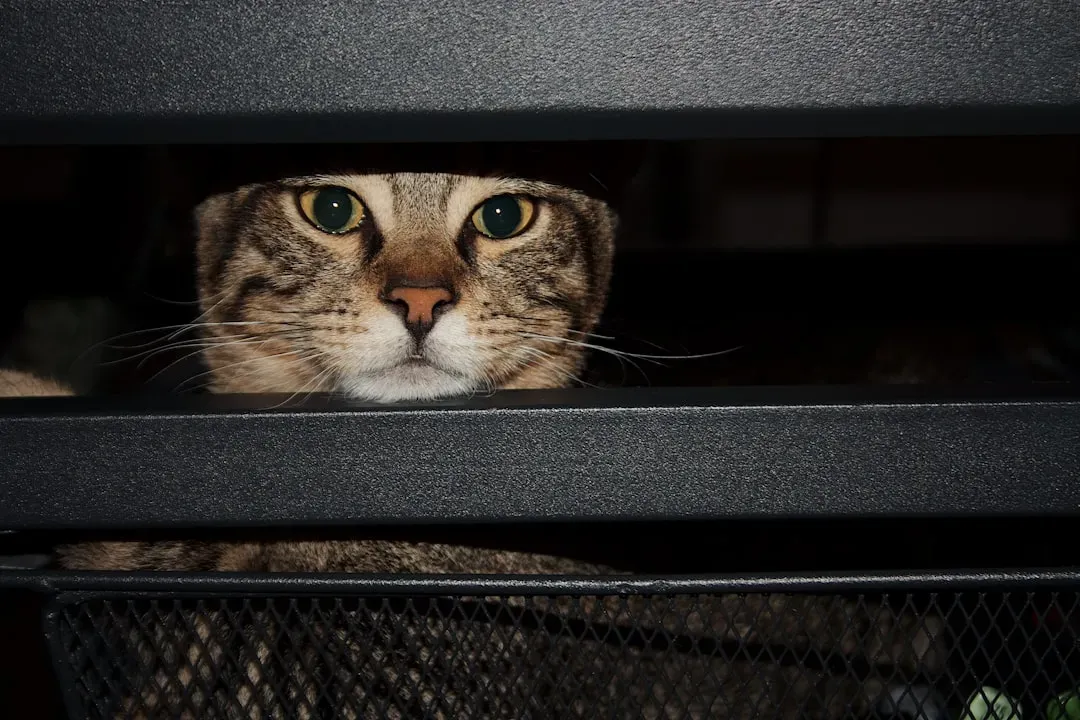
Fear is one of the most underestimated reasons cats shut down and pull away. If your cat is hiding and refusing to come when called, it may be because they’re afraid of something in their environment. Triggers for your cat could be a loud noise, such as a thunderstorm or a household appliance, or an unfamiliar person or animal in the home. A new cat may also hide and refuse to interact with anyone in the home while they decompress and adjust to their new environment.
Yelling at your cat or accidentally stepping on them creates fear. Cats remember these moments for weeks or months. As a result, they might avoid you afterward. That one accidental tail-step? Yeah, they haven’t forgotten.
The way back is slow and gentle. If your cat runs away, hides, or avoids you, give them space to feel safe. Over time, you can rebuild trust with gentle pets, treats, and patience. Rushing the process will only push them further away.
Their Needs Simply Aren’t Being Met
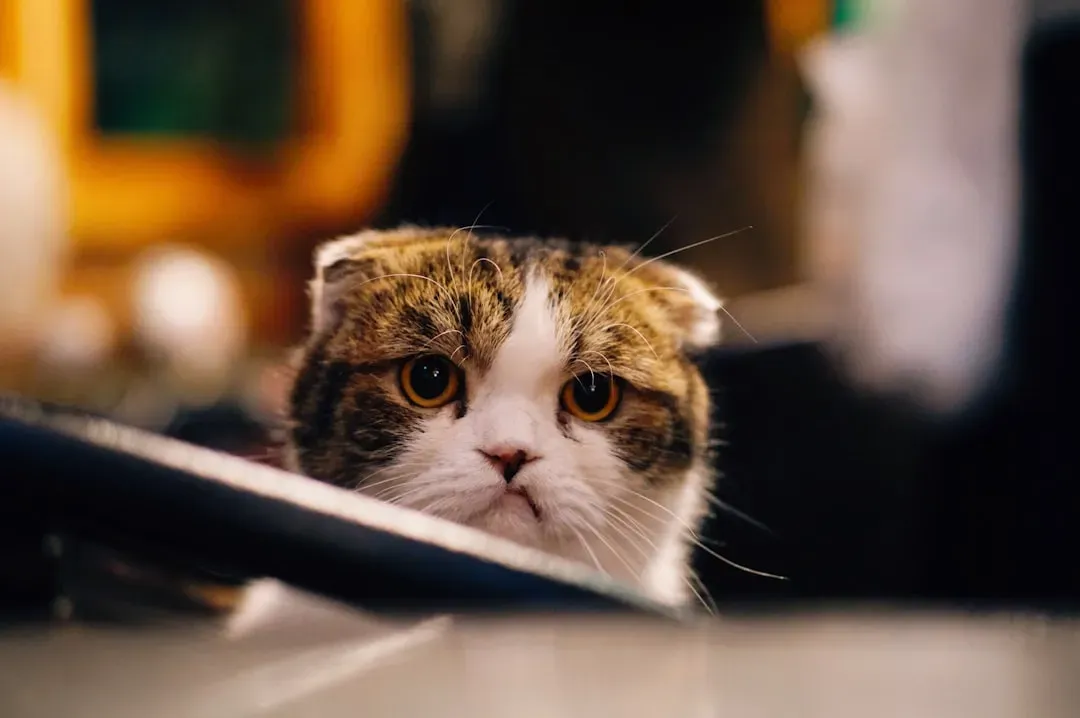
A cat whose basic and emotional needs go unmet is a cat that checks out. Cats can be sensitive and react strongly when their needs are not met. These include food and water, litter boxes in appropriate locations and numbers, vertical space to explore, windows to view the world, and secure places to rest that help them feel safe. Cats also thrive when they have enough mental stimulation through play, interaction with their favorite people, the ability to express natural hunting instincts, and the satisfaction of sating their curiosity.
Think of it like Maslow’s hierarchy of needs – but for a tiny furry creature with an attitude. If the fundamentals aren’t covered, emotional connection comes last. A lack of environmental enrichment can cause cats to become disengaged. Providing appropriate toys, climbing spaces, and interactive play sessions can help maintain their interest and reduce ignoring behavior.
A bored, under-stimulated cat is simply not a social cat. Enrich their world first, and the emotional warmth usually follows.
It Might Just Be Their Personality
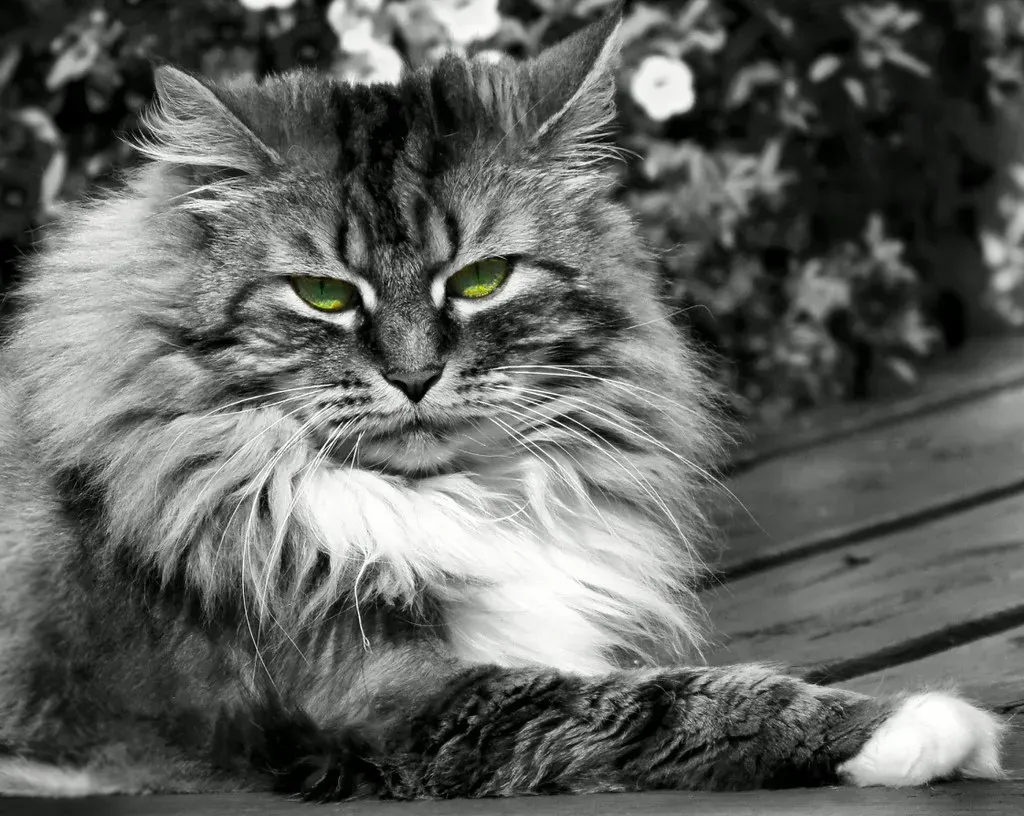
Sometimes there’s no big dramatic reason. Some cats are just built differently. Some cats are more independent than others in personality. As we know, cats are all different when it comes to personality. Some cats have an affectionate temperament and seek attention from their owners. Other cats are perfectly happy with minimal human contact.
Although cats can and do desire social interaction, many cats also tend to be independent, as their ancestors were often solitary hunters. Some cats are more independent than others; this is partly influenced by how they were socialized as kittens and partly by their genetic makeup.
If your cat has always been this way, it’s probably just who they are. Cats do form deep emotional bonds with their humans, but they show affection in subtler ways – rubbing against legs, slow blinking, grooming, or simply choosing to nap nearby. These behaviours demonstrate trust and comfort, even if they don’t look like the overt displays of devotion we expect. So look for those quieter signals instead.
They Could Be Sick or in Pain
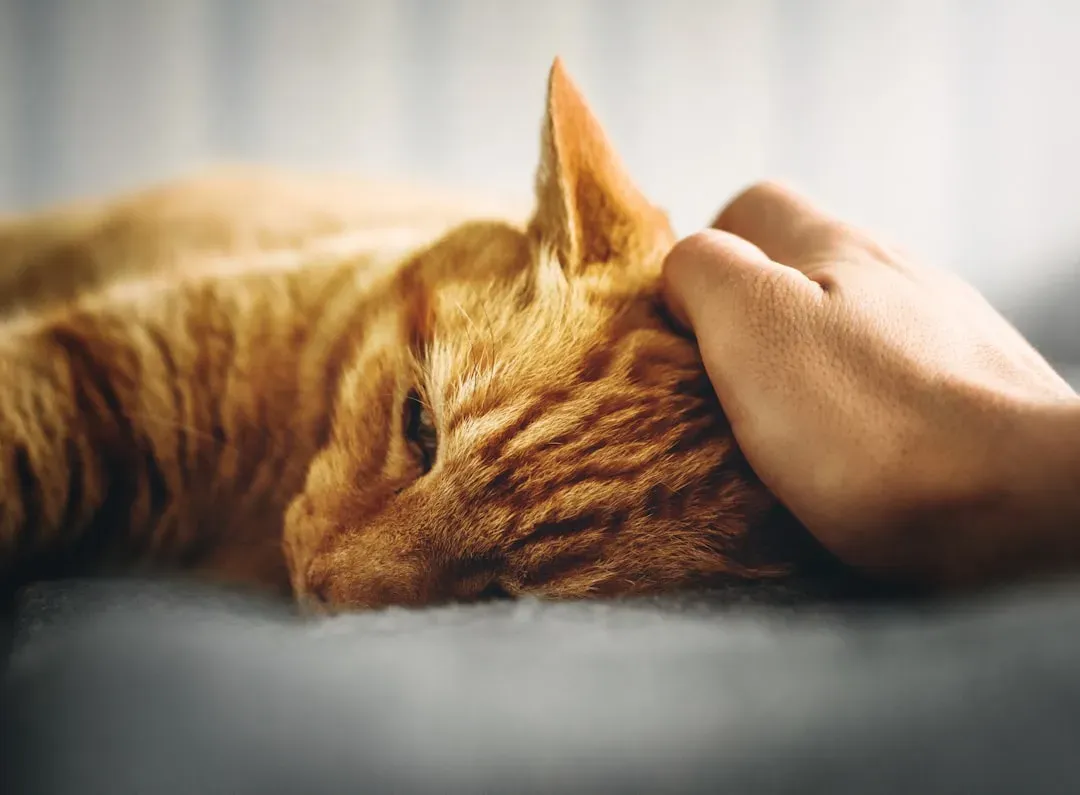
This is the one that matters most, and honestly, it’s the reason you should never completely dismiss a sudden change in your cat’s behavior. If your cat is ignoring you, it could mean they’re sick or in pain – especially if this behavior started suddenly. Many medical conditions, including kidney disease, infections, or anything that causes pain, can cause cats to withdraw and interact less with their families.
If your normal social cat is suddenly hiding out more and ignoring you, it may be time for a checkup. Cats are good at hiding illness and pain, so they count on you to notice subtle signs and get them the help they need. It sounds dramatic, but early intervention can genuinely make all the difference.
If your cat seems unwell or behaves differently, consult your vet. Cats are skilled at hiding discomfort, so early intervention is key. A visit to the vet can help uncover any underlying issues and get your cat back to feeling their best. Never ignore a sudden personality shift – always rule out the medical first.
Age and Sensory Decline Are Quietly Creeping In
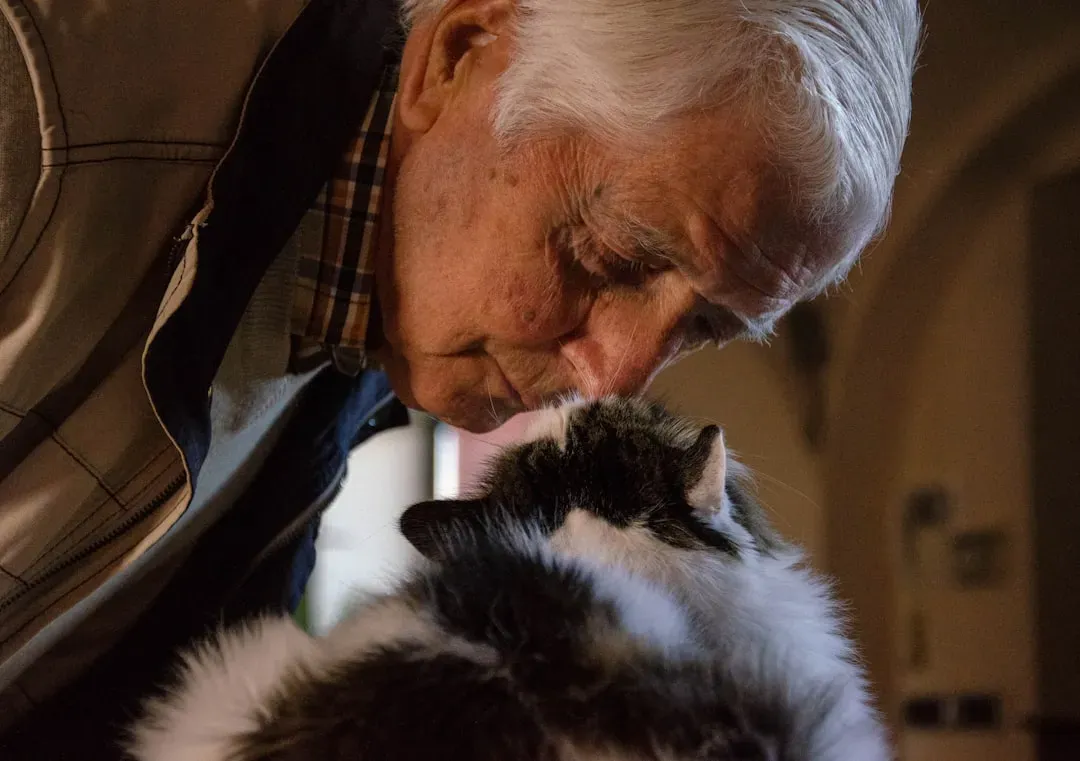
If you have a senior cat, what looks like cold indifference might actually be something else entirely. If your cat is getting older or has poor eyesight or hearing, it’s possible that they don’t know you’re looking for attention. They may not be ignoring you at all but rather not realize you’re calling or beckoning to them. They will also rely on scent, and if their vision or hearing decline has been gradual over weeks and months, they will likely learn to cope very well.
It’s a little heartbreaking to think about, honestly. Your cat isn’t being aloof. They might simply not hear you anymore. This doesn’t mean that your cat is becoming unfriendly in their old age. Rather, your senior cat may be losing their vision and hearing to some degree, so they may not see or hear you as well. This is a normal sign that your cat is aging.
Approach your senior cat slowly and calmly, using a soft and reassuring voice, to prevent startling them. Adjust your approach to their new reality. A little extra patience goes a very long way with older cats, and they deserve every bit of it.
Conclusion: It’s Not You – Well, Not Always
The truth is, a cat ignoring you is rarely a verdict on your worth as a person or a pet owner. Cats may seem to “ignore” their owners, but this is often rooted in their natural independence, instincts, or selective interaction style. Ignoring does not usually mean rejection – it is a sign that cats regulate when and how they engage with humans.
The key is learning to tell the difference between a cat who needs space and one who needs a vet. Pay close attention, stay curious, and resist the urge to take it personally. By learning to interpret their subtle signals, respecting their boundaries, and using positive reinforcement training, you can strengthen your bond without compromising their independence.
Your cat might not come when you call, might refuse to sit on your lap for weeks, and might look right through you like you’re made of glass. Still, somewhere behind that magnificent disdain, there’s an animal that chose you. And that, in cat terms, is everything. What’s the most baffling way your cat has ever ignored you? Drop it in the comments – because cat owners absolutely need to bond over this.

- 8 Scents That Cockroaches Hate - August 10, 2026
- 8 Ways Glaciers Carved New York's Finger Lakes - August 10, 2026
- 8 Ways Bobcats Move Through Suburbs Without Being Seen - August 9, 2026