
Imagine a world where humans and animals engage in meaningful conversations, sharing thoughts and emotions. While this may sound like a scene from a fantasy novel, recent scientific breakthroughs are bringing us closer to this reality. Researchers are uncovering astonishing facets of animal communication that challenge our understanding of the natural world. Here are nine shocking facts that highlight the complexity and depth of how animals communicate.
1. Zebra Finches Possess a Complex Vocabulary
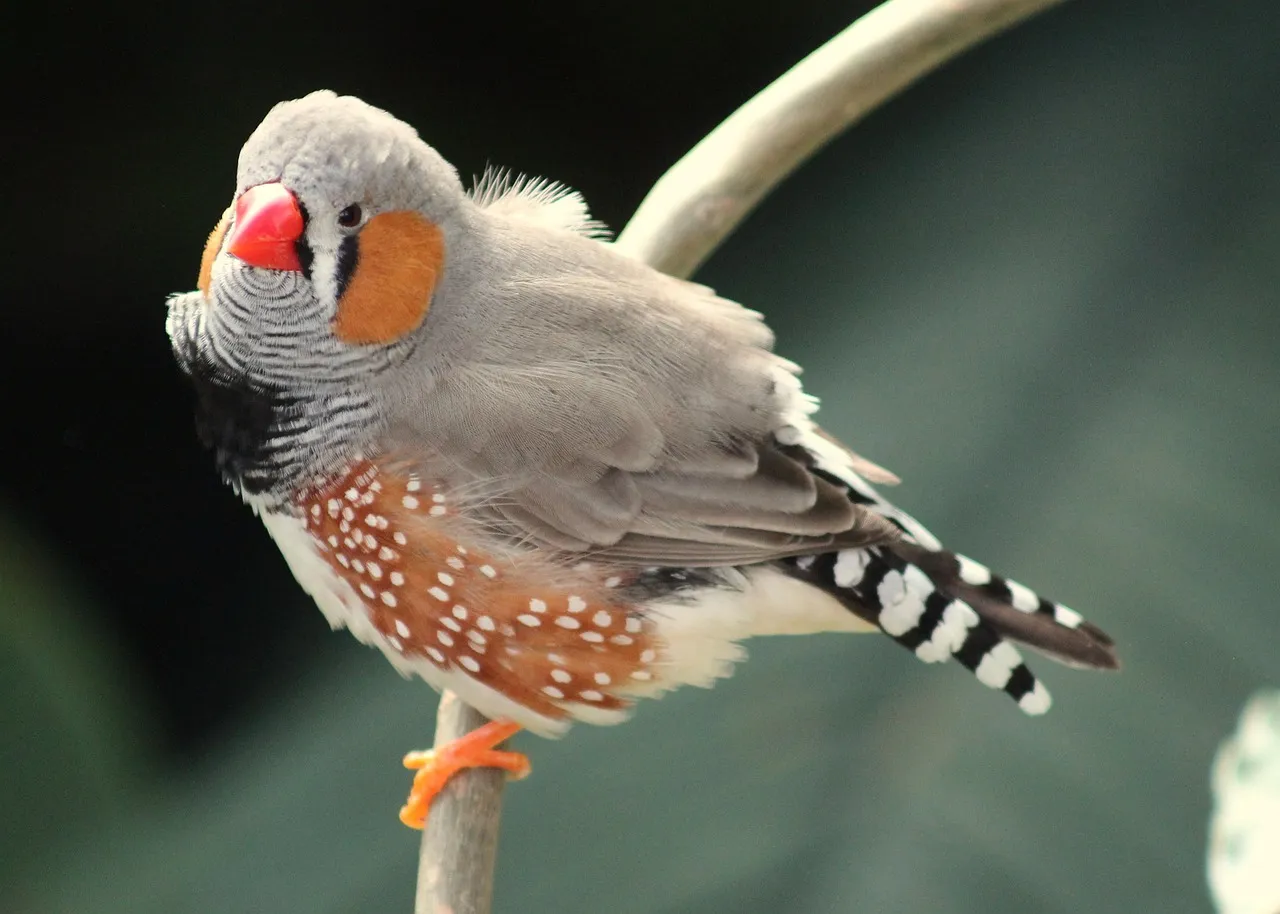
For years, the melodious songs of zebra finches have captivated bird enthusiasts. However, scientists have recently discovered that these birds have a sophisticated system of communication. They use 11 distinct calls to convey messages such as distress, hunger, and greetings. This intricate vocal repertoire suggests a level of linguistic complexity previously unrecognized in avian species.
In experiments, zebra finches demonstrated the ability to categorize calls based on their meanings rather than their sounds. This indicates that these birds possess a form of semantic understanding, challenging the notion that complex communication is exclusive to humans.
2. Sperm Whales Use a ‘Phonetic Alphabet’
Sperm whales, the giants of the deep, have long been known for their enigmatic clicks and codas. Recent research has unveiled that these sounds form a structured communication system akin to a phonetic alphabet. Whales combine different elements to create a vast array of codas, each potentially carrying specific meanings.
This discovery suggests that sperm whale communication is far more intricate than previously thought, with parallels to human language structures. The presence of such complexity in their vocalizations opens new avenues for understanding the cognitive abilities of these marine mammals.
3. Universal Rhythm in Animal Communication

Across the animal kingdom, from insects to mammals, a surprising pattern has emerged: a shared rhythm in vocalizations. Most species produce sounds at a rate of approximately two to three calls per second. This consistency hints at a universal tempo in animal communication.
Researchers believe this rhythm may be linked to the brain’s capacity to process auditory information efficiently. The discovery of this common tempo challenges previous assumptions and suggests a deep-rooted evolutionary trait in communication across diverse species.
4. Pets Communicate Using Soundboards

Imagine your dog pressing a button to say “walk” or “play.” This scenario is becoming a reality as pet owners use soundboards to facilitate communication with their animals. Dogs and cats have been trained to press buttons associated with specific words, effectively “talking” to their human companions.
Studies have shown that some pets can learn the meanings of numerous buttons and even combine them to form simple phrases. This breakthrough not only enhances the human-animal bond but also provides insights into the cognitive abilities of domestic animals.
5. Cuttlefish Use Arm Signals to Communicate
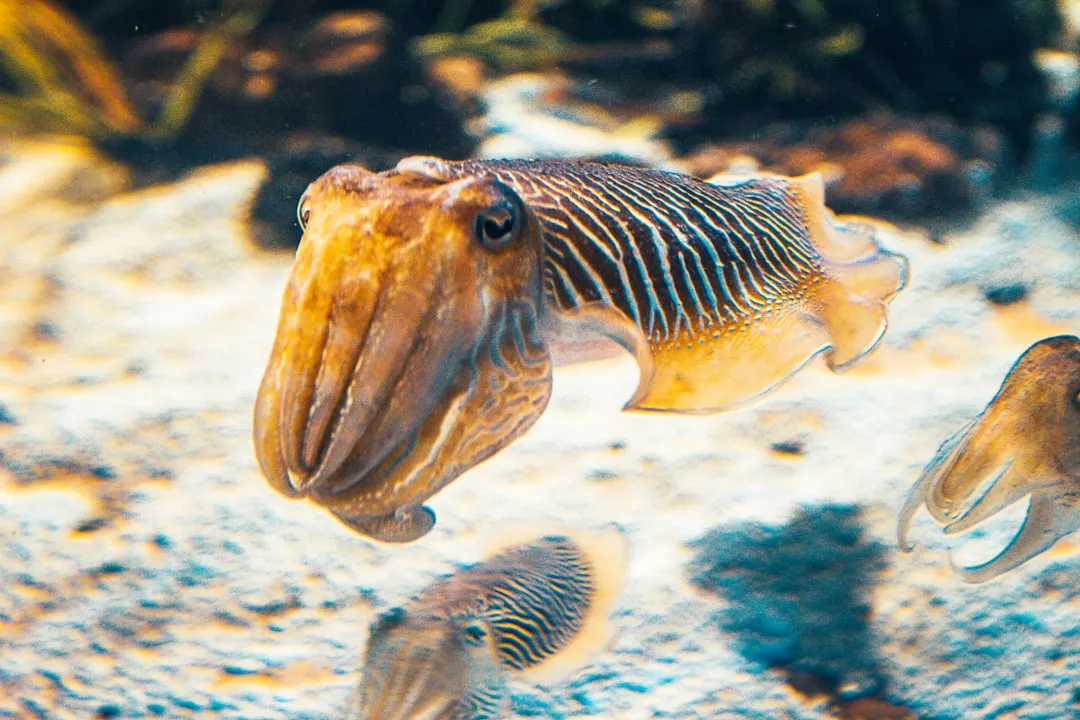
Cuttlefish, known for their camouflage abilities, also engage in complex communication through arm movements. Researchers have observed these cephalopods performing specific arm-waving gestures, which appear to serve as a form of signaling to other cuttlefish.
These gestures are consistent and context-dependent, suggesting a deliberate form of communication. The combination of visual signals and potential water vibrations adds a new dimension to our understanding of non-verbal communication in marine life.
6. Lemurs Prefer Shared Control in Tech Interactions
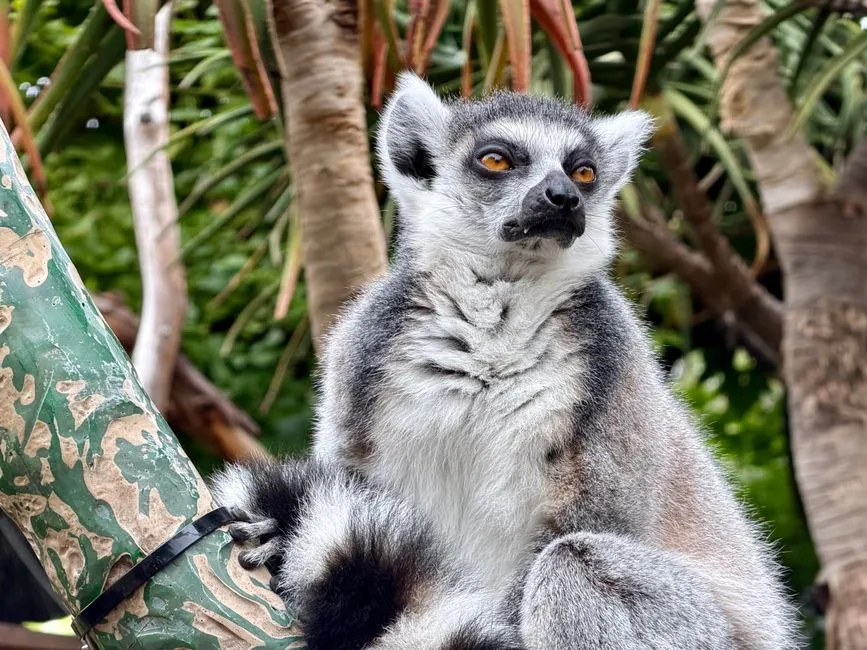
In a groundbreaking study, red-ruffed lemurs were given the opportunity to interact with technology alongside humans. The lemurs showed a preference for scenarios where control was shared with human participants, indicating a desire for collaborative interaction.
This behavior suggests that some animals may seek shared experiences with humans, challenging the traditional view of animal interactions with technology. Such findings could have significant implications for conservation efforts and the design of enrichment activities in captivity.
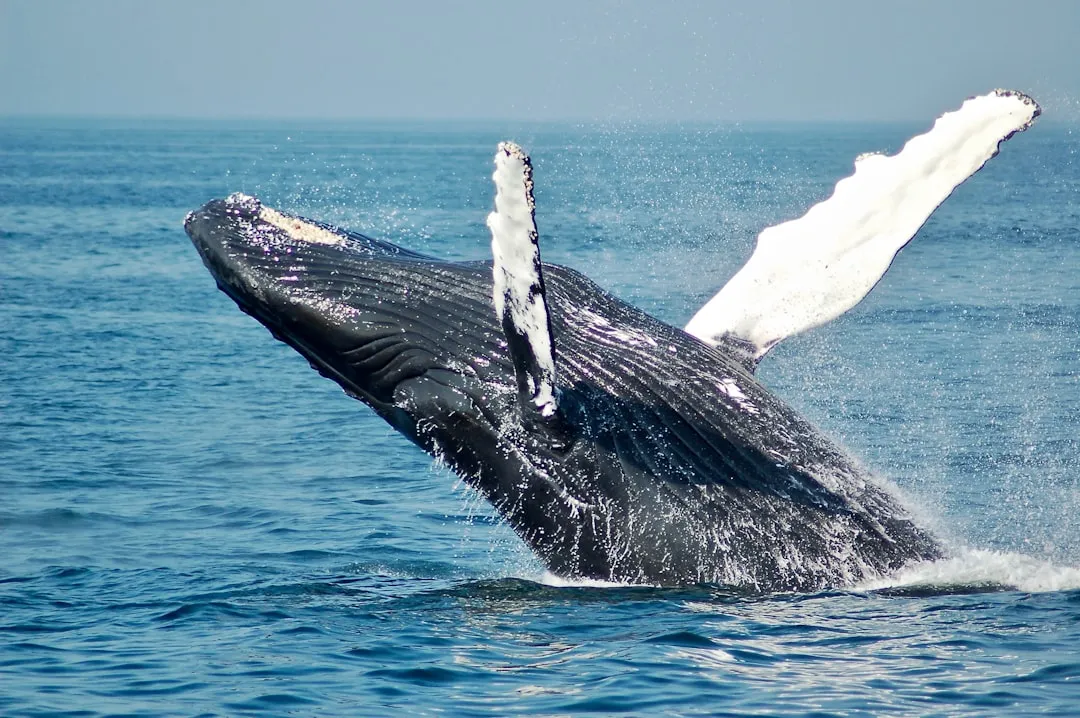
7. Humpback Whales Engage in Conversational Exchanges
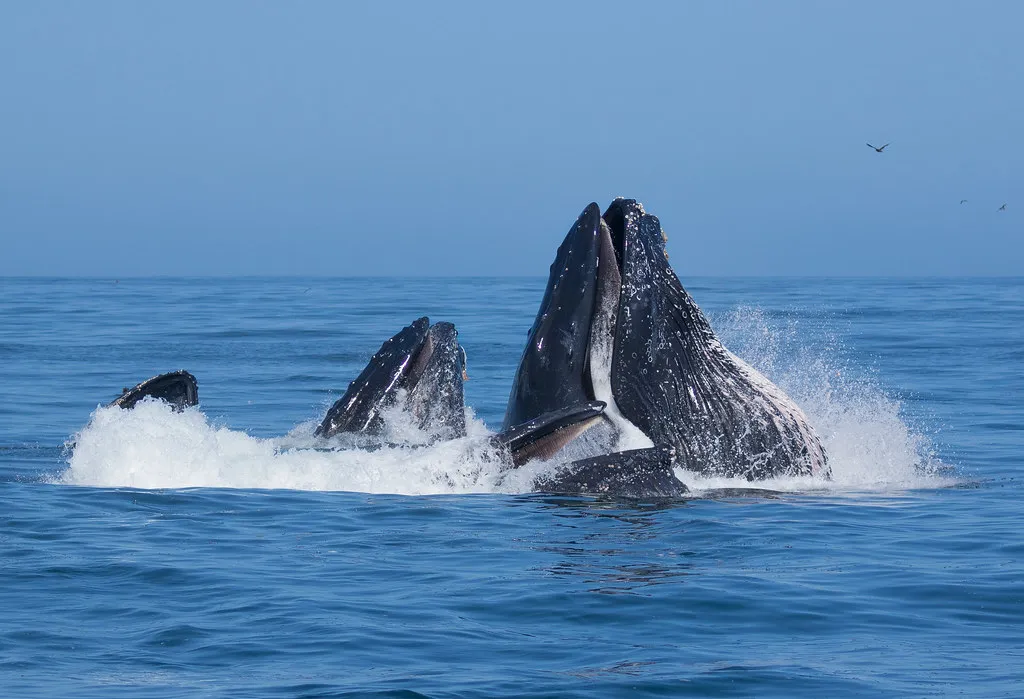
Researchers have documented instances where humpback whales respond to human-initiated sounds, engaging in back-and-forth exchanges. In one case, a whale named Twain “whupped” back and forth with scientists 36 times over 20 minutes.
This interaction indicates that humpback whales are capable of recognizing and responding to specific acoustic signals, suggesting a level of communicative intent and responsiveness previously unappreciated in these marine giants.
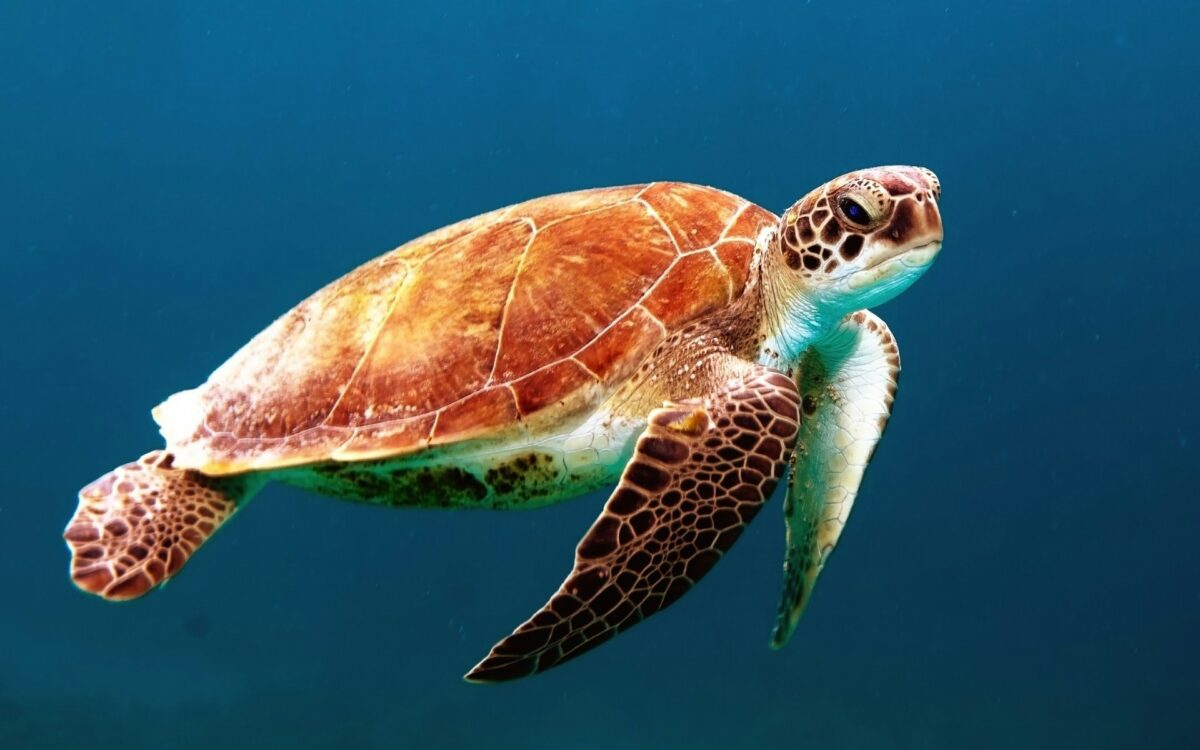
8. Turtles and Other ‘Silent’ Species Vocalize
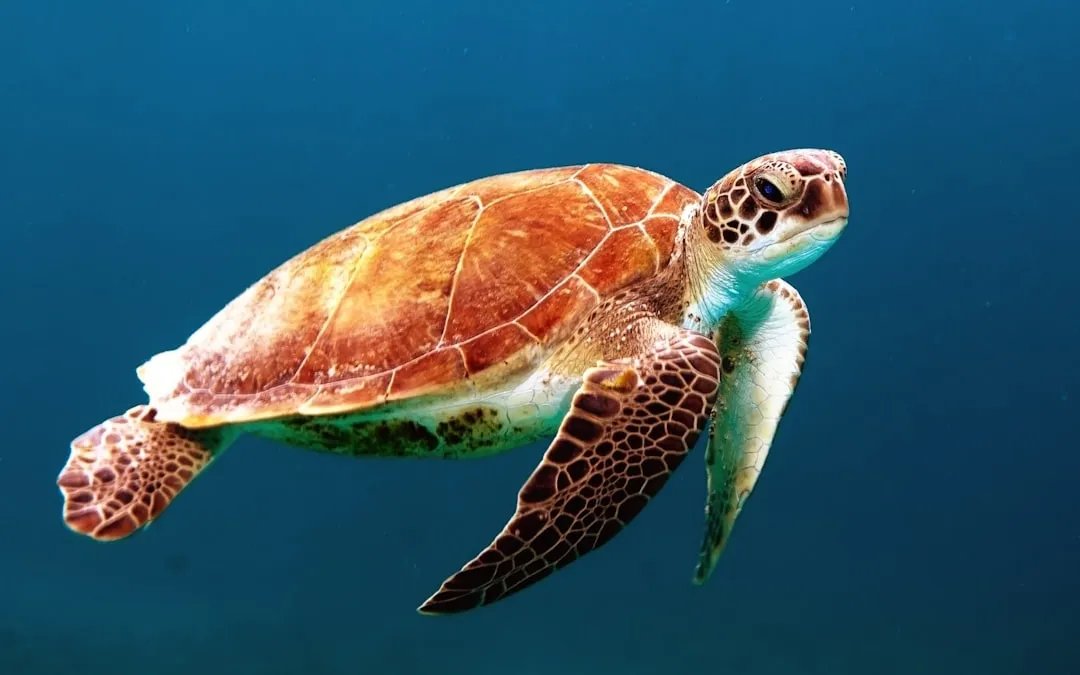
Contrary to the belief that turtles are silent creatures, recent studies have revealed that at least 50 turtle species produce vocalizations. These sounds are used for communication, indicating that vocal communication in vertebrates may have originated over 400 million years ago.
This discovery challenges the assumption that certain species are mute and suggests a more widespread and ancient origin of vocal communication among vertebrates than previously thought.
9. AI is Decoding Animal Languages
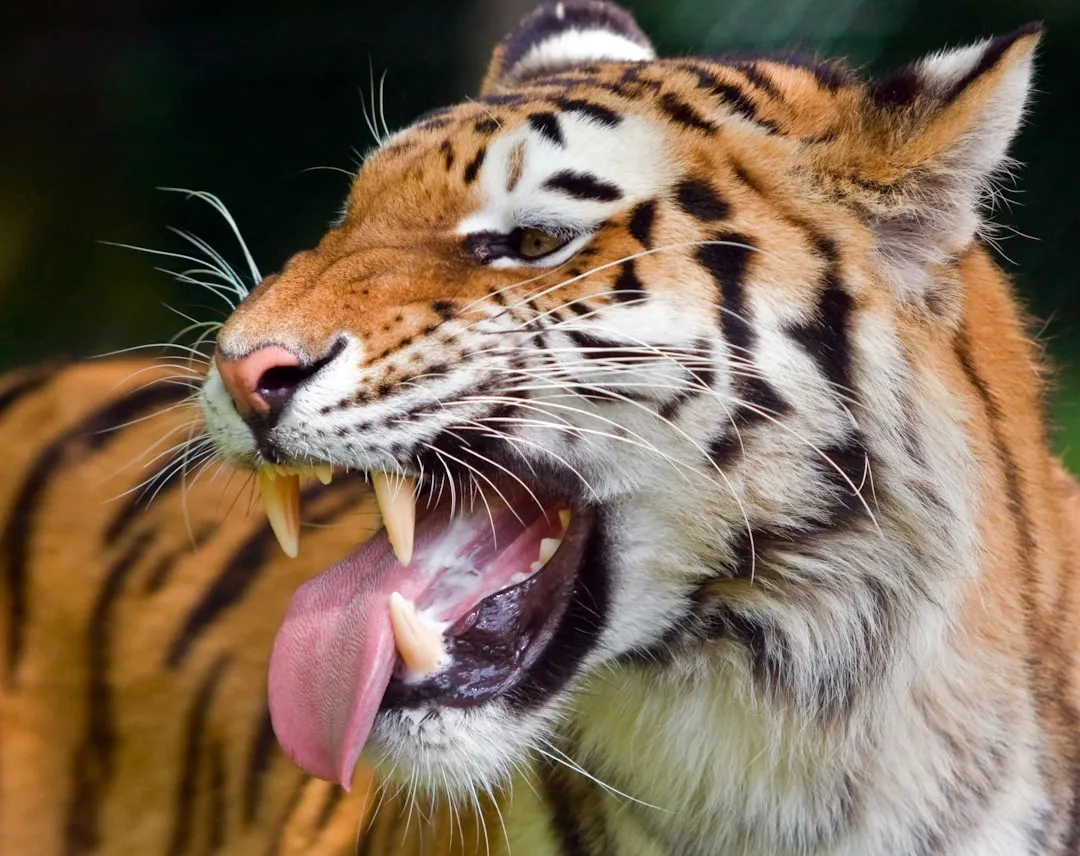
Advancements in artificial intelligence are revolutionizing the study of animal communication. Machine learning algorithms are being applied to analyze and interpret the complex vocalizations of various species, from birds to whales.
These AI-driven studies are uncovering patterns and structures in animal sounds that were previously undetectable, bringing us closer to understanding and potentially communicating with other species in meaningful ways.
These revelations about animal communication not only deepen our appreciation for the natural world but also challenge the long-held belief that complex language is uniquely human. As we continue to decode these intricate systems, we may find that the line between human and animal communication is far more blurred than we ever imagined. Could the future hold true interspecies dialogue?
