
Yes, animals really are reading signals out there. The catch is that they aren’t the signals your grandfather’s almanac swore by. No squirrel, caterpillar, or goose carries a seasonal outlook in its head, and yet some of their behavior is more impressive than any folklore rhyme.
Here’s the twist. Several of the most famous “winter forecasters” are reading something else entirely, and the real signals are stranger. One animal on this list fled a tornado outbreak before any instrument could feel it. Another freezes solid every winter and walks away from it. Start the countdown at #9, because the best story is waiting at #1.
#9 – The Woolly Bear’s Stripes Are Telling You About Last Year
🔥 Would you like to save this?
We'll email this post to you, so you can come back to it later!
The most famous winter forecaster in North America is reading the wrong season.
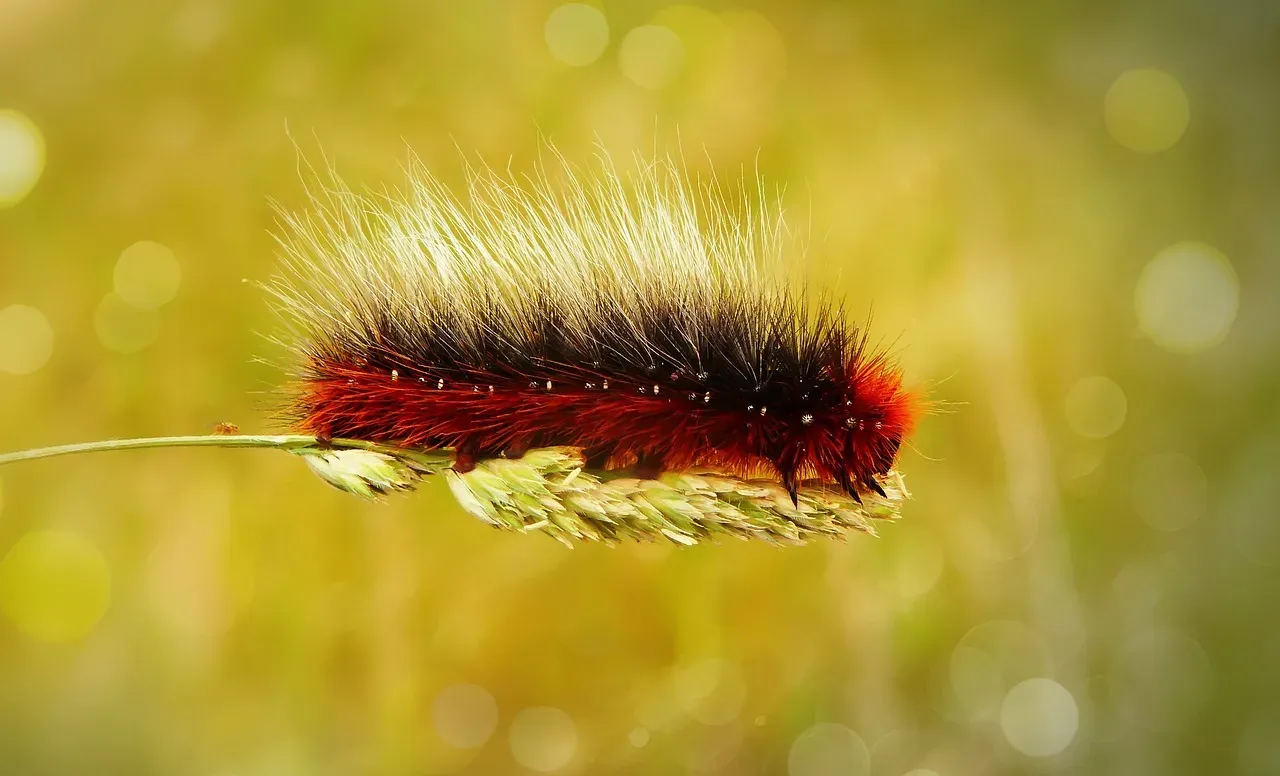
The legend is old. Since colonial times, people have said woolly bear markings suggest a harsher or milder winter. The usual rule is that more black means a worse winter. Traditional forecasters also say its 13 body segments match the 13 weeks of winter.
The modern craze traces back to one small study. Dr. C.H. Curran compared band lengths with the following winter for eight straight years in a New York park, beginning in 1948. A newspaper published it, festivals sprang up, and the belief stuck.
Entomologists don’t buy it. The coloring depends on how long the caterpillar has been feeding, its age, and its species. Each time a woolly bear sheds its skin, its orange-brown band grows a bit wider, so a mostly brown one is often just an older one. Diet and the weather during its growing season shape the pattern too.
- What the band shows: age, food, and the season it has already lived through
- What it can’t show: the winter that hasn’t happened yet
Here’s the part the folklore skips. This fuzzy caterpillar, the larva of the Isabella tiger moth, spends the winter with much of its body frozen solid. Natural antifreeze-like compounds protect its cells, and in spring it thaws, crawls on, and builds a cocoon. Surviving a deep freeze is the real “winter prediction” here.
But the caterpillar is a quiet act compared to the stash-everything drama in your yard at #8…
#8 – Squirrels Hoarding Acorns Aren’t Warning You About Snow
🔥 Would you like to save this?
We'll email this post to you, so you can come back to it later!
That “acorn apocalypse” in your yard is about oak trees, not the weather.
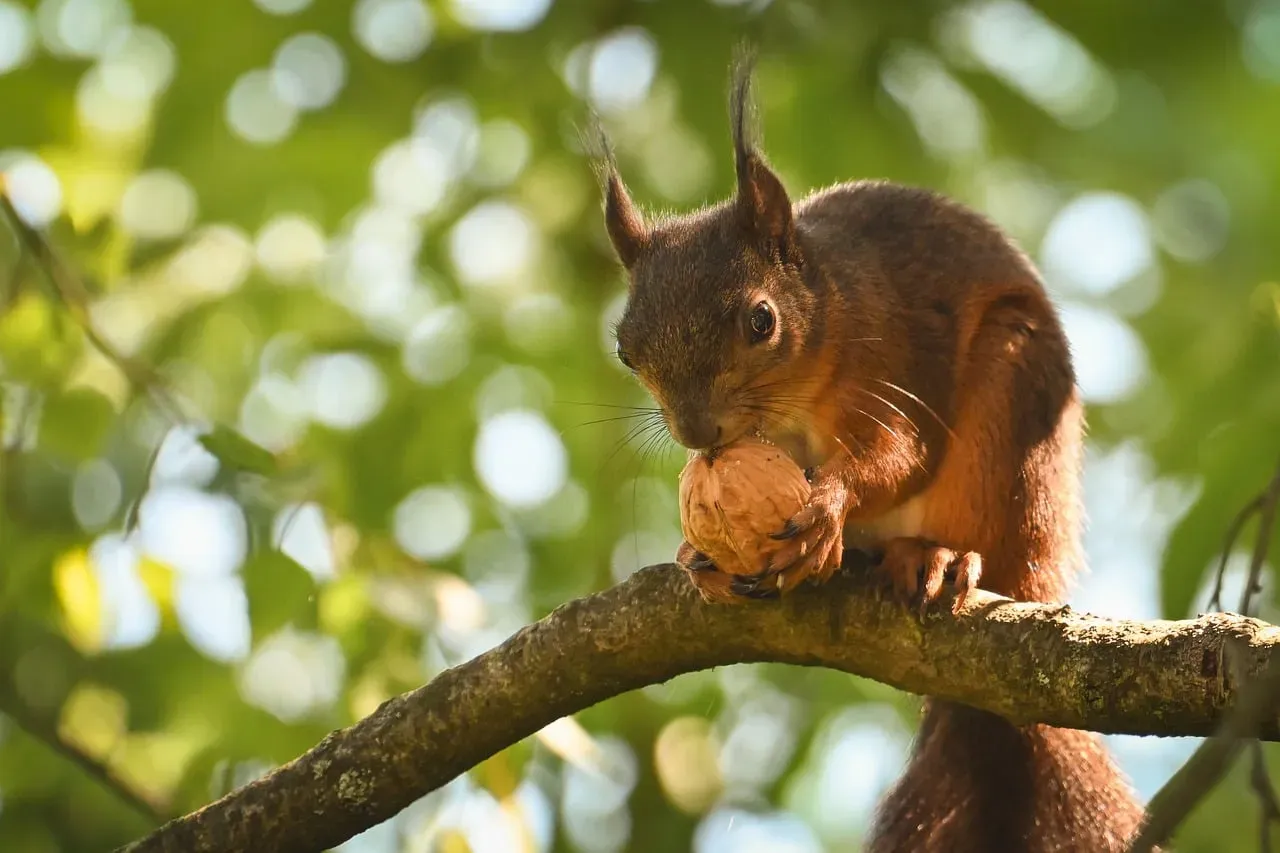
Old rhymes link nut-gathering squirrels to heavy snow, and it’s an easy story to believe. You see squirrels with acorns everywhere you look, and winter suddenly feels close. It makes a satisfying warning. It just isn’t one.
Oaks work on their own schedule. A mast crop, or overabundance of nuts, happens on a two- to five-year cycle, and mast years are not a harbinger of severe winter. In a big year, squirrels simply have more food to grab. What drives them is the size of the crop and the shortening days. Many coastal and valley areas in California barely see frost, yet squirrels still bury acorns every fall.
Their storage strategy is smarter than it looks:
- Tree squirrels bury single acorns in many different spots instead of one big pile, so one thief can’t clean them out.
- Red oak acorns get buried and spread widely. White oak acorns tend to be eaten or left near the parent tree.
- White oak acorns sprout quickly, which makes them a poor long-term stockpile.
- Researchers have even documented gray squirrels going through the motions of burying a nut when they know someone is watching.
Squirrels also forget some of what they bury, which is how forgotten acorns become new oak trees. So the “heavy acorn year = brutal winter” posts are recycled folklore. The more useful forecast is about next year. Because there’s more food, there may be more squirrels, since they survive better with extra fat and stored food.
Fast Facts
- No long sleep: Tree squirrels don’t hibernate. They stay active and dig up their caches all winter.
- Memory plus smell: They relocate buried nuts using spatial memory and scent.
- Free forestry: Every forgotten acorn is a chance for a new oak.
- The real clue: A big acorn year points to a well-fed squirrel population next year, not a snowy January.
The squirrel isn’t predicting winter. It’s reacting to a good harvest.
Next up is something you may have noticed on a deer at the roadside, and it runs on a clock you can’t see…
#7 – That Thick Winter Coat Isn’t a Forecast, It’s a Clock
🔥 Would you like to save this?
We'll email this post to you, so you can come back to it later!
Animals start growing winter fur before the first cold snap, and temperature isn’t the main trigger.
Many people read a fluffy coat as a warning. The logic seems sound: the animal must know something. But the animal is following a calendar, not a forecast.
Photoperiod, or day length, is considered the most dominant cue animals use to anticipate seasonal change. As days shorten, rising melatonin and falling prolactin help trigger winter coat growth in many animals. They detect day length with special retinal cells that aren’t the ones used for vision, so the animal is tracking light even when it isn’t “seeing” it.
Geography changes the result. Animals in northern climates grow thicker, earlier winter coats than those farther south. A thick coat tells you about your latitude, not about this winter’s snowfall.
The insulation itself is a clever design. A deer’s winter coat has long guard hairs over short underfur, with hollow shafts that trap air. Temperature is a secondary cue, so a warm October won’t cancel the process.
One study of a seasonal rodent suggests the strategy has trade-offs. Animals that ignore day-length changes may do better in mild winters, while responders may be favored in harsh ones. Nature seems to hedge its bets.
Day length also steers the flocks overhead, but not quite the way the old sayings claim, as #6 shows…
#6 – Early Bird Departures Are Reading Pressure, Not Predicting Blizzards
🔥 Would you like to save this?
We'll email this post to you, so you can come back to it later!
Birds really do react to weather signals, just not the ones folklore claims.
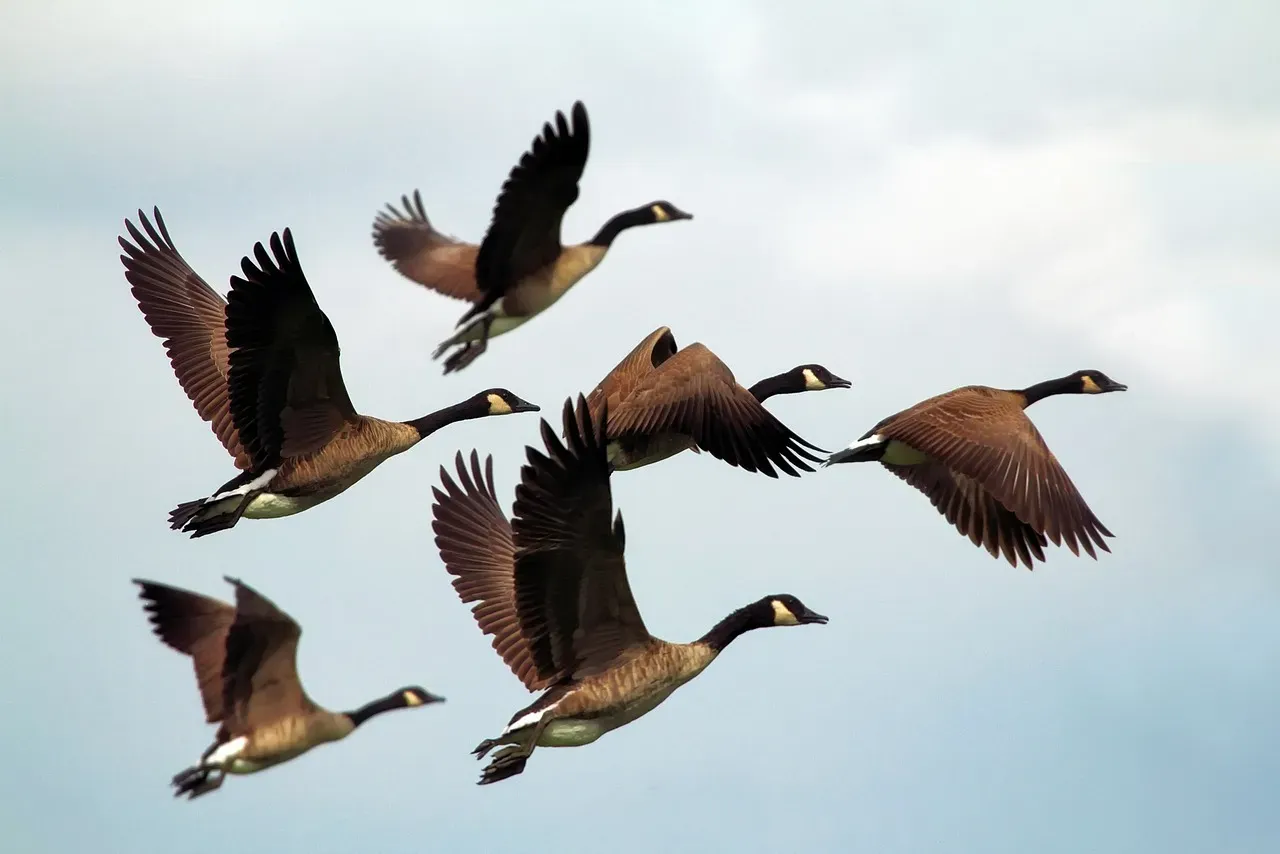
“Geese left early, so brace for a rough winter” is a classic line. It sounds convincing. But the research points to two much more specific cues.
The big seasonal trigger for migration is day length, working alongside internal body clocks. These clocks are why caged migratory birds get restless at the same time their wild relatives take off. The weather then fine-tunes the timing.
One well-known study found something surprising about white-throated sparrows. They speed up their autumn departure in response to falling barometric pressure, but not falling temperatures. That tells you what the birds are reacting to. It isn’t a cold winter months away. It’s an approaching storm system. In spring, the same sparrows delay departure in response to falling temperature rather than pressure.
How do they sense it? Birds probably detect pressure with the paratympanic organ, a cluster of hair cells in the middle ear that responds to tiny pressure shifts.
- Real trigger: shortening days plus short-term weather
- Not supported: a season-long forecast from when flocks leave
The honest takeaway is that early or late flocks mostly reflect local food and weather that year. That makes them a mirror, not a crystal ball.
Now step inside a beehive, where survival looks a lot like prediction but isn’t…
#5 – Bees and Hornets: One Clue Is Real, One Is Pure Folklore
🔥 Would you like to save this?
We'll email this post to you, so you can come back to it later!
One insect sign has science behind it. The other is mostly a bar-room theory.
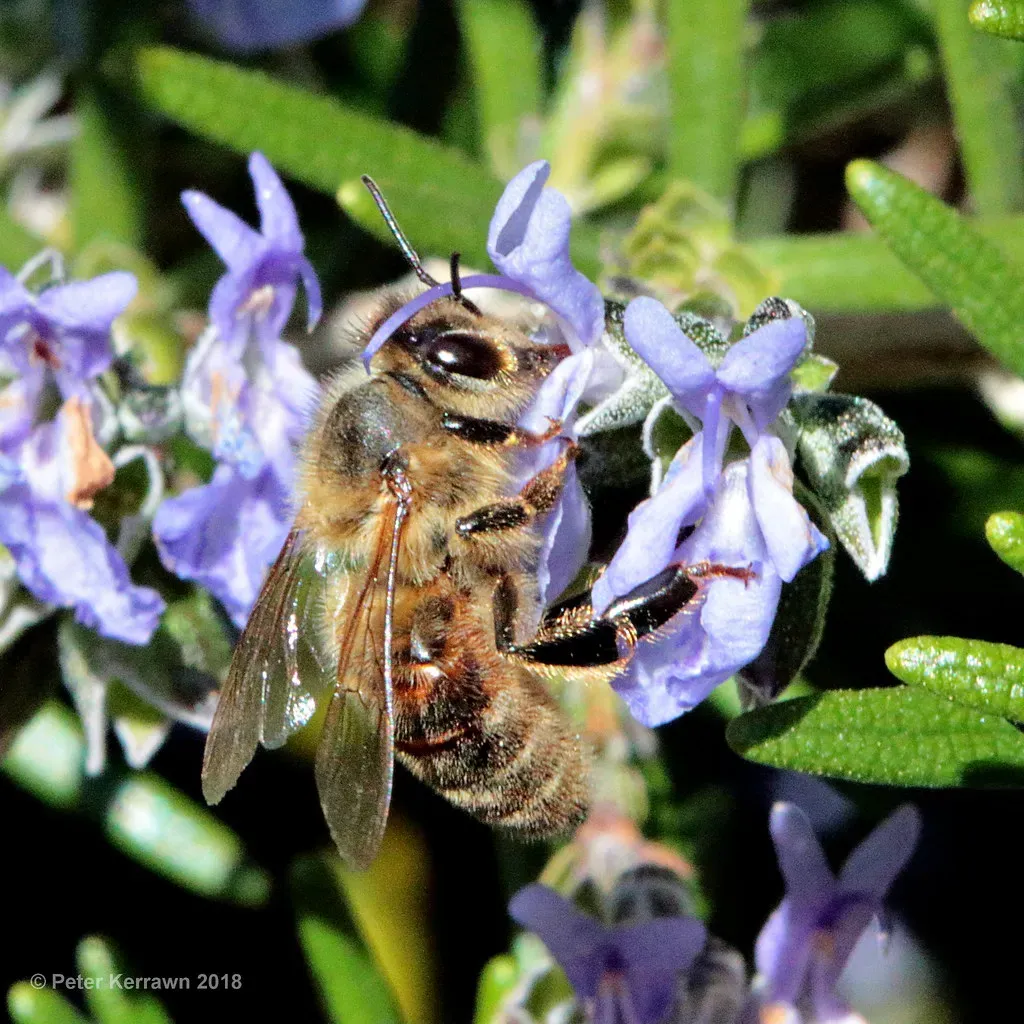
Start with the honeybee. As autumn deepens, colonies shift into winter mode. Shorter days and thinning flower supplies push the hive to raise longer-lived “winter bees.” A summer worker may last only a matter of weeks, while a winter bee can hold on for months. Those bees stay in the hive and keep the colony going until spring.

Halloween Cat Costume Cloak Witch Hat Pet Accessories
Check Price on AmazonAs an Amazon Associate, we earn from qualifying purchases.
10/9/2026 2:44 pm GMTi

Halloween Dog Collar with Bow, Orange Cute Ghost Collar,
Check Price on AmazonAs an Amazon Associate, we earn from qualifying purchases.
10/9/2026 2:43 pm GMTi

2 Pcs Halloween Pet Hat Bandana Set, Witch Pumpkin Costumes for Dogs
Check Price on AmazonAs an Amazon Associate, we earn from qualifying purchases.
10/9/2026 2:45 pm GMTi

Portable Dog Water Bottle Foldable Dog Travel Water Bottle
Check Price on AmazonAs an Amazon Associate, we earn from qualifying purchases.
10/7/2026 1:29 pm GMTi

Hand Blown Glass Hummingbird Feeders for Outdoors Hanging, 24oz Wild Bird Nectar Feeder
Check Price on AmazonAs an Amazon Associate, we earn from qualifying purchases.
10/7/2026 1:23 pm GMTi
Quick Compare
- Summer worker: lives roughly five to six weeks, busy foraging and raising brood
- Winter bee: often lives several months, staying inside to keep the cluster alive
- Hornet colony: dies off in fall, with only new queens surviving alone
Then comes the cluster. Bees pack tightly around the queen and shiver their flight muscles to generate heat. The outer bees rotate inward so none stays on the cold edge for long. It’s a living furnace with no thermostat.
That’s a survival system, not a forecast. The colony is reacting to day length, forage, and temperature. It isn’t guessing at snowfall totals.
Now the folklore: hornet nest height. The claim is that nests built high mean heavy snow, and low nests mean a mild winter. Most experts treat this as a weak sign at best. The reason is simple. A hornet colony builds its nest in spring and summer, long before anyone could know the winter’s weather. Only new queens survive the cold, and they overwinter alone, not in the old nest.
- Hive behavior: reacts to day length and food
- Nest-height rule: built months earlier, so it can’t be a forecast
Honestly, this is the weakest “sign” on any list. Treat it as a fun story, not a fact.
Next, an animal that wears its calendar on its body, and what happens when the snow doesn’t show up…
#4 – The Snowshoe Hare’s Color Clock Is Running Without Looking Outside
🔥 Would you like to save this?
We'll email this post to you, so you can come back to it later!
One animal changes color on a schedule, whether snow arrives or not.
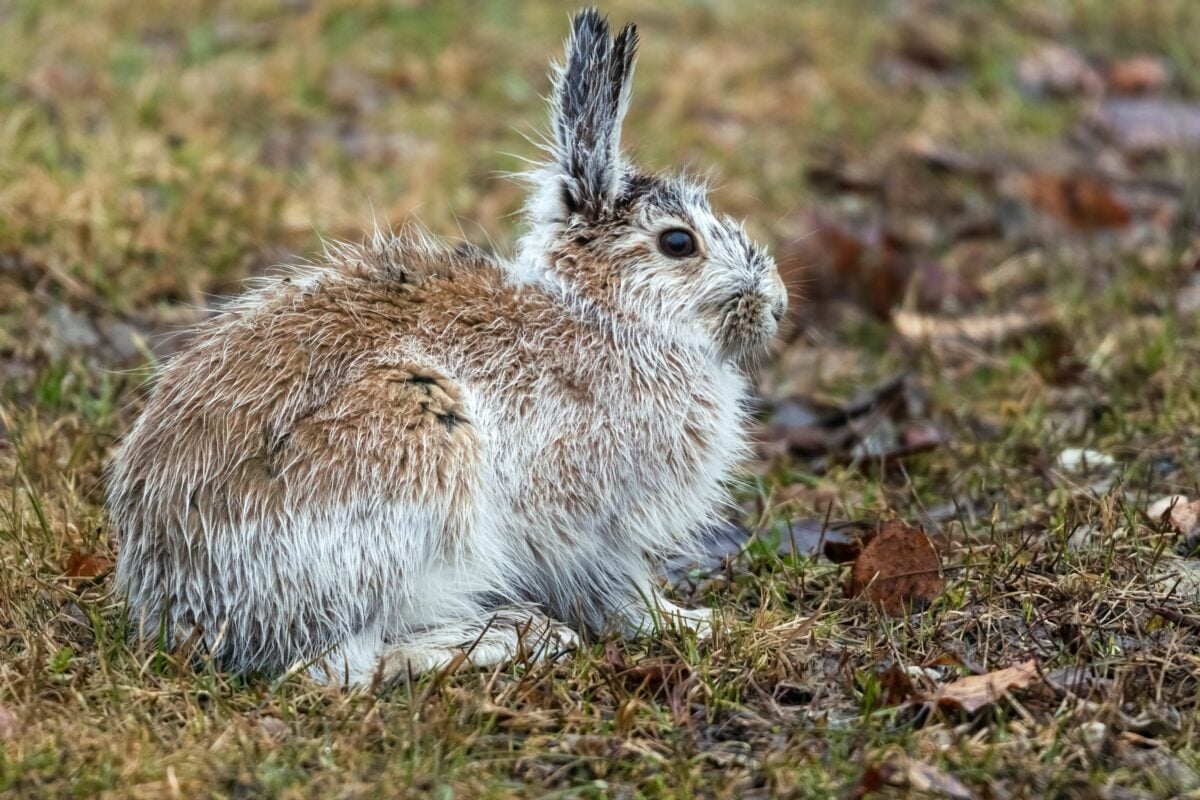
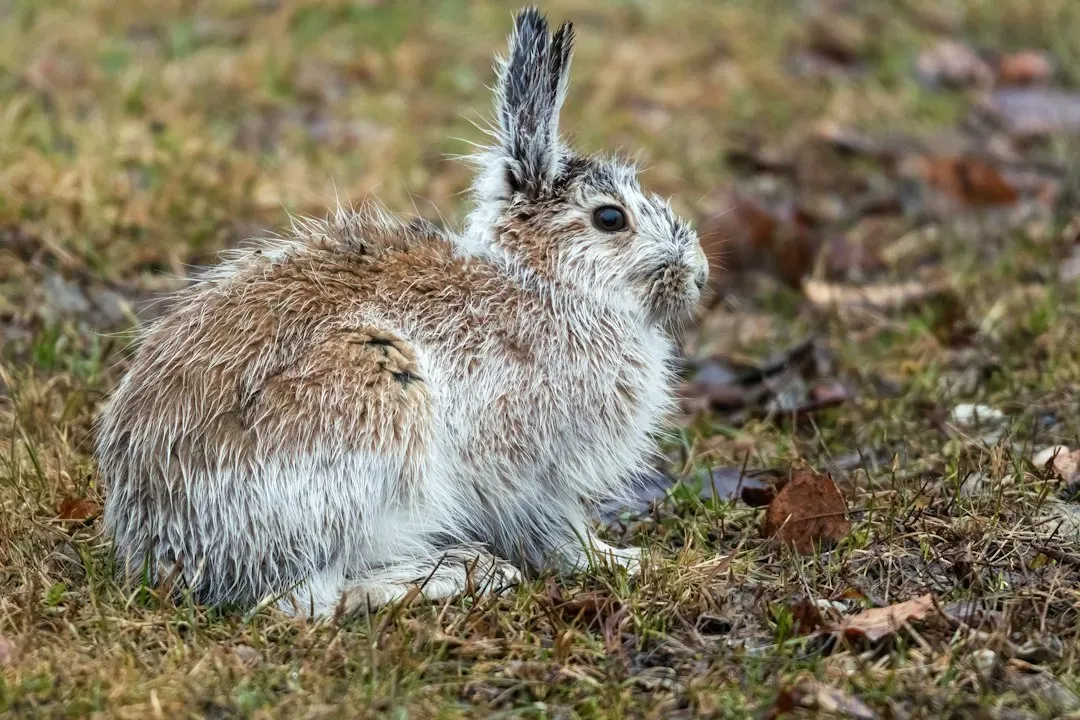
The snowshoe hare is one of nature’s most dramatic seasonal shifters. Beginning in the fall, its dusty brown fur begins to molt. The thin summer coat is shed and a thicker winter coat grows in, turning the hare from forest-floor brown to snow white.
It isn’t alone in this. More than 20 species, including the Arctic fox and long-tailed weasels, evolved the ability to swap gray and brown summer colors for white winter fur. The goal is camouflage, with warmth as a bonus.
The trigger is the key. Without shifts in day length, temperature alone cannot induce molting in captive animals, such as snowshoe hares. The hare isn’t checking the weather. It’s following the light.
That creates a problem when climate shifts. If snow arrives late, a white hare can stand out against bare ground like a lantern on a dark road. Cornell’s wildlife health lab notes that climate change may affect animals that molt for camouflage, such as snowshoe hares, Arctic foxes, and ptarmigan. Some snowshoe hare populations in milder parts of the Pacific Northwest already stay brown through winter, a hint of how flexible the trait can be.
So the hare is a sign of something real. It shows how reliable day length has been as a cue. It also shows how exposed that clock is when winters change.
Next come the animals that skip the guessing game entirely and plan for the worst by eating…
#3 – Bears, Groundhogs, and Other Hibernators Run on Fat and Daylight
🔥 Would you like to save this?
We'll email this post to you, so you can come back to it later!
The animals famous for sleeping through winter don’t wait for a cold front to start preparing.
Bears eat heavily through autumn and build up fat reserves for the months ahead. That feeding surge is tied to a seasonal rhythm, and food supply decides how well it goes. A big berry or nut crop means a better chance of fat reserves. A poor crop means a harder season, whatever the weather does.
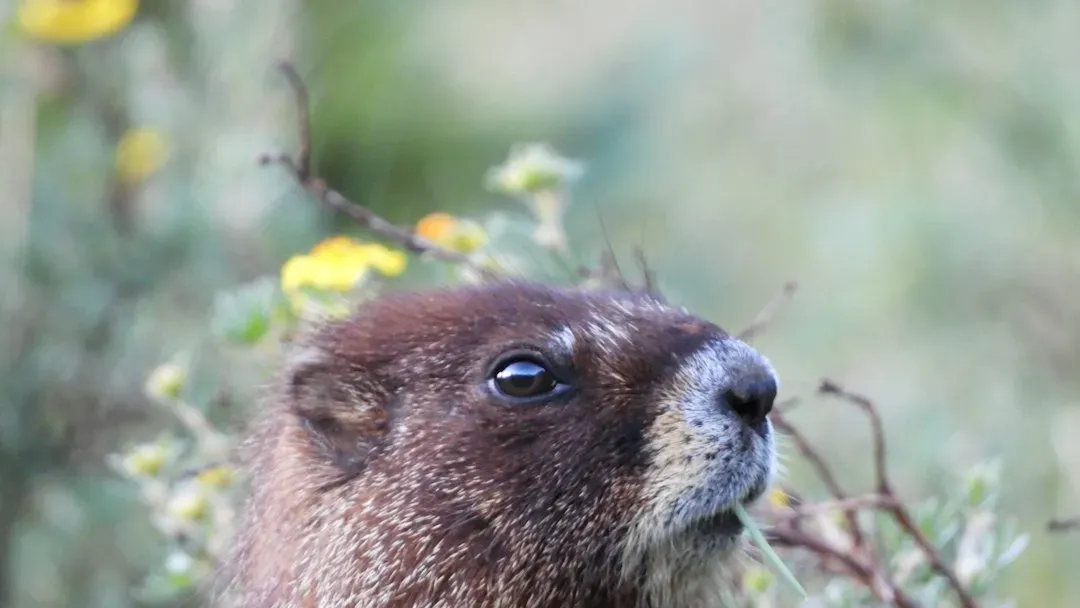
Shorter days set off the wider shift. Shortening photoperiod triggers seasonal changes like stopping reproduction, molting, and heterothermy. Heterothermy is the ability to let body temperature drop to save energy. In a groundhog, the heart can slow from around 80 beats a minute to as few as 5.
Then there’s the most overrated forecaster in North America. Punxsutawney Phil has drawn a national audience every February since 1887. Yet science says groundhogs can’t predict the spring. Males often poke out in late winter for reasons that have more to do with biology than shadows.
Think about what that means. The animal that hibernates through winter is not the one with the forecast. It’s one with a plan: eat, store, sleep, wake.
- Bears: respond to season and food supply
- Groundhogs: emerge on biology’s schedule, not a shadow’s
Groundhog Day is a wonderful tradition, but treating it as meteorology is a mistake. Think of it as a festival with a furry mascot.
The next sign might be happening outside your kitchen window, and this one has real science behind it, with one catch…

PetSafe Oasys Pet Fountain, 1/2 Gallon (64 oz), Small Dogs & Cats
Check Price on AmazonAs an Amazon Associate, we earn from qualifying purchases.
10/8/2026 8:14 am GMTi

Glass Hummingbird Feeder for Outdoors Hanging
Check Price on AmazonAs an Amazon Associate, we earn from qualifying purchases.
10/7/2026 1:21 pm GMTi

Orthopedic Extra Large Dog Bed, Waterproof Washable XL Pet Bed 44"
Check Price on AmazonAs an Amazon Associate, we earn from qualifying purchases.
10/7/2026 1:32 pm GMTi

Glass Hummingbird Feeder for Outdoors Hanging, 16 oz Leak-Proof Nectar Feeder with Bee Guards & Ant Moat
Check Price on AmazonAs an Amazon Associate, we earn from qualifying purchases.
10/7/2026 1:22 pm GMTi

Air Purifiers for Home Pets Large Room Up to 3000 Ft²,HEPA Air Cleaner with Washable Double-Side Filter, PM2.5 Air Quality Monitor,15dB Sleep Mode for Bedroom Odor Dust Pollen,White
Check Price on AmazonAs an Amazon Associate, we earn from qualifying purchases.
10/8/2026 8:23 am GMTi
#2 – The Feeder Frenzy Is a Real Weather Signal, With One Catch
🔥 Would you like to save this?
We'll email this post to you, so you can come back to it later!
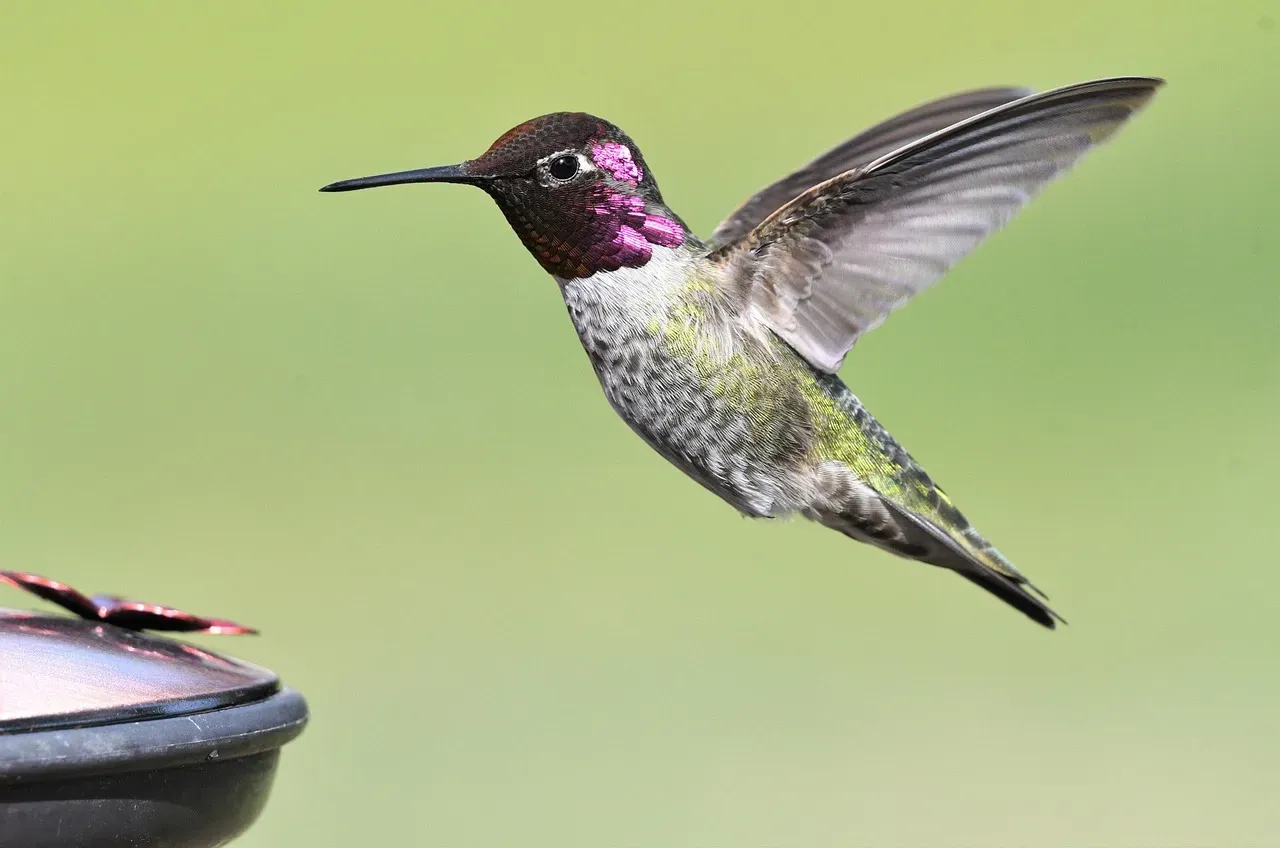
When your feeder suddenly fills up, birds may be reading the air.
Gardeners have long noticed that birds crowd feeders before bad weather. There’s real logic behind it. Storms usually come with falling pressure, and birds have a hard time getting food during a storm. Small birds like chickadees can’t afford to miss a meal, since they burn through fuel overnight and even let their body temperature drop to save energy.
Scientists have long noticed that birds feed intensely as air pressure falls. Insects may play a part too. Falling pressure pushes insects down closer to the ground, and the birds that eat them follow.
Here’s the catch, and it’s a good example of mixed evidence. In a field study of white-crowned sparrows, falling pressure did not raise body mass or stress hormones. There was a significant link to fat deposition, but the effect was very slight. The lab results were clearer: the sparrows could detect pressure changes.
So the picture is simple. Birds can sense pressure. Their behavior may shift. But the effect isn’t dramatic in every species or setting.
Worth Knowing
- Clearest signal: falling pressure ahead of a storm, which birds can detect in lab tests
- Likely side effect: insects pushed lower, drawing insect-eaters down with them
- Weakest link: field results show only a very slight change in fat deposition
- Time range: hours to a day or two, never a whole season
And it’s still a short-range signal. A feeder frenzy tells you a front is probably hours away. It can’t tell you whether January will be brutal. That’s the real divide in this whole article: animals are good at reading the next day or two, and almost useless at forecasting the next three months.
If a feeder crowd can sense a storm hours away, what happened to one small songbird will leave you doubting how much we know…

Smart Bird Feeder with Camera Solar Powered, 2K HD Live Video, 10,000+ Bird Species AI Identification
Check Price on AmazonAs an Amazon Associate, we earn from qualifying purchases.
10/7/2026 1:22 pm GMTi

Professional 7 in 1 Dog Paw Cleaner for Dogs & Cats - Includes 1 Portable Paw Washer, 1 Bath Brush
Check Price on AmazonAs an Amazon Associate, we earn from qualifying purchases.
10/7/2026 1:26 pm GMTi

Dog Stairs for Bed 18" H, 4-Step Dog Steps for High Bed
Check Price on AmazonAs an Amazon Associate, we earn from qualifying purchases.
10/9/2026 2:42 pm GMTi

Earth Rated XL Dog & Puppy Pee Pads, Discreet Top, Max Absorbency
Check Price on AmazonAs an Amazon Associate, we earn from qualifying purchases.
10/7/2026 1:28 pm GMTi
#1 – Warblers Fled a Storm Before Any Instrument Could Feel It
🔥 Would you like to save this?
We'll email this post to you, so you can come back to it later!
The most astonishing “forecast” in the animal kingdom isn’t about winter at all.
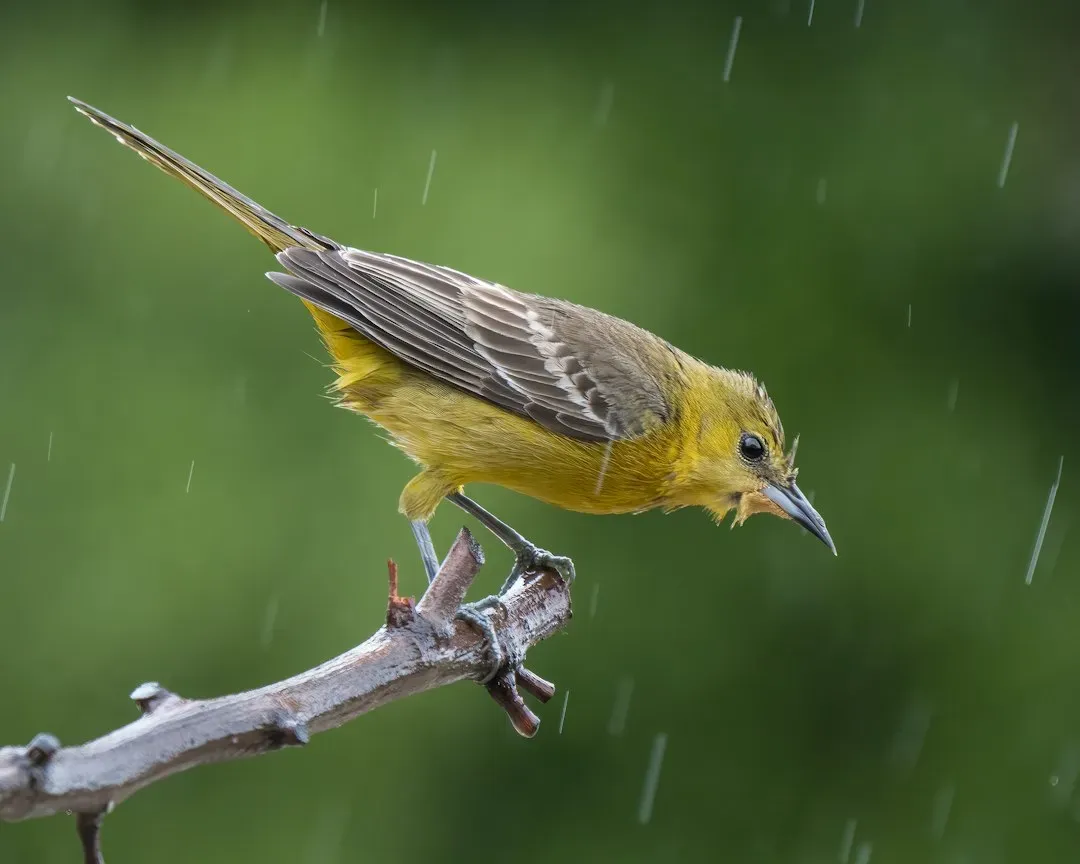
Researchers were tracking golden-winged warblers with tiny geolocators. They weren’t studying weather. Then, in the spring of 2014, the birds did something odd. They fled one to two days before a storm system arrived, ahead of any drop in local pressure a bird could feel on site.
The storm was enormous. It spawned over 80 tornadoes across the middle of the United States. The birds flew roughly 1,500 kilometers round trip in five days, then returned to the same patch of forest once the storm passed.
The warblers left even before any change in pressure, wind speed, or anything else that would normally send them fleeing. That’s what made the finding so strange. These birds had only just arrived on their breeding grounds, and they still chose to abandon them.
What explains it? Researchers suspect infrasound, the very low-frequency sound that severe storms produce. It’s a leading hypothesis, but the mechanism isn’t fully nailed down.
The lesson cuts both ways:
- Real: some animals sense approaching storms far earlier than expected
- Not real: any proof that animals forecast a full winter in advance
So what do all nine add up to? Most “animal winter predictions” are folklore. The woolly bear tells you its age. The squirrel reflects the oak’s schedule. The thick coat follows the daylight. The only genuinely impressive forecasting is short-range, like birds sensing a storm a day or two out. Nobody has shown that any animal can foretell a whole winter.
My opinion: the folklore is fun, but festivals and almanac rhymes should stop passing it off as science. The real stories are better. Hares keep time by light, bees run a winter survival system, and warblers outrun storms. A caterpillar that freezes solid and comes back to life beats any rhyme about stripe widths.
So which “sign” have you trusted for years, and will you keep trusting it after this?

- 9 Signs Animals Read That a Hard Winter Is Coming - November 8, 2026
- 8 Bedtime Habits a Dog Relies On More Than the Household Realises - November 8, 2026
- 14 Fee Reductions at State Wildlife Areas Over 65s Already Qualify For - November 8, 2026